The One Thing Pennsylvania Gardeners Forget To Do With Boxwoods Before Winter
Evergreen leaves keep losing water on sunny January days, even when the ground is frozen as hard as a sidewalk. I learned that the hard way after a row of shrubs turned bronze and crispy by March.
I blamed disease first. Turns out the real problem was thirst, and it started months earlier when I coiled up the hose for the season.
Across Pennsylvania, winter wind and bright sun pull moisture from foliage while roots sit locked in icy soil. The plant cannot refill what it loses. You end up with brown tips, faded color, and a spring cleanup nobody wants.
I skipped one simple fall chore for years. Once I started doing it, my hedges came through a Pennsylvania winter looking green and fresh. So what is the easy step most of us forget before the first hard freeze?
Those Bronzed Boxwood Leaves Have A Surprising Backstory
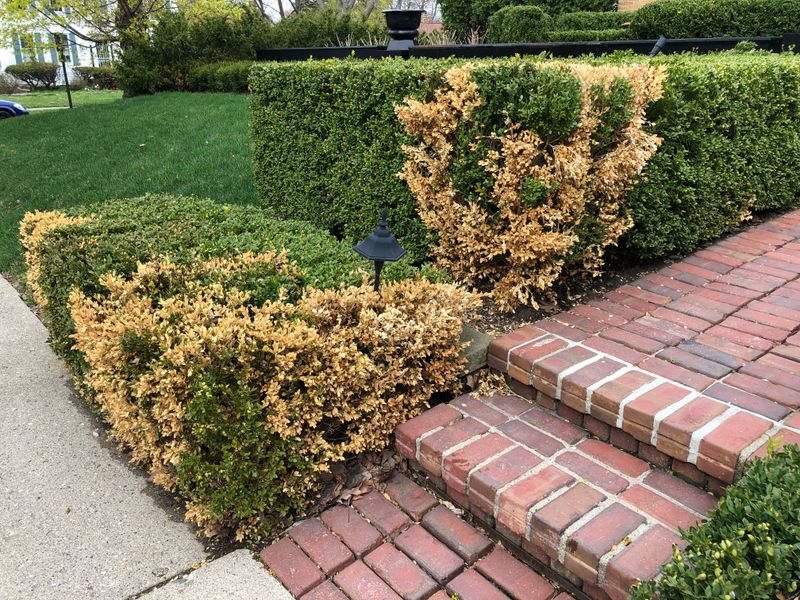
Most folks spot orange or tan boxwood leaves in March and assume a fungus moved in. Often, the culprit is far simpler and a lot less scary.
Boxwoods are broadleaf evergreens, so they hold their leaves all year. Those leaves keep releasing small amounts of water through tiny pores, a process called transpiration. On a sunny, breezy winter day, that water loss can add up fast.
The trouble starts when the soil freezes. Roots cannot pull water from frozen ground, so the plant has no way to replace what it loses.
Penn State Extension and other university sources call the result winter desiccation, or winter burn.
Damage usually shows up as bronze, reddish, yellow, or straw-colored leaves. It tends to appear first on the side facing wind or afternoon sun. The leaves may also look curled or crispy along the edges.
Disease can still happen, of course. Boxwood blight and Volutella canker are real problems in the region.
Blight causes dark leaf spots and black streaks on stems, while winter burn mostly looks like even, dry discoloration.
Knowing the difference saves you from spraying products you do not need. In many yards, the shrub simply went into winter thirsty.
A Deep Fall Watering Is The Boxwood Chore Everyone Skips
Here it is, plain and simple: water your boxwoods deeply in fall, right up until the ground freezes. That single habit does a great deal to prevent winter browning, often more than a spray or wrap.
Many of us put the hose away in September. Yet autumn in Pennsylvania can bring long dry spells, and shallow boxwood roots dry out quickly. A plant that enters winter well hydrated has far more water stored in its leaves and stems.
Aim for a slow, deep soak rather than a quick sprinkle. A soaker hose or a trickling garden hose at the base works great. Let it run long enough to moisten the top 8 to 12 inches of soil.
About once a week is a solid guide when rain is scarce. Push a finger or trowel into the soil first. If it feels dry a couple of inches down, it is time to water.
Your Pennsylvania Garden Changes Every Week. Your Plan Should Too.
Gardening in Pennsylvania changes quickly throughout the season. Every Friday you’ll receive a simple weekly plan showing exactly what to plant, prune, fertilize, harvest, and protect so you never miss the right timing.
Keep going through October and November on mild days when temperatures sit above freezing. Water in the morning so the surface can drain before nightfall.
In southeastern Pennsylvania, ground often freezes later, so you may water into early December. Up north in Pennsylvania, the window closes sooner.
Boxwoods Tucked Under Eaves Get Thirstier Than You Expect
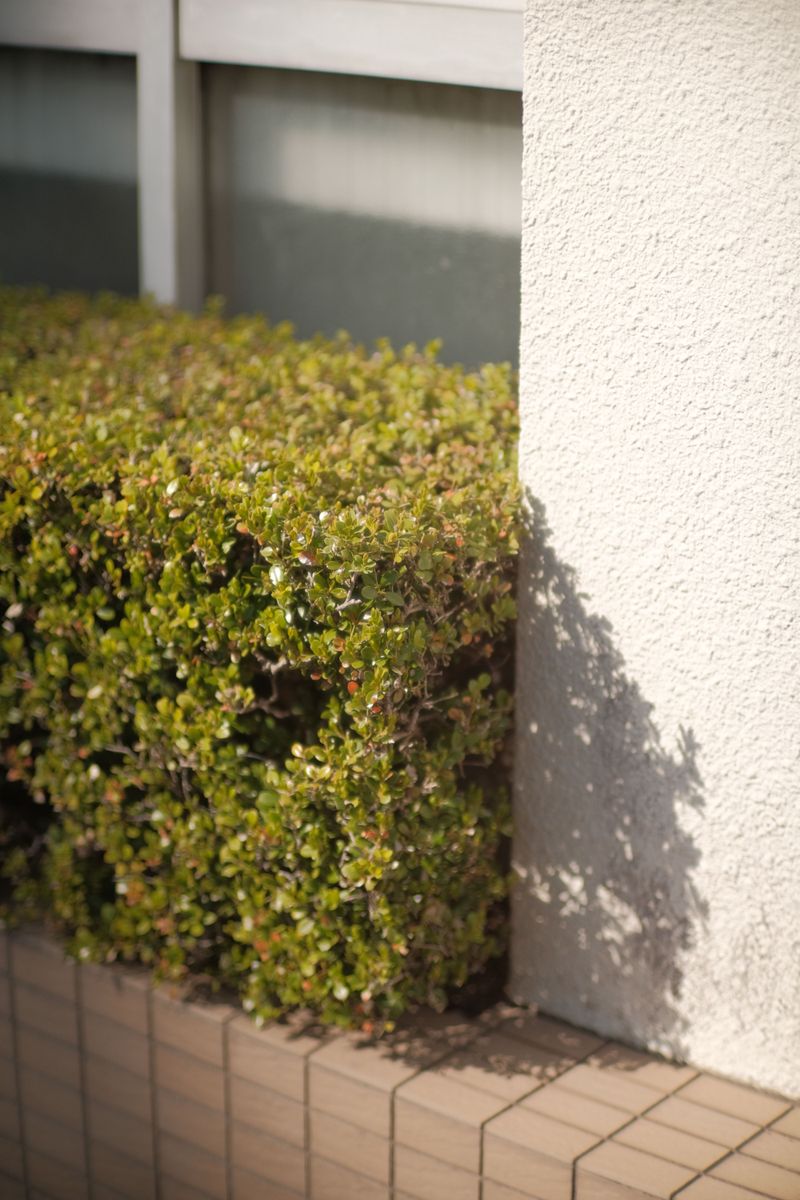
I once had two matching boxwoods by my front steps. The one under the porch roof browned every winter, while its twin out in the open stayed green.
The reason was rain, or the lack of it. Roof overhangs block a surprising amount of rain and snow from reaching foundation plantings. That soil can stay dry even after a soggy week.
Brick and stone walls make things tougher. They soak up heat on sunny days and reflect it back onto nearby leaves. Warm foliage loses water faster, while the roots below sit in parched ground.
So give foundation boxwoods extra attention during your fall watering routine. Check their soil separately instead of trusting a rain gauge in the middle of the lawn. You might find bone-dry dirt just a few feet from soggy grass.
Gutters matter too. A downspout dumping water in one corner can flood one shrub while starving another. Spread that runoff with a splash block or extension if you can.
Container boxwoods on patios need the same care. Pots dry out quickly and roots freeze faster above ground. Water them well in fall and move them to a sheltered spot if possible.
A Mulch Blanket Keeps Shallow Boxwood Roots Cozy
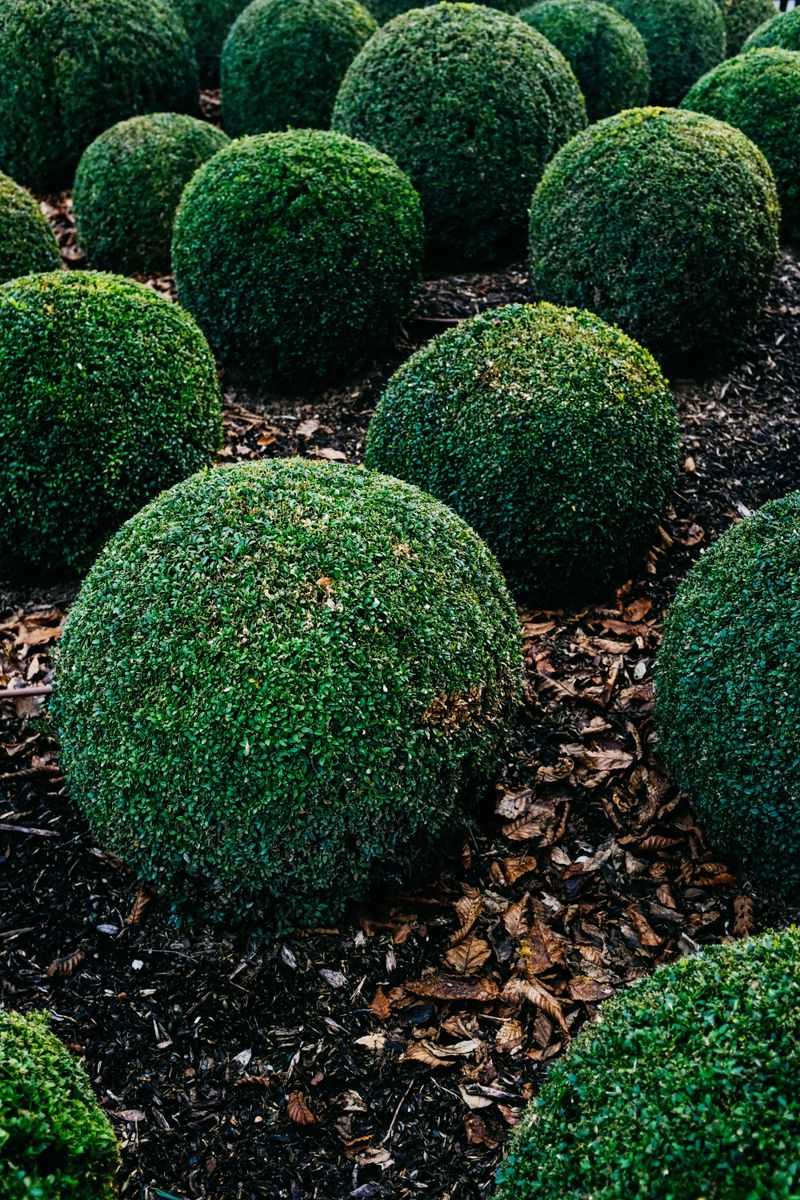
Boxwood roots stay close to the surface, often in the top foot of soil. That makes them sensitive to drying out and to the wild temperature swings that Pennsylvania winters are known for.
A layer of organic mulch helps on both fronts. Spread about 2 to 3 inches of shredded hardwood, pine bark, or chopped leaves over the root zone. It slows evaporation and keeps soil temperatures steadier through freeze and thaw cycles.
Timing is flexible, but late fall after a deep watering works nicely. You lock that moisture in right when the plant needs it most, just before the coldest stretch of a Pennsylvania winter.
Resist the urge to pile mulch high against the stems. Those volcano-shaped mounds trap moisture against bark and invite rot and pests. Leave a gap of a few inches around the base.
Thicker is not better here either. More than 3 inches can smother shallow roots and keep air from reaching the soil. If last year’s mulch is still there, just top it off lightly.
Fun fact: leaf litter has long been used as a natural mulch in gardens, and raking shredded leaves under your shrubs gives you a free, old-fashioned option.
Raking shredded leaves under your shrubs gives you a free, old-fashioned option that feeds the soil as it breaks down.
Burlap Screens Shield Boxwoods From Biting Winter Wind
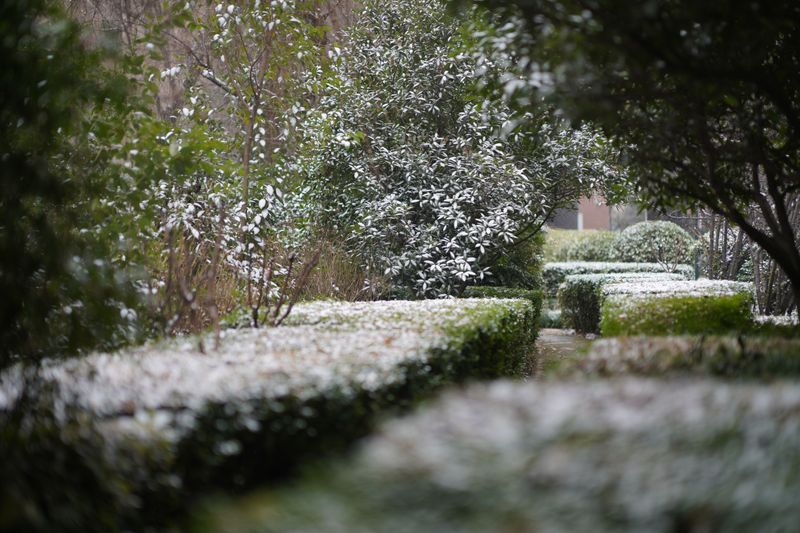
Wind is sneaky. A steady winter breeze strips moisture from boxwood leaves much faster than calm air.
For shrubs on exposed corners or near open fields, a burlap screen can help a lot. Pound a few wooden stakes on the windward side, usually the north or west, and staple burlap between them.
Leave space so the fabric does not press on the leaves. Avoid wrapping burlap tight around the plant like a burrito. That can trap moisture and block light. A loose screen that breaks the wind works better.
Plastic is a poor substitute. It heats up in sun and holds in humidity, which can cause more harm than good.
Some gardeners also use anti-desiccant sprays, which coat leaves in a waxy film. Research on these products is mixed, so think of them as a bonus rather than a replacement for watering.
If you try one, apply it on a dry day above 40 degrees F, following the label. Planning a new hedge? Choose a spot with morning sun and shelter from winter wind.
Hardy varieties like Green Velvet or Green Mountain handle cold blasts better than English boxwood in many parts of the state.
Put The Pruning Shears And Fertilizer Away Until Spring
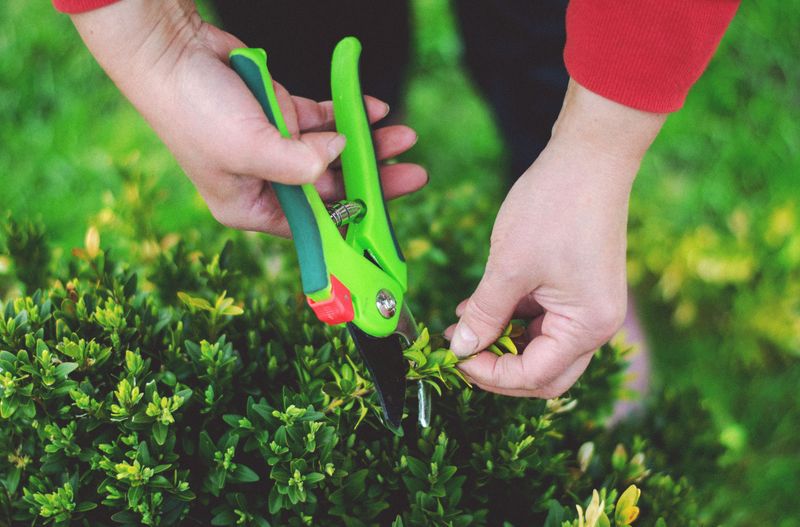
Late summer tidying feels so satisfying. Unfortunately, a fresh haircut on a boxwood in September can set it up for trouble.
Pruning signals the plant to push out new shoots. Those tender stems need weeks to harden before cold weather arrives. If frost shows up first, that soft growth often browns and dries out.
Most extension guides suggest finishing major boxwood trimming by midsummer. Light shaping in early spring, after the worst cold passes, works well too.
Fertilizer causes a similar problem. Feeding in fall, especially with high-nitrogen products, encourages lush growth at the wrong time. Save fertilizing for early spring, and only if a soil test shows your plants need it.
Holiday decorators, take note. Snipping a few sprigs for wreaths in December is fine, since growth has stopped by then. Just cut selectively and avoid shearing the whole shrub.
Also, thinning instead of shearing helps long term. Removing a few interior branches lets light and air reach the center, which can lower disease risk.
Dense outer shells from repeated shearing tend to hold moisture and invite fungal issues like Volutella. Patience in autumn pays off with healthier shrubs come April.
Wait For Warm Weather Before Trimming Winter-Damaged Boxwoods
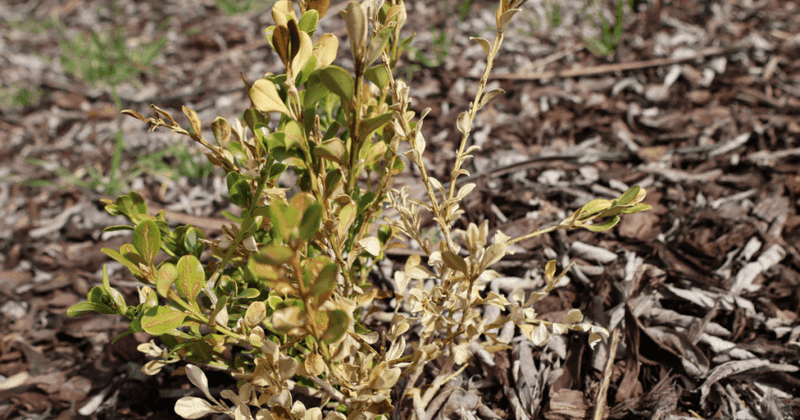
Spring arrives and you notice brown patches. Take a breath and set the shears down for now. Winter-damaged leaves often look worse than the damage really is.
The buds underneath may still be healthy. Waiting until late April or May lets new growth show you what made it.
Scratch a stem gently with your thumbnail. Green tissue underneath means it is alive and likely to leaf out. Brown, brittle wood can be cut back to healthy growth once you see fresh leaves.
Watch for bark splitting near the base, a sign of severe cold injury. Badly split branches may need removal, but healthy sections often fill gaps within a season or two.
If browning spreads despite good care, take a sample to your county Penn State Extension office. Staff can help rule out boxwood blight, leafminers, or root problems.
Then mark your calendar for next fall. Write a reminder to keep watering through November, refresh mulch, and set up screens for exposed shrubs.
A few hours of watering each autumn cost far less than replacing a hedge. Your future self, admiring green boxwoods in March, will be glad you did.