8 Native Shrubs That Bring Birds Into Your Arizona Yard When You Plant Them This Fall
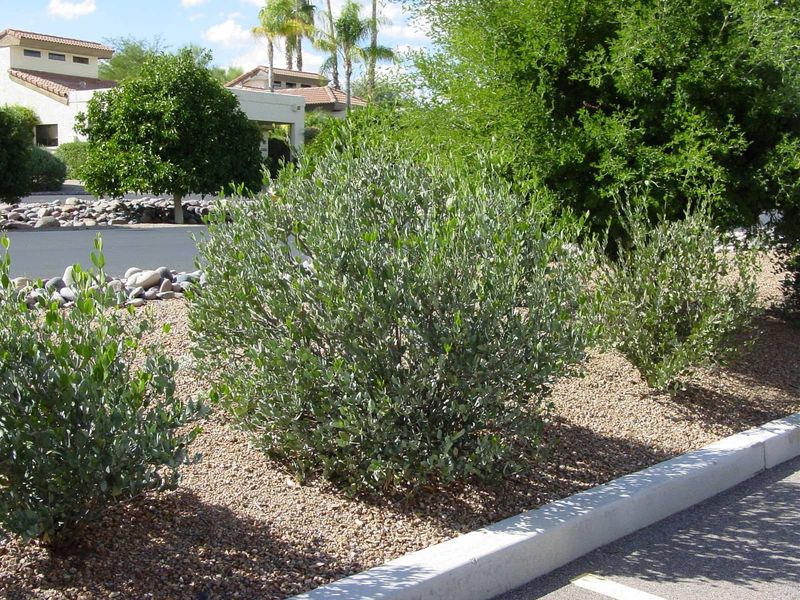
Fall is the secret planting season in the Arizona desert, when cooler soil lets new roots settle in before next summer’s brutal heat. Plant the right native shrubs now, and by spring your yard could be buzzing with hummingbirds, quail, thrashers, and finches.
These plants sip little water, shrug off 110-degree days, and give birds the food and shelter they need. Here are eight tough desert shrubs that can turn a quiet yard into a busy bird hangout.
1. Desert Hackberry
Picture a curve-billed thrasher tucked deep inside a tangle of thorny branches, calmly snacking while a hawk circles overhead. That is the everyday scene a desert hackberry can create.
Few shrubs in the low desert feed and protect birds quite like this one.
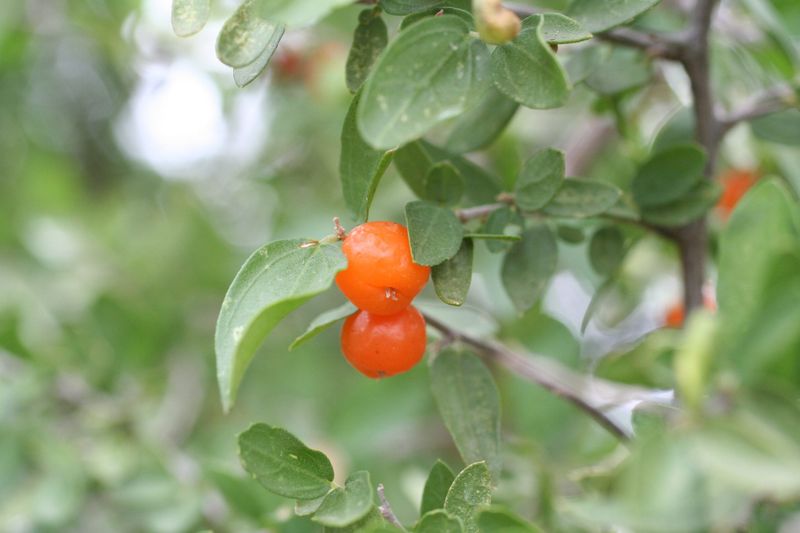
Its small orange berries draw a crowd that may include mockingbirds, phainopeplas, cardinals, Gambel’s quail, Abert’s towhees, house finches, and cedar waxwings. The spiny, zigzag branches make predators think twice, so birds often use the shrub as a safe nesting spot and a quick place to duck for cover.
Toughness is another big selling point. Once established, desert hackberry handles full sun, reflected heat, and caliche soil with barely a complaint.
A deep soak every two to three weeks in summer is usually plenty, and winter watering is close to zero.
Plant it in October or November so roots can spread before June arrives. Give it room along a back wall or property line, since it can reach about ten feet wide.
As a bonus, its tiny flowers feed bees, and the leaves host the American snout butterfly, making this one shrub a full wildlife buffet.
2. Fairy Duster
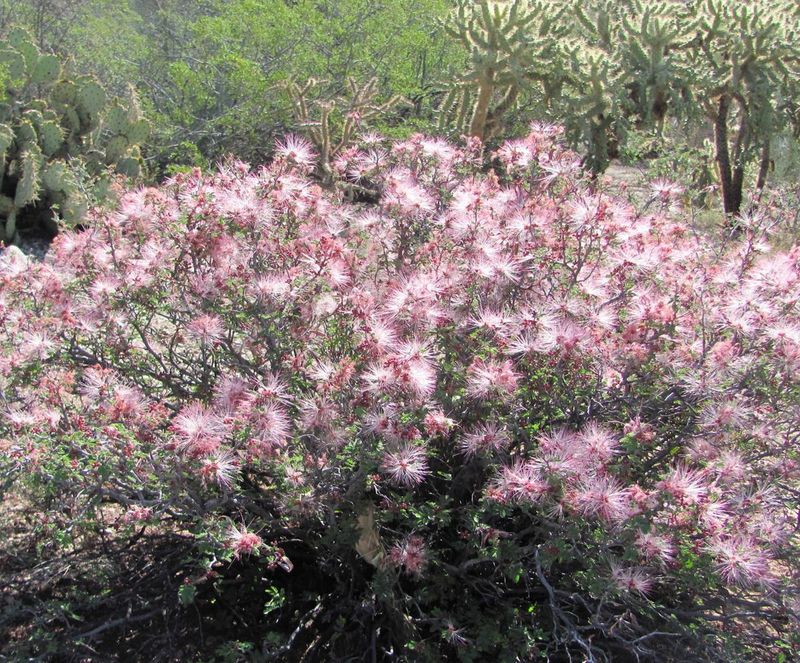
Pink puffballs that look like tiny fireworks? Hummingbirds certainly think they are worth a visit.
Fairy duster may be small, but it punches well above its size when it comes to bringing birds close.
Anna’s and Costa’s hummingbirds love the nectar in those feathery blooms, which open from late winter into early summer. After monsoon rains, the plant can surprise you with a light second flush in fall.
Once the flowers fade, the seed pods give wrens and finches something tasty to pick at.
Here is the fun part for busy homeowners. Fairy duster stays around two to three feet tall and naturally grows into a tidy mound, so pruning is rarely needed.
It loves full sun and, once its roots are settled, gets by on very little water.
Fall planting fits this shrub perfectly because the mild weeks give it time to anchor itself. Tuck several along a walkway, near a patio, or on a sloped area where the roots can help hold soil in place.
Group three or five together for a bigger splash of color that hummingbirds can spot from across the block. Bees and butterflies will happily join the party too.
3. Chuparosa
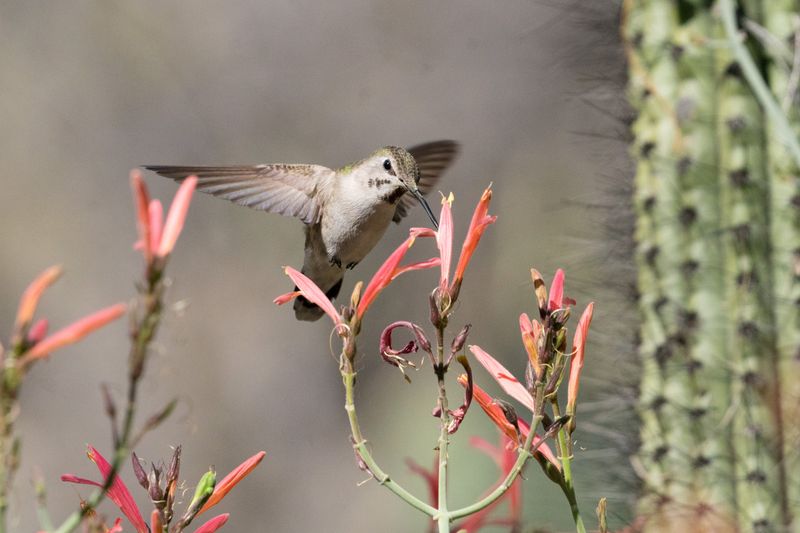
The name says it all. In Spanish, chuparosa roughly means hummingbird, and anyone who has grown it knows why.
Your Arizona Garden Changes Every Week. Your Plan Should Too.
Gardening in Arizona changes quickly throughout the season. Every Friday you’ll receive a simple weekly plan showing exactly what to plant, prune, fertilize, harvest, and protect so you never miss the right timing.
Those bright red tubular flowers are practically a neon sign for hungry hummers.
Rufous hummingbirds and resident Anna’s often fight over this plant, zipping in for nectar again and again. What makes chuparosa special is its timing.
It tends to bloom from fall into winter, then again from spring into early summer, filling gaps when other nectar plants are resting.
Even in dry stretches, the stems stay green, so the shrub never looks totally bare. It handles heat and drought well once established, and it asks for little more than an occasional deep drink during the hottest months.
One caution worth knowing: hard freezes can nip it back. When you plant this fall, choose a warm, sheltered spot, such as near a south or west-facing wall, where stored heat helps protect it on chilly nights.
If frost does burn the tips, wait until spring to trim, and it usually bounces back quickly. Plant it where you can see it from a window, because the hummingbird show is too good to miss.
4. Desert Honeysuckle
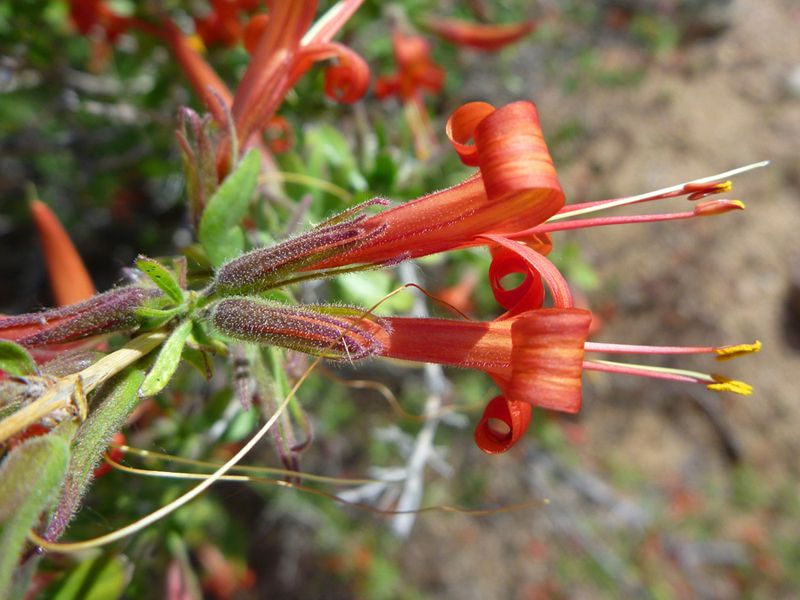
Long bloom seasons are gold in a bird garden, and desert honeysuckle delivers just that. While many plants take a summer break, this shrub keeps pushing out orange-red flowers from late spring well into fall.
That steady supply of nectar keeps hummingbirds coming back week after week. Once the blooms finish, small seeds offer an extra snack for seed-eating birds.
Butterflies and helpful insects also drift in, which can bring even more birds looking for a bug buffet.
Don’t let the name fool you. It isn’t related to the vining honeysuckle many people know from cooler places.
This plant is built for intense sun, fast-draining soil, and long dry spells. Once established, it handles Phoenix and Tucson summers with only occasional deep watering.
Plant it this fall in a sunny bed where it can grow about three to five feet tall. A light trim in late winter keeps it full and encourages fresh growth.
Pair it with fairy duster or chuparosa to create a nectar trail that blooms almost all year. Your hummingbirds will learn the route fast, and you will enjoy a steady stream of color with very little work.
5. Ocotillo
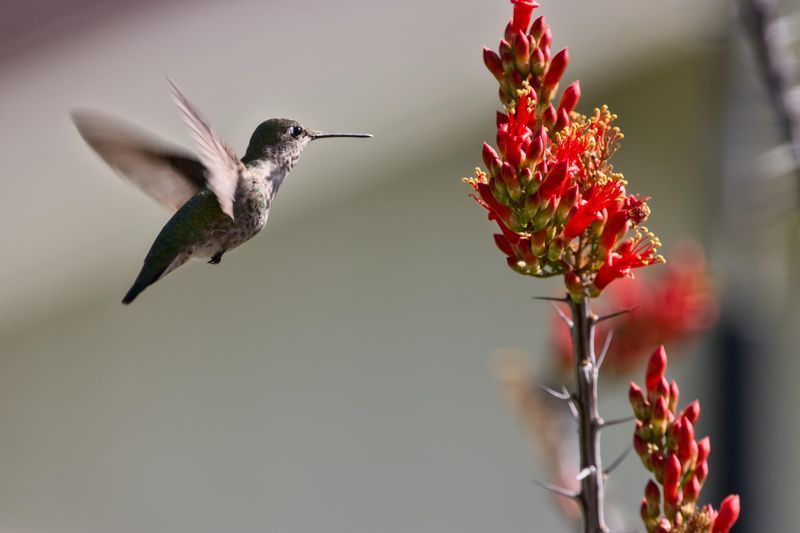
Tall, spiny canes waving in the wind with flaming red tips on top. Ocotillo looks like something from another planet, and hummingbirds treat it like a rest stop on their spring travels.
Its red-orange tubular flowers usually appear in spring and early summer, right when migrating hummers need fuel. Orioles and verdins may also stop by to sip nectar.
The thicket of thorny stems provides a lookout perch and some cover for small birds.
Did you know ocotillo can drop all its leaves during a dry spell, then grow a fresh set within days after a good rain? That clever trick lets it survive brutal drought without any help.
It is about as low-maintenance as plants get.
Fall is a smart time to plant because it gives roots months to settle before summer heat returns. Buy from a reputable nursery, set it in fast-draining soil, and water a bit more often during the first season.
Don’t panic if it looks bare for a while, since new plants can take time to leaf out. Use it as a living sculpture near a corner or entry, and enjoy the bird activity it brings.
6. Jojoba
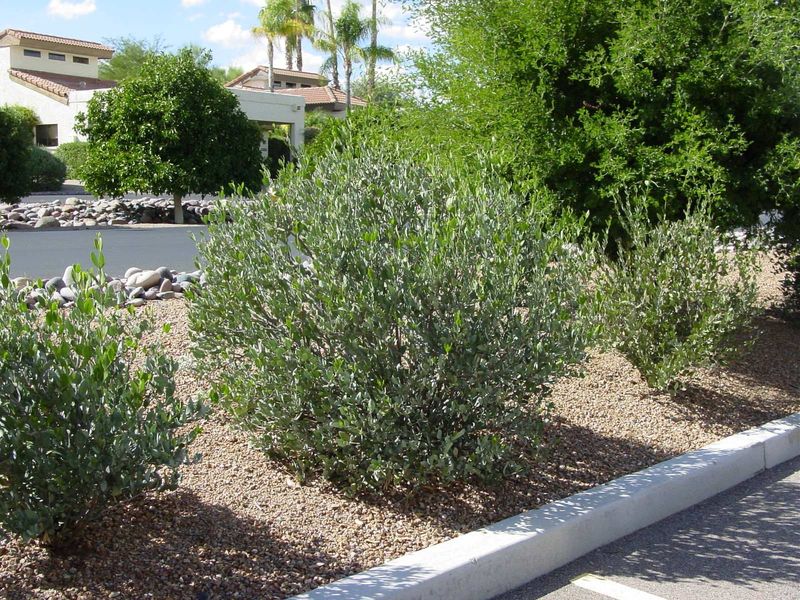
Not every bird plant needs flashy flowers. Jojoba is the quiet, dependable friend of the desert yard, offering steady cover and food all year without ever asking for attention.
Its thick, gray-green leaves stay on through every season, giving quail, sparrows, and other small birds a shady hideout during the hottest afternoons. Female plants produce acorn-like seeds that some birds and small wildlife will nibble.
Think of it as a cool, safe room in a sunbaked landscape.
Jojoba handles reflected heat, alkaline soil, and long dry months better than most hedges. Once established, it needs only occasional deep watering, which can mean real savings compared to thirsty shrubs.
Its leaves turn their edges toward the sun, a smart move that helps them stay cooler.
Plant it this fall along a block wall or as a screen for privacy. You can shear it into a neat hedge, though letting it grow loose and natural gives birds better shelter.
Spacing a few plants together creates a green buffer that softens harsh walls and helps keep your yard feeling a little cooler. It is a workhorse that birds and homeowners can both appreciate.
7. Yellow Palo Verde
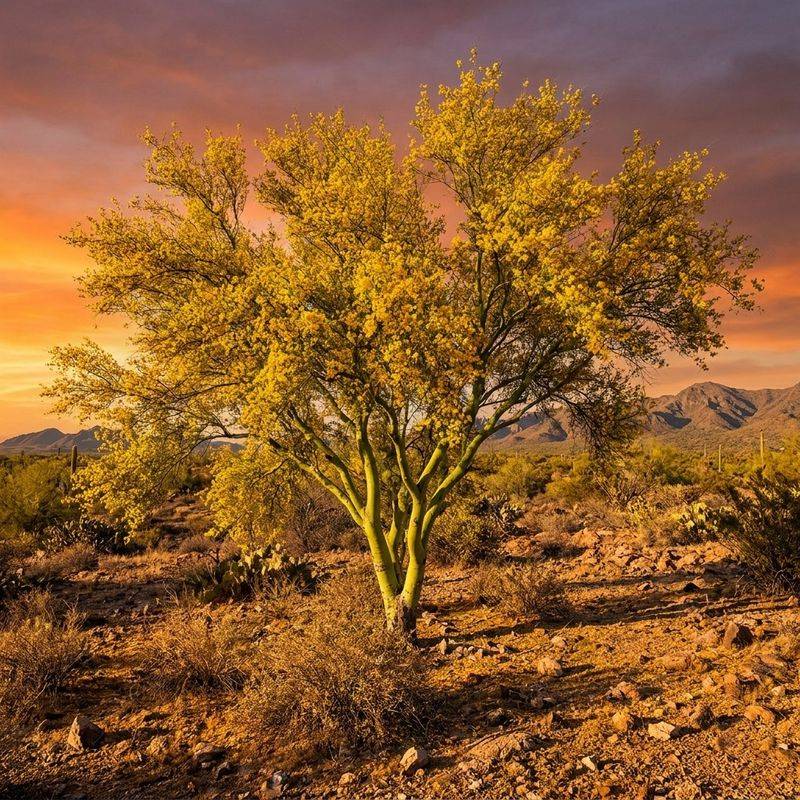
Some plants just feed birds. Yellow palo verde, also called foothill palo verde, helps hold the whole Sonoran Desert together.
Part shrub, part small tree, it supports a surprising number of creatures.
Hummingbirds visit the pale yellow blossoms, while white-winged doves, Gambel’s quail, and songbirds go after the seeds. The branching canopy gives birds places to build nests and watch for danger.
In the wild, it even acts as a nurse plant, sheltering young saguaros as they grow.
Its green bark is a clever survival tool. When drought forces the tiny leaves to drop, the bark keeps making food from sunlight, so the plant carries on through dry times.
That makes it one of the most water-wise picks on this list.
Plant it in fall, giving it a sunny spot with room to spread around fifteen feet. Water deeply but not often while it establishes, then cut back once it settles.
Its filtered shade can help cool a patio or protect tender plants below. Prune lightly and only as needed, since a fuller shape gives nesting birds more cover.
Few plants pack this much habitat into one tough package.
8. Wolfberry
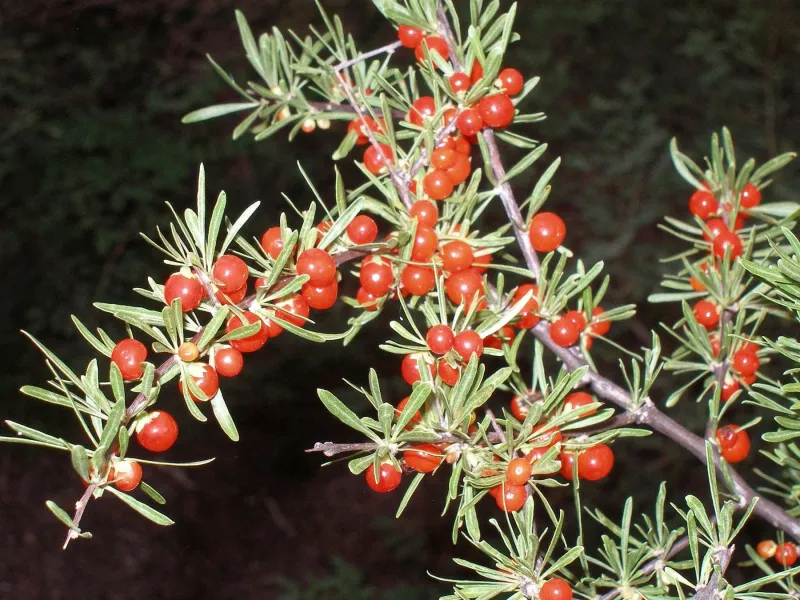
Ask any longtime desert birder about wolfberry, and you will likely get a grin. This scrappy, spiny shrub is a bird magnet that many homeowners overlook simply because it is not fancy.
Species like Fremont wolfberry and pale wolfberry produce small red berries that birds gobble up, often in spring when other fruits are scarce. Hummingbirds may also check out the tiny purple flowers.
The dense, thorny branches create a fortress where quail, thrashers, and sparrows can hide or raise young.
Wolfberry thrives in heat, poor soil, and dry conditions. It may drop leaves during the hottest stretch, then green up again with cooler weather or rain.
That natural rhythm means less watering and less fuss for you.
Fall planting gives it a strong head start, so roots can dig in before the summer furnace. Place it toward the back of the yard, along a fence, or in a natural wash area where its spines won’t snag passersby.
Let it grow full instead of trimming it tightly. The wilder it looks, the more birds tend to feel at home, and that is exactly the payoff you want.