How to Map Out Next Year’s Vegetable Garden Before Snow Covers Michigan
Tomatoes and potatoes are close cousins, and they share some of the same soil diseases. Plant one where the other grew last summer, and you may be handing trouble a free ticket into next season.
That surprised me the first time I read it. I had been rotating crops in my head for years, and my memory turned out to be a poor record keeper. By April, I could not recall where anything had grown.
The garden still holds clues right now. Faded stems show where the sun lingered, soggy corners reveal drainage problems, and leftover vines point to what worked.
Once Michigan snow arrives, those hints vanish under a white blanket for months. You need only a pencil, some paper, and one chilly afternoon outside.
1. Those Leftover Stems and Vines Hold Your Best Garden Notes
Last spring I stood in my yard with a seed packet in hand and no idea where the squash had grown. That foggy memory taught me a lesson I still follow every fall.
Walk your garden now, before snow hides everything. Old tomato cages, bean trellises, and brown vines show exactly where each crop lived this year. Draw a rough outline of your beds on paper and label what grew in every spot.
Add quick notes as you go. Write down which plants thrived, which ones sulked, and where pests showed up. A line like “cucumbers wilted in July” or “carrots split in heavy soil” will be gold in March.
Take photos with your phone too. Snap each bed from a few angles so you can compare them later. Pictures catch details your memory will lose by spring.
Measure your beds with a tape measure while the ground is still easy to walk on. Knowing that a bed is 4 by 8 feet makes it much easier to plan spacing and seed amounts.
Keep this map in a folder or notebook with your seed receipts. Over a few years, it turns into a personal garden history that no catalog can match.
2. Moving Tomato and Bean Families Around Keeps Soil Problems in Check
Crop rotation sounds fancy, but it works like a simple game of musical chairs. Each plant family gets a new seat every year.
Group your vegetables by family first. Tomatoes, peppers, eggplant, and potatoes belong together in the nightshade family. Cabbage, broccoli, kale, and radishes form another group.
Beans and peas are legumes, while squash, cucumbers, and melons make up the cucurbit crowd.
Many soil diseases and some insects target one family. Early blight on tomatoes and potatoes is a classic example in Michigan gardens. Moving that family to a new bed gives those problems less to feed on.
University extension programs often suggest waiting three to four years before returning a family to the same spot. Small gardens make that tricky, so do the best you can. Even a one-bed shift helps more than no change at all.
Beans and peas host bacteria on their roots that capture nitrogen from the air. Following hungry crops like corn or cabbage with legumes is a smart move.
Use your fall map to plan this out. Shade each bed by family, then slide the colors over one space for next year. Suddenly the puzzle feels easy.
3. A Fall Soil Test Tells You What Your Garden Beds Are Missing
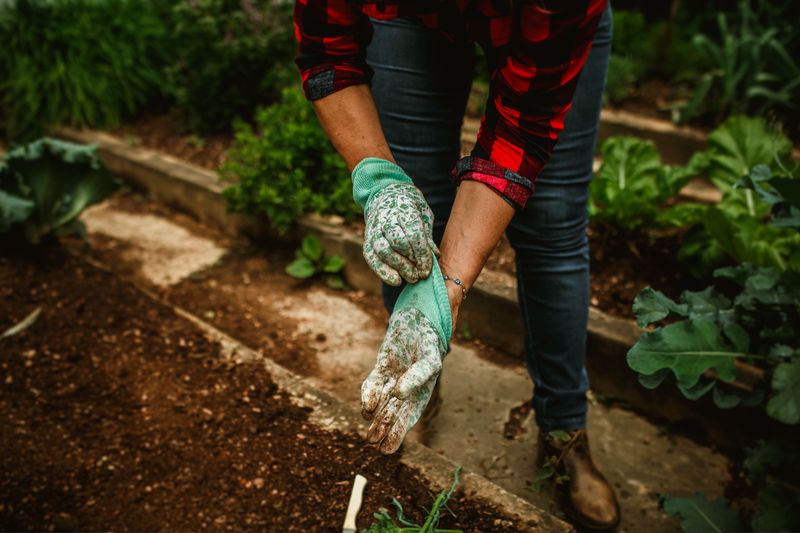
Guessing about fertilizer is like cooking without tasting the soup. A soil test takes the mystery out of it.
Michigan State University Extension sells home soil test kits, and fall is a great time to use one. Labs are often less busy than in spring, so results tend to come back faster. Testing every few years is usually enough for a home garden.
Collecting a sample is easy. Use a clean trowel to dig small slices of soil about 6 inches deep from several spots in a bed. Mix them in a clean bucket, remove rocks and roots, and let the soil air dry before packing it.
Your report will show pH and key nutrients like phosphorus and potassium. Most vegetables prefer a pH between about 6.0 and 7.0. The results also suggest how much lime, sulfur, or fertilizer to add.
Many Michigan gardens already have plenty of phosphorus. Adding more can wash into lakes and streams, so the test helps protect water too.
Write your results right on your garden map. When spring arrives, you will know exactly which beds need a boost and which ones are ready to go.
4. Watching the Sun Cross Your Yard Shows Where Peppers Will Thrive
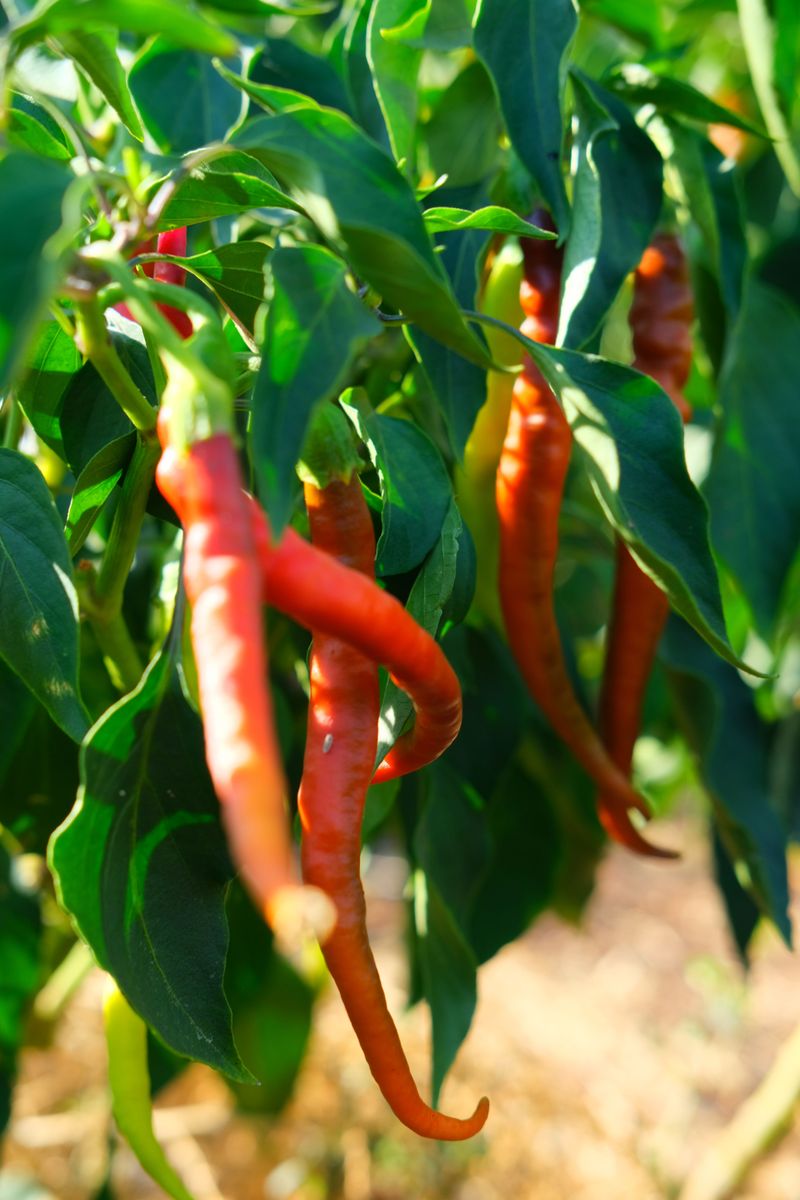
My first garden sat in a spot that looked bright at lunch. By 3 p.m., a maple tree swallowed it in shade, and my peppers barely grew.
Most fruiting vegetables want at least six to eight hours of direct sun. Tomatoes, peppers, squash, and beans fall in that group. Leafy greens like lettuce, spinach, and kale can handle a bit less.
Fall is a handy time to study shade. The sun sits lower in the sky now, so shadows stretch longer than in summer. Spots that stay sunny in October will likely be even brighter in June, unless nearby trees leaf out and shade them.
Check your yard a few times in one day, maybe morning, noon, and afternoon. Sketch where shadows from trees, fences, and buildings land. Mark the sunniest zones on your map with a star.
Place tall crops like pole beans, trellised cucumbers, and sweet corn on the north side of your garden. That way they will not block light from shorter plants.
Leaf drop matters too. Trees look bare now, but they fill out in spring. Picture those branches full of leaves when you plan your sun-loving crops.
5. Your Michigan Frost Dates Decide When Each Seed Goes in the Ground
Michigan is long and lumpy when it comes to weather. A gardener near Benton Harbor and one in Marquette live in very different worlds.
USDA hardiness zones in the state run from about 4a in parts of the Upper Peninsula to 6b in warmer southern spots.
Lake Michigan softens temperatures along its shore, which can stretch the season for coastal gardens. Inland areas and the U.P. often get later spring frosts.
Look up the average last spring frost date for your town. MSU Extension and local weather data can help. Then count backward to plan seed starting and planting times.
Cool-season crops like peas, spinach, and radishes can go in the ground a few weeks before that last frost. Warm-season crops like tomatoes, peppers, and basil should wait until the danger passes and the soil warms.
Write planting dates directly on your map or a calendar. Many gardeners start tomatoes and peppers indoors about six to eight weeks before the last frost.
Plan for a second round too. Fall crops like kale and carrots can follow early harvests, and kale often tastes sweeter after a light frost.
6. Seed Catalogs Make Cold Evenings Feel Like Spring Shopping
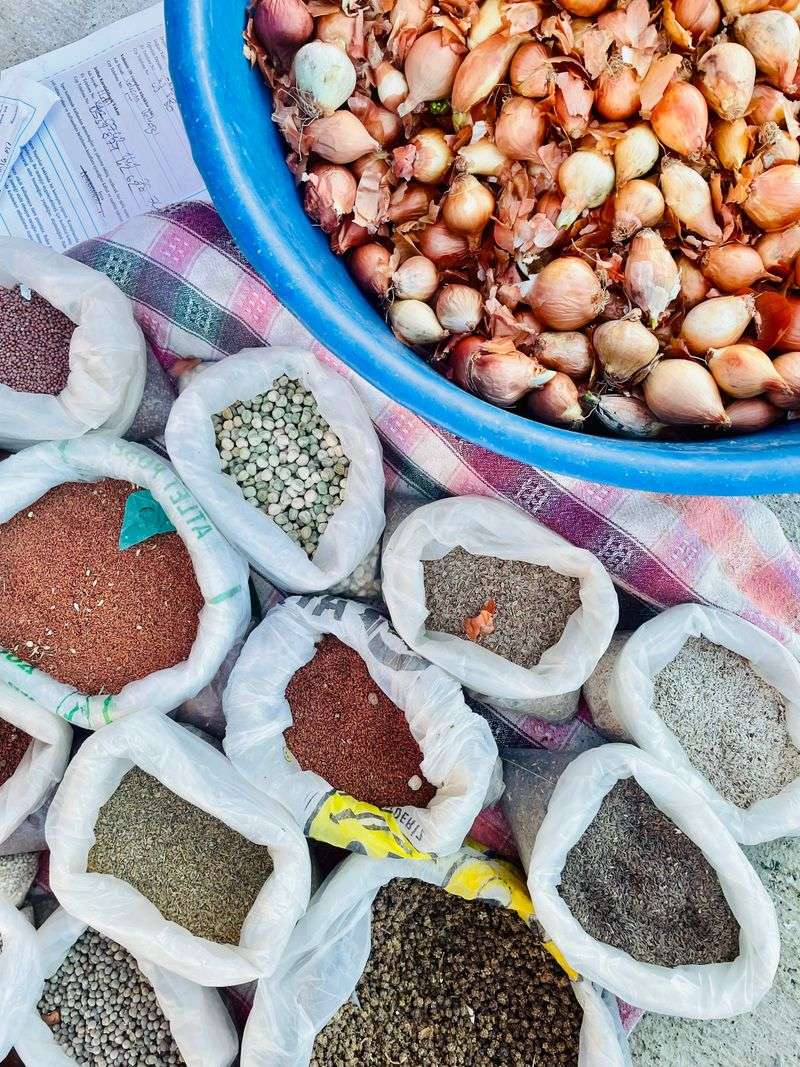
Some people binge TV shows in winter. I binge seed catalogs, sticky notes and all.
Pick varieties with your local season in mind. Northern gardeners should look for shorter “days to maturity” numbers, especially for tomatoes, squash, and melons. A 65-day tomato has a much better shot in the U.P. than a 90-day giant.
Disease resistance is another smart filter. Catalogs often list codes for resistance to problems like powdery mildew or fusarium wilt. Choosing tough varieties can save a lot of frustration in humid summers.
Fun fact: ‘Detroit Dark Red’ beets and ‘Grand Rapids’ lettuce carry Michigan city names. Both are old favorites that still grow well in home gardens today.
Count your space before you order. Your map shows how many feet of row or square feet of bed you have. That keeps you from buying enough seed for a farm when you have two raised beds.
Check leftover seeds too. Many stay viable for a few years if stored cool and dry. Popular varieties can sell out by late winter, so ordering early makes sense.
7. Basil Beside Tomatoes and Flowers Near Squash Bring Helpful Bugs
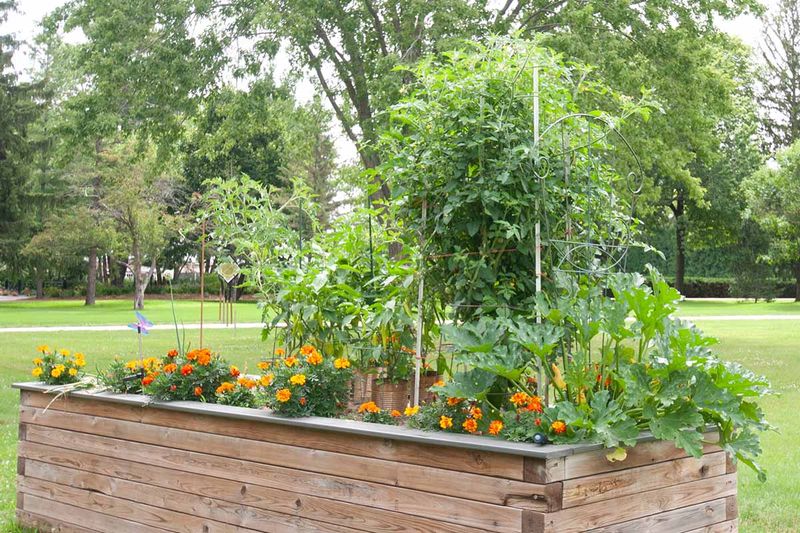
Gardens get livelier when you mix things up a little. A few flowers and herbs can invite a whole crew of helpful insects.
Companion planting has lots of garden lore, and not every claim holds up in research. Still, some ideas have solid support. Flowers that offer nectar and pollen attract pollinators and beneficial insects like lady beetles, lacewings, and tiny parasitic wasps.
Squash, cucumbers, and melons need bees to make fruit. Planting zinnias, sunflowers, or native wildflowers nearby gives pollinators a reason to visit often.
Basil and tomatoes make a popular pair, mostly because they share similar sun and water needs. Plus, harvesting both for a summer salad is easy when they sit side by side.
Marigolds are a classic choice too. Certain types may help reduce some root nematodes when grown thickly, though results vary.
Mark a few flower spots on your map now. Bed corners and row ends work well. Choose native or noninvasive annuals, and skip anything that spreads aggressively.
Leave room for paths as you fill in plants. Crowded beds can trap moisture and invite disease, so spacing matters as much as pairing.
8. Shredded Leaves Over Empty Beds Give Next Year’s Garden a Head Start
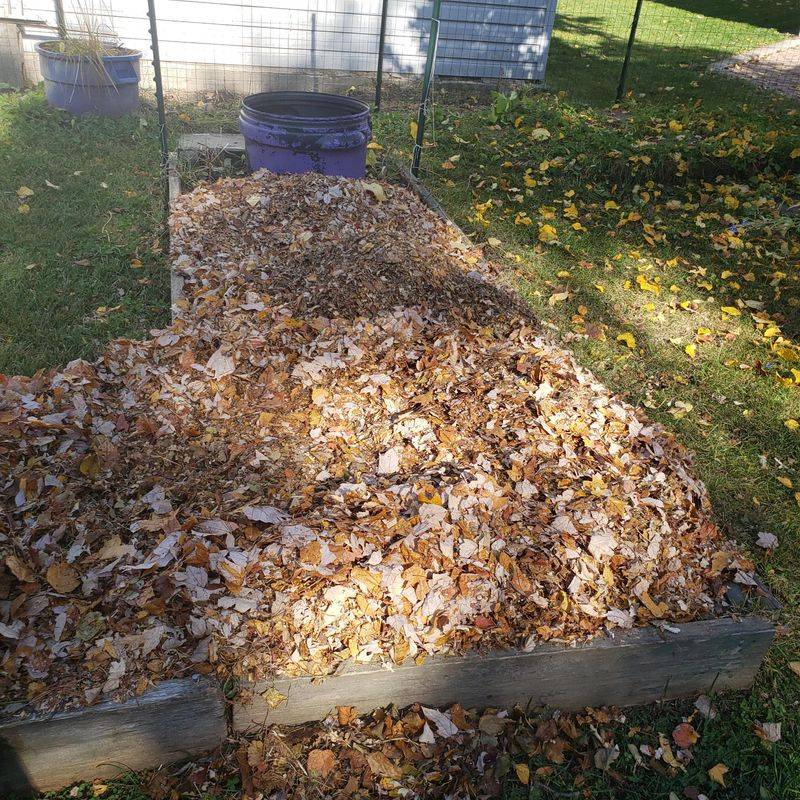
Once your map is done, give the beds a cozy blanket. Your future self will thank you in April.
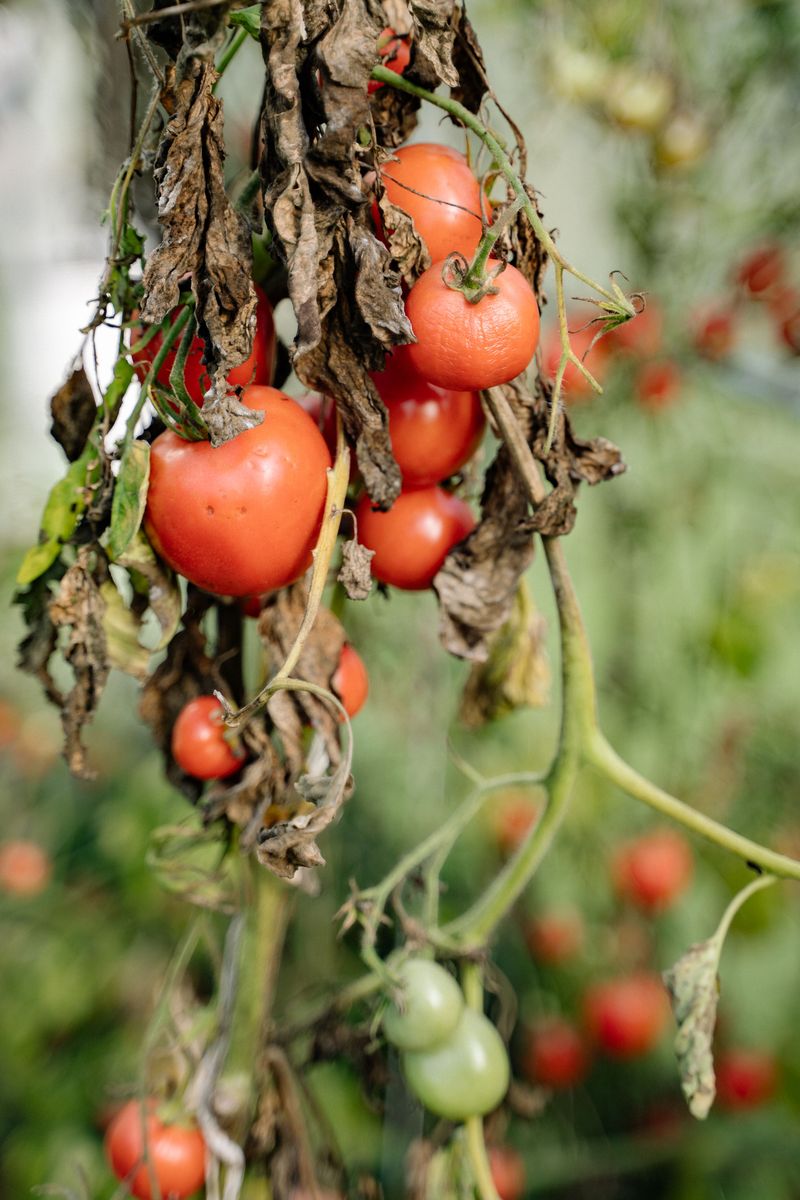
Start with cleanup. Remove plants that had disease problems, like blighted tomato vines or mildewed squash leaves. Toss them in the trash or yard waste rather than a home compost pile, which may not get hot enough to break down disease.
Healthy plant leftovers can stay or go into compost. Some gardeners leave stems standing to shelter beneficial insects over winter.
Next, spread shredded leaves or straw a few inches deep over bare soil. Running leaves over with a mower first helps them break down faster and stay put in the wind. This layer reduces erosion and feeds soil life as it slowly breaks down.
Fall is also a good time to work in compost or add lime if your soil test called for it. Lime takes months to change pH, so adding it now gives it time to work.
Finally, tuck your map somewhere safe. When snow covers everything, you will have a clear plan ready, plus healthier soil waiting underneath.