The Five Minute Fall Lilac Task To Protect Your Spring Blooms

Next May’s flowers are already sitting on your shrub right now, tucked inside fat little buds at the branch tips.
I learned that fact the hard way. One October, I gave my bush a neat haircut and got almost no blooms the following spring.
Plenty of gardeners do the same thing every autumn. The shears feel helpful, and the yard looks tidier. Meanwhile, the plant quietly loses its whole spring show.
You might notice a few brown, crusty clusters still hanging on your shrub this fall. Those leftovers hold a clue.
A quick walk around the bush with pruners, plus a careful eye, helps you avoid costly cuts and tidy up for next year.
What should you snip, and what should you leave alone? The answer takes about five minutes and one sharp tool.
Those Plump Lilac Buds Already Hold Next Spring’s Flowers
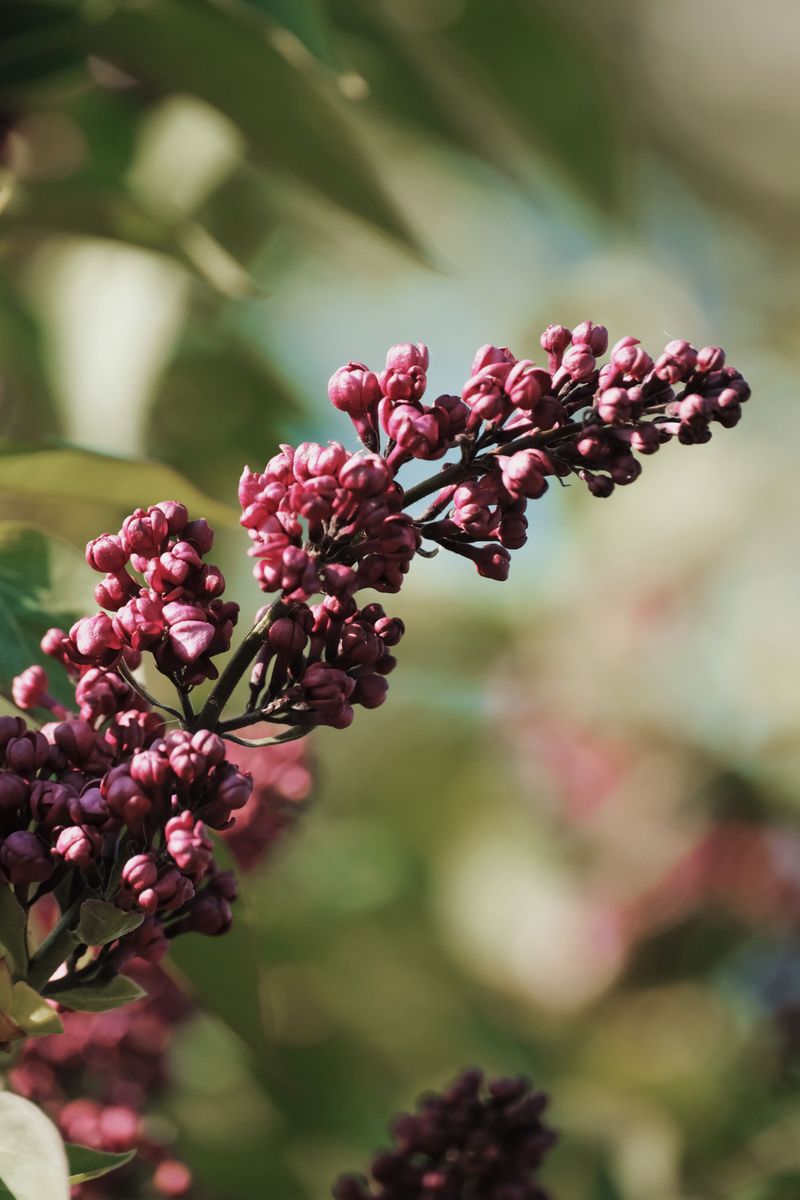
Lilacs are early planners. Once the flowers fade in late spring, the shrub starts building next year’s blooms soon after.
By midsummer, flower buds have formed at the tips of this season’s stems. University extension experts point out that lilacs bloom on old wood. That means the buds you see in fall are the exact ones that open next spring.
Take a close look at your bush right now. Flower buds usually sit in pairs at branch ends and look plumper than the skinny leaf buds lower on the stem. Some turn reddish or purplish as the weather cools.
I like to count a few on one branch each October. It feels like peeking at a gift before the holiday. A shrub loaded with fat paired buds is ready for a strong show.
Knowing where those buds sit changes how you handle your shears. Any cut at a branch tip in fall removes flowers you already earned.
Cuts in the middle of the shrub remove fewer buds, but they still cost you blooms. So the first rule of fall lilac care is simple. Protect the tips, and the flowers mostly take care of themselves.
Snip Off Leftover Brown Lilac Seed Heads in Five Minutes
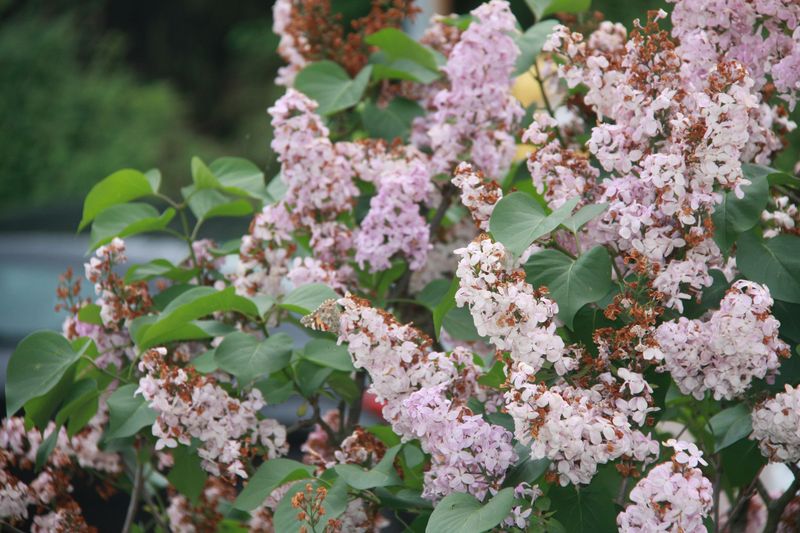
Grab your pruners and a small bucket. The real five-minute job is removing any dried, brown flower clusters still dangling from your lilac.
Those leftovers are seed capsules. Ideally, gardeners remove spent blooms right after flowering in late spring. Most of us miss a few, and that is fine.
When you snip them in fall, cut only the old cluster itself. Follow the dry stalk down to where it meets the green stem, then clip just above the first pair of buds or leaves. Stop there.
Be careful, because the new flower buds sit right below the old cluster. Slipping an inch too low takes next spring’s blooms with it.
Research on trimming lilacs has mixed results. Some studies show modest gains, especially on young shrubs, while mature bushes often bloom fine either way.
The biggest bloom boost comes from trimming soon after flowering, so a fall cleanup mostly tidies the shrub and builds a better habit for next year.
I treat it as an excuse to walk around the bush slowly. While I snip, I check bud numbers, look for odd leaves, and plan any spring pruning. Five quiet minutes tell you a lot.
Big Fall Pruning Cuts Leave Lilac Branches Empty in Spring
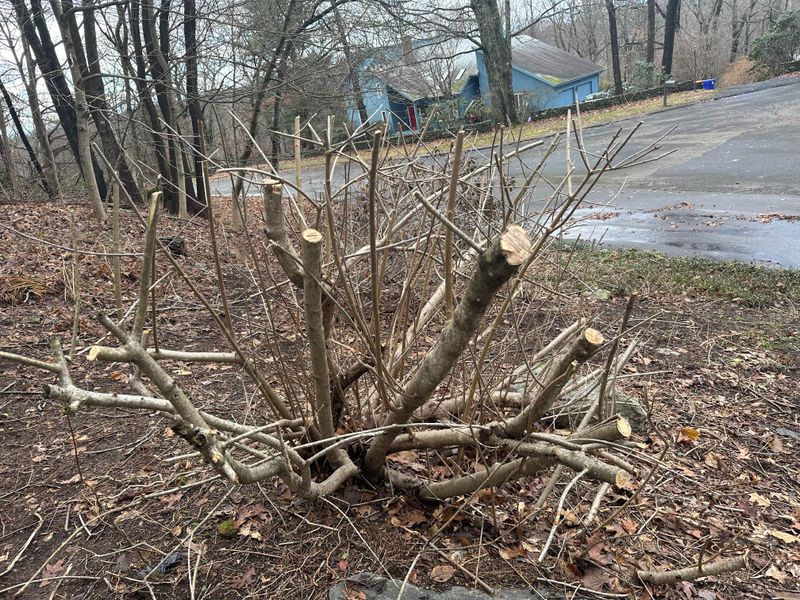
A friend once showed me her lilac in May. It was green, healthy, and nearly flowerless. She had sheared it into a tidy ball the previous October.
That story repeats in yards everywhere. Heavy fall or winter pruning removes the flower buds that formed over summer. The shrub survives just fine, but it skips most of its spring show.
Major pruning has a better window. Extension guides from several universities all suggest pruning lilacs right after they finish flowering. That timing gives the plant all summer to grow new stems and set fresh buds.
Overgrown shrubs need renewal pruning, which means removing about one third of the oldest, thickest stems at ground level. Do it after bloom over three years, and the bush stays young and productive.
Fall is still fine for a few small jobs. You can remove broken branches, clear obviously diseased wood, and cut out suckers at the base.
Those cuts cost few or no flowers. The mental note is easy. If a cut would shorten many branch tips, save it for late spring. Your future bouquet will thank you.
A Deep Drink Helps Lilac Roots Head Into Winter

Dry autumns are hard on shrubs. Across the Great Plains, fall can bring long stretches without much rain, and roots keep working until the ground freezes.
Lilacs handle drought better than many shrubs once they are established. Still, a dry fall can stress the plant and weaken the buds waiting for spring.
Soak the soil if rain has been scarce for a few weeks. A slow trickle from a hose at the base for 20 to 30 minutes works well. Aim for moisture several inches deep, then let the soil dry a bit before watering again.
Newly planted lilacs need this help most. Their roots are still small, so a dry spell hits them harder than an older shrub.
Stop once the ground freezes. Water then just runs off or sits on top. On warm, dry winter days, some gardeners give young shrubs a drink when the soil thaws.
Soggy soil is the opposite problem. Lilacs dislike wet feet, so skip watering if your spot stays damp after rain. A quick finger test in the soil beats any calendar.
Wood Chip Mulch Gives Lilac Roots a Steadier Winter
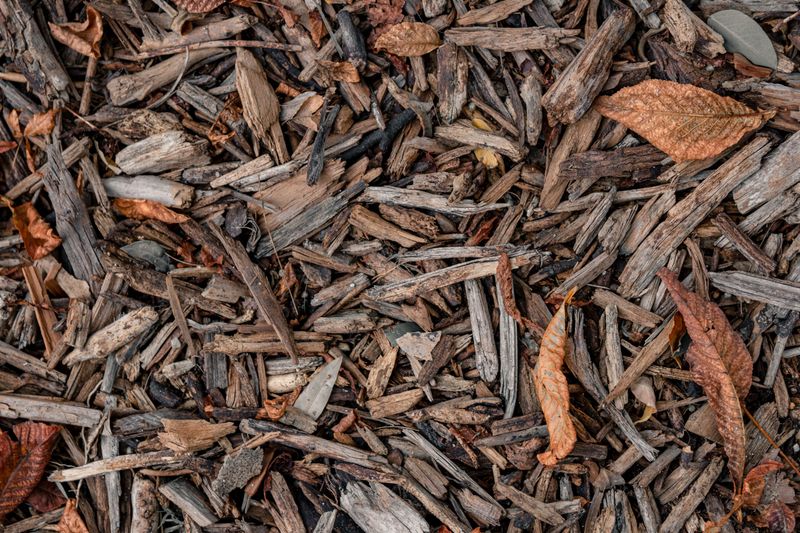
Mulch is the cheapest winter coat your lilac will ever wear. A two to three inch layer of shredded bark or wood chips helps the soil hold moisture and keeps temperatures steadier.
Steady soil matters in places with wild weather swings. Repeated freezing and thawing can stress roots, especially on young shrubs.
Spread mulch in a wide ring around the base, ideally out toward the edge of the branches. Keep it pulled back a few inches from the stems. Mulch piled against bark holds moisture and can invite rot and rodents.
Wood chips break down slowly and feed soil life over time. That gentle trickle of nutrients suits lilacs well, since they are not heavy feeders.
Mulch also cuts down on weeds and grass competing for water. That alone makes it worth the effort.
I refresh my ring each fall with chips from a local tree service. Many cities and county yards offer them free, which makes the job even sweeter. Check your area before buying bags.
One wheelbarrow usually covers a medium shrub. It takes minutes, and the roots benefit for months.
Fall Fertilizer Can Push Lilacs Toward Leaves Instead of Flowers
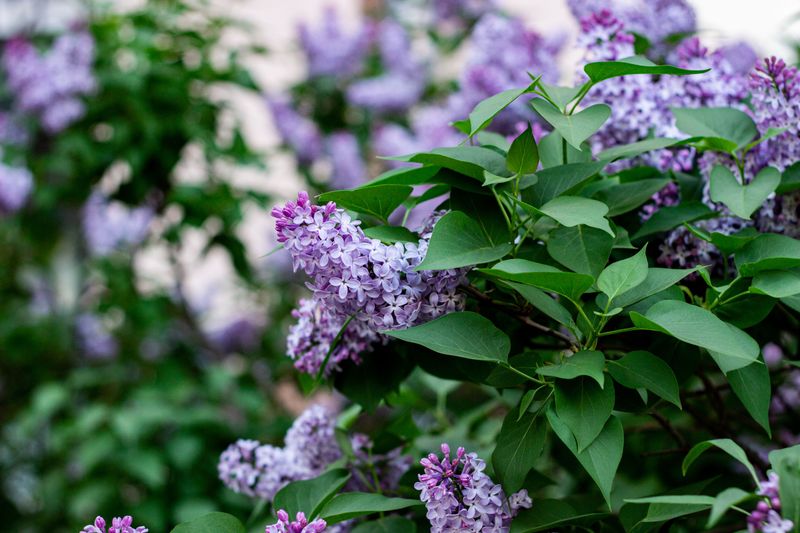
Lilacs are not big eaters. That surprises plenty of gardeners who assume more food means more flowers.
Extra nitrogen mostly feeds leaves and stems. Too much can actually reduce blooms, and it is a common reason healthy lilacs flower poorly.
Fall fertilizer adds another risk. It can encourage soft new growth late in the season, and that tender growth handles cold poorly.
Watch where your lawn fertilizer lands, too. Lilacs planted near heavily fed grass can soak up extra nitrogen through their roots. A mulched ring around the shrub helps keep the spreader away.
Most established lilacs in decent soil need little or no fertilizer. If growth looks weak or leaves look pale, test the soil before adding anything. Many state extension offices offer soil testing for a small fee.
When a test shows a real need, apply a light, balanced fertilizer in early spring as growth begins. That timing matches the shrub’s natural growth cycle.
I stopped feeding my lilacs years ago. They bloom better now, and I save a little money. Sometimes the smartest move is simply leaving a happy plant alone.
Shady Spots and Powdery Leaves Can Hold Lilac Blooms Back
Sunlight is the fuel behind every lilac flower. Shrubs need at least six hours of direct sun each day for a strong bloom.
Fall is a great time to check your shrub’s light. Trees grow, fences go up, and a once sunny corner can slowly turn shady. Fewer flowers year after year often point to this problem.
If shade is the issue, moving the shrub may help. Transplanting is best done in early spring or fall while the plant is dormant, though it may take a season or two to bounce back.
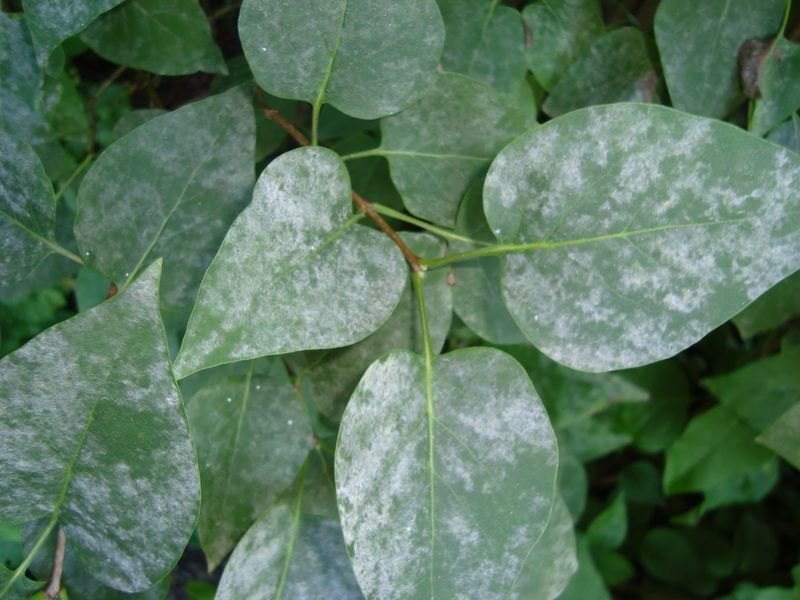
You might also notice white, dusty coating on lilac leaves in late summer. That is powdery mildew, a very common fungal issue. It looks rough, but it rarely harms an established shrub much.
Better airflow helps reduce mildew. Thinning crowded stems after bloom and avoiding overhead watering are easy fixes. Raking up fallen leaves in fall keeps things tidy, too.
Newer mildew-resistant varieties are worth considering if you plan to add another lilac. Check plant tags or ask a local nursery. A sunny, breezy spot beats any spray.
Clean Bypass Pruners Make Your Lilac Snip Quick and Safe

Good tools turn a chore into a pleasure. For lilac seed heads, sharp bypass pruners are the best choice.
Bypass blades slide past each other like scissors. They make clean cuts that heal well. Anvil pruners crush stems more easily, so save those for dry, woody debris.
Wipe your blades before and after the job. A household disinfectant or a diluted bleach solution works fine, followed by a quick rinse and dry.
Clean tools help limit the spread of plant diseases between shrubs. Sharp blades matter as much as clean ones. A dull edge tears bark and slows you down. A small sharpening stone fixes most pruners in a few minutes.
Gloves are a smart addition, too. Old seed clusters can be scratchy, and fall afternoons get chilly.
After cutting, toss healthy seed heads in the compost. Bag up any leaves or stems that showed disease.
Then put the pruners away until late spring. That is the real takeaway for fall lilac care. A tiny snip now, a deep drink, and a fresh mulch ring set up next year’s fragrant show.