The November Peony Job That Sets Up More Blooms Next Spring
Those big spring flowers with ruffled petals hide a fungus problem that sleeps in last year’s leaves. The gray mold called botrytis can ride out a whole Pennsylvania winter in old stems, then pounce on new shoots in April.
I learned the hard way that a messy fall bed can mean blackened buds that never open. I blamed the weather for two springs straight. Guilty as charged.
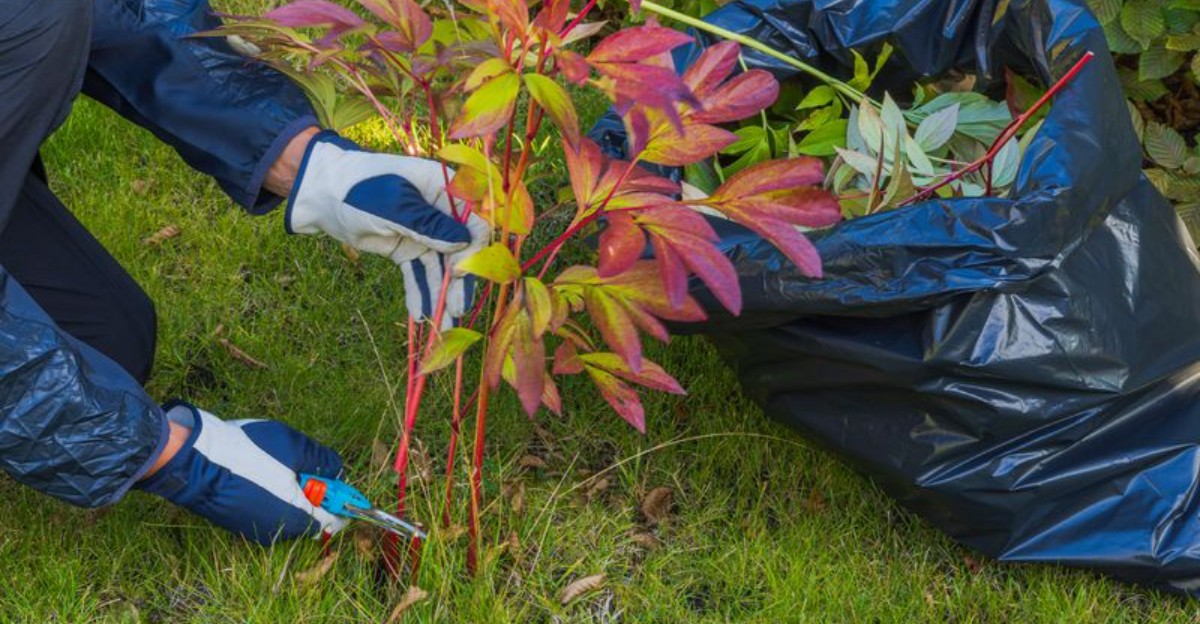
The fix turned out to be a simple cutback with clean shears and a trash bag. It takes maybe ten minutes per plant, and my knees barely complain about it.
You might wonder why a plant that lives for decades needs any help at all. Some old clumps outlive the gardeners who planted them, after all. So what makes one quick November cutback matter that much for next year’s flowers?
Those Yellowing Peony Leaves Are Sending You a Signal
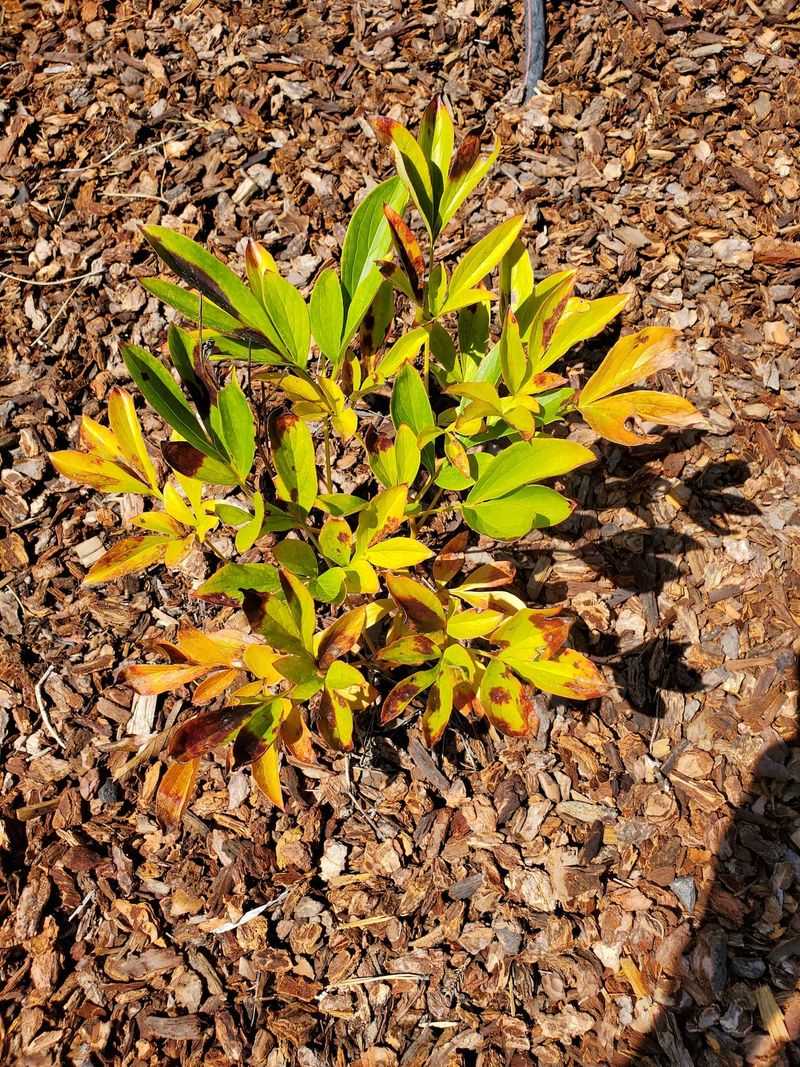
Frost-kissed peony leaves turning bronze and gold look a little sad, but they have already done their important work. Through late summer and fall, the leaves feed sugars down into the thick roots below. Those stored reserves fuel next spring’s stems and flower buds.
So the timing of your fall chore matters. Cutting green, healthy leaves in September robs the plant of food it still needs. Waiting until the foliage yellows, flops, or browns after a hard frost lets the roots finish stocking up.
In most of Pennsylvania, that moment lands somewhere between late October and mid-November. Gardeners in the colder northern counties may see it a little sooner. Folks near Philadelphia might wait a bit longer.
A quick test helps. If the stems bend over easily and the leaves feel papery, the plant is done for the year. If they still stand tall and green, give them another week or two.
Fun fact for the curious: peonies need a winter chill to bloom well. That is one reason they thrive across colder states and struggle in hot southern gardens. Your cold winter is actually a friend here, so let the season do its part.
Cutting Peony Stems Down Helps Prevent Botrytis Before Spring
Here comes the real heart of the job. Cutting back herbaceous peonies in fall is one of the most effective steps for reducing disease problems next year, according to university extension experts.
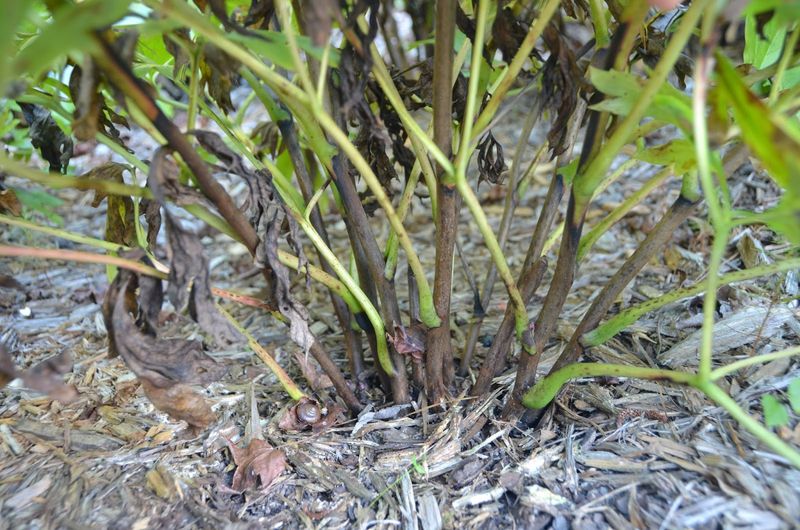
The main troublemaker is botrytis blight, a gray mold fungus. It survives winter in old stems and leaves left on the ground. When cool, wet spring weather arrives, spores spread to fresh shoots and young buds.
Infected buds often turn brown or black and fail to open. New shoots can wilt and flop at the base. That is the heartbreak many gardeners blame on a late frost.
Removing the old growth takes away the fungus’s winter hiding spot. Peony leaf blotch, sometimes called measles, also hangs on in leftover leaves. Powdery mildew, the white dusty film you may see in late summer, can linger in debris too.
Cleaning up will not make your plants disease-proof. Rainy springs can still cause trouble. Still, extension specialists agree that sanitation is the foundation of disease control, and it works best alongside good air circulation and proper spacing.
Think of it as wiping the slate clean. Your peonies start spring with healthy shoots instead of a waiting fungus.
Grab Sharp Shears and Trim Peonies to a Few Inches

My favorite pair of bypass pruners lives in a bucket by the back door for exactly this chore. Sharp blades make clean cuts that are easy on your hands.
Cut each herbaceous peony stem down to about one to three inches above the soil. Leaving short stubs helps you remember where the plant sits. That way you will not accidentally dig into it while planting spring bulbs.
Go gently around the base. Next year’s buds, called eyes, sit just under or at the soil surface. They are pink or red and look like little knobs, so avoid scraping or stabbing them.
Wipe your blades with rubbing alcohol or a disinfecting wipe between plants. It takes seconds and helps keep fungal spores from hopping from one clump to the next.
One big exception: tree peonies are different. They have woody stems that carry next year’s flowers. Do not cut those to the ground. Simply remove fallen leaves and any broken or diseased twigs.
Intersectional, or Itoh, peonies are a cross between the two. Their stems die back to the ground in winter, so treat them like herbaceous types and trim them low.
Bag Those Peony Trimmings Instead of Composting Them

Confession time: I used to toss every scrap into my compost bin and feel very virtuous about it. Then the gray mold showed up again, right on schedule.
Home compost piles rarely get hot enough, long enough, to reliably break down fungal spores. Botrytis and leaf blotch can survive and return to your beds with that rich, crumbly compost.
The safer move is to bag peony trimmings for the trash or your municipal yard waste pickup. Large municipal sites usually reach much higher temperatures than backyard piles do. Many Pennsylvania towns run fall leaf collection, so check your local schedule.
Rake the area too. Fallen leaves tucked around the crown count as debris, and they can hold spores as well.
If your plants looked spotless all season, the risk is lower. Even so, many gardeners skip composting peony debris as a simple habit.
Bonus tip: this is also a fine time to pull up and store your peony rings or stakes. Scrub them with soapy water before putting them away. Clean supports mean one less spot for trouble to hide over winter.
Crowded Peony Clumps Can Be Divided in Fall
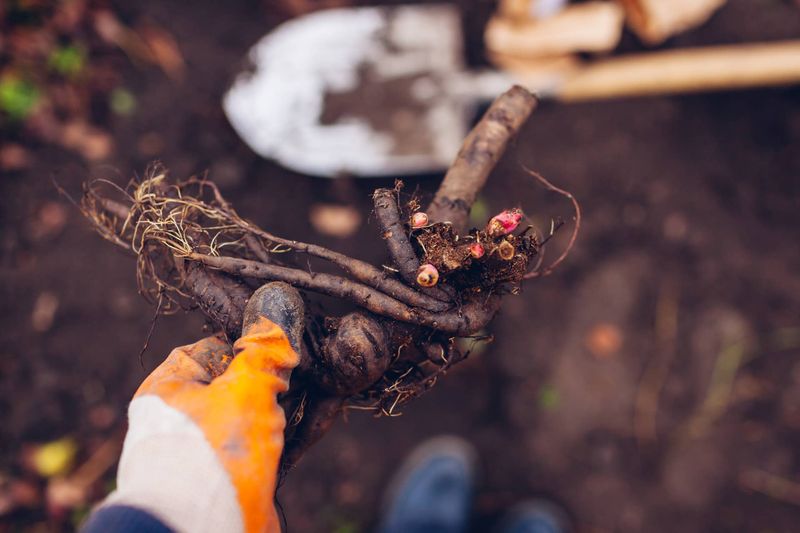
Ever notice an old peony that blooms less than it used to? Crowding, too much shade from growing trees, or a spot that stays wet can all slow it down.
While you are out there, remember that fall is also the classic season to move or divide peonies. September and early October are ideal in Pennsylvania, giving roots a few weeks to settle before the ground freezes. Early November can still work in milder areas if the soil is workable.
Dig carefully around the clump and lift it. Rinse off soil so you can see the eyes. Then slice the clump with a sharp knife or spade.
Each division should have three to five eyes and a healthy chunk of root. Tiny pieces survive, but they take years to bloom.
Here is a quiet truth: many peonies do not need dividing at all. A happy plant can bloom for decades in one spot. Only divide if blooms have dropped off or you want more plants.
Expect a pause afterward. Fresh divisions often skip flowering for a year or two while they rebuild. Patience pays off with sturdier, more generous clumps later on.
Planting Peony Eyes Too Deep Can Mean Leaves but No Flowers
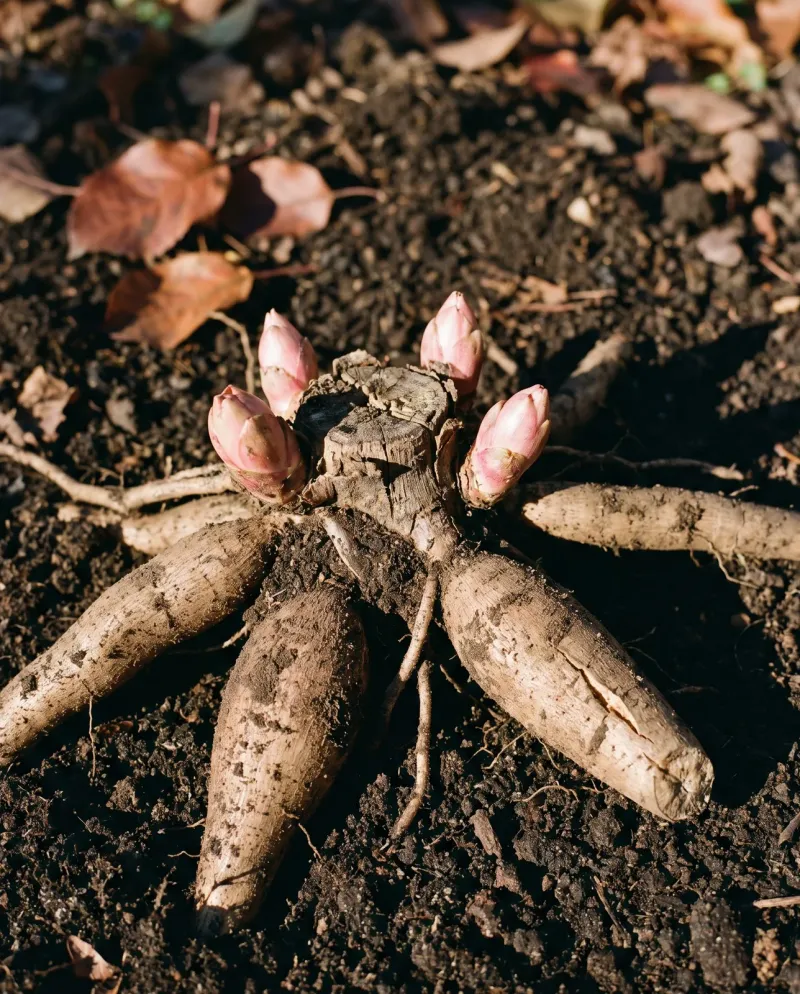
Lush green leaves and zero flowers. That frustrating combo is one of the most common peony questions gardeners bring to extension offices.
Planting depth is often the culprit. The pink or red eyes on a peony root should sit no more than about two inches below the soil in colder areas, and about one inch in warmer ones. Many experts suggest one to two inches for Pennsylvania gardens.
Bury them deeper, and the plant may grow but rarely bloom. Mulch piled thick over the crown year after year can create the same problem slowly.
Choose a sunny spot with at least six hours of direct light. Good drainage matters too, since peonies rot in soggy ground. Work some compost into heavy clay before planting.
Space plants about three feet apart. Air moving freely between clumps helps leaves dry faster, which also discourages fungus.
Fall is prime time for bare-root peonies, which often ship in October. Water them well after planting, then let winter do its work.
If an older peony refuses to bloom, check its depth first. Gently lifting and resetting it at the right level in fall often solves the mystery.
A Light Mulch Blanket Gives Your Peony Bed a Strong Finish
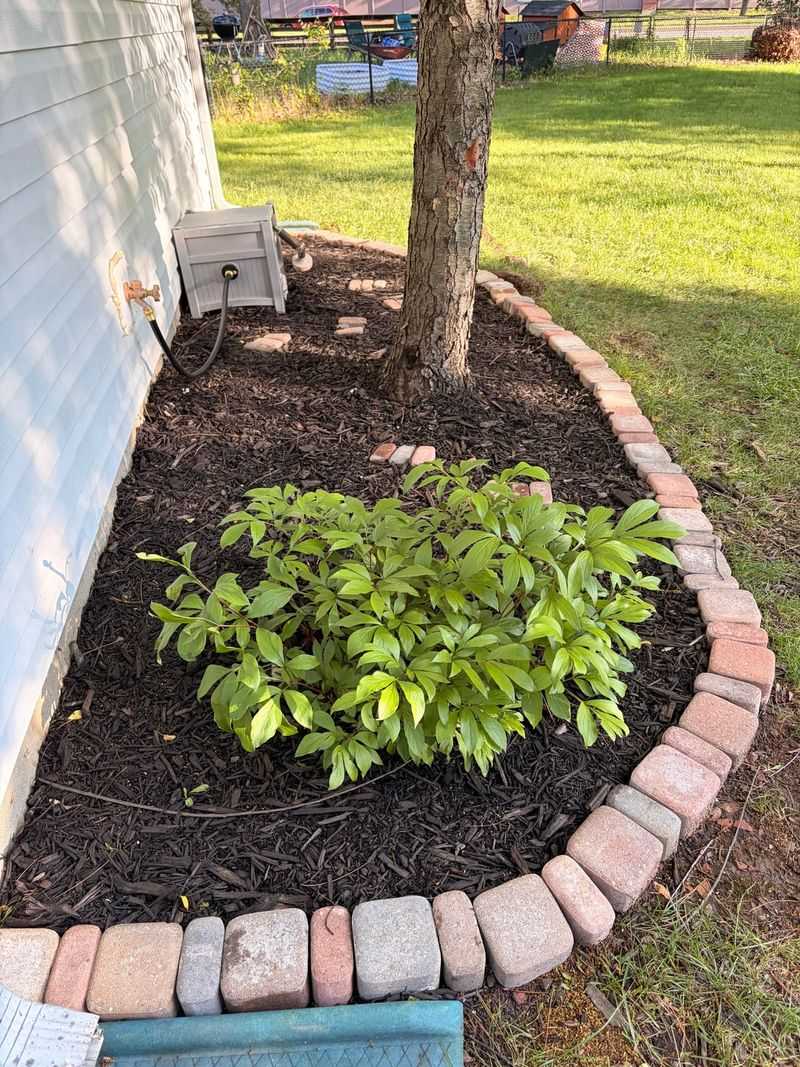
With stems trimmed and debris bagged, your peony bed looks almost bare, and a few finishing touches complete the job. That tidy patch of soil is exactly what spring success looks like in November.
Established peonies are tough and usually do not need winter mulch. Newly planted roots and fresh divisions are another story. A loose layer of shredded bark, pine needles, or straw helps protect them from frost heaving during freeze and thaw cycles.
Wait until the ground has frozen to apply it. Keep the layer light, around two inches, and pull it back in early spring. Leftover mulch can bury the eyes too deep and invite rot.
Skip fertilizer now. Peonies prefer a light feeding in spring when shoots emerge, and too much nitrogen leads to floppy stems.
Jot a quick note in a garden journal too. Record which plants had spotted leaves or blackened buds this year. Next spring, you will know where to watch closely.
A few calm minutes this month really can shape what happens in May and June. Come bloom season, those fat, fragrant flowers will feel like a well-earned reward for one chilly afternoon of work.