8 Simple Steps To Grow A Lemon Tree In Your New York Apartment
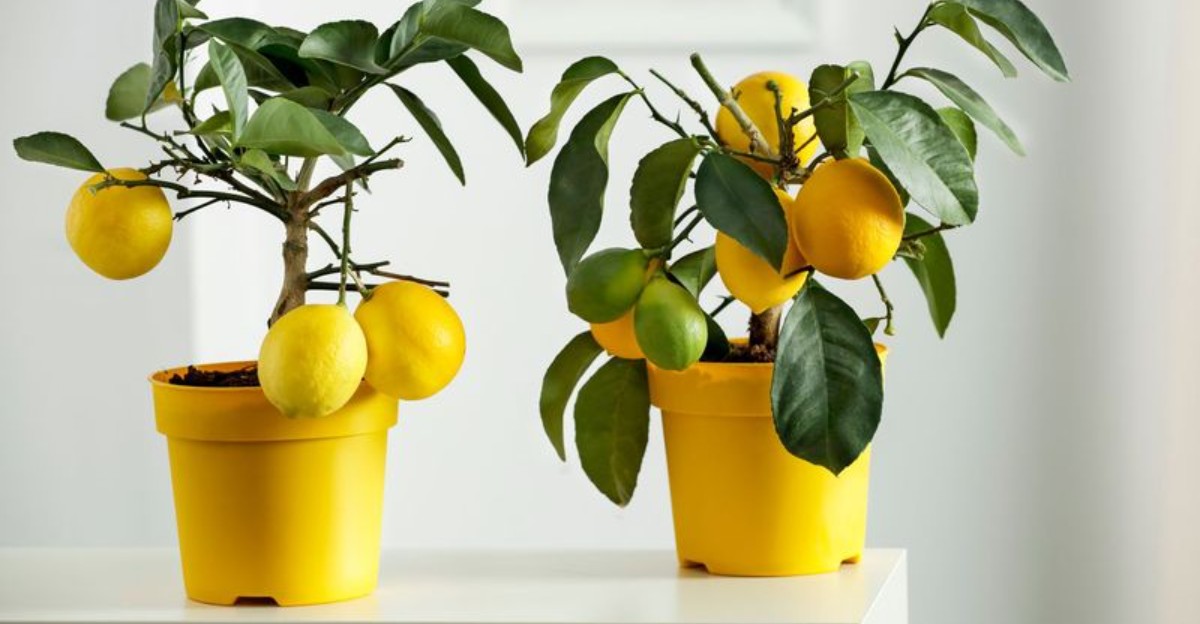
In 1908, a USDA plant explorer named Frank Meyer shipped home a curious little fruit tree from China. Chinese families had been growing it in pots as a decorative houseplant, long before most Americans ever noticed it.
That pot-loving habit is the secret reason it can thrive beside a sunny window in New York today. A single tree can pollinate itself, so you do not need a second plant for homegrown fruit.
I am surprised every winter by how sweet the blossoms smell while sleet taps against the glass outside. You might notice neighbors leaning toward your doorway, wondering where that bright citrus perfume is coming from.
Small apartments across New York can grow real, juicy fruit with a few smart habits and some patience. Which simple step do you think makes the very biggest difference for a tree living happily indoors?
1. Pick A Dwarf Meyer Lemon Tree For Your Window
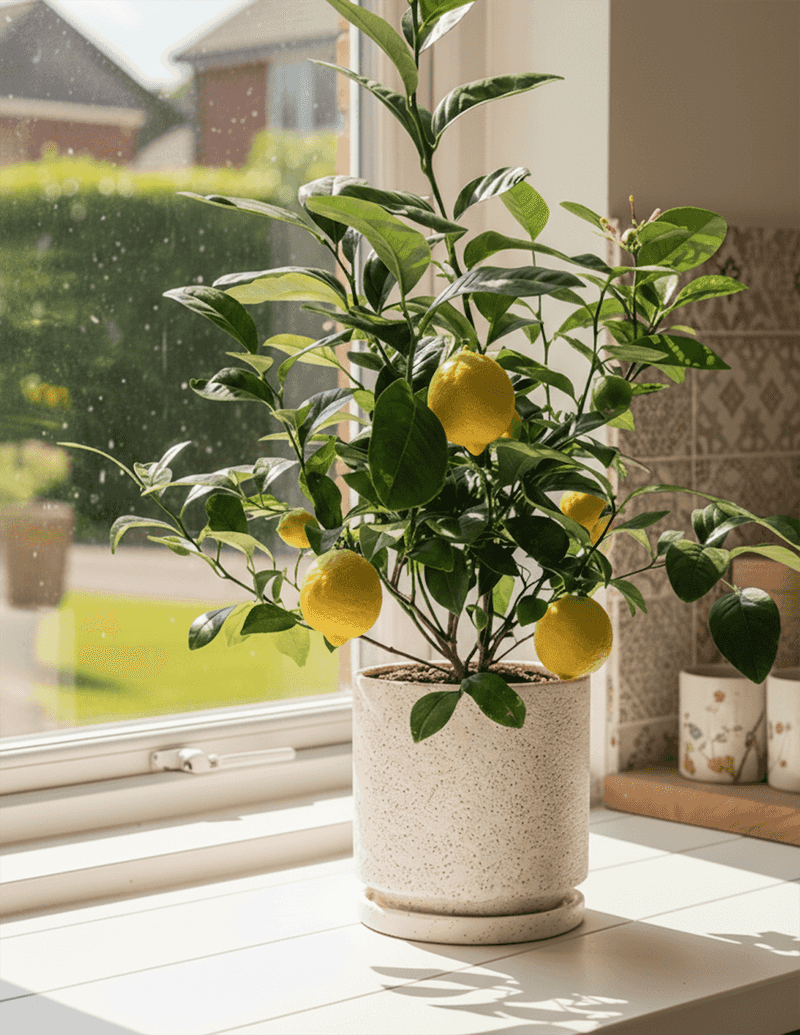
Meyer lemons taste like a friendly mix of lemon and mandarin, with thin skins that smell almost floral. Experts believe it is a natural cross between a true lemon and some kind of mandarin or orange.
I picked a Meyer for my first indoor tree because it handles pot life better than most lemons. Dwarf versions grafted onto smaller rootstock usually stay around four to six feet tall in a container indoors.
Ponderosa lemon is another fun option if you want huge, bumpy fruit with a sharp, classic sour bite. Some Ponderosa fruits grow as large as a grapefruit, which makes guests stop and stare in disbelief.
Skip growing a tree from a grocery store seed if you want real lemons anytime soon. Seedlings can take many years to bloom, and the fruit may not match the parent lemon at all.
A grafted nursery tree, usually two or three years old, often blooms within its first year at home. Look for a bump near the base of the trunk, which shows where the graft was made.
Check the leaves carefully before buying, and choose glossy green foliage without sticky spots or tiny webs. Healthy roots matter too, so gently tip the pot and peek for white, firm root tips.
Local nurseries in New York often stock Meyer trees in spring, though online citrus growers ship them yearlong. Ordering during mild weather helps your new tree avoid a chilly ride inside a delivery truck.
2. Park Your Lemon Tree In A Bright South Facing Window
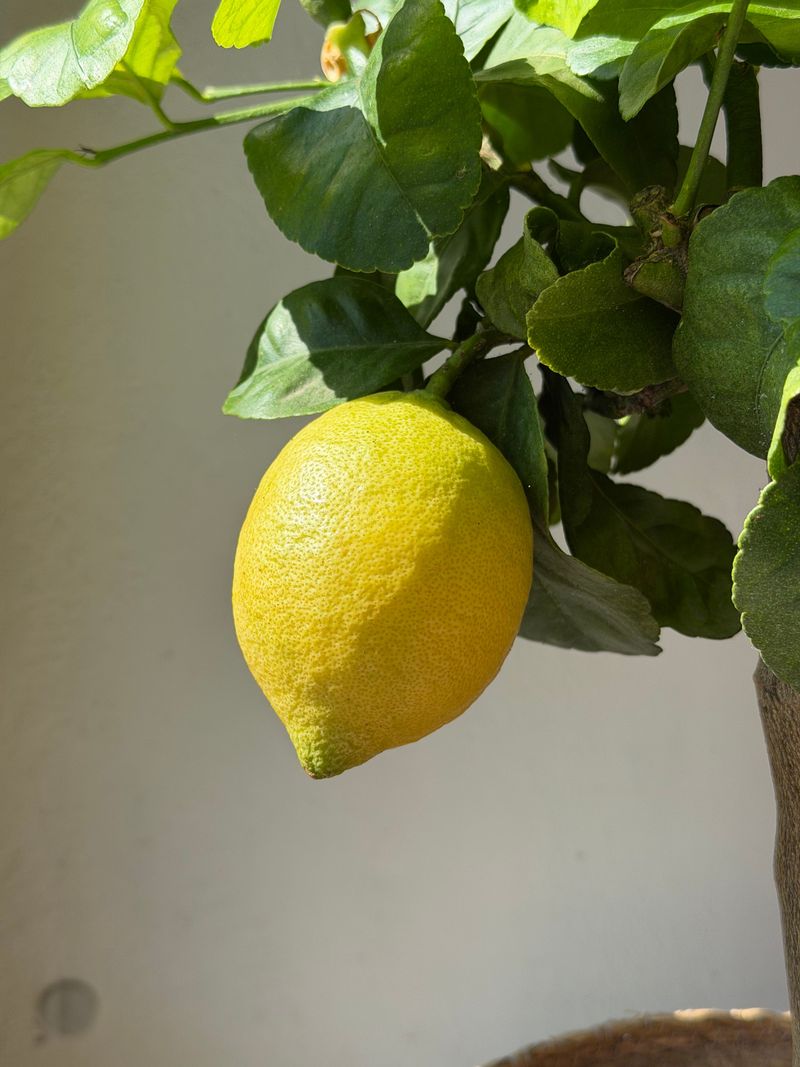
Lemon trees are sun worshippers at heart, soaking up light the way a cat soaks up a warm windowsill. Most need six to eight hours of direct sun daily to grow well and produce fruit.
An unblocked south or southwest window gives you the strongest natural light in most city apartments. East and west windows can work, but you will probably need extra help from a lamp.
I learned this lesson when my first tree dropped leaves beside a north window shaded by a brick wall. Moving it just ten feet to a brighter room brought fresh green growth within a month.
Winter days in New York get short and gray, so a full spectrum LED grow light becomes your best friend. Aim for about ten to twelve hours of strong light each day during the darker months.
Hang the light roughly twelve to eighteen inches above the leaves, following the instructions that come with your fixture. A simple outlet timer keeps the schedule steady, even when you forget to flip the switch.
Turn the pot a quarter turn every week or two so every side of the canopy gets its share. Without rotating, branches tend to lean hard toward the glass and leave the back side looking thin.
Once nights stay above fifty degrees in late spring, many growers move their trees outside to a sunny balcony. Introduce outdoor sun slowly over a week or two, because sudden bright light can scorch tender indoor leaves.
3. Give Your Lemon Tree A Roomy Pot And Fluffy Soil
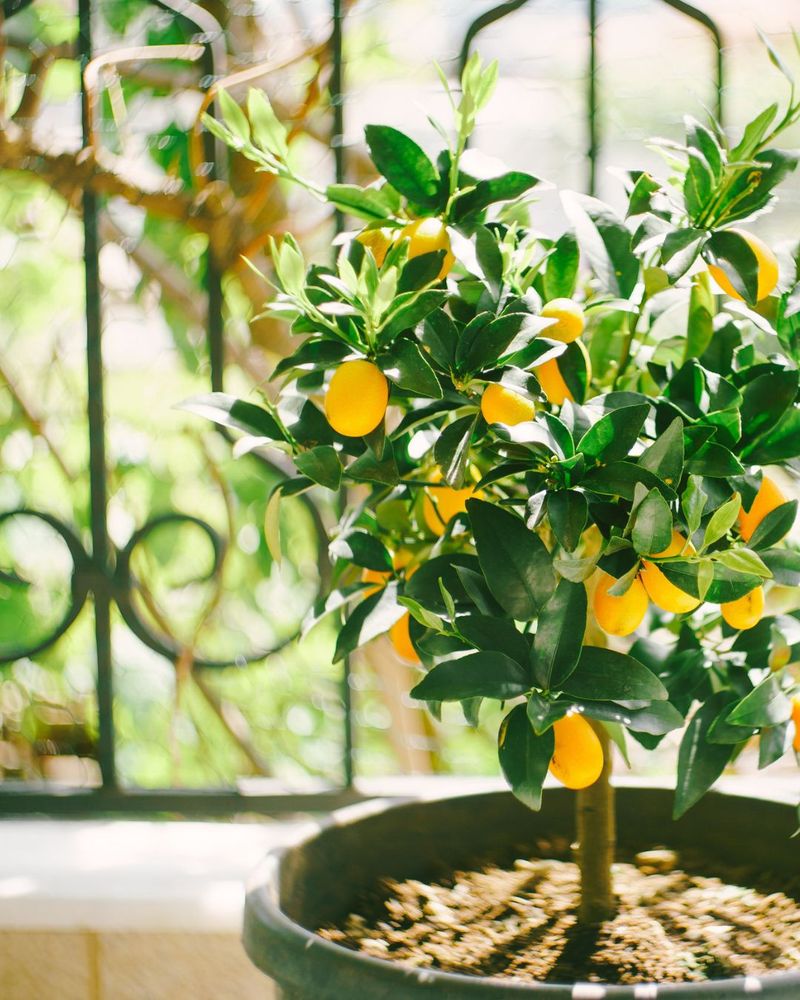
Citrus roots loathe wet feet more than a toddler loathes bath time, so drainage holes matter enormously. Pick a container with several open holes, and skip any decorative pot that traps water inside.
A young tree does well in a pot about twelve to fifteen inches deep, since citrus roots head downward first. Older trees can eventually move into larger containers measuring around sixteen to twenty inches across the top.
Go up only one or two pot sizes at a time when repotting every few years in spring. A giant pot holds extra soil that stays soggy, and soggy soil leads to root rot.
I lean toward terracotta because the clay breathes and helps the soil dry evenly between waterings. Plastic pots are lighter for moving around, though they hold moisture longer, so water them a bit less.
Regular bagged potting soil often packs down too tightly for citrus roots after several months of watering. Look for a fast draining citrus mix, or stir chunky bark fines into good potting soil.
Adding a few handfuls of perlite or pumice creates air pockets that let roots breathe after every drink. A slightly acidic to neutral pH, roughly 6.0 to 7.0, keeps nutrients easy for the roots to absorb.
A scoop of compost or worm castings mixed in gives the soil a gentle nutrient boost. Set the pot on rolling caddy feet, and moving a heavy tree across your apartment becomes much easier.
4. Water Your Lemon Tree When The Top Soil Feels Dry
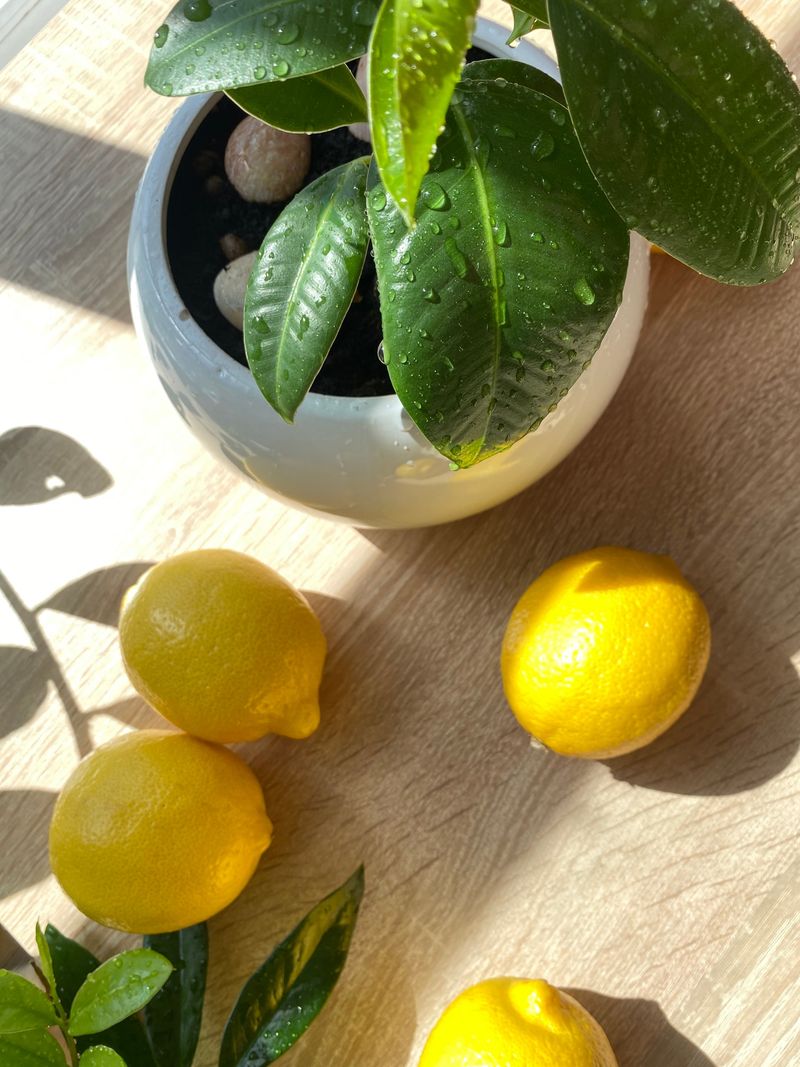
Your finger is the cheapest moisture meter you will ever own, and it works surprisingly well for citrus. Push it two or three inches into the soil, and water only when that depth feels dry.
When it is time, give the tree a deep, slow soak until water trickles out the bottom holes. Empty the saucer afterward, because roots sitting in a puddle can rot faster than you might expect.
During warm summer weeks, a potted lemon may need a good drink every three to five days. In winter, with less light and slower growth, that stretch often grows to every one or two weeks.
I skipped the calendar approach years ago and started checking the soil instead, and my tree thanked me. Radiators in older New York buildings can dry pots quickly, so check more often near the heat.
Yellowing leaves paired with soggy soil usually point to too much water rather than too little. Crispy, curled leaves and soil pulling away from the pot edges suggest the opposite problem is happening.
Room temperature water feels kinder to roots than an icy blast straight from the tap in January. Many growers let tap water sit out overnight in a pitcher so it warms up before reaching the roots.
A layer of gravel inside the pot bottom does not improve drainage, according to university research on container soils. Good soil and open holes handle that job, so save the gravel for the humidity tray.
5. Feed Your Hungry Lemon Tree With Citrus Fertilizer
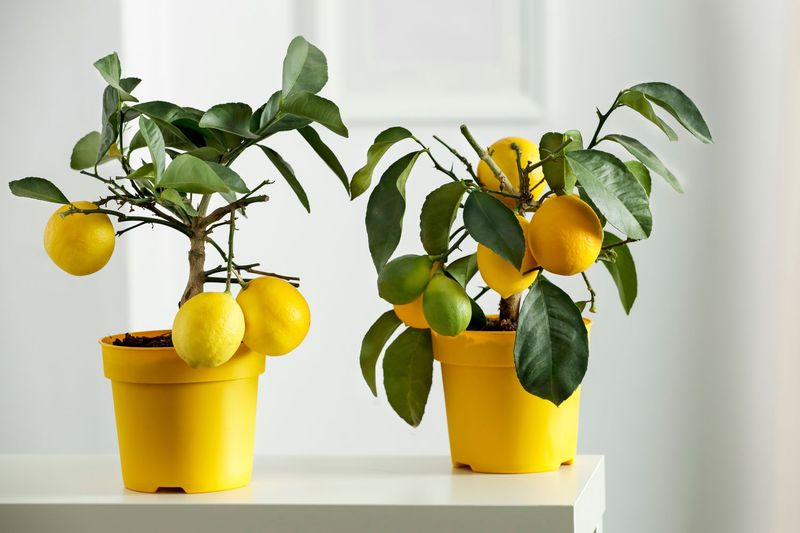
Lemon trees eat like teenagers after soccer practice, and a potted one runs through its soil nutrients fast. Every watering rinses a little food out the drainage holes, so regular feeding keeps the tree strong.
Choose a fertilizer made for citrus or acid-loving plants, with nitrogen clearly listed as a main ingredient. Check the label for micronutrients like magnesium and iron, since citrus leaves show shortages of those quickly.
From spring through fall, feed every four to six weeks with granular food, following the package directions carefully. Liquid citrus fertilizers work faster, and many growers add a diluted dose every other watering instead.
Trees under strong grow lights and steady warmth can keep eating through winter at a lighter rate. If your tree sits in a cooler, dimmer spot, ease off the feeding until spring growth returns.
After I tested a few brands, I found the leaf color told me more than any label. Pale yellow leaves with green veins often signal an iron or magnesium shortage worth fixing fairly soon.
More food is not better, because too much fertilizer can burn roots and leave crusty white salt on the soil. Every few months, flush the pot with plenty of plain water to rinse out those built-up salts.
Water the tree lightly before feeding, since fertilizer poured onto bone dry roots can cause root burn. Deep green, glossy leaves are the happiest sign that your feeding schedule is right on target.
6. Keep Your Lemon Tree Cozy And Away From Radiators
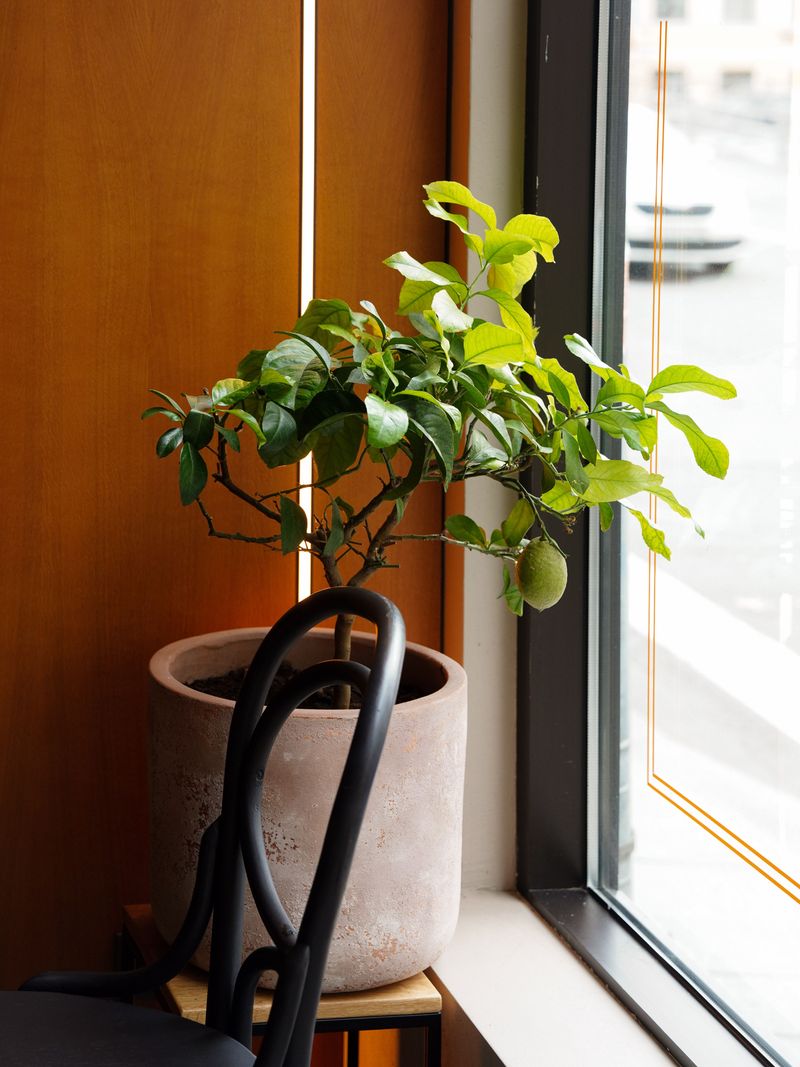
Steam heat in a city apartment can feel cozy to you while turning the air as dry as a desert. Citrus prefers humidity around forty to sixty percent, which is often higher than winter indoor air.
Daytime temperatures of about sixty-five to seventy-five degrees keep a lemon tree content and growing steadily. A slight nighttime drop of five to ten degrees feels natural to the tree and can encourage blooms.
Drafts are sneaky troublemakers, so keep the pot several feet away from radiators and blasting air conditioners. Cold gusts from a front door in January can also cause sudden leaf drop on otherwise healthy trees.
I keep a cheap digital hygrometer next to my tree, and the winter readings honestly shocked me. Some mornings it showed humidity in the twenties, which explained the crispy leaf edges I kept spotting.
A small humidifier running nearby makes the biggest difference during the heating season in New York. Setting the pot on a tray of wet pebbles helps too, as long as the pot sits above the water.
Grouping several houseplants together creates a little pocket of moist air that every plant in the cluster shares. Misting gives only a brief boost, so treat it as a bonus rather than your main plan.
Watch the forecast in fall, because lemon trees left outside can struggle when temperatures slip toward freezing. Many growers bring their trees indoors once nights dip near forty-five degrees, well before the first frost.
7. Hand Pollinate Lemon Blossoms With A Soft Paintbrush
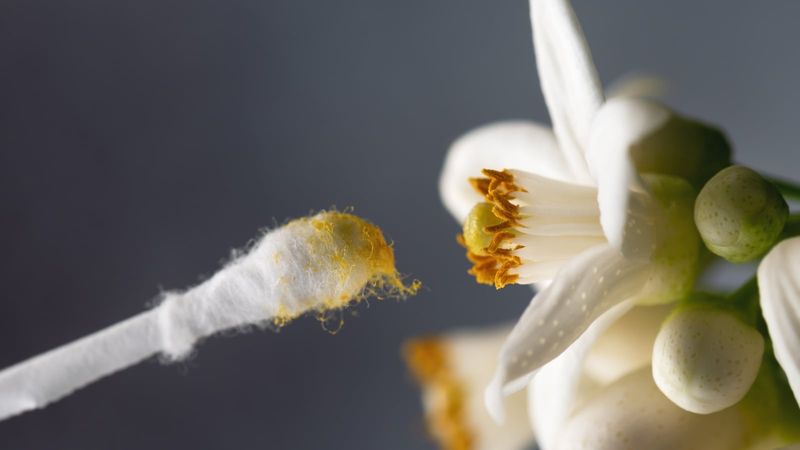
Lemon blossoms smell so sweet that one open flower can perfume a whole small studio apartment. Indoors, though, bees are missing from the scene, so you get to play the role of pollinator yourself.
Most indoor lemon varieties are self-fertile, meaning a flower can pollinate itself with its own pollen. Still, giving the process a gentle nudge by hand often leads to more fruit setting on the branches.
Early morning is the sweet spot, when fresh flowers are fully open and their pollen looks plentiful. Grab a small, soft paintbrush or a cotton swab, and channel your inner busy little bumblebee for a while.
Gently brush the anthers, which are the yellow, pollen-dusted tips surrounding the center of each flower. Then dab that pollen onto the stigma, the sticky knob sitting on top of the central stalk.
Move from bloom to bloom, sharing pollen between flowers as well as within each individual one. Repeat the routine for two or three days in a row as new buds pop open across the tree.
I still grin every time a tiny green bead starts swelling at the base of a faded flower. That bead is a baby lemon, and it can take six to nine months to ripen fully.
Expect the tree to drop many tiny fruitlets after flowering, because it naturally sheds extra fruit it cannot support. A healthy tree keeps the strongest few, which is exactly what you want in a small pot.
8. Prune Your Lemon Tree In Late Winter For A Tidy Shape
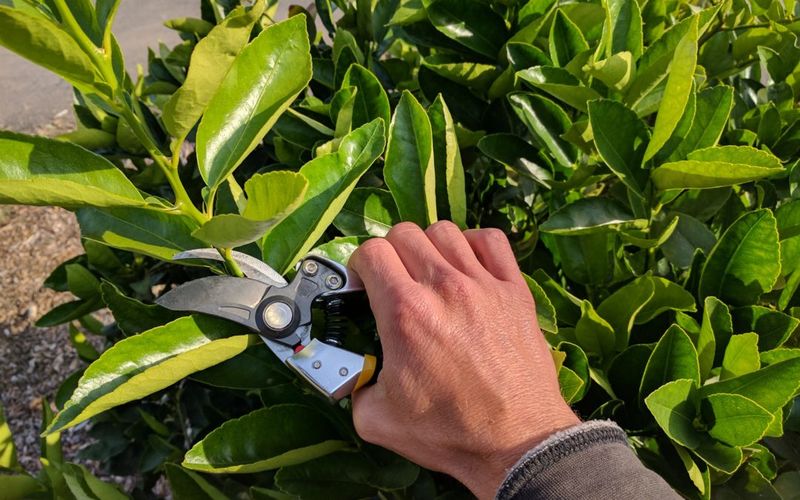
A lemon tree left unpruned in a living room can start looking like a shaggy green shrub with elbows. Late winter to early spring, just before new growth begins, is the ideal moment to grab your pruners.
Start by snipping off broken or diseased branches, along with any limbs that cross and rub against each other. Opening the canopy this way lets light and air reach the inner leaves, which helps reduce pest problems.
Make each cut just above an outward-facing bud or side branch, so new shoots grow away from the center. Clean, sharp bypass pruners make neat cuts that heal faster than ragged tears from dull blades.
Hold back from removing more than one third of the tree in a single season, or it may sulk. Heavy pruning stresses the plant and can delay flowers and fruit for a year or longer.
Watch closely for fast, upright shoots sprouting from the trunk below the graft bump near the soil. These suckers come from the rootstock, so cut them off right away before they steal energy from your lemon.
Citrus branches often carry sharp thorns, so I wear sturdy gloves and long sleeves before trimming. Meyer lemons have fewer thorns than many other lemon types, but a surprise jab still stings plenty.
Light, regular trims keep your tree a manageable size for a New York apartment and push energy toward fruit. You build your harvest one snip at a time, and the reward tastes wonderful in homemade lemonade.