The Surprising Culprit Behind A Shredded Shrub Overnight In A Minnesota November
A healthy Minnesota shrub can look like it lost a fight with a weed trimmer in a single November night. The bark hangs in curly strips. Broken twigs litter the lawn, and the soil underneath looks scraped and churned.
I stared at one of these wrecks last fall and blamed the wind first. Turns out wind rarely peels bark in neat vertical ribbons at knee height. A little evidence gave me a very different suspect, and it had nothing to do with weather.
November in Minnesota brings shorter days, colder nights, and a burst of animal activity most of us sleep right through. You might notice tracks in frost or odd scuffs in the mulch.
Those clues tell a story if you know how to read them. So who visits your yard after dark and leaves a shrub looking like shredded paper by sunrise?
Those Torn Strips Of Shrub Bark Tell A Nighttime Story
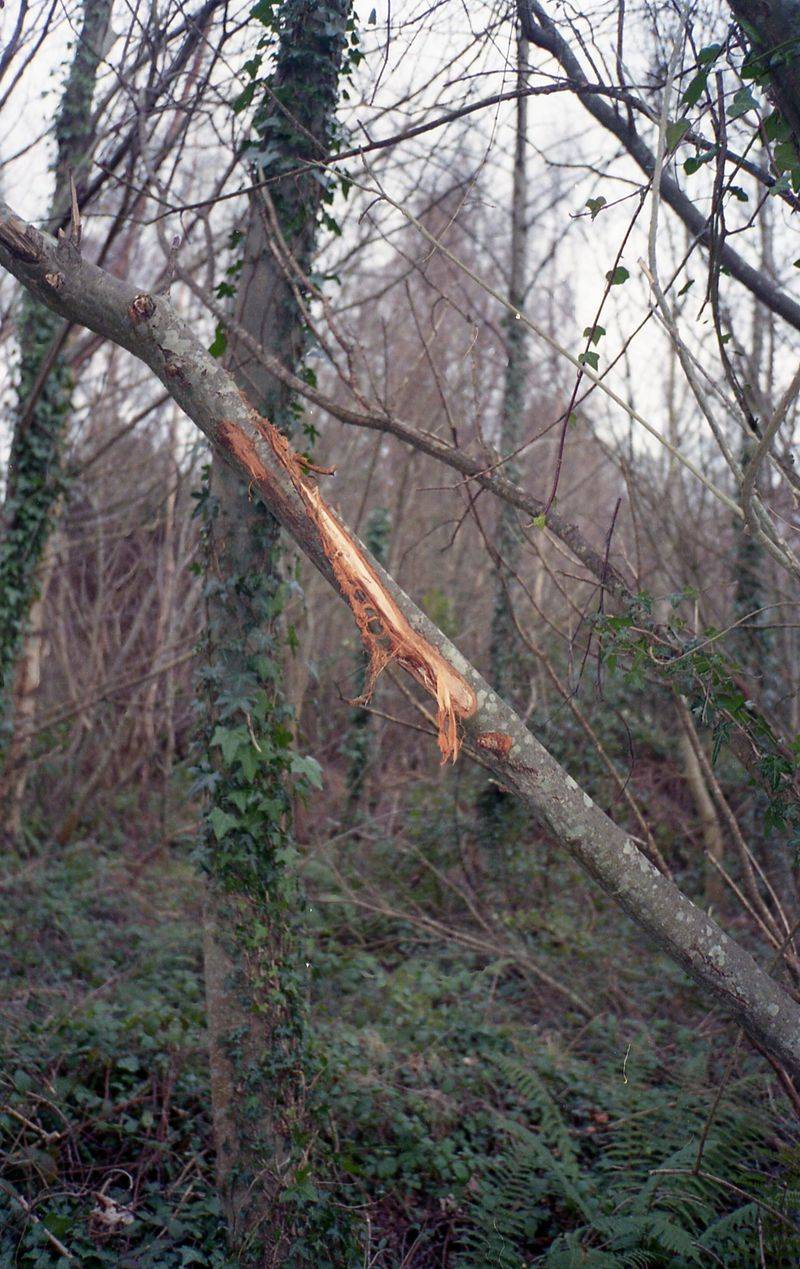
Wind snaps branches. It does not peel bark into long ragged ribbons on one side of a stem, and that detail matters a lot.
When I first saw this kind of damage, the pattern caught my eye. The wounds sat between about one and four feet off the ground.
The bark was shredded rather than chewed, and nearby twigs were snapped and bent outward like something had pushed through them.
Chewing animals leave tooth marks. Frost cracks run in straight vertical splits and usually show up on tree trunks in late winter.
Shredding with frayed edges points toward something rubbing hard against the plant, back and forth, again and again.
Check the ground too. Scraped soil, kicked-up leaves, or a bare patch of dirt near the shrub add more pieces to the puzzle. Pointed, split hoofprints in soft mud or frosty grass are a strong hint.
Timing also helps narrow the list. November in Minnesota lines up with a very specific yearly event in the animal world.
That event explains why so much damage appears suddenly, in one night, on a shrub that looked fine the evening before.
Grab your phone and photograph everything before you clean up. Those clues help you choose the right fix.
White-Tailed Bucks Rub Their Antlers On Your Shrubs
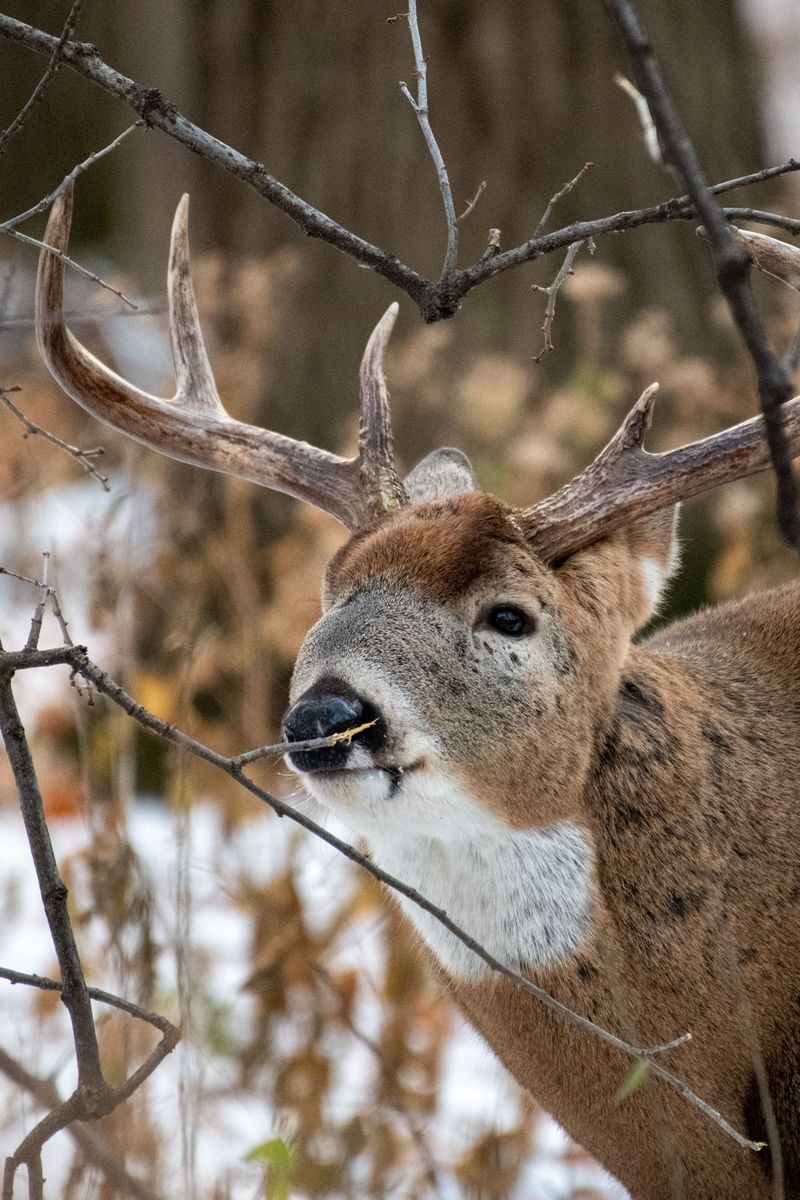
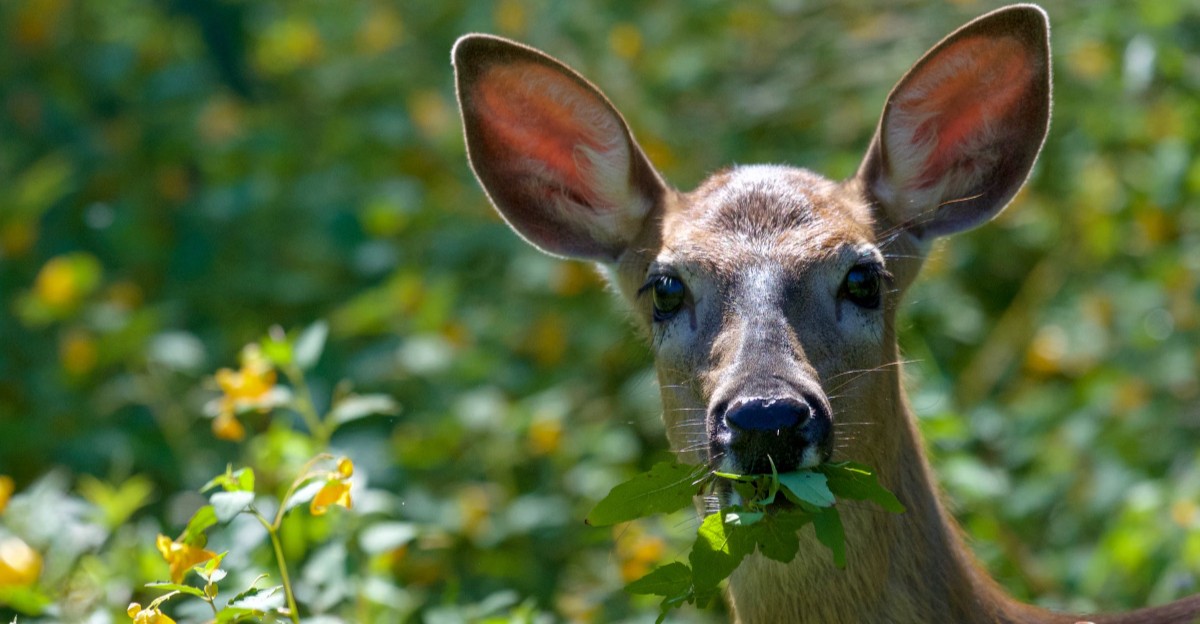
Meet your most likely suspect, the white-tailed buck. November is peak breeding season, called the rut, for deer across Minnesota.
Bucks rub their antlers on small trees and shrubs for a few reasons. Early in fall, rubbing helps shed the velvet.
By November, the rubs act as signposts. Glands on a buck’s forehead leave scent on the bark, which tells other deer he has been there.
University of Minnesota Extension notes that bucks favor smooth-barked stems about one to three inches thick. Arborvitae, young maples, lilacs, and ornamental shrubs near wooded edges are frequent targets.
A single buck can return to the same rub several nights in a row. Rubbing is different from eating. A buck may tear up a shrub without nibbling a single leaf. That surprises many homeowners who expect hungry deer to be the problem.
Fun fact for you. Bucks drop their antlers in winter and grow a fresh set each year, so rubbing behavior follows a predictable yearly rhythm.
You can expect activity to ease after the rut winds down in December. Browsing on twigs and buds often picks up as snow covers other food, so the deer story continues all winter.
Sturdy Tree Guards And Deer Fencing Stop Antler Rubs Fast
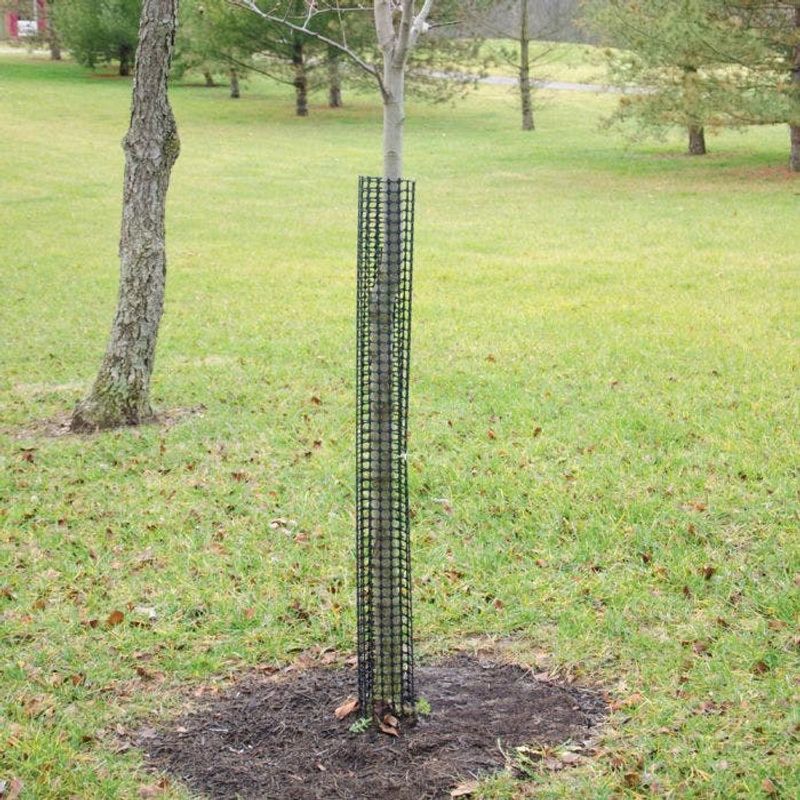
A physical barrier beats every spray when a buck wants to rub. Repellents may change what deer eat, but they do little to stop rubbing behavior.
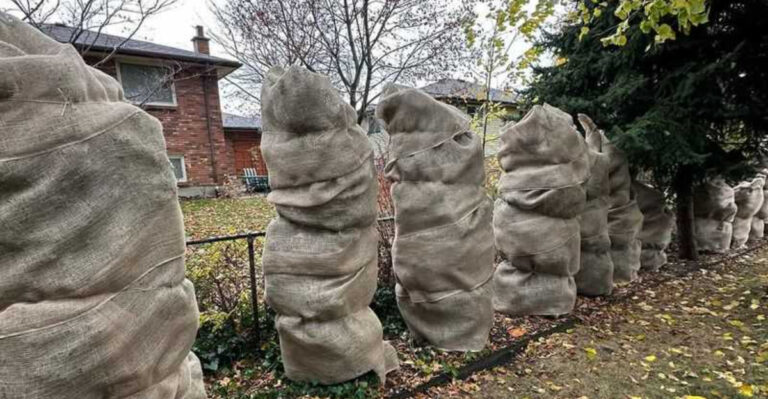
Start with individual protection for your favorite shrubs. Sturdy plastic tree guards, corrugated drain pipe slit down the side, or a ring of welded wire fencing all work well.
Set the cage a foot or so away from the stems so antlers cannot reach through. Aim for a height of at least four to five feet around single plants. Stakes driven firmly into the ground keep cages from tipping when a buck leans in.
For larger beds, a full fence offers the strongest defense. Minnesota DNR and Extension guidance suggests eight feet for deer fencing, since deer jump well. Lightweight polypropylene mesh is affordable and blends into the view.
I learned to install guards in October, before the rut ramps up. Waiting until damage appears means at least one shrub already paid the price.
Remove plastic guards in spring if they trap moisture against bark. Wire cages can often stay through summer on young plants. A few dollars spent now saves you from replacing a fifty-dollar shrub next year.
Rabbits Leave Neat Angled Cuts On Low Stems
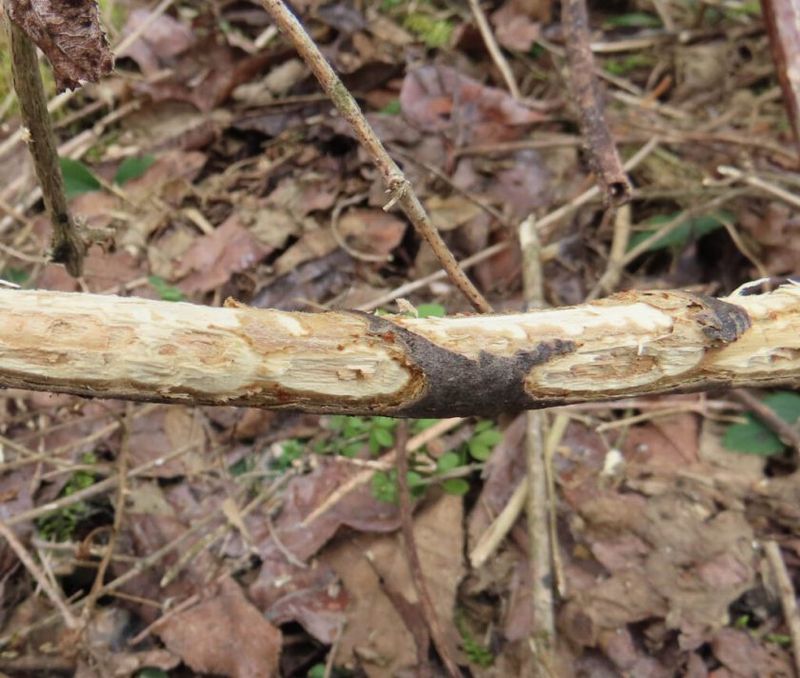
Not every ruined shrub comes from a buck. Cottontail rabbits do plenty of damage too, and their work looks different once you know the signs.
Rabbits clip twigs with sharp front teeth, leaving clean cuts at about a forty-five degree angle. It looks almost like someone used pruners.
Deer, by comparison, lack upper front teeth and leave ragged, torn ends when they browse. Rabbits also gnaw bark close to the ground. As snow piles up, they stand on it and reach higher stems.
Extension experts note that burning bush, roses, serviceberry, spirea, and young fruit trees rank among their favorites.
Look for small round droppings about the size of a pea. Tracks in fresh snow show two large back feet ahead of two small front prints.
Protection works best with cylinders of chicken wire or hardware cloth. Push the bottom a couple of inches into the soil. Make cages tall enough to stand 18 to 24 inches above your usual snow depth.
Northern Minnesota yards may need taller cages than southern ones, since snowfall varies widely across the state. A quick check after big storms keeps cages from getting buried.
Meadow Voles Chew Hidden Bark Under Snow And Mulch

Some damage stays hidden until spring. Meadow voles, small brown rodents often mistaken for mice, tunnel under snow and chew bark at the base of shrubs.
Their marks look scratchy and uneven. Tiny paired grooves cover patches of stem in every direction. Voles can strip bark from roots and lower stems without anyone noticing all winter.
When snow melts, you might notice winding runways through matted grass. These little highways connect burrows to food sources, including your landscape plants.
Thick mulch piled against stems creates a cozy hideout. Pull mulch back a few inches from the base of each shrub this fall. Mow grass short around beds before snowfall, too.
Hardware cloth with quarter-inch openings makes the best vole barrier. Place the bottom edge about six inches deep, since voles dig.
Wrap it loosely so the stems can grow. Voles are not linked to overnight shredding, but they often team up with deer and rabbits in the same yard. Knowing all three suspects helps you build smarter protection.
One cage design with fine mesh at the bottom and taller wire above can handle more than one visitor at once.
Deer Repellent Sprays Help, But Timing Matters
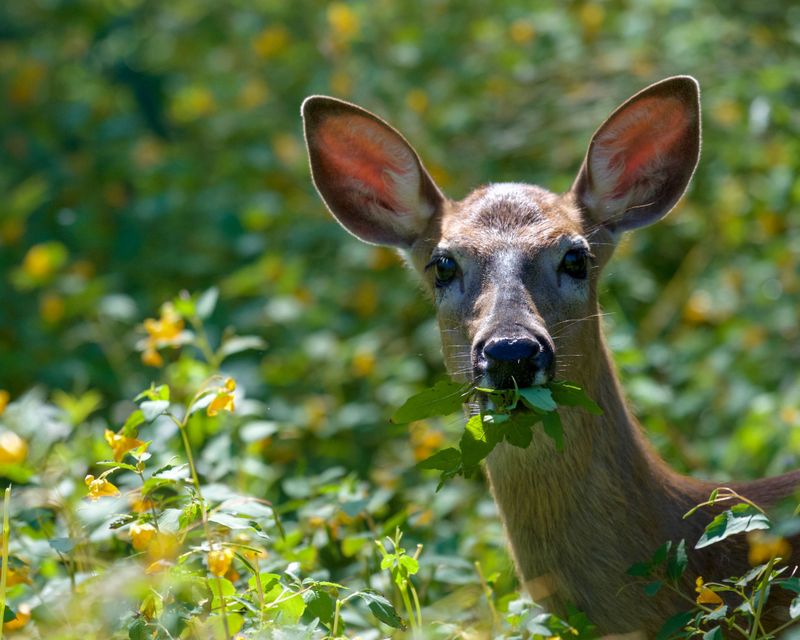
Repellents earn their spot in the toolbox, though they come with limits. Most work by taste or smell, so animals find treated plants less appealing to eat.
Products based on putrescent egg, garlic, capsaicin, or thiram show up often in Extension research. Odor-based types tend to work in a wider range of conditions. Taste-based ones need the animal to take a bite first.
Apply on a dry day above freezing whenever possible. Many sprays struggle to stick or dry properly in hard cold. Reapply after heavy rain, and check the label for how often to treat.
Rotating between two products can help. Hungry deer and rabbits sometimes get used to one scent and ignore it.
Keep expectations realistic. Repellents reduce browsing, but they offer little help against a buck in the middle of the rut. That rubbing drive comes from hormones, not hunger.
Combine sprays with fences or cages for the best results. I treat the shrubs I cannot easily cage, like long hedges, and save wire for my most valuable plants. Always follow the label, especially near vegetable gardens and pets.
Girdled Shrub Stems Need A Careful Look Before You Prune
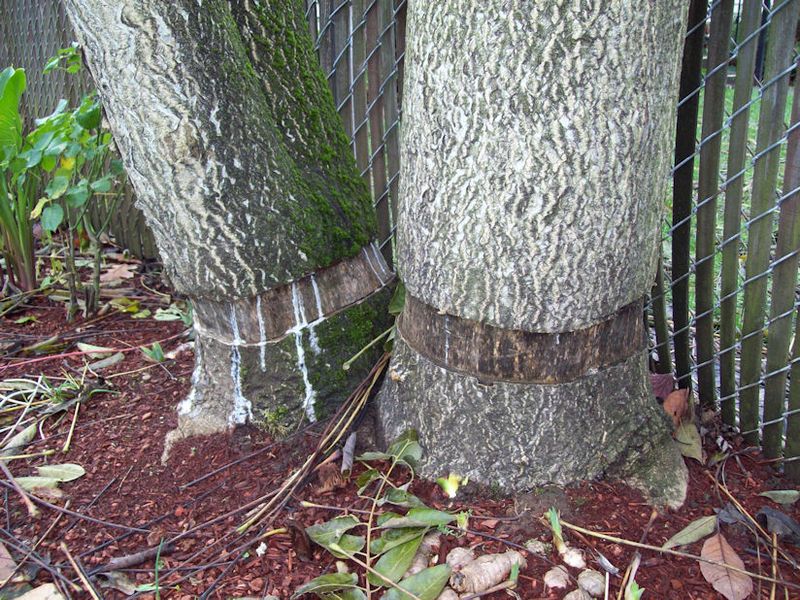
Finding damage stings, but many shrubs bounce back. The key question is how much bark is gone.
Bark carries water and food between roots and leaves. If it is stripped all the way around a stem, called girdling, that stem usually cannot recover. Partial damage often heals on its own over time.
Hold off on heavy pruning until late winter or early spring. Cutting now can leave fresh wounds exposed to harsh cold. Simply trim any broken, hanging pieces so they do not tear further.
Skip wound paint and tar. Extension specialists explain that shrubs seal wounds better on their own.
In spring, scratch the bark lightly with a fingernail. Green tissue beneath means the stem is alive. Brown and dry wood can go.
Many multi-stemmed shrubs like dogwood, spirea, and lilac handle renewal pruning well. Cutting the plant back to a few inches above the soil can spark fresh growth.
Single-trunk plants that are girdled at the base usually struggle to recover and may need replacing. Patience pays off here. I have watched rubbed lilacs return thicker than before.
Choose Tougher Shrubs And Prep Before Next November
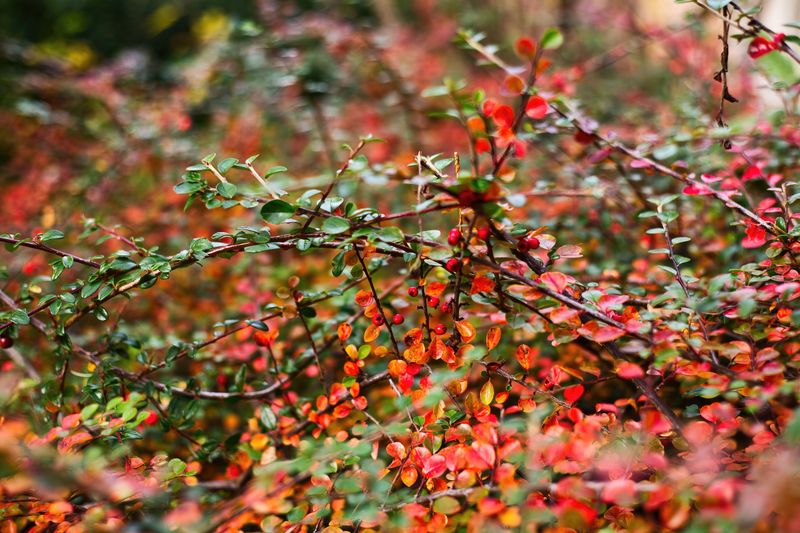
Next fall can look a lot better with a little planning now. Smart plant choices and early setup do most of the work.
No shrub is fully deer-proof, but some get less attention. Extension lists often include ninebark, potentilla, juniper, and the native bush honeysuckle (Diervilla).
Bucks still rub almost any young stem, so caging new plantings matters for the first several years Placement helps, too. Shrubs near wooded edges, ravines, or trails see more traffic.
Planting your favorites closer to the house gives them extra protection. Build yourself a simple calendar. Install guards and cages in early October. Pull mulch away from stems and mow tall grass before the first big snow.
Walk your yard after storms and early in the morning. Fresh rubs, tracks, and droppings show which spots need attention. Snap a few photos to compare from year to year.
Talk with neighbors as well. Deer move across many yards, so shared fencing ideas can help a whole block.
A shredded shrub is frustrating, but it is also a clue. Once you can read the signs, you can stay one step ahead of every visitor.