What It Means When A Red Fox Shows Up In Your Minnesota Yard
Some wild visitors bury their leftovers in shallow holes like a squirrel hiding acorns, then come back later for a snack. I learned that fact after spotting a fresh little dig in my hosta bed and blaming the neighbor’s dog.
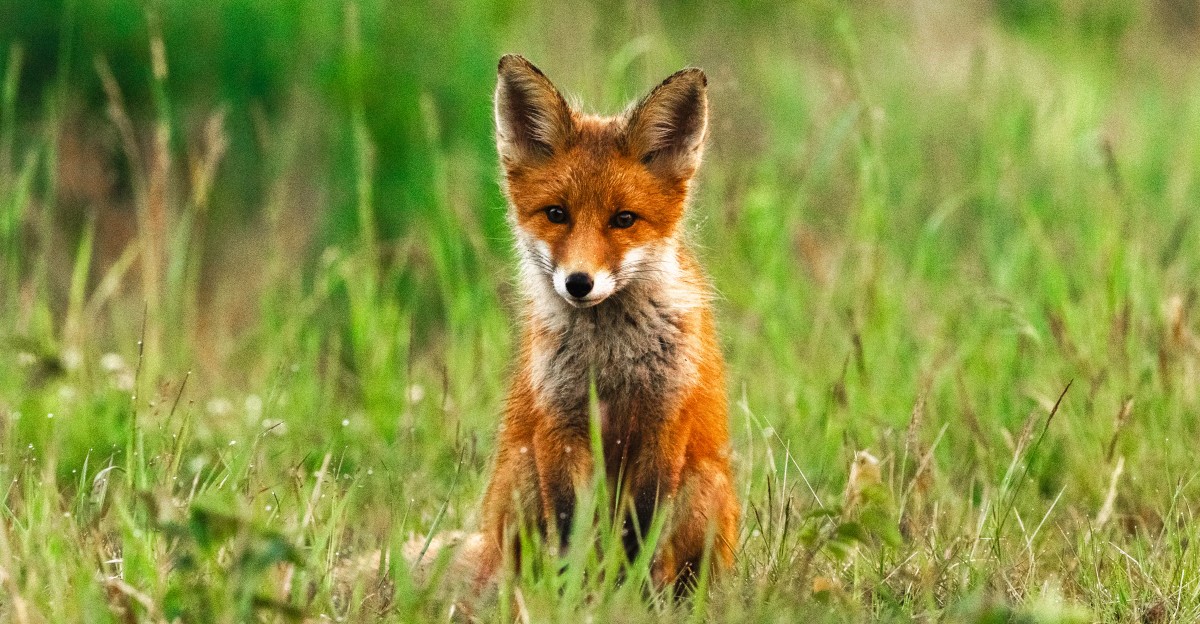
Turns out the culprit had a bushy, white-tipped tail and a taste for voles. It trotted across my Minnesota lawn in broad daylight, calm as a mail carrier on a sunny route.
You might notice one too, especially from winter through early summer. These clever animals live in farm country, northern Minnesota woods, and busy Twin Cities suburbs alike.
They hunt mice, raid open garbage, and sometimes raise a whole family under a quiet deck. So what does a visit really mean for your garden, your pets, and your peace of mind?
The answer surprised me, and it might change how you feel about that flash of orange near the shed.
That Orange Visitor Trotting Past Your Garden Has A Plan

Foxes rarely wander by accident. A red fox that keeps showing up has found something worth the trip, usually food, water, or a safe place to rest.
Your yard might look ordinary to you. To a fox, it can look like a buffet with a nice hiding spot attached.
Tall grass full of voles, a brush pile, or a dark gap under the shed all send a strong welcome message.
In Minnesota, sightings happen all year. The Minnesota DNR notes that reports often climb from December through July, with another bump in September and October.
Those peaks line up with mating season, kit season, and the fall period when young foxes leave home.
So timing tells part of the story. A winter visitor might be hunting hard or searching for a mate. A spring visitor could be a busy parent feeding hungry kits.
Most of the time, a fox in the yard simply means your property fits into its daily loop. These animals cover a lot of ground and check the same reliable spots again and again.
Seeing one once is no cause for worry. Seeing one often is a clue worth exploring, and the next few sections will help you read it.
Mice, Voles, And Rabbits Are Probably On The Fox Menu
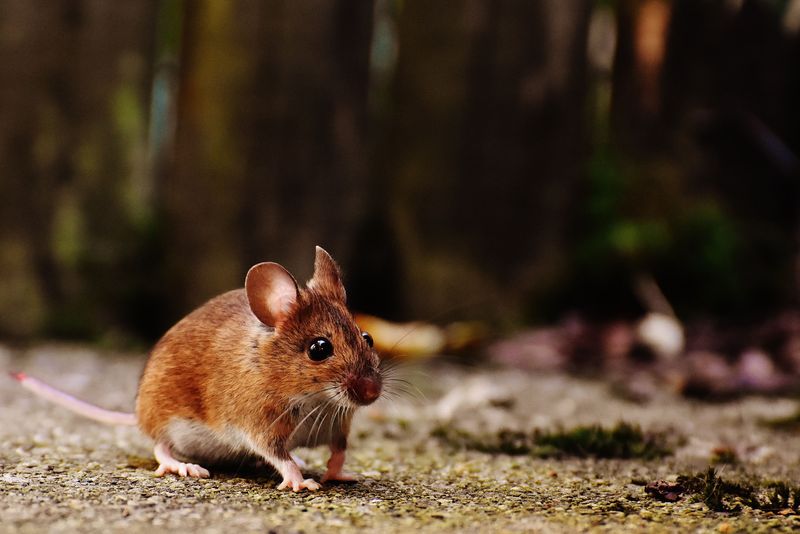
Watch a fox hunt and you will see a wild little leap. It stands still, tilts its head, listens, and then dives nose first into the grass to pin a mouse.
Small mammals make up a big part of the red fox diet. Mice, voles, rabbits, and ground squirrels top the list.
Foxes also eat birds, insects, snakes, berries, seeds, and carrion, so they are true opportunists.
For gardeners, that can be a quiet blessing. Voles chew bark and tunnel through lawns under the snow.
Rabbits nibble tulips, beans, and young shrubs. A fox patrolling your yard helps keep those populations in check without any traps or chemicals.
I started noticing fewer vole runways in spring after a fox began crossing our back corner each evening. That is one yard, not a scientific study, but the logic fits what wildlife experts describe.
If a fox keeps visiting, take a look around for prey signs. Chewed bulbs, rabbit droppings, or tiny trails in the grass suggest your yard has plenty of snacks. In that case, the fox may be doing you a favor more than causing trouble.
Bird Feeders And Open Trash Cans Can Pull Foxes Closer
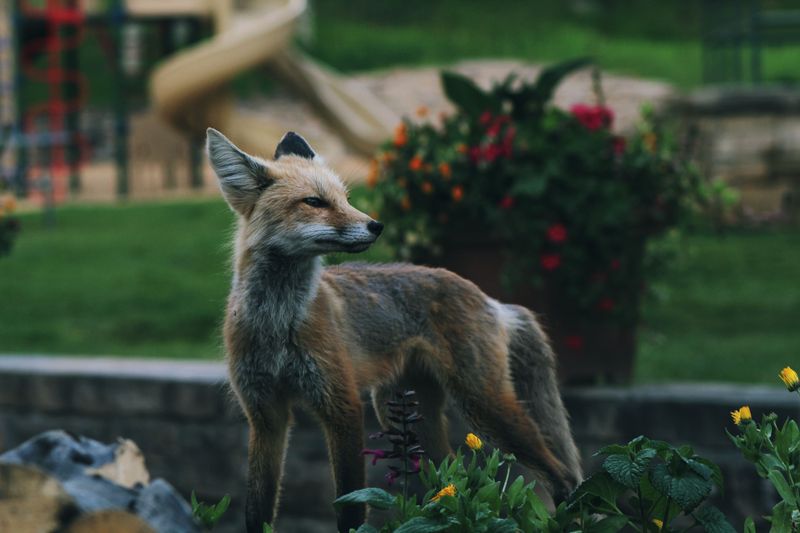
Seed spills are the hidden invitation. Foxes rarely care about the sunflower seeds themselves, but the mice and rats that gather under feeders are a different story.
A messy feeder area can turn into a rodent hangout overnight. Once rodents settle in, a fox will find them fast. That chain reaction surprises plenty of bird lovers.
Other common attractants include unsecured garbage cans with food scraps inside, pet food bowls left on the porch or deck, compost piles with meat, fish, or dairy mixed in, and fallen fruit from apple or crabapple trees.
You can keep feeding birds and still reduce fox visits. Use a tray under the feeder to catch hulls, rake up spilled seed often, and store birdseed in metal bins with tight lids.
Bring pet bowls inside before evening. Keep trash cans in the garage or use lids that latch. Stick to plant scraps in the compost bin.
A fox that finds no easy meal usually shifts its route somewhere else. Small habit changes go a long way, and they also help with raccoons, skunks, and the rodents themselves.
A Fox Den Under Your Deck Usually Means Spring Kits
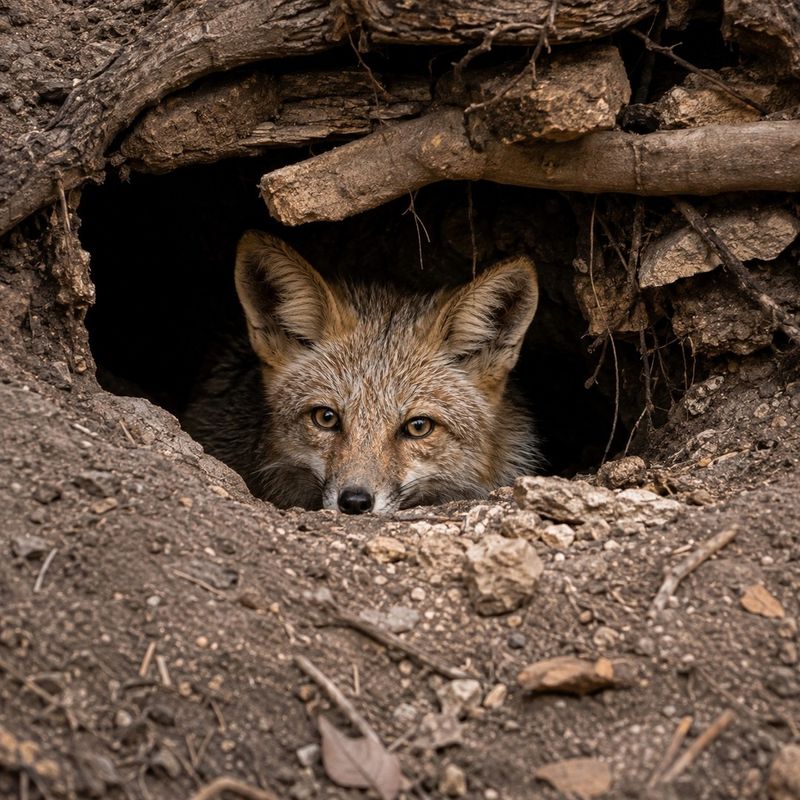
Few backyard surprises beat spotting fluffy fox kits tumbling near the porch. If you see them in April, May, or June, a family has likely moved in nearby.
Red foxes in Minnesota mostly mate in February, though it can stretch from January to March. After roughly 51 to 54 days, the mother gives birth to a litter that commonly holds four to six kits.
Kits are born blind and start walking at around three weeks old. Foxes dig their own burrows or borrow old woodchuck holes. In towns, they happily use the space under decks, porches, sheds, and brush piles.
Dens often have more than one entrance. Here is the comforting part. A den is mostly a nursery, not a forever home. Adult foxes often sleep out in the open, even in cold months.
The family usually stays together until September or October. Then the young foxes spread out to find their own territories.
If you can tolerate a few weeks of guests, many families move along on their own once the kits grow up. Plenty of homeowners end up enjoying the show from the kitchen window.
Lone Fox Kits In The Grass Are Seldom Abandoned

Worried neighbors call wildlife rehabbers every spring about “orphaned” fox kits. In most cases, the parents are just out hunting.
Fox parents leave kits alone for hours while they search for food. Feeding a growing litter takes a lot of mice and rabbits, so the adults stay busy.
Kits often play, nap, or sit near the den entrance while they wait. The Minnesota Wildlife Rehabilitation Center and the Minnesota DNR both advise giving kits space. Picking them up or moving them can do more harm than good.
Human scent and stress can also push the family to relocate. So what should you do? Watch from a distance, ideally indoors or with binoculars.
Keep pets and kids away from the den area. Give it 24 hours before deciding anything is wrong.
Call a licensed wildlife rehabilitator if a kit looks hurt, weak, covered in flies, or stays cold and crying for a long stretch. They can judge whether help is truly needed.
Honestly, patience is the kindest choice here. A few quiet days usually reveal a busy parent slipping in at dawn with breakfast.
Your Chickens And Tiny Pets Need More Protection Than Your Dog
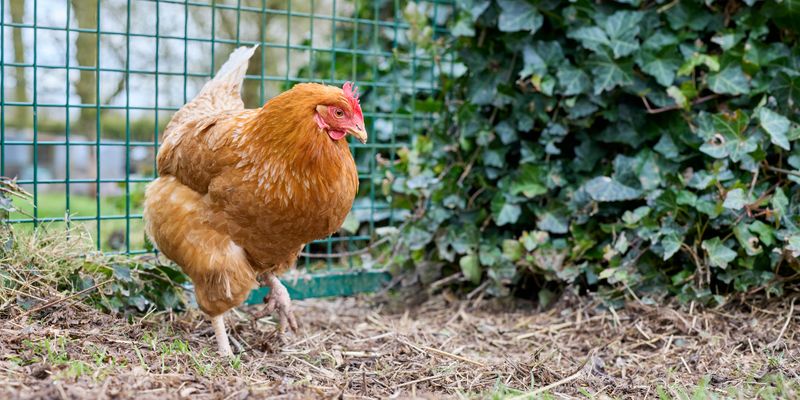
Ask any backyard chicken keeper about foxes and you will get a strong opinion. Hens are easy targets, and a fox will gladly take one from a weak coop.
Rabbits and guinea pigs in outdoor hutches face the same risk. Kittens and very small cats under about five pounds can look like prey too. Tiny dog breeds may also be vulnerable.
Most adult cats and larger dogs are rarely in danger. Foxes are only about the size of a house cat with longer legs, and they usually avoid a fight.
Trouble with dogs mostly happens when a dog gets too close to a den full of kits. Simple steps help a lot. Lock chickens inside a sturdy coop every night.
Use welded hardware cloth instead of chicken wire, which foxes can tear. Bury fencing or add an apron so they cannot dig underneath.
Keep small pets indoors or supervised outside, especially at dusk and dawn. Bring hutches into a secure garage at night.
A fox sighting is a good reminder to check latches and gaps. Fixing a weak spot today beats losing a favorite hen tomorrow.
Daytime Fox Sightings Are Usually Normal, But Mange Is Worth Watching
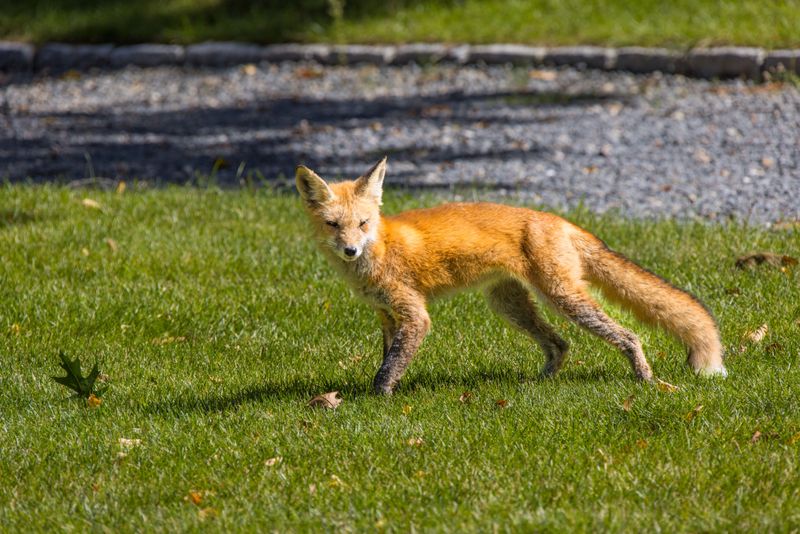
Plenty of folks panic when a fox strolls by at noon. Daylight activity alone is not a sign of sickness.
Red foxes are most active at dawn, dusk, and night, but daytime outings are common. Parents feeding kits hunt around the clock in spring.
Quiet neighborhoods with little human traffic also make foxes bolder. Rabies in foxes is extremely rare in Minnesota. Mange is a far more common problem.
Caused by tiny mites, it leads to patchy fur, thin tails, and crusty skin, especially noticeable in winter.
A fox with mange may look ragged and tired. It might hang around yards more often while it struggles.
Report sightings to a licensed wildlife rehabilitator rather than trying to treat the animal yourself.
Call your local animal control or the Minnesota DNR if a fox acts strange. Warning signs include stumbling, circling, aggression, or approaching people with no fear.
Otherwise, a healthy fox with a full coat and a confident trot is just going about its business. Enjoy the view, keep pets close, and avoid touching or cornering any wild animal. Distance keeps everyone safe and the fox stays wild.
Gentle Hazing And Hardware Cloth Can Send The Fox Packing
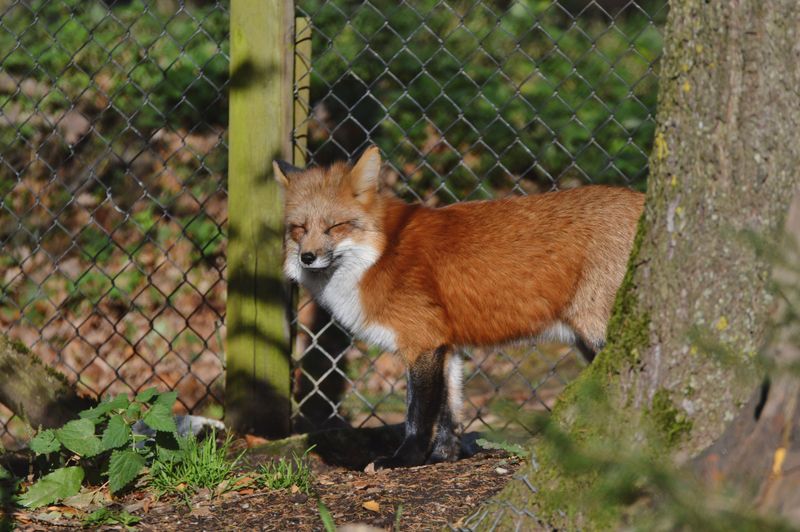
Ready to set some boundaries? You do not need traps or fancy gadgets to encourage a fox to move on.
Start with hazing. Yell, wave your arms, clap, spray the garden hose, or toss a ball toward the fox.
The goal is to remind it that people are not friends with snacks. Skip feeding foxes on purpose, since fed foxes lose their natural caution.
For a den under the deck, wait until the kits are up and walking around. Then try mild discomfort.
Loosely stuff leaves or soil in the openings, set out sweaty clothes or used kitty litter, tie up shiny balloons, or leave a talk radio nearby. Most families relocate within days.
Once the den is empty, block it for good. Attach hardware cloth along the base of decks, porches, and sheds.
Bury it about 12 inches deep with an L-shaped bend facing outward so digging hits a wall. Keep in mind that the Minnesota DNR does not trap or relocate foxes. Any removal is up to landowners.
Honestly, prevention is easier, kinder, and cheaper. A few smart fixes let you enjoy foxes from a respectful distance.