The 8 Hedges Ohio Homeowners Are Ripping Out This Fall and What Goes in Their Place
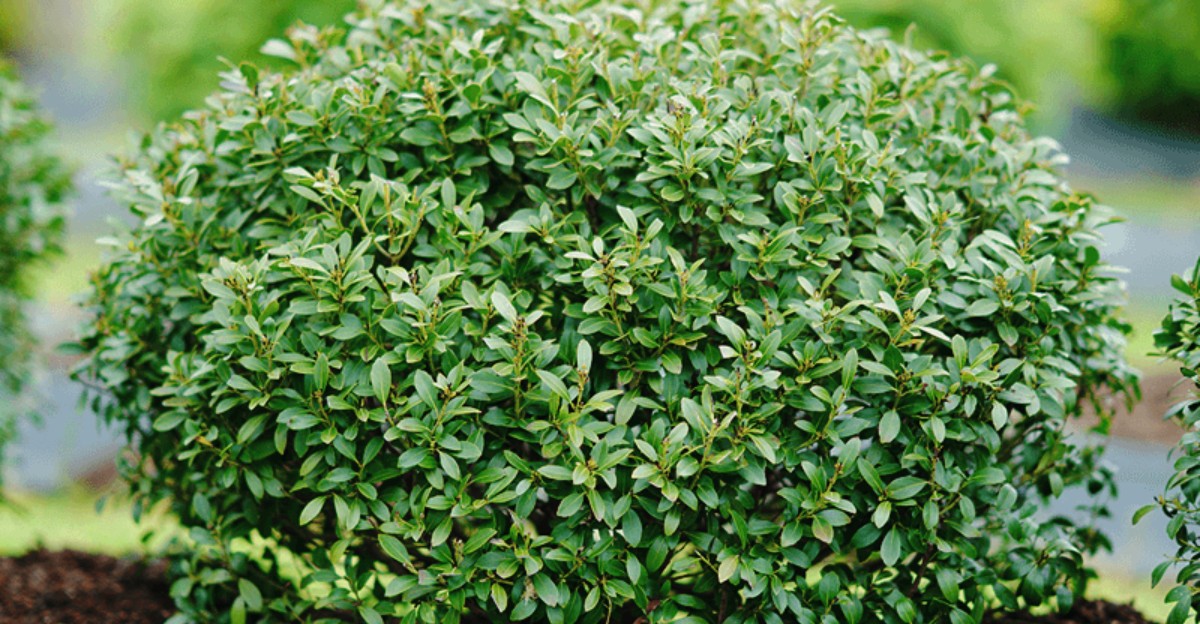
Several of the shrubs lining suburban driveways are now on state lists of plants banned from sale in Ohio. That means the tidy green wall beside your mailbox might be quietly seeding woods miles away from your house.
Birds gobble the bright berries each fall and drop the seeds along creeks and forest edges far from town.
Other popular hedges are not invasive at all, yet they struggle with our humid summers and hungry deer.
I have to admit that I planted one of these troublemakers myself, long before I knew any better. You might be surprised how many gardeners across Ohio are quietly swapping old favorites for tougher, friendlier shrubs.
Cool autumn soil gives fresh roots a head start, so this season is the sweet spot for change.
So which hedge in your yard is ready for retirement, and what deserves its spot along the property line?
1. Privet Out And Ninebark In
Privet flowers smell oddly sharp to many noses, closer to a gym bag than perfume, if you ask me. Those creamy blooms turn into dark purple berries that birds carry off into nearby woods by the thousands.
Common privet and border privet are the types most often seen here, since Japanese privet cannot handle our winters. Once seedlings escape, they form dense thickets that crowd out native wildflowers, even under deep forest shade.
Removing privet is easiest in fall, when the soil is soft and the leaves still help you spot it. Pull small plants by hand, and cut larger stems low before treating stumps with a labeled herbicide right away.
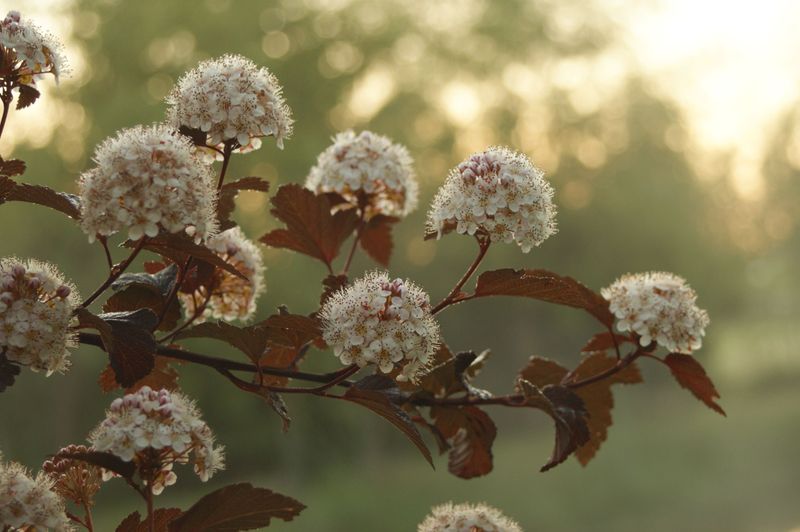
Ninebark, known to botanists as Physocarpus opulifolius, is a native shrub that steps into the gap beautifully. It usually grows six to ten feet tall, adding about one or two feet per year once settled.
I love how the bark peels away in thin, papery strips, giving bare winter stems a shaggy, cozy look. White flower clusters appear in late spring, and pollinators crowd them like shoppers at a bakery sale.
Ninebark shrugs off compacted soil and even road salt spray, which makes it handy beside busy driveways. Give it full sun to partial sun, and plant it now so roots can settle before the ground freezes.
Reddish seed capsules show up in early fall, adding one more reason to linger by the hedge. Water new plants weekly until frost if rain stays scarce, and spread a thin layer of mulch around them.
2. Japanese Barberry Out And Winterberry In
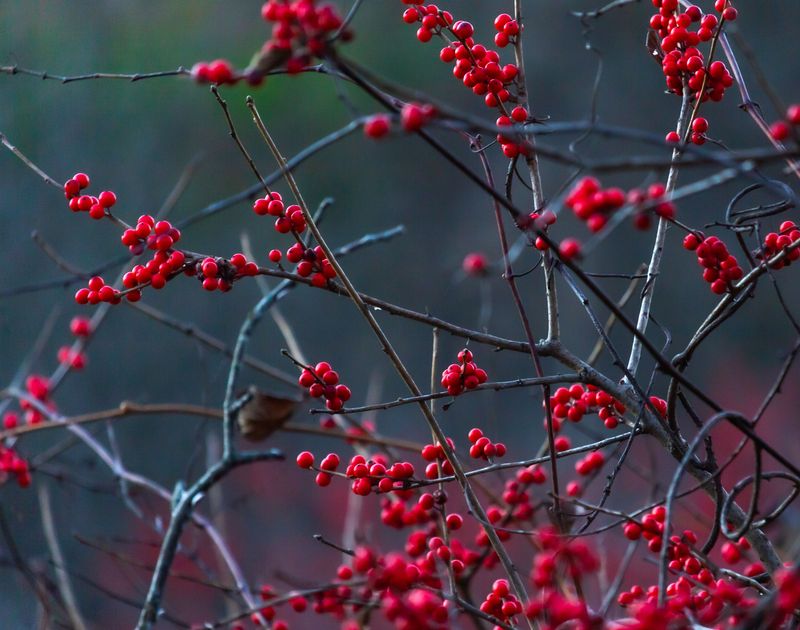
Anyone who has weeded around Japanese barberry knows those tiny thorns find every gap between your glove and sleeve. Beyond the scratches, research in New England linked dense barberry thickets to higher numbers of ticks carrying Lyme disease.
The shrubs create humid, sheltered pockets near the ground where ticks and the mice that carry them thrive. Birds also spread the bright red berries, so escaped barberry now crowds woodland edges across much of Ohio.
Ohio added Japanese barberry to its invasive plant list, with nursery sales being phased out over several years. Check with your local extension office for the latest details before buying any shrub labeled as barberry.
Wear thick gloves and long sleeves when removing it, and dig out the shallow roots with a sturdy shovel. Fall works well because the soil is moist and the plants still hold leaves, making them easy to spot.
Winterberry, or Ilex verticillata, is a native holly that drops its leaves and then puts on a show. Bright red berries cling to bare branches through much of winter, glowing beautifully against fresh snow and gray skies.
You need at least one male plant nearby, since only female shrubs make berries and they require a pollen partner. Nurseries usually sell matching male varieties, and one male can serve several females planted in the same area.
Personally, I think winterberry looks happiest in moist or even soggy soil, with sun to partial shade overhead. Hungry robins and bluebirds often strip the berries by late winter, which feels like a fair trade to me.
3. Burning Bush Out And Arrowwood Viburnum In
Few shrubs blaze quite like burning bush in October, with leaves glowing a red so bright it almost hums. Look closely at the twigs and you will spot odd corky wings running along the stems like tiny fins.
Sadly, that famous color comes with a habit of spreading by root suckers and bird-carried seeds into nearby woods. The Ohio Invasive Plants Council rates it as invasive, even though stores in many areas can still sell it.
Seedlings carpet forest floors so thickly that native wildflowers have little room left to sprout in spring. Older shrubs can reach eight to twelve feet tall, so removal may require loppers and a strong back.
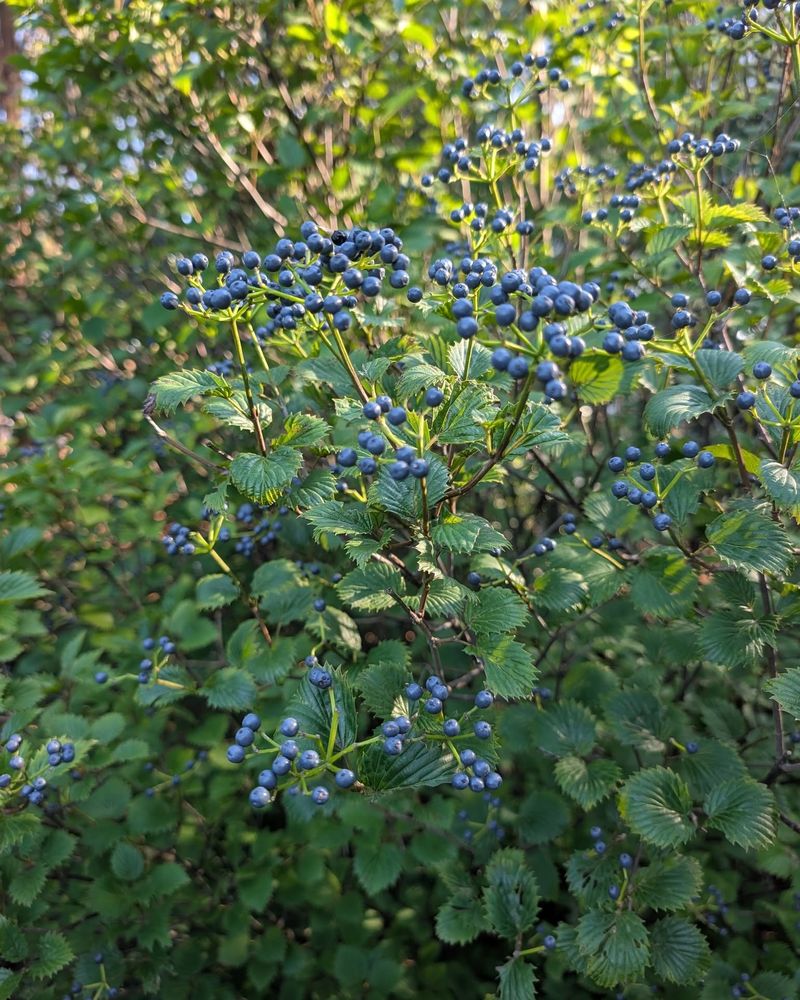
Arrowwood viburnum, or Viburnum dentatum, is my favorite native stand-in, and its fall leaves turn purple to red. It grows up to fifteen feet tall and six to eight feet wide, creating a thick and friendly screen.
Flat clusters of white flowers open in late spring, and they buzz with bees on warm afternoons. By late summer, blue-black berries ripen, and songbirds snap them up quickly before migrating south.
Arrowwood handles many soil types, though it prefers some moisture and grows well in full sun or partial shade. Fall planting lets roots spread out in the warm soil while the top of the shrub rests quietly.
Keep an eye out for viburnum leaf beetle, which can chew leaves into lace during late spring and summer. Pruning off twigs with egg sites during winter helps reduce the next generation before they hatch in spring.
4. Bush Honeysuckle Out And Spicebush In
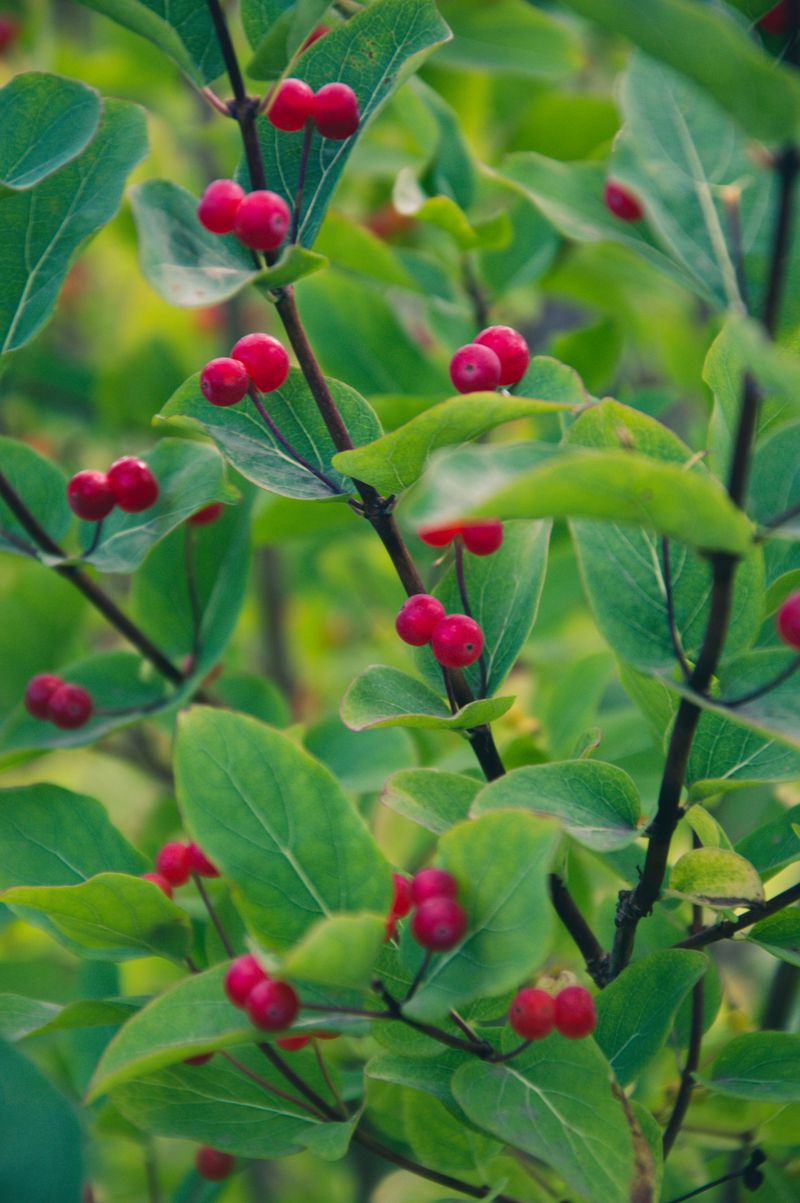
Bush honeysuckle leafs out early in spring and hangs onto green leaves late into fall, hogging sunlight at both ends of the season. That long season lets it shade out native wildflowers trying to bloom on the forest floor beneath it.
Amur honeysuckle is the most common type here, along with Morrow and Tatarian kinds that look quite similar. Its red berries look cheerful, yet they offer birds less rich food than many native fruits do in autumn.
You can spot it easily now, since it stays green after most native shrubs have dropped their leaves. Pull young plants when the soil is damp, and cut big stems near the ground before treating stumps promptly.
Spicebush, called Lindera benzoin by scientists, is a native understory shrub that loves the same shady spots. Crush a leaf or twig between your fingers, and you will catch a spicy, citrusy scent that feels wonderfully fresh.
Tiny yellow flowers appear in very early spring, often before most other shrubs have even started to wake up. Female plants carry glossy red berries in late summer and fall, so plant both sexes if you want fruit.
What surprises me most is the spicebush swallowtail caterpillar, which uses the leaves as food and looks like a snake. Those fake eyespots help scare off hungry birds, and finding one curled in a leaf is a real treat.
Give spicebush moist, well-drained soil with shade or part shade, and expect golden yellow leaves each autumn. Fall planting gives roots time to settle before the ground freezes, so new shrubs wake up strong next spring.
5. Multiflora Rose Out And Carolina Rose In
Farmers once planted multiflora rose as a living fence, hoping the thorny canes would hold cattle in place. It worked a little too well, and now the shrub shows up in every one of Ohio’s eighty-eight counties.
Arching canes can root where they touch the ground, while birds spread seeds from the red hips all winter. The result is a tangled, thorny thicket that swallows fencerows and crowds out gentler native plants nearby.
Rose rosette disease, spread by a tiny mite, is also moving through wild multiflora roses across the region. Infected plants show twisted red shoots and extra thorns, and they usually decline within a few years.
For removal, wear heavy gloves and cut canes in sections, then dig out the root crown with a mattock. Mowing repeatedly helps with large patches, though spot herbicide treatment may be needed for stubborn crowns.
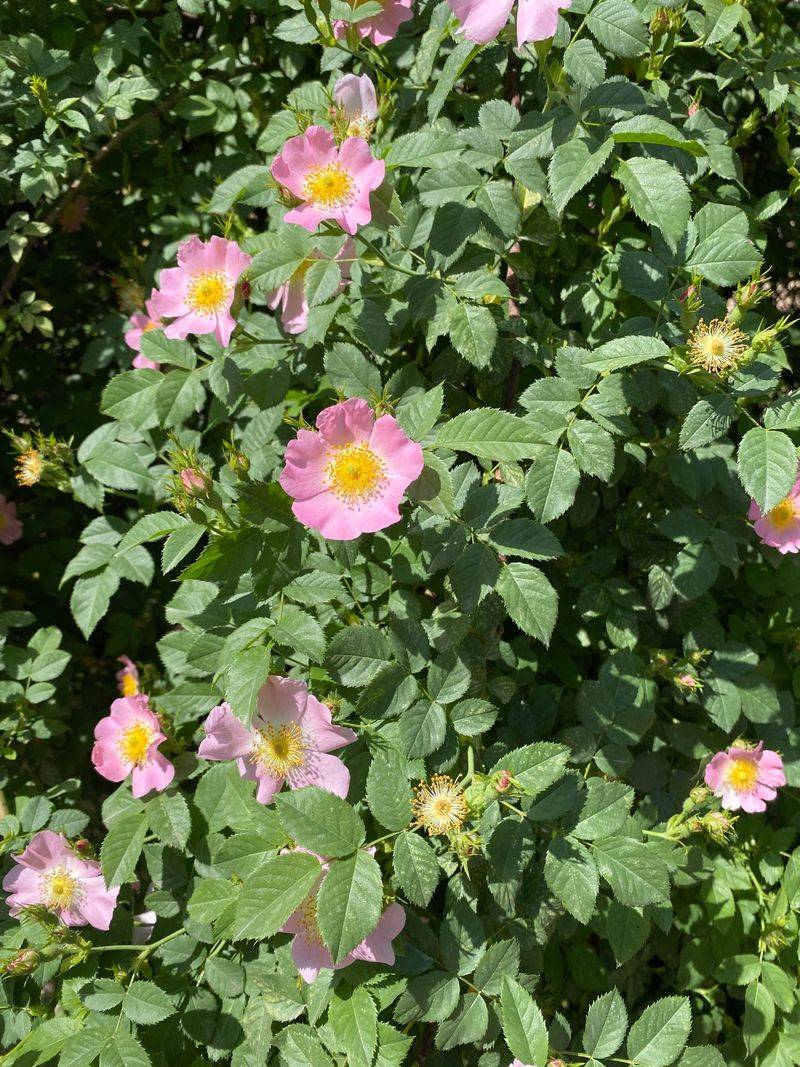
Carolina rose, known as Rosa carolina, is a native wild rose with a far more polite growth habit. Its fragrant pink blooms open in early summer, each one simple and sweet, with a bright yellow center.
It usually stays about three feet tall, making a low, informal hedge along walkways or sunny garden borders. Bees love the open flowers, and the small red hips feed birds after the leaves fall away.
I like planting Carolina rose in full or partial sun with well-drained soil, where it spreads slowly by runners. Fall is a fine time to set out container plants, giving roots a calm season before summer heat returns.
6. Colorado Blue Spruce Out And Norway Spruce In
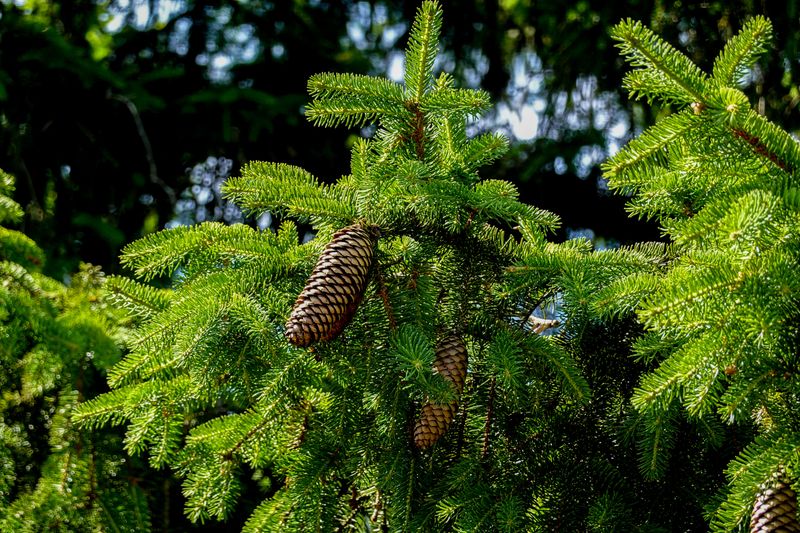
Those silvery blue spruces look like they belong on a holiday card, until the lower branches start turning brown. Colorado blue spruce comes from the dry Rocky Mountains, where summers feel nothing like our muggy July afternoons.
Extra rain and humidity invite fungal needlecasts like Rhizosphaera, which turn older needles purple or brown before they drop. Canker diseases such as Cytospora can follow, causing whole branches to fade one after another from the bottom up.
Crowding spruces together in a hedge row makes things worse, since branches stay damp with little airflow between them. Extension experts often point to these problems when homeowners ask why their spruces look thin and patchy.
If more than half the tree looks bare, removal is usually wiser than years of fungicide sprays. Cut trees down this fall, and grind stumps if you plan to replant in the same row.
Norway spruce, or Picea abies, handles humid summers and heavy clay soils much better than its blue cousin does. It grows fast, often reaching forty to sixty feet tall, with lower branches that sweep down gracefully like skirts.
Since it gets big, space trees at least fifteen to twenty feet apart for a full, healthy screen. Personally, I love the long cones that dangle from upper branches, swaying in a breeze like tiny ornaments.
Norway spruce prefers full sun and dislikes long dry spells, so water deeply during droughts for the first few years. Planting now, while soil is still warm, lets roots settle before winter, and a mulch ring helps hold moisture.
7. Arborvitae Out And Eastern Redcedar In
Deer treat arborvitae like a winter salad bar, nibbling the lower branches until the hedge looks like a lollipop. Hungry herds in suburban neighborhoods can strip several feet of foliage in a single cold, snowy season.
Arborvitae also struggles during dry summers, and drying winter winds can leave foliage brown and crispy by March. Bagworms add to the trouble, hanging little pinecone-shaped bags that hide hungry caterpillars munching away on the needles.
Spider mites and fungal problems can pile on, so older hedges often look thin and tired. If yours has big bare gaps near the bottom, those spots rarely fill back in on their own.
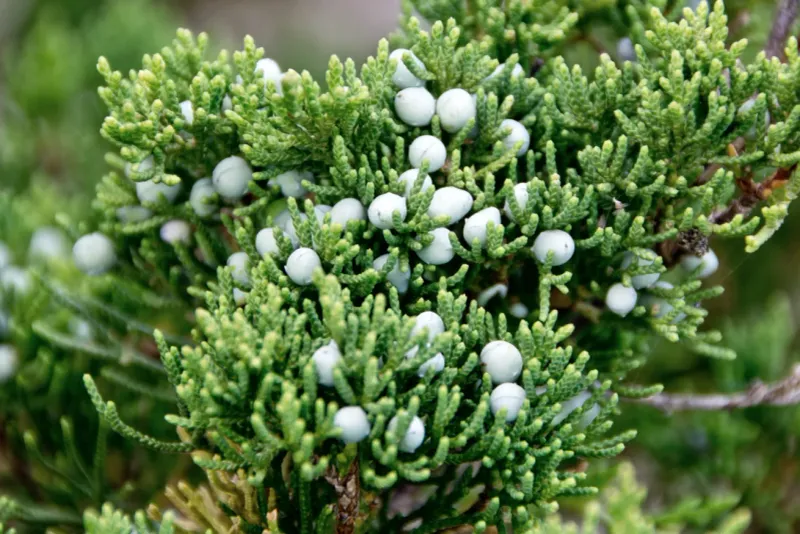
Eastern redcedar, or Juniperus virginiana, is a tough native evergreen that grows wild on dry hillsides here. It thrives in rocky or poor soil and loves full sun, and it handles dry conditions far better than arborvitae does.
Female trees produce dusty blue berry-like cones, and cedar waxwings flock to them during fall and winter. The dense foliage gives songbirds safe cover from wind and hawks, making a hedge that doubles as shelter.
One caution matters if you grow apples, because redcedar hosts cedar-apple rust, a fungus that spots apple leaves. Choose rust-resistant apple varieties or place redcedars farther away from orchards to keep both plants happier.
Fall planting gives roots a cool, moist season to grow, so water weekly until the ground freezes solid. Many named varieties stay narrow and upright, which I think makes them perfect for tight spaces between homes.
8. Yew Out And Inkberry Holly In
Yew hedges planted decades ago have a sneaky habit of swallowing front windows and half the sidewalk. Keeping them tidy means shearing again and again, and I can’t imagine anyone truly enjoys that chore.
There is a safety issue too, since nearly every part of the yew is poisonous to people and pets. Horses and other livestock are especially at risk, so families with animals often choose to remove old yews.
Deer also browse yews heavily in winter, and harsh winds can leave the needles bronzed or burnt by spring. Old, overgrown plants can be cut back hard, yet many homeowners simply prefer starting fresh with something new.
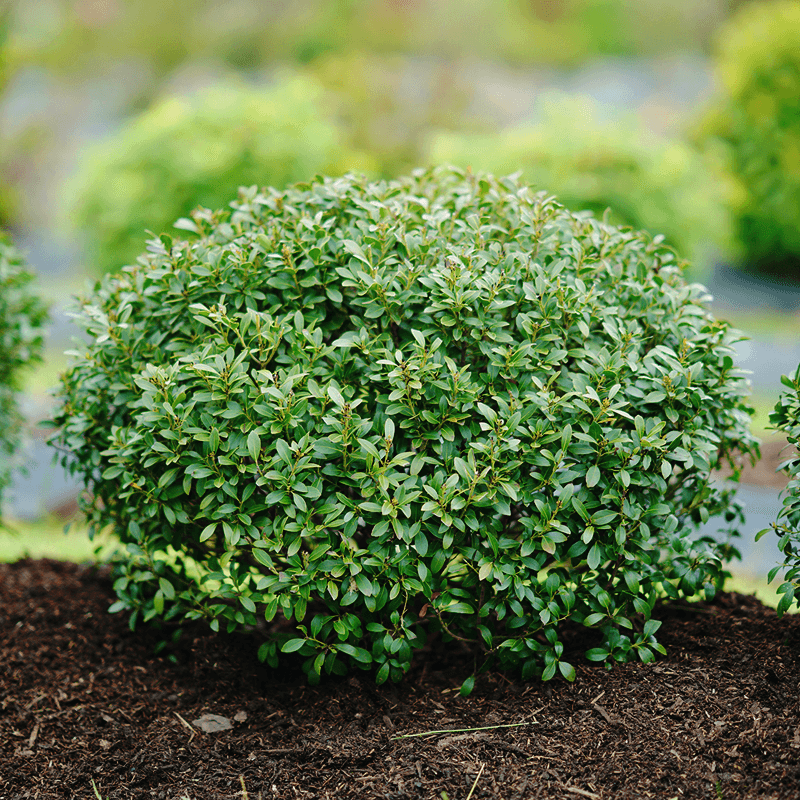
Inkberry holly, known as Ilex glabra, is a North American native evergreen with glossy leaves much like boxwood. It forms a dense, rounded shape and rarely needs heavy shearing to look neat beside your front steps.
Female plants make small black berries that hang on into winter, giving birds a snack when food runs low. Bees also visit the tiny spring flowers, and inkberry honey is a treasured treat in some coastal regions.
Inkberry likes moist, acidic soil and grows in full sun or partial shade, though lower branches may thin in shade. Compact varieties stay around three to four feet tall, which works nicely under windows without blocking the view.
Fall is a smart time to plant, giving roots several cool weeks to grow before the ground freezes. Water deeply once a week if rain is scarce, and add mulch to protect shallow roots from winter swings.