Do This To Ohio Peonies In Late August Or They Sulk All Next Spring

Next May’s peony blooms are being decided right now. Not in spring when the red shoots push through the soil.
Not in fall when the foliage finally gets cut back. In late August, while the garden has moved on to other things and the peony sits there looking like it has already said everything it had to say.
It has not. Not yet.
Late August is when peonies do their most important invisible work. Root systems are shifting energy.
Eyes are forming. The foundation for next spring is being laid in a window that closes before September gets serious.
One task aligns with that process. Skip it and the plant still comes back.
Just not at full capacity. Ohio peonies are not asking for much in late August.
What they are asking for is specific, and the spring bloom makes it very clear whether they got it or not.
1. Check The Eyes Before You Replant
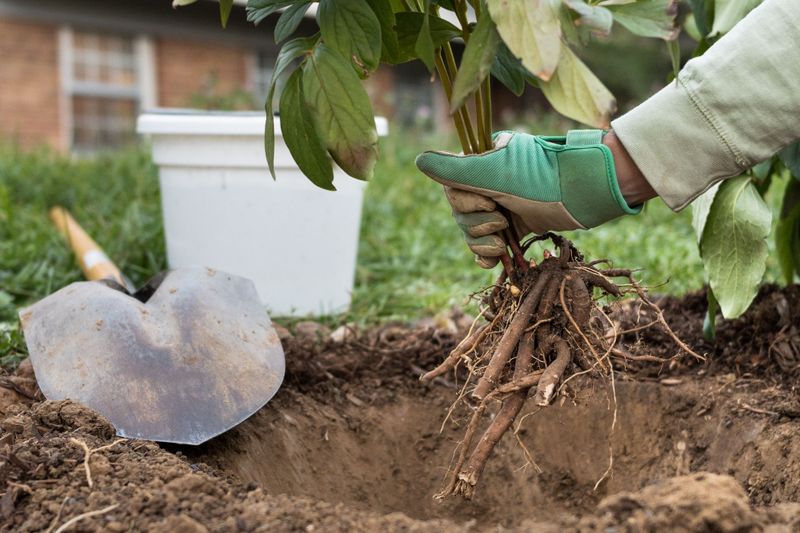
A pink eye tucked just below the soil line holds everything next spring’s peony stems will become. Before any planting, moving, or dividing begins, take a moment to find those buds and understand what you are working with.
The eyes are the small pink or reddish knobs that sit on the crown, which is the thick, fleshy section where the roots and stems meet. Each eye has the potential to grow into a stem and, eventually, a bloom.
OSU Extension and university perennial-care guidance note that protecting the eyes matters during handling. It is one of the most important steps in successful peony transplanting.
Rough handling, accidental slicing, or deep burial can set a plant back significantly. When moving or dividing, lift the clump carefully with a garden fork rather than a spade to reduce root damage.
Rinse the crown gently with water so the eyes are visible before you replant.
Healthy established clumps that bloom reliably do not need to be lifted just because it is late August. Disturbing a thriving peony without cause can delay bloom for a season or two.
Reserve this careful eye-checking process for plants that are being moved, corrected, or divided for a real reason. Handle the roots with care, keep the eyes visible, and you are already ahead of the most common replanting mistakes.
2. Keep The Crown Shallow Or Blooms May Stall
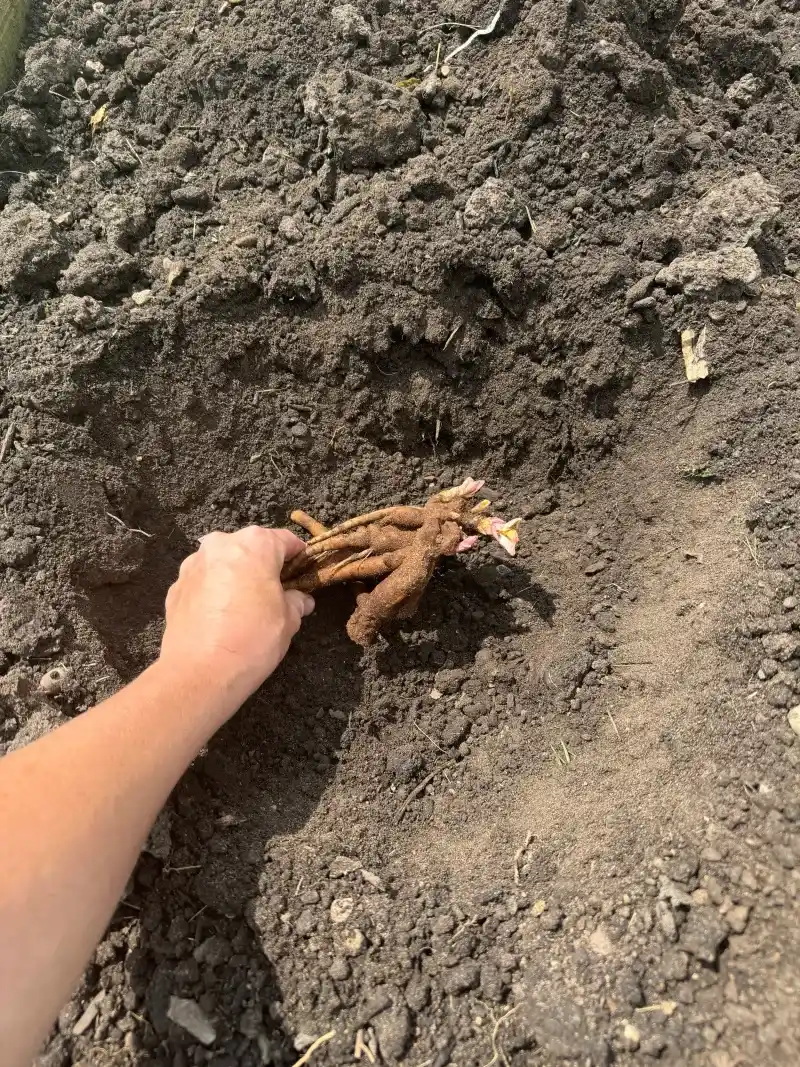
Burying a peony crown too deeply is one of the most well-documented reasons for poor flowering in herbaceous peonies. University extension guidance, including resources from OSU Extension, consistently points to planting depth as a critical factor.
The eyes should sit no more than one to two inches below the soil surface in most Ohio growing regions. In warmer southern areas of the state, planting slightly shallower is sometimes suggested.
When the crown is set too deep, the plant may push up plenty of leafy stems each spring but produce few or no flowers. The energy is there, but the depth signal seems to suppress bloom.
After replanting, check the soil level once it has settled and been watered. Soil can shift more than expected, especially in loose, freshly amended beds.
Your Ohio Garden Changes Every Week. Your Plan Should Too.
Gardening in Ohio changes quickly throughout the season. Every Friday you’ll receive a simple weekly plan showing exactly what to plant, prune, fertilize, harvest, and protect so you never miss the right timing.
Mulch is another depth trap worth watching. A thick layer of mulch piled over the crown can effectively push the planting depth deeper than intended.
Botanical garden sources recommend keeping mulch pulled back from the crown area, especially heading into fall. Frost heaving and soil settling over several seasons can also change the depth gradually.
If a peony has been in place for years without blooming well and no other cause is obvious, gently checking the crown depth may reveal the problem.
3. Choose Full Sun Before You Dig
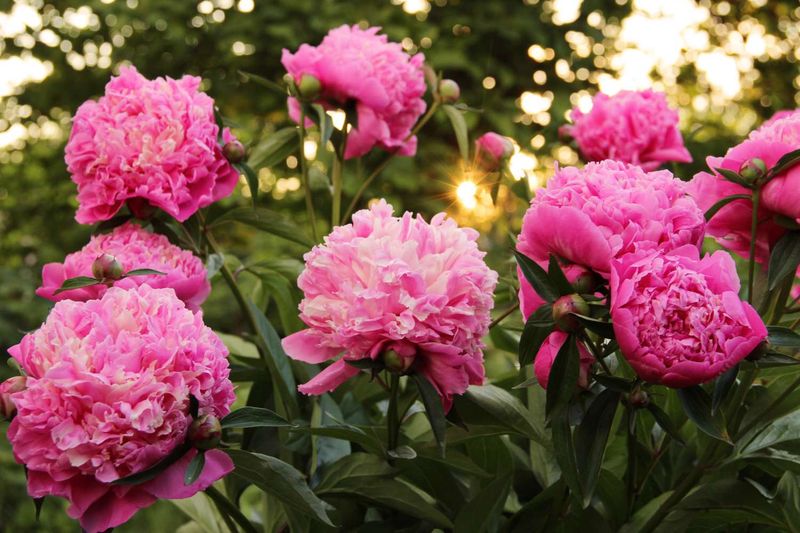
A shady corner might seem like a restful spot for a tired peony, but most herbaceous peonies bloom best with at least six hours of direct sun each day.
University extension sources and peony society guidance widely support full sun as the preferred condition for strong flowering.
Before digging up a plant to move it, spend a few days watching how much direct sunlight the new spot actually receives in late summer.
Summer sun angles are different from spring angles, so a spot that looks sunny in August may be shadier when bloom time arrives. Look for a location away from large trees, which compete for water and nutrients and can cast shifting shade as they grow.
Good air circulation around the planting site also helps reduce the risk of fungal issues like botrytis, which can affect peonies in humid Ohio summers.
Moving a peony from a shady spot to a sunnier one may improve future bloom, but patience is part of the process. A transplanted peony often needs a full season or two to recover and settle before flowering resumes.
Do not expect instant results next spring after a move. Choosing the right site thoughtfully before you dig is far easier than realizing afterward that the new spot has the same problems as the old one.
4. Divide Only Crowded Clumps That Need It

Peonies are genuinely long-lived perennials. A well-sited clump can thrive for decades without any division at all.
OSU Extension and university perennial-care sources are clear that peonies do not need frequent division the way some other perennials do.
Dividing a healthy, blooming clump without a real reason can actually delay flowering for a season or more while the plant recovers.
Division makes sense when bloom has declined over several years or the clump has become very crowded. It also makes sense when the site is hurting performance or the plant needs to move.
It can also be useful for propagating a favorite variety. When division is the right call, each piece should include at least three to five eyes and a good portion of healthy root, according to extension guidance.
Divisions with fewer eyes may take longer to establish and bloom.
Use a sharp, clean garden fork or spade to lift the clump, then a clean knife or spade to separate sections. Rinse the crown so you can see the eyes clearly before cutting.
Avoid making divisions too small, as tiny pieces are more vulnerable to stress and disease. Once divided, replant promptly, water well, and resist the urge to check on the roots repeatedly.
Settled, undisturbed roots have the best chance of establishing before cold weather arrives.
5. Water Deeply After Moving The Roots
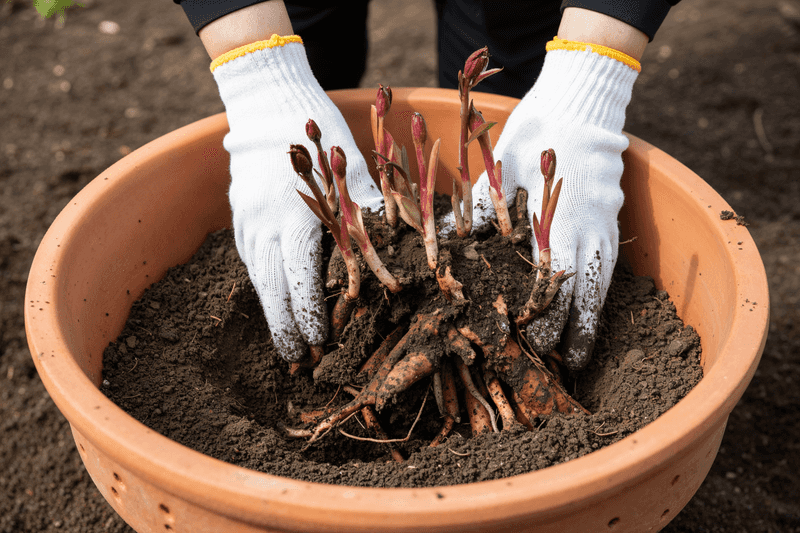
A freshly moved or divided peony root has a lot of settling to do before the ground freezes. Watering deeply right after replanting gives those roots the moisture they need to make contact with the surrounding soil.
Shallow, frequent watering tends to keep moisture near the surface, which does not help roots that need to establish lower in the bed. Aim for a slow, deep soak that reaches the full root zone.
After the initial watering, check soil moisture by pressing a finger a few inches into the ground near the planting site. If the soil feels dry at that depth, water again.
If it feels consistently wet and the area does not drain well, hold off. Soggy soil around peony roots can lead to rot, which is a much harder problem to fix than dryness.
Ohio’s late summer weather can be unpredictable. Some years bring steady rain in August and September, while others are surprisingly dry just below the surface even when the top inch looks damp.
Do not rely on rainfall alone to do the work after a transplant. Water at the root zone rather than soaking the foliage, since wet leaves in warm weather can invite fungal problems.
Once the plant is well established and colder weather arrives, routine supplemental watering can taper off naturally.
6. Skip Heavy Fertilizer Before Dormancy
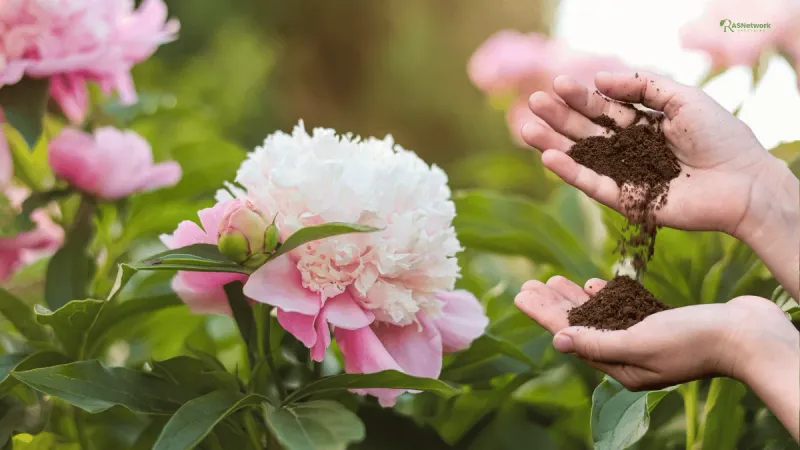
Reaching for a bag of high-nitrogen fertilizer in late August to boost next spring’s peony bloom is a tempting idea, but it can backfire. Heavy feeding near dormancy can push soft, lush new growth that has no time to harden before cold weather arrives.
University extension sources and perennial-care guidance generally caution against heavy fertilizing of established perennials as they head toward dormancy.
If soil health is a concern, a soil test is the most reliable starting point. Ohio State University Extension offers soil testing resources, and results can reveal whether any specific nutrients are actually lacking.
Compost worked lightly into the bed around the plant can support soil structure and microbial activity without forcing unwanted late growth.
That kind of slow, gentle amendment is generally considered safer than synthetic fertilizer applied this late in the season.
Poor peony bloom is more often linked to planting depth, too little sun, plant immaturity, recent transplant stress, or disease pressure. Fertilizer deficiency alone is less often the cause.
Adding fertilizer without addressing those root causes rarely solves the problem. A balanced approach, including correct depth, good sun, and healthy soil, tends to produce better long-term results than any single product.
Keep late-season feeding light, purposeful, and based on actual soil data rather than guesswork or hope.
7. Leave Healthy Foliage To Feed Next Spring
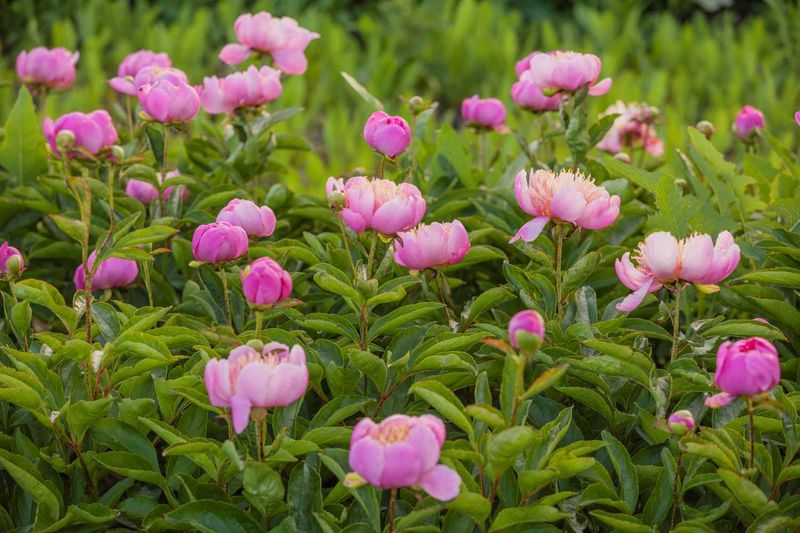
Green peony leaves are doing important work even as summer winds down. Through photosynthesis, healthy foliage continues to send energy down into the crown and roots, building the reserves that fuel next spring’s stems and buds.
Cutting down green, healthy leaves in late August removes that energy source before the plant has finished using it. Extension guidance and perennial-care sources consistently recommend leaving clean, healthy foliage in place until it declines naturally.
The picture changes when foliage shows signs of disease. Botrytis blight is a common peony issue in humid regions, and it can appear as grayish mold or brown spotting on stems and leaves.
If disease symptoms are visible, removing and disposing of affected material, rather than composting it, is a sensible cultural practice supported by extension guidance. Good airflow around the plant helps reduce conditions that favor fungal problems.
Normal late-season decline, when leaves yellow and wither on their own schedule, is the right time for cleanup. Cutting stems at the soil level and removing all fallen foliage before winter helps reduce overwintering disease and pest habitat.
But that cleanup belongs to fall, not late August. For now, if the leaves are green and clean, let them work.
The energy stored in the crown this season is the quiet foundation of next spring’s show.
8. Mark The Spot Before The Plant Disappears
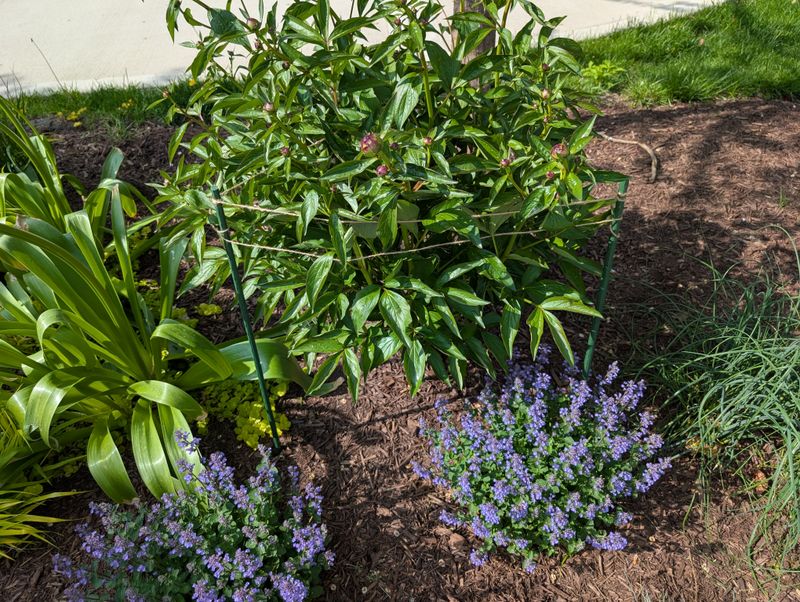
By late fall, a peony can vanish from view so completely that even experienced gardeners forget exactly where the crown sits. The stems wither, the foliage fades, and the bed looks like bare earth.
Without a marker, it is surprisingly easy to accidentally dig into a crown during fall planting projects or spring garden prep. A simple, durable stake placed near the plant before withering begins can prevent that frustrating mistake.
Marking the spot also makes it easier to keep mulch away from the crown through winter. Pulling mulch back from the immediate crown area is a good habit, since piling it directly over the eyes can mimic the effect of deep planting.
A marker serves as a reminder of where that no-mulch zone should be. If you grow more than one variety, labeling each marker with the variety name and bloom color helps track performance from year to year.
Noting which plants bloomed well and which ones struggled is practical garden record-keeping that pays off over time.
A peony that has been quiet for two or three years may need a depth check, a site change, or simply more time to mature after a recent transplant.
The way a crown is planted and protected right now can shape next spring’s display. That matters before the ground hardens and the plant goes quiet.
9. Understand That Patience Is Part Of The Process
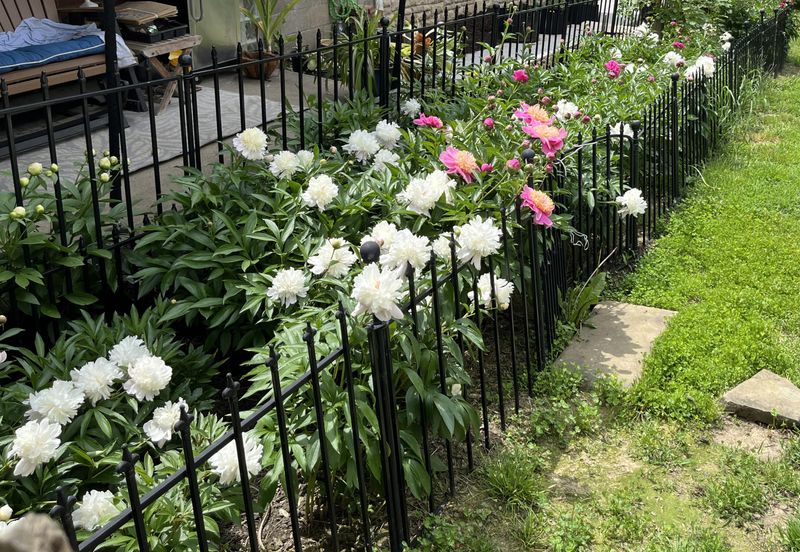
A newly planted or recently moved peony rarely blooms at full strength in its first spring. That quiet first season is not failure.
It is the plant doing exactly what it needs to do, putting energy into root development rather than flowers.
University extension sources and peony society guidance both note that young or recently transplanted peonies may take two to three years to reach reliable, full bloom.
Expecting a spectacular show the season after a move sets up unnecessary disappointment.
Several factors shape how quickly a peony settles in and begins blooming. Crown depth, sun exposure, soil drainage, division size, and the overall health of the root system all play a role.
Even under ideal conditions, some varieties are naturally slower to establish than others. Keeping records of what was planted, when it was moved, and how it performs each spring helps build a clearer picture over time.
Once a peony finds its footing in the right spot, it can bloom reliably for many years. Shallow eyes, full sun, and well-drained soil all help.
Late August care is not about chasing a single perfect spring. It is about setting up the conditions that allow a long-lived plant to do what it does best, season after season, with patience and good roots beneath it.