Why Ohio Firefly Activity Peaks In The First Two Weeks Of July
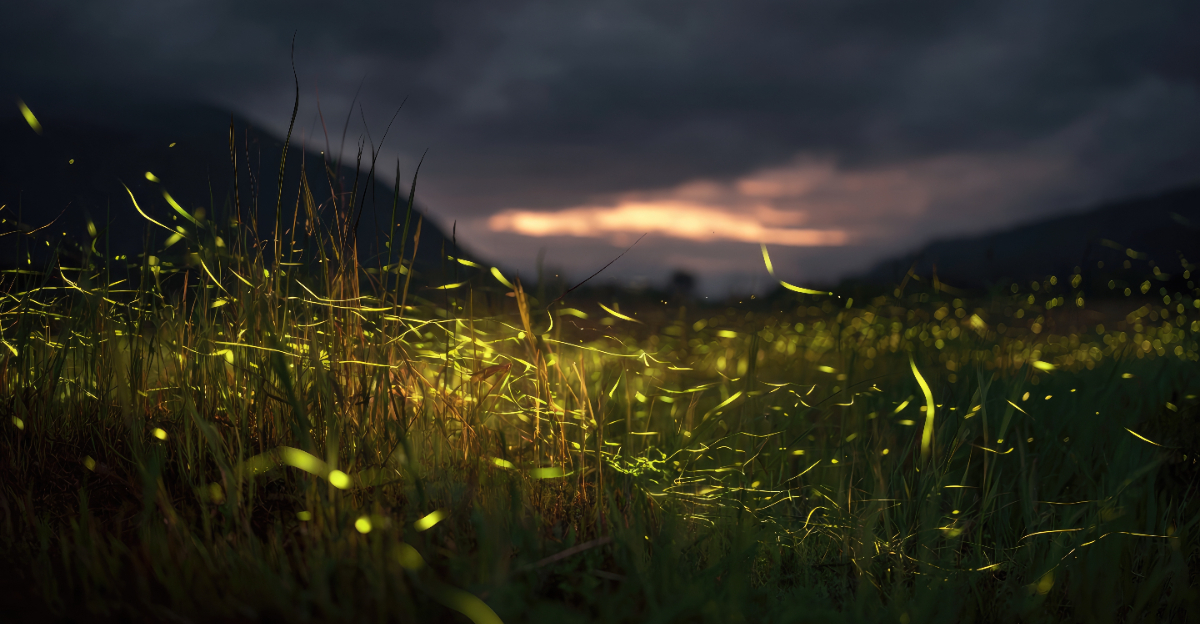
There is a two week stretch in early July where Ohio backyards turn into something that looks almost staged. Hundreds of fireflies, all blinking in loose unison, filling the space between the grass and the treeline like the yard rehearsed for it.
It did, in a sense. Just not the way most people assume.
That synchronized burst is the product of timing most fireflies spend nearly their entire lives building toward. Almost a full year underground as larvae, tracking soil temperature and moisture with a patience that puts most living things to shame.
All of it leads to this narrow window when adult fireflies emerge together instead of trickling out one by one. Ohio just happens to sit in a sweet spot for this.
The soil warms at the right pace, the humidity holds steady, and the result is a display other regions rarely get to see this concentrated. Two weeks.
That is the whole show. Here is why it happens exactly now.
1. Warm Humid Nights Make Fireflies Flash More
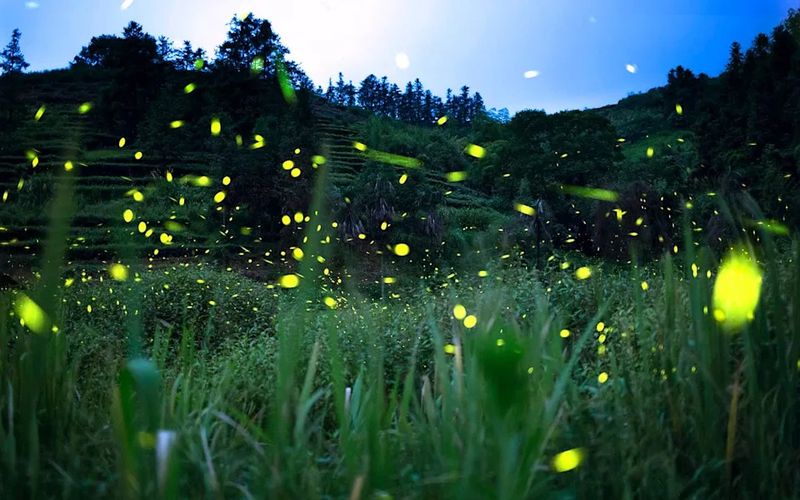
A humid evening can turn a dark fence line into a slow, blinking light show before the stars even stand out. Lightning bugs are cold-blooded insects, which means air temperature directly shapes how active they become.
On cooler nights, adults tend to flash less often, move more slowly, and stay lower to the ground. On warm, muggy evenings, activity picks up noticeably.
Most firefly species in this state become reliably active when nighttime temperatures stay above roughly 60 degrees Fahrenheit. July nights in Ohio tend to hold warmth long after sunset, especially after humid afternoons.
That combination of retained heat and moisture in the air creates ideal conditions for adults to fly and signal.
Humidity also matters because it keeps the air and ground from drying out too quickly. Drier stretches can reduce the number of adults people notice, even in mid-July.
A yard that holds some moisture near the soil surface, under leaf litter, or along a low-mow edge tends to support more activity than a fully exposed, sun-baked lawn.
Watching for warm, still evenings after a light rain can often point you toward the best viewing nights of the season.
2. Adult Fireflies Have Only A Short Summer Window
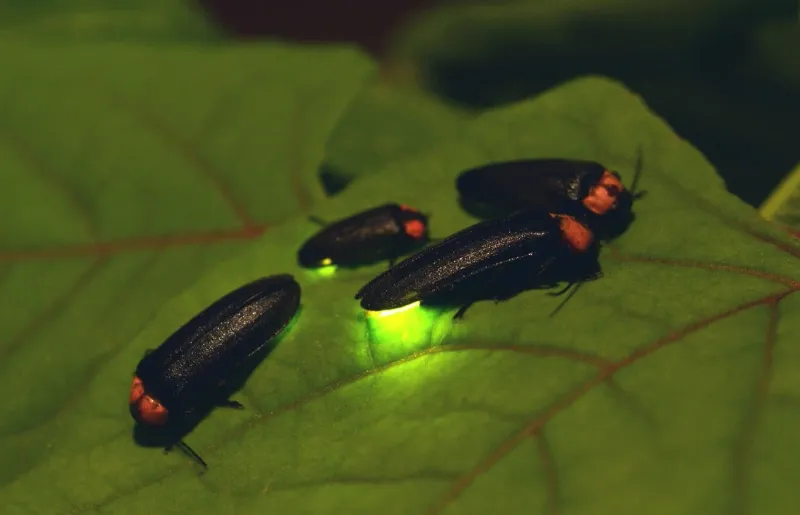
Most of a firefly’s life happens underground, out of sight, long before any flashing begins. The larval stage can last one to two years depending on the species.
Larvae live in moist soil and leaf litter, feeding on small invertebrates near the ground. Adults represent just the final, brief stage of that long journey.
Once adults emerge, their window for flashing and mating is short. Many species are active as adults for only two to four weeks.
That compressed timeline is part of why early July can feel so vivid. All the adults that survived as larvae over the previous year are suddenly flying and signaling at roughly the same time.
After mating, females lay eggs in or near the soil, and adult activity gradually fades. By late July or August, many of the species people associate with summer evenings have already finished their adult phase.
Your Ohio Garden Changes Every Week. Your Plan Should Too.
Gardening in Ohio changes quickly throughout the season. Every Friday you’ll receive a simple weekly plan showing exactly what to plant, prune, fertilize, harvest, and protect so you never miss the right timing.
The intensity of early July flashing is not random. It reflects a life cycle that has been building for a long time, finally reaching its most visible moment.
Understanding that limited window makes it easier to appreciate why those first two weeks can feel so worth stepping outside for.
3. July Is Prime Time For Mating Signals
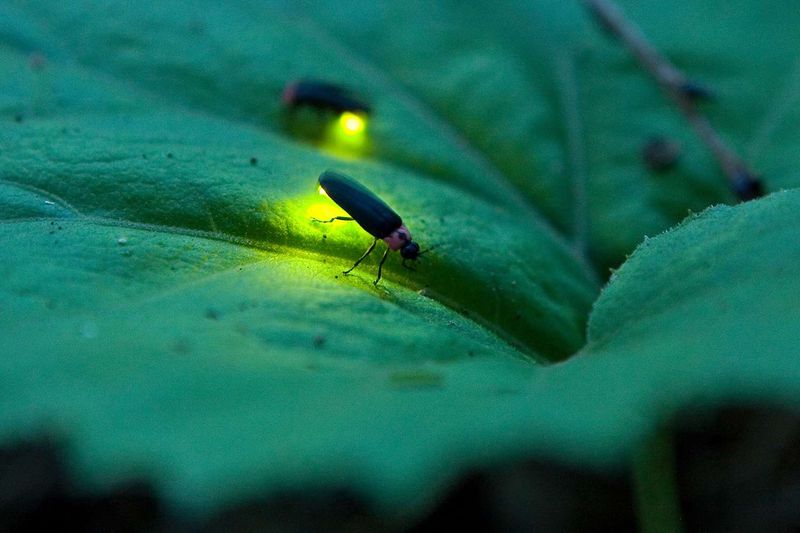
Every flash a firefly produces carries meaning. Adults use light signals to find mates, and the pattern of those flashes helps individuals locate others of the same species.
Males typically fly and flash first. Females often perch in low vegetation and respond with their own flash after a species-specific delay.
Different firefly species use different patterns. Some flash in quick double pulses.
Others use longer, slower single blinks. A few species produce a continuous glow rather than a sharp flash.
In Ohio, the most commonly seen summer species tend to flash in the classic rising arc pattern many people recognize from childhood evenings outdoors.
July is when adult populations of many species peak, which means more males are flying and more females are responding. That overlap creates the dense, layered displays that make early-July evenings feel especially active.
Weather still matters. A cool or rainy night can quiet the signals even during peak season.
But on a warm, still evening in the first two weeks of July, the back-and-forth exchange of light across a yard or woodland edge can be quietly impressive. It is one of the most memorable things a summer night in this state has to offer.
4. Moist Grass And Leaf Litter Support The Larvae
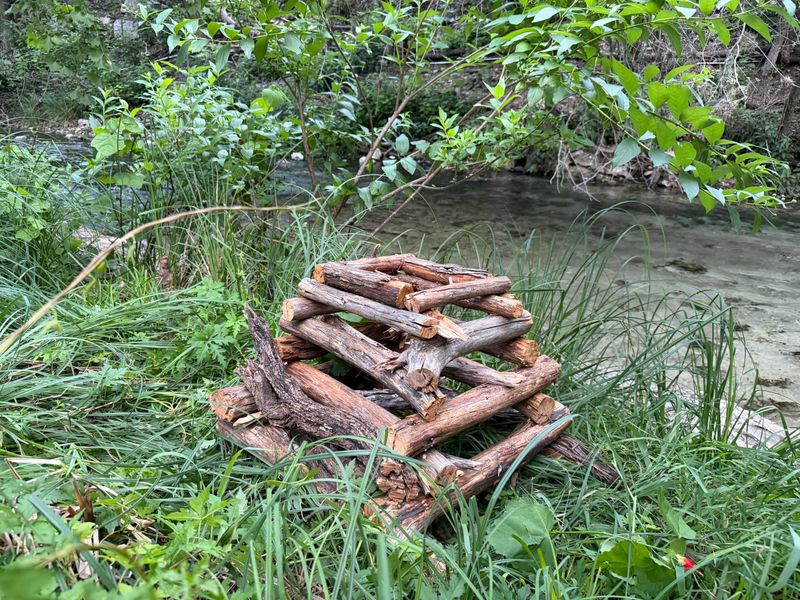
A strip of undisturbed leaf litter along a fence or woodland edge does more for firefly populations than most people realize. Long before any adult takes flight, larvae are living and feeding in the soil and organic matter beneath the surface.
Those early life stages depend heavily on habitat conditions that adults never need directly.
Larval fireflies are predators. They feed on soft-bodied invertebrates like earthworms, snails, and slugs.
Moist soil gives those prey animals places to live, which in turn keeps larvae fed. Leaf litter holds moisture, moderates soil temperature, and provides physical cover.
Removing it entirely can reduce the habitat quality that supports the next generation of adults.
Practical yard choices can make a real difference over time. Leaving a low-mow strip along a back fence and keeping some fallen leaves in a border area both support larval habitat.
Avoiding excessive soil disturbance near woodland edges helps too. These are not dramatic changes.
A leaf-litter border a few feet wide along a quiet edge of the yard can provide meaningful cover without affecting the rest of the lawn. The adults flying in July are the result of conditions that existed in the soil months or even years before.
5. Darker Yards Make Flash Patterns Easier To See
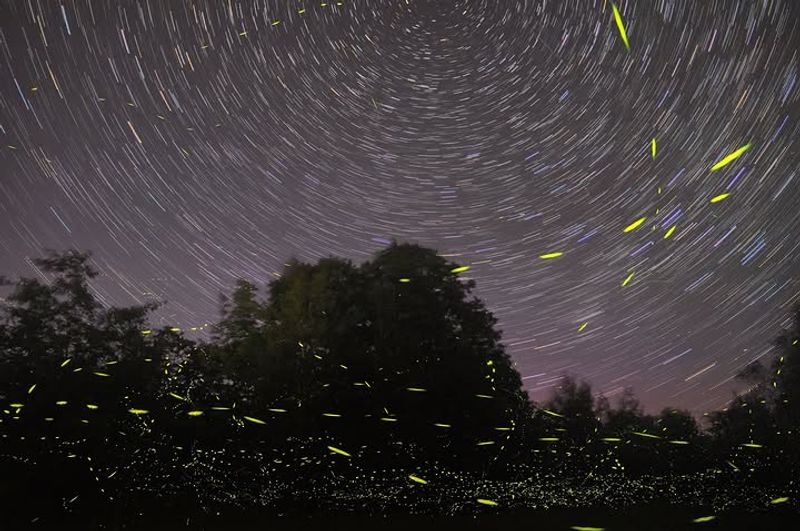
A bright porch light left on all evening does more than illuminate the steps. It competes directly with the faint signals fireflies use to find each other.
Research on light pollution and firefly behavior suggests that artificial lighting can interfere with flash recognition and reduce mating success. It can also make adults less visible to observers trying to spot them.
The problem is not just brightness. It is also color temperature and direction.
Broad, white-spectrum lights that flood a yard with light can wash out the yellow-green flashes that adults produce.
Downward-shielded fixtures, motion-activated lights, or warm-toned bulbs with lower intensity cause less disruption than floodlights aimed across open lawn.
Turning off unnecessary outdoor lights during the first hour after sunset is one of the simplest adjustments a household can make. That window, roughly from dusk until around 10 p.m., is when most adult firefly signaling happens.
Giving the yard a chance to go genuinely dark during that period allows flash patterns to stand out clearly. Neighbors who share a fence line can sometimes coordinate on this.
Even small reductions in ambient light can make a noticeable difference in how many flashes are visible on a warm July night.
6. Mowing Less Often Protects Firefly Habitat
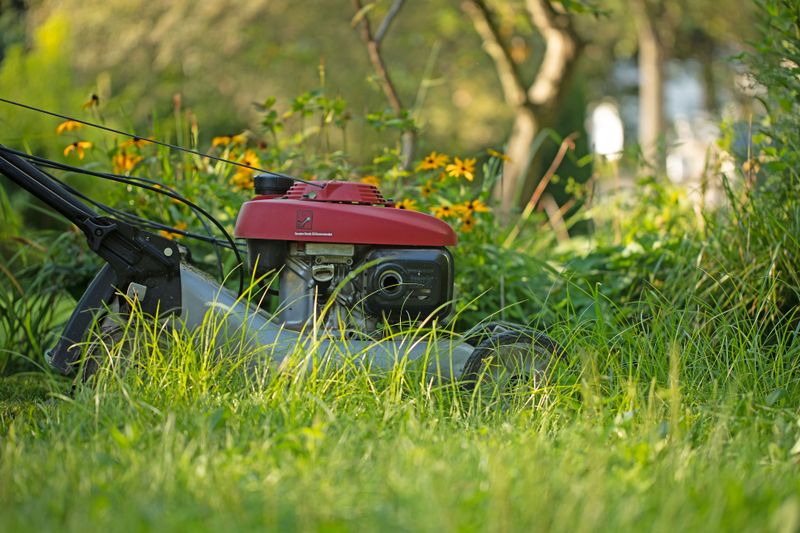
A freshly mowed yard looks tidy, but it offers adult fireflies very little. Short, uniform grass provides minimal resting cover and reduces humidity near the soil surface.
It also removes the low vegetation where females often perch while waiting to respond to male flashes. Frequent mowing also disturbs the soil layers that larvae depend on.
This does not mean letting the entire yard grow unchecked. A targeted approach works well for most home landscapes.
Leaving a strip of less-frequently mowed grass along a back fence, property edge, or shaded border can provide meaningful cover. It does this without affecting the usable parts of the lawn.
Even a strip two or three feet wide makes a difference when it is left consistently undisturbed through the summer.
Mowing timing also matters. Cutting grass in the afternoon rather than the evening avoids disturbing adults during their most active signaling period.
Raising the mower deck height slightly across the main lawn also helps retain more ground-level moisture than a very close cut does. These are small, practical adjustments that add up over a season.
A yard does not need to become a meadow to support fireflies. It just needs a few edges where the habitat stays a little rougher and a little less disturbed through July.
7. Skipping Sprays Helps Keep Their Food Web Intact
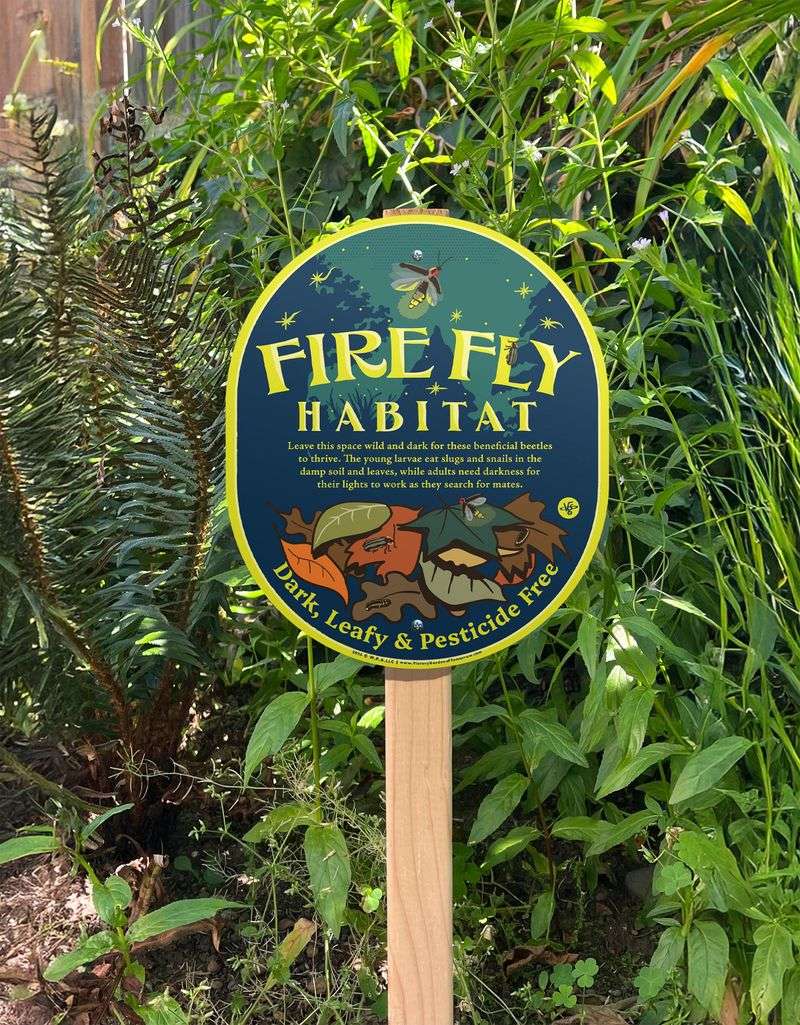
Broad-spectrum insecticides applied across a lawn or garden do not distinguish between pest species and beneficial ones. Firefly larvae feed on small invertebrates in the soil.
If those prey animals are reduced by chemical applications, larvae have less food available during the months they need it most. Adults can also be affected by residue on vegetation or soil surfaces.
This does not mean pest control is never appropriate. It means that timing, placement, and product choice all matter.
Spot treatments aimed at a specific problem cause less collateral impact than broadcast sprays across an entire yard. Following guidance from Ohio State University Extension or similar extension resources helps homeowners make informed choices.
That guidance can clarify when treatment is genuinely necessary and when it can be avoided.
Avoiding routine preventive sprays during May, June, and July gives the soil food web a better chance to stay intact through the larval and adult periods.
Natural predators, soil organisms, and the insects fireflies depend on all benefit from reduced chemical pressure.
A yard that relies less on routine spraying tends to support more diverse insect activity overall. That broader diversity is part of what makes early-July evenings in a healthy backyard feel genuinely alive rather than quiet and empty.
8. Peak Firefly Nights Depend On Weather And Habitat
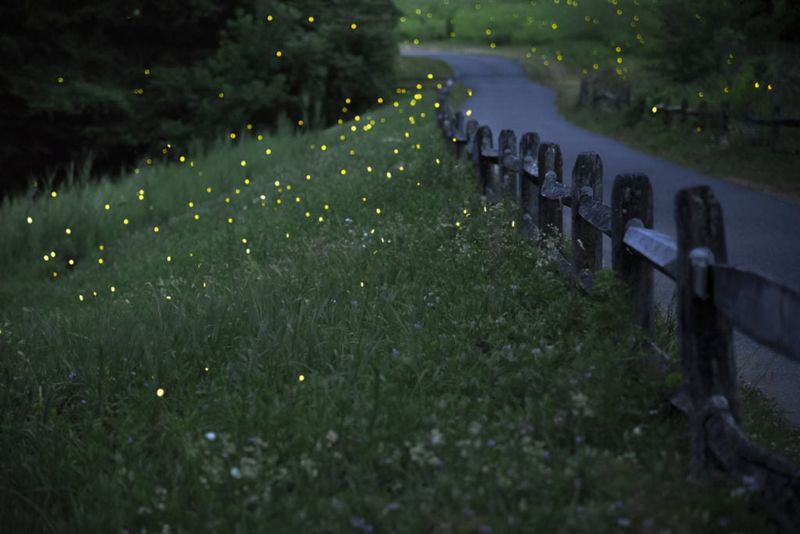
Early July can be a prime viewing window, but no two yards or seasons are exactly alike. The best firefly nights happen when several things line up at once.
Warm air that holds above 60 degrees after sunset and some moisture in the soil and air help create peak firefly nights. Genuine darkness after dusk and enough undisturbed habitat for adults to rest and signal matter too.
Weather can shift the display quickly. A string of cooler nights can delay peak activity or reduce how many adults are flying on any given evening.
A drought period that dries out the soil can lower larval survival rates, which shows up as fewer adults the following summer. Heavy storms during adult season can interrupt signaling for days at a time.
The good news is that habitat improvements made this season carry forward. A low-mow edge left through the summer and a leaf-litter border kept in place through fall build toward better conditions over time.
Fewer broadcast sprays across the yard and outdoor lights turned off after dusk help too. Watching after sunset on warm, humid evenings in the first two weeks of July is still the best starting point.
Step outside, let your eyes adjust, and give the yard a few quiet minutes to show you what it has.