Do This To Your Texas Crape Myrtle In November Instead Of Pruning It
Drive through almost any Texas neighborhood in winter, and you’ll spot the same sight on corner after corner.
Perfectly healthy crape myrtles chopped down to knobby stumps, lined up along streets and driveways like rows of clenched fists.
I used to think those bare, lumpy trunks were just how the trees were supposed to look. Then I learned the chopping often weakens the branches and delays the summer show. Personally, I felt a little guilty about a few cuts I made years ago.
November in Texas tempts all of us with cooler mornings and messy seed pods. You want the yard to look tidy before the holidays, and those shears are sitting right there in the garage.
What if the smartest move this month has almost nothing to do with cutting? A few quiet chores could change how your tree blooms next July.
Those Crape Myrtle Pruning Shears Can Wait A Few More Months
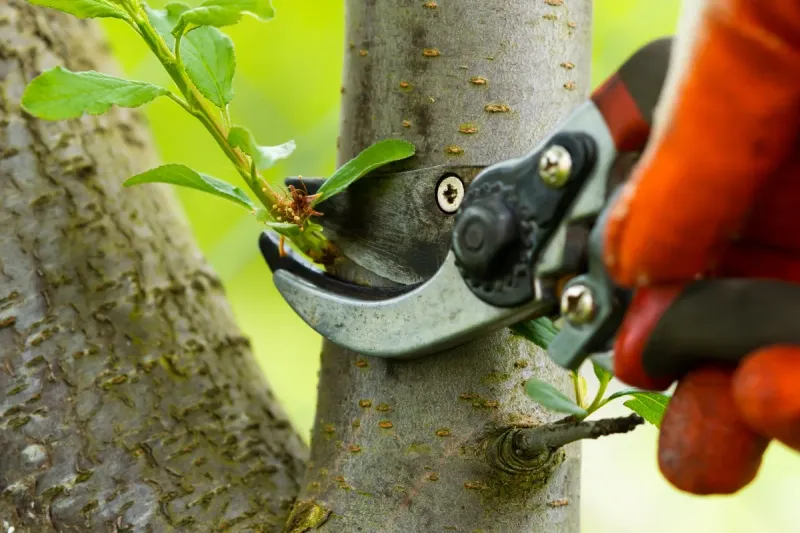
Cool weather makes gardeners restless, and I get it. The shrubs look scraggly, the seed pods rattle, and your hands want a project. Crape myrtles in November are still settling into dormancy, though.
Across much of Texas, especially the southern half, warm spells often pop up between cold fronts. A fresh cut during those swings can wake up buds and push out soft new shoots.
That tender growth has no time to toughen before the next freeze rolls through. Frost can damage those shoots and sometimes leave the tips brown and brittle.
In colder areas like the Panhandle, the risk is higher because hard freezes arrive earlier and hit harder.
Fresh wounds also stay open longer when the tree is slowing down. The bark seals cuts best when growth resumes in late winter and spring.
Texas A&M AgriLife experts generally point to late January through February as the better window for any needed shaping. By then the tree is fully resting, and the bare branches show you its true structure.
So for now, hang those shears back on the wall. Your patience this month is the first gift you can give your tree, and it costs nothing at all.
Tuck A Cozy Layer Of Mulch Around The Crape Myrtle Base
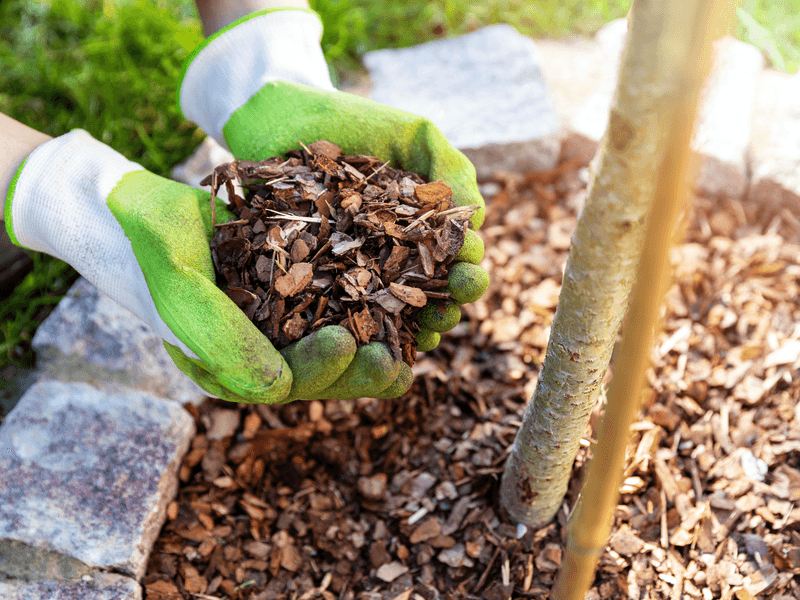
Roots do the heavy lifting all winter, even when the branches look asleep. A good blanket of mulch keeps them comfortable through sudden temperature drops.
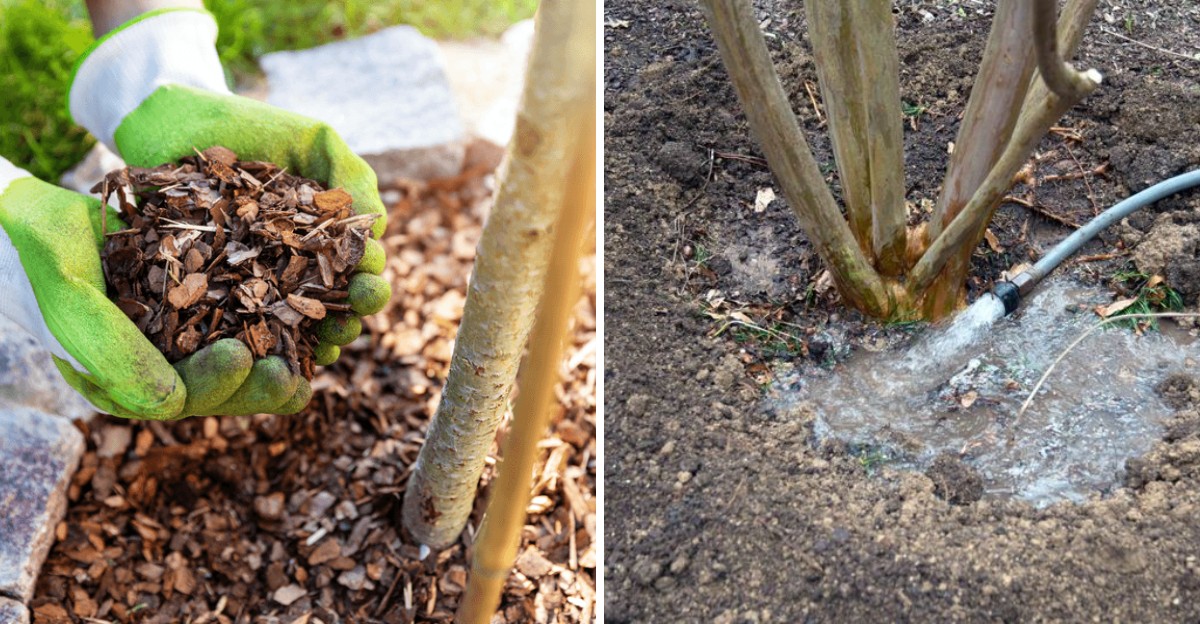
Spread about 2 to 3 inches of organic mulch around the base. Shredded hardwood, pine bark, or chopped fallen leaves all work well. Aim for a wide circle that reaches toward the outer edge of the branches if you have space.
Mulch acts like a sweater for the soil. It slows moisture loss on dry, windy days and buffers the roots from those wild Texas swings, where a 75 degree afternoon can turn into a freezing night. As it breaks down, it slowly feeds the soil, too.
One rule matters more than any other here. Keep the mulch pulled back a few inches from the trunks so the bark stays dry.
Piling mulch against the trunk, sometimes called a mulch volcano, traps moisture and invites rot and insects. A flat ring, like a donut with an empty center, is what you want.
I love this chore because it doubles as yard cleanup. Those leaves you raked last weekend can go right back to work instead of into a bag at the curb.
Give Your Crape Myrtle A Deep Drink During Dry Fall Spells
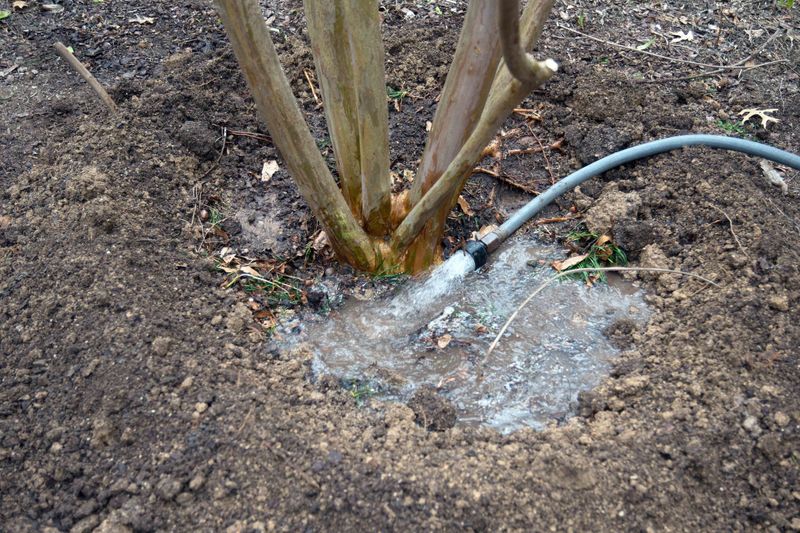
Dormant does not mean thirstless. Fall in Texas often brings long dry stretches, and roots keep working underground even after the leaves drop.
Check the soil before you grab the hose. Push a finger or a screwdriver a few inches down near the root zone. If it feels dry, your tree could use a slow, deep soak.
Deep watering beats frequent sprinkling every time. A soaker hose or a gently trickling garden hose left for a while lets water reach deeper roots. During a dry spell, a good soak every few weeks is often plenty for established trees.
Watering before a hard freeze also helps. Moist soil holds heat better than dry soil, which gives roots a little extra protection on those cold nights.
Young trees planted in the last year or two deserve extra attention. Their roots are still shallow and dry out much faster than an older tree with years of growth underground.
Go easy on soggy spots, though. Heavy clay soil, common around Dallas and Houston, can stay wet for days, and waterlogged roots struggle. Think of it as balance. Moist but never mushy is the goal you are chasing here.
Snip Off Broken Crape Myrtle Branches And Leave The Rest
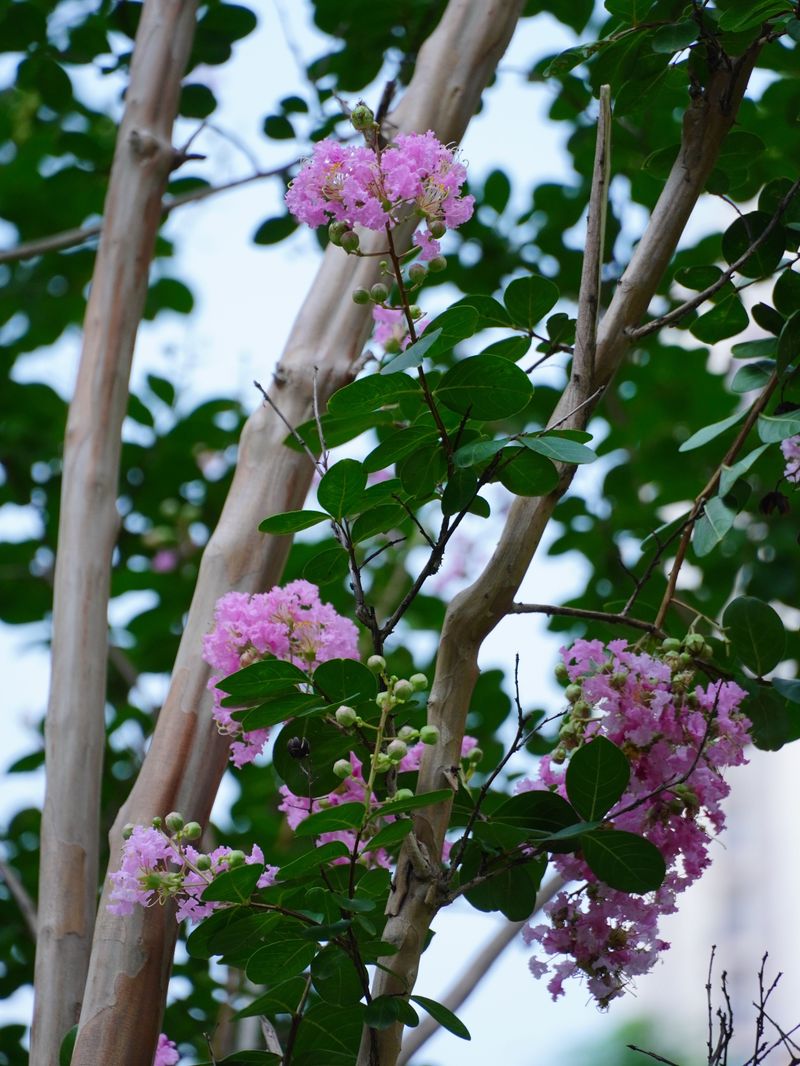
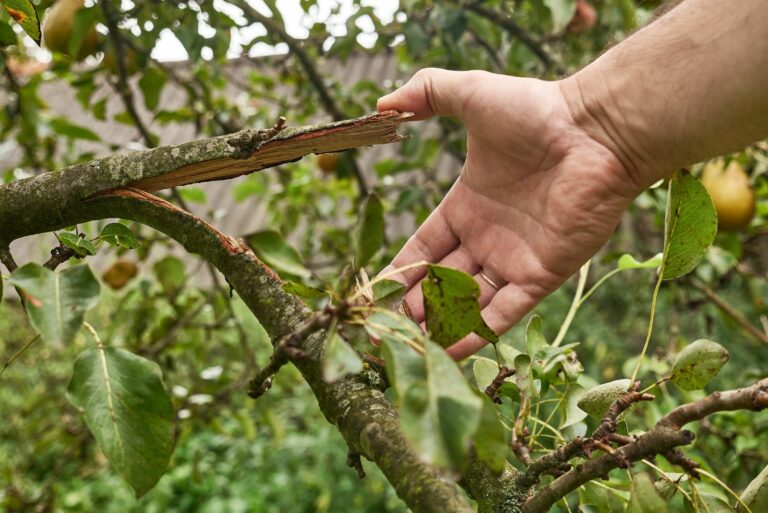
Storms do not check the calendar. A gusty norther or a heavy rain can snap a limb in any month, and a dangling branch is worth fixing right away.
Small corrective cuts are fine in November. Remove broken, cracked, or clearly damaged branches so they do not tear bark further or rub against healthy wood.
Make your cut back to a healthy side branch or to the trunk, just outside the slightly swollen collar where the branch attaches.
That collar helps the tree seal the wound. Avoid leaving stubs, which tend to decay and attract trouble.
Sharp, clean bypass pruners or a small pruning saw make tidy cuts. Wiping the blades with rubbing alcohol between trees is a smart habit if you suspect disease.
Branches rubbing together or growing toward the center can be noted now and handled later. Grab a piece of ribbon and tie it on, so you remember in February.
I like this approach because it scratches the itch to do something without risking the tree. You fix the real damage, skip the big cuts, and still feel productive. Anything bigger than repair work belongs to late winter.
Clip Those Crunchy Crape Myrtle Seed Pods If They Bug You
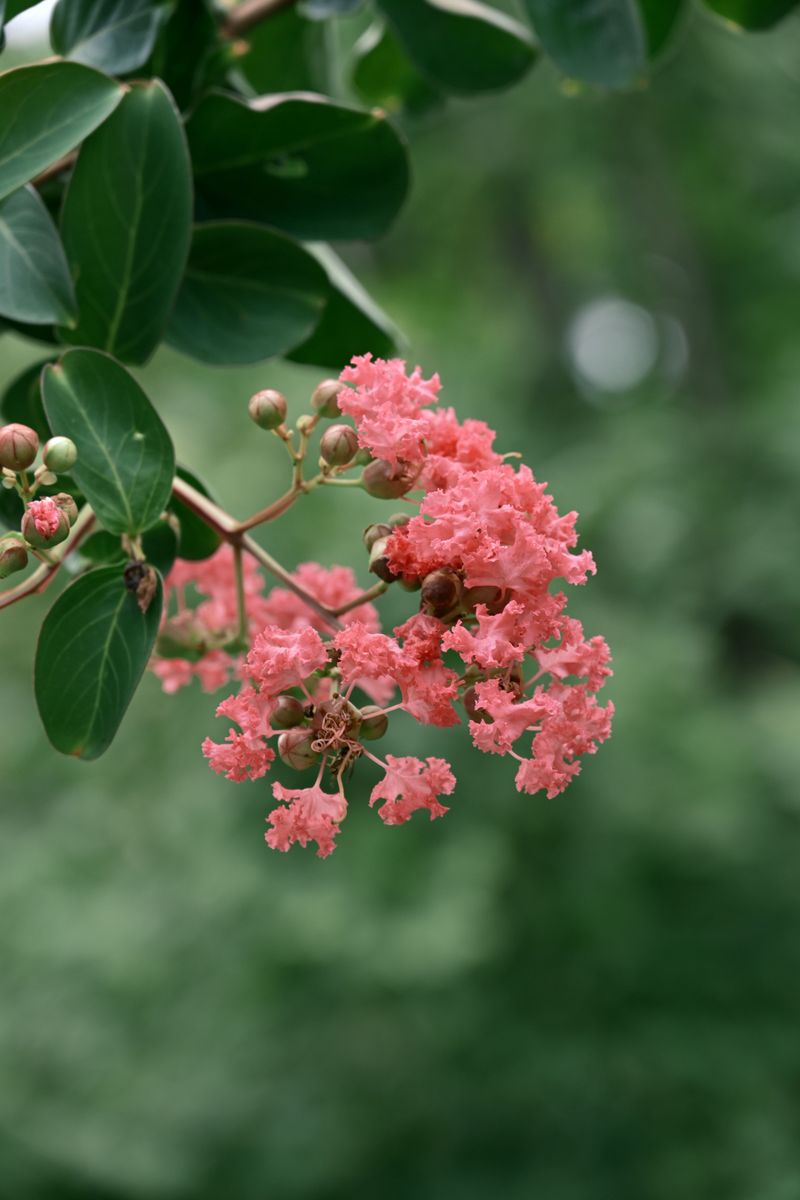
Brown, round, and a little rattly, those seed clusters hang on long after the flowers fade. Some folks find them charming, and others want them gone.
Removing seed heads is a cosmetic choice, not a growth trick. Clipping the tips of the clusters with hand pruners takes off very little wood, so it rarely triggers the problems that heavy pruning can cause.
Snip just below the cluster, keeping cuts small, ideally on wood thinner than a pencil. Skip anything thicker for now.
On tall trees, this job gets tricky fast. Climbing a ladder with sharp tools to remove pods twenty feet up is rarely worth the risk.
Leaving the pods offers a perk, too. Small birds like goldfinches and other seed eaters sometimes pick at them during winter, and the bare branches with their textured clusters add interest to a sleepy yard.
A fun bit of history fits here. Crape myrtles came from Asia and have been grown in the American South since the late 1700s, and the name comes from their crinkly, crepe-paper petals.
So clip or leave them, depending on your style. Your tree will bloom just fine either way next summer.
Hold Off On That Nitrogen Fertilizer Bag Until Spring
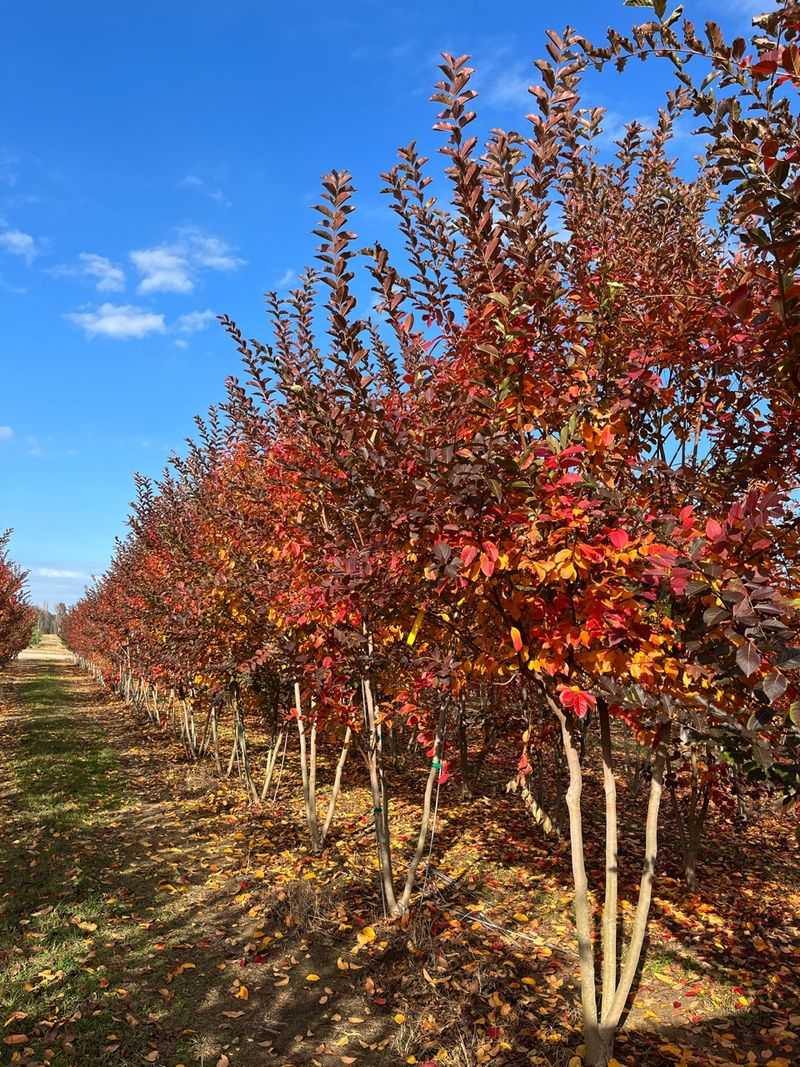
Fertilizer feels like a kind gesture, almost like tucking your tree in with a snack. Timing matters, though, and November is not the moment for a big feeding.
High nitrogen fertilizer encourages leafy, tender growth. That is exactly the kind of growth you want to avoid before a freeze, for the same reason fall pruning causes trouble.
Crape myrtles are also not heavy feeders. Many established trees in decent soil need little fertilizer at all, and too much nitrogen can lead to lots of leaves with fewer flowers.
Fall is a great time for one useful step instead, which is a soil test. Texas A&M AgriLife Extension offers affordable testing through its soil lab, and the results show what your yard actually needs.
Gather small samples from several spots around the root zone, mix them, and mail them in. You will get recommendations that take the guesswork out of feeding.
When spring growth begins, usually around March in much of the state, a light application of balanced fertilizer can follow your test results. That way every bit of food goes toward healthy leaves and big summer blooms. Patience saves money here too.
Young Crape Myrtles Appreciate A Frost Cloth On Bitter Nights
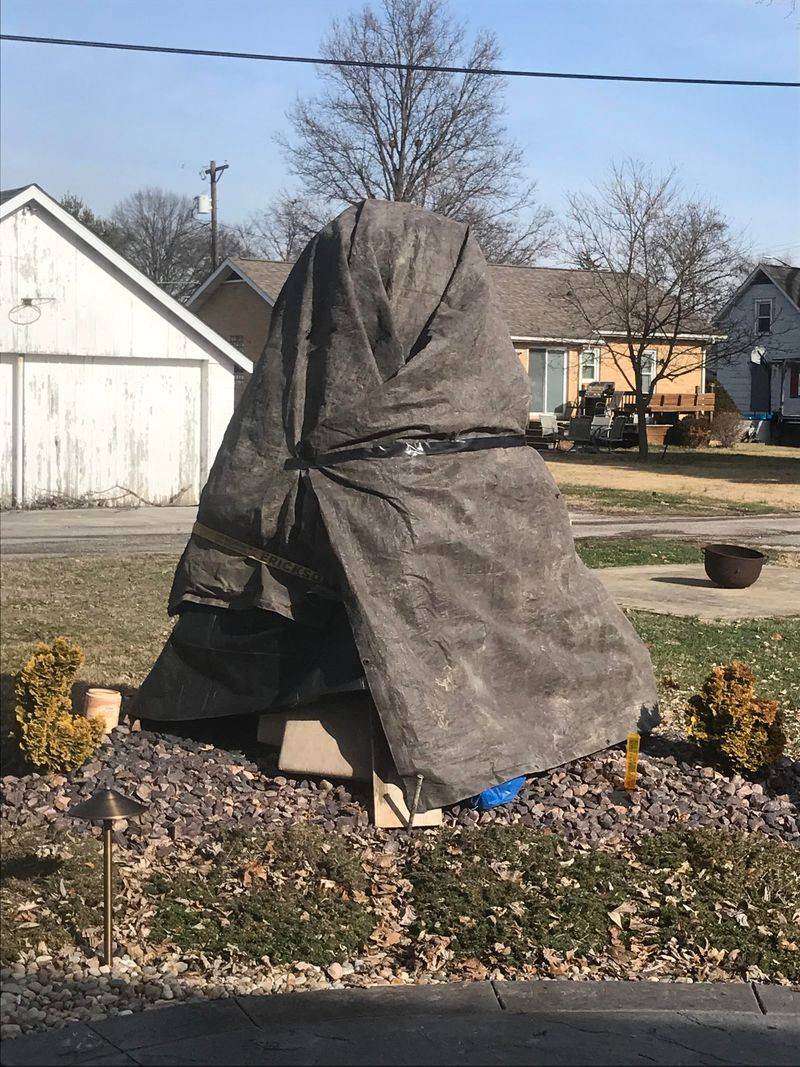
A first winter can be rough on a newly planted crape myrtle. Older trees shrug off most Texas cold, but youngsters have fewer roots and thinner bark.
Keep an eye on the forecast. When a hard freeze is coming, especially in North Texas or the Panhandle, a frost cloth can help small trees ride it out.
Drape the fabric over the plant so it reaches the ground. Heat rises from the soil at night, and a cover that touches the ground traps more of that warmth. Weigh the edges with bricks or landscape staples.
Skip plastic sheeting resting on branches, since it can transfer cold and trap moisture. Breathable frost cloth or an old bedsheet works much better.
Uncover the tree once temperatures climb above freezing the next day. Leaving covers on during sunny afternoons can overheat the plant.
Gardeners near the coast and in the Rio Grande Valley may rarely need this step. Still, the February 2021 freeze reminded everyone that surprises happen across the whole state.
Choosing varieties suited to your zone helps a lot too. Many crape myrtles handle USDA zones 7 through 9 with ease.
Plan Gentle Crape Myrtle Shaping For Late Winter And Skip The Topping
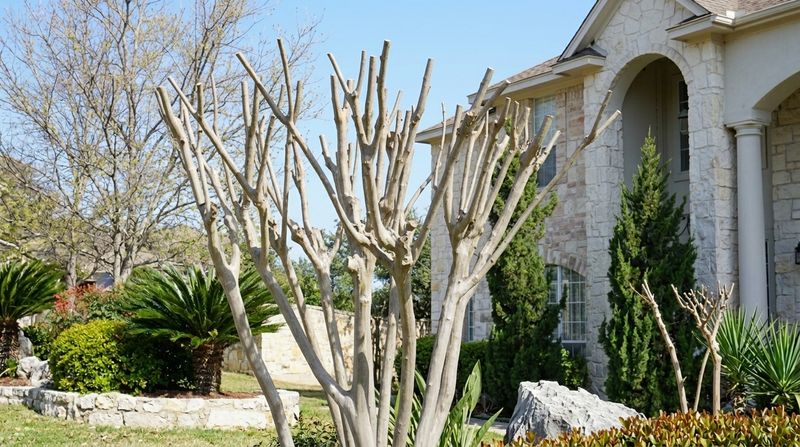
Smooth, peeling bark on a graceful multi-trunk tree is one of the prettiest winter sights in a Texas yard. That natural shape is worth protecting.
Use November to plan instead of cut. Walk around your tree and notice crossing branches, suckers at the base, and limbs crowding walkways or rooflines.
When late January or February arrives, focus on light work. Remove root suckers, crossing limbs, and thin twiggy growth inside the canopy. Cut small branches back to a side branch or the trunk.
Avoid topping, the harsh chop that leaves thick knuckles on every trunk. Texas A&M horticulturists have warned for years that this creates weak, whippy shoots that can bend or break under heavy blooms.
Here is a helpful truth. Crape myrtles bloom on new growth, so they flower beautifully without any severe cutting at all.
If a tree is simply too big for its spot, consider replacing it with a dwarf or semi-dwarf variety. Many come in mature sizes from three to fifteen feet.
Right plant, right place solves most pruning headaches. Your future self, and your tree, will thank you every July.