What To Do If A Cold Front Catches Your Florida Tomatoes Unprotected
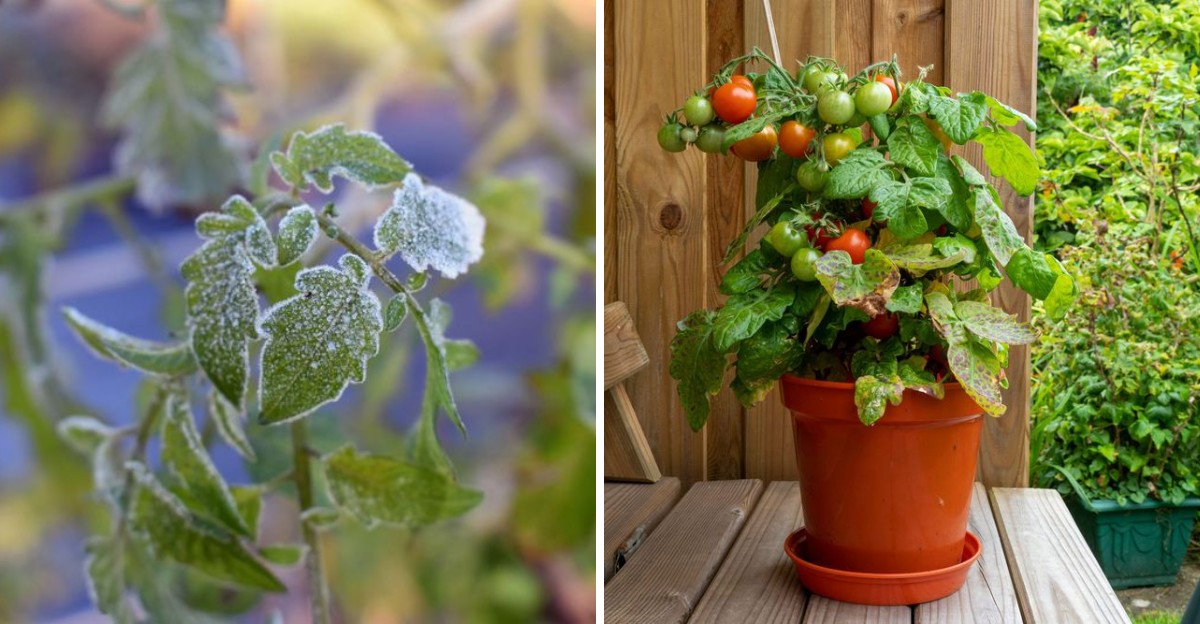
A tomato leaf can take chilling injury at 50 degrees, well above freezing. That surprised me the first time I read it, because my plants looked perfectly fine the next morning.
The trouble often shows up days later as sunken spots, blotchy fruit, or leaves that turn dark and limp. Cold air also settles in low spots, so one corner of your yard can run several degrees colder than the porch thermometer says.
Here in Florida, a winter front can roll through after a week of beach weather. Personally, I have been caught with no sheets, no buckets, and a garden full of green fruit.
You need to know that a surprise chill rarely means the season is over.
So what can you still do when the wind turns sharp and your vines are standing there exposed? The answers are simpler than you might expect.
1. Those Tomato Vines Are Tougher Than That First Cold Morning Suggests
Grab a cup of coffee before you panic. A tomato plant that looks droopy at sunrise often perks up by lunch once the air warms.
According to UF/IFAS Extension, tomatoes are warm-season crops that struggle below about 50 degrees. Below 40 degrees, growth slows way down.
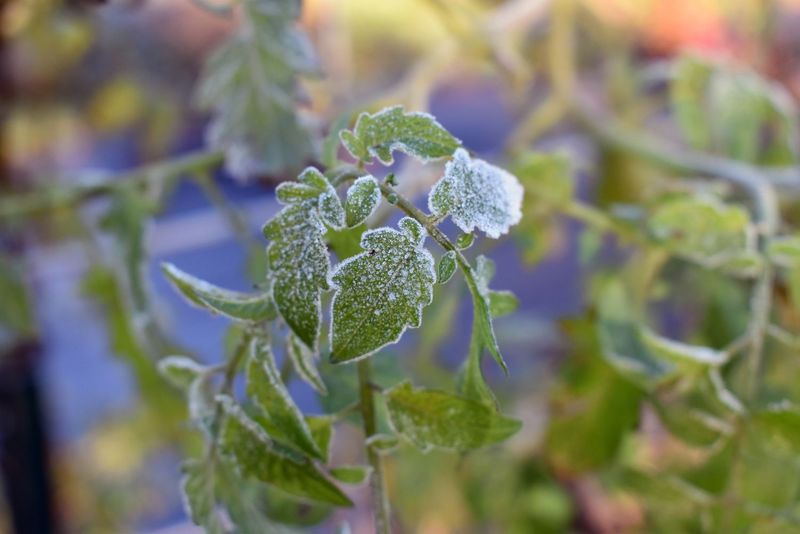
True frost, at 32 degrees or lower, is where ice crystals form inside leaf cells and cause real tissue damage.
Most Florida cold fronts bring chilly nights in the 40s, not hard freezes. That means many gardens get chilling stress rather than frost injury.
Chilling stress can slow ripening and leave fruit with odd blotches, but the plant usually keeps going.
Wait a day or two before judging the damage. Frost-hit leaves turn dark, water-soaked, and then papery brown.
Leaves that simply curled or looked dull from the cold often bounce back with some sunshine.
Check the main stem too. A firm, green stem is a hopeful sign, even if the top leaves look rough.
A stem that feels mushy or splits open has taken heavier injury.
I like to walk the garden slowly and make notes. Which plants sat in open, low spots?
Which ones were near the house? That small survey tells you where your yard runs cold, and it guides every step that follows.
2. Throw Sheets Over Those Tomato Cages Before Sunset
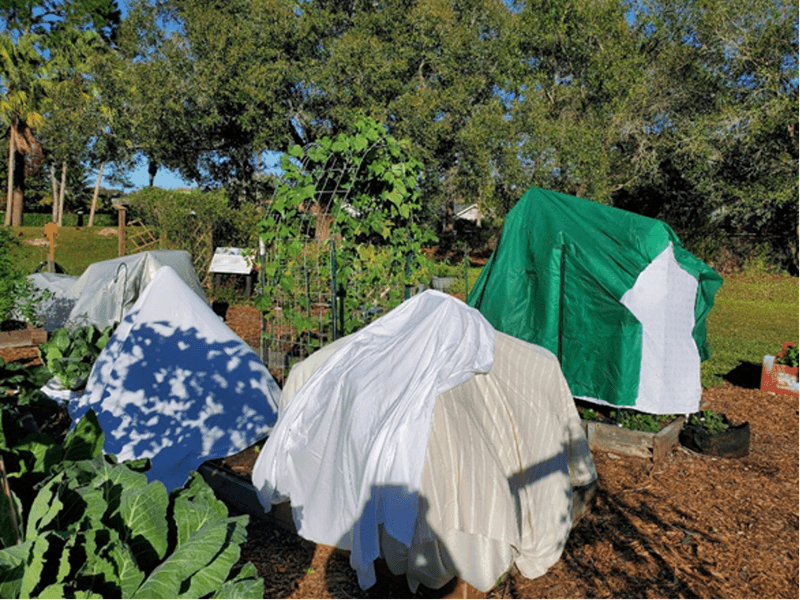
Old bedsheets saved my tomatoes one January night, and they cost me nothing. If another cold night is coming, covering your plants is the single most useful move you can make.
Covers work by holding in heat that the soil gives off after dark. UF/IFAS recommends letting the fabric reach all the way to the ground, because that is where the stored warmth rises from.
A sheet tied around the middle of a plant traps far less heat.
Frost cloth, also called row cover, is ideal because it breathes and lets light in. Bedsheets, blankets, and burlap work fine for a night or two.
Drape them over tomato cages or stakes so the fabric does not crush the vines.
Anchor the edges with bricks, rocks, or soil. Cold fronts often bring wind, and a cover that blows off at 2 a.m. does no good at all.
Timing matters as well. Put covers on in the late afternoon, before the sun sets, so you capture the day’s warmth.
Pull them off the next morning once temperatures climb above freezing, so plants get light and do not overheat.
Hold off on plastic touching leaves. Plastic conducts cold, so any leaf pressed against it can get damaged.
If plastic is all you have, build a frame first.
3. A Deep Drink Around Tomato Roots Holds Extra Warmth
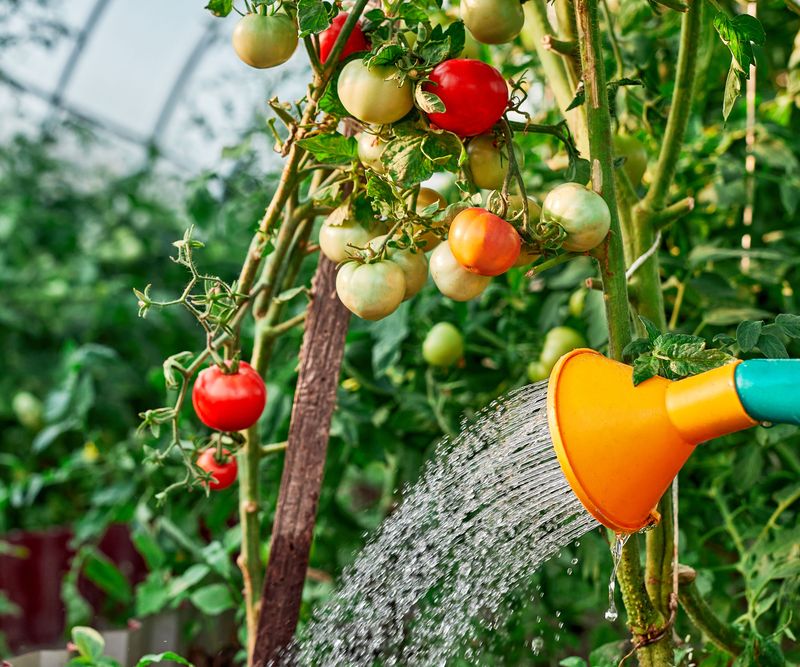
Here is a trick that sounds backward at first. Watering before a cold night can actually help your tomatoes stay a little warmer.
Moist soil absorbs and stores more heat during the day than dry soil does. After dark, it slowly releases that warmth back into the air around your plants.
UF/IFAS lists watering ahead of a cold event as a helpful step, especially for sandy Florida soils that dry out fast.
Plants that are well hydrated also handle stress better. A thirsty tomato is already struggling, and cold only adds to the strain.
Water in the morning or early afternoon, not right at sunset. That timing gives the soil time to soak up sunshine.
Aim the hose at the root zone instead of spraying the leaves, since wet foliage on a chilly night is not what you want.
Keep things moist, not soggy. Waterlogged soil can lead to root problems, and tomatoes sitting in puddles are no happier than frozen ones.
If you missed watering before the first front, do it now ahead of the next one. Florida cold snaps often come in waves of two or three nights.
A good soak between them refreshes that heat reserve and gives your vines a better shot at pulling through.
4. Buckets, Boxes, And Milk Jugs Make Quick Tomato Shelters
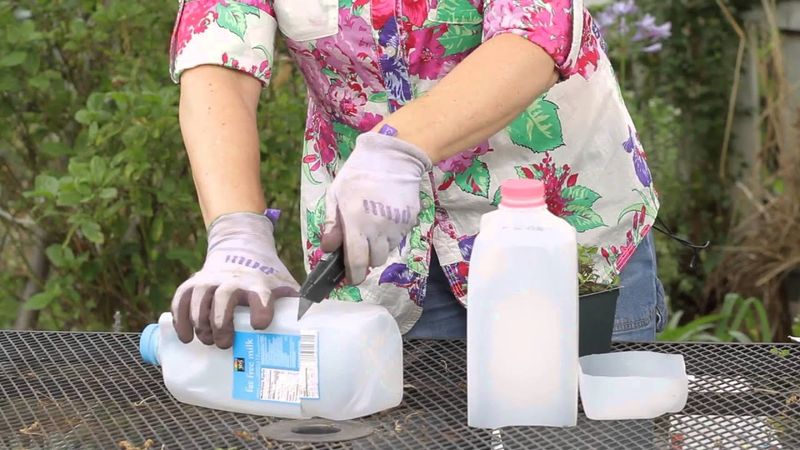
Raid your garage and recycling bin. Some of the best emergency tomato shelters are sitting there right now.
For small or young plants, an upside-down five-gallon bucket works wonders. Cardboard boxes do the job too, and gallon milk jugs with the bottoms cut off fit nicely over seedlings.
Each one creates a pocket of still air that holds warmth from the soil.
Larger plants need a bigger setup. Some Florida gardeners bend cattle panels into an arch and drape clear plastic or frost cloth over the top.
Anchored at the edges, that simple tunnel acts like a mini greenhouse for a whole row.
Leave a gap between plastic and leaves. Any leaf pressing on cold plastic can be damaged even under cover.
Remove buckets and boxes in the morning. Under Florida sunshine, a closed container can heat up fast and cook tender growth.
Clear plastic tunnels should be opened at the ends on sunny days to let extra heat escape.
Fun fact for the curious. Old-time market gardeners used glass bell jars called cloches to protect plants in the 1800s.
Your milk jug is basically a modern cloche, and it works on the same idea of trapping warm air close to the plant.
5. Potted Tomatoes Can Simply Move Somewhere Cozier
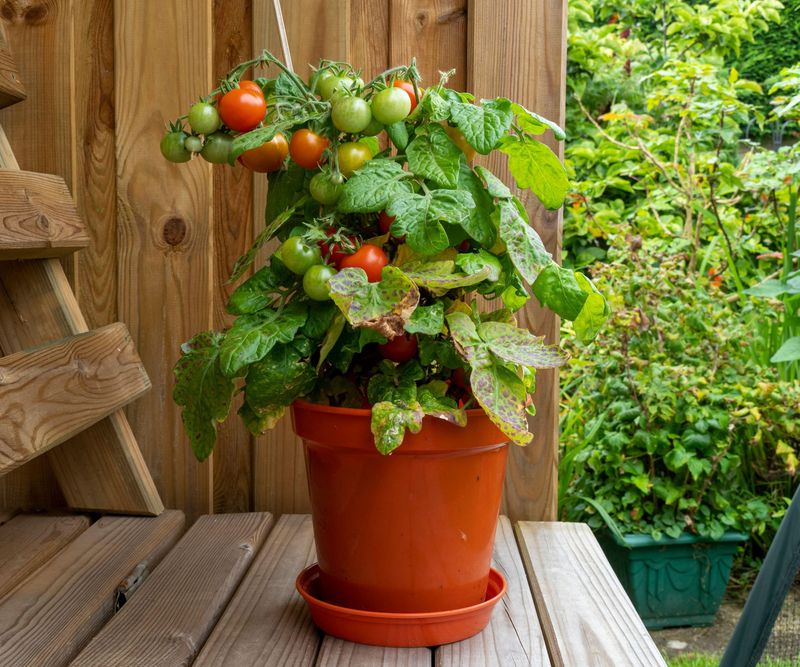
Container gardeners, you have a big advantage tonight. Your tomatoes have a ticket out of the cold.
Roots in pots are more exposed than roots in the ground. Cold air surrounds the whole container, so the soil chills faster.
Moving pots to a garage, screened porch, or shed can make a real difference on a cold night.
Too heavy to haul? Group the pots tightly together against a south- or west-facing wall.
The wall soaks up daytime sun and gives some back after dark, and clustered plants shelter each other from wind.
A plant dolly makes this job much easier. I keep one handy all winter, and it turns a backbreaking chore into a five-minute shuffle.
If plants go into a dark garage, bring them back out once the cold passes. Tomatoes need strong light, and a few days in darkness can weaken them.
In-ground plants cannot move, but the same idea still helps. Spots near buildings, fences, or under tree canopies often stay a few degrees warmer.
Low areas collect cold air, so tomatoes in those frost pockets usually take the worst hit. Remember which plants struggled, because that tells you where to plant next season.
6. Pick Those Green Tomatoes Before The Next Cold Night
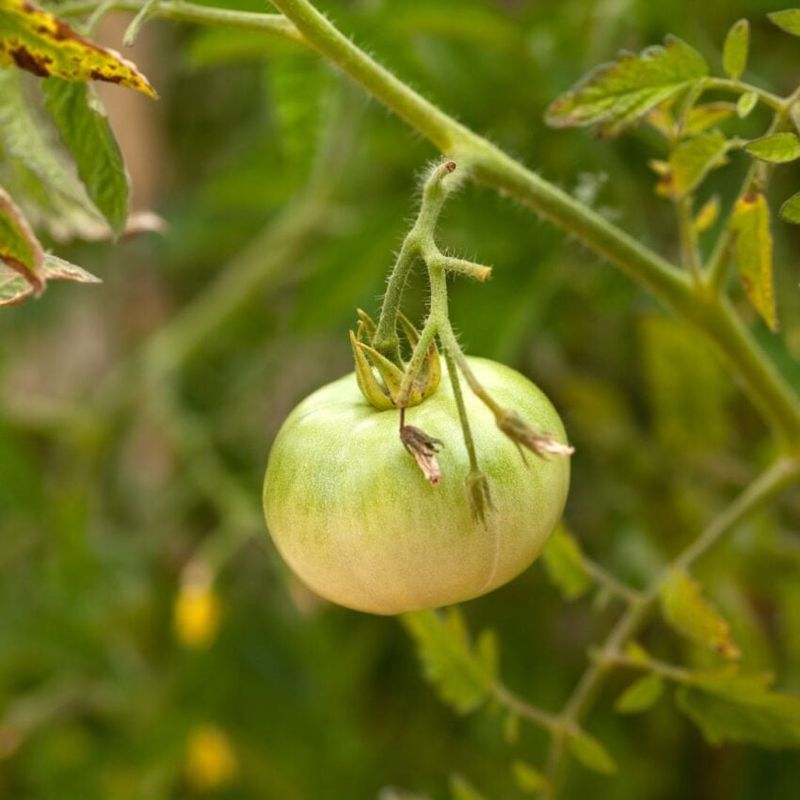
Mature green tomatoes have a secret. They can finish ripening right on your kitchen counter.
If another hard chill is on the way and you have fruit close to full size, picking some now is smart insurance. Look for tomatoes that are full-sized with a light, glossy green color or a hint of pink at the blossom end.
UF/IFAS notes that fruit at this mature green stage can ripen off the vine.
Small, hard, dark green fruit usually will not ripen well. Those are better left on the plant, protected with covers.
Store picked tomatoes at room temperature, ideally around 65 to 70 degrees, out of direct sun. Skip the refrigerator.
Cold storage below 50 degrees causes chilling injury, giving you mealy texture and weak flavor.
Fruit that already took frost damage looks water-soaked or soft. Those tomatoes rarely store well, so use them quickly or toss them into the compost.
A paper bag with a banana tucked inside can speed things up. Bananas give off ethylene gas, a natural ripening hormone that tomatoes respond to.
Personally, I love fried green tomatoes too, so a few unripe ones never go to waste in my kitchen.
7. Put Down The Pruners When You See Brown Tomato Leaves
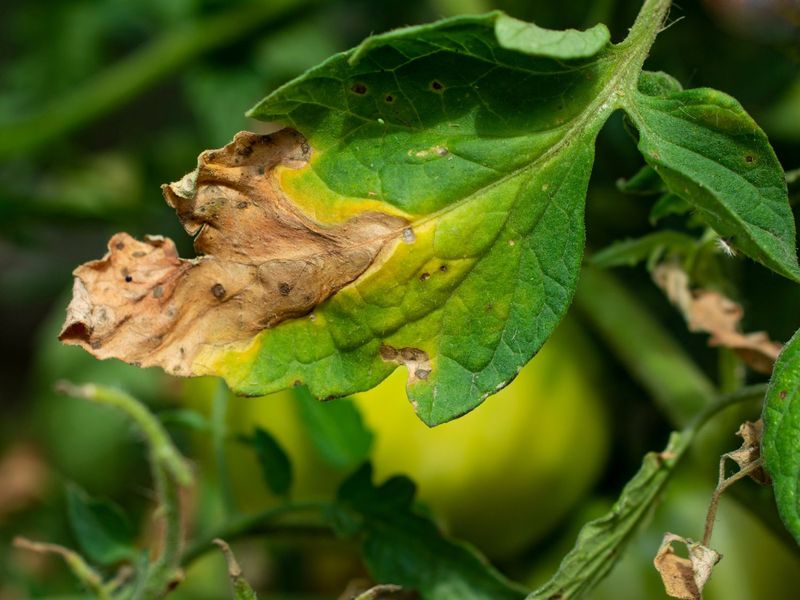
Patience feels hard when your tomatoes look scorched. Still, reaching for the pruners right away is a common mistake.
Damaged leaves can act like a shield. They help protect the healthier tissue underneath if another cold front sweeps through.
UF/IFAS advises waiting until cold weather has passed before trimming injured plants.
After a few warm days, the line between damaged and healthy tissue gets clear. Brown, crispy, or blackened parts are done.
Green stems and leaves with color are still working for the plant.
Once the threat is over, snip off damaged leaves and stems back to healthy growth. Use clean pruners, and toss the clippings away from the garden.
Rotting tissue can invite fungal problems.
Go easy on fertilizer right after cold injury. Pushing lots of tender new growth just before another chilly night sets the plant up for more trouble.
Wait until the weather settles, then feed lightly.
Keep watering on a normal schedule. A stressed plant recovers faster when roots stay comfortably moist.
Watch for new shoots in the leaf joints over the next week or two. Seeing that fresh growth is a huge relief, and it tells you the vine still has plenty of life to give.
8. Smarter Tomato Planting Dates Keep The Next Cold Front Easier
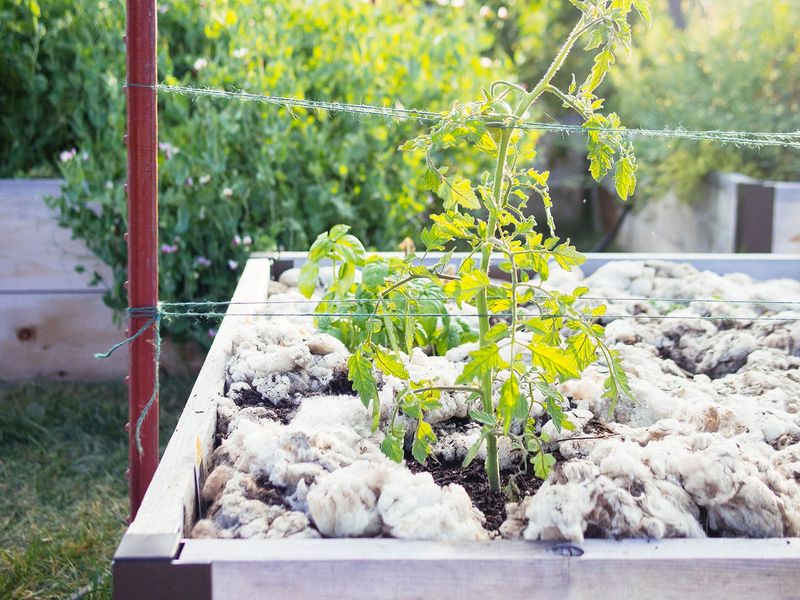
Every surprise cold snap teaches something useful. My lesson was simple: plant at the right time and keep supplies handy.
Florida tomato timing depends on where you live. UF/IFAS suggests planting in north and central Florida in late winter or early spring, after frost danger fades, plus a fall planting window.
South Florida gardeners can grow tomatoes through fall and winter, when it is cooler and drier.
That regional difference matters. A planting date that works in Miami can leave Tallahassee vines exposed to a freeze.
Build a small cold kit before winter arrives. Frost cloth, clips, bricks, a few buckets, and an outdoor thermometer cover most emergencies.
Store it where you can grab it in five minutes.
Sign up for weather alerts from the National Weather Service. Freeze warnings and frost advisories usually come a day or two ahead, giving you time to water and cover.
Choose your planting spots wisely next season. Higher ground near a sunny wall beats a low corner where cold air pools.
Skip heavy fertilizing in late fall, since soft new growth is extra sensitive.
Above all, keep notes on what worked. A quick record of dates, temperatures, and results turns one rough night into a stronger garden next year.