Should You Repair Bare Spots In Florida St. Augustine Grass In September Or Wait
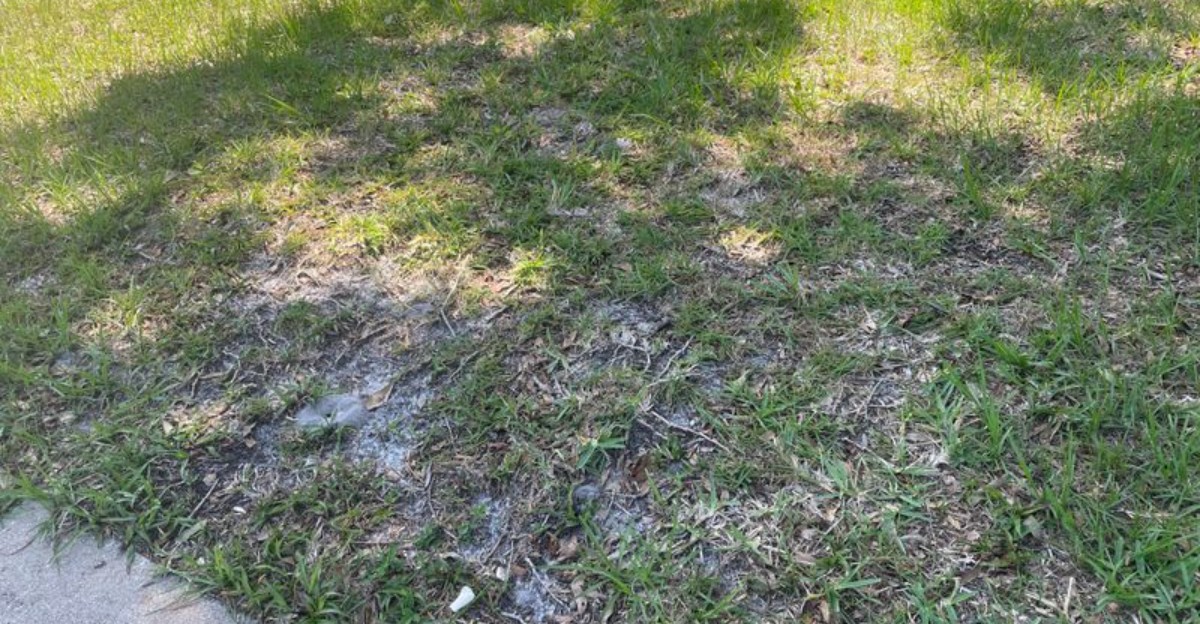
Your neighbor’s lawn looks like a green carpet. Yours has brown, ugly patches that seem to grow wider every week.
Most Florida homeowners know that frustration. St. Augustine grass can look perfect in June and fall apart by late summer.
Chinch bugs, fungus, heavy rain, and brutal heat all leave their mark. By September, those bare spots feel impossible to ignore.
So you reach for plugs, sod, or fertilizer and prepare to fix the damage.
But the calendar matters more than most people realize. One poorly timed repair can waste money or leave those small patches struggling to establish before cooler weather arrives.
Lawn experts often disagree on the best approach, and the stakes are higher than they look. Act too soon, and you could waste money.
Wait too long, and the weeds win.
Before you grab that shovel, learn what September really means for your St. Augustine lawn.
1. Repair Small Bare Spots Before They Spread
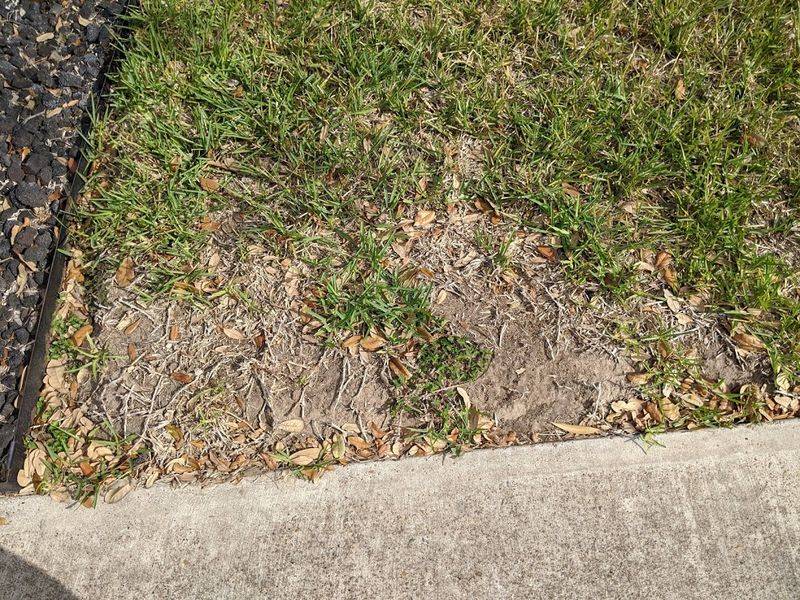
A bare patch the size of a dinner plate rarely stays that small for long. Weeds love open soil, and they will happily set up camp while you are busy with other chores.
The upside is that small gaps are the easiest fixes you will ever tackle. Spots under about three feet across can usually be filled with a handful of grass plugs.
St. Augustine grass spreads by above-ground runners called stolons. Healthy turf around a tiny spot may creep in on its own if the edges look green and strong.
Still, runners move slowly as the weather starts to cool. A patch that could close in six weeks during July might take months once shorter fall days arrive.
Start by pulling any weeds and loosening the top inch or two of soil with a hand rake. That simple step helps fresh roots slide in easily and grab hold faster.
Next, snap a quick photo of the spot with a ruler or shoe beside it. Checking that photo every week shows you whether the patch is shrinking, holding steady, or quietly growing.
Quick action in September gives small repairs a real head start before winter slows everything down. A little effort now can save you from a much bigger weekend project next spring.
2. Use Plugs When The Lawn Still Has Growing Time
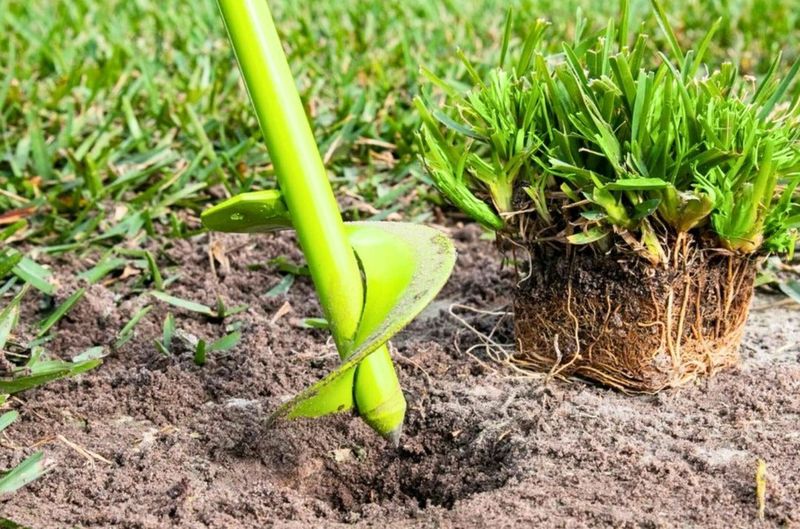
Plugs need enough warm growing weather to root and spread before cooler conditions slow them down.
Plugs are small, rooted squares cut from sod, often about two to four inches wide. They cost less than full sod and work beautifully for patches that are not too big.
In Central and South Florida, September sits right inside the active growing season. Soil stays warm, days stay long, and St. Augustine is still eager to send out runners.
North Florida is a different story, with cooler nights arriving sooner. Frost can show up as early as late November there, so a mid-September planting is cutting it close.
To plant, space plugs about 6 to 12 inches apart in a checkerboard pattern. Tighter spacing fills in faster, which is handy when the calendar is working against you.
Your Florida Garden Changes Every Week. Your Plan Should Too.
Gardening in Florida changes quickly throughout the season. Every Friday you’ll receive a simple weekly plan showing exactly what to plant, prune, fertilize, harvest, and protect so you never miss the right timing.
Dig each hole just deep enough so the plug sits level with the soil. Press it down firmly with your foot to remove air pockets that can dry out young roots.
Here is a fun detail many people miss about this grass. Quality seed is hard to find for home lawns, so plugs and sod are the go-to ways to add more of it.
3. Lay Fresh Sod For Larger September Gaps
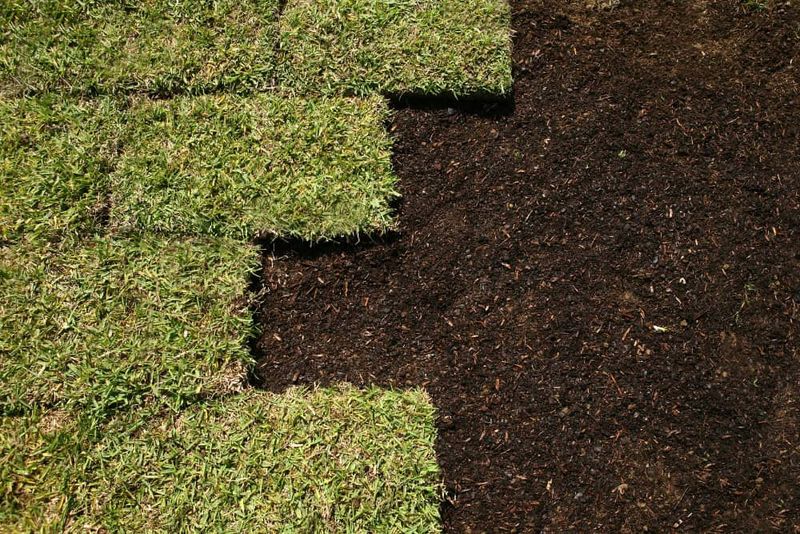
Few yard projects feel as satisfying as unrolling fresh sod. One afternoon of work, and a scruffy brown gap turns into a green carpet you can admire from the porch.
For patches wider than three or four feet, sod usually beats plugs by a mile. Plugs would take ages to knit together across that much open ground, especially as days shorten.
Many sod growers call early fall one of the best planting windows. Warm soil pushes quick root growth, while milder air means less stress on the new grass.
Sod laid in September or October can build a strong root system over several months. That hidden work below ground pays off with thick, lively growth next spring.
Prep matters just as much as the grass itself. Cut out the old patch in a neat square, loosen the soil, and rake it smooth so the sod sits level with the lawn.
Buy sod as fresh as you can and lay it the same day it arrives. Pieces that sit on a pallet in the sun can heat up and lose vigor fast.
One word of caution applies to shady corners of the yard. Heavy September rains in low-light areas can raise the risk of root rot, so check those pieces often for soggy soil.
4. Skip Repairs If The Real Problem Is Still Active
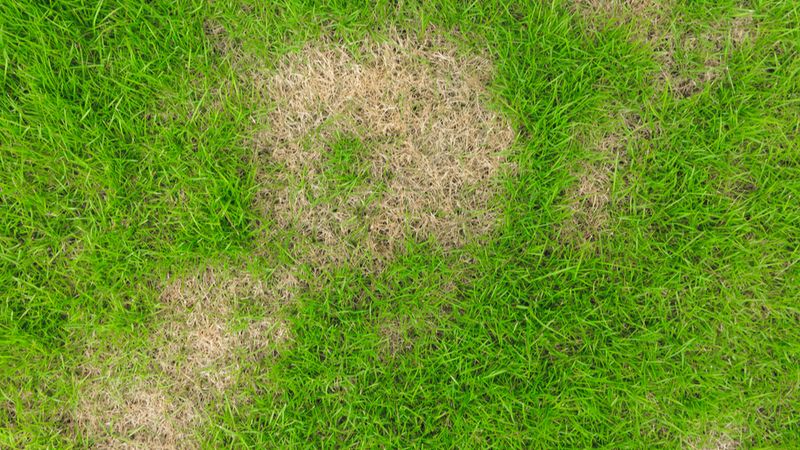
Think of a bare spot as a clue, not a random accident. Something caused that grass to thin out, and that something may still be lurking in the soil or the blades.
Common troublemakers in Florida include chinch bugs, grubs, large patch fungus, gray leaf spot, and take-all root rot. Drought stress and packed-down soil can also leave ugly gaps behind.
Laying new grass over an active problem is like painting a wall that still has a leak behind it. The fresh surface looks great for a week, then the same trouble shows up again.
Before spending money, walk the edges of the patch. Look for yellowing blades, odd rings, spots with lesions, or grass that pulls up easily with no roots attached.
Grubs often leave turf that peels back like a loose rug. Fungus problems tend to form circles or show tan spots with darker borders on the leaves.
If you cannot figure out the cause, snap clear photos and bring a sample to your local UF/IFAS Extension office. Many offices offer help at little or no cost to homeowners.
Treat the cause first, then give the area a couple of weeks to settle. Patience here turns a repeated headache into a one-time fix you can finally stop worrying about.
5. Check For Chinch Bugs Before Replanting
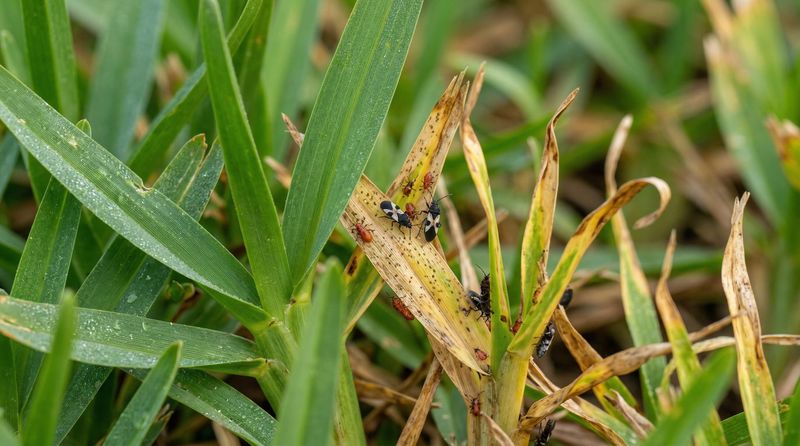
Meet the tiny villain of Florida lawns, smaller than a grain of rice and twice as stubborn. Chinch bugs suck sap right out of St. Augustine blades, leaving yellow and brown patches behind.
Their damage usually starts in hot, dry spots near sidewalks, driveways, or the street. The patches look like drought stress at first, which fools plenty of homeowners.
Adults have black bodies with bright white markings folded across their backs. Young ones, called nymphs, are reddish-orange and even harder to spot without getting down on your knees.
A simple float test can reveal them in minutes. Take a metal can, cut out both ends, and push it a couple of inches into the soil at the edge of the yellow zone.
Fill the can with water and keep it topped off for about five to ten minutes. If chinch bugs are present, they will float up to the surface like tiny unwanted swimmers.
If chinch bugs are confirmed, use a product labeled for chinch-bug control on St. Augustine grass and follow the label directions carefully.
Good habits help keep them from coming back for another feast. Water deeply, go easy on nitrogen, and keep thatch thin so these pests have fewer cozy hiding places.
6. Fix Poor Drainage Before Replacing The Grass
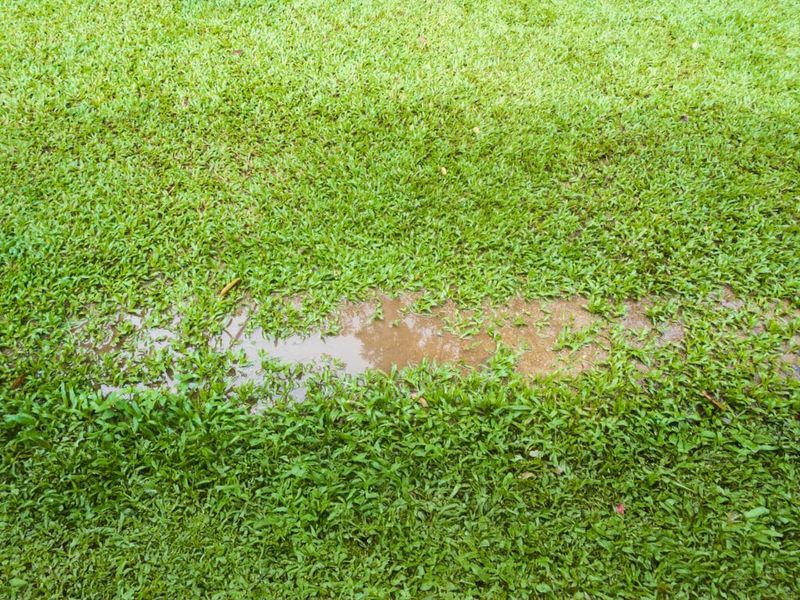
Roots need air just as much as they need a good drink of water. When soil stays soggy for days, those roots basically hold their breath, and the grass above starts to thin and fade.
Watch for puddles that linger more than a day or two after rain. Spongy ground, muddy footprints, and brown patches in low spots are other big warning signs.
Take-all root rot, a common lawn disease, loves these wet conditions. Replanting in a waterlogged area often means watching the new grass struggle all over again, just with a fresher price tag.
Compacted soil is a frequent cause, especially where people walk or park often. Hidden clay layers and thick thatch can also trap water near the surface.
Core aeration is a great first step because it pulls out small cylinders of soil across the lawn. Those tiny holes let water drain and oxygen reach the roots again.
Spreading a thin layer of compost after aerating can improve soil structure over time. For stubborn low spots, gentle regrading or a French drain may be worth the effort.
Do not forget to check your gutters and downspouts. Pointing them away from the lawn is an easy fix that costs almost nothing and can make a big difference.
7. Keep New Plugs Moist While Roots Take Hold
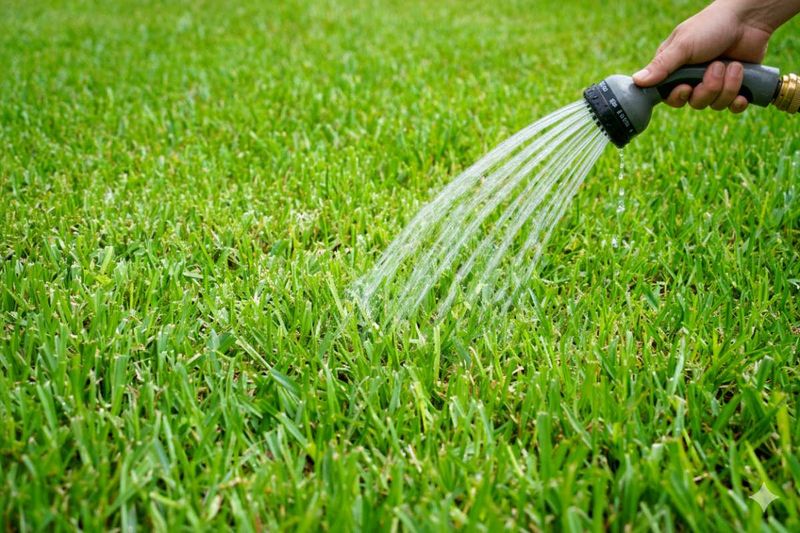
New plugs are a lot like houseplants on their first day home. They look tough, but their short roots can dry out in a single hot afternoon.
During the first week or two, keep the soil consistently moist with frequent, light watering, adjusting the schedule for rainfall, temperature, soil type, and sprinkler output.
Early morning is the best time to start the sprinklers. Less water floats away in evaporation, and the grass blades dry before evening, which helps limit fungus.
After that first stretch, ease back slowly so roots learn to reach deeper. Move to once a day, then every other day, and finally one or two deep soakings each week.
The long-term goal is about one to one and a half inches of water weekly. A simple tuna can set on the lawn makes a handy rain gauge to measure how much you are giving.
September weather in Florida can swing from blazing sun to surprise downpours. Skip a cycle after a big storm, and add a little extra during hot, dry stretches.
Edges tend to dry out first, so check them with your fingers each day. A quick hand watering on those borders can rescue plugs that look a bit thirsty.
8. Hold Fertilizer Until New Grass Establishes
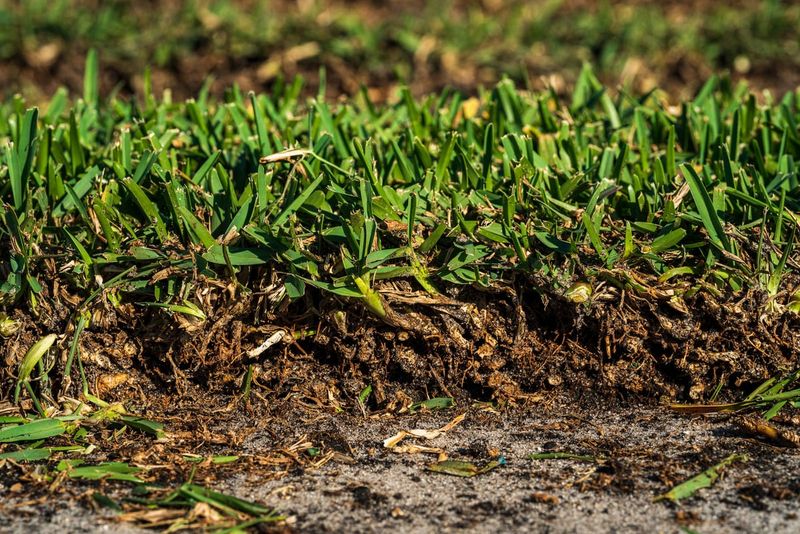
Feeding new grass right away feels kind, like handing a snack to a hungry kid. Unfortunately, early fertilizer does more harm than good for fresh plugs and sod.
Hold off on routine fertilizing until the new grass has begun rooting and establishing, then follow the product label and recommendations for newly established St. Augustine.
Here is why patience pays off in the long run. Fertilizer pushes fast leafy growth on top, while the roots underneath stay short and weak.
Shallow roots make grass much more sensitive to heat, drought, and pests. That is the opposite of what you want heading into a dry Florida winter.
Try a gentle tug test before you reach for the spreader. If the plug or sod piece resists and stays put, roots are anchoring well into the soil below.
Timing matters in September too. High-nitrogen products applied late in the season can spark tender growth and may invite large patch fungus as nights cool.
When the time comes, a potassium-rich blend is often a better fall pick. Potassium helps grass handle cooler weather and bounce back strong when spring arrives.
Also check your local rules first. Many counties restrict nitrogen and phosphorus fertilizers during the summer rainy season, sometimes through the end of September.
9. Know When Waiting Beats A Failed Fall Repair
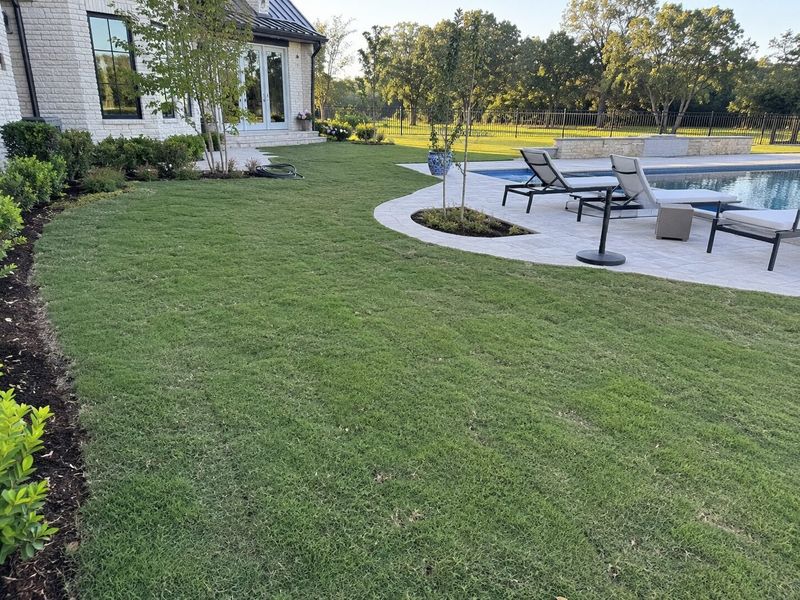
Sometimes the smartest lawn move is putting the shovel back in the shed. Waiting can feel lazy, but a well-timed pause often saves money, time, and plenty of frustration.
If pests, fungus, or soggy soil are still causing trouble, a September repair will likely struggle. Fix the cause first, even if that pushes planting into next year.
North Florida homeowners have extra reason to be careful. Cooler winters and occasional freezes can stall new grass before it has a chance to root deeply.
Cool temperatures slow establishment down to a crawl. Plugs that would fill in within weeks in summer may barely budge from November through February.
For many yards, late March or early April is a great restart point. By then, you can see how the lawn handled winter and plant into warm, active soil.
Very small spots, about the size of your fist, may fill in on their own. Healthy runners from the surrounding turf often creep in with no help at all.
In the meantime, keep the bare area free of weeds and mow the rest of the lawn at a proper height. A thin layer of compost can protect exposed soil from washing away.
Waiting is not giving up. It is simply choosing the moment when your grass has the best odds of thriving.