Do This To Your Georgia Crape Myrtle In November Instead Of Pruning It
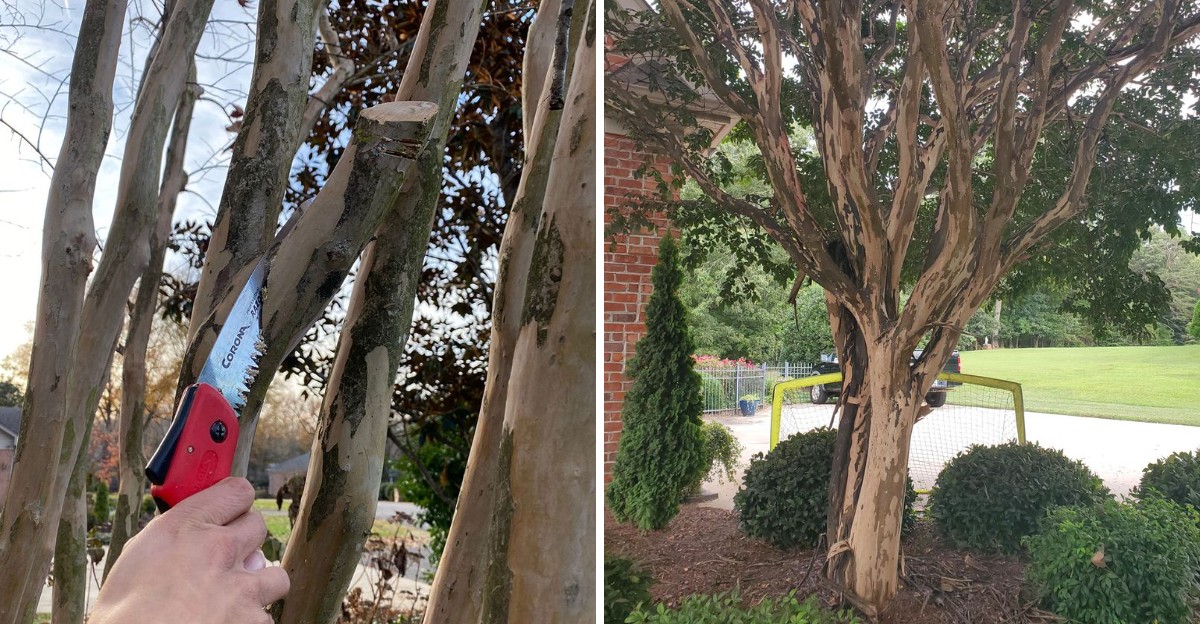
Gardeners across the South have a nickname for one popular yard habit, and it sounds like a crime scene report. The habit leaves knobby, fist-shaped stubs on trees that once looked graceful and airy.
Here in Georgia, the urge to grab the loppers often strikes in November. Leaves are falling, seed pods rattle in the wind, and the whole yard starts looking a little messy.
I get it, because I feel that tidy-up itch every fall too. I used to think a hard fall cut was a favor to my trees, and I was wrong.
You’re in for a pleasant surprise, because the smartest November moves take less effort than sawing branches. A few easy chores now can mean fatter blooms, prettier bark, and a stronger tree next summer.
So what should your hands be doing instead?
1. Those Crape Myrtle Branches Are Asking You To Wait
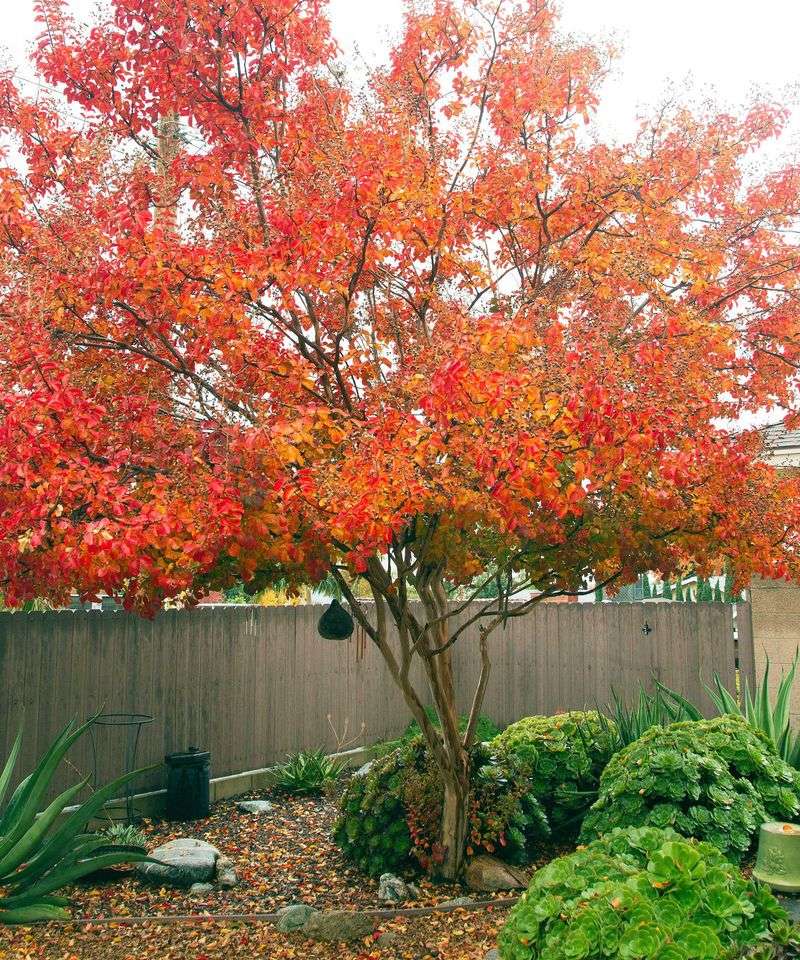
Patience is the secret tool most of us forget to pack. Crape myrtles bloom on new growth from the current season, so cutting them back in fall gives you zero extra flowers next summer.
Fall cuts can also send the wrong signal. A mild spell after pruning may wake up buds, and soft new shoots are easily hurt when the first hard freeze rolls in.
Large wounds also close slowly in cool weather, which leaves open doors for decay and pests.
University of Georgia Extension experts recommend waiting until late winter, when the tree is fully dormant. That timing lets fresh wounds start sealing as spring growth kicks in.
So what does a responsible November look like? Mostly, it looks like leaving the big branches alone and focusing on care that protects roots, trunk, and structure.
Think of it as a season for observing, not chopping.
I like to walk around my trees this month with a notepad instead of shears. I jot down crossing limbs, rubbing branches, or crowded centers.
When February arrives, I already know exactly what needs attention, and I avoid random, guilty snipping that does more harm than good.
2. A Fluffy Ring Of Mulch Keeps Crape Myrtle Roots Snug
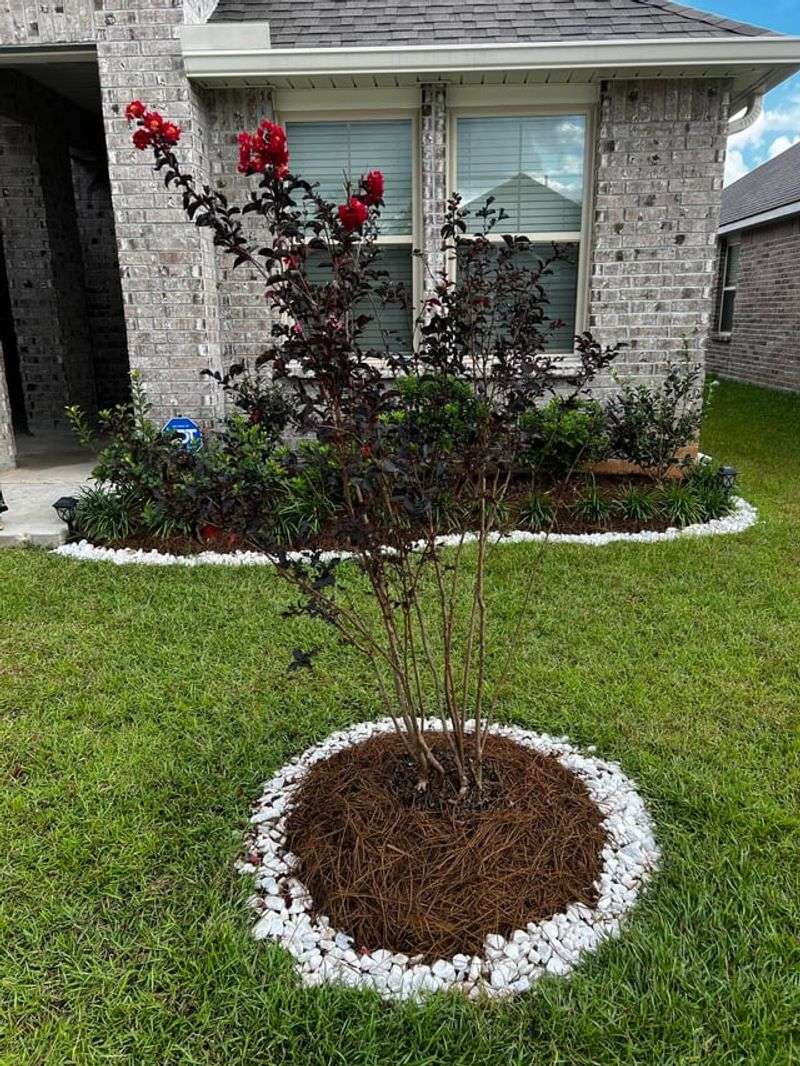
Roots do quiet work all winter, even when the branches look asleep. A good layer of mulch is one of the kindest gifts you can give them in November.
Spread 2 to 3 inches of pine straw, shredded bark, or chopped leaves in a wide circle under the canopy. That blanket helps hold moisture, evens out soil temperature swings, and keeps weeds from stealing nutrients.
Over time, organic mulch breaks down and feeds the soil, too.
One rule matters more than the rest. Keep mulch pulled back a few inches from the trunk, so bark stays dry and healthy.
Piling mulch high against the base, often called a mulch volcano, can invite rot and give rodents a cozy hiding spot.
Pine straw is a classic choice across the state, and it often costs very little. Fallen leaves from your own yard work great when you run a mower over them first.
Shredded pieces stay put better and break down faster than whole leaves.
Personally, I love how a fresh mulch ring makes a bare winter tree look cared for. It tidies the yard and satisfies that fall cleanup urge without a single cut.
3. Thirsty Soil Under Your Crape Myrtle Still Needs A Drink
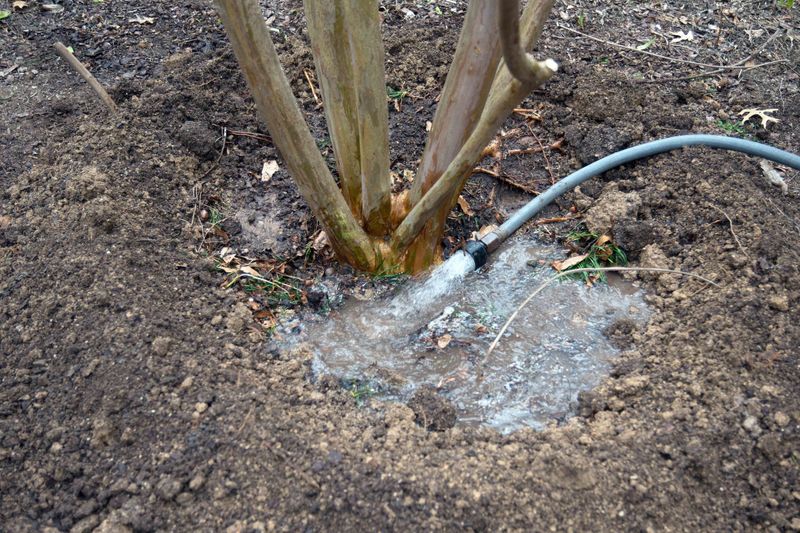
Fall in Georgia can surprise you with long dry stretches. Some autumns bring weeks with barely a sprinkle, and young trees feel it fast.
Crape myrtles are tough once established, often handling drought better than many landscape trees. Still, trees planted in the last year or two have shallow, developing roots.
Those youngsters benefit from a slow, deep soak every week or two during dry spells.
How do you know it is time? Push a finger or trowel a few inches into the soil near the root zone.
If it feels dry and crumbly, give the tree a long drink with a hose on a slow trickle or a soaker hose.
Skip watering when the ground feels soggy. Crape myrtles dislike wet feet, and roots sitting in waterlogged clay can struggle with rot.
Heavy red clay in many parts of the state holds water longer than you might expect.
Watering during the warmest part of a mild day works well. The soil absorbs it before nighttime temperatures drop.
A well-hydrated root system heads into winter stronger, which pays off when buds swell next spring and growth takes off.
4. Leave Those Crunchy Crape Myrtle Seed Pods Right Where They Are
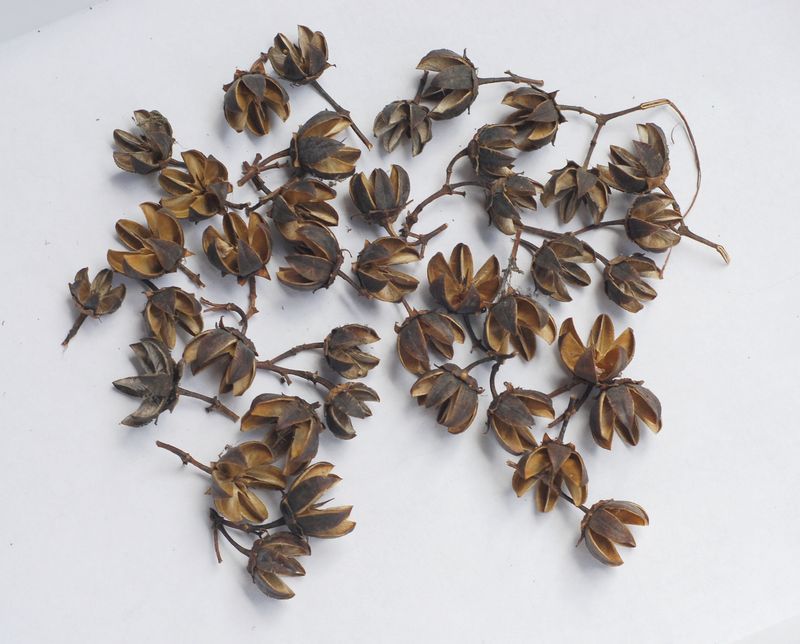
Brown seed clusters dangling from branch tips might look scruffy to you. To a hungry songbird, they look like a snack bar.
Removing old seed heads is purely cosmetic. Next year’s flowers form on brand new shoots, so those spent clusters have no effect on bloom count.
You can relax and let them hang through winter.
Many gardeners enjoy the texture they add. The dark, rounded pods catch frost on chilly mornings and look lovely against a gray winter sky.
Some birds, like finches, will pick at them for seeds when food gets scarce.
Still bothered by the look? You can snip a few within easy reach using hand pruners.
Cut just below the cluster, and avoid removing thick wood. Keep it light and gentle, and save any real shaping for late winter.
Fun fact for your next garden chat. Crape myrtle seeds are tiny and winged, and the pods split open in fall to scatter them.
Most popular hybrid varieties rarely become a seedling problem in typical yards, though you might spot an occasional volunteer near the trunk.
5. Snap Off Sneaky Suckers And Broken Crape Myrtle Limbs
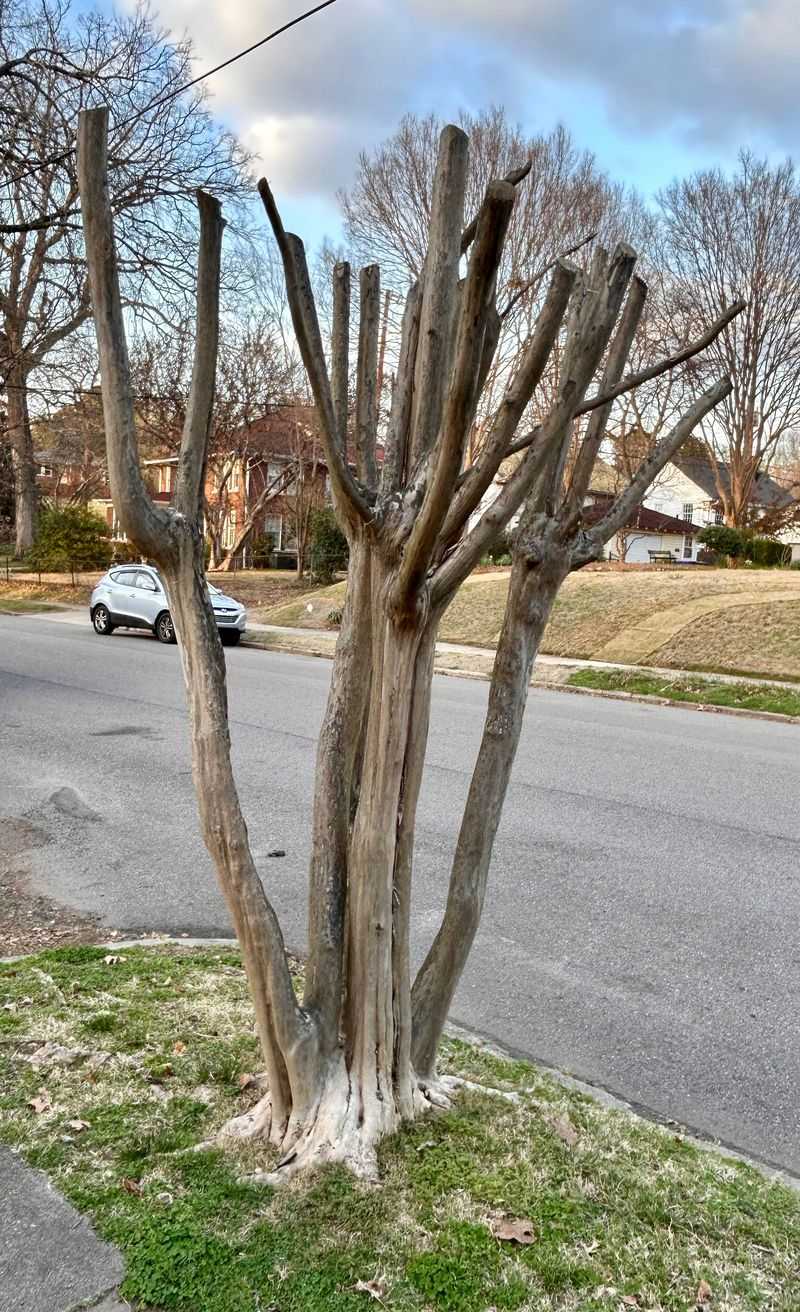
Small jobs feel great, and November offers a few that are perfectly safe. Picture this as light housekeeping rather than surgery.
Suckers are the skinny shoots popping up from roots or the base of the trunk. They pull energy away from the main stems and crowd the tree’s clean look.
Pull or clip them off flush with the ground or trunk whenever you spot them.
Broken or storm-damaged branches also deserve attention right away. A cracked limb can tear bark further in strong winds, so cutting it cleanly helps the tree.
Make your cut just outside the branch collar, that slightly swollen ring where a branch meets a larger stem.
Diseased or clearly lifeless twigs can go too. Scratch the bark lightly with a fingernail, and look for green tissue underneath.
Brown, brittle wood with no green means that stem is finished.
The key is restraint. Avoid cutting healthy branches back partway, because that creates the stubby knobs everyone dreads.
Clean your pruners with a suitable disinfectant between cuts when handling diseased wood, so you don’t spread problems from one tree to another.
6. That Peeling Crape Myrtle Bark Is Your Winter Showstopper
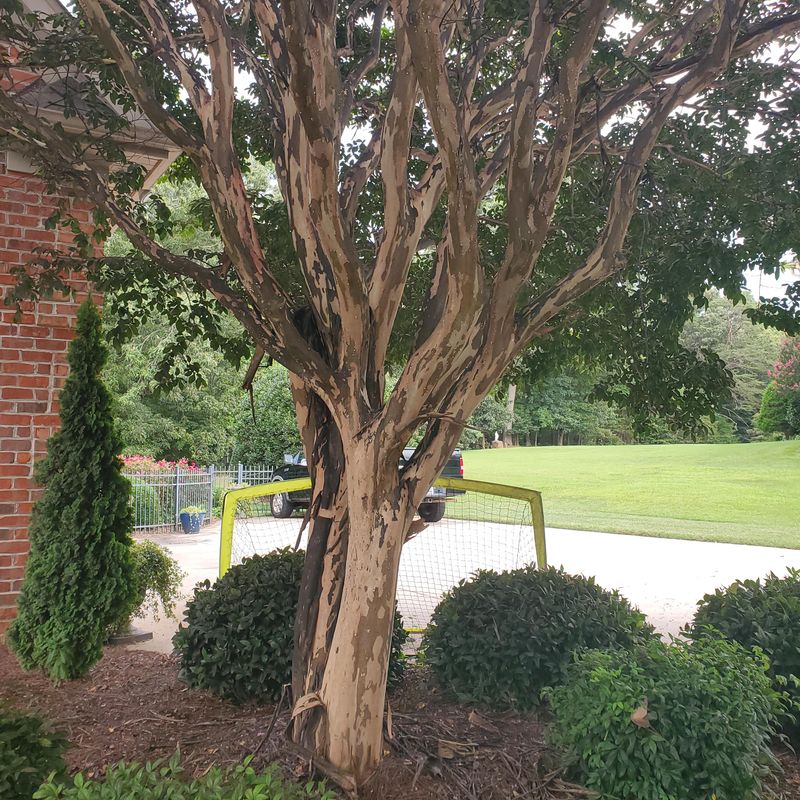
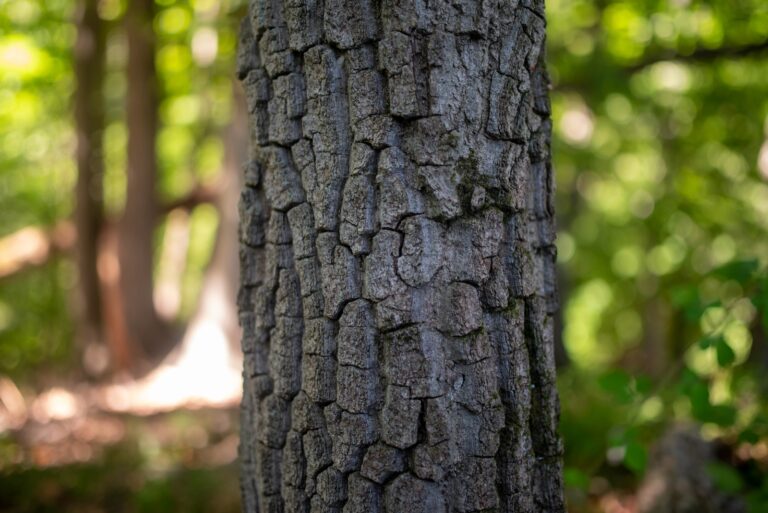
Bare trunks can steal the show once leaves drop. Mature crape myrtles shed thin strips of bark, revealing smooth patches in cinnamon, tan, gray, and cream.
That mottled look develops best on trees allowed to grow tall and thick. Harsh topping, nicknamed crape murder, replaces sleek trunks with lumpy knuckles and clusters of thin whips.
Those whips also tend to flop over under heavy summer blooms.
By skipping fall chopping, you protect this cool winter feature. Over the years, trunks thicken, bark peels more dramatically, and the whole tree gains a sculpted, almost polished appearance.
Some varieties shine brighter than others. Natchez, a white-blooming favorite, is famous for its rich cinnamon bark.
Many hybrids with Lagerstroemia fauriei in their family tree, including Tuscarora and Muskogee, also show off striking trunks.
Want to enjoy it even more? Remove low side branches on older trees in late winter so the lower trunks are visible.
A little landscape lighting aimed at the base can make that bark glow on chilly evenings. I can’t imagine a better reason to put the loppers down this month.
7. Circle Late Winter On Your Calendar For Crape Myrtle Pruning
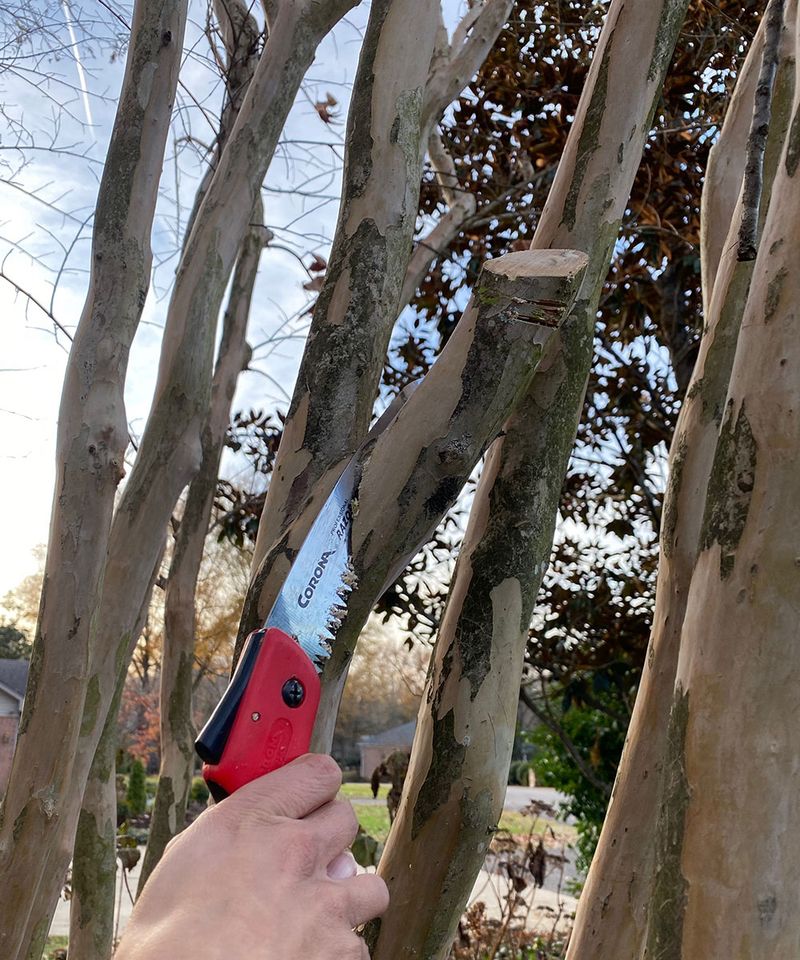
Mark it down now so you won’t be tempted later. Late winter, generally January into February in most of the state, is the sweet spot for pruning crape myrtles.
Timing shifts a bit by region. North Georgia mountain areas warm up later, so mid to late February often works better there.
Coastal and South Georgia gardeners can usually start a little earlier, before buds break.
Branches are bare in late winter, making structure easy to see. Focus on removing crossing limbs, inward-growing shoots, and twiggy growth along lower trunks.
Cut back to a side branch or the trunk, rather than leaving stubs.
Is your tree simply too big for its spot? Heavy topping each year will not fix that.
A better long-term answer is choosing a variety with the right mature size, since options range from dwarf shrubs under 3 feet to trees over 25 feet.
So enjoy November with mulch, water, and a few small fixes. Then return in late winter with sharp tools and a plan.
Your reward will be sturdier stems, gorgeous bark, and summer blooms worth bragging about to the whole neighborhood.