The Biggest Sweet Potato Mistakes Georgia Gardeners Make Before Fall Harvest
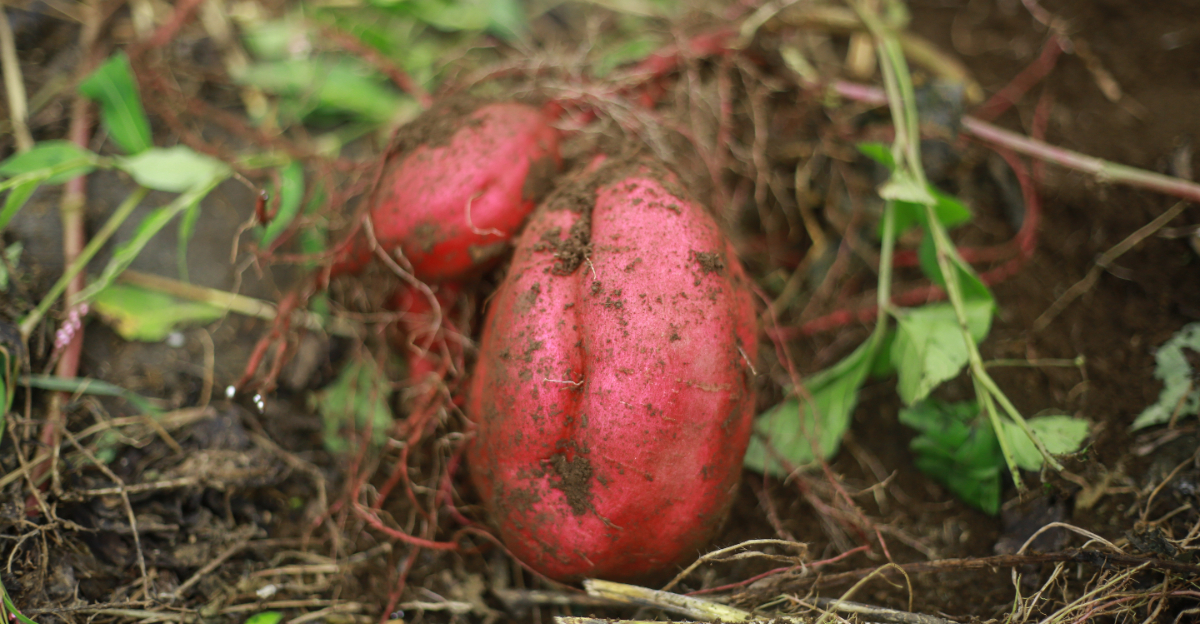
Growing sweet potatoes can feel easy for most of the summer. The vines spread quickly, the plants look healthy, and there is not much visible activity above the soil to suggest anything is going wrong.
That is why many gardeners assume the hard part is over once the plants become established.
The weeks leading up to harvest, however, can have a bigger impact than people realize. A few common mistakes made late in the season can affect the size, quality, and condition of the sweet potatoes waiting underground.
Because the plants still look healthy on the surface, it is easy to miss the warning signs.
Many gardeners across Georgia are already looking forward to digging up their harvest, but now is not the time to stop paying attention.
What happens before fall arrives can make the difference between disappointing results and a crop that was worth the wait. A closer look at a few common missteps may help you avoid surprises when harvest time finally comes.
1. Crowded Plants Can Limit Tuber Growth Beneath The Soil
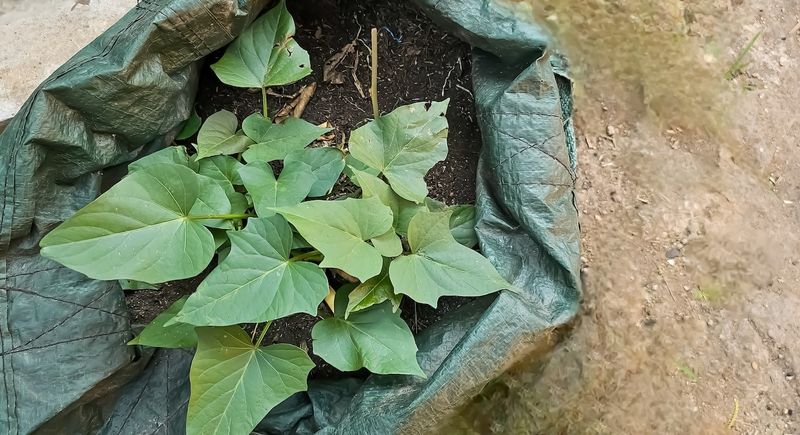
Spacing sweet potato slips too close together is one of the quietest yield-wreckers in any home garden. Underground, tubers need room to expand outward without running into each other or hitting a neighboring root zone.
When that space is missing, tubers stay small and misshapen.
Most recommendations suggest spacing slips about 12 to 18 inches apart in rows set roughly 3 to 4 feet wide. Tighter spacing might look fine above ground since the vines will cover everything anyway.
Below the surface, though, competition for space and nutrients is real.
Soil looseness matters just as much as spacing. Compacted ground resists tuber expansion no matter how well you space your plants.
Raised beds or loosened garden rows give roots the path of least resistance to grow wide and full.
Vines sprawling over each other above ground can also create shading problems that slow overall plant energy.
Redirecting vines occasionally keeps light reaching the soil and prevents secondary rooting at nodes, which pulls energy away from the main tuber cluster.
A little vine management goes a long way in a crowded bed.
2. Heavy Weed Growth Can Reduce Sweet Potato Yields
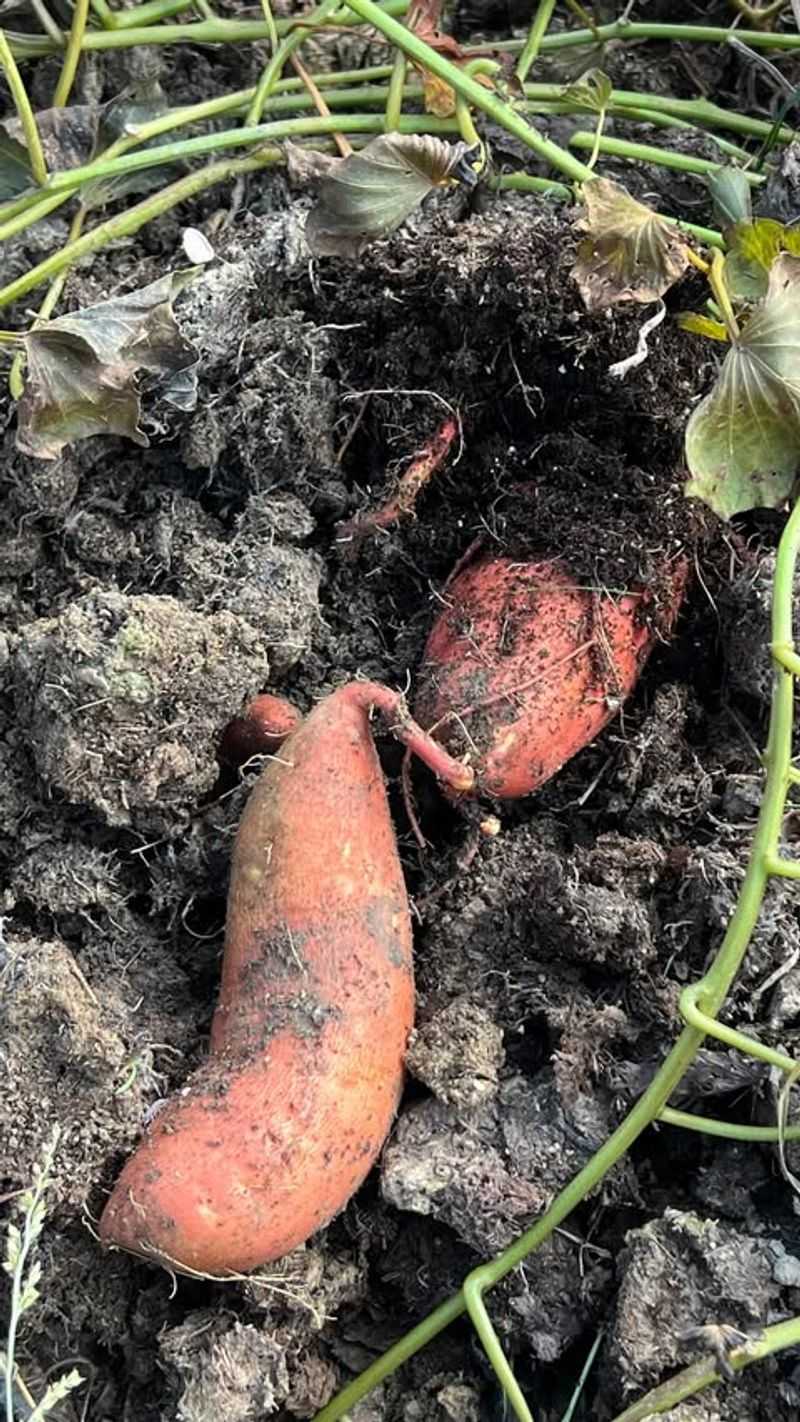
Weeds do not just look bad in a garden bed. They actively compete with your sweet potatoes for water, nutrients, and light, and that competition adds up fast during the long growing season.
Early weed pressure is especially damaging.
During the first four to six weeks after planting, sweet potato slips are still getting established.
Weeds that get ahead of them during that window can slow early root development significantly.
Once sweet potato vines fill in and spread across the bed, they do a decent job shading out new weed growth on their own. Getting to that point weed-free is the challenge.
Consistent hand-weeding or light cultivation in those early weeks pays off later.
Mulching around newly planted slips is a practical way to suppress weeds before the vines take over. Straw or wood chip mulch laid two to three inches deep slows weed germination without blocking the soil moisture sweet potatoes need.
Your Georgia Garden Changes Every Week. Your Plan Should Too.
Gardening in Georgia changes quickly throughout the season. Every Friday you’ll receive a simple weekly plan showing exactly what to plant, prune, fertilize, harvest, and protect so you never miss the right timing.
Pull any weeds that push through before they go to seed.
Letting weeds get ahead of you mid-season is a common mistake. Even after vines spread, persistent weeds at the row edges can creep inward and reclaim space.
A quick pass through the garden every week or two keeps things from getting out of hand.
3. Excess Nitrogen Can Lead To More Vines Than Tubers
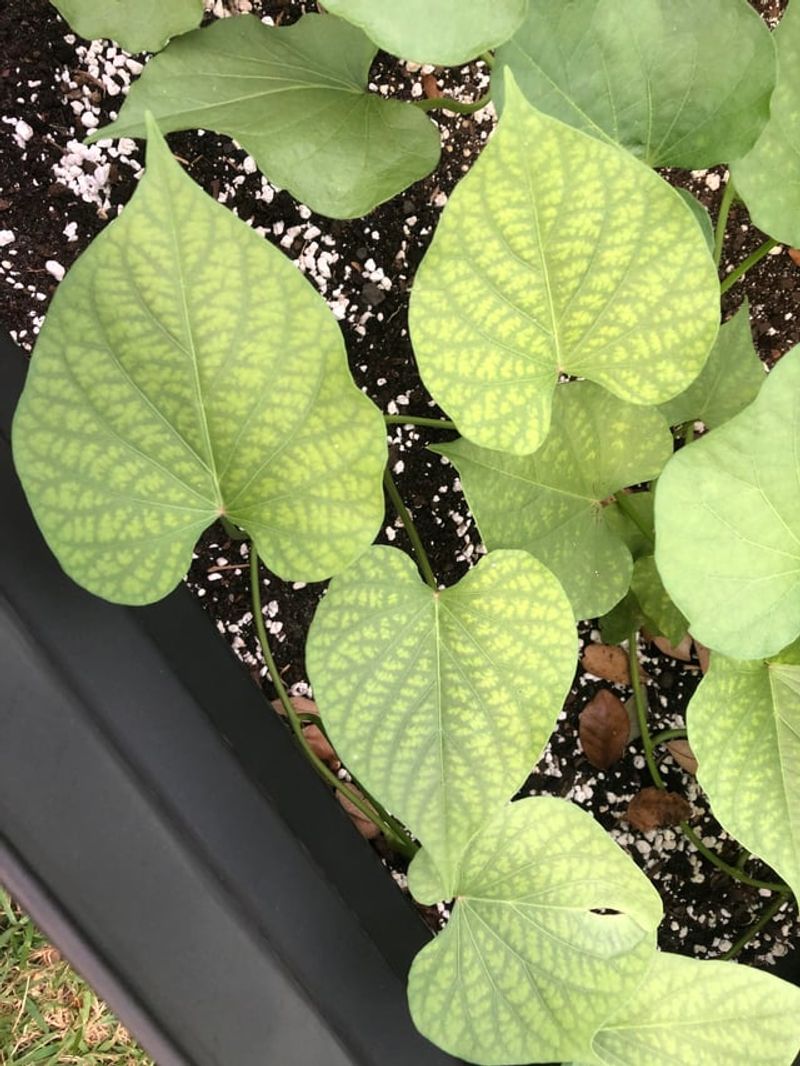
Walk through a sweet potato patch and see nothing but thick, dark green vines running in every direction, that might actually be a warning sign rather than a good one.
Too much nitrogen pushes leafy top growth at the expense of root development underground.
Sweet potatoes are naturally adapted to lower-fertility soils. Unlike heavy feeders like corn or tomatoes, they do not need a rich nitrogen boost to perform well.
Adding too much nitrogen, especially mid-season, redirects the plant’s energy into producing more foliage instead of storing carbohydrates in the tubers.
A soil test before planting gives you a clear picture of what your ground actually needs.
Many Georgia garden soils already carry enough residual nitrogen from previous seasons or composted material.
Adding more on top of that without testing first is a common and avoidable mistake. If you do fertilize, use a balanced or slightly phosphorus-heavy formula at planting.
Phosphorus supports root and tuber development more directly than nitrogen does. Back off any nitrogen applications once vines are actively running, typically four to six weeks after transplanting slips.
Compost is fine to use, but apply it sparingly in sweet potato beds. Fresh manure or high-nitrogen compost can push the same lush vine growth you want to avoid.
4. Soggy Soil Can Increase The Risk Of Root Problems
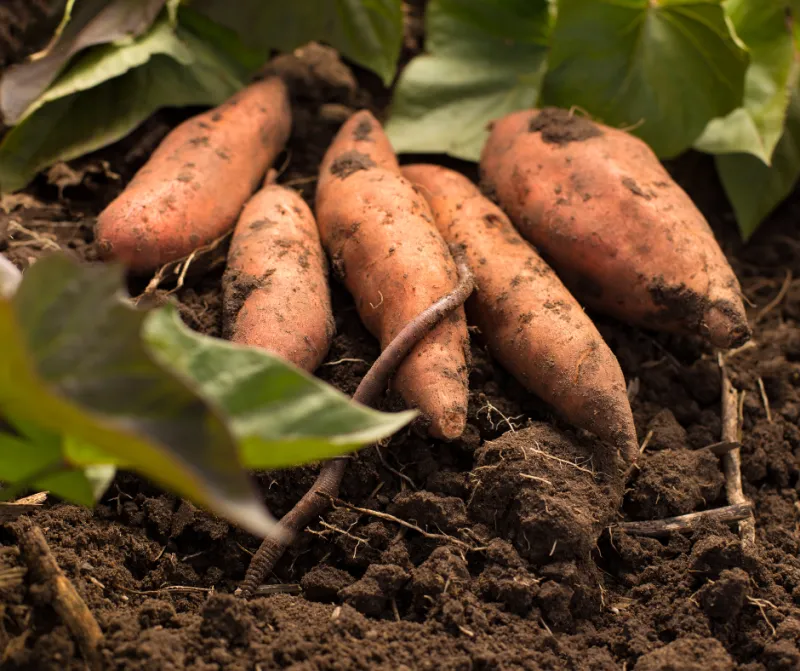
Sweet potatoes are surprisingly drought-tolerant once established, but they have almost no patience for waterlogged soil.
Roots sitting in soggy ground for extended periods become vulnerable to rot and fungal issues that can quietly ruin a crop before harvest day arrives.
Heavy clay soils common in parts of the South hold moisture longer than sandy loam. After a stretch of rainy weather, that clay can stay saturated for days.
Tubers forming in that environment face real stress, and the damage is not always visible above ground until you start digging.
Raised beds are a smart solution for gardeners dealing with poor drainage.
Elevating the root zone even six to eight inches above grade improves drainage dramatically. Mixing compost into heavy soil also opens up the texture and allows excess water to move through more freely.
Avoid watering on a fixed schedule regardless of what the weather is doing.
Check soil moisture before turning on a drip line or soaker hose. During rainy stretches, supplemental irrigation is usually unnecessary and can push soil conditions past the saturation point sweet potatoes tolerate.
Toward the end of the season, pulling back on irrigation about two to three weeks before planned harvest helps firm up the tubers.
5. Unchecked Pest Damage Can Reduce Tuber Quality
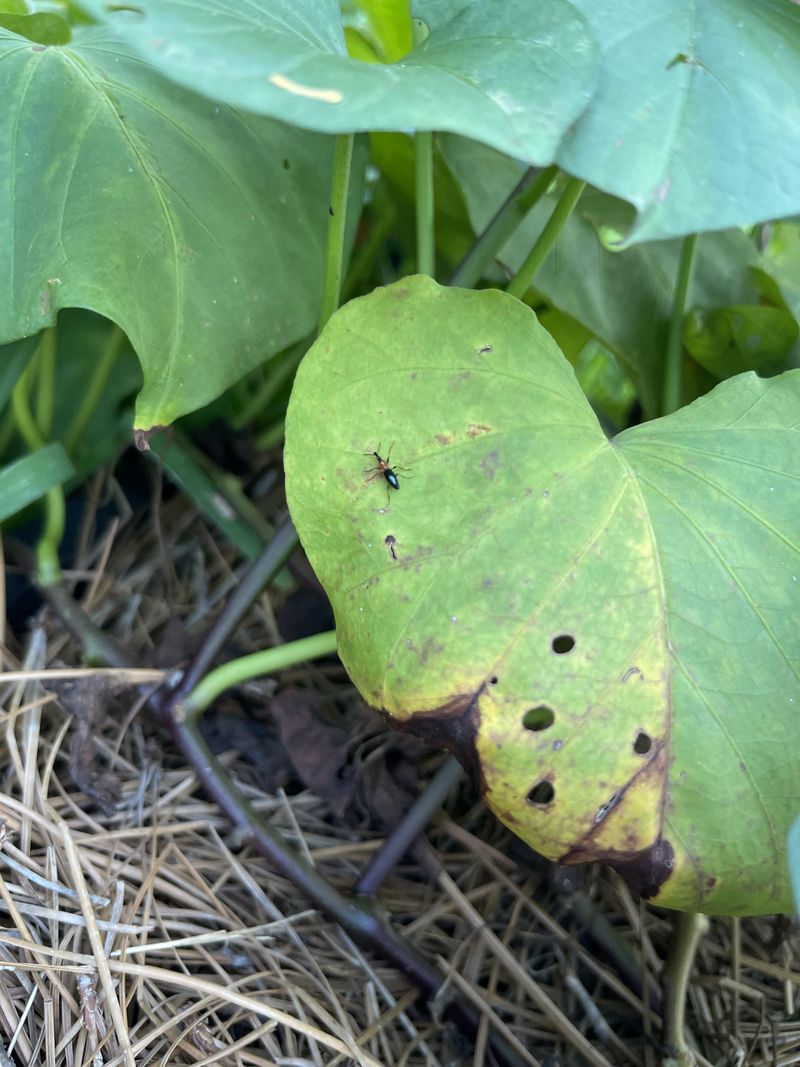
Some pests attack above the soil surface, but the ones that do the most damage to sweet potatoes work underground where you cannot see them. By the time tubers are dug up at harvest, the damage is already done and cannot be reversed.
Sweet potato weevils are among the most destructive pests for this crop in warm Southern climates. Adult weevils lay eggs near the base of the plant, and larvae tunnel into the tubers as they develop.
Heavily infested tubers are not usable and can carry a bitter, unpleasant taste.
Wireworms are another underground threat. Slender and hard-bodied, they bore small tunnels through tubers that create entry points for secondary rot.
Rotating planting locations from year to year helps reduce wireworm populations that build up in the same soil over time.
Above-ground pests like caterpillars and flea beetles can damage foliage.
Heavy defoliation weakens the plant and reduces the energy available for tuber development. Checking leaves weekly during the growing season lets you catch infestations before they get out of control.
Keeping the garden area free of weedy debris and old plant material reduces overwintering habitat for many common pests.
Removing spent vines promptly after harvest also limits the chance of pest populations carrying over into next season.
6. Allowing Disease Problems To Spread Through The Foliage
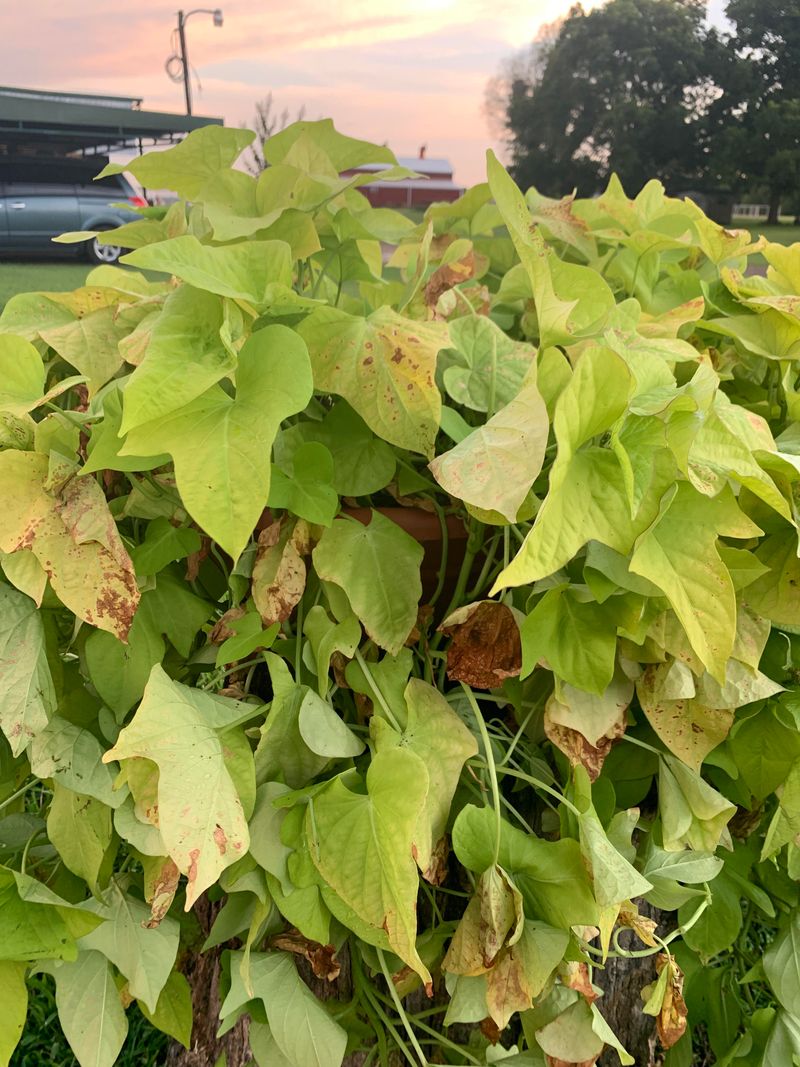
Spotted leaves and yellowing foliage are easy to dismiss as normal late-season wear, but disease problems spreading through a sweet potato patch can affect tuber quality and storage life if left unaddressed. Catching it early makes a real difference.
Fungal diseases like Cercospora leaf spot and Alternaria blight can move quickly through a planting during warm, humid stretches.
Georgia summers provide exactly the kind of heat and moisture these pathogens prefer. Once lesions spread across a significant portion of the canopy, the plant loses photosynthetic capacity and tuber development slows.
Air circulation between plants plays a big role in disease pressure. Overcrowded vines that mat together hold moisture longer and create a humid microclimate near the soil surface.
Spacing plants properly and occasionally redirecting vines reduces that condition meaningfully.
Watering practices matter too. Overhead irrigation that wets foliage in the evening gives fungal spores ideal conditions to germinate overnight.
Drip irrigation or soaker hoses that deliver water directly to the soil surface keep leaves dry and reduce disease spread considerably.
If you spot infected leaves, remove them promptly rather than letting them fall and decompose in the bed. Diseased plant material left in the garden can harbor spores that persist in soil through winter.
7. Harvesting Too Early Can Result In Smaller Sweet Potatoes
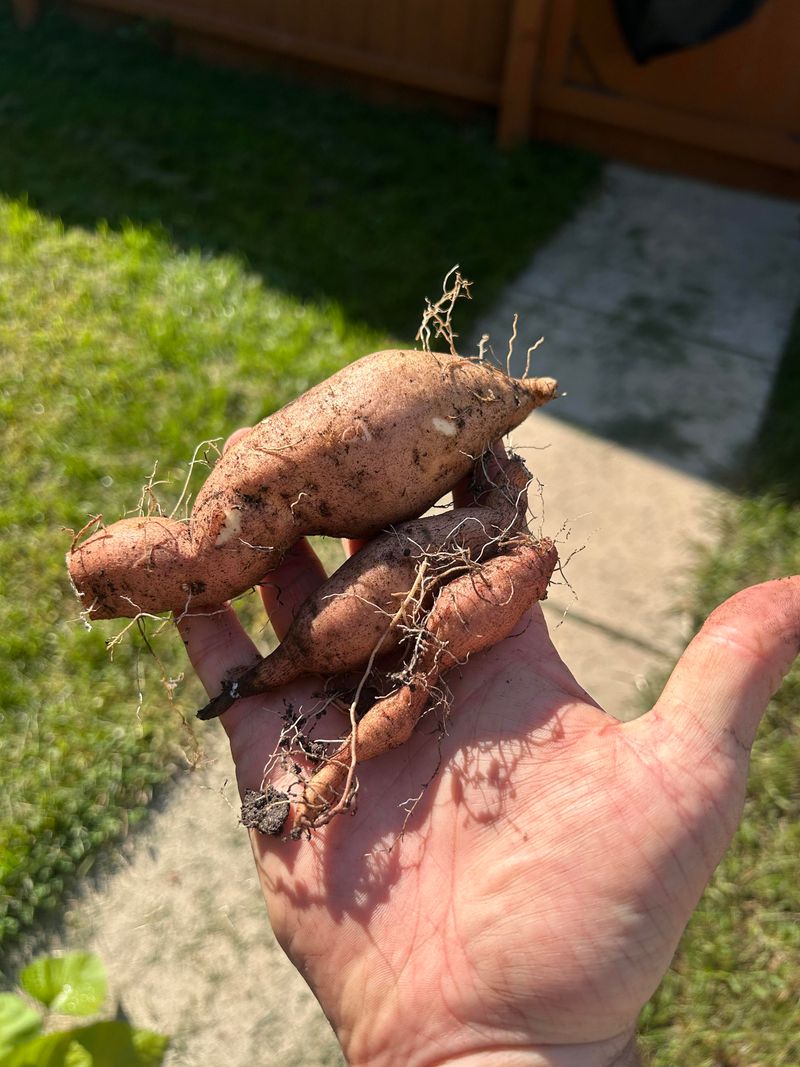
Pulling sweet potatoes before they have had enough time to bulk up is a mistake that costs gardeners a significant portion of their potential harvest.
Tubers do most of their size and starch accumulation in the final weeks before the first frost.
Sweet potatoes typically need 90 to 120 days from transplanting slips to reach full maturity.
Rushing that timeline, even by two weeks, can mean the difference between a full-sized harvest and a pile of small, underdeveloped roots that take twice as long to cook and store less reliably.
Vine color change and slight yellowing of older leaves are natural late-season signs, not reasons to panic and harvest early. Patience at this stage is genuinely rewarded.
Wait until vines begin to naturally decline or until nighttime temperatures start dropping consistently into the low 60s before planning your dig.
One way to check readiness without pulling the whole crop is to carefully unearth one or two plants from the edge of the bed. Brush away soil and check tuber size.
If they look undersized, cover them back up and give the patch another week or two. Plan your harvest date before planting season starts.
Count forward from your transplant date and mark a realistic harvest window on a calendar.