8 Surprising Benefits Of Leaving Leaves Right Where They Fall
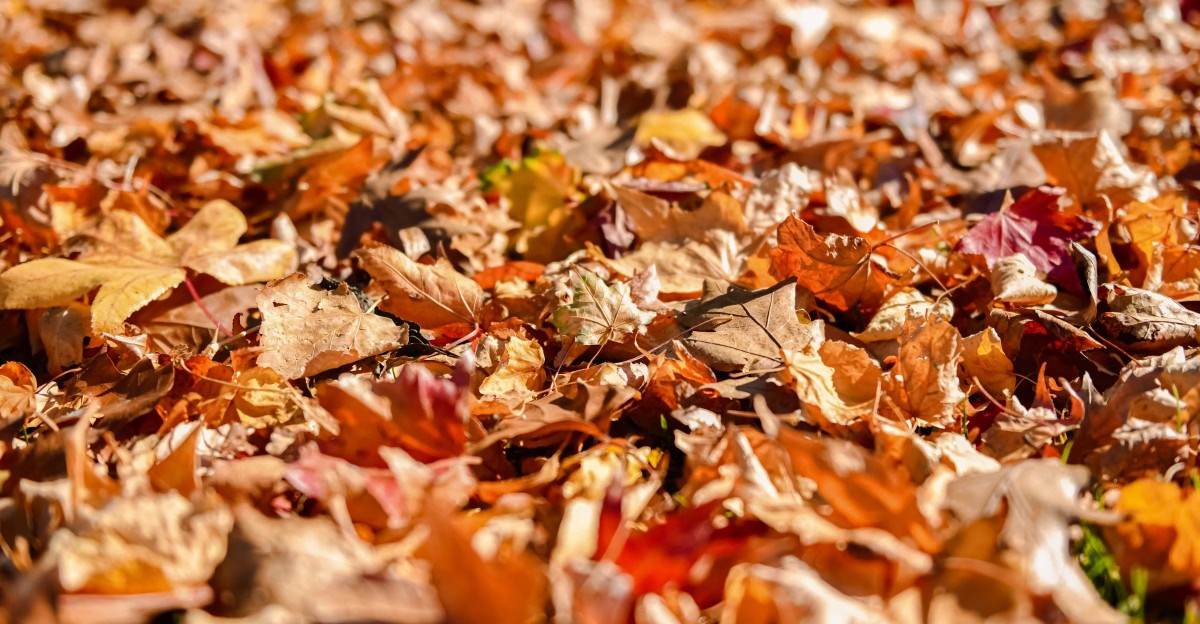
Luna moth cocoons often tumble from trees in autumn and spend winter disguised as crumpled brown litter on the ground. One careless swipe of a rake can send those sleeping green beauties straight into a trash bag.
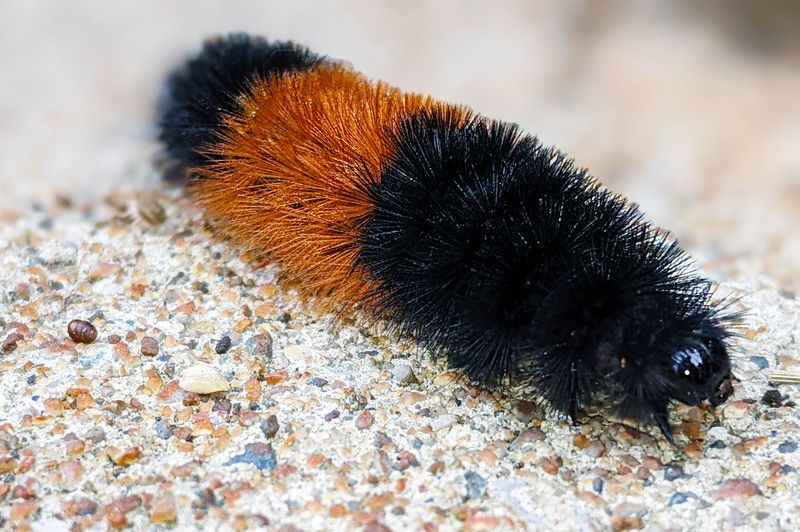
Woolly bear caterpillars do something similar, freezing solid under that crunchy cover and thawing out when spring arrives. Earthworms and soil fungi wait for that same seasonal gift, ready to turn it into dark, crumbly soil.
I skipped my usual autumn cleanup one year, mostly out of laziness, and the garden rewarded me anyway. You might notice more birds poking around and softer soil once you ease up on the tidying.
Science backs up much of what I saw, and some of the reasons genuinely surprised me. How much good could quietly happen if you simply set the rake down and walked away this year?
1. Fallen Leaves Feed Earthworms And Build Rich Soil
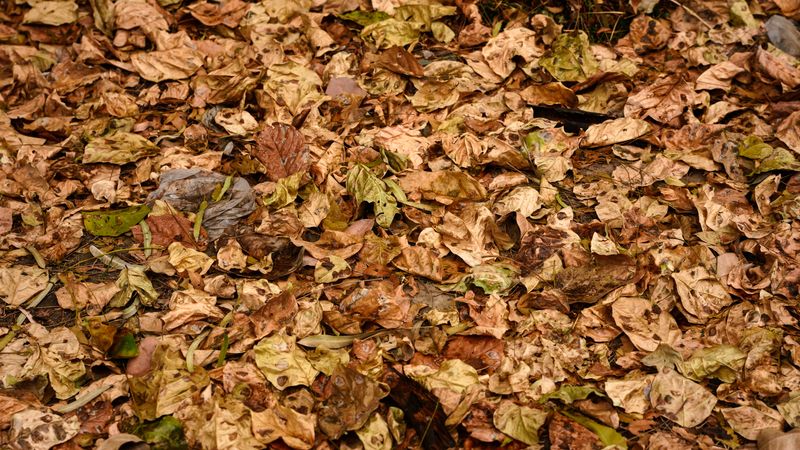
Earthworms treat a fallen leaf like a midnight snack, dragging it down into their burrows after dark. I once found dozens of leaf stems poking straight up from the soil like tiny flags.
Night crawlers really do this, pulling leaves underground and mixing their nutrients deep into the soil below. Their tunnels also let air and rainwater reach roots that would otherwise sit in packed, stuffy dirt.
Leaves hold a surprising amount of nutrients that trees pulled from the ground during the growing season. Minerals like calcium and potassium slowly return to your yard as fungi and bacteria break those leaves down.
Fungi do much of the heavy lifting, threading tiny white strands through damp leaf layers all winter long. You might spot those fuzzy white webs when you lift a soggy clump in early spring.
The result is humus, that dark crumbly material gardeners love for its earthy smell and spongy feel. Soil rich in humus holds nutrients better and stays loose enough for young roots to wander easily.
My advice is to rake leaves off the lawn and tuck them into nearby beds as free mulch. A layer two to three inches deep feeds worms without smothering perennials that need some light.
Shredding them first with a mower helps them break down faster and keeps them from forming soggy mats. By late spring, much of that layer has quietly disappeared into rich, dark, sweet-smelling soil below.
2. Woolly Bear Caterpillars And Firefly Larvae Sleep Under Leaf Litter
Lift a damp oak leaf in January and you might find a sleeping caterpillar curled up like a cinnamon roll. That tiny sight changed how I think about tidy yards and my whole fall cleanup routine.
Many moths and butterflies spend the cold months in leaf litter as eggs, caterpillars, pupae, or cocoons. Luna moth cocoons, for example, often drop to the ground and blend right in with brown leaves.
Woolly bear caterpillars, the fuzzy orange and black ones, tuck themselves under leaves and freeze solid until spring. The great spangled fritillary also overwinters as tiny caterpillars hidden in the litter near violets.
Firefly larvae hunt slugs and snails in moist leafy ground, and many spend winter tucked beneath that cover. Fewer leaves often means fewer of those glowing summer evenings that make backyard nights so magical.
Bumblebee queens dig small burrows just under the soil surface and appreciate a leafy blanket on top. Ground beetles and spiders shelter there as well, waiting to eat garden pests when warm weather returns.
Bagging leaves and hauling them away sends all those sleeping insects to the curb with the trash. Leaf blowers and heavy shredding can also harm critters hiding in the layers, so gentler handling matters.
Try leaving a leafy corner under trees or shrubs where nobody needs to walk or play. Wait until temperatures stay above fifty degrees in spring before tidying, giving sleepy insects time to wake.
3. Shredded Leaf Mulch Keeps Garden Beds Moist
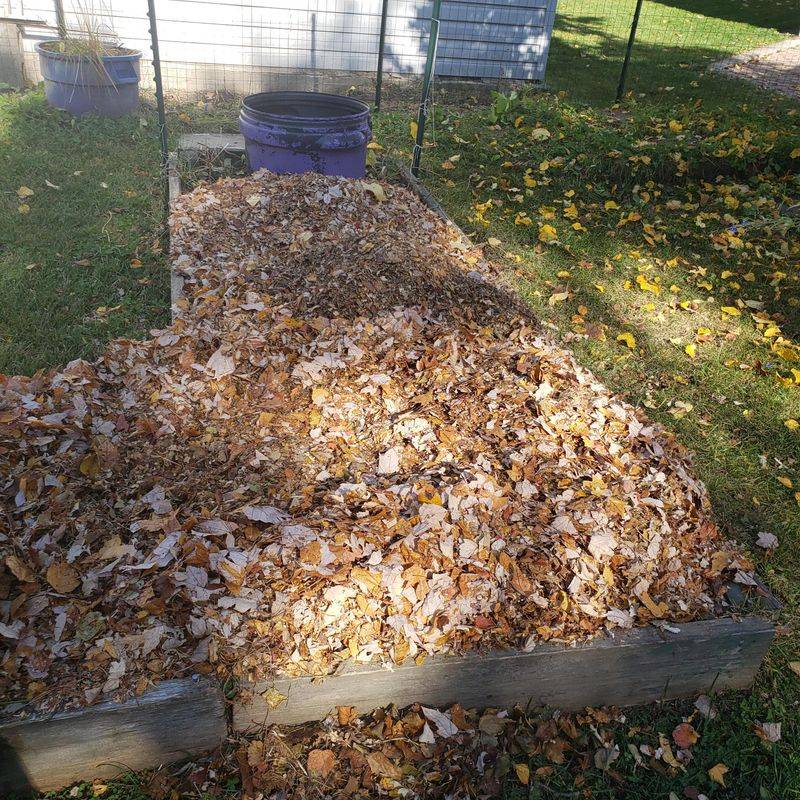
A pile of leaves after a rainstorm feels like a wet sponge, and that sponge effect is pure garden gold. I noticed my mulched beds stayed damp days longer than the bare patch near my driveway.
Leaf mulch shades the soil surface, which slows evaporation when sun and wind try to dry things out. Less water escapes into the air, so roots can drink longer between rain showers or watering sessions.
Rain also behaves differently when it lands on leaves instead of bare dirt or compacted ground. Drops hit the leaves gently and soak in slowly, rather than splashing soil around and running off downhill.
That slower soaking reduces erosion, keeping your precious topsoil right where it belongs during heavy storms and snowmelt. Bare beds often lose a surprising amount of dirt to runoff, especially on slopes or along walkways.
As leaves break down, the humus they create acts like a sponge inside the soil itself. Each bit of organic matter can hold several times its weight in water, which helps plants during dry spells.
Shredded leaves work best here because whole leaves, especially maple, can mat together and shed water like a roof. A quick pass with a mower turns a crunchy pile into fluffy mulch in minutes.
Spread two or three inches around shrubs and perennials, keeping it a few inches away from stems. Your watering can and garden hose will both get a well-earned break once summer heat arrives.
4. A Leafy Blanket Shields Perennial Roots From Winter Cold
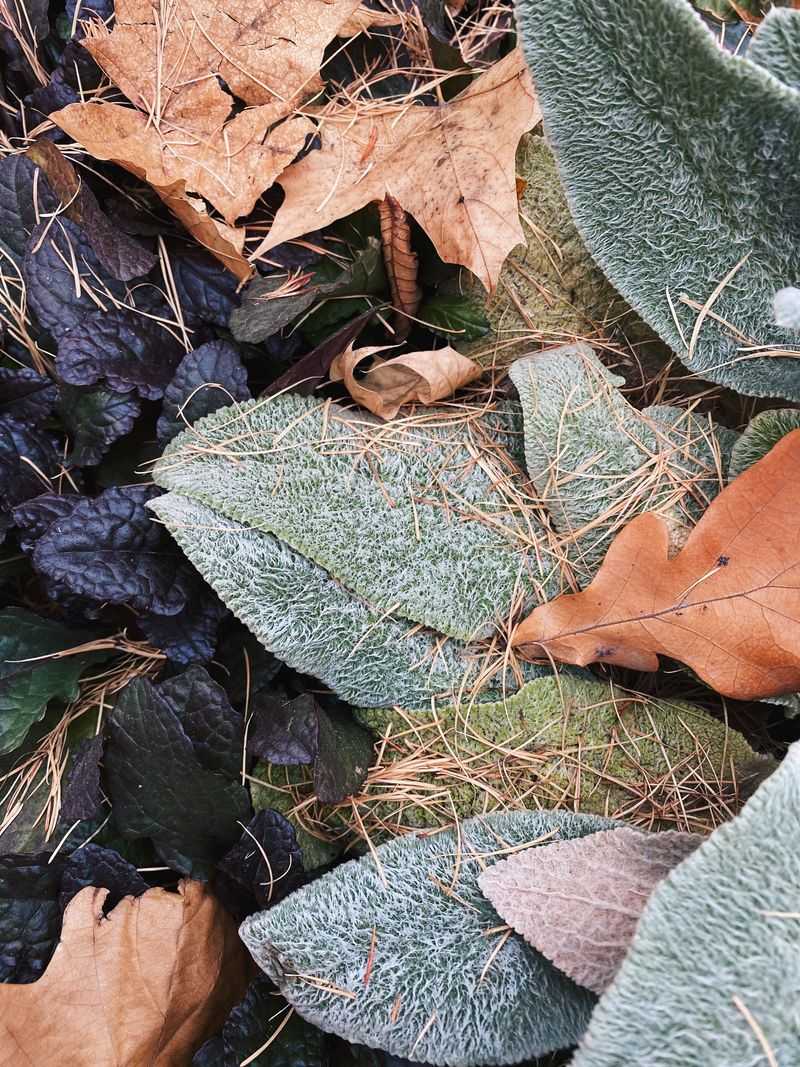
Snow is famous for insulating plants, but a fluffy layer of leaves does a similar job when snow stays away. I think of it as a cozy quilt tucked over the garden for the chilly months.
Soil under leaf mulch swings less between freezing and thawing than bare ground exposed to wind and sun. Those swings cause frost heaving, which can push shallow-rooted perennials right up out of the soil.
Coral bells and freshly planted perennials are especially prone to heaving during mild winters with frequent thaws. A light leafy cover helps keep their roots snug and steady until spring growth starts up again.
Leaves also trap air between their layers, and that trapped air acts as insulation over the soil. It works much like the puffy jacket you grab before heading outside on a frosty morning.
Wait until the ground has cooled a bit before piling leaves around tender plants for winter protection. Mulching too early can keep soil warm and encourage critters like voles to nest near your plants.
Keep leaves loose around crowns rather than packed tightly on top, since heavy wet mats can cause rot. Evergreen perennials need air circulation, so a lighter sprinkle works better around those leafy clumps.
In spring, gently pull the extra leaves aside as new shoots emerge and soil begins warming up. Leave the rest as mulch, and your plants will thank you with a strong, healthy start.
5. Towhees And Juncos Forage For Insects In Leaf Piles
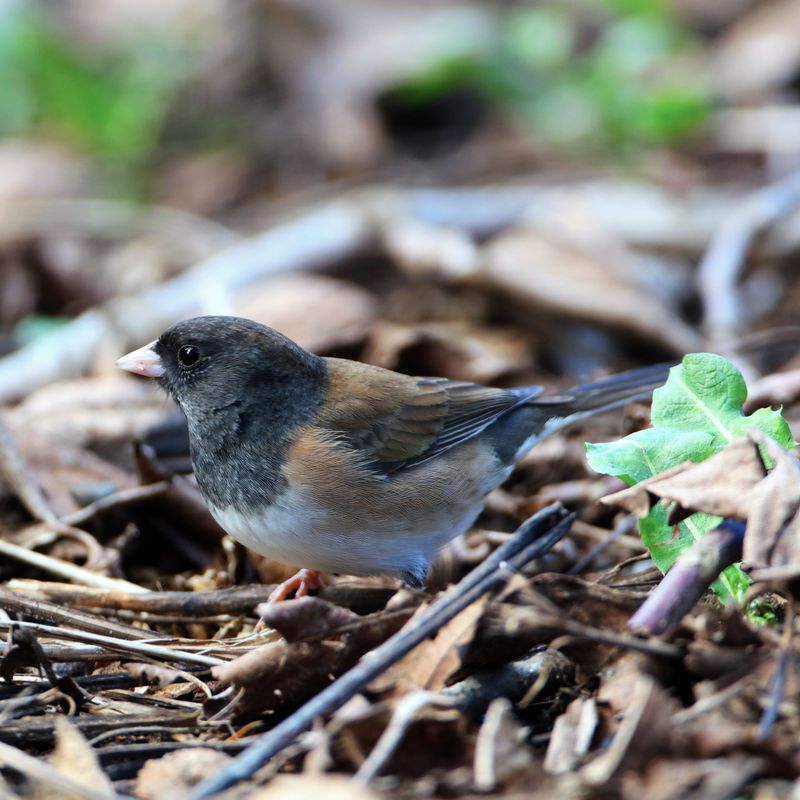
Watch a towhee kick through leaves for a few minutes, and you may stop calling them messy. That bold little backward hop-and-scratch is how this sparrow relative uncovers hidden meals all winter long.
Leaf litter works like a buffet, packed with insect eggs and sleepy caterpillars that hungry birds hunt down. Dark-eyed juncos and hermit thrushes often forage on leafy ground once berries and seeds become harder to find.
Spring brings an even bigger payoff, because most backyard songbirds feed their babies insects rather than seeds. Research by entomologist Doug Tallamy found a single chickadee nest can need thousands of caterpillars before fledging.
Many of those caterpillars came from moths that spent winter safely hidden in your leaf litter. Remove the leaves, and you may be removing next spring’s baby bird food without even realizing it.
American robins also love worm-rich soil under leaf mulch, and they often probe there once ground thaws. I enjoy watching them hop through my shrub beds, tilting their heads and watching the ground closely.
Try leaving leaves beneath shrubs and hedges, where birds feel safer from hawks while they forage. Those protected spots let shy species feed calmly without darting nervously across wide, open lawns to find cover.
A simple brush pile beside the leafy area adds even more shelter during cold and windy nights. Pair that with a birdbath, and your yard becomes a favorite winter hangout for feathered neighbors.
6. Shredded Leaves Keep Weeds Out Of Vegetable Beds
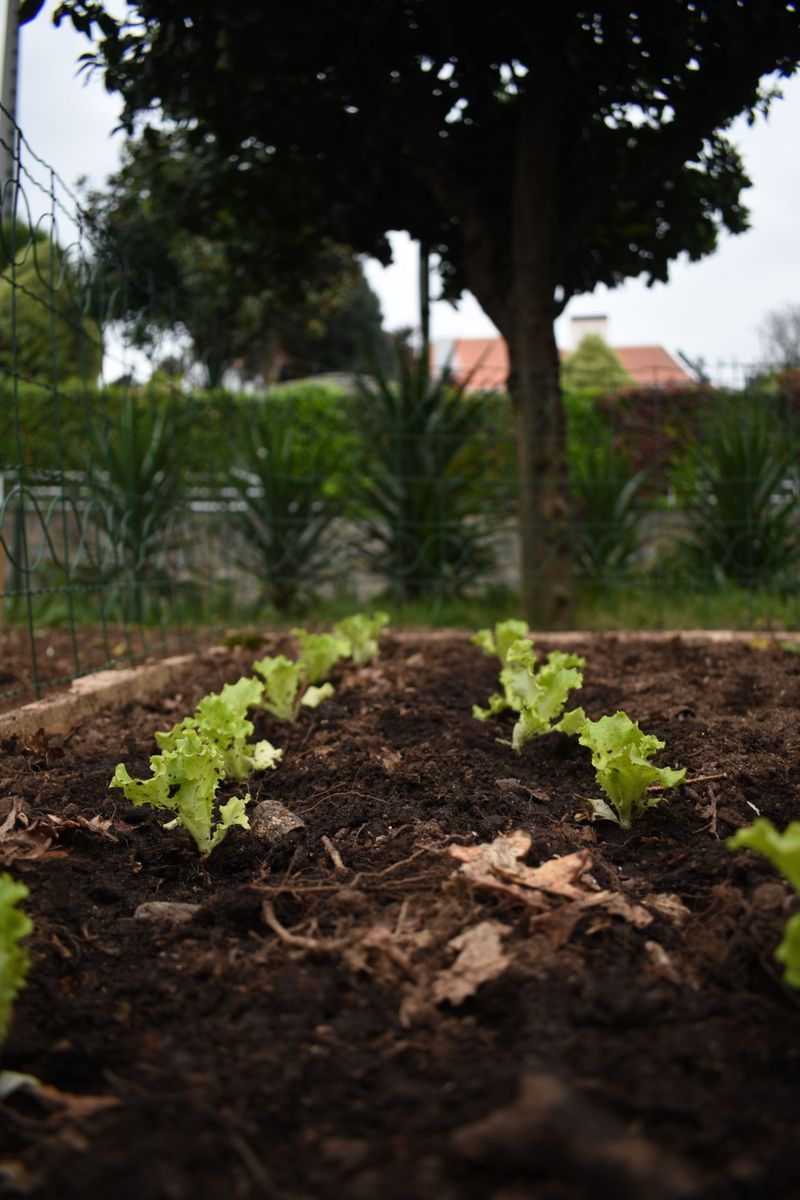
Weed seeds are sun worshippers, and many need a flash of light to sprout in spring. A thick blanket of shredded leaves keeps them in the dark, which suits me just fine.
Crabgrass and many other annual weeds germinate near the soil surface, where light and warmth reach them easily. Cover that surface with mulch, and far fewer of those troublemakers manage to break through each spring.
Shredded leaves make an excellent free mulch for vegetable gardens and the bare spaces around young trees. Aim for about three inches, which blocks light while still letting rain filter down to roots below.
Any weeds that do poke through are usually easier to pull, because the soil underneath stays soft and moist. I spend far less time on my knees weeding since I started using leaves in my beds.
Avoid piling whole leaves too thickly around delicate seedlings, since dense mats can block them along with weeds. Shredding solves this problem by creating smaller pieces that settle loosely and let shoots through.
Black walnut leaves contain juglone, a natural compound that can harm tomatoes and some other sensitive plants. Compost those separately or use them only around plants known to tolerate walnut trees nearby.
Store extra bags of shredded leaves behind the garage for spring topping when beds look thin. Your future self will appreciate having free mulch ready instead of buying bags from the store.
7. Fewer Paper Leaf Bags Head To The Landfill
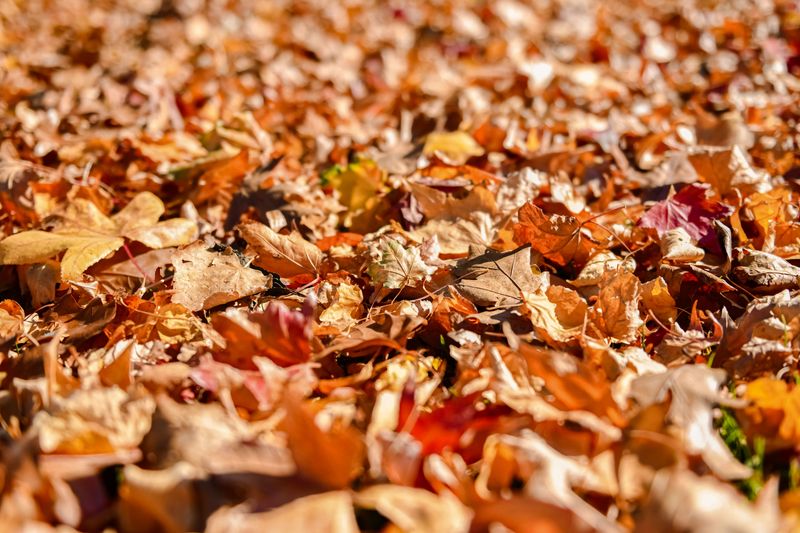
Every fall, curbs across America fill with paper bags stuffed full of leaves waiting for the truck. I used to haul out a dozen bags myself before realizing I was giving away free garden gold.
According to the EPA, yard trimmings made up millions of tons of landfill waste in recent years. Leaves buried in landfills break down without much oxygen, which releases methane, a powerful greenhouse gas.
Many towns now collect leaves for composting instead, which helps, but trucks still burn fuel driving around. Keeping leaves on your own property cuts out those trips and keeps nutrients right where they started.
Some states and cities even ban yard waste from regular trash, so check your local rules first. Those laws exist because leaves take up valuable landfill space that communities would rather save for other trash.
Your wallet benefits as well, since you can skip buying paper bags and bagged mulch every year. Those savings add up quickly, especially if you have big shade trees dropping leaves every single autumn.
Gas leaf blowers burn fuel and create noise, while long raking sessions eat up precious weekend hours too. Letting leaves stay in beds, or mowing them in place, trims that workload down to something manageable.
Start a simple wire leaf bin if you have more leaves than your beds can handle. In a year or two, that pile becomes leaf mold, a soft, earthy soil booster gardeners treasure.
8. Mowing Leaves Into The Lawn Feeds The Grass
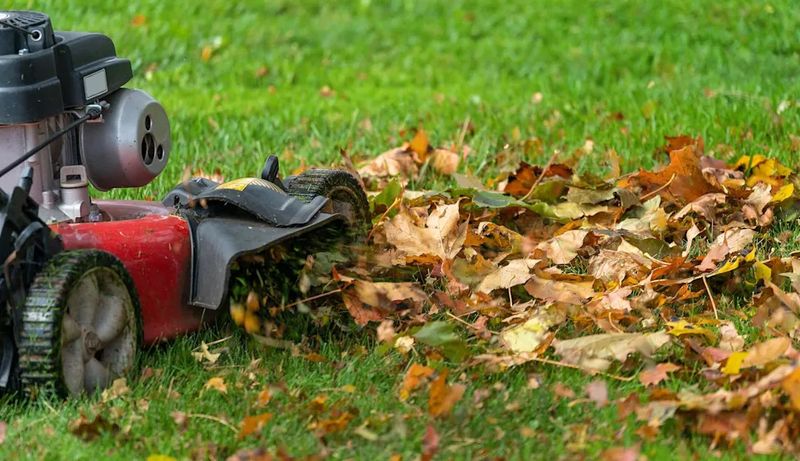
Your lawn mower might be the best leaf tool you already own, and the results surprised me. One fall, I skipped raking and mowed the leaves into confetti, and the grass looked greener come spring.
Researchers at Michigan State University studied mowing maple and oak leaves directly into turf over several years. They found shredded leaves caused no harm to the grass, and some plots even showed fewer dandelions.
Those tiny leaf bits slip down between grass blades and break down quickly, feeding the soil underneath. Earthworms and microbes take over from there, turning leaf scraps into organic matter your lawn can use.
The trick is mowing while leaves are dry and you can still see some grass peeking through. If leaves cover the lawn more than a few inches deep, rake some into beds first.
Thick, unshredded leaf mats on grass can block sunlight and invite snow mold, so lawns need attention. Grass is the one spot where leaving leaves untouched usually causes more trouble than benefit.
A mulching blade or mulching kit helps chop leaves finer, though a regular mower works with extra passes. Set the mower a bit high and go over the area two or three times if needed.
When you finish, the yard should look tidy with small leaf flecks scattered between the blades. Within a week or two, most of those flecks disappear, and your lawn quietly gets a free meal.