That Pale Spider On Your Indiana Ceiling Moved In For Winter And It Bites
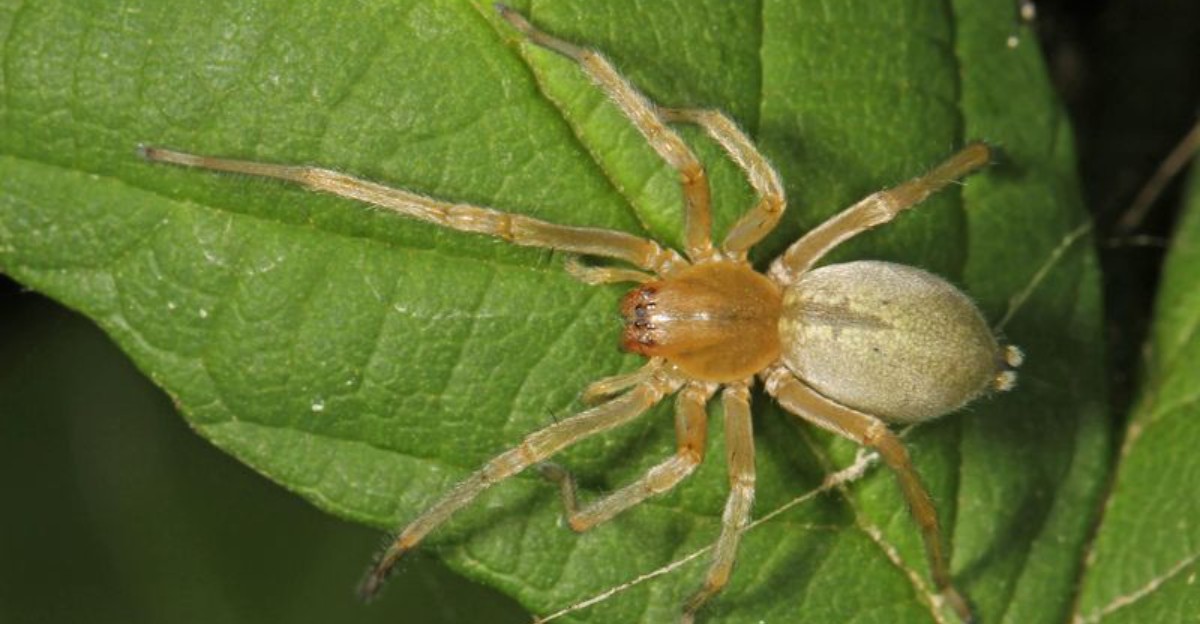
A spider the size of a pencil eraser is one of the most common biters in American homes. It spins no web to catch dinner. It simply walks across your ceiling at night and hunts.
In Indiana, I notice these little wanderers more once the tomato vines are pulled and the nights turn cold. Their bodies look pale, almost like candle wax. Their dark mouthparts look like tiny smudges of mascara.
I believe most of us react the same way. We spot one above the bed, freeze, and wonder if it will drop on us at 2 a.m. You deserve a better answer than a panicked swat with a slipper.
Some pale ceiling spiders are harmless roommates. One can give you a sore little nip. So which one is staring down at you tonight?
That Pale Yellow Spider Crawling Across Your Ceiling Has A Name
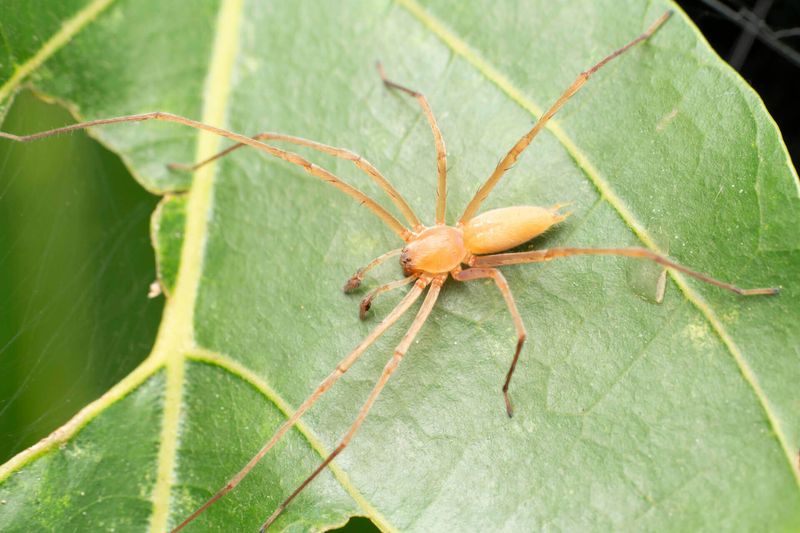
Odds are good you are looking at a yellow sac spider. These small hunters belong to the genus Cheiracanthium, and their bodies range from pale cream to light greenish yellow.
A few clues make them easy to spot. Their legs look slightly darker at the tips, and their jaws are a deep brown that stands out against that washed-out body. Most adults measure about a quarter inch long, not counting the legs.
You will usually catch them at night. They roam walls and ceilings looking for small insects, then hide by day in a tiny silk pouch tucked into a corner, behind a picture frame, or where the wall meets the ceiling.
That little white sac is the giveaway. Yellow sac spiders do not build webs for catching prey, so if you see a pale spider walking with purpose instead of sitting in a messy web, this is your likely suspect.
I find it oddly charming once you know what it is. It is a tiny night patrol officer, quietly working the room while you sleep. Still, it is worth knowing a little more about it before you decide whether to share your space.
Yes, A Yellow Sac Spider Bite Can Sting A Bit
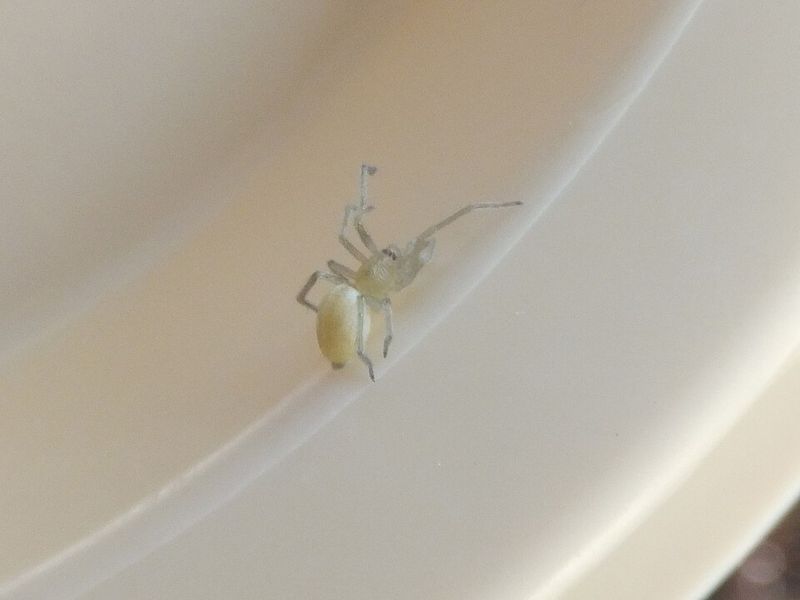
Here is the honest answer to the biting question. Yellow sac spiders are often listed among the spiders most responsible for bites in the United States, mostly because they wander into beds, clothes, and gloves.
A bite usually happens when the spider gets trapped against your skin. Folks describe it as a sharp pinprick or a burning feeling. Some people barely notice it at first, and the soreness shows up later.
Typical reactions include redness, swelling, and sometimes a small blister or rash. In rare cases, a bite can form a small open sore, though it is generally milder than a brown recluse wound.
The vast majority of bites heal on their own within days. Wash the spot with soap and water, use a cool compress, and keep an eye on it.
Call a doctor if redness keeps spreading, the area grows more painful, or you feel sick. Poison Control is also a free, friendly resource at 1-800-222-1222. Personally, I would rather make a quick call than spend the night worrying over a red bump.
Cold Nights Push Spiders And Their Insect Snacks Indoors
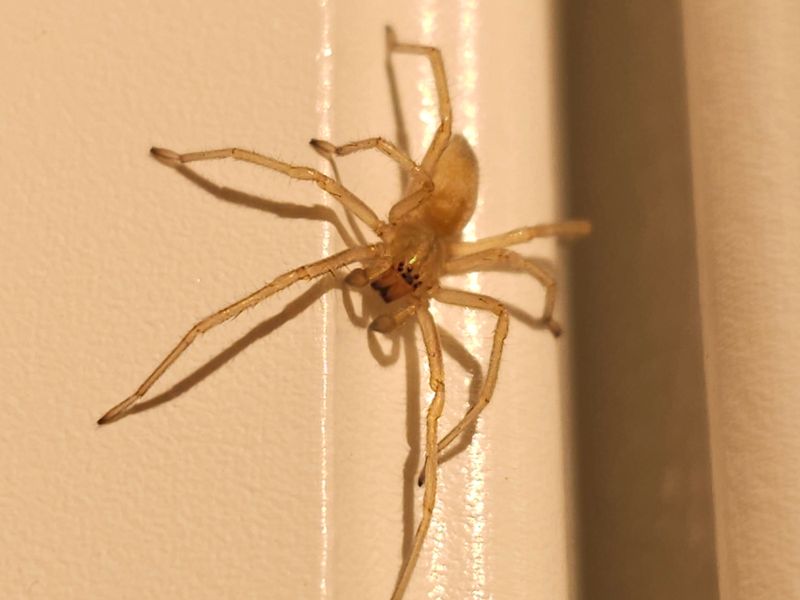
Fall in the Hoosier State brings a noticeable jump in indoor spider sightings. The reason is mostly about food and shelter, not a sudden invasion.
When temperatures slide, many insects squeeze inside through gaps around doors and windows. Spiders follow the buffet. Your warm, steady indoor climate also beats a frosty woodpile any day.
Yellow sac spiders are a good example. During warm months, many live outside on shrubs and garden plants. As the season shifts, some slip indoors and set up those little silk retreats in quiet upper corners.
Plenty of house spiders actually live inside all year. You just see them more in cooler months, because changes in humidity, prey, and household activity bring them into view.
So that ceiling visitor may not be new at all. It might have been there since summer, and the shorter days simply put it on your radar.
I like knowing this, because it takes the creepy edge off. The spider is following the same instinct that sends us reaching for a sweater and a warm kitchen.
Daddy Longlegs In The Corner Is A Different Story
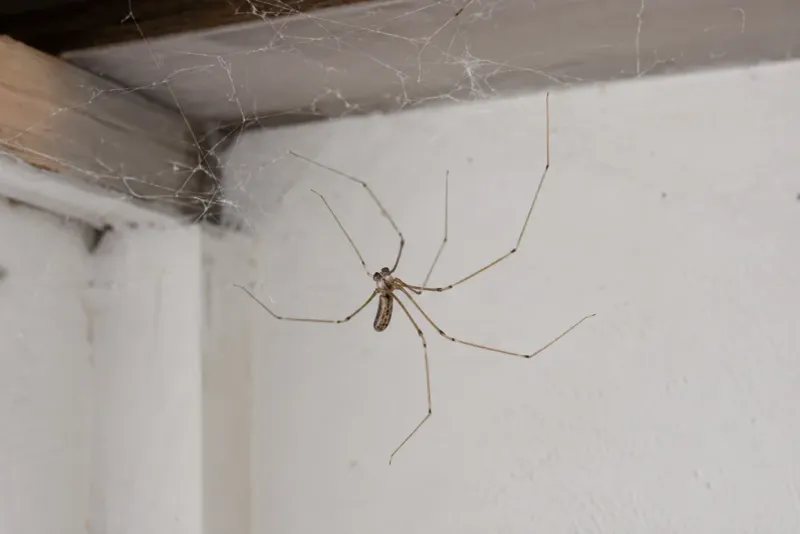
Not every pale ceiling spider is a sac spider. If yours has a tiny body and legs that look like stretched-out thread, you have probably met a long-bodied cellar spider.
Many people call these daddy longlegs. Their bodies are pale yellow, tan, or gray and almost see-through. They hang upside down in loose, scraggly webs in basements, garages, attics, and ceiling corners.
These spiders are about as low-risk as house guests get. Their fangs are very small, bites are extremely rare, and they are not considered medically significant.
Fun fact: when disturbed, a cellar spider may shake its web so fast that it becomes a blur. Scientists think this helps confuse predators.
They even eat other spiders, which is either delightful or alarming depending on your point of view. I tend to leave one or two in the basement as unpaid pest control.
If the webs drive you nuts, a vacuum with a long wand handles them easily. Just know that this pale ceiling dweller is not the one behind that itchy morning bump.
Ghost Spiders Can Pass For Sac Spider Twins
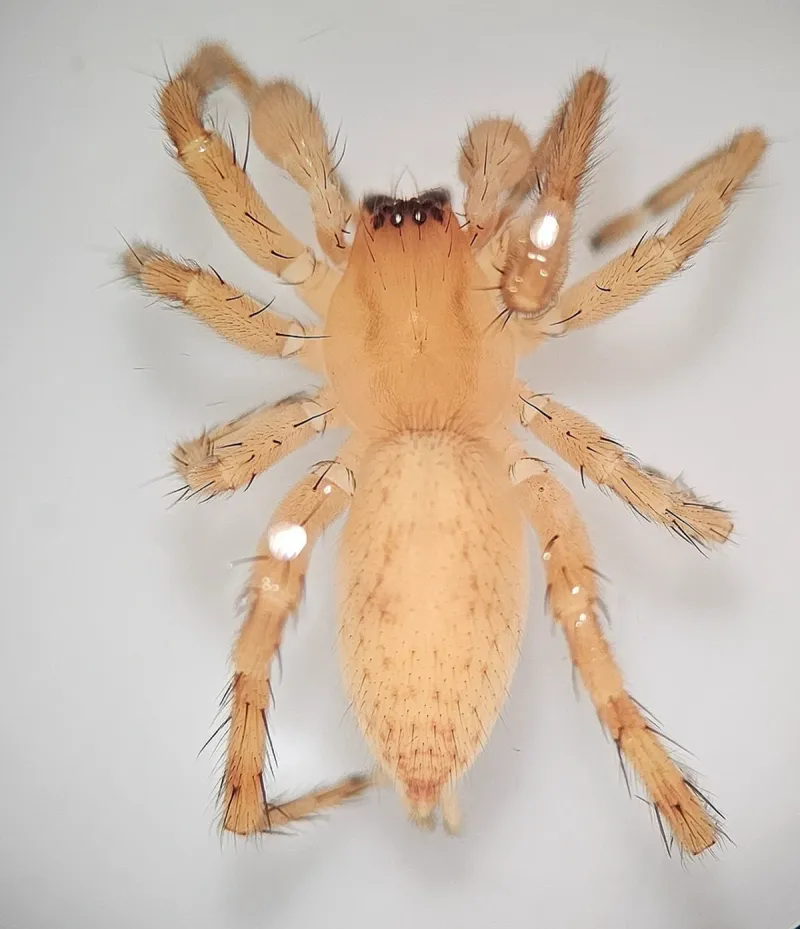
Nature loves a good look-alike. Ghost spiders, from the family Anyphaenidae, are pale hunters in shades of beige, yellow, or greenish yellow, and several kinds live in Indiana.
Like sac spiders, they skip web building. They roam at night and rest in small silk retreats, which makes them easy to mix up with their yellow cousins.
Many ghost spiders spend winter outdoors as young spiders tucked under loose bark or among plants. Now and then, one wanders inside, often riding in on firewood, potted plants, or a garden basket.
Their bite is usually no big deal. People compare it to a pinprick or bee sting, with brief swelling or soreness at most.
Telling them apart from sac spiders takes a magnifying glass and some patience. Honestly, you do not need a perfect ID for this pair, since your response is the same for both.
Give it a ride outside in a cup or gently relocate it. Then check plants and firewood before bringing them indoors, which cuts down on surprise passengers.
Know The Brown Recluse And Black Widow On Sight
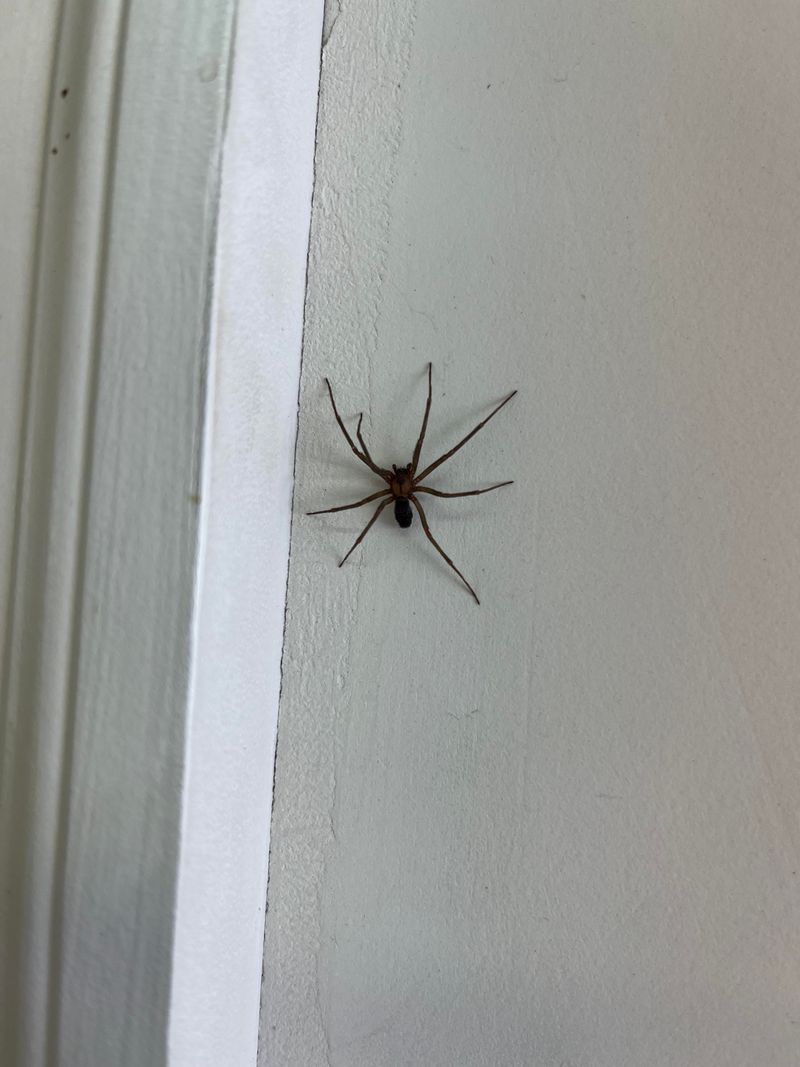
Indiana is home to hundreds of spider species, yet only two can cause medically serious bites. Those are the brown recluse and the black widow.
The brown recluse ranges from light tan to reddish brown, with a darker violin-shaped mark on its back. It prefers undisturbed spaces like cluttered closets, attics, and stored boxes. Its bite can damage skin tissue and needs prompt medical care.
Black widows are glossy black with a red or yellow hourglass under the round abdomen. They favor woodpiles, sheds, and garages, and they rarely move into living areas.
A widow bite can bring strong pain, muscle cramps, sweating, and nausea. Seek medical help right away if that happens.
Neither spider goes looking for trouble. Most bites occur when one gets pressed against skin, like when you slide on an old boot or reach into a dim box.
Pale, see-through ceiling crawlers are not these two. Still, knowing both by sight gives you real peace of mind when cleaning out the garage this winter.
That Red Bump Might Not Be A Spider Bite After All
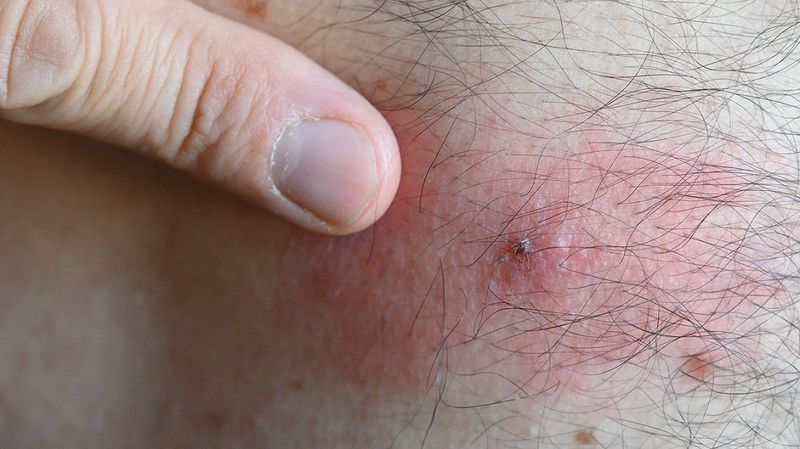
Plenty of mystery bumps get blamed on spiders. Medical experts and entomologists point out that many skin reactions pinned on spiders actually come from something else.
Common culprits include bacterial skin infections, ingrown hairs, allergic reactions, and bites from fleas, mosquitoes, or bed bugs. Some skin infections can even look a lot like a so-called spider wound.
That matters, because the right treatment depends on the real cause. A spreading infection, for instance, may need antibiotics instead of waiting it out.
Unless you actually saw a spider bite you, keep an open mind. If you did catch it in the act, try to trap the spider in a jar or snap a clear photo for identification.
Watch for warning signs either way. These include fever, red streaks, growing pain, a sore that keeps getting bigger, or muscle cramps.
When any of those show up, see a doctor. I would rather hear that my scary bite was just a mosquito than ignore something that needs attention.
Seal The Cracks And Your Ceiling Spiders Will Thin Out

A few weekend chores can make a real difference. Fewer gaps and fewer insects mean fewer pale spiders strolling overhead.
Start outside. Caulk cracks around windows and foundations, add weather stripping to doors, and fix torn screens. Pull mulch, leaf piles, and firewood a few feet away from the walls.
Trim shrubs so branches do not touch the house. Sac spiders love garden plants, so a little breathing room between beds and siding helps.
Inside, cut clutter in closets, basements, and storage rooms. Swap cardboard boxes for sealed plastic bins, and shake out shoes, gloves, and garden jackets before wearing them.
Move beds slightly away from walls and keep bedding off the floor. That simple step keeps wandering hunters from climbing in with you.
A vacuum handles webs, egg sacs, and the occasional spider without harsh sprays. Fewer indoor insects also means less food, so spiders tend to move along.
My final tip is to relax a little. Most of these small hunters do quiet pest control, and a bit of tidying helps you share your home without the midnight jitters.