8 Things in Arizona Yards That Draw Termites Toward the House After Rain
A single monsoon storm can send thousands of winged insects pouring from cracks in dry desert dirt. They flutter briefly, drop their wings on your patio, then hunt for damp places to start new families.
Those papery wings are a clue that hungry colonies were working just beneath your yard all along. What surprises me most is how a few inches of wet soil can steer them straight toward your walls.
I have to admit that my own garden once rolled out a welcome mat without my noticing. The culprits were ordinary things like mulch and a dripping hose bib, sitting quietly beside the foundation.
October is a smart month in Arizona for walking the yard while cooler air makes chores pleasant again. So which everyday features in your landscape are quietly inviting these underground diners closer to the house?
1. Wood Mulch Piled Against The Foundation
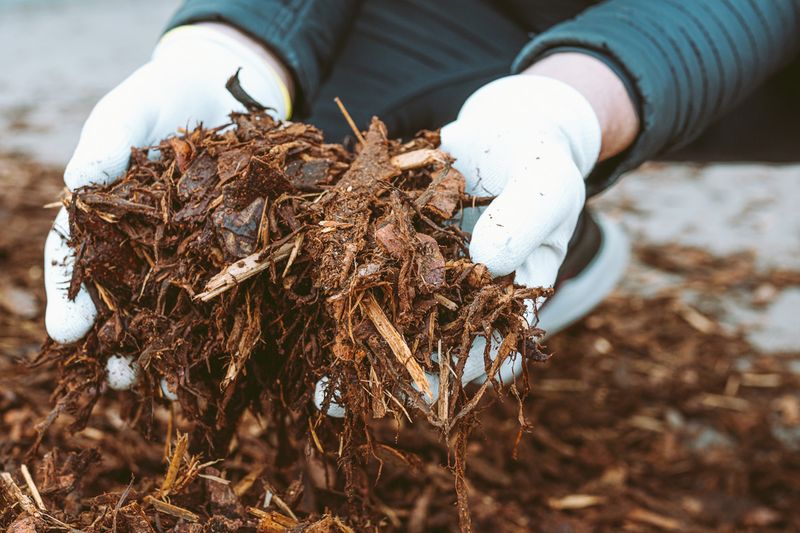
Shredded bark looks tidy around a foundation, yet it behaves like a giant sponge after every summer cloudburst. I love mulch for keeping roots cool, but piled against stucco, it holds dampness right where you least want it.
Desert subterranean termites travel through moist soil, and the cool layer under mulch gives them shelter from blazing sun. They can tunnel beneath the bark and reach your slab or wall without ever stepping into open air.
Pest experts commonly suggest keeping a clear strip about twelve inches wide between any wood mulch and the foundation. You can fill that gap with decomposed granite or river rock, which drains fast and stays much drier.
Organic mulch still has a place around your trees and shrubs farther out in the yard, where moisture helps plants. Just keep the layer around two to three inches deep so the soil underneath can breathe between waterings.
This month is a great time to rake bark back from walls before winter rains arrive and soak everything again. Personally, I find the bare gravel border also makes it easier to spot mud tubes climbing up the stem wall.
2. Firewood Stacked Directly On The Ground
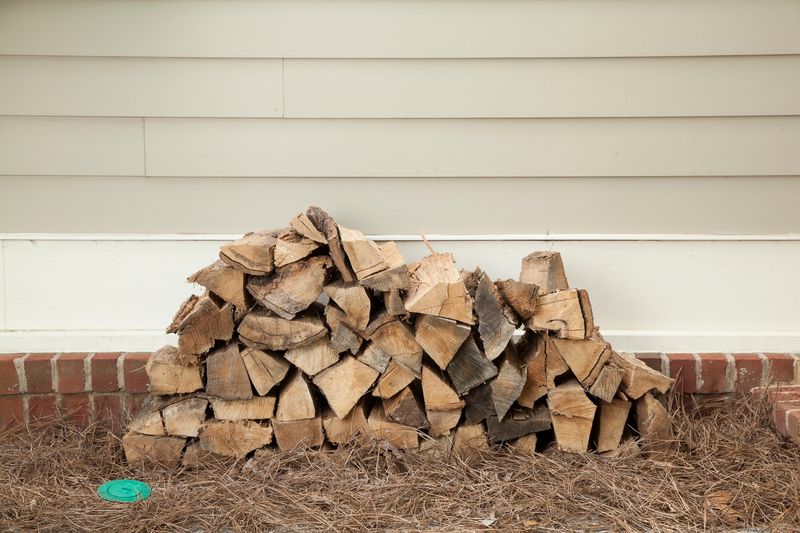
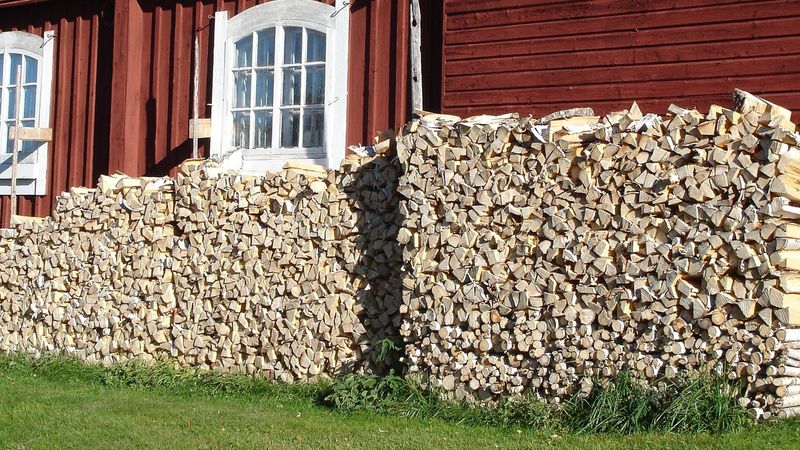
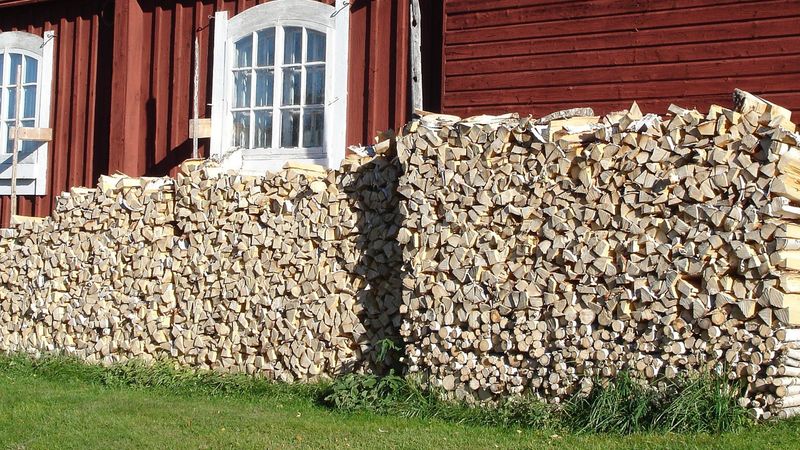
Nothing says cozy desert evening like a fire pit, but that handy woodpile might be feeding more than flames. Logs sitting on bare dirt soak up rain from below, softening the fibers into an easy meal for hungry colonies.
Termites love a stack like this because it offers food and shade plus steady moisture in one tidy package. Once a colony settles into the pile, your house siding can look like the next logical stop on the menu.
Most pest professionals recommend storing firewood at least twenty feet from the home and raising it off the soil. A simple metal rack or a few concrete blocks lifts the bottom row and lets air move underneath.
Leftover lumber and soggy cardboard boxes deserve the same treatment, since both contain the cellulose termites seek out. I keep scrap boards in a shed now instead of leaning them against the garage where they used to sit.
With fire pit season starting this fall, take a moment to check your woodpile before bringing an armload indoors. Look for mud streaks or hollow pieces, and burn the oldest wood first so nothing sits around for years.
3. Low Spots Where Rainwater Pools Near Walls
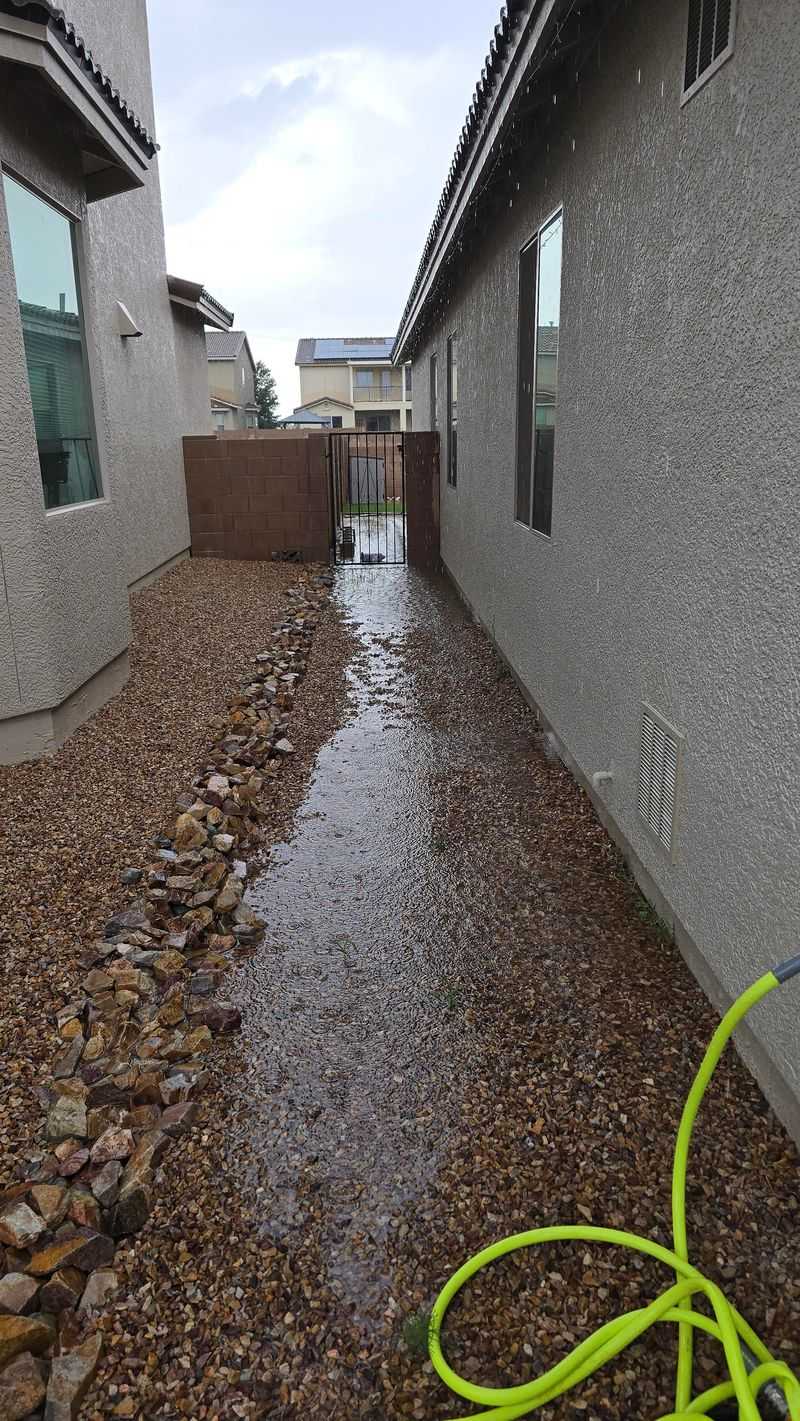
Ever watched a monsoon downpour turn your side yard into a shallow pond within minutes of the first thunderclap? Hard desert soil and caliche often shed water instead of absorbing it, so puddles collect wherever the ground dips.
When those puddles sit beside the house, the soil stays soaked long after the sky clears and the sun returns. Damp earth is easier for termites to dig through, and it helps them build the mud tubes they travel inside.
Your yard should slope gently away from the foundation so runoff heads toward the street or a planted basin. Many builders aim for roughly six inches of fall over the first ten feet, which feels subtle but works.
I like turning problem areas into small rain gardens filled with native plants like desert milkweed or deer grass. Placing them well away from walls lets your landscape drink the runoff instead of handing it to underground pests.
October is a comfortable month to grab a shovel and fill low spots near the walls with compacted soil. Wait for the next storm, then walk outside and see whether water now flows where you planned it to go.
4. Dripping Hose Bibs And Leaky Drip Lines
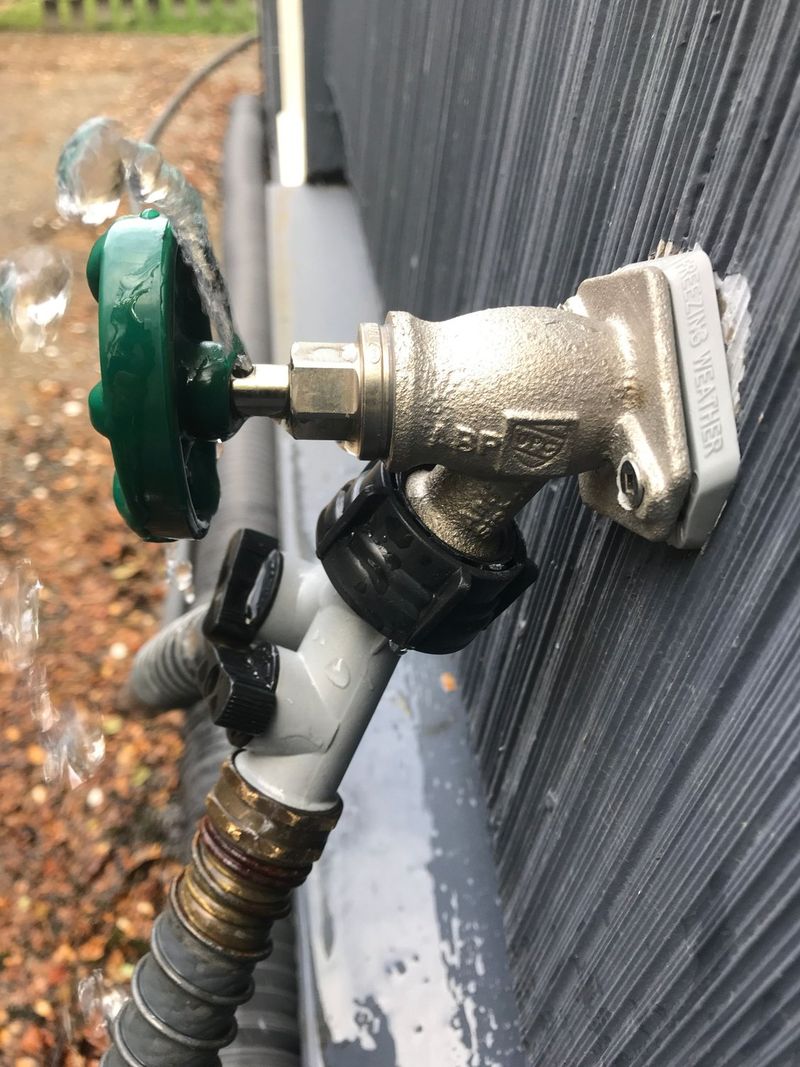
A slow drip from an outdoor faucet seems harmless, but it can create a permanently damp patch in otherwise parched ground. In dry desert soil, that tiny wet circle stands out to termites like an oasis glowing on a map.
Irrigation systems cause similar trouble when emitters crack or a sprinkler head snaps under a careless lawnmower wheel. Each leak keeps soil moist day after day, which encourages foraging tunnels to creep closer to your foundation.
You might notice the warning signs as unusually green weeds or a soggy spot that refuses to dry out. Those clues deserve a closer look, especially when they appear within a few feet of the house itself.
Personally, I walk my drip system each fall while it runs, listening for hisses and watching for little geysers. Replacing a cracked emitter takes minutes and costs very little compared with repairing termite damage inside a wall.
Cooler weather also means plants need less water, so this month is ideal for dialing back your irrigation timer. Point emitters at root zones rather than foundations, and move any lines that run right alongside the stem wall.
5. Clogged Gutters And Short Downspouts
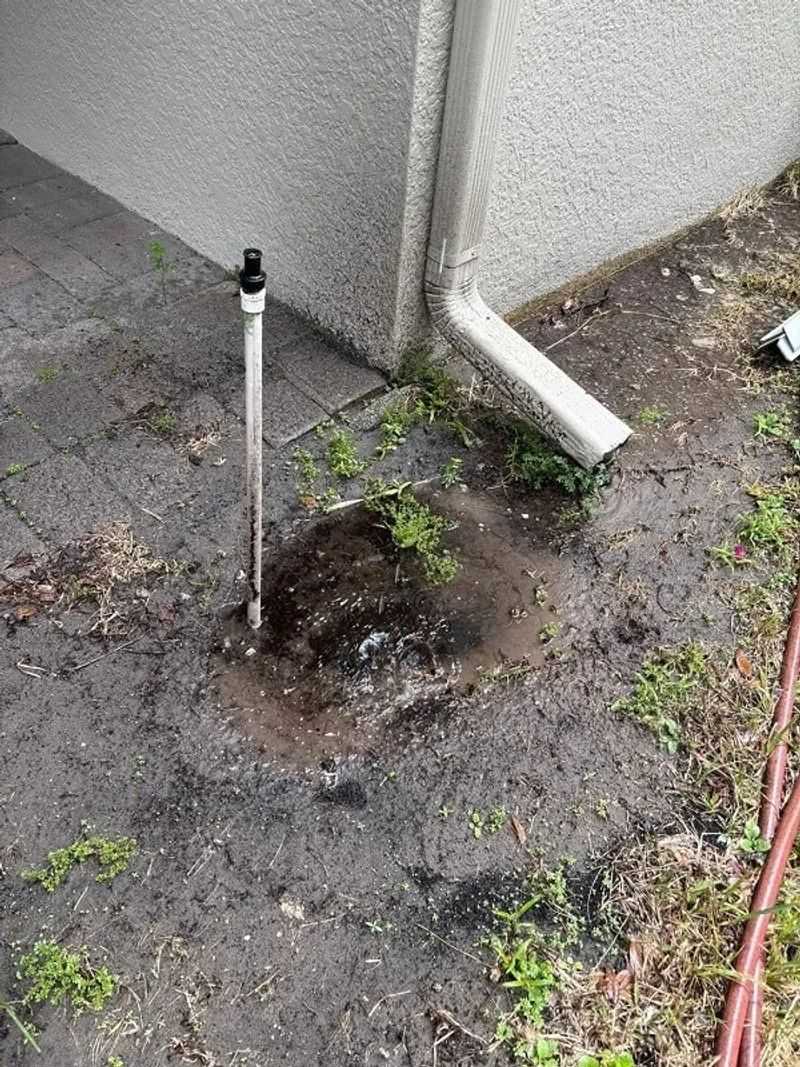
Plenty of desert homes skip gutters entirely, yet the ones that have them can cause trouble when neglected. A gutter packed with palo verde litter and dust overflows during storms, pouring a curtain of water against the foundation.
That concentrated runoff saturates a narrow band of soil right beside the house, exactly where you want things dry. Termites foraging nearby find that moist strip comfortable and may follow it straight to wood framing or door frames.
Downspouts matter just as much, because many end only inches from the wall and dump water in one spot. Adding an extension or splash block that carries water at least three feet away makes a real difference.
I have to admit that I used to ignore my gutters until a summer storm turned one corner into mud. Now I clean them every fall, after the monsoon season ends and before the gentler winter rains settle in.
Check after the next rain for stains on stucco or eroded soil, since those marks show where water is landing. A long flexible extension costs little, and you can tuck it into a gravel channel so it stays neat.
6. Wooden Planters And Landscape Timbers Touching Soil
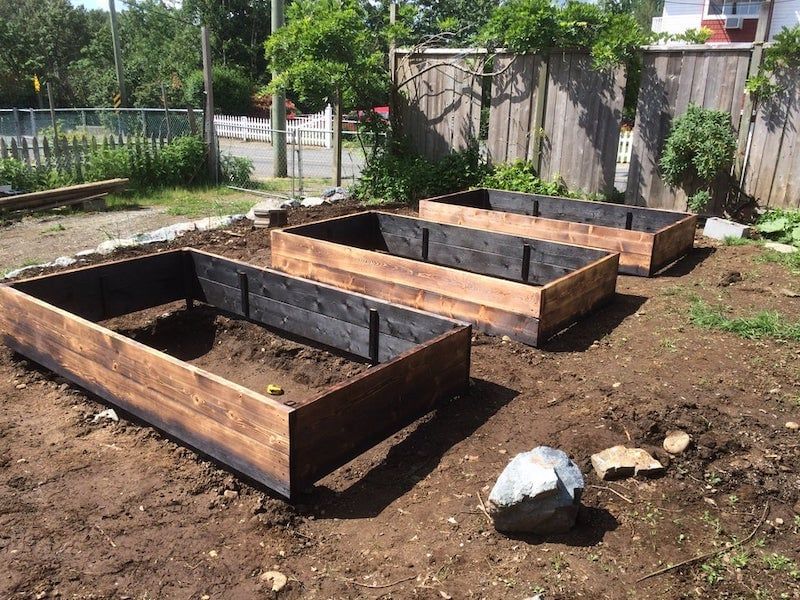
Raised beds made from untreated pine look charming, but termites see them as snack bars that come with built-in plumbing. Wood touching damp soil gives the insects a hidden doorway, letting them feed without ever leaving the ground.
Fence posts and trellises attached to the house can act like bridges from the yard right to your walls. Colonies often follow these structures quietly, so damage may go unnoticed until a board feels soft or hollow.
Experts commonly recommend keeping at least six inches between soil and any wooden parts of your home’s structure. If dirt or mulch has crept up over the years, pull it back so siding and door frames sit higher.
I prefer galvanized metal or concrete block, which holds up beautifully in desert heat and resists hungry insects. Native plantings like brittlebush and globe mallow thrive in those beds and also invite helpful pollinators into the yard.
Fall is a fine time to inspect existing planters while the weather is pleasant for kneeling in the garden. Poke the lower boards with a screwdriver, and replace any piece that feels spongy or shows mud along its seams.
7. Old Tree Stumps And Buried Roots
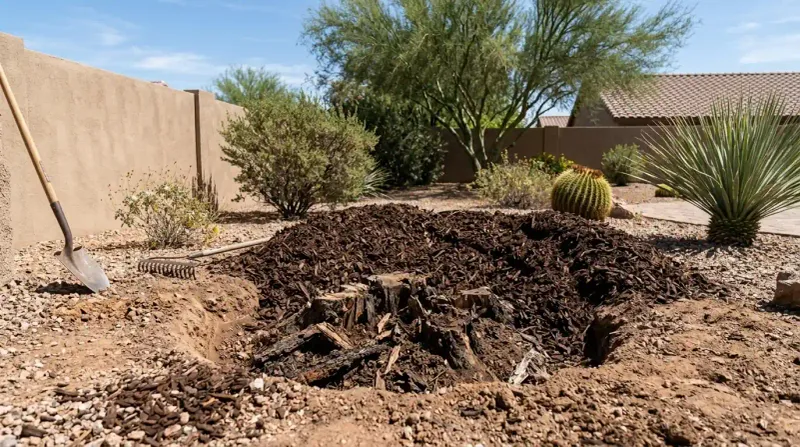
That stump left behind from an old mesquite or ash might seem like a harmless spot to rest a potted plant. Underground, though, decaying roots can feed a termite colony for years while the soil around them holds steady moisture.
Subterranean termites in Arizona naturally recycle woody debris, which is helpful out in the desert but risky near homes. A colony living in a stump several feet away may forage outward and eventually find your foundation after rain.
Stump grinding removes most of the wood, and you can dig larger roots near the house for peace of mind. Fill the hole with fresh soil rather than leaving wood chips behind, since those chips create a new buffet.
Construction debris buried during home building can cause the same issue, hiding boards and form stakes beneath the yard. I was surprised to learn how often scrap lumber ends up backfilled around new homes in desert subdivisions.
This month, take a slow lap around your property and note any shrubs that failed during the long summer heat. Removing those woody remains now, roots included, reduces food sources before the next season of storms rolls around.
8. Leaf Litter And Yard Debris Against The House
Termites mostly crave wood, but a soggy drift of leaves against your wall makes their commute far more comfortable. After rain, those piles trap moisture like a damp blanket and keep the soil beneath them cool for days.
Desert trees such as palo verde and mesquite shed tiny leaflets that blow into corners and collect along foundations. Combined with old cardboard or stray lumber, that debris builds a sheltered zone where foraging insects feel safe.
I like composting fallen leaves, but I keep my bin well away from the house and off bare wooden supports. A compost pile works wonderfully in a back corner, where it can feed your garden without inviting trouble indoors.
Wildlife lovers can still leave some leaf cover under trees, since lizards and helpful beetles use it for shelter. The trick is keeping that natural habitat out in the landscape rather than stacked against stucco or door thresholds.
Fall leaf drop picks up for some trees in cooler areas, so a quick weekly sweep along walls pays off. Keep a clear, dry border around your home, and you remove one more reason for termites to come knocking.