8 Common Reasons Your Christmas Cactus Is Dropping Its Buds in North Carolina
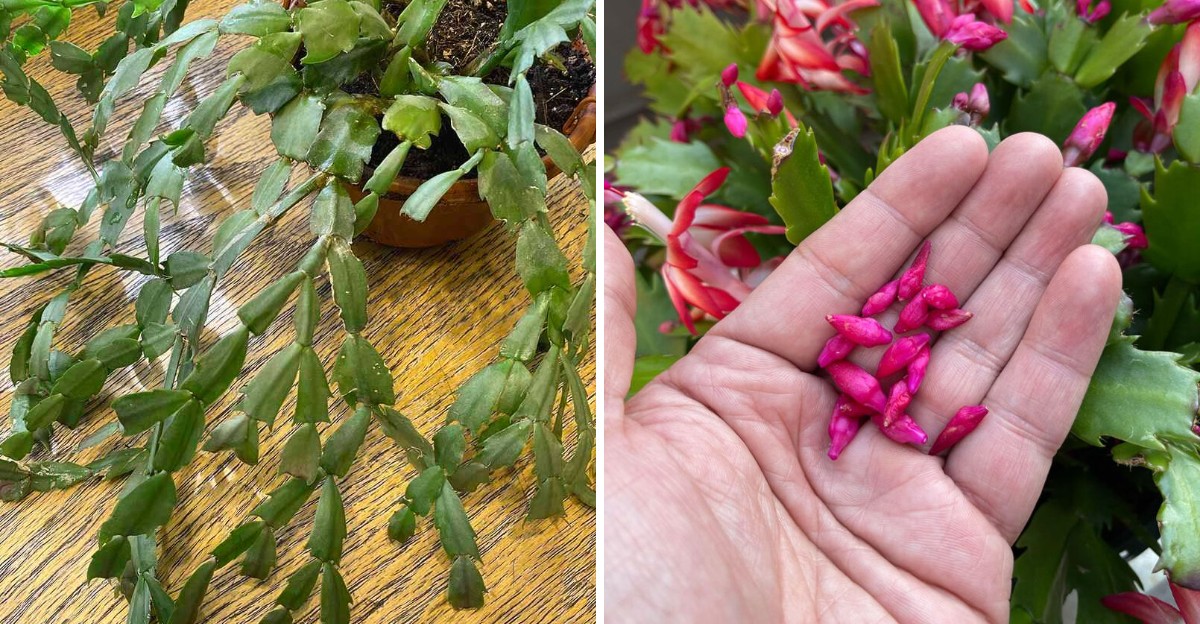
A single cold draft from an opened door can make a plant toss away weeks of flower buds overnight. That sudden loss feels personal, especially when those buds looked plump and ready to pop open any day now.
This plant grows wild in the misty coastal mountains of Brazil, perched on tree branches instead of soil. It expects steady warmth, soft light, and humid air, which our heated homes rarely offer during the cooler months.
I have to admit, I once moved my plant three feet and lost half its buds by morning. You might notice the same drama in North Carolina homes, where October nights turn chilly while afternoons stay warm.
The reasons behind this habit are surprisingly fixable once you know what the plant is trying to tell you.
1. Chilly Drafts And Heat Vents Shock Christmas Cactus Buds
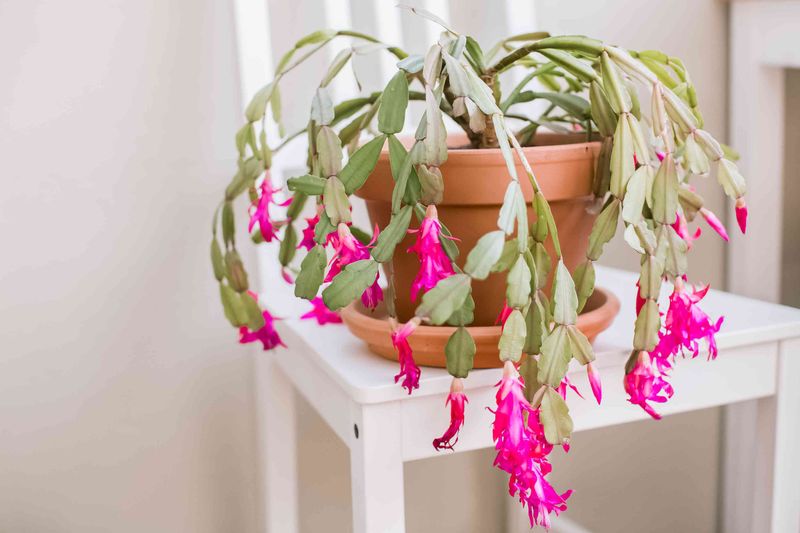
Every fall, my Christmas cactus acts like a houseguest who hates surprises, and cold drafts top its list of complaints. One gust from a back door left open can send a shower of tiny buds onto the floor.
These plants come from cloud forests in southeastern Brazil, where temperatures stay fairly mild and steady through the year. Night temperatures between 55 and 65 degrees help buds form, while daytime warmth around 70 feels comfortable.
October in the Piedmont and mountains brings crisp nights, while afternoons can still feel almost like summer. Those swings matter less outdoors than they do near a leaky window, where the air cools sharply after sunset.
Heat sources cause trouble too, especially once you switch the furnace on for the first chilly week. A plant parked above a floor vent gets blasted with warm, dry air that stresses developing buds quickly.
Personally, I keep my plant in a bright interior spot, a few feet away from doors and windows. I also check the area with my hand on a cold evening, feeling for any sneaky drafts nearby.
Fireplaces, space heaters, and radiators deserve a wide berth, since dry heat pulls moisture from buds fast. Buds can also fall if temperatures climb above 90 degrees, which sometimes happens on sunny porches.
Keep things boring and steady, and your plant will thank you with flowers instead of fallen buds. A simple indoor thermometer near the pot helps you spot problems before the buds start letting go.
2. Soggy Or Bone Dry Soil Makes Buds Fall
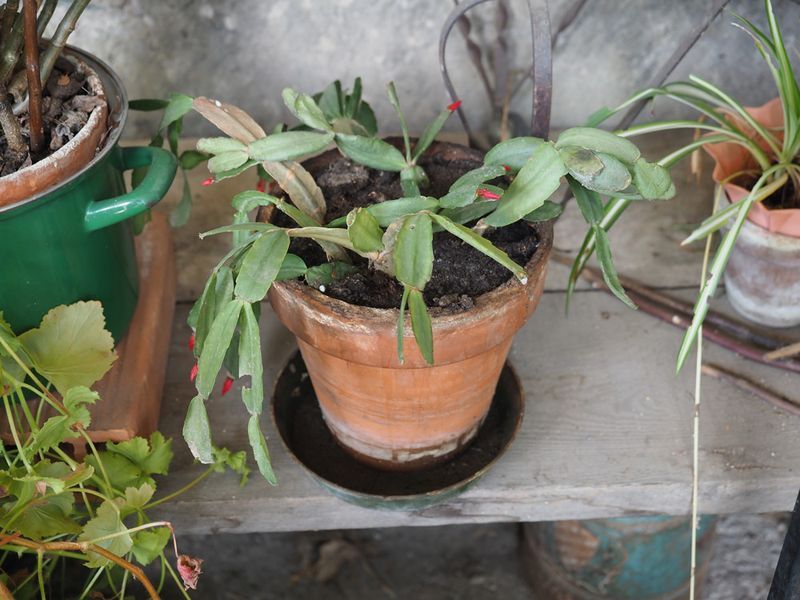
Watering a Christmas cactus feels a bit like seasoning soup, because a little too much or too little ruins everything. I learned that lesson after drowning one plant and forgetting another during the same busy autumn.
Overwatering ranks among the most common causes of bud drop, mostly because soggy soil leads to root rot. Damaged roots cannot pull up water or nutrients, so the plant sheds buds it can no longer support.
Underwatering creates a different kind of stress, leaving stems limp and buds shriveled before they ever open. Rapid swings between soaked soil and dusty dryness may be the hardest pattern for these plants to handle.
You need a simple habit here, so poke your finger into the soil before reaching for the watering can. Water when the top inch or so feels dry, then let extra water drain freely from the pot.
Never let the pot sit in a saucer full of water for hours, since roots dislike staying wet. A pot with good drainage holes and a loose, well-draining mix makes this job much easier.
Room temperature water seems gentler than icy tap water, which can chill roots during cool October weather. Some growers prefer filtered or rainwater, which may reduce mineral buildup over many months of regular watering.
Consistency matters more than any exact schedule, because indoor conditions change as the heating season begins. Check every few days, adjust as needed, and your buds will have a much better chance of opening.
3. Dry Indoor Air Leaves Christmas Cactus Buds Thirsty
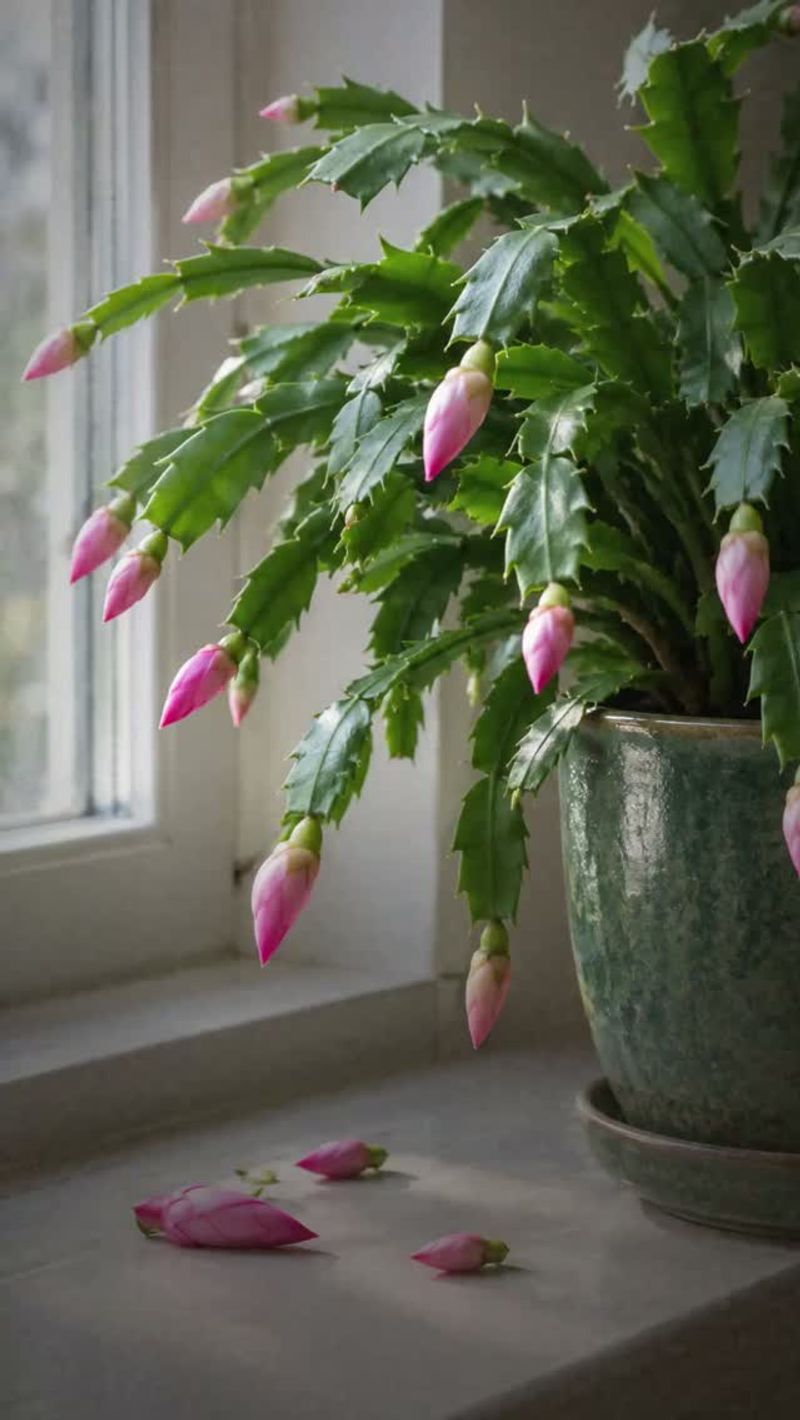
Hidden among mossy tree branches in Brazil, wild Christmas cactus relatives soak up damp, foggy air almost every day. Your living room in October probably feels nothing like that misty mountain home, especially once heaters run.
These plants are epiphytes, meaning they grow on other plants rather than in the ground like garden flowers. Many growers suggest humidity around 50 to 60 percent, which is higher than most heated homes manage in fall.
Muggy summers in the Southeast fool people into thinking indoor air stays humid all year long. Once the furnace kicks on, indoor humidity can sink fast, and delicate buds may wither before they color up.
I love how a simple pebble tray solves much of this problem without any fancy gadgets or extra cost. Fill a shallow tray with gravel and water, then set the pot on top so it stays above the waterline.
Grouping houseplants together also helps, since leaves release moisture that lingers in the air around neighboring plants. A small room humidifier works well too, especially in bedrooms or offices where air feels noticeably dry.
Misting gets mixed reviews, because the extra moisture disappears quickly and wet flowers can sometimes develop mold. If you mist, do it in the morning, and aim around the plant rather than soaking the buds.
Moving the pot away from heat vents may be the easiest humidity fix of all for most homes. Keep an eye on crispy bud tips, which often signal that the air needs a little more moisture.
4. Late Night Lamps Confuse Christmas Cactus Bloom Timing
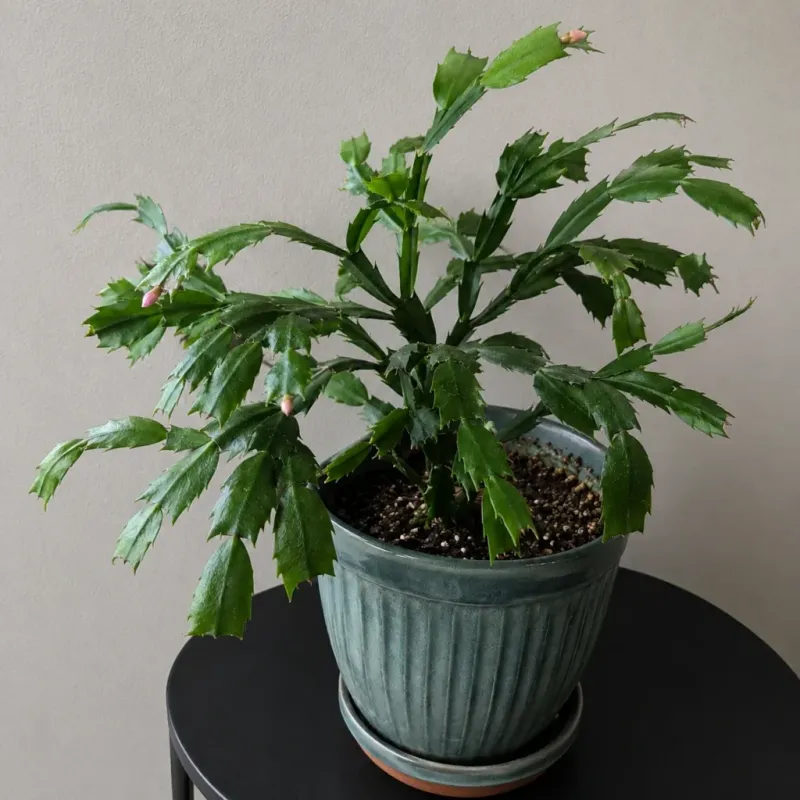
Few houseplants care about your bedtime as much as a Christmas cactus does during early fall bud season. These short-day plants count hours of darkness, and a lamp left glowing all evening can scramble their signals.
To set buds, many plants need 13 or more hours of uninterrupted darkness each night for about six weeks. That process often begins in September or October, which makes right now a critical time for your plant.
Cool nights around 55 to 60 degrees can also encourage blooming, sometimes even without strict darkness schedules. Warm rooms with long evenings of light, however, may lead to weak bud set or buds that drop early.
What surprises me most is how sensitive these plants are to porch lights, streetlights, and television glow. A spare bedroom or a quiet corner that stays dark after sunset works wonderfully for this short season.
Once buds appear, the plant wants bright but indirect light to fuel those flowers through the coming weeks. An east-facing window often works well, offering gentle morning sun without the harsh heat of afternoon rays.
Too much direct sun can bleach or redden the flat stem segments, which signals stress rather than health. Sheer curtains soften strong light nicely, especially in south or west windows where sunlight feels intense.
Balance makes all the difference here, with dark nights and bright days working together to support blooms. Treat your plant like a light sleeper, and it should reward you with a cheerful holiday display.
5. Too Much Fertilizer Pushes Leaves Instead Of Flowers
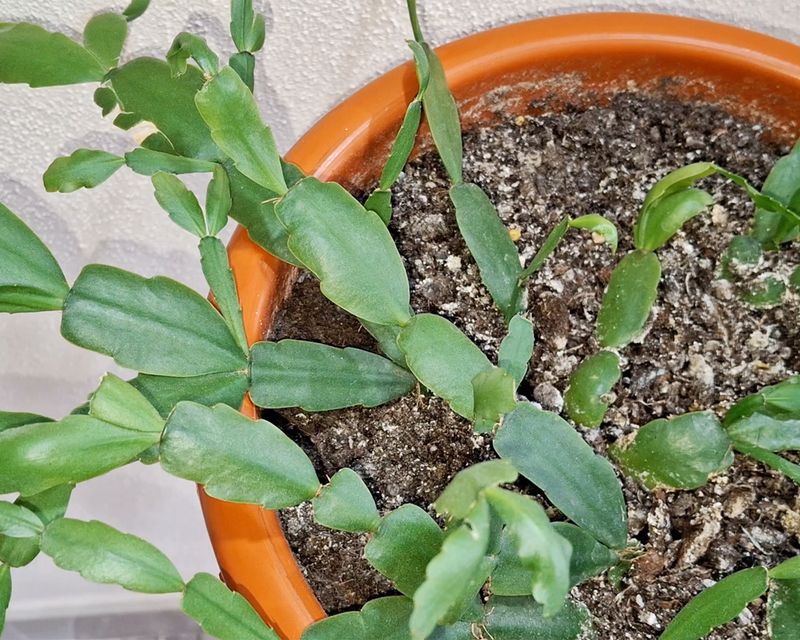
More food sounds like a kind gesture, yet a Christmas cactus can react to extra fertilizer like a toddler after cake. Overfeeding, especially with high nitrogen products, tends to push leafy growth while flowers take a back seat.
Extra fertilizer also leaves salts behind in the potting mix, and those salts can irritate tender roots over time. Stressed roots struggle to support developing buds, so the plant may drop some to save energy for survival.
During spring and summer, a balanced houseplant fertilizer works nicely when diluted to about half strength. Formulas such as 10-10-10 or 20-20-20 are common choices, applied every few weeks during active growth.
By early fall, most growers ease up or stop feeding altogether so the plant can focus on blooming. October is a great time to tuck that fertilizer bottle into the cabinet until spring returns again.
I believe a little restraint pays off here, since a hungry plant rarely causes as much trouble as an overfed one. White crust on the soil surface or pot rim often hints that salts have been building up.
Flushing the pot with plain water a few times helps rinse away excess salts from the root zone. Let the water run through the drainage holes, then allow the pot to drain well before returning it.
Think of fall as a quiet resting stretch, when your plant uses stored energy to build its flowers. Feeding can resume after blooming ends, once new stem segments start growing in late winter or spring.
6. Moving Or Repotting A Budding Christmas Cactus Causes Stress
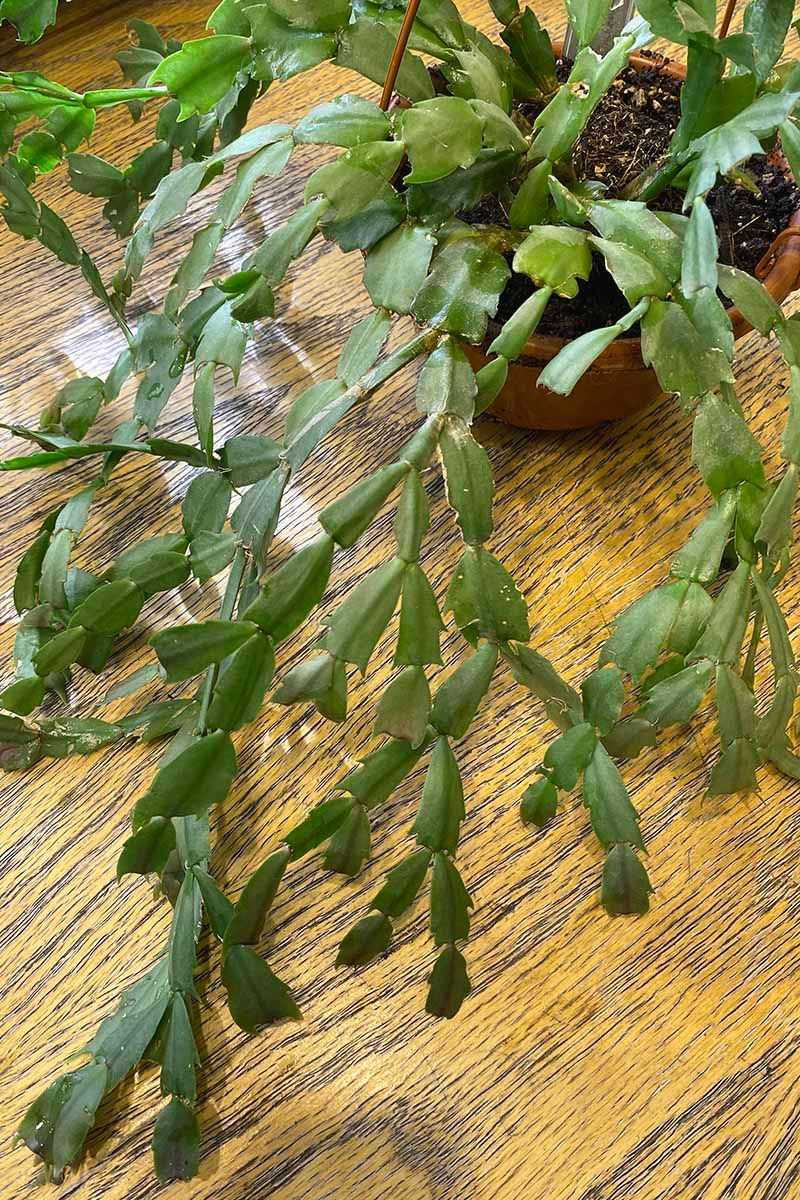
Ever bring home a gorgeous budded plant, only to sweep up fallen buds two days later in disbelief? That heartbreak happens often, because a Christmas cactus dislikes being shuffled around once its buds have formed.
Buds tend to orient toward their light source, so turning the pot can confuse them and trigger drop. Even rotating the plant for even growth may cause trouble, which surprised me the first time it happened.
Store-bought plants face a double challenge, moving from ideal greenhouse conditions into darker, drier home environments. Some bud loss during that adjustment is common, so pick a good spot quickly and leave the plant alone.
Repotting during bud season adds even more stress, since disturbed roots cannot keep fragile buds supplied with water. Hold off until blooming ends, ideally waiting until late winter or spring when new growth begins again.
Christmas cacti actually seem happiest when a bit snug in their pots, so frequent repotting rarely helps. Every few years usually works fine, and moving up just one pot size keeps roots from sitting wet.
If you summered your plant outdoors on a shady porch, bring it inside before nights dip near 50. North Carolina weather can turn quickly in October, and an earlier move reduces shock right when buds appear.
Choose its holiday spot now, then resist the urge to fuss with it until the flowers finish. Patience may be the hardest part, but your plant will reward that self-control with a fuller show.
7. Mealybugs And Root Rot Weaken Christmas Cactus Buds
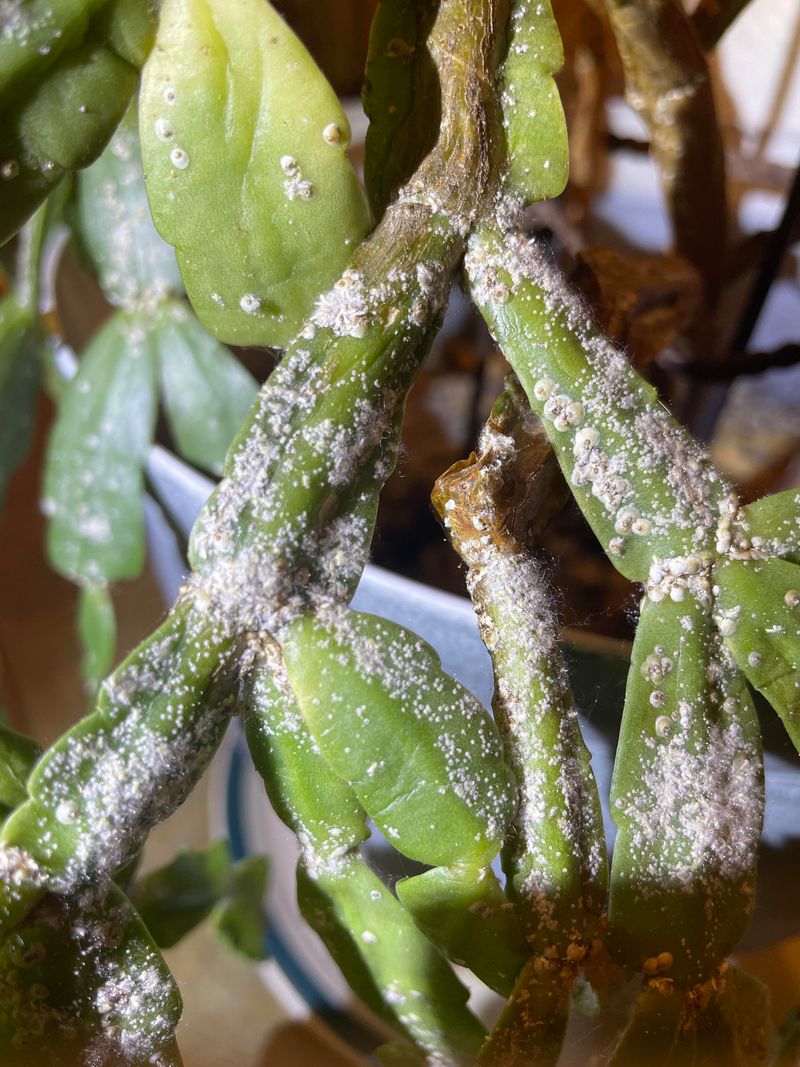
Tiny white fluff tucked between stem segments once fooled me into thinking my plant had caught some lint. That fluff turned out to be mealybugs, sap-sucking pests that quietly drain energy from developing buds.
Christmas cacti are fairly tough houseplants, yet pests like mealybugs, scale, spider mites, and aphids can appear. Their feeding weakens the plant over time, and stressed plants often shed buds before they ever open.
Plants that spent summer outdoors deserve a careful inspection before coming inside for the cooler months. Check under stem segments and near the soil line, where pests like to hide from curious gardeners.
Fine webbing hints at spider mites, while cottony clumps usually point toward mealybugs on your plant. A cotton swab dipped in rubbing alcohol removes small mealybug groups, and insecticidal soap helps with larger problems.
Diseases cause bud trouble too, with root rot leading the list for most indoor Christmas cactus growers. Mushy stem bases, a sour smell, or wilting despite moist soil often signal roots in serious decline.
Gray mold can also show up on buds and flowers, especially in cool, damp rooms with stagnant air. Good airflow and watering at the soil rather than overhead help reduce these fungal problems over time.
Quarantining new plants for a couple of weeks keeps hidden pests from spreading to your other houseplants. A quick weekly peek at your plant takes seconds, and catching issues early saves plenty of buds later.
8. A Christmas Cactus Sometimes Drops Extra Buds On Purpose
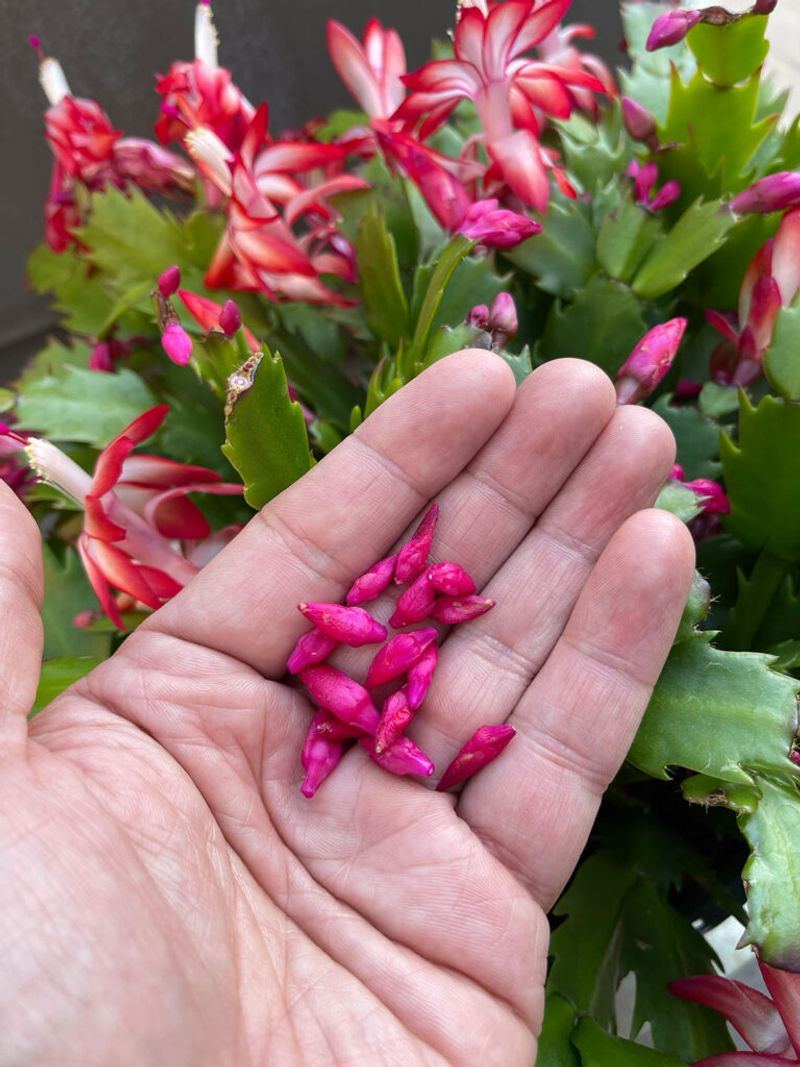
Sometimes your plant is not upset at all, just being practical about how many flowers it can feed. A few fallen buds may simply reflect the plant trimming its own workload before the big holiday show.
Many plants set more buds than they can fully support, then release the extras to save energy. Gardeners often call this over-budding, and it seems especially common with plants grown in commercial greenhouses.
Growers give those plants nearly perfect light, warmth, and humidity, so the stems load up with buds. Once that plant lands in an average home, it may shed some buds as it adjusts to new conditions.
I can’t imagine a more reassuring discovery for worried plant owners, since a little bud drop is normal. Watch for patterns, though, because losing most of the buds usually points toward a real stress problem.
Healthy plants with occasional bud loss still show firm green stems and plenty of buds swelling nicely. Struggling plants often look limp, discolored, or wrinkled, which suggests watering, light, or temperature needs some attention.
Keeping a simple note of changes, like moving day or a cold snap, helps you connect the dots. In North Carolina, those early October cool fronts often line up neatly with sudden bursts of bud drop.
Relax a little if only a handful of buds tumble, since the remaining flowers may grow even bigger. Your plant knows its limits, and trusting that instinct makes the whole growing season far more enjoyable.