How To Keep Whiteflies And Aphids Off Geraniums Brought Indoors For A Michigan Winter
Some aphids are born already carrying the next generation inside them. That telescoping trick lets a single female start a crowd on your windowsill in a matter of weeks, with no male required.
Now add a cozy living room with no ladybugs and no rain to knock pests around. I believe that is why so many Michigan gardeners carry a summer favorite inside in October, only to find sticky leaves by Thanksgiving.
You probably know the moment I mean. You brush a leaf, and a tiny puff of white flutters up like dandruff with wings.
Personally, I used to blame the plant, but the real issue usually starts outdoors before the pot ever crosses the doorstep.
The winners here are the gardeners who play detective in early fall. So what separates a clean, blooming windowsill from a winter-long bug party?
1. Those Tiny White Flyers On Your Geranium Leaves Hitched A Ride
Most indoor pest trouble on geraniums starts outside, weeks before the first frost. Whiteflies and aphids settle on the plants in late summer, and you simply carry them in with the pot.
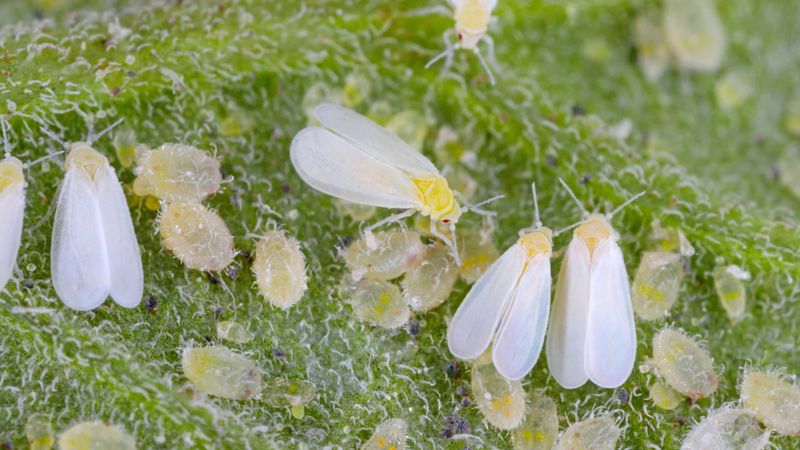
Whiteflies are about 1/16 inch long with powdery white wings. They lay tiny eggs on leaf undersides, and the young look like flat, pale scales that stay put and feed.
Indoors, a full life cycle can wrap up in roughly four weeks, so one missed batch becomes several generations by February.
Aphids are soft, pear-shaped bugs in green, yellow, pink, or black. They crowd onto new shoots and flower buds.
Many give birth to live young without mating, which is how a few stowaways turn into a colony.
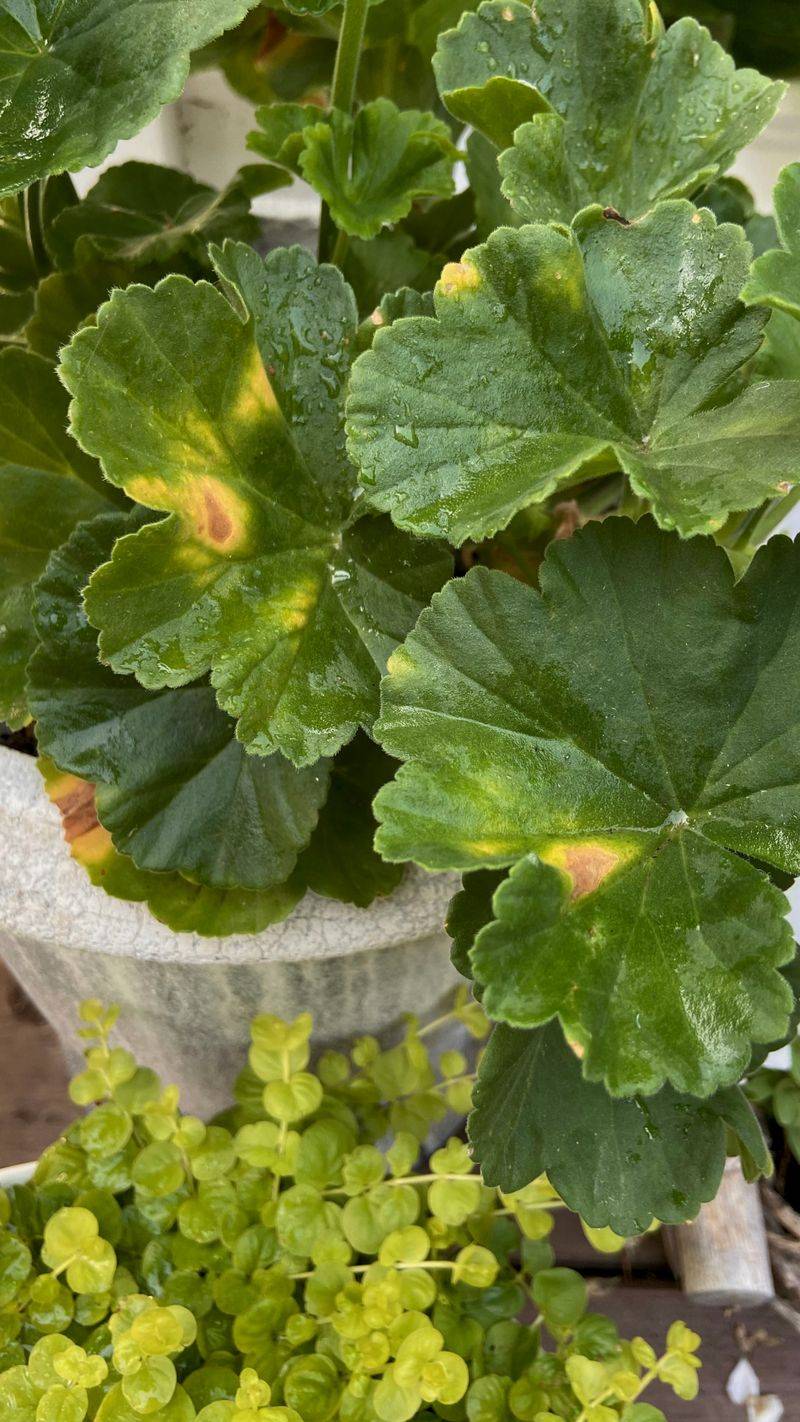
Both pests pierce the plant and sip sap. You may notice yellow speckled leaves, curled new growth, or a shiny, sticky film called honeydew.
Sometimes a dark, sooty mold grows on that honeydew too.
Outdoors, lady beetles, lacewings, and tiny parasitic wasps keep these insects in check. Your living room has none of those helpers, plus steady warmth.
Once you understand that the problem arrives as a hitchhiker, the plan gets simple. Stop the ride, and most of the winter battle is already won.
2. Flip Every Geranium Leaf Before The Pot Comes Inside
A ten-minute inspection on the patio beats a three-month fight in the kitchen. I like to do this on a calm, dry afternoon while the plants still sit outdoors.
Timing matters in Michigan. Plan to bring geraniums in before nights drop into the low 40s, which often happens in late September up north and early to mid October in the southern Lower Peninsula.
A hard frost can damage the plants, so check the forecast.
Start by tapping a few stems. If white specks fly up, you have whiteflies.
Then turn over leaves one by one, especially the lower and middle ones, where eggs and young whiteflies hide.
Next, look at shoot tips and flower buds for clusters of aphids. A cheap hand lens helps a lot, since young pests look like tiny grains.
Pick off any yellowed, sticky, or badly spotted leaves and bag them up. Spent flowers and old stems can go too.
Fewer leaves means fewer hiding spots.
If one plant looks seriously infested, be honest with yourself. Taking a few clean cuttings from healthy shoots may serve you better than hauling the whole crowded plant indoors.
3. A Garden Hose Shower Gives Geraniums A Fresh Start
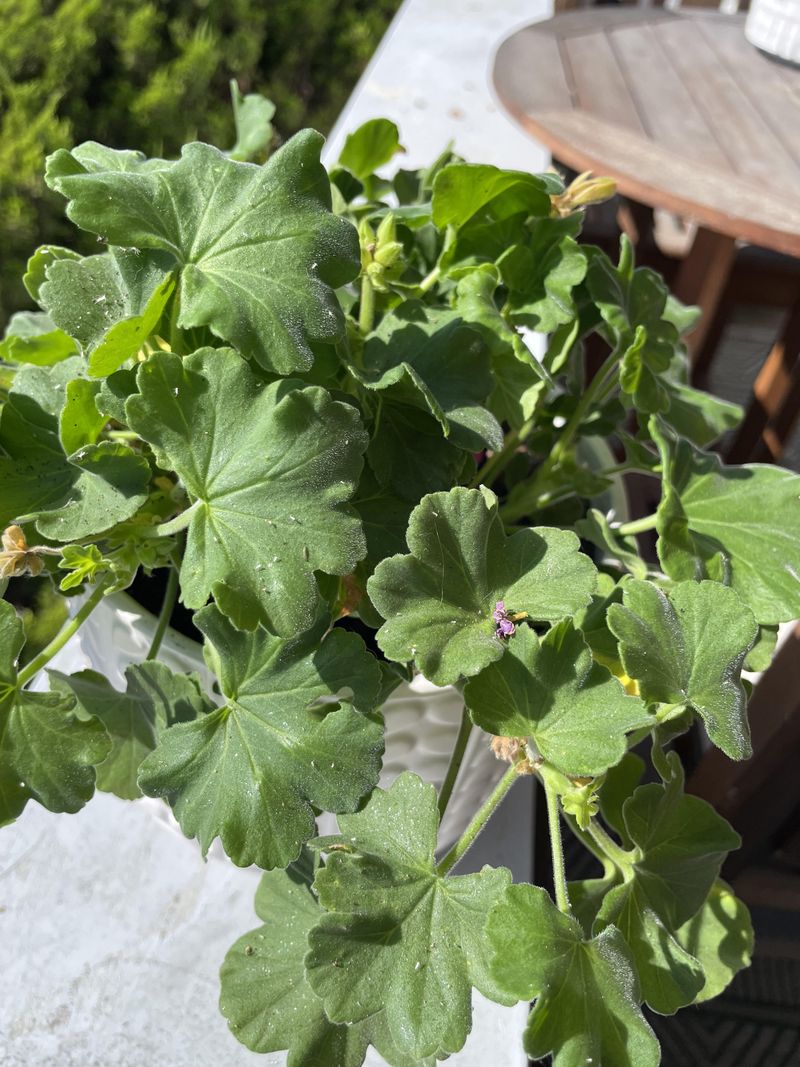
Honestly, a plain blast of water is one of the most underrated pest tools around. Aphids and adult whiteflies knock off easily, and most fallen aphids struggle to climb back up.
Set the hose nozzle to a firm but not harsh spray. Rinse the tops of leaves, then tip the pot sideways and aim at the undersides.
Hit the stems and the shoot tips where aphids cluster.
Do this in the morning so the foliage dries before evening. Geraniums dislike staying damp and cool, since that invites gray mold.
Repeat the shower two or three times over a week before moving day. Each round catches pests that hatched since the last one.
Plants that grew in garden beds deserve one more step. Dig them up and pot them into clean containers with fresh, sterile potting mix rather than garden soil.
Garden soil carries fungus gnats and other critters, and it drains poorly in pots.
Scrub reused pots with soapy water first. A quick wipe of the saucer helps too.
Your geraniums may look a little bare after all this tidying. That is fine, because new growth fills in under good light.
4. Insecticidal Soap And Neem Oil Handle The Stragglers
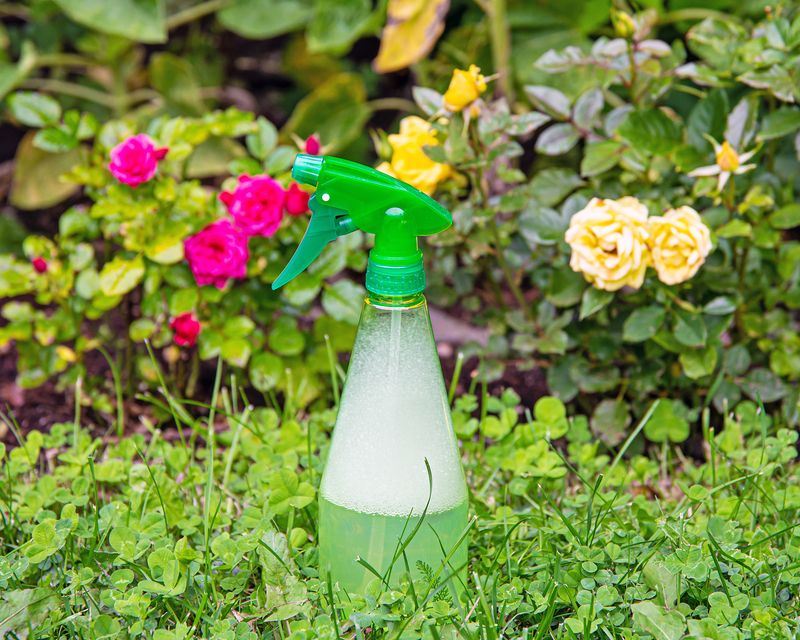
Think of a soap spray as a polite but firm eviction notice. Insecticidal soap works on contact, breaking down the soft outer layer of aphids and young whiteflies.
Because it only works when it touches the bug, coverage is everything. Spray the leaf undersides until they drip, then the tops, stems, and buds.
Most university extensions recommend a store-bought insecticidal soap labeled for houseplants, since homemade dish soap mixes can scorch leaves.
Neem oil and horticultural oil are other low-toxicity choices. They smother small insects and can upset feeding and egg laying.
Follow the label for mixing and timing.
One spray rarely finishes the job. Whitefly eggs and the older pupa stage resist sprays, so plan to treat every 5 to 7 days for several weeks.
A few cautions help your geraniums stay happy. Test a small area first and wait two days for spotting.
Spray out of direct sun and avoid treating a plant that is dry or stressed.
Do the spraying in a sink, tub, or garage if possible. Oils can leave marks on furniture, and you will feel better keeping the mess in one easy spot.
5. Bright Yellow Sticky Cards Snag Flying Whiteflies
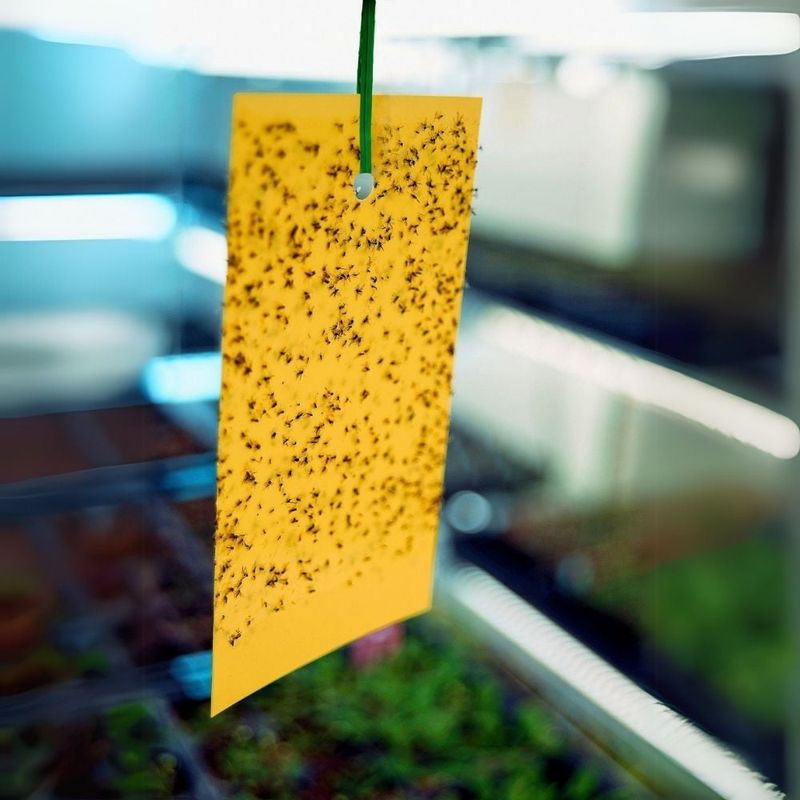
Whiteflies have a funny weakness. They are strongly drawn to a certain shade of bright yellow, and that crush can land them on a glue card.
Yellow sticky traps are small cards coated in glue. Clip one to a plant stake just above the foliage, or hang it nearby.
When you jostle the plant, adults flutter up and many end up stuck.
I find them most useful as an early warning system. A clean card tells you the plan is working.
A card speckled with white dots tells you to start spraying again.
Traps will not fix an infestation alone. They do not catch eggs or the young that stay glued to leaves.
Wingless aphids mostly ignore them, though the occasional winged aphid gets caught.
Swap cards when they fill up or get dusty. Write the date on each one so you can compare numbers week to week.
Keep them out of reach of pets and curious kids, and away from long hair and curtains. That glue holds on stubbornly.
Paired with sprays and inspections, these cards give you a clear look at what is really happening on your windowsill.
6. Quarantine New Arrivals Away From Your Houseplant Collection
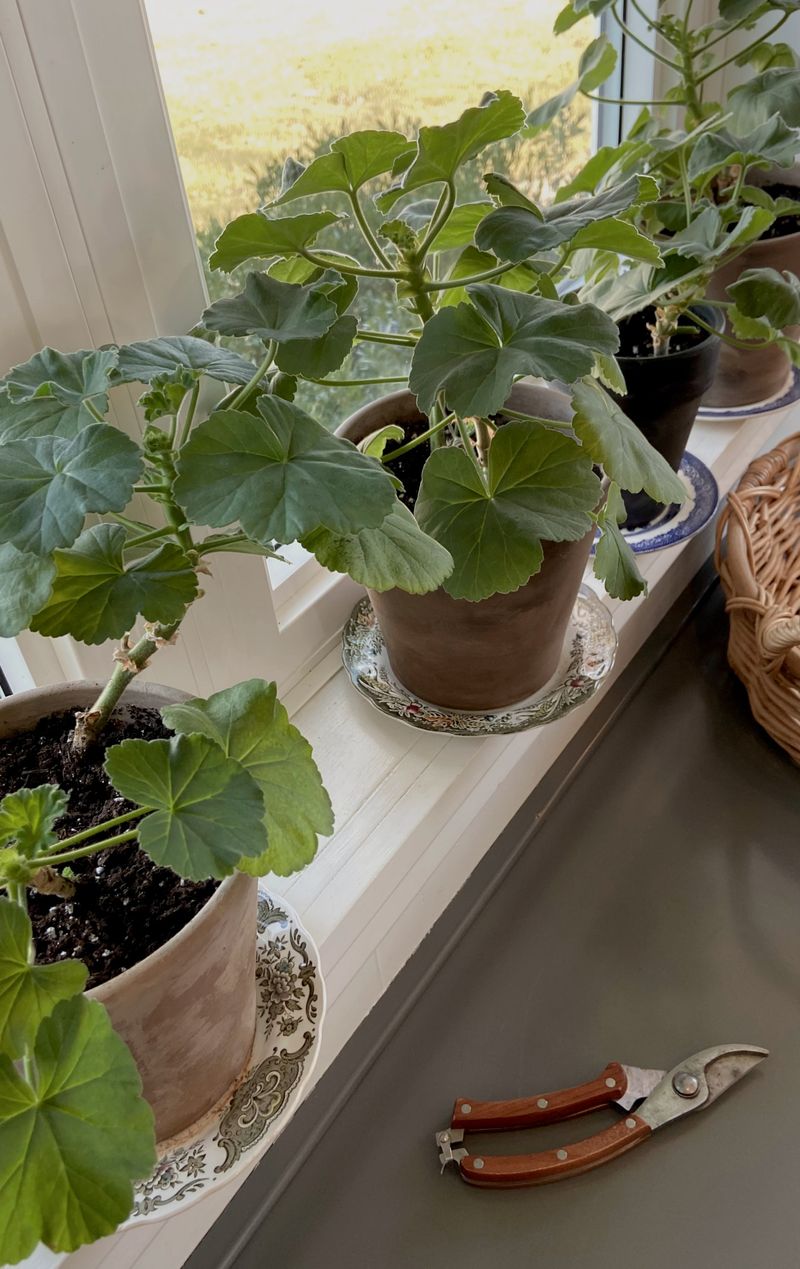
Here is a trick borrowed from greenhouse growers. Keep the incoming geraniums by themselves for at least two to three weeks.
A spare bedroom, an enclosed sunporch that stays above freezing, or a separate window works well. The goal is space, so any pests you missed cannot hop onto your peace lily or hibiscus.
Whiteflies are especially fond of other soft houseplants. Hibiscus, poinsettias, and many herbs welcome them happily.
Aphids also spread to tender new growth on nearly anything.
During quarantine, check the geraniums every few days. A yellow sticky card in the room tells you quickly if adults are still flying.
Wash your hands after handling the plants before touching the rest of your collection. Pests can ride on fingers, sleeves, and pruning shears more easily than people expect.
If the plants stay clean after three weeks, they can join the others. If you still see activity, extend the time and keep treating.
This step costs nothing but patience. In my experience, it saves the most heartache, because one infested pot can quietly spread trouble across a whole windowsill by midwinter.
7. Cool Rooms And Sunny Windows Keep Geraniums Tough
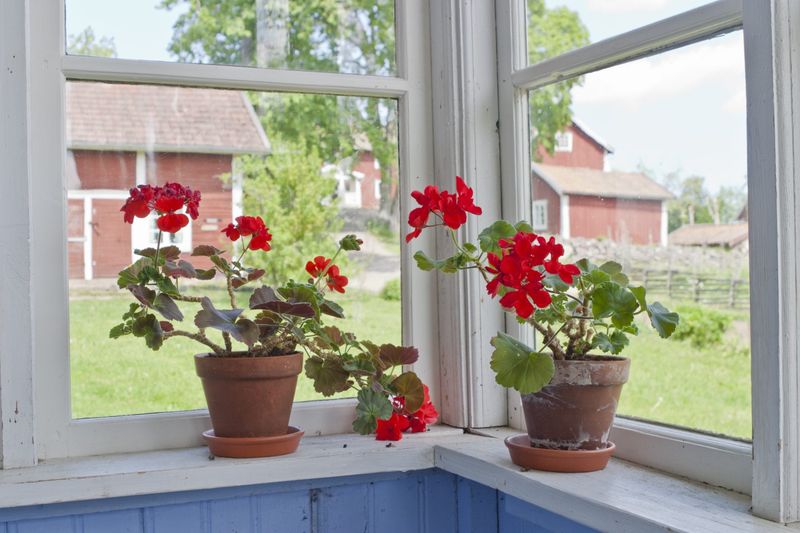
A comfortable geranium is a harder target. Stressed, leggy plants with soft growth attract aphids, and warm rooms speed up insect breeding.
Geraniums like it cool indoors. Aim for about 65 degrees during the day and 55 degrees at night if you can manage it.
A cooler room also slows the pests down.
Light is the bigger challenge during a Michigan winter, with gray skies stretching on for weeks. Give plants your sunniest south or west window.
If stems stretch and look pale, add an LED grow light set for about 12 to 14 hours a day.
Water deeply only when the top inch of soil feels dry, then empty the saucer. Soggy pots invite fungus gnats and root trouble.
Go easy on fertilizer. Heavy feeding pushes soft, juicy new growth, which aphids love most.
A light dose every month or so is plenty until spring.
Keep plants out of hot air vents and away from cold drafty glass. Space pots so air moves between them.
Strong plants still get bugs sometimes. They just bounce back faster and give you more time to act.
8. A Weekly Geranium Leaf Check Keeps Winter Pest Free
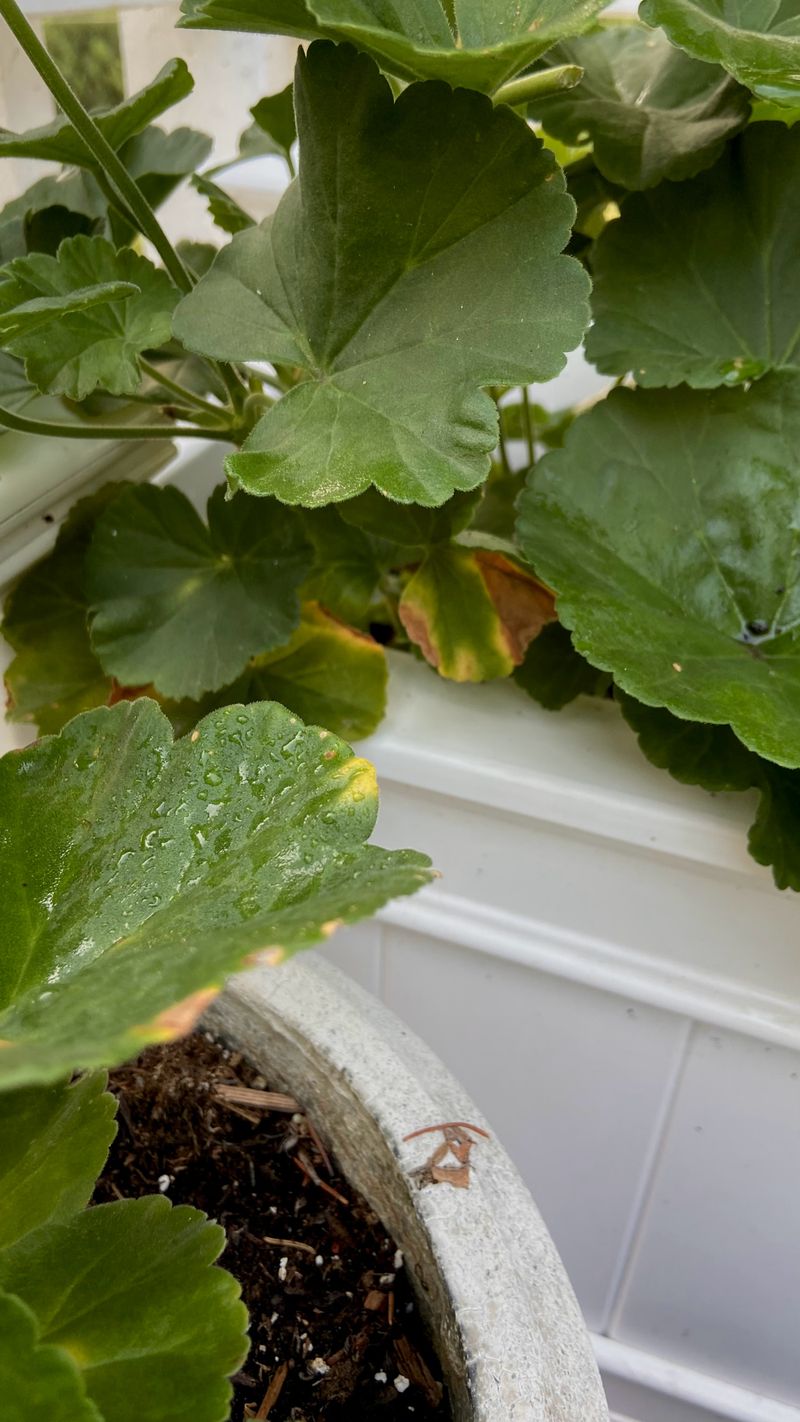
My favorite pest control habit is boring, and that is exactly why it works. Every time you water, look under a few leaves.
Pick three or four leaves from different parts of the plant. Check the newest shoots and buds too.
You are looking for white specks, tiny green bodies, shed aphid skins, or a sticky shine.
Small problems are easy to handle. Wipe a few aphids off with a damp cloth, pinch off a badly infested leaf, or give the plant a quick rinse in the sink.
Keep notes on a calendar. Write down what you spotted and what you did.
Patterns show up fast, like trouble returning every time the furnace runs hot.
Late winter brings a bonus task. Around February or March, many gardeners trim leggy stems back and root the cuttings, which gives fresh, clean plants for spring.
Before moving geraniums back outside after Michigan frost danger passes, usually mid to late May, harden them off slowly for about a week.
That steady attention pays off. Come spring, you carry out healthy, bushy plants that are ready to bloom instead of tired ones covered in sticky leaves.