How Arizona Gardeners Reuse Mesquite and Palo Verde Leaves as Free Mulch
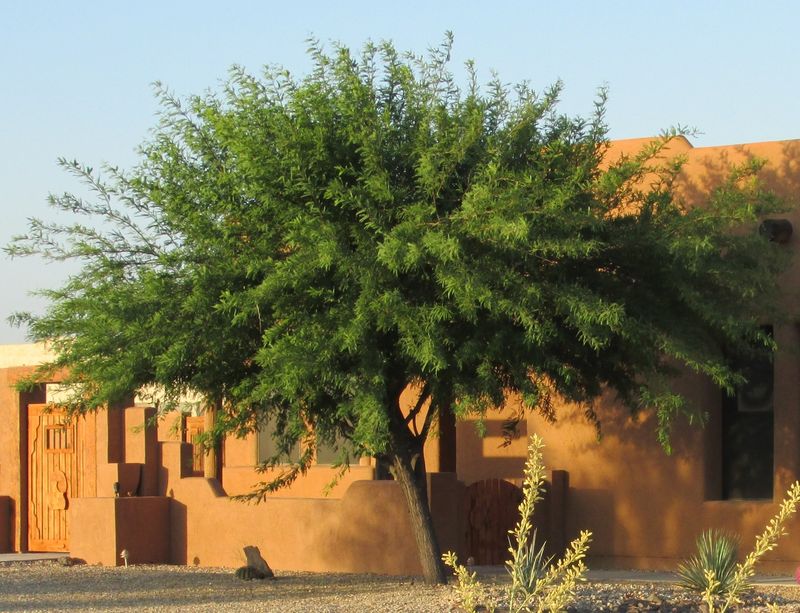
A single palo verde can look bare in a dry spell and still be perfectly healthy. Leaves on these desert trees come and go with the weather, so the yard floor changes all the time.
Not everything under the branches is a leaf, and that matters for reuse. Here is how Arizona gardeners can use the right material and clear the rest.
What Falls Beneath Mesquite and Palo Verde Trees?
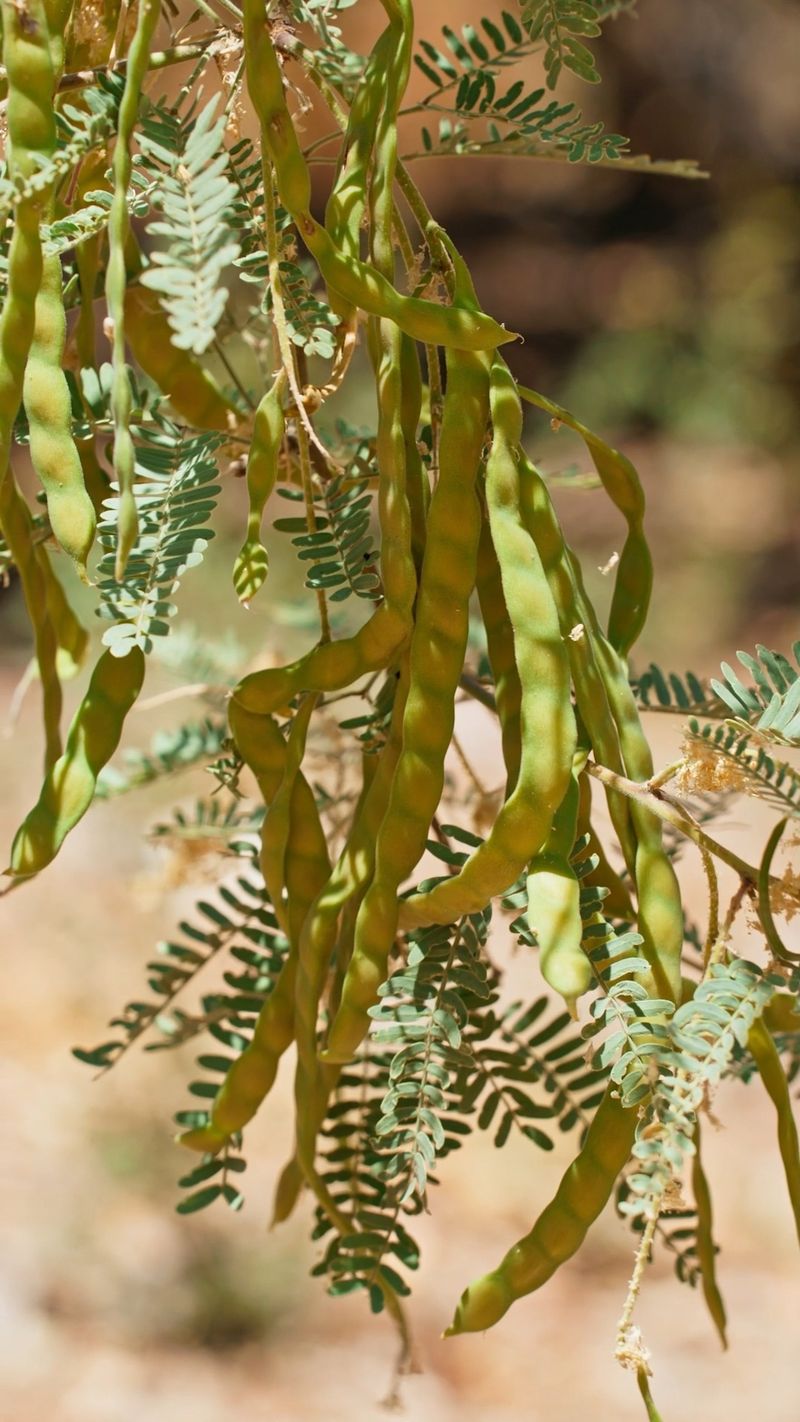
Take a walk under your trees and you will find a mixed bag. I like to crouch down and sort it by eye, because the pile tells you a lot.
Leaves, flowers, seedpods, and twigs all land in the same spot but act very differently.
According to University of Arizona Extension, mesquites shed foliage in response to cold and long drought. Palo verdes can also go leafless during drought or cold.
Timing and quantity vary by species and local conditions, so you cannot count on a steady supply of leaves every season.
Palo verde leaves are small and finely divided, so they are easy to miss. Under some trees, flowers and seedpods make up a big share of the litter.
This article focuses on the leaves only. Pods, twigs, and petals are separate materials, and they should not be treated as ready-made mulch.
Healthy Leaves Can Stay Where They Fall
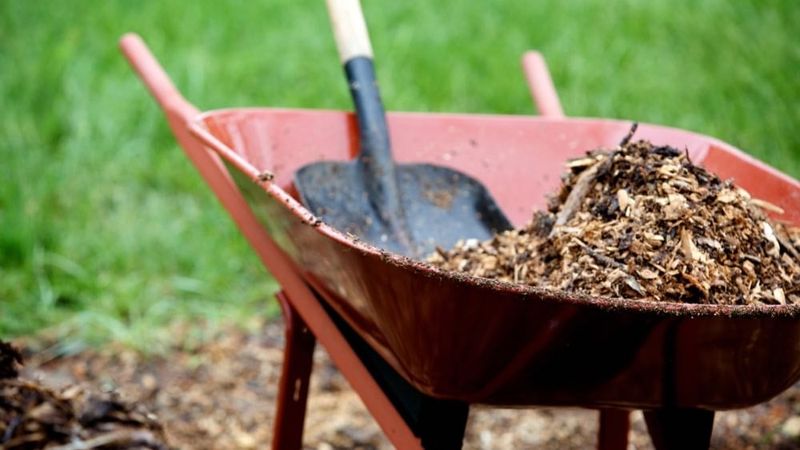
Before you grab the rake, consider that healthy leaves are not trash. They can stay on suitable soil, or you can move them into planting beds as surface cover.
It is the easiest garden chore I know, because it mostly means doing less.
General guidance from University of Arizona Extension says leaf litter adds organic matter, releases nutrients as it breaks down, and supports soil microbes. Its mulch guidance adds that dried leaves can help control annual weeds and improve soil as they decompose.
Here is the catch. That advice covers leaves in general.
Nobody has tested mesquite or palo verde leaves as home-garden mulch, so do not expect special results from them. Treat them as a free, sensible cover and watch how your soil responds.
Shred Leaves That Blow or Mat
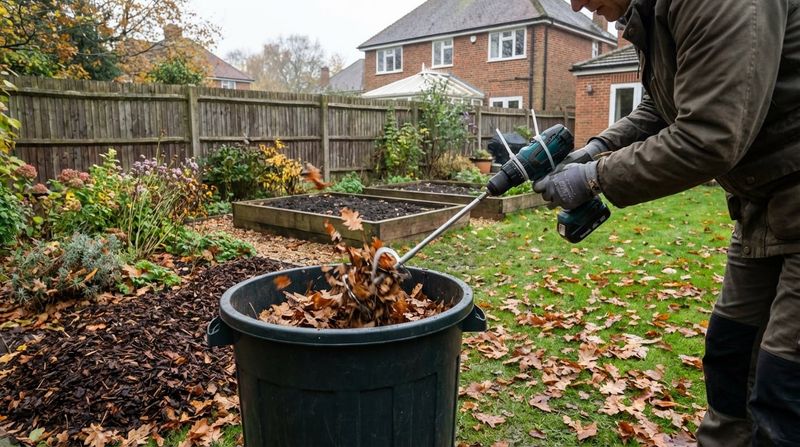
Tiny leaves sound easy until a gust sends them across the neighbor’s yard. Gather the healthy ones, then shred anything that blows around or packs into a soggy sheet.
A lawn mower pass over a pile works well for small amounts.
Spread the shredded leaves as loose cover, not a dense blanket. The Extension mulch guide gives a 3 to 4 inch depth for mulch generally.
That number was not tested on loose mesquite or palo verde leaves, so aim for covered soil and a light, airy feel.
If wind keeps stealing your leaves, try another route. University of Arizona guidance suggests partly decomposing dry leaves in a compost pile to cut down on windblown material.
Rake them up, pile them, and let time do some of the work.
Use Mulch Without Assuming You Can Water Less
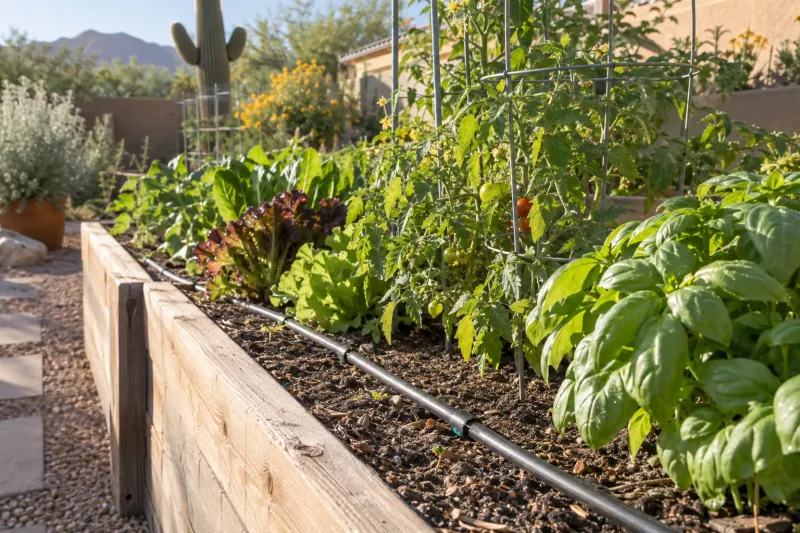
A leaf layer feels like a shield against the sun, and I love that picture. Surface mulch can reduce evaporation, according to University of Arizona watering guidance.
That is a general mulch finding, not a proven result for these leaves.
So do not shut off the drip line. Water needs depend on the plant, the soil, the weather, and the type of mulch.
No one can promise a set amount of savings from a handful of leaves.
Check the soil a few inches down before you decide anything. Keep mulch pulled back from trunks and plant bases so the stems stay dry and easy to inspect.
The mulch guide linked earlier backs that habit.
Dry Leaves Are Carbon-Rich Compost Browns
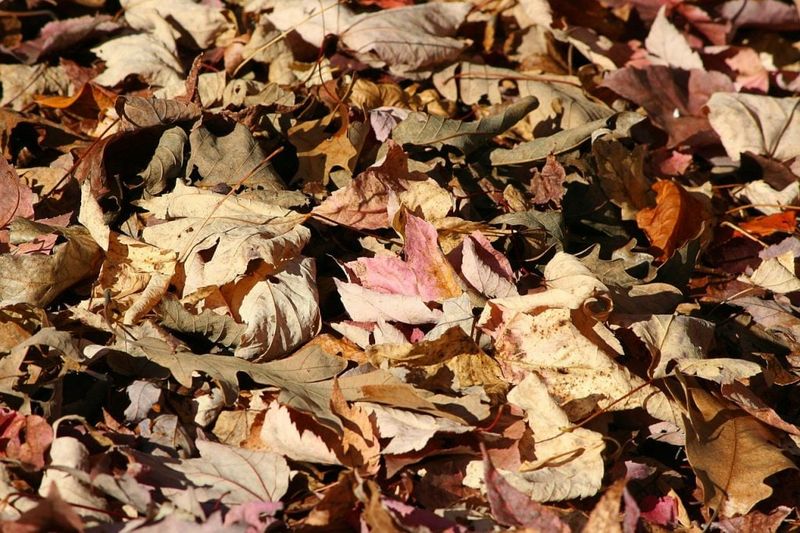
Some leaves just do not belong on the soil surface, and the compost bin is a fine plan B. Dry leaves count as browns, meaning carbon-rich material.
They are not a nitrogen-rich fertilizer, so do not expect a free feeding.
Arizona Cooperative Extension lists dry leaves at a carbon-to-nitrogen ratio of 40 to 80 parts carbon to 1 part nitrogen. It advises mixing browns with nitrogen-rich greens, such as fresh plant trimmings or kitchen scraps.
Skip the shortcut of digging lots of dry leaves straight into garden soil. The same guidance warns that uncomposted brown material can temporarily contribute to nitrogen deficiency.
Let it finish in the pile first.
Manage Litter and Debris Near the House
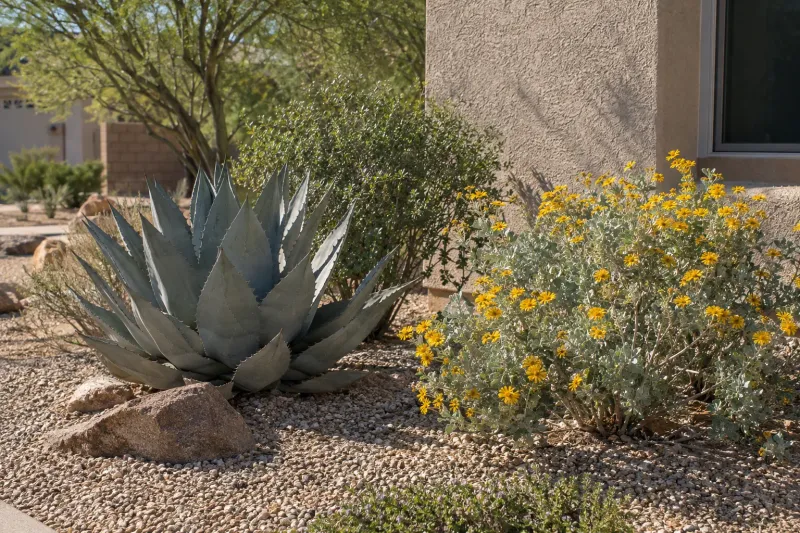
Leaf cover is good for soil, but pest advice is a separate topic. Nothing shows that leaf mulch keeps ticks, scorpions, or mosquitoes away.
Near the house, the goal is simply less hiding space.
Arizona tick-prevention guidance recommends removing leaf litter around houses and yard edges. Scorpions use debris and other sheltered places, as UC IPM explains.
Keep piles and thick mulch away from foundations while keeping useful cover farther out.
Mosquitoes are about water, not dry leaves. Empty buckets, saucers, and other containers that hold standing water, and manage any other standing water you find.
Clear Leaves Where They Create Problems
More is not better when it comes to leaf cover. Heavy covering can interfere with turf, so keep litter off lawns.
Sweep walkways too, since piles are slippery and messy.
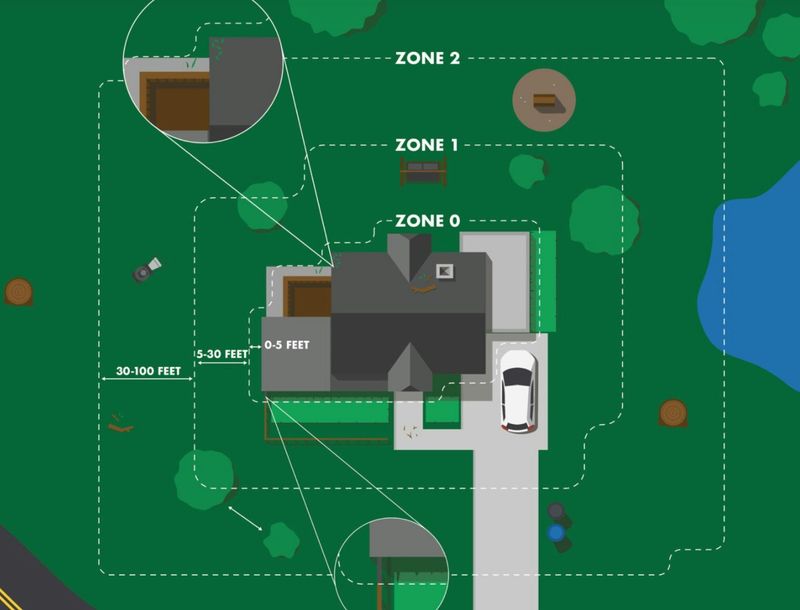
Fire safety needs extra care. Arizona Firewise guidance calls for reducing heavy ground-litter buildup in defensible space.
Also clear gutters and the area right at the structure.
The Extension mulch guide advises against thick organic mulch within 10 to 15 feet of flammable structures where defensible space is needed. That distance is not universal, so follow local fire guidance for your site.
Dense mulch should also stay away from trunks.
A Simple Routine Puts Suitable Leaves to Use
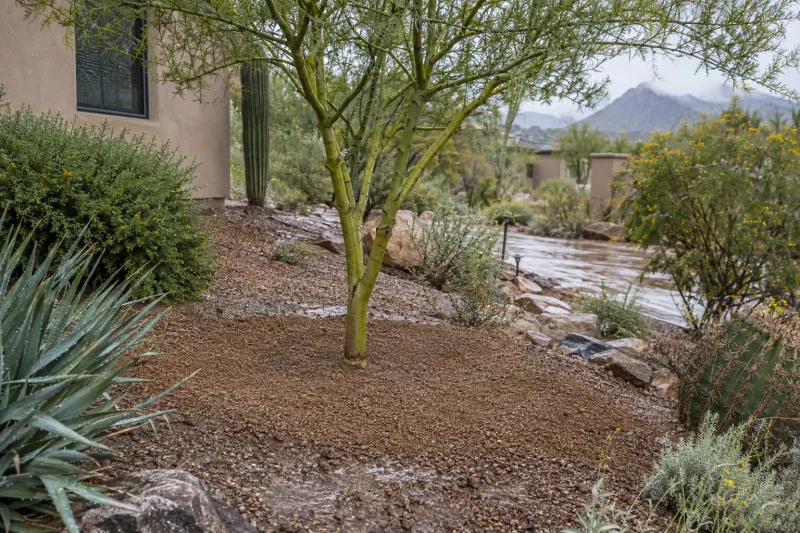
Start by spotting healthy leaves and separating them from pods and twigs. Leave them on suitable soil or move them into beds, and shred any that blow or mat.
Compost the extras, and clear litter near the house, walkways, lawns, and fire-prone zones.
Keep layers loose and check your soil before changing irrigation. The mulch guide is a handy reference.
Your yard rewards a little sorting more than total cleanup.