Rain or Snow? What New York’s El Niño Winter Means for Your Yard, Shrubs, and Spring Garden
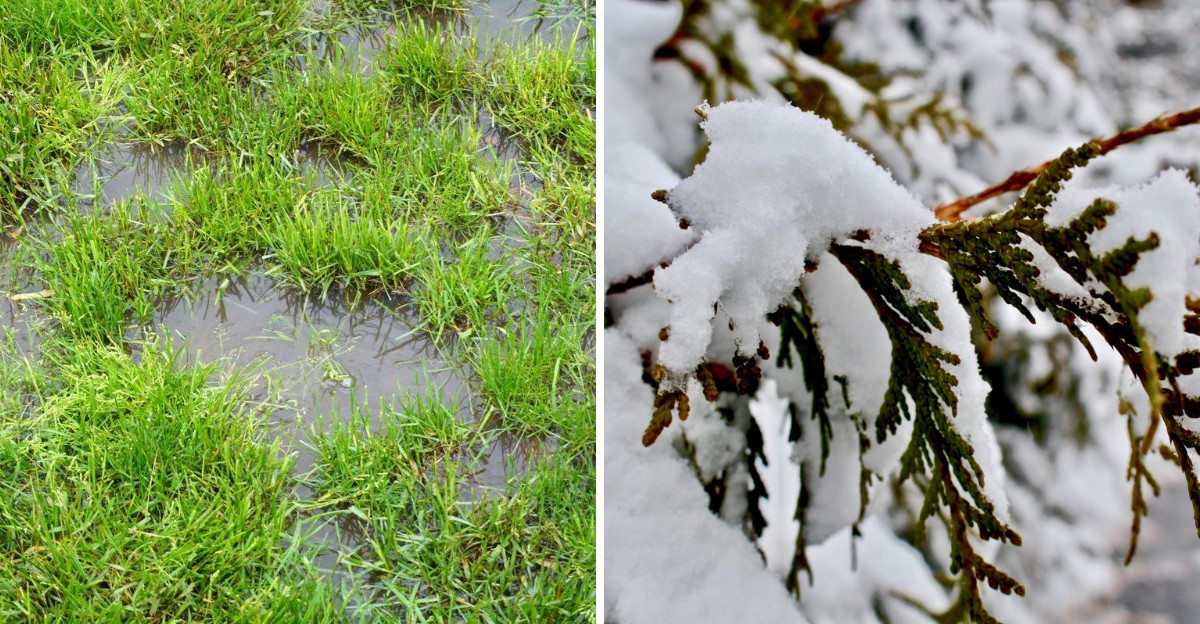
In January 2024, Central Park finally recorded an inch of snow after 701 days without one. That streak ended in the middle of a strong El Niño winter.
The weather pattern starts far away, in warm water across the tropical Pacific Ocean. Somehow it still nudges the storms that roll across New York. It often tilts our winters warmer, and coastal storms tend to drop more rain than fluffy white powder.
Personally, I find that a little unsettling. My shrubs and perennials count on snow like a winter quilt. Without it, cold snaps hit bare soil, and soggy ground stays soggy for weeks.
So what should a gardener actually do about a winter that cannot make up its mind? I believe the answers are simpler than you’d expect, and some of them start with a shovel and a bag of leaves.
Those Gray Winter Clouds Over Your Lawn Might Not Bring Snow
Forecasters love El Niño because it gives them a head start, but the pattern is more of a nudge than a promise. NOAA research shows El Niño winters in the Northeast often run warmer than average.
The storm track also tends to shift south and up the coast.
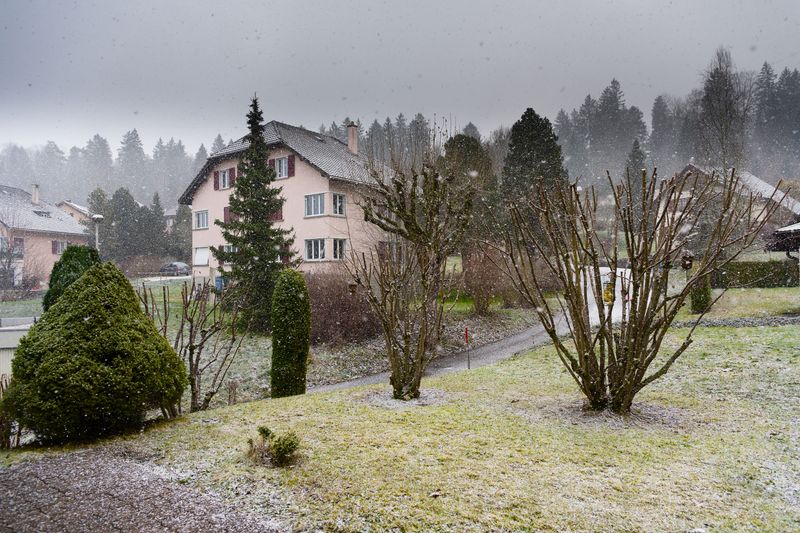
For your yard, that mix usually means one thing. Storms that might have brought snow in a colder year can arrive as rain, sleet, or slushy mixes, especially near the coast and in the Hudson Valley.
Long Island and New York City feel this effect the most.
Upstate is a different story. Lake-effect snow near Buffalo and Syracuse depends on cold air crossing open Great Lakes water, so a mild winter may bring fewer big lake bands.
Still, one cold week can change everything, and the Adirondacks often keep a decent snowpack.
I like to remind fellow gardeners that El Niño shifts the odds rather than writing the script. The strong El Niño of 2015 to 2016 brought a very mild December, yet a record blizzard buried New York City in January.
Plan for both rain and snow.
The takeaway is simple. Expect more freeze-and-thaw swings, more soggy soil, and thinner snow cover than you may be used to.
The next sections show how to prepare for each one.
Waterlogged Lawns and Flower Beds Need Help Draining
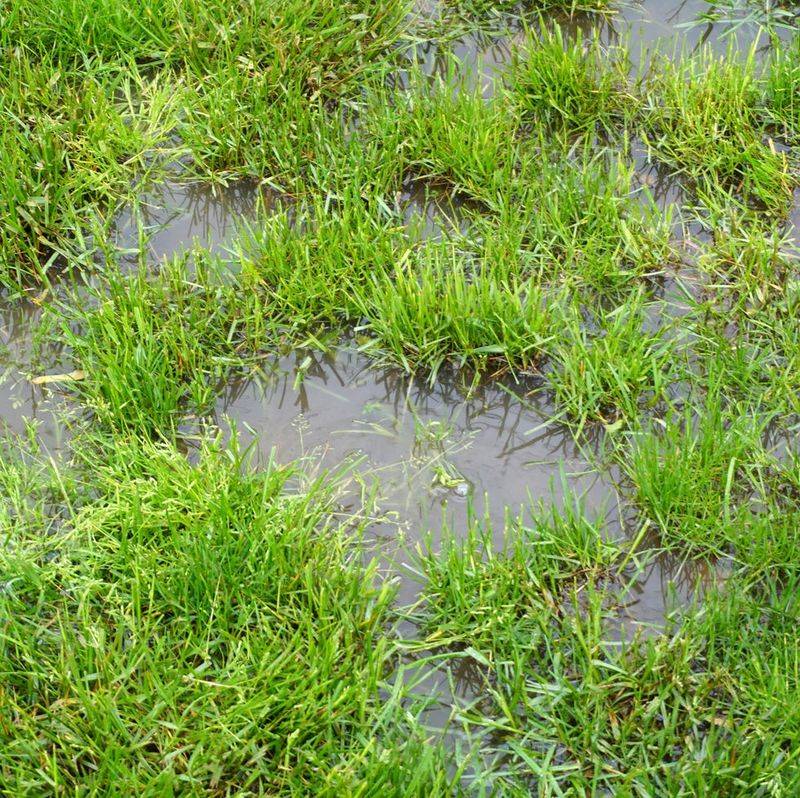
Squish, squish, squish. That sound under your boots in February is your lawn asking for a break.
When winter rain falls on cold or partly frozen ground, the water has nowhere to go.
Saturated soil pushes air out of the tiny pores roots need to breathe. Shrubs like yews and boxwoods dislike wet feet, and root rot can follow when water sits for weeks.
Walking on wet soil also squeezes it into a hard, compacted layer that drains even worse later.
Here are a few easy fixes you can try this winter:
Stay off soggy lawns and beds whenever you can. Lay a few boards or stepping stones along your usual path to spread out your weight.
Clear gutters and point downspouts away from foundation plantings. A cheap downspout extension can move gallons of water away from tender roots.
Watch where puddles form after a big storm and snap a quick photo. Those spots are perfect candidates for raised beds, rain gardens, or water-loving native plants like red twig dogwood and winterberry holly next season.
Save heavy soil work, like tilling or aerating, for when the ground dries out in spring. Working wet clay now often does more harm than good, and your patience will pay off when everything starts growing.
A Thick Layer of Shredded Leaf Mulch Keeps Perennial Roots Steady
Frost heave sounds like a weird winter sport, and honestly, it kind of acts like one. When wet soil freezes, it expands and lifts.
When it thaws, it drops back down, and this repeats with every mild spell.
Shallow-rooted perennials such as heuchera, strawberries, and newly planted mums can get pushed right out of the ground. Their exposed crowns then dry out in cold wind.
Snow normally prevents a lot of this by acting like a blanket, but El Niño winters may leave beds bare.
Mulch steps in as your backup blanket. Cornell Cooperative Extension suggests applying winter mulch after the ground freezes, which keeps soil cold and steady instead of bouncing up and down.
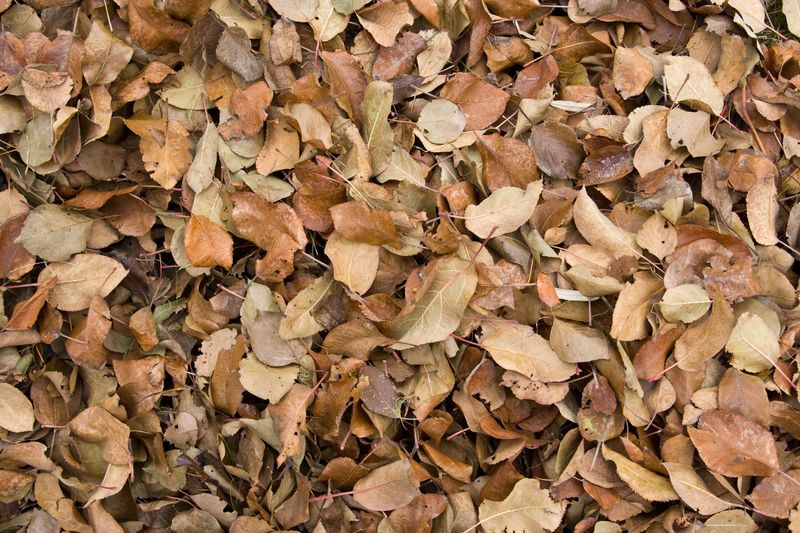
Shredded leaves, straw, pine needles, or evergreen boughs from your holiday tree all work nicely. Aim for about two to four inches.
Keep it a few inches away from plant crowns and tree trunks so moisture and rodents do not settle in.
Walk your garden after each thaw. If you spot a perennial sitting high with roots showing, gently press it back down with your foot and tuck more mulch around it.
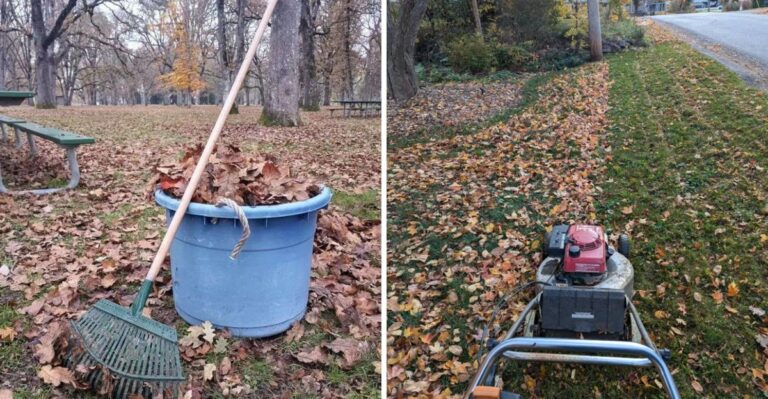
Personally, I love that this job uses free materials from my own yard. Those leaves you raked in fall finally get a second career.
Thirsty Rhododendrons and Boxwoods Lose Water All Winter
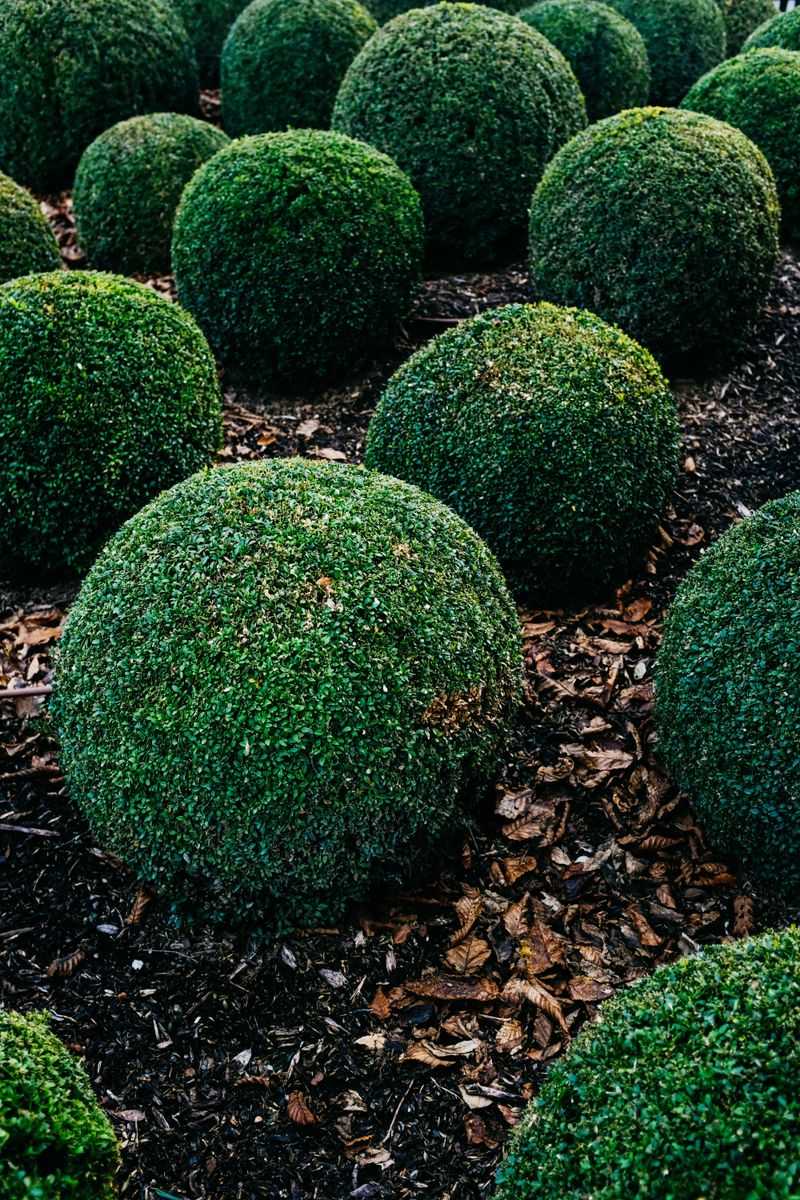
Ever notice rhododendron leaves curling up like tiny cigars on a frigid morning? That is the plant protecting itself from losing water.
Evergreens keep their leaves all winter, and those leaves still release moisture on sunny or windy days.
The trouble starts when the ground is frozen. Roots cannot pull up water to replace what the leaves lose, so needles and leaves turn brown, especially on the side facing wind or sun.
Gardeners call this winter burn, and boxwoods, hollies, arborvitae, and young pines often show it.
A mild El Niño winter can actually help here, since the soil may stay unfrozen longer. You can use that window wisely.
Water newly planted and young evergreens deeply until the ground freezes solid. During a midwinter thaw, if the soil is soft and the air is above freezing, give them another slow soak in the morning.
Wet weather changes the plan, though. If rain has kept the soil soggy, skip watering, because extra water only adds to root stress.
Push a finger into the soil first.
For shrubs in windy spots, a burlap screen set up a foot away blocks harsh gusts without trapping moisture against the leaves. Avoid wrapping burlap tightly around the plant itself.
Heavy Wet Snow Can Snap Arborvitae and Shrub Branches
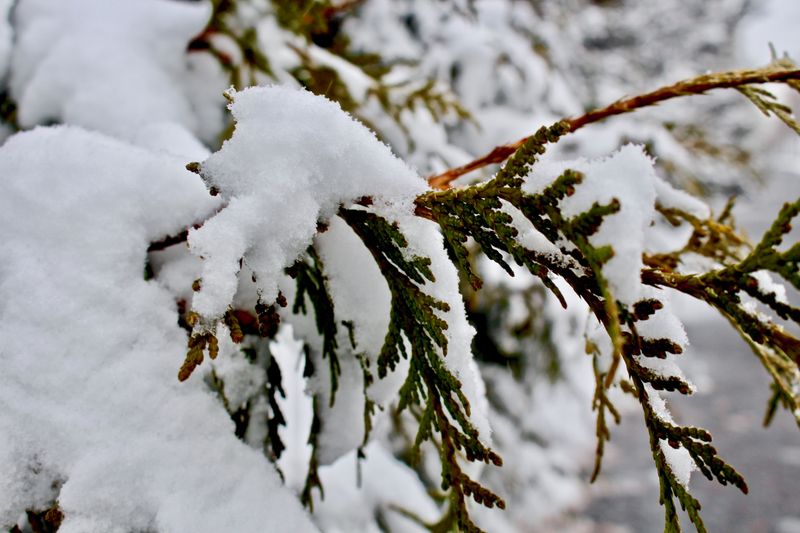
Warm-ish winters do not mean snow-free winters. When El Niño storms ride up the coast and temperatures hover near freezing, the snow that falls is often heavy, wet, and sticky.
Some of us call it heart-attack snow for good reason.
That dense snow is tough on upright shrubs. Arborvitae, junipers, and yews can splay open like a broken umbrella.
Birches and young fruit trees may bend low or crack at weak branch joints.
You can help, but gentle is the key word. Use a broom to sweep upward from underneath branches, letting snow fall off without shaking.
Shaking a frozen or icy branch can snap it in your hand.
Ice is a different beast. If branches are coated in a glassy glaze, leave them alone and let the ice melt naturally.
Pulling or knocking ice off often causes more damage than the ice itself.
Got a row of arborvitae that flops every year? Loosely tying the branches together with soft cloth strips or garden twine in late fall can keep them upright.
Remove the ties in spring so they do not cut into the bark.
Also watch your roofline. Snow sliding off a roof can flatten foundation shrubs fast, so a simple wooden A-frame shelter can save your favorites.
Early Forsythia and Magnolia Buds Can Get Fooled by Warm Spells
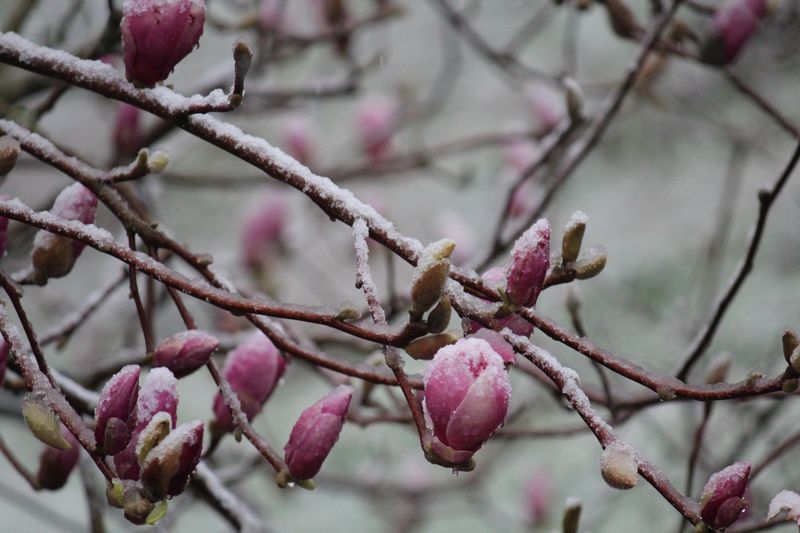
A sunny 60-degree day in February feels like a gift. Your plants think so too, and that is where the trouble begins.
Early bloomers like saucer magnolias, forsythia, and fruit trees respond to warmth by swelling their buds.
Once buds open, they lose much of their cold hardiness. A hard freeze afterward can turn magnolia petals brown and mushy overnight.
Apple, peach, and cherry blossoms may drop without setting fruit.
I can’t stop winter weather from flip-flopping, and neither can you. Still, a little preparation goes a long way.
Keep frost cloth or old bedsheets handy from March onward. If a freeze is forecast, drape covers over small shrubs in the evening and let them reach the ground to hold in soil warmth.
Remove them the next morning once temperatures rise.
Skip plastic sheeting, since it touches leaves and can make cold damage worse. Also avoid fertilizing in late winter, which pushes tender growth too soon.
Here is a comforting fact. Forsythia sets its flower buds the previous summer, and only some open early, so a frost rarely ruins the whole show.
Most perennials and shrubs also have backup buds that sprout new leaves after a setback, so wait before you prune anything that looks rough.
Wait Before You Dig or Plant in Soggy Spring Garden Soil
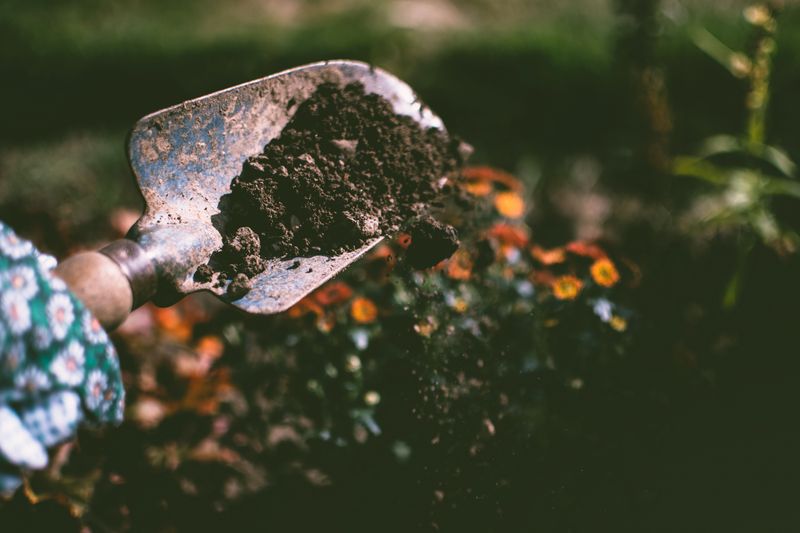
Spring fever hits hard after a gray, rainy winter. I get it.
The seed packets are calling, and the first warm weekend feels like permission to start digging.
Take ten seconds for the squeeze test first. Grab a handful of soil and squeeze it into a ball, then poke it.
If it crumbles, you are ready to work. If it stays a sticky lump, give it more time.
Wet spring soil also stays cold longer, because water warms slowly. Seeds of carrots, beets, and beans may rot before they sprout.
Garlic and onions planted last fall can struggle too if beds stay waterlogged.
Raised beds are a smart answer. They drain faster and warm up sooner, often by a week or more.
Mixing in a few inches of compost improves drainage in clay and helps sandy soil hold nutrients.
Heavy winter rain can wash away nitrogen, so a soil test through your local Cornell Cooperative Extension office is a great idea before you add fertilizer.
Cool-weather crops like peas, spinach, lettuce, kale, and radishes are good first choices once soil is workable. Across New York, timing varies a lot, from late March on Long Island to May in colder northern areas, so follow local frost dates.
A Rain Gauge and Garden Journal Make Next Winter Easier
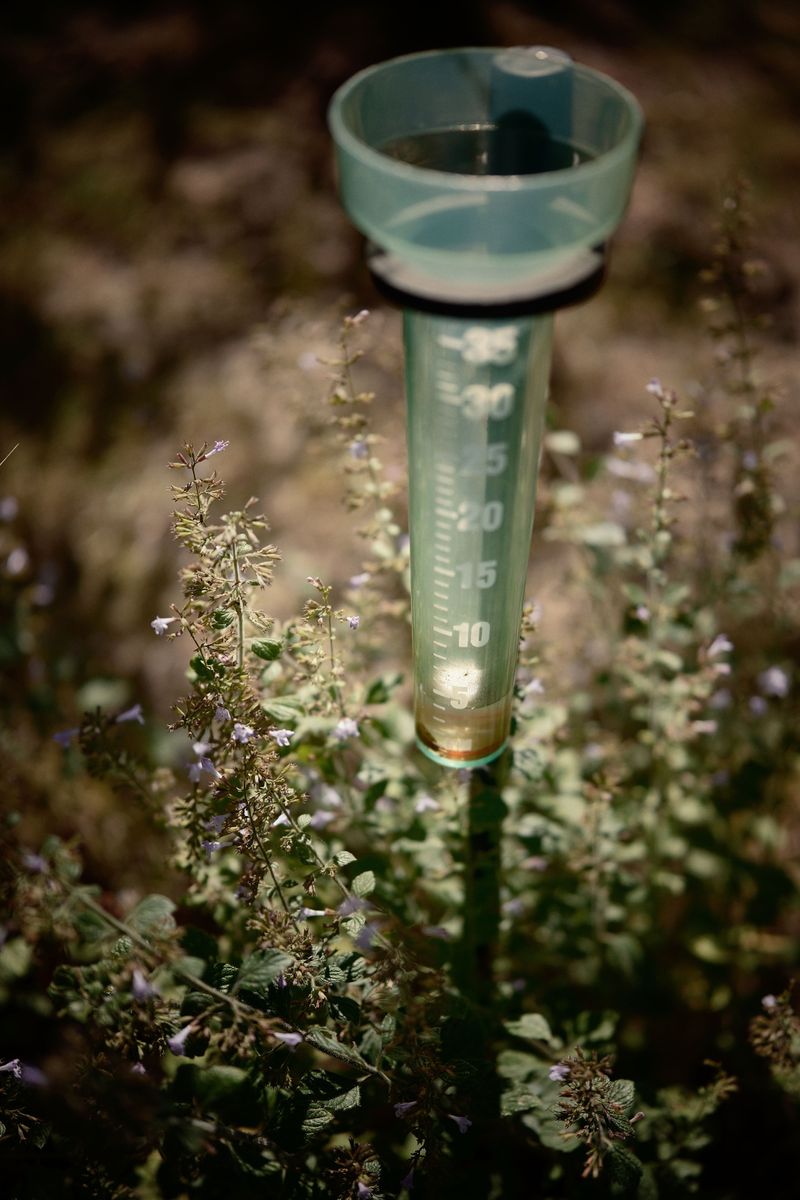
My favorite garden tool costs about ten dollars. It is a plain plastic rain gauge clipped to a fence post, and it tells me more about my yard than any forecast.
Pair it with a simple notebook or phone notes. Jot down rain totals, snow depth, thaw days, and the first frost after a warm spell.
Note which shrubs browned, which perennials heaved, and where puddles lingered.
Patterns jump out fast. You may discover that one corner floods after every coastal storm, or that a south-facing hedge burns every February.
Those clues guide smarter choices next fall.
Regional differences matter here too. New York stretches from USDA zone 3 in the Adirondacks to zone 7 near the coast, so a neighbor’s advice from another region may not fit your yard.
Check the NOAA Climate Prediction Center seasonal outlooks each fall to see whether El Niño, La Niña, or neutral conditions are expected. Remember these are probabilities, not guarantees.
Over time, your notes might lead to big upgrades. Maybe a rain garden filled with native swamp milkweed, blue flag iris, and New England aster.
Maybe a sturdier evergreen in a windy spot.
Rain or snow, the gardener who pays attention usually wins. Your yard is already sharing the answers.