Your Texas Christmas Cactus Needs These November Tweaks To Bloom By The Holidays
Wild Christmas cacti grow on tree branches in Brazilian mountain forests, not in sandy deserts at all. Their native home sits in the misty coastal mountains near Rio de Janeiro, where clouds drift through daily.
That jungle background explains why these plants act so differently from the prickly pear growing near Texas fences. They lack sharp spines, they love some humidity, and they respond strongly to shorter autumn days.
I love how a plant that looks like flat green links can suddenly turn into a pink fireworks show. You might notice tiny bumps forming at the stem tips, and that moment feels like opening a gift early.
Personally, I think late autumn is when most Texas growers either win the bloom game or lose it quietly. A few small changes right now can decide whether your windowsill glows with flowers by the holidays.
1. Long Dark Nights Trigger Christmas Cactus Flower Buds
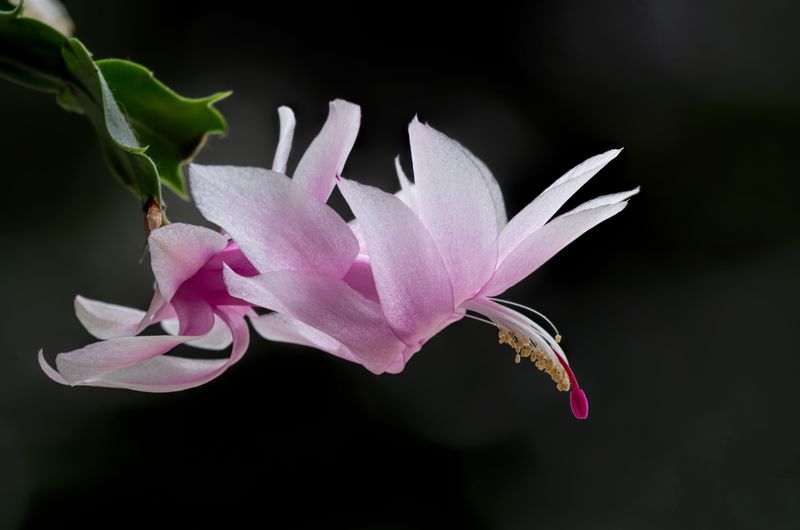
Your plant secretly counts the hours of darkness each night, and that count decides whether flowers appear. Botanists call Christmas cactus a short-day plant, which means long nights tell it the blooming season has arrived.
University extension experts suggest about 12 to 14 hours of steady darkness each night for roughly six weeks. Even a quick flip of a lamp switch can confuse the plant and slow down bud formation for days.
I keep mine in a guest bedroom that nobody uses after supper, and the routine works beautifully every year. A closet works too, as long as you move the pot back into bright light every single morning.
Watch out for sneaky light sources you might ignore, like porch lights, street lamps, or glowing television screens nearby.
Those small glows seem harmless to us, yet the plant reads them as daylight and delays its flowering plans.
During daytime hours, bright indirect light keeps the plant strong enough to support plenty of healthy flower buds.
An east window often works nicely, giving gentle morning sun without the harsh afternoon heat that scorches stems.
Once you spot buds about the size of a pea, you can relax the strict darkness schedule quite a bit. By then the plant has made its decision, and normal household lighting should not undo all your patient work.
2. Cool Nights Help Christmas Cactus Set More Buds
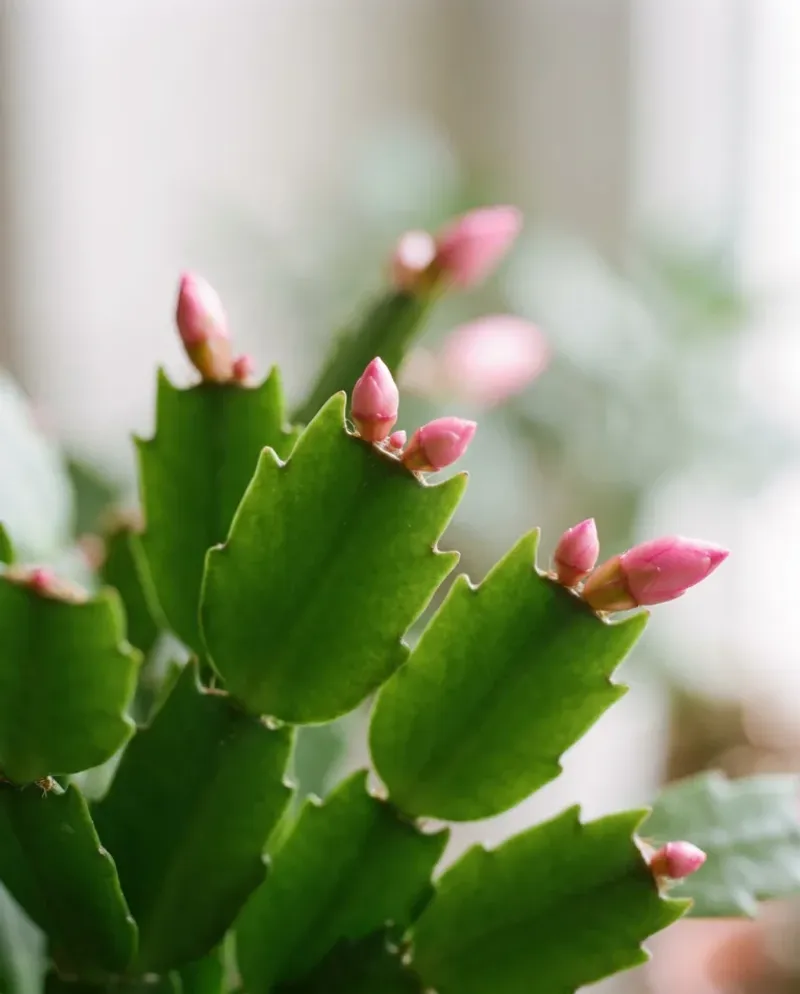
Cool air works almost like a magic switch for these plants, and science backs that up nicely. Research from extension services shows nights around 55 to 60 degrees strongly encourage flower buds to form on stems.
In many parts of Texas, November nights finally drop into that sweet range after months of long sticky heat.
A covered porch or unheated sunroom can give your plant those cool nights without risking any harmful frost exposure.
I have to admit that I check the forecast like a nervous parent once autumn weather finally arrives here. Temperatures below about 45 degrees can hurt this tropical plant, so bring it indoors before any chilly fronts arrive.
Inside your home, keep the pot away from heating vents, fireplaces, and sunny spots that warm up during afternoons.
Steady warm air above 70 degrees can stop bud formation, even when your plant gets plenty of darkness nightly.
Fun fact for curious growers: cool temperatures alone can trigger blooming, even without strict darkness, according to plant researchers.
Combining both cues often gives the strongest results, so I like using cool nights and long darkness at once.
Drafty doors cause trouble too, because sudden blasts of cold or warm air stress the plant quickly. Pick a calm spot with gentle, steady temperatures, and your Texas cactus will reward you with far more colorful blossoms.
3. Careful Watering Keeps Christmas Cactus Buds From Dropping
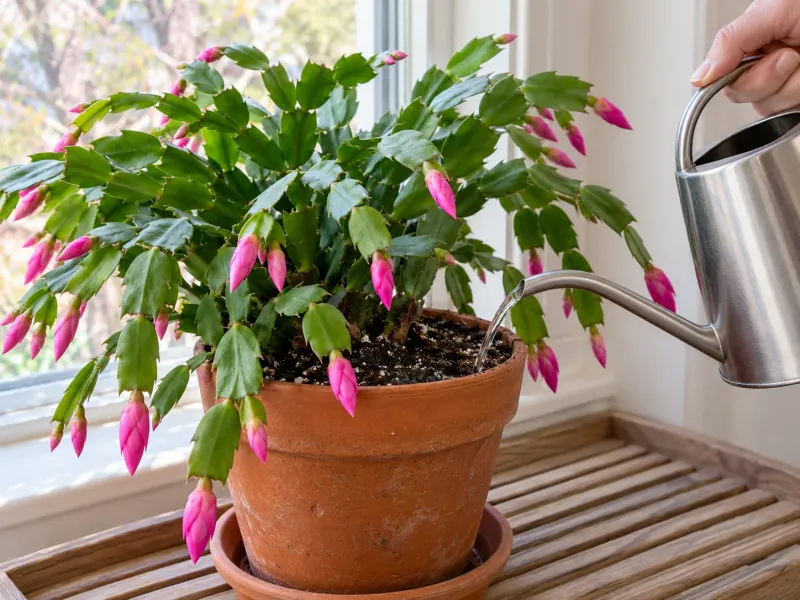
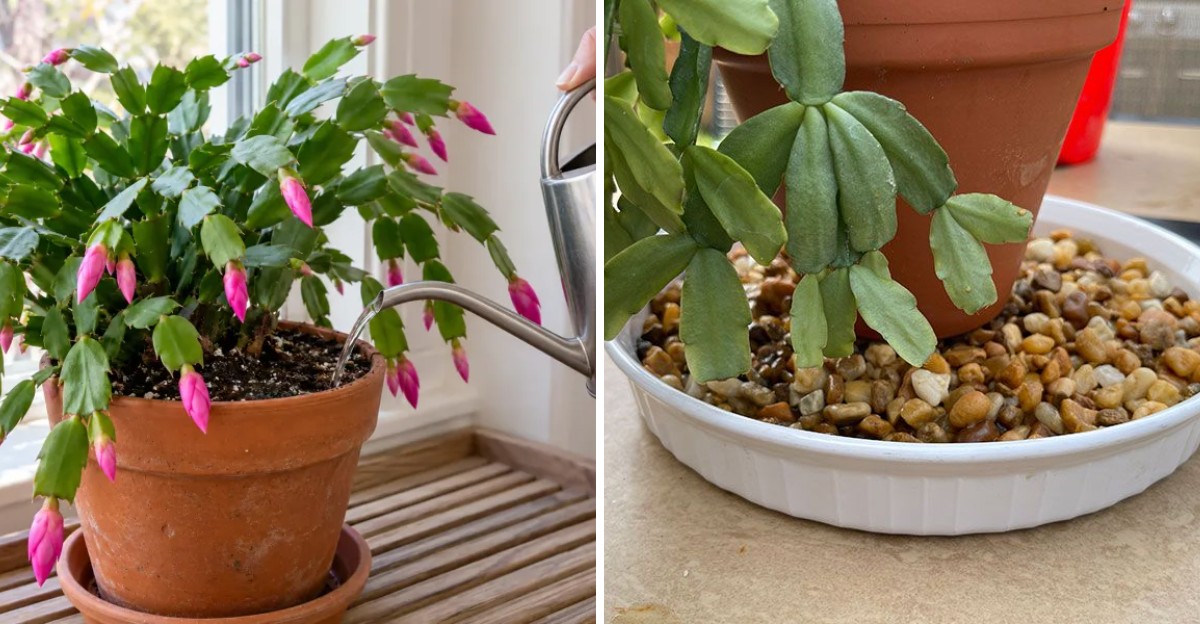
Soggy soil ranks among the top reasons these cacti struggle indoors, and root rot can sneak up quietly. Jungle cacti like moisture, yet they also need plenty of air around their roots to stay healthy and strong.
Before watering, push a finger about an inch into the soil and feel for dryness first. If the top layer feels dry, water thoroughly until extra water runs freely out through the drainage hole below.
Many growers slightly reduce watering in early fall, which can help nudge the plant toward making flower buds. Once buds appear, though, keep the soil lightly moist so those little flowers do not shrivel and fall off.
I always empty the saucer about fifteen minutes after watering, because standing water invites mushy roots and sad plants.
Personally, I think that tiny habit saves more Christmas cacti than any fancy fertilizer or expensive potting product.
Texas tap water can be fairly hard in many cities, so occasional rainwater makes a nice treat for plants. Collected rain also lacks extra minerals that can build up in pots and leave crusty white rings around rims.
Limp, wrinkled stems usually mean the plant feels thirsty, while soft, darkened bases often point toward too much water.
Learning to read those signals helps you adjust quickly before small problems grow into bigger ones later.
4. A Pebble Tray Adds Humidity For Christmas Cactus
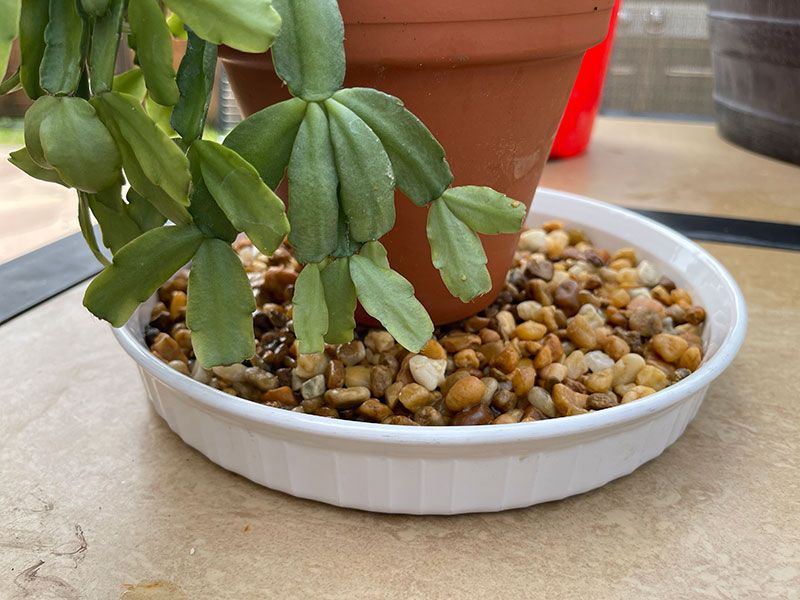
Back in its cloud forest home, this cactus enjoys damp air drifting through the trees almost every day. Indoor heating dries the air quickly, especially during cold snaps, and dry rooms can make buds struggle or drop early.
A pebble tray offers an easy fix that costs very little money and takes only a few minutes. Fill a shallow saucer with pebbles, add water below the stones, and then set your pot right on top.
As water evaporates, it adds gentle moisture around the leaves without soaking the roots underneath the pot.
I love how something this simple can make such a noticeable difference in plant health over several weeks.
Grouping houseplants together also helps, because plants release moisture into the air and share it with neighbors nearby. My Christmas cactus sits beside a fern and a peace lily, and they seem to enjoy the company.
Small room humidifiers work well too, especially in homes where the heater runs often during chilly weeks each winter.
Aim for moderate humidity, since overly damp, stagnant air can invite fungal problems on stems and flowers instead.
Misting provides only a brief boost, so I treat it as a bonus rather than my main humidity plan. Good air movement matters too, so avoid stuffing the plant into a crowded corner with no breeze whatsoever.
5. Put The Plant Food Away Until Spring
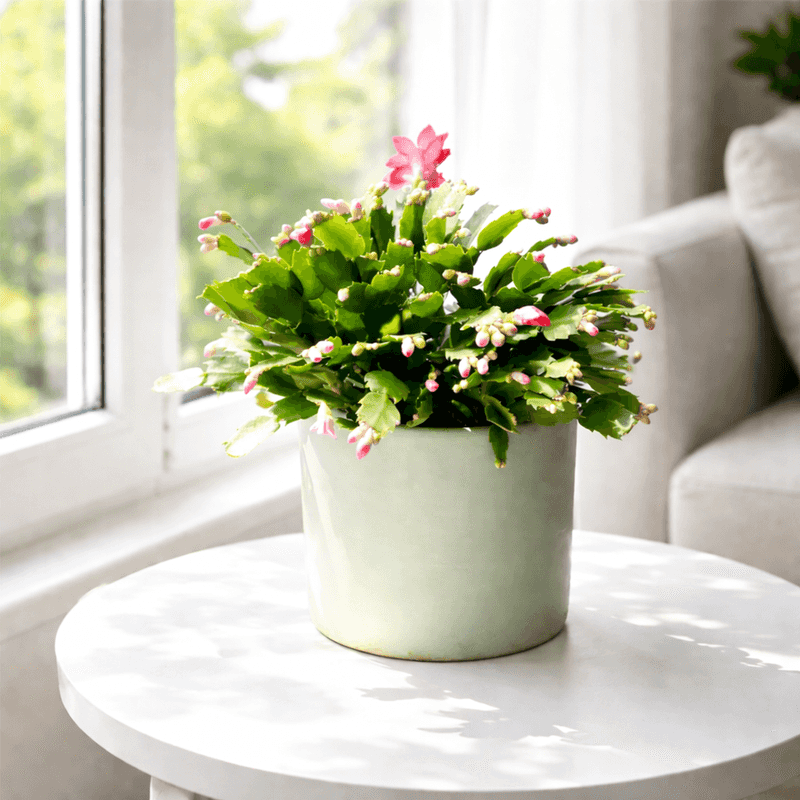
Feeding a plant less sounds strange, yet your cactus actually prefers a break from fertilizer during autumn months.
Many extension guides recommend stopping regular feeding by late summer or early fall to support good bud formation.
Extra nutrients now can push the plant toward making new green stems instead of putting energy into flowers. You want those resources going toward pretty blooms, so tuck that bottle of plant food away on a shelf.
I used to think more food meant more flowers, and my early plants politely proved me wrong. Once I stopped fertilizing in autumn, the buds showed up thicker and lasted much longer on each stem tip.
Your plant already stored plenty of nutrition during its busy growing months, so it will not go hungry. Think of this stretch as a quiet season where the plant focuses on one important job at a time.
After the flowers finish and new growth starts in spring, you can return to feeding with diluted houseplant fertilizer.
A balanced formula at half strength every few weeks usually keeps stems green and healthy through warm months.
Some growers also add a little Epsom salt during the growing season, since these plants may need extra magnesium.
That practice belongs to spring and summer, though, so save any experiments until the holiday blooms have faded.
6. Choose One Spot And Stop Moving Your Christmas Cactus
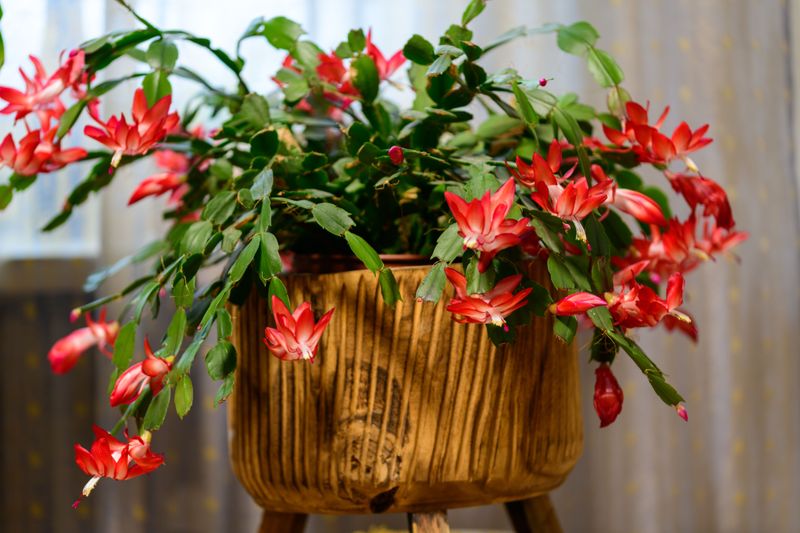
Few things frustrate gardeners more than watching perfect buds suddenly fall onto the table without any warning at all.
Bud drop often happens when the plant gets moved around, rotated, or exposed to sudden swings in temperature.
These plants seem to like steady routines, much like a cat that hates when furniture gets rearranged suddenly. Pick a holiday display spot early, then let the plant settle there before buds grow much larger than peas.
I made the mistake once of carrying mine to a family dinner, and half the buds dropped the next morning. Lesson learned, so now my cactus stays home and the guests come over to admire it instead.
Avoid hallways with heavy foot traffic, front doors that swing open often, and spots right next to cold glass. Each bump or chilly gust adds stress, and stressed plants sometimes drop buds to save their own energy.
Bright indirect light still matters in this final spot, since buds need energy to open into full, colorful flowers. A table near an east or north window often gives plenty of light without harsh, hot afternoon rays.
Once flowers open, each bloom can last several days, and the whole show may continue for weeks with care.
Keep conditions steady, water gently, and enjoy the colorful display without fussing with the pot too much.
7. Snug Roots Help Christmas Cactus Bloom Better
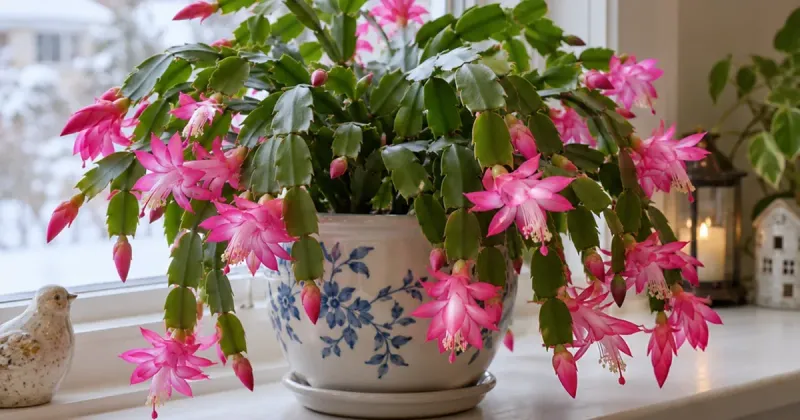
A slightly crowded pot might look uncomfortable to us, yet this cactus actually blooms better when its roots feel snug.
Many extension experts note that Christmas cacti flower best when they stay somewhat pot-bound for a few years.
Repotting right before the holidays can shock the roots and send the plant into recovery mode instead of flowering. That stress may lead to fewer buds, or buds that fall before they ever have a chance to open.
You need to resist that urge to give your plant a roomy new home this month, even when tempted. I know how exciting a fresh pot feels, but patience pays off with a much better holiday flower show.
The best time to repot usually comes in spring, after blooming ends and fresh green growth starts to appear. Most plants only need repotting every two or three years, so there is rarely any rush to do it.
When that time comes, choose a pot just one size larger with a good drainage hole at the bottom. A light, airy mix, such as potting soil blended with perlite or orchid bark, works well for these plants.
Fun fact: in nature, these cacti cling to tree branches with very little soil around their roots at all. That history explains why loose, fast-draining mixes and smaller pots suit them better than big, heavy containers.