The Central Park Fall Foliage Peak Date Every New Yorker Should Know
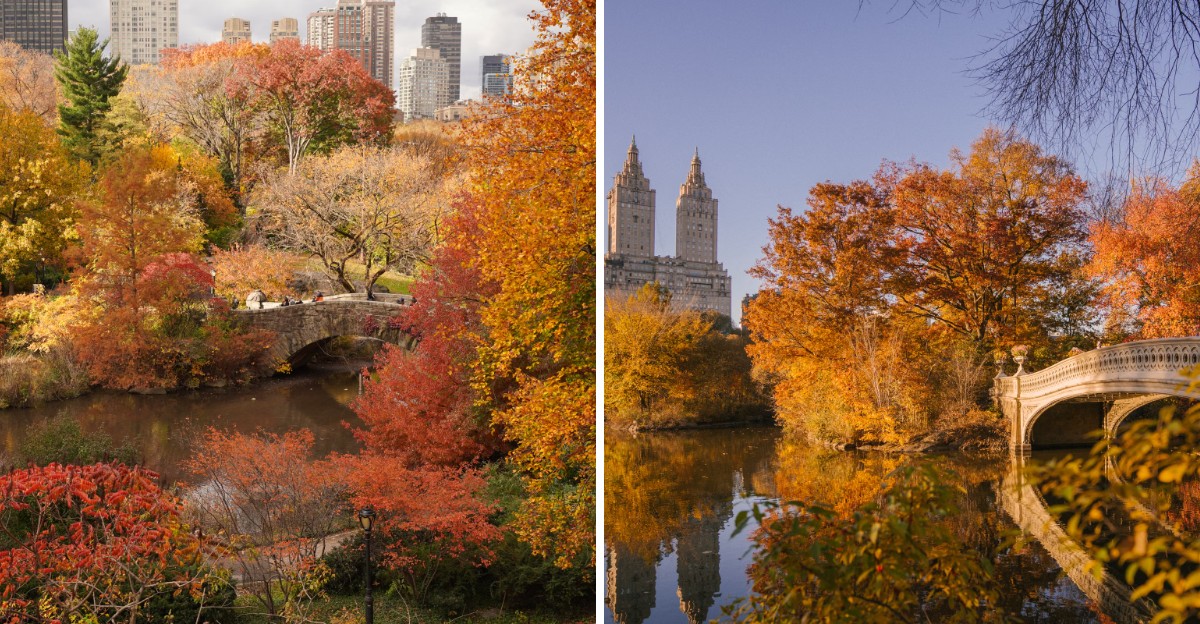
You may be planning your leaf trip for the wrong weekend. Peak color in New York lands later than you expect.
Chilly nights trigger red pigment production in sugar maple leaves. Sunny afternoons fuel the energy reserves behind that color.
Oaks turn late, so you can save them for a later visit. Ginkgos drop golden leaves within days, so you must time them carefully.
Target the Ramble and the Reservoir path for rich reds and oranges. Watch forecasts for a cold snap, because that speeds up the show.
Aim for a weekday morning when low amber light rakes across the Great Lawn. Bring a polarizing filter so you can cut glare off wet maple leaves.
Skip the weekend crowds near Bethesda Terrace if you want clean photos. Plan around the weather, and New York rewards you with color worth framing.
The Best Bet Is Around November 1, 2026
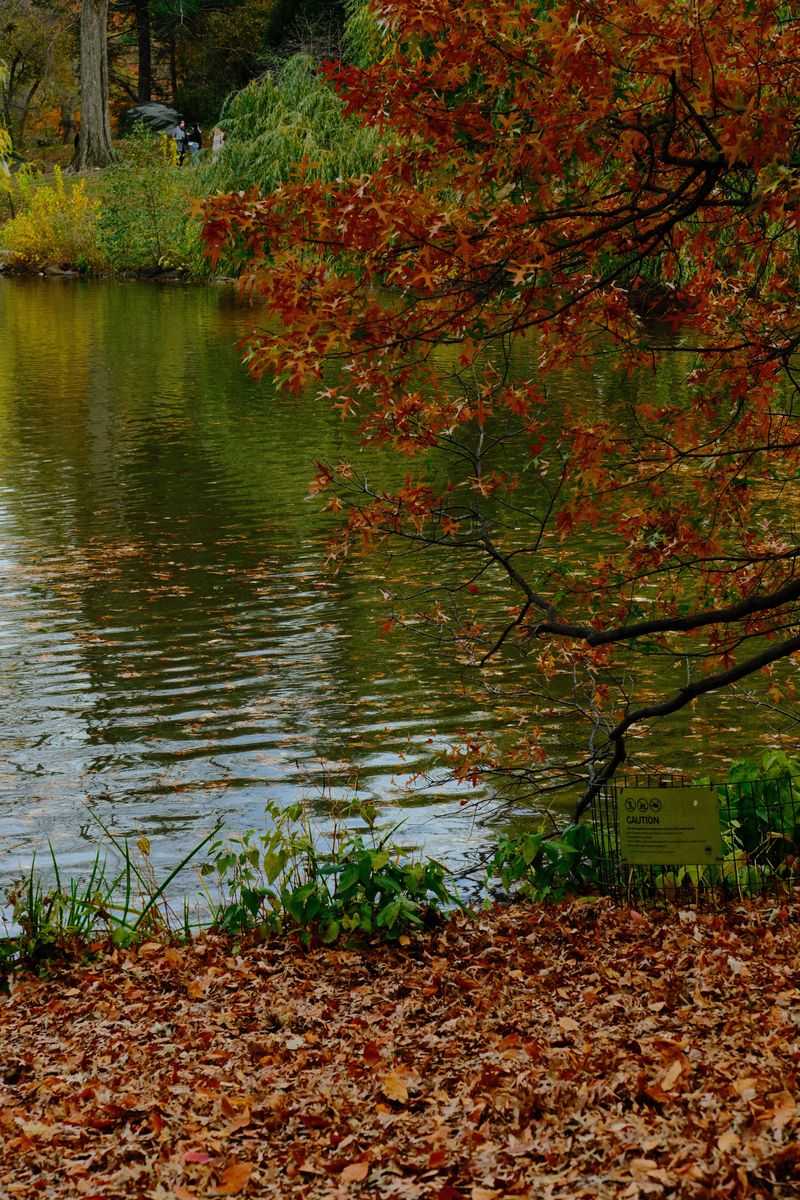
Mark your calendar for October 31 and November 1, and you will probably catch Central Park glowing. For 2026, the Old Farmer’s Almanac points to around November 1 as peak day.
That timing surprises many visitors who expect October to be the star month. In New York City, though, color shows up later than in the mountains upstate.
Tall buildings, warm pavement, and nearby water keep Manhattan a few degrees warmer at night. Those milder nights slow down the color change, pushing peak season into early November.
Upstate spots like the Catskills often peak in early October, nearly a month sooner. So when your cousin posts mountain photos, your turn in the city is still coming.
Think of November 1 as a bullseye rather than a promise. Peak color in any one spot is brief, but the park peaks in waves from late October into the second week of November.
If you can only pick one weekend, choose October 31 through November 1. You might even spot costumed kids crunching through leaves on Halloween afternoon.
Weekdays around that date are even better if your schedule allows it. Paths feel calmer, and you can snap photos without other visitors wandering into your frame.
Keep a little wiggle room, because nature does not read calendars. A sudden heat wave or windy storm can shift the best days by a week.
Still, if someone asks you for one date, November 1 is your answer. Say it with confidence, then bring a warm scarf just in case.
The Weather Behind The Color Clock
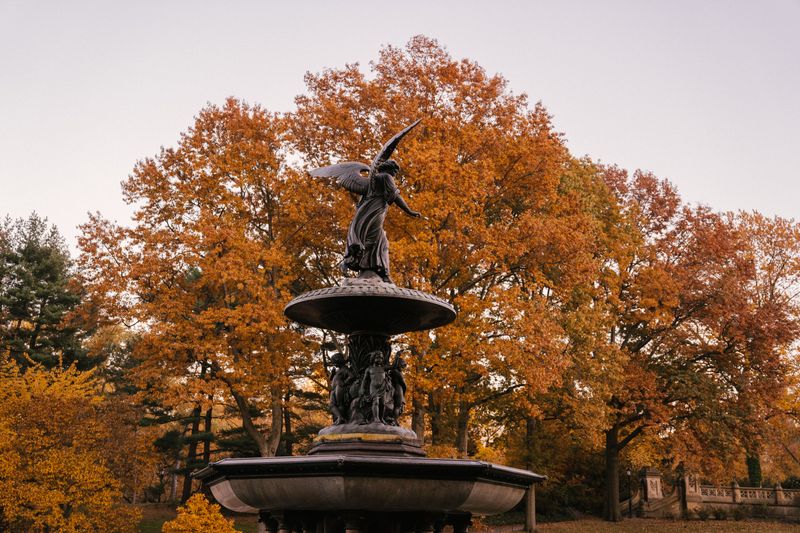
Leaves are basically tiny food factories, and green chlorophyll runs the whole operation all summer. As days shorten in fall, trees stop making chlorophyll and the green slowly fades away.
Once that green curtain lifts, hidden yellows and oranges finally get their moment. Those colors were sitting inside the leaf the entire time, just waiting backstage.
Reds and purples work differently, since trees create them fresh each autumn. Bright sunny days followed by cool, crisp nights help produce the richest reds.
Day length is the steady signal that starts everything rolling each year. Temperature and rain act more like a volume knob, turning the show up or down.
Your New York Garden Changes Every Week. Your Plan Should Too.
Gardening in New York changes quickly throughout the season. Every Friday you’ll receive a simple weekly plan showing exactly what to plant, prune, fertilize, harvest, and protect so you never miss the right timing.
A summer drought can stress trees, causing dull browns or early leaf drop. Plenty of rain followed by a dry, sunny fall usually means a brilliant season.
Warm October nights, which have become more common in New York, tend to delay things. Climate trends have nudged peak color in many eastern cities later than decades ago.
Central Park adds its own twist with thousands of trees from many different species. Each kind follows a slightly different clock, so the color arrives in waves.
Honey locusts often go golden first, while oaks hang on until later. Maples, the crowd favorites, tend to deliver the classic reds, oranges and golds of mid-fall.
Watching the forecast in October gives you real clues about timing. A chilly week can speed up the change, while a warm spell slows everything down.
No Single Official Date, Only A Window
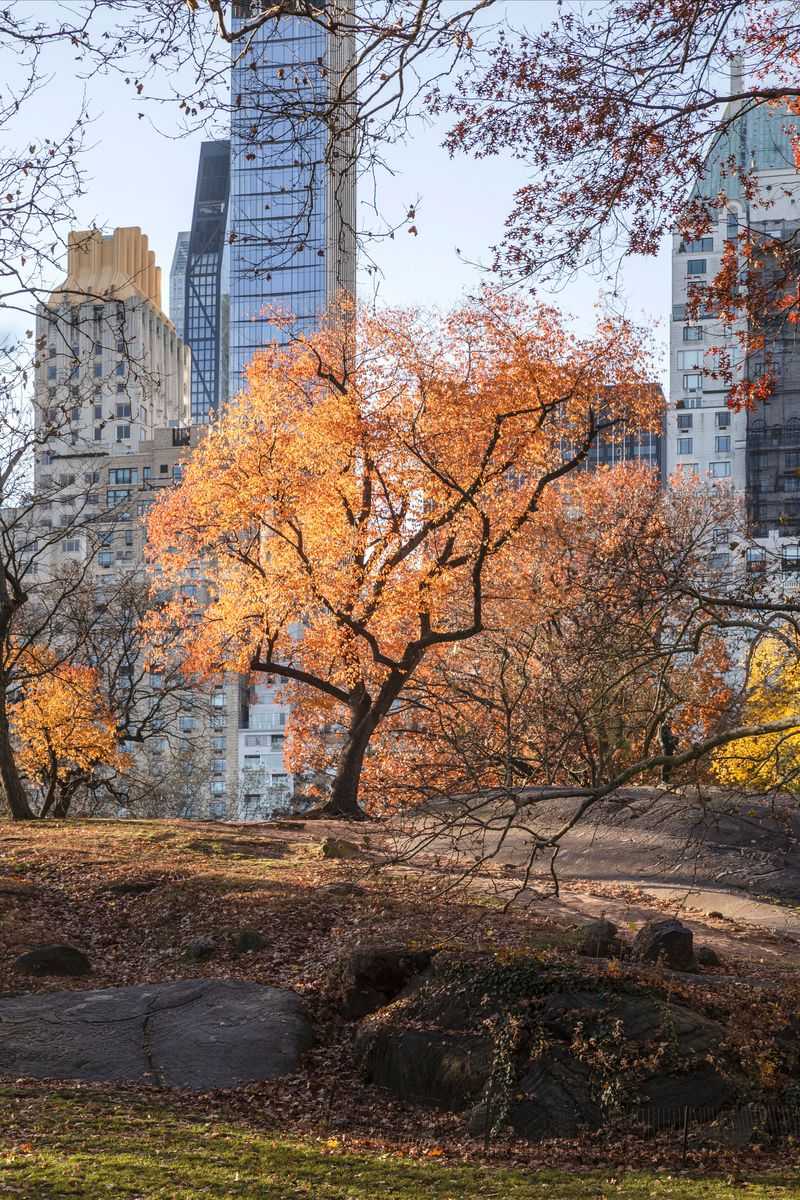
Planners may find this fact about autumn in the city frustrating. No single agency officially announces one peak day, though NYC Parks and I LOVE NY both track the changing color.
The November 1 date comes from forecasts, past patterns, and foliage prediction maps. Think of it like a weather forecast for color, helpful but not carved in stone.
The Central Park Conservancy has offered an interactive map that tracks foliage across the park. Their reports describe which areas look best right now, which is more reliable than guessing.
Online foliage maps, like the one from the Old Farmer’s Almanac, also track color across the country. That map shows New York City hitting peak around the start of November.
Because the park is huge, different corners can peak on different days. The North Woods might glow while trees near Fifth Avenue still look mostly green.
So instead of chasing one magic day, aim for a window. Late October through mid-November gives you roughly three solid weeks of good color.
Peak is often defined as roughly half to three quarters of leaves having turned, though definitions vary. After that point, wind and rain start bringing leaves down quickly.
Treat any single date you read online as a friendly starting point. Then check the latest updates a few days before you head out.
That small habit saves you from showing up to bare branches or plain green. It also gives you a great excuse to visit the park twice.
Common Timing Mistakes To Avoid
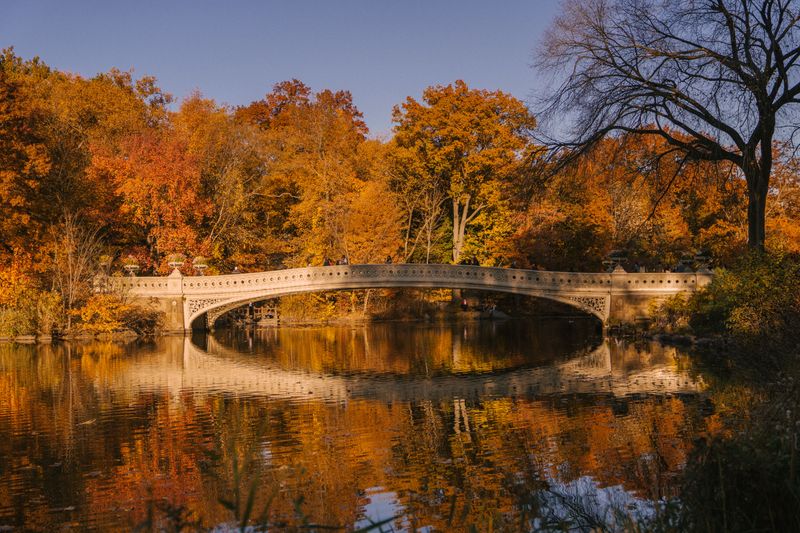
Picture this scene on an October weekend in the park. A family spreads out a picnic blanket, looks up, and sees trees that are still green.
Showing up too early is a common foliage mistake. Social media can set early expectations, since feeds fill with orange forests by late September.
Those photos usually come from Vermont, New Hampshire, or the Adirondacks. Mountains cool down faster, so their trees turn weeks before Manhattan even gets started.
Another trap is waiting for one perfect weekend and then letting it slip away. A rainy Saturday or busy schedule can push your visit past the best color.
Some visitors also head straight for the same crowded spot near the entrance. They miss quieter areas where the color often looks richer and the paths feel calmer.
Fixing these mistakes is easier than finding a seat on the subway at rush hour. Start by ignoring upstate photos when planning your city visit.
Next, pick two possible dates instead of one, such as late October and early November. If the first visit feels too green, the backup date will likely deliver.
Finally, wander a little farther than usual once you arrive in the park. Some of the best surprises hide just past the first bend in the path.
A green first visit is not wasted time, either. Watching the trees slowly change from week to week can be its own small, cozy adventure.
The Best Spots And Paths For Peak Color
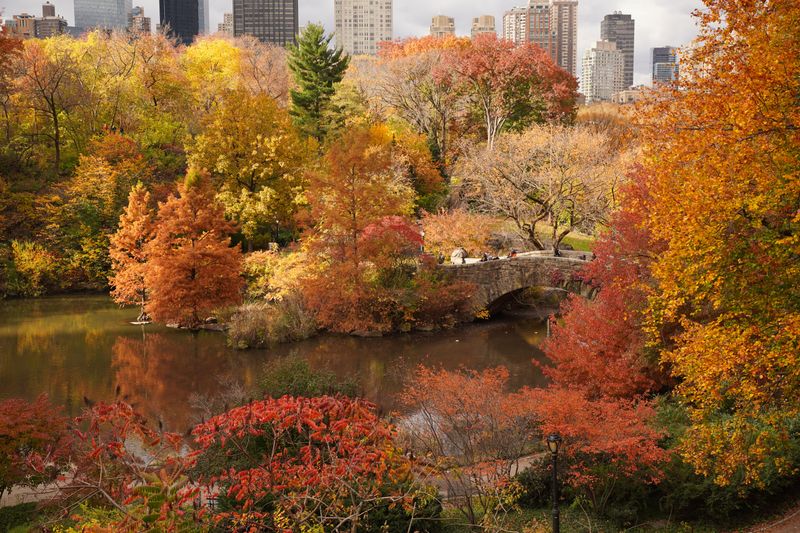
Imagine standing on a quiet stone bridge while orange leaves drift onto the water below. That moment is waiting for you at the right Central Park spots.
The Pond near 59th Street offers classic views of trees framed by city skyscrapers. Gapstow Bridge is the famous photo spot there, so arrive early to beat crowds.
The Mall, with its long row of American elms, feels like a golden tunnel at peak. It is one of the largest remaining stands of these elms in North America.
The Ramble is a woodsy maze of winding trails in the middle of the park. Birdwatchers love it too, so bring patience and maybe a pair of binoculars.
Up north, the North Woods and the Ravine feel surprisingly wild for Manhattan. Small waterfalls and rustic bridges make the fall color feel like a hiking trip.
The Conservatory Garden near 105th Street adds neat paths and colorful autumn flowers. It is calmer than most areas, which makes it great for a peaceful stroll.
Don’t skip the Reservoir running track, where trees ring the water for over a mile and a half. Reflections on calm mornings can double the color.
For the best light, visit in the early morning or late afternoon. Low sunshine makes reds and yellows glow almost like stained glass windows.
Wear comfy shoes, since linking several spots can easily add up to miles. Your feet might grumble, but your camera roll will thank you.
A Simple Plan To Avoid Missing The Show
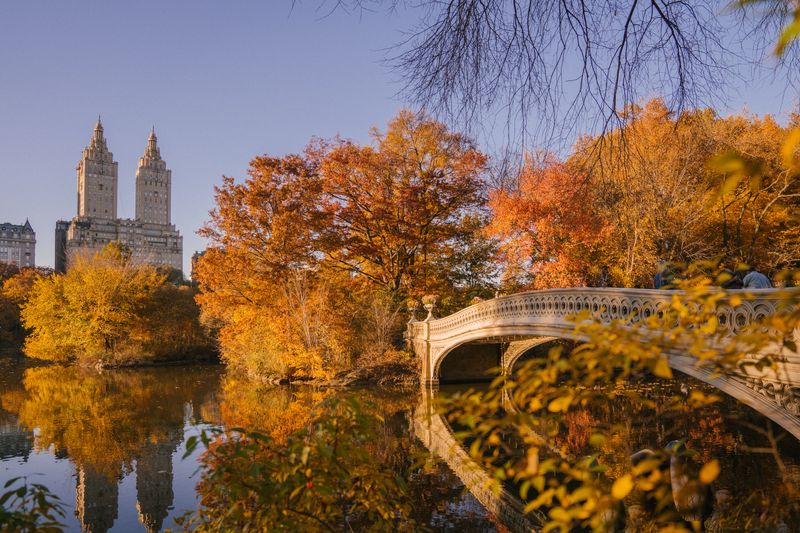
Good planning turns a hopeful weekend stroll into a picture-perfect autumn afternoon you will remember. If you are reading this in October, you still have time to get ready.
Start by saving the Central Park Conservancy foliage page on your phone. Check it each week, and watch for words like near peak or peak color.
Next, block off two flexible dates, such as October 31 and November 7. Having a backup keeps one rainy day from affecting your whole visit.
Keep an eye on the weather forecast too, especially for strong wind or heavy storms. A big storm can knock leaves down overnight, so visit before it hits.
Pack a small bag with water, snacks, and a light jacket for chilly shade. November mornings in the park can feel much cooler than the busy streets.
Try entering from a less popular gate, like those along Central Park West. Weekday visits before ten in the morning offer softer light and far fewer selfie sticks.
Take photos of the same tree on each visit if you go more than once. Comparing them later shows exactly how fast the season moves through the park.
Following this simple plan, you will likely catch the park at its brightest. Even if you miss peak by a few days, the colors still look wonderful.
Remember that the trees will happily put on this colorful show again next year. Missing one season just means you get to plan an even better visit.