Where Ohio Firefly Larvae Spend The Winter And How To Protect Them
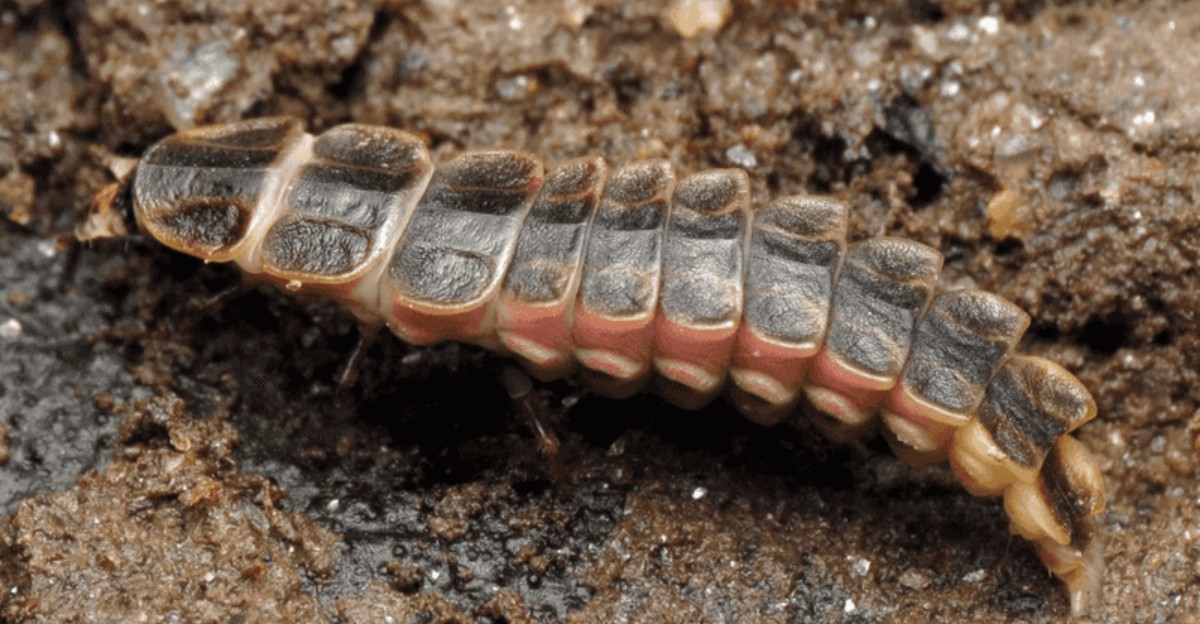
Some of the brightest summer stars in your yard spend up to two years crawling through the dirt first. They glow down there too, faint little sparks hidden under soggy leaves.
I found that detail while planning my fall cleanup, and it stopped me cold. Those tiny hunters chase slugs and snails all season, then tuck themselves in for the long Ohio winter. They rarely make a sound or show themselves, so most of us never notice.
You need to know one thing before you grab that rake. The spots you tidy up in autumn may be the exact spots where next June’s light show is quietly sleeping. Now I can’t look at a leaf pile the same way anymore.
So where do these little glowworms hide when the ground freezes? And what can you do to give them a safer winter bed?
A Soft Glow Hides Under Your Winter Leaf Pile
Lift a damp clump of fallen leaves on a mild November day, and you might spot a tiny flattened bug that looks like a miniature armored alligator. That odd little creature is a firefly larva, and it can even give off a faint glow.
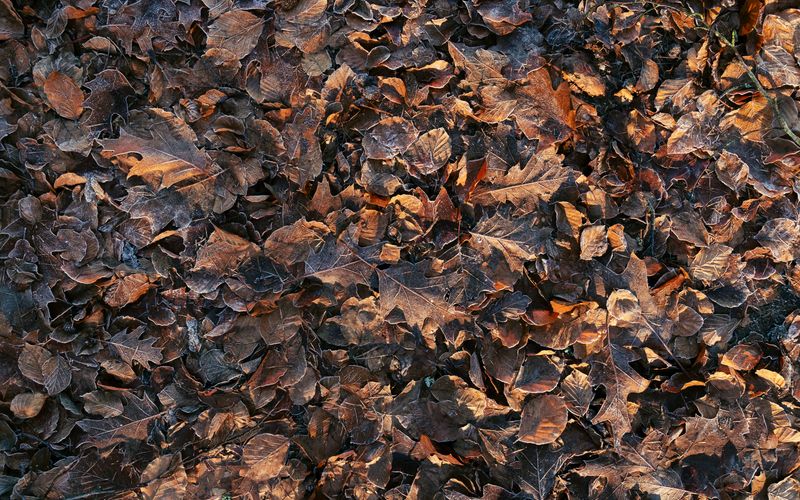
Most Ohio firefly larvae spend winter right at ground level or just below it. They burrow into the soil, slip under loose tree bark, or settle into thick, moist leaf litter. Rotting logs and soft, crumbly humus also make cozy winter homes.
Moisture is the big secret. Larvae have soft bodies that dry out quickly, so they look for places that stay humid and shielded from harsh wind. A layer of leaves works like a fluffy blanket, holding in dampness and softening sudden temperature swings.
Many species stay in this larval stage for one to two years, according to the National Wildlife Federation and Firefly.org. That means the larva you uncover this fall may not flash in your yard until a summer or two from now.
Fun fact for curious kids and grown-ups alike. Scientists believe larvae glow to warn predators that they taste bad, long before adults ever use light to find mates.
Put Down The Rake And Let Fallen Leaves Stay Put
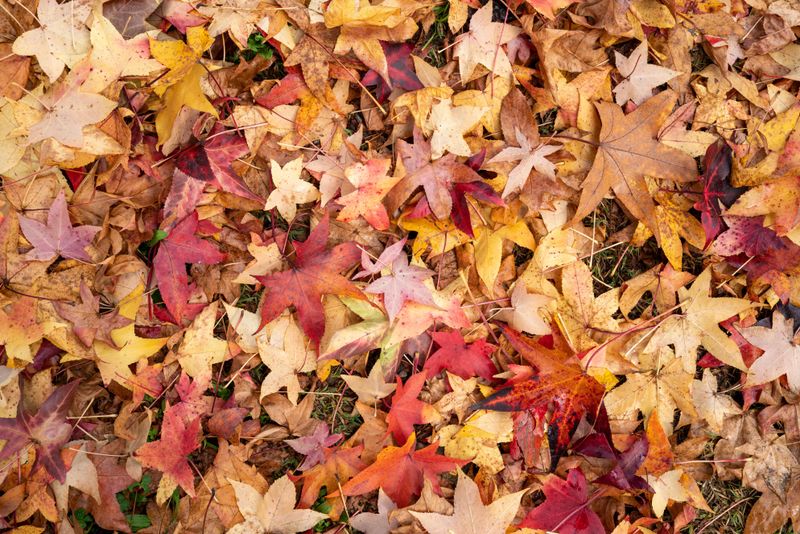
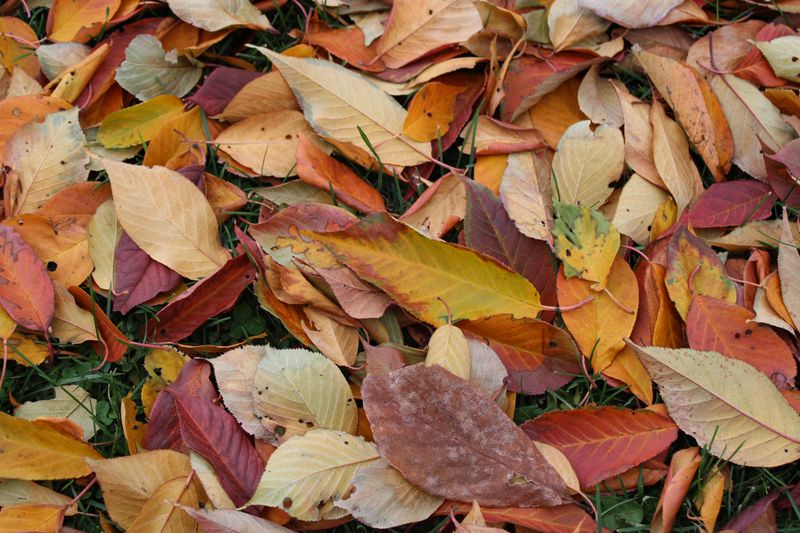
My favorite fall chore just got easier, and maybe yours will too. The single most helpful thing you can do for overwintering fireflies is to leave a good share of your leaves on the ground.
Bagging every leaf and hauling it to the curb removes the exact shelter many larvae need. Ohio State University Extension and conservation groups like the Xerces Society encourage gardeners to keep leaf litter in planting beds and natural areas.
You don’t need to turn your whole yard into a forest floor. Try these simple moves instead:
Rake leaves off the lawn and spread them under trees, shrubs, and perennial beds. Pile extras in a quiet back corner where nobody walks. Skip the leaf blower in spots that already have a nice layer.
Leaves left in beds also break down into rich soil by spring. That feeds your plants and supports earthworms, slugs, and snails, which happen to be favorite meals for hungry firefly larvae.
One small caution helps keep the lawn healthy. A thick, wet mat of whole leaves can smother grass over winter, so move heavy piles into beds rather than leaving them on turf.
Rotting Logs And Brush Piles Make Snug Firefly Larva Hideouts

That crumbly old log you keep meaning to haul away might be the best real estate in your yard. Soft, decaying wood holds moisture like a sponge, and firefly larvae love that kind of damp hideout.
Larvae often wiggle under loose bark or into cracks in rotting wood when cold weather arrives. The wood shields them from wind and keeps their surroundings from drying out. Plus, slugs and snails gather there too, which means dinner stays close by.
Building a firefly-friendly corner is surprisingly easy. Stack a few logs in a shady spot, add some fallen branches, and toss leaves around the base. Let it sit undisturbed through winter and spring.
I like keeping mine near the back fence, where it blends in with shrubs and doesn’t bother the neighbors. It quickly turns into a busy little neighborhood for beetles, salamanders, and other helpful critters.
Try to choose wood from your own property or local area. Moving firewood long distances can spread tree pests, so Ohio forestry officials recommend buying or gathering wood close to home. Your log pile then helps wildlife without giving harmful insects a free ride.
Garden Sprays Can Hurt Firefly Larvae And Their Snail Snacks
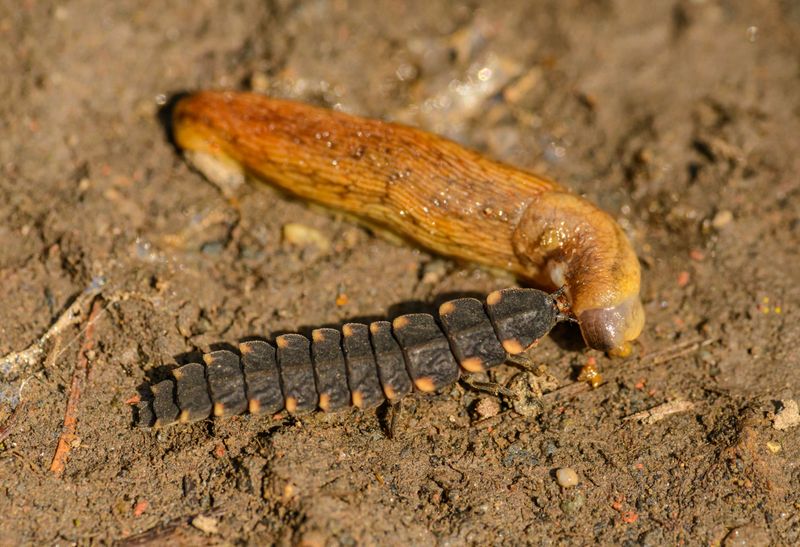
Firefly larvae are fierce little hunters with a big appetite for slugs, snails, and worms. They inject prey with a numbing substance, then slurp it up like soup. Pretty wild for something smaller than your fingernail!
Lawn and garden chemicals can upset that whole food chain. Broad-spectrum insecticides harm larvae directly, and many larvae live in soil where they can’t escape treated areas. Slug baits and grub treatments also remove the very prey these youngsters depend on.
Researchers with the Xerces Society point to neonicotinoid insecticides as a special concern because they can linger in soil. Barrier sprays for mosquitoes can also harm adult fireflies resting on leaves.
You can still keep a lovely yard with fewer chemicals. Hand-pick problem pests, use row covers, and plant a mix of flowers that attract helpful insects. If you must treat something, spot-treat only the problem plant instead of blanketing the yard.
Fall and winter are great times to plan ahead. Read product labels now, before the spring rush hits, and set aside anything that lists soil-dwelling insects as targets. Your future summer evenings will thank you with plenty of sparkle.
Taller Grass Along The Edges Keeps Firefly Habitat Damp

Short, crispy lawns look neat, but they dry out fast. Firefly larvae need humidity close to the ground, and a buzz cut lawn offers very little of it.
Letting grass grow a bit taller makes a real difference. Many firefly experts suggest mowing at about three to four inches, which shades the soil and holds moisture longer. Your grass roots grow deeper too, so the lawn handles summer heat better.
Even better, leave a strip of unmowed space along a fence, near a tree line, or beside a garden bed. That untrimmed border gives larvae shelter year round and offers adults a place to rest during the day.
Picking the right final mow also matters as winter approaches. In Ohio, the last cut usually happens in late October or early November. Leaving the grass slightly taller on that final pass helps protect the ground below.
Neighbors may raise an eyebrow at first. A tidy mowed path along the edge of your wild strip shows the area is planned, not neglected. Some gardeners even add a small sign explaining that fireflies live there, which often sparks friendly conversations.
Native Ohio Plants Hold Moisture For Burrowing Larvae
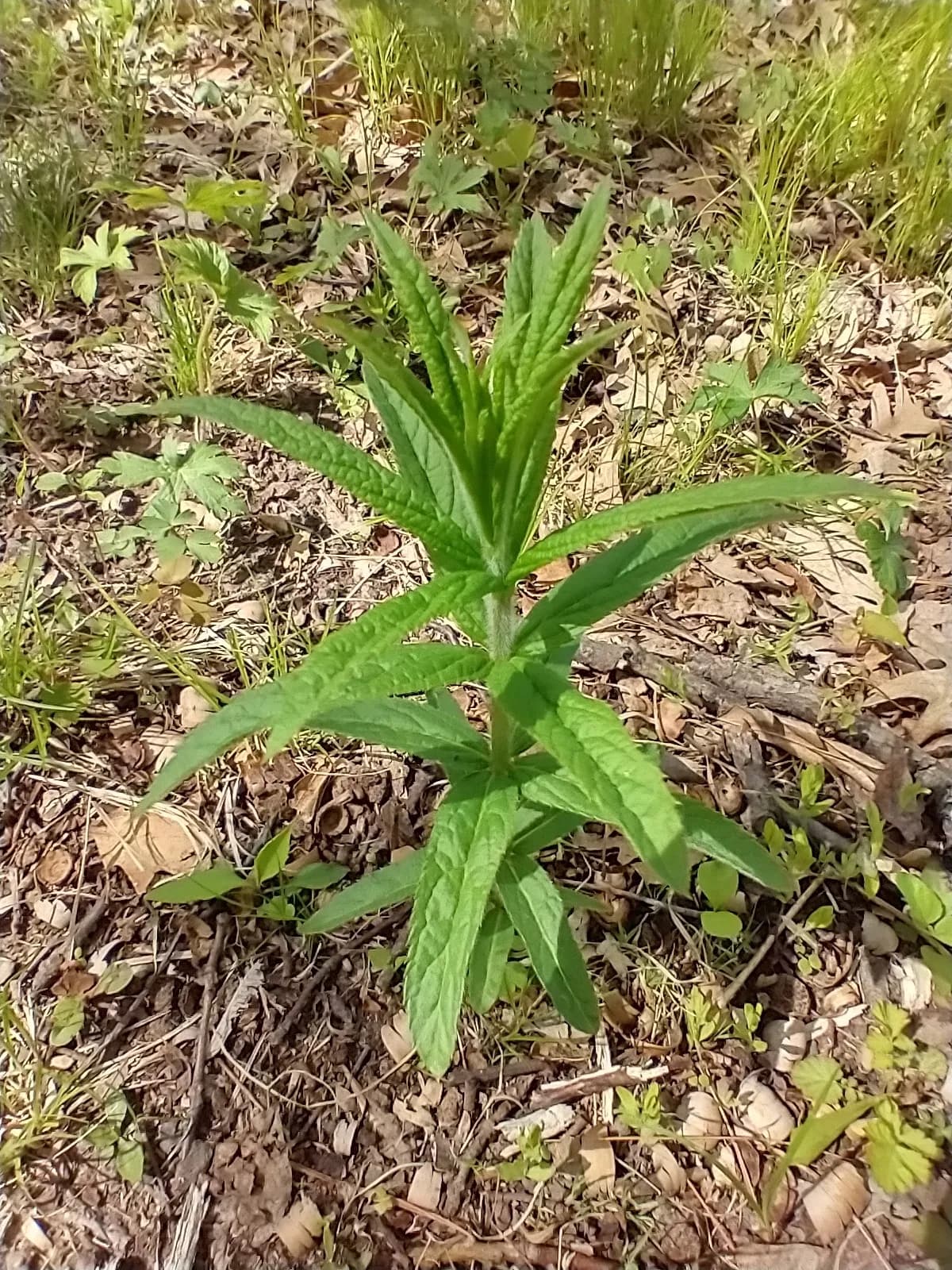
Here’s a sweet bonus for anyone who loves native plants. Many of the same plants that feed butterflies and birds also create the damp, shady ground firefly larvae crave.
Native grasses like little bluestem, switchgrass, and Pennsylvania sedge form dense clumps that shade the soil. Their deep roots help water soak in instead of running off. Leaving their stems standing over winter traps leaves and snow, building an extra insulating layer.
Shrubs and trees help too. Spicebush, serviceberry, and native dogwoods drop leaves that blanket the ground below. In wetter spots, plants like swamp milkweed and blue flag iris keep things extra moist, which many firefly species enjoy.
Native plantings also support a bustling community of soil life. More earthworms, snails, and soft-bodied critters mean more meals for growing larvae.
Fall is a smart time to plan and even plant in Ohio. Many perennials and shrubs settle in well when planted in September or early October, before the ground freezes. Just skip anything on the Ohio invasive plant list, like Callery pear or Amur honeysuckle, which crowd out the natives fireflies depend on.
Porch Lights Can Confuse Adult Fireflies Come Summer
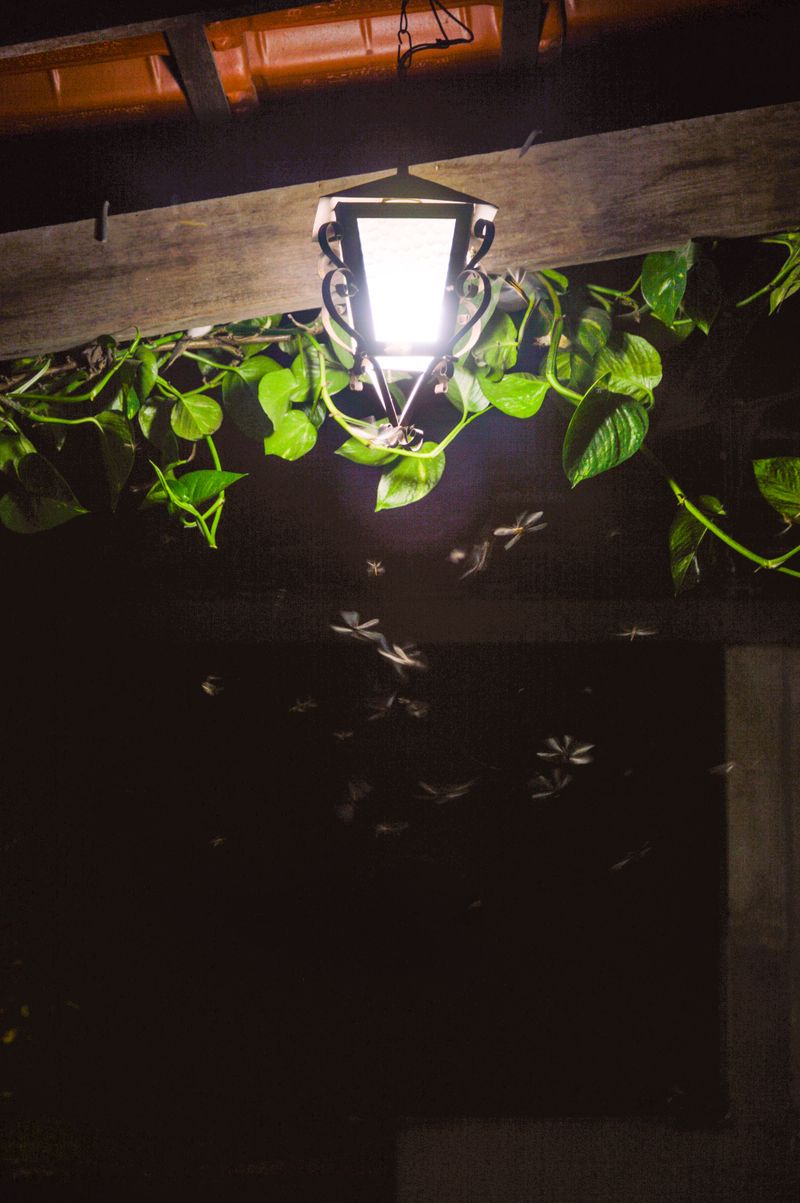
All that winter care pays off best when adult fireflies can find each other in June. Each species flashes its own pattern, almost like a secret code, and bright lights can drown out those signals.
Porch lamps, floodlights, and glowing landscape lights make it harder for males and females to spot one another. Studies reviewed by Firefly.org and the Xerces Society link artificial light at night to fewer mating flashes. Fewer matches mean fewer eggs and fewer larvae the next fall.
Thankfully, small changes go a long way. Switch off outdoor lights you don’t need, especially from late May through July. Use motion sensors for safety lighting, point fixtures downward, and pick warm amber or red bulbs instead of bright white ones.
Closing your curtains at night helps too. Indoor light spilling across the yard counts as light pollution in firefly world.
Winter is actually a great season to fix this. You have time to swap bulbs, add timers, and adjust fixtures before the first blinks appear. I made the change last year, and my backyard felt more magical on warm summer nights.
A Firefly-Friendly Ohio Yard Starts With Small Fall Choices
Protecting fireflies doesn’t require a big budget or a weekend of hard labor. Honestly, it mostly asks you to do a little less and enjoy the extra free time.
Start with a quick fall checklist. Spread leaves into beds, keep a log or brush pile in a shady corner, and leave native plant stems standing until spring. Raise your mower height and skip broad pesticide treatments.
Spring cleanup needs a gentle touch as well. Wait until daytime temperatures stay in the 50s before clearing beds, since larvae and other insects may still be resting. Tuck removed leaves into a compost pile instead of tossing them.
Water matters when dry spells hit. Fireflies thrive near damp areas, so a rain garden, small pond, or regularly watered shady bed can boost your local population.
Want to help science too? Join Firefly Watch through Mass Audubon, a citizen science project that welcomes observers from all over the country. Counting flashes on summer nights is a fun family activity, and your notes help researchers track how fireflies are doing. A few easy habits now can turn your yard into a glowing summer show for years.