This Ohio Native Perennial Gives You Everything Lantana Does (Without Replanting Every Year)
Lantana is hard to argue with in the moment. The color is bold, the blooms are nonstop, and pollinators absolutely mob it all summer long.
But every fall, Ohio gardeners face the same reality. It is not coming back.
Out it comes, and come spring you are at the nursery starting the whole cycle over again. That adds up.
In money, in time, and in the kind of low grade garden frustration that nobody talks about but everybody feels. There is an Ohio native perennial that delivers the same visual punch as lantana, the same pollinator traffic, the same long bloom season.
And it comes back on its own every single year without any help from you. It has been growing in Ohio landscapes for a long time.
The question is whether you have been giving it the credit it actually deserves.
1. Choose Butterfly Weed For Lantana Color That Comes Back
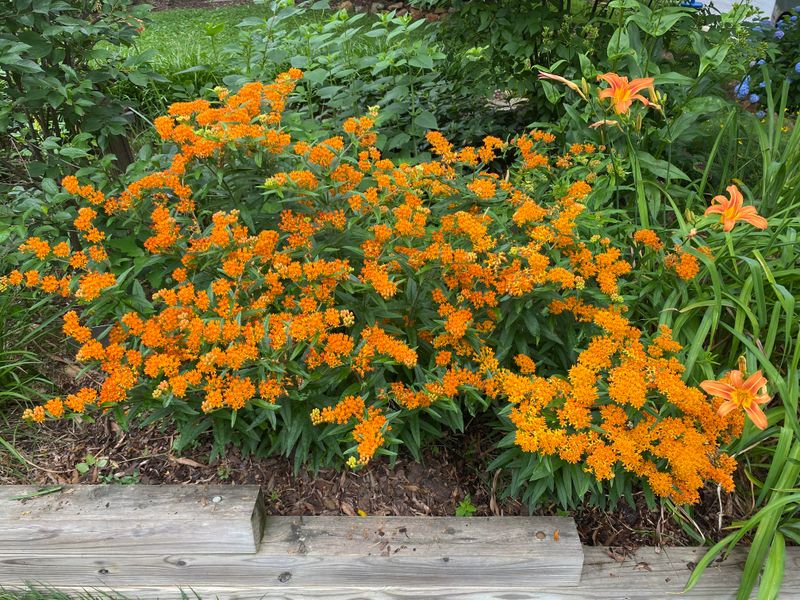
A hot front border planted with lantana looks stunning in July, but that same spot can feel like a fresh expense every single spring.
Gardeners who want that same burst of warm, saturated color without the annual shopping trip have a strong native option worth knowing well.
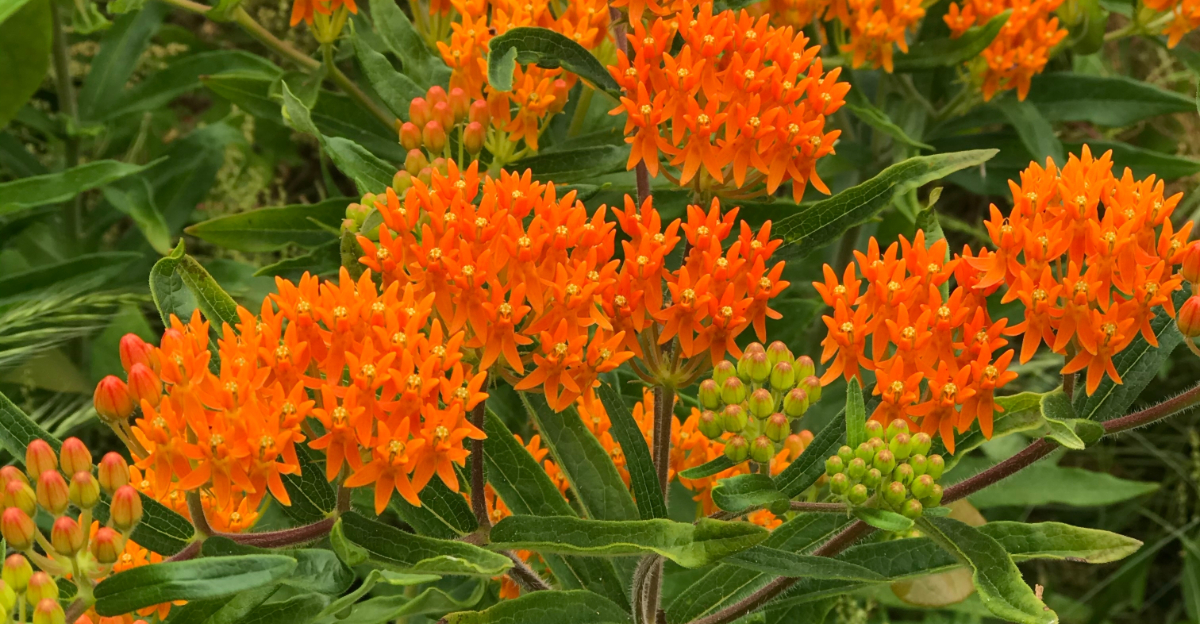
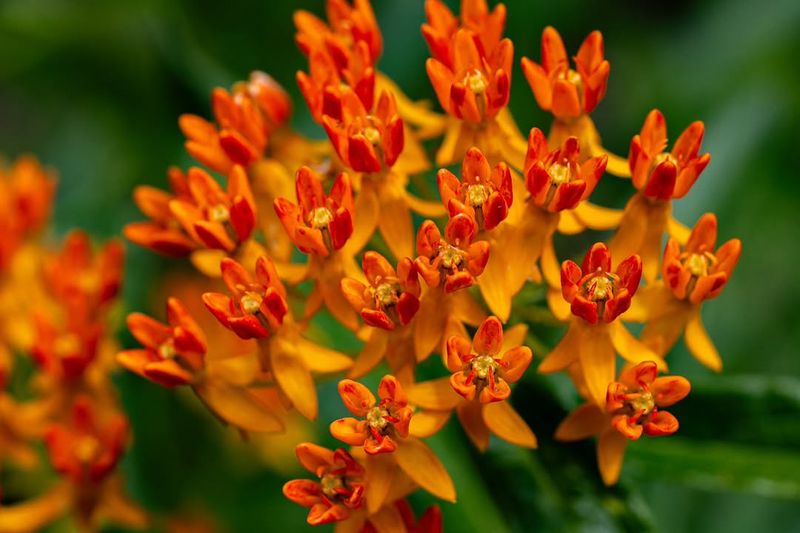
Asclepias tuberosa, commonly called butterfly weed, produces clusters of vivid orange blooms. They carry much of the same visual energy people seek from lantana in sunny beds and borders.
The comparison is not perfect, and that honesty matters. Lantana often blooms over a longer stretch of summer, handles more container situations, and tolerates a wider range of soil moisture.
Butterfly weed has a shorter bloom window, typically peaking in early to midsummer, and it strongly prefers dry to medium, well-drained soil. Pushing it into rich, wet garden spots usually leads to weak plants.
Where butterfly weed really pulls ahead is in staying power. Once it establishes in a suitable sunny spot, it returns reliably as a perennial across this state.
That means one planting investment can reward gardeners for many seasons. For anyone tired of replanting warm color each year, this native offers a genuinely satisfying, longer-lasting alternative in the right site.
2. Plant Hot Orange Blooms Without Replanting Every Spring
Spring is the season that reveals which plants earned their spot and which ones need to be bought again. Lantana, for all its summer charm, rarely survives winters across most of this state.
That means another trip to the Ohio garden center and another round of planting once the soil warms up. Butterfly weed skips that cycle entirely in suitable sites, returning from its deep taproot each year without any help from the gardener.
One thing worth knowing before you assume a spot is empty is that butterfly weed wakes up later than most perennials. It can be well into May before you see any green emerging from the ground.
Digging up the area too early or replanting over it is one of the most common mistakes gardeners make with this plant. Marking the spot clearly in fall helps avoid that problem entirely.
Your Ohio Garden Changes Every Week. Your Plan Should Too.
Gardening in Ohio changes quickly throughout the season. Every Friday you’ll receive a simple weekly plan showing exactly what to plant, prune, fertilize, harvest, and protect so you never miss the right timing.
Once the plant is established, usually after its second or third season, it becomes noticeably more resilient. Young plants benefit from occasional watering during dry spells in their first summer, but mature plants handle drought with ease.
That combination of low annual effort and reliable return makes butterfly weed a practical long-term choice for sunny, well-drained garden beds across the region.
3. Give Sunny Beds The Pollinator Traffic Lantana Brings
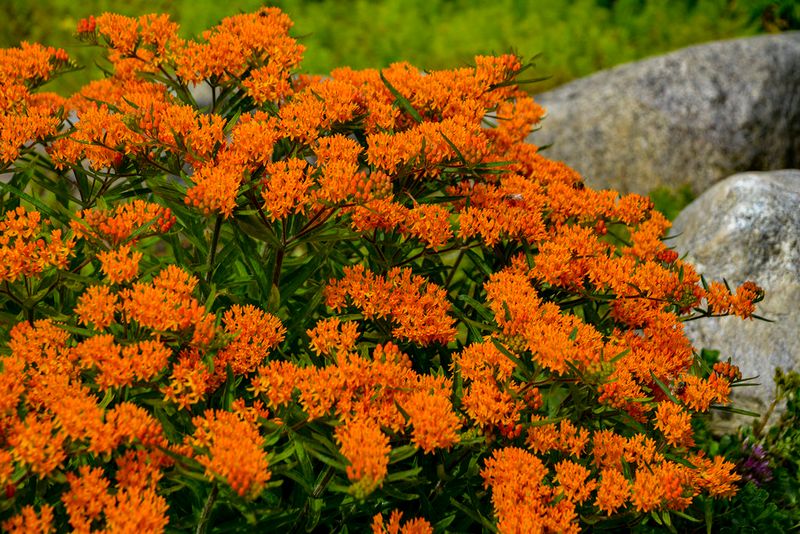
One of the biggest reasons gardeners reach for lantana is the steady stream of butterflies and bees that seem to find it instantly. That pollinator energy makes a garden feel alive, and it is one of the most rewarding things to watch on a warm afternoon.
Butterfly weed delivers that same kind of activity in sunny, well-drained garden settings. It often draws a wide mix of native bees, swallowtails, fritillaries, and other visiting insects.
The orange flower clusters are rich in nectar, which makes them a reliable draw during bloom season. Visits will vary based on weather, the stage of bloom, and what else is flowering nearby.
A garden with only one plant in bloom will see less traffic than one with several species offering overlapping bloom times throughout the season.
Butterfly weed also belongs to the milkweed family, which adds another layer of pollinator value beyond nectar. Milkweeds as a group support a wide range of specialist insects.
Having one established in a home landscape contributes meaningfully to the local pollinator community. For gardeners who want their sunny borders to feel busy and purposeful all summer, this native plant earns its place quickly.
That happens once it settles in and starts flowering reliably each year.
4. Use Butterfly Weed Where Lantana Usually Steals The Show
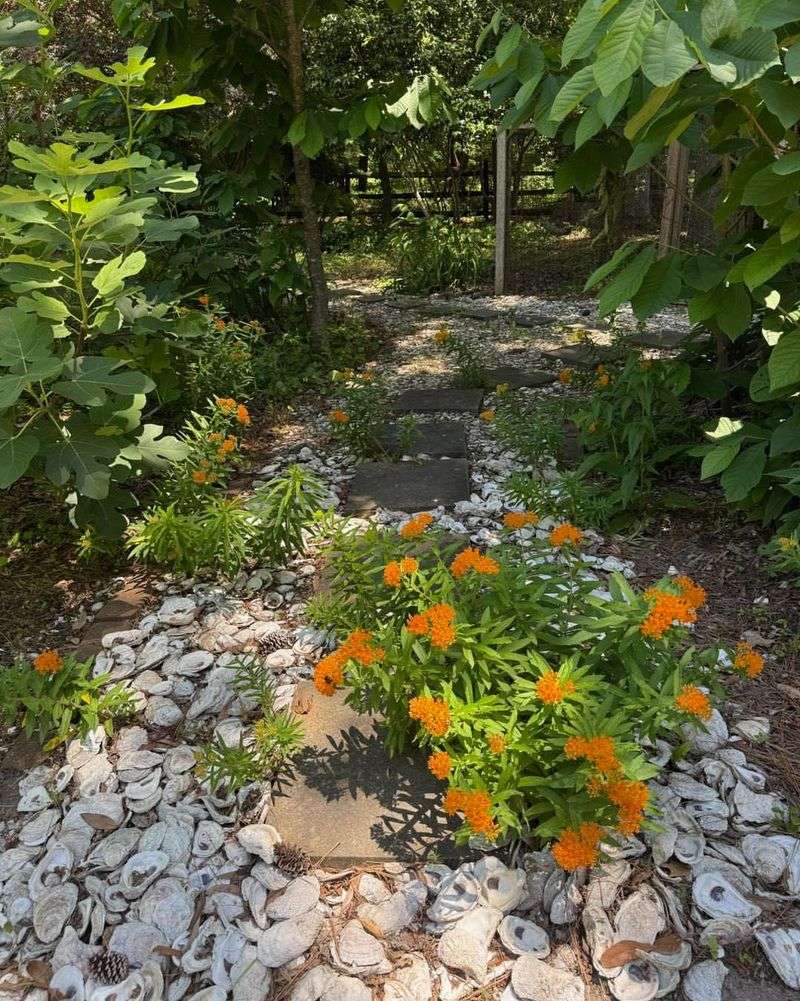
Near a front walkway or along a sunny patio edge, lantana tends to turn heads fast. The clusters of warm color against a hard surface create that sharp, intentional contrast that makes a garden look designed rather than accidental.
Butterfly weed can play that same role in the right setting. It brings bold orange blooms to spots where gardeners want something eye-catching and warm without relying on an annual plant each season.
Placement matters more with butterfly weed than with lantana. This native thrives in full sun and genuinely needs well-drained soil to perform well over time.
Spots near driveways, along raised beds, on slopes, or in sandy or rocky areas often suit it well. Low spots that collect water after rain or beds amended with heavy compost are not ideal sites, and plants placed there tend to struggle rather than thrive.
The plant grows roughly one to two feet tall and wide at maturity, making it a solid mid-border choice. It does not spread aggressively, which keeps it manageable in tidy landscapes.
Pairing it with other Ohio native sun lovers like black-eyed Susans or prairie dropseed can extend seasonal interest. It also creates a layered look that feels intentional and cohesive from late spring through early fall.
5. Grow Bold Summer Color In Dry Well Drained Soil
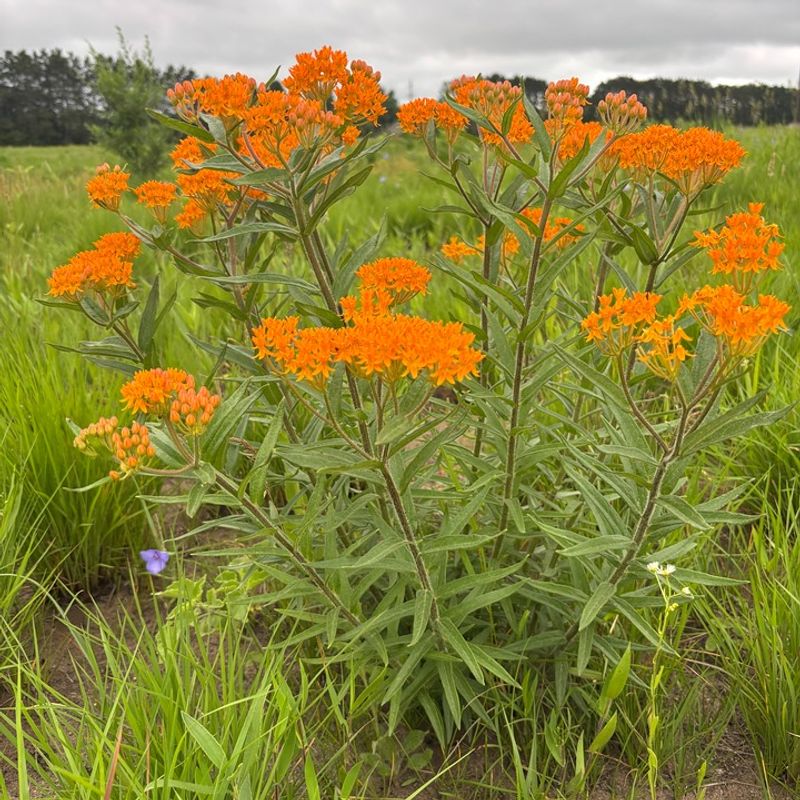
Sandy slopes and gravelly garden edges are not usually where most plants want to be, but butterfly weed genuinely prefers those conditions.
Its deep taproot is built for dry, well-drained soil, allowing it to access moisture far below the surface during hot stretches of summer.
That drought tolerance is part of what makes it such a reliable bloomer in the kinds of spots where other plants fade or struggle.
Full sun is not optional for this plant. It needs at least six hours of direct sun daily to bloom well and maintain a compact, upright form.
Plants placed in partial shade tend to get leggy, produce fewer flowers, and become more vulnerable to issues over time. Choosing the right spot from the start saves a lot of frustration later.
Overwatering is one of the most common ways gardeners accidentally harm butterfly weed. Rich, consistently moist, or clay-heavy soils can cause the taproot to rot, especially during cool, wet springs.
Avoiding soil amendments like heavy compost or moisture-retaining mulch piled directly against the stem helps the plant stay healthy.
Once established in a spot with good drainage and plenty of sun, butterfly weed asks for very little and returns the favor with vivid summer color season after season.
6. Skip Constant Replanting With This Native Perennial
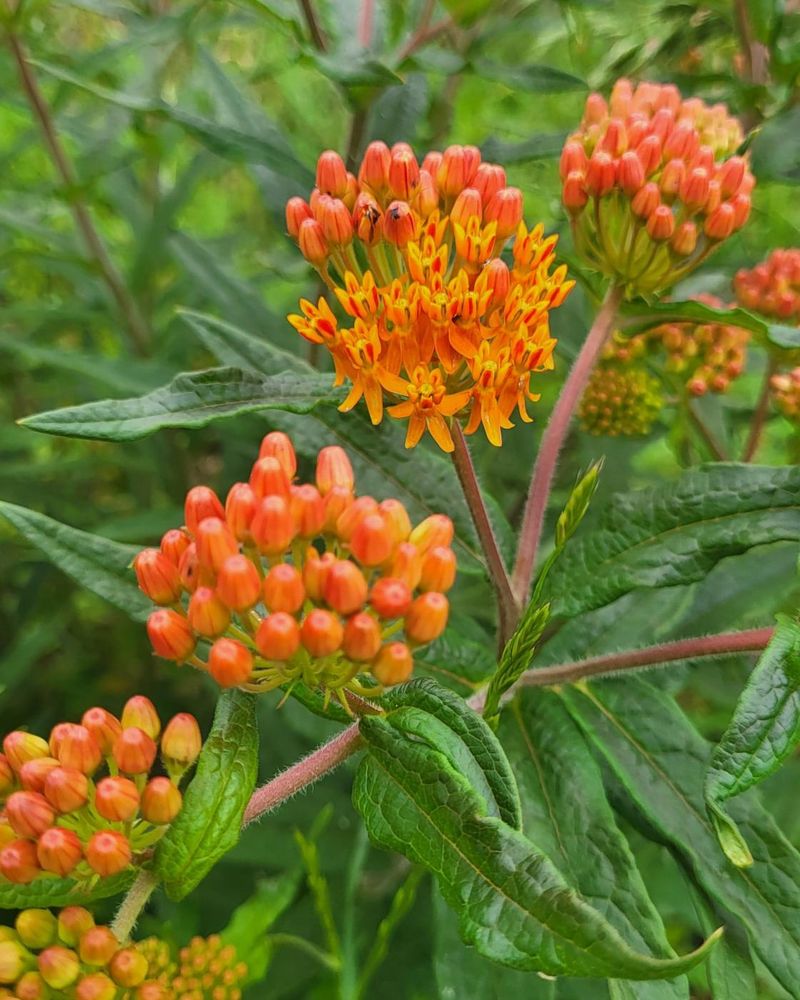
A hot front border planted with annuals every spring is a tradition for plenty of home gardeners, but it is also an ongoing investment of both money and time.
Buying flats of color each May, prepping beds, planting, and watering new transplants through establishment adds up quickly over several seasons.
Shifting even part of a sunny bed toward reliable native perennials like butterfly weed can meaningfully reduce that annual cycle.
Butterfly weed is not a maintenance-free plant, and calling it that would set unrealistic expectations. Young plants need consistent moisture during their first summer while the taproot develops.
Weeding around the plant matters too, since competition from aggressive weeds can slow establishment in the early seasons.
Patience is genuinely part of growing this plant well, since it often focuses on root development before putting on impressive above-ground growth.
By the second or third season, the payoff becomes clear. An established plant returns dependably each year, fills its spot with bold orange color, and handles summer heat and drought without much intervention.
For gardeners who want to reduce the repetitive work of annual planting without sacrificing warm summer color, butterfly weed offers a realistic path forward. It is a rewarding choice for sunny home landscapes across this state.
7. Let Monarchs Find A Better Reason To Visit
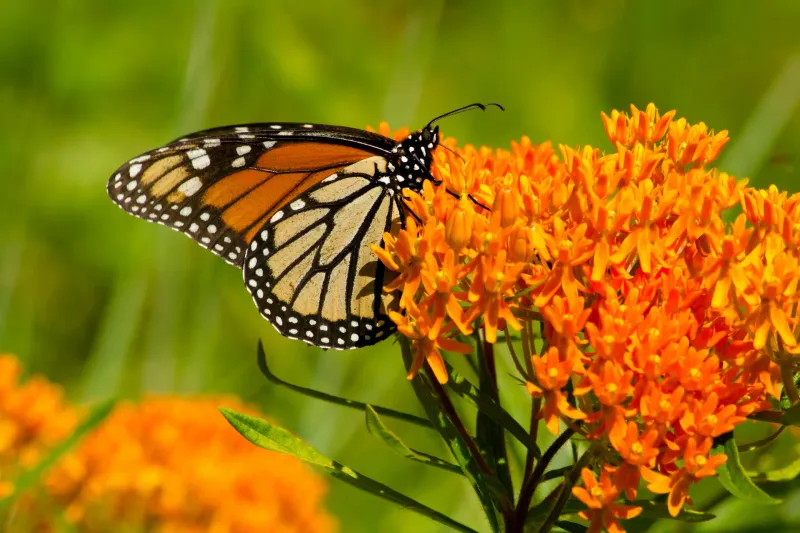
Monarchs need milkweed, and that single fact gives butterfly weed a role in the garden that goes well beyond good looks. As a true milkweed species, Asclepias tuberosa can support monarch butterflies as part of their life cycle.
Female monarchs may use milkweed foliage to lay eggs, and the plant also provides nectar for adult butterflies passing through during migration seasons.
Butterfly weed is considered one of the drier-site milkweed options. That makes it useful where common milkweed, which spreads more aggressively, might not be the best fit.
It does not spread by rhizomes the way common milkweed does, which makes it easier to manage in a tidy border or designed landscape setting.
That controlled growth habit makes it approachable for gardeners who want to support monarchs without giving up their whole bed.
Seeing a monarch immediately after planting is not guaranteed. Monarch populations fluctuate, and their appearance in any given garden depends on migration patterns, regional conditions, and what else is blooming nearby.
A garden that includes several native plants with staggered bloom times tends to attract and hold more pollinators overall.
Adding butterfly weed to that mix gives monarchs one more strong reason to stop, rest, and linger in local landscapes this season and beyond.
8. Trade Annual Color For Native Staying Power
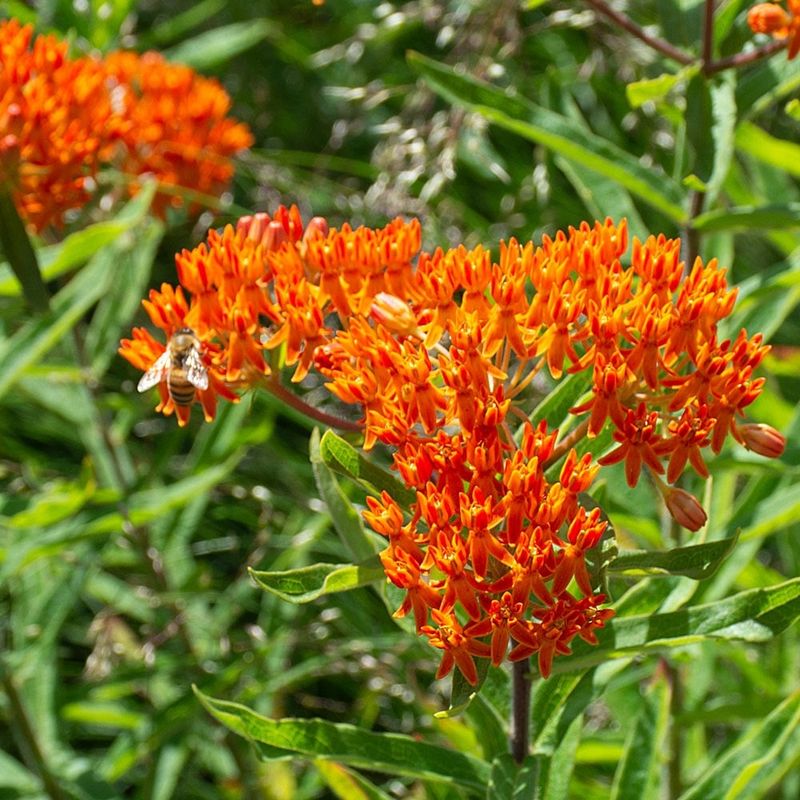
Lantana delivers fast, reliable color the moment it goes in the ground, and there is real value in that kind of immediate visual impact. For gardeners building a new bed or filling a gap quickly, annuals like lantana make sense.
Over time, though, that same spot requires the same investment every single year, and the cycle never really ends on its own.
Butterfly weed offers a different kind of payoff. The first season can feel slow, with modest above-ground growth while the plant focuses energy underground.
The second and third seasons start to show what the plant is really capable of. By then, it often has fuller growth, more blooms, and noticeably stronger performance through summer heat and dry spells.
That slow build toward lasting presence is a trade-off worth understanding before planting.
The longer view is where butterfly weed wins clearly. A well-placed plant in a sunny, well-drained spot can thrive for many years.
It brings orange blooms and pollinator traffic back to the same corner of the garden each summer without being replanted.
For gardeners ready to shift from temporary annual color toward something with genuine staying power, butterfly weed is a practical place to start.
It is also a rewarding and ecologically meaningful way to begin that transition in this state’s landscapes.