When To Wrap A Pennsylvania Fig Tree For Winter
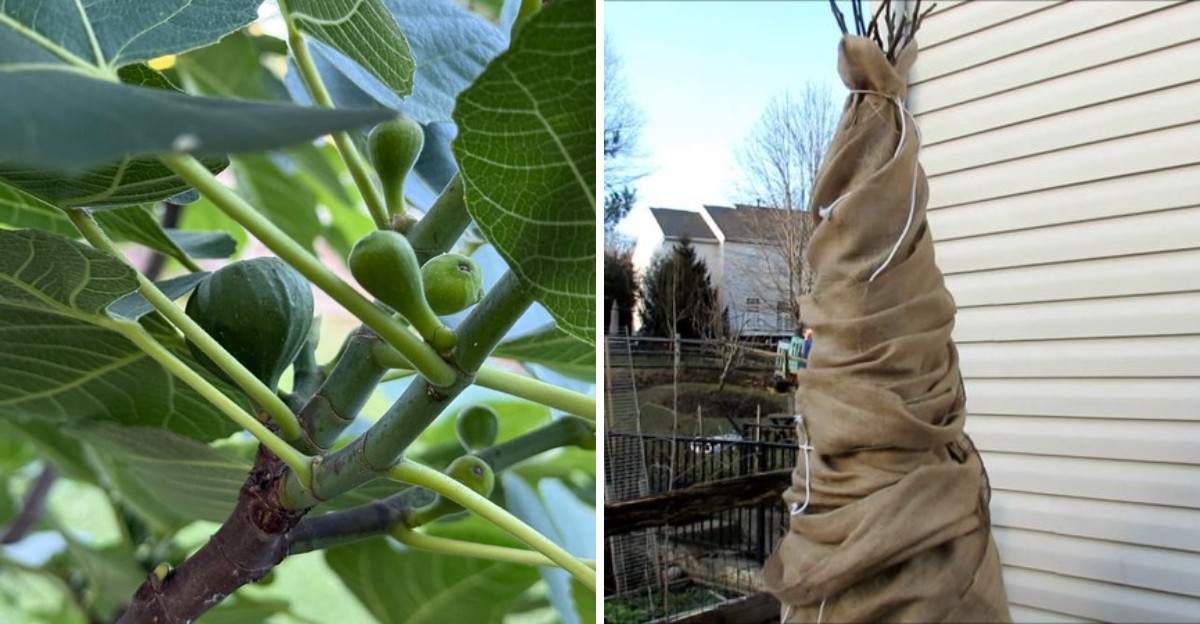
Every November, a few Pennsylvania backyards sprout mysterious bundles wrapped in burlap, old carpet, and twine.
Neighbors stare. Kids ask questions. Inside each lumpy package sits a plant whose ancestors grew up near the warm Mediterranean Sea.
I love that gardeners refuse to let geography win. Most of these trees start to suffer around 20 degrees, yet people here harvest sweet, jammy fruit every summer anyway.
That takes a bit of stubbornness and a lot of timing.
Personally, I think the timing part trips up more growers than the cold itself. Wrap too early, and you can trap moisture that invites mold.
Wrap too late, and one harsh night can undo a whole season of growth.
So how do you know the exact moment to grab the burlap? The tree actually tells you, if you know which clue to watch for.
1. Falling Fig Leaves Tell You More Than The Calendar Does
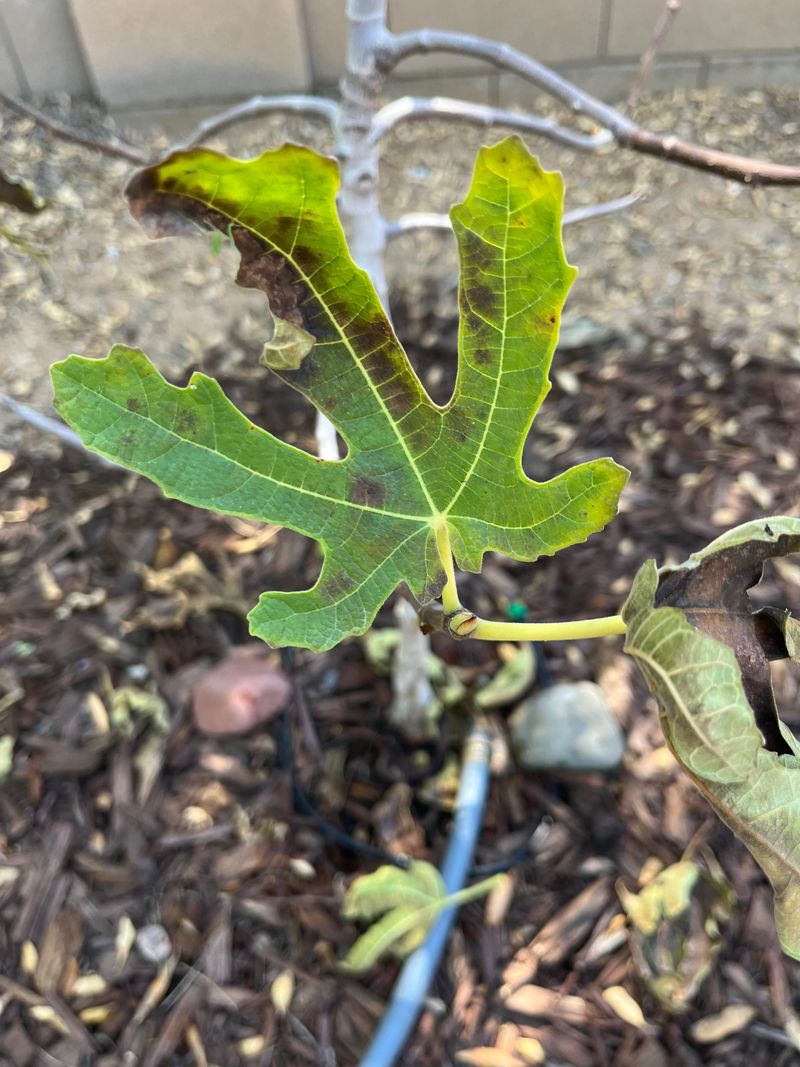
Your fig tree has its own built-in alarm clock, and it rings when the leaves drop. That leaf fall, or a hard frost that turns the remaining foliage black and limp, means the tree has gone dormant.
Dormancy is the green light for wrapping. A dormant tree has slowed its sap flow and hardened its wood, so it handles being bundled up much better.
Penn State Extension and other experts agree that waiting for this stage is the smartest move.
Why not wrap earlier to play it safe? Active leaves and green tissue hold moisture.
Seal them inside a wrap, and you create a cozy home for mold and fungus instead of a protective coat.
A light frost in October is usually no big deal for an established fig. The leaves may look sad, but the woody branches can shrug off a few chilly nights in the upper 20s.
So keep an eye on your tree as autumn rolls along. When the branches look mostly bare and the weather forecast shows nights sliding toward the low 20s, you know the countdown has started.
I like to walk past my fig every morning in late fall with a cup of coffee in hand. It turns into a fun little ritual, and it means I rarely miss the moment.
2. Mid-November Is The Sweet Spot For Wrapping Most Fig Trees
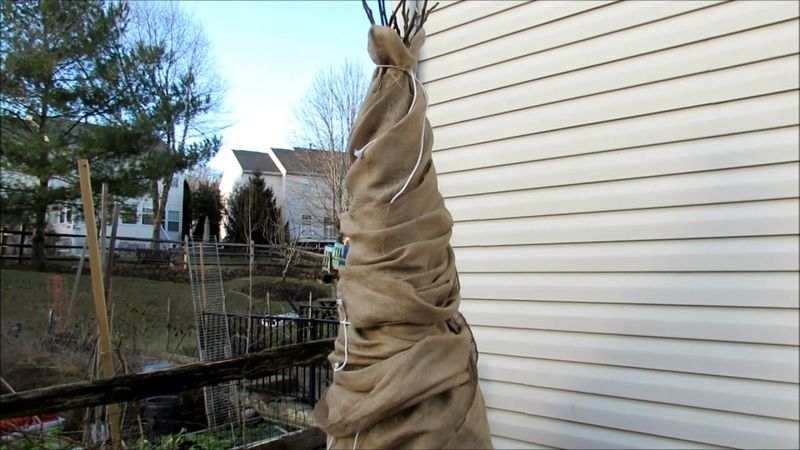
Ask a group of seasoned Pennsylvania fig growers when they wrap, and you will hear one answer pop up again and again. Mid-November is the most common target in much of the state.
That timing usually lines up with dormancy and comes before the deep cold of December and January. It gives you a cushion against those surprise Arctic blasts that sometimes show up early.
Location changes things a little. Gardeners around Philadelphia, in USDA Zone 7, can often wait until late November or even early December.
Folks in colder spots like the northern tier or higher elevations, mostly Zones 5 and 6, may need to wrap closer to early November.
A handy guideline is to finish wrapping before nighttime temperatures start dipping into the teens. Most common fig varieties begin taking damage near 20 degrees, and anything below 15 degrees can injure branches badly.
Check the ten-day forecast as fall winds down. If a sharp cold snap is coming and your tree is mostly leafless, go ahead and get it done that weekend.
Choose a dry day for the job, too. Wrapping wet branches traps dampness inside, which is exactly what you want to avoid.
Dry wood, dry materials, and a calm afternoon make the work much easier and safer for the tree.
3. Fig Branches Carry Next Summer’s Harvest, So Protect That Wood
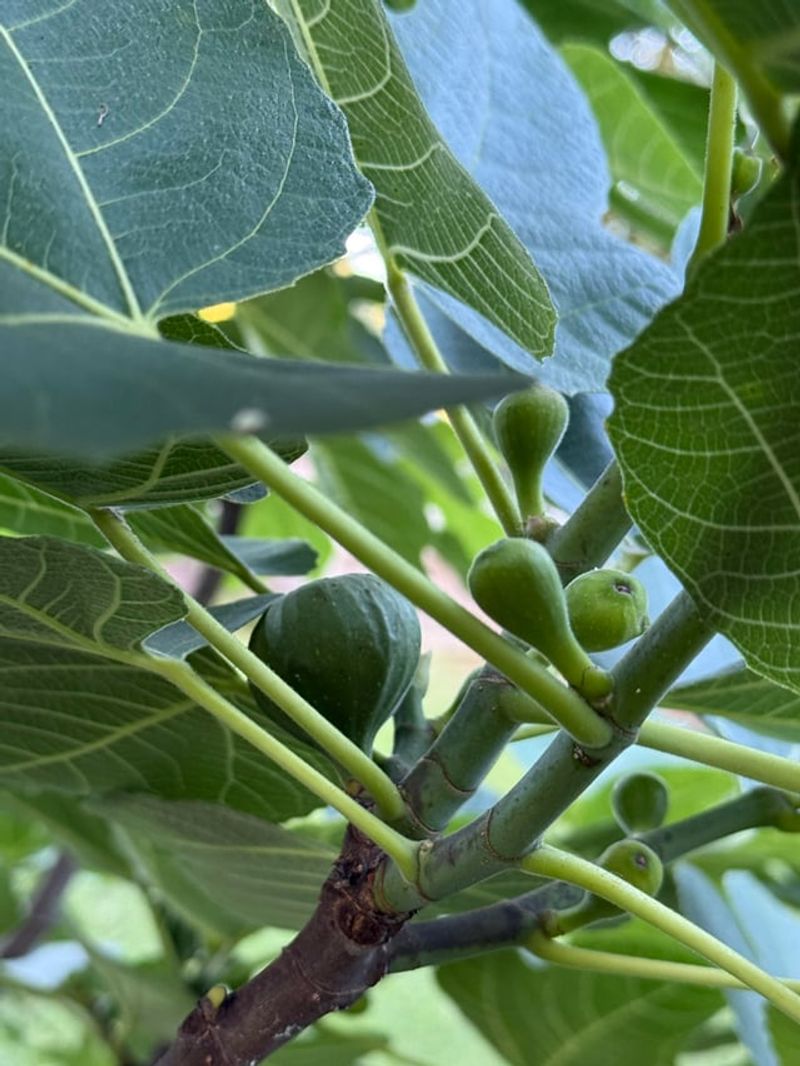
A fig tree is basically a sun-loving traveler that ended up in a snowy neighborhood. Native to the Mediterranean and western Asia, it was built for mild winters, not January in Altoona.
The roots usually handle cold better than the top, especially under thick mulch. The branches are the vulnerable part, and they matter a lot.
Many figs grow two crops. The early breba crop forms on last year’s wood, while the main crop forms on the current season’s new shoots.
If cold wipes back a lot of wood, the breba crop vanishes and the main crop can arrive later in the season.
In Pennsylvania, a late crop is a real problem. Fruit that starts ripening in late September may not finish before frost returns.
Hardy varieties like Chicago Hardy and Brown Turkey often regrow from the roots even after heavy dieback. Still, a tree that keeps its branches gets a big head start in spring.
Think of wrapping as protecting your future snacks. Every branch that comes through winter healthy is a branch ready to push out leaves and fruit early.
That early start can mean ripe figs in August instead of a frantic race against October frost. Few garden rewards beat a warm fig eaten right off the tree.
4. Bundle, Tie, And Wrap Those Fig Branches The Right Way
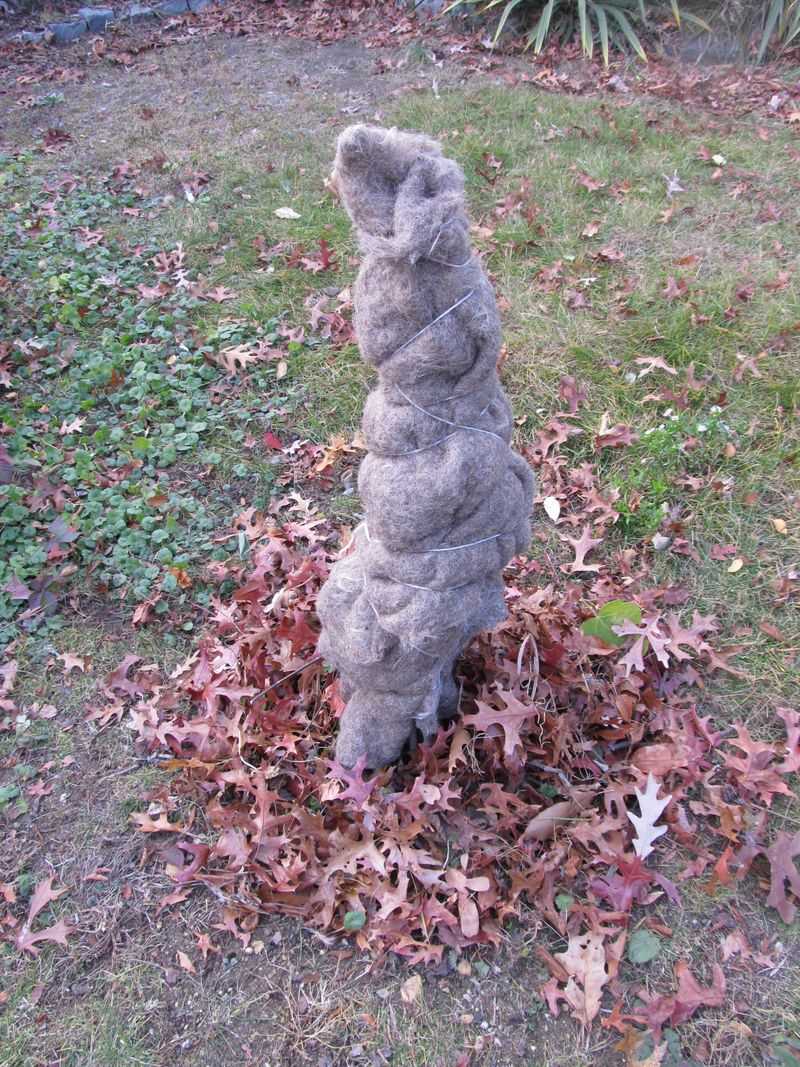
Grab some twine, a pair of pruners, and a roll of burlap. Wrapping a fig tree is a lot like tucking in a tall, slightly awkward friend for the night.
Start by trimming back any long, floppy branches so the tree is easier to handle. Keep pruning light in fall, since heavy cuts are better saved for spring when you can see what made it through.
Next, gently pull the flexible branches toward the center. Tie them with twine or soft rope to create a tight column.
Young figs bend easily, but go slowly so you avoid cracking older wood.
Now wrap the bundle in breathable material. Burlap is a favorite, though canvas, an old wool blanket, or a quilt works well.
Secure each layer with more twine, spiraling from the bottom to the top.
Many growers add a second layer for extra warmth. A cylinder of chicken wire or a cardboard sleeve around the bundle can be loosely stuffed with dry leaves or straw.
Finally, cover the top to shed rain and snow. A bucket turned upside down or a light-colored tarp works nicely.
Step back and admire your weird, wonderful creation. It may look odd, but your fig is now ready for whatever winter brings.
5. Plastic Wrap Can Turn A Cozy Fig Into A Moldy Mess
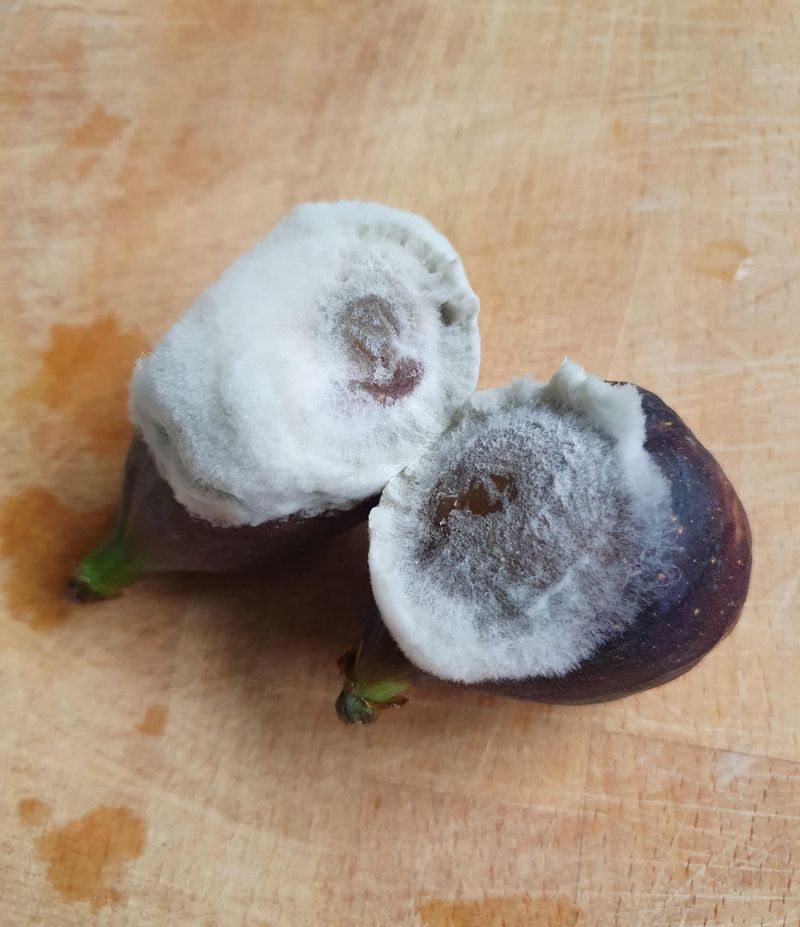
Here is a mistake I made exactly once. I wrapped a young fig in clear plastic, thinking it would act like a tiny greenhouse.
By March, the branches were fuzzy with mold, and parts of the bark had cooked on sunny winter days. Plastic traps moisture and heat, which creates a damp, stuffy environment figs strongly dislike.
Breathable layers are your best friend. Burlap, fabric, and dry straw let air move while still blocking wind and holding warmth.
If you want an outer waterproof layer, use it wisely. A tarp or plastic sheet should go on the outside only, never touching the branches.
Leave the bottom open or loose so air can flow through.
Color matters too. Black plastic soaks up sunshine and can warm the inside too much on bright days, tricking buds into waking early.
Clear plastic does something similar. A white or light tan cover reflects sun and keeps temperatures steadier.
Check your fig once or twice during winter. Peek inside after a long rainy stretch to make sure everything still feels dry.
If you notice dampness, loosen the top a bit to let it breathe. A few minutes of checking can save a whole season of fruit.
6. Thick Mulch Around The Fig Tree Base Guards The Roots
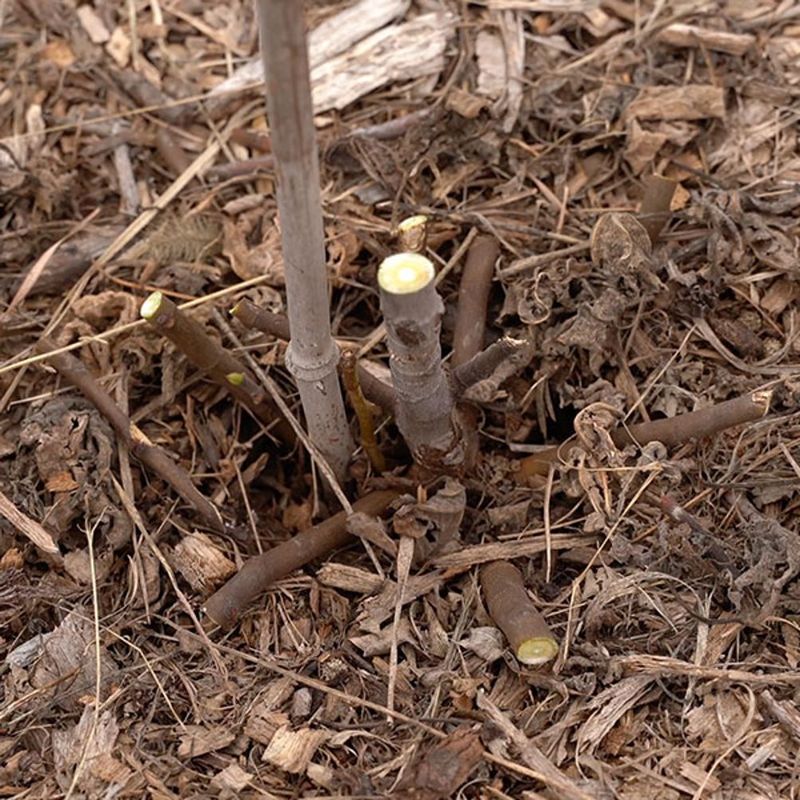
Roots are a fig’s secret backup plan. Even if the top struggles through a brutal winter, healthy roots can push up fresh shoots in spring.
That is why the base deserves serious attention. Pile 6 to 12 inches of shredded leaves, straw, or wood chips around the trunk before the ground freezes hard.
Fallen leaves are free and plentiful in November. Shredding them with a mower first keeps them from matting down into a soggy layer.
Where you plant the tree also makes a huge difference. A spot along a south-facing wall soaks up daytime sun and releases heat at night.
Buildings also block harsh winter winds, which can dry out and damage exposed wood.
Growers in Pittsburgh and Philadelphia often tuck figs near brick homes or garages for this reason. That small change can shift a microclimate by several degrees.
Potted figs are a different story. Containers freeze faster than ground soil, so many gardeners roll them into an unheated garage or shed once the tree goes dormant.
A spot that stays roughly between 20 and 40 degrees works well.
Water a potted fig lightly about once a month in storage. You want the soil barely damp, not soaked, until spring returns.
7. Unwrap Your Fig Tree Slowly When Spring Warms Up
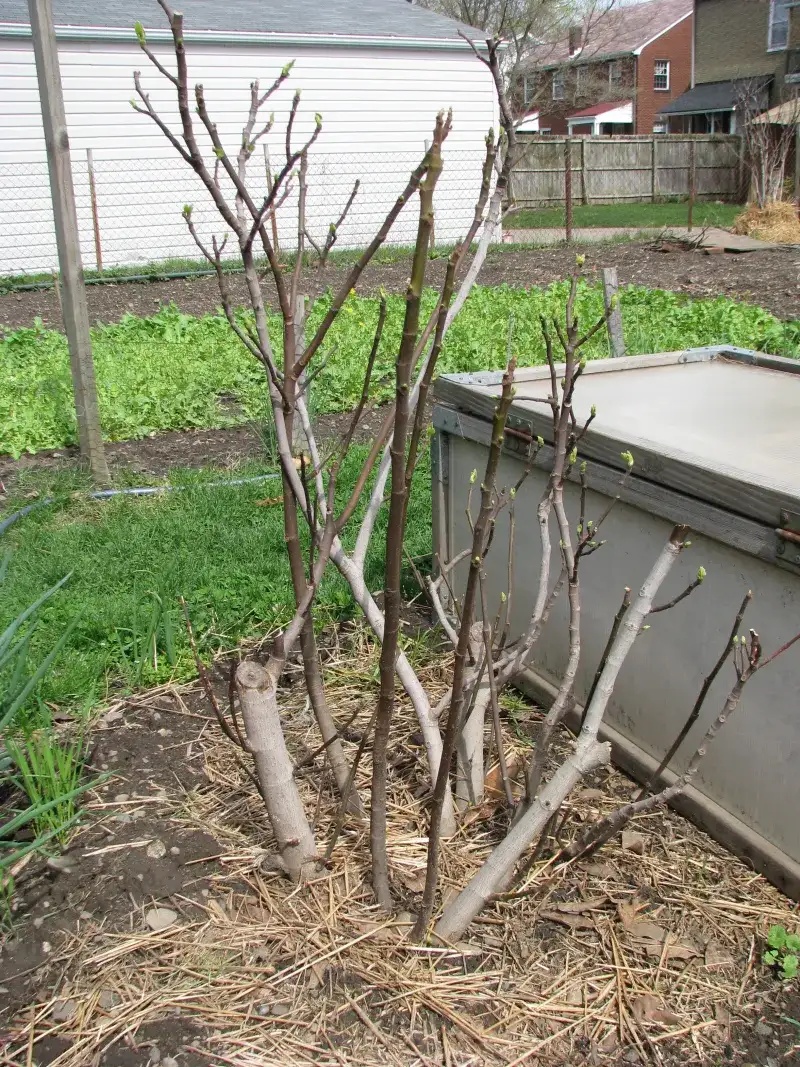
Spring fever hits hard after a long gray winter. Still, unwrapping a fig too soon can undo months of careful protection.
Most Pennsylvania gardeners aim for late March through April, depending on their region. Wait until the risk of hard freezes has passed and nighttime temperatures stay mostly above 25 degrees.
Southeastern growers can often start earlier. Northern and mountain gardeners usually wait longer, sometimes until late April.
Take it in stages if you can. Remove the outer cover first, then the straw a week later, and finally the inner burlap.
This gradual approach helps the tree adjust to sunlight and changing temperatures.
Keep an old sheet handy. If a frosty night pops up after unwrapping, toss it over the tree for a quick blanket.
Once the wrap is off, inspect the branches. Brown, brittle tips are common and nothing to panic about.
Scratch the bark lightly with a fingernail, and green tissue underneath means that section is still alive.
Wait until buds start swelling before you prune. Then trim back damaged wood to just above a healthy bud.
Pull the mulch away from the trunk a little, too, so the soil can warm up and wake those roots.
8. Ripe Homegrown Figs Make Every Bit Of Wrapping Worth It
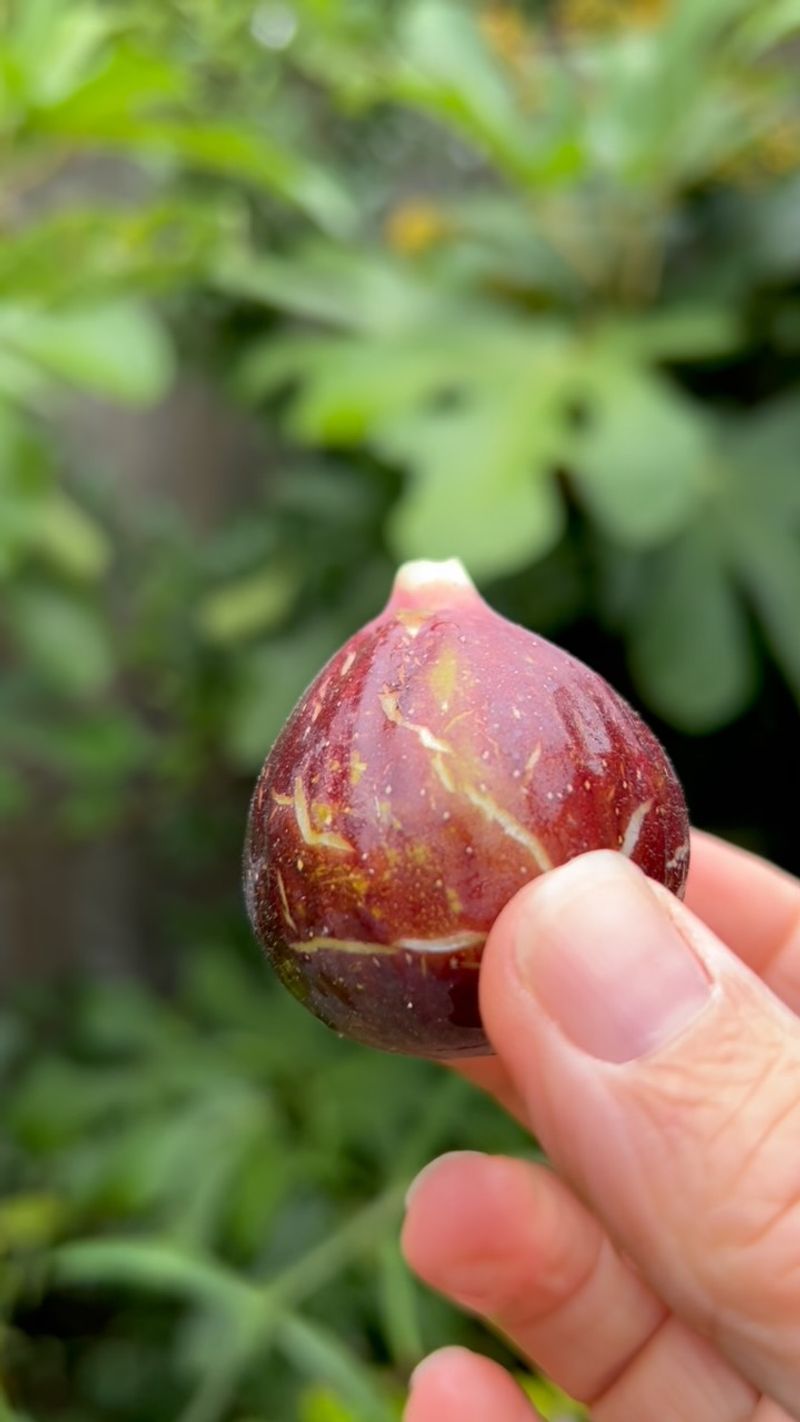
Bite into a sun-warmed fig picked minutes ago, and grocery store figs suddenly seem like a distant cousin. That honey-sweet flavor is the real payoff for all those chilly November chores.
Choosing the right variety makes the whole process easier. Chicago Hardy, Brown Turkey, and Celeste are popular picks for Pennsylvania because they bounce back well from cold.
Even with good protection, some winters are just rough. If your tree loses most of its top growth, give it time.
Figs are famously resilient and often send up vigorous shoots from the base by late spring.
Those new shoots can still carry a main crop, though it may ripen later. Feeding lightly with compost and watering during dry summer spells helps the fruit develop.
Keep a simple garden notebook. Jot down when you wrapped, when you unwrapped, the lowest winter temperature, and when the first fig ripened.
After a few years, you will have your own local guide. It will be more useful than any calendar because it matches your yard exactly.
Next fall, watch those leaves drop and grab your burlap with confidence. A little patience and good timing can keep fresh figs on your table for many summers to come.