The 8 Ohio Trees Most Likely To Drop Limbs In An Ice Storm
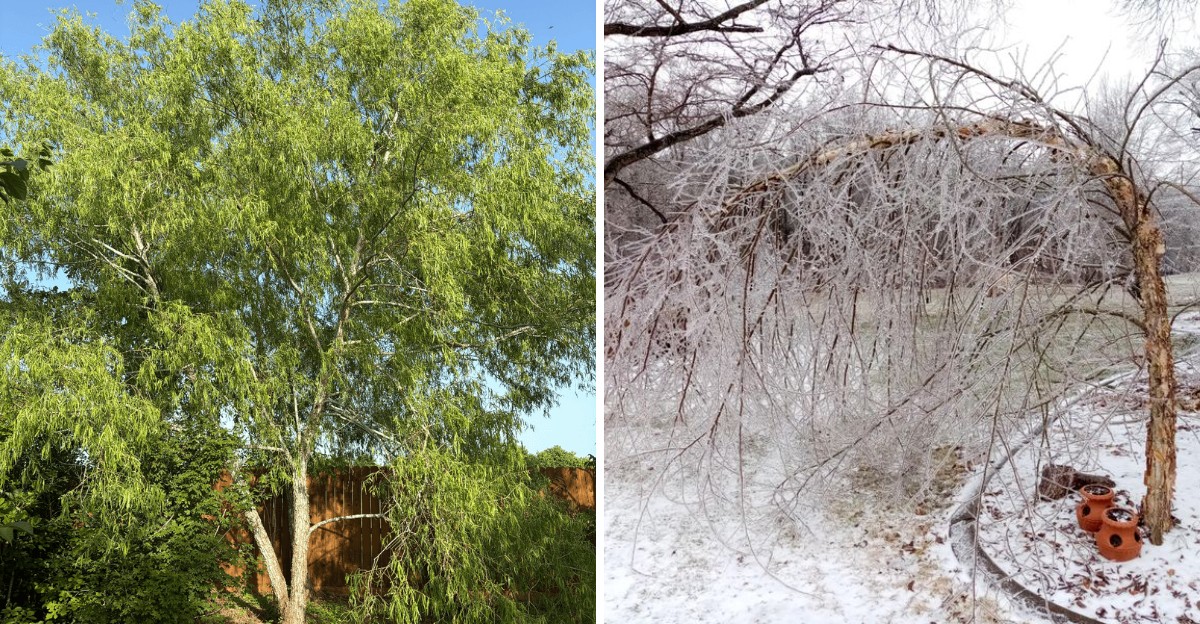
Freezing rain can coat a single tree in so much ice that some branches carry many times their normal weight. I still remember the sound of limbs cracking across my street like giant knuckles popping in the dark.
Ohio sits right in the path of storms that bring rain on top of freezing air near the ground. That rain turns to glaze the moment it lands, wrapping every twig in a shiny, heavy shell.
I love my shade trees, but I have to admit some of them handle that load far worse than others. Weak wood and tight branch angles often decide which ones bend gracefully and which ones snap by morning.
You might notice a few of the usual troublemakers growing in your own yard or hanging over your driveway. Spotting them early could spare you a dented hood and a very long morning after the next glaze rolls in from the west.
1. Callery Pear
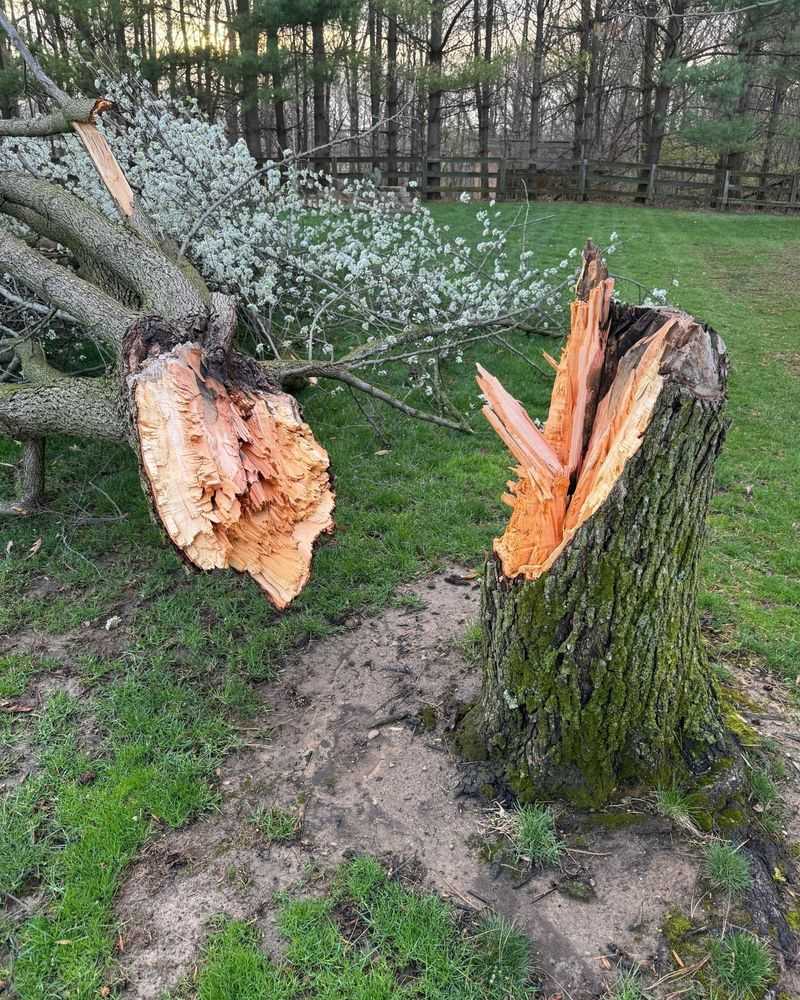
Every April, those snowy white blossoms look lovely, though the smell reminds many folks of something fishy and unpleasant. Come winter, that same tree often becomes the first one on the block to split right down the middle.
Bradford and other Callery pear varieties grow upright limbs that crowd together at narrow, V-shaped angles near the trunk. Bark gets trapped inside those tight joints, so the wood fails to fuse into a strong, solid connection.
Add a thick coating of ice, and those weak unions can tear apart under the extra weight overnight. I have seen whole halves of these trees lying across sidewalks after a single rough storm in January.
Pyrus calleryana also escapes from yards, and birds spread its small fruits into fields and roadside edges. The wild offspring form thorny thickets that crowd out native plants and frustrate farmers trying to clear land.
Ohio added Callery pear to its invasive plant list, and selling or propagating it became illegal in 2023. Existing trees in your yard are still legal, yet removing them is a smart move for safety reasons.
Personally, I would call a certified arborist if a large pear leans toward your house or power lines. Smaller ones can come down with a good saw, though the stumps may sprout unless you treat them.
For spring flowers without the drama, try native serviceberry or redbud in that same sunny spot instead. Both bloom early for pollinators and hold their branches together far better when freezing rain arrives.
2. Silver Maple
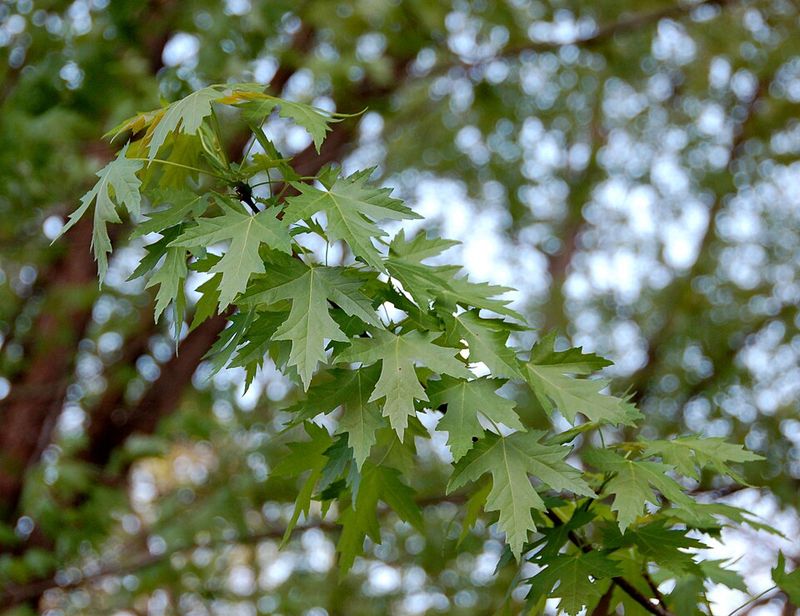
Few trees shoot skyward as fast as a silver maple, which often adds two feet or more each year. I love the way its leaves flash silvery undersides in a summer breeze, almost like the tree is waving.
Speed comes with a price, though, because Acer saccharinum builds soft wood that breaks far more easily than sturdier maples. Its long limbs also spread wide, giving ice plenty of surface to grab onto during a winter storm.
Many older trees grow several trunks from one base, and those tight forks are common breaking points. Studies of past ice storms in the Midwest rank silver maple among the most damage-prone shade trees.
Native to riverbanks and floodplains, this maple handles soggy soil well and grows across the whole state. Its shallow roots can lift sidewalks and invade drainage pipes, so give it plenty of room.
If you already have one, you need to watch for deep cracks or mushrooms sprouting near the trunk base. Those signs often point to internal decay, which makes an ice-loaded limb much more likely to fail.
An arborist can thin the crown and shorten heavy limbs, reducing the weight ice can pile on later. Late winter pruning works well, although maples may drip sap from the cuts for a little while.
When planting near your house, I would choose sugar maple or swamp white oak for much stronger wood. They grow slower, but your future self will thank you every time the forecast calls for freezing rain.
3. Siberian Elm
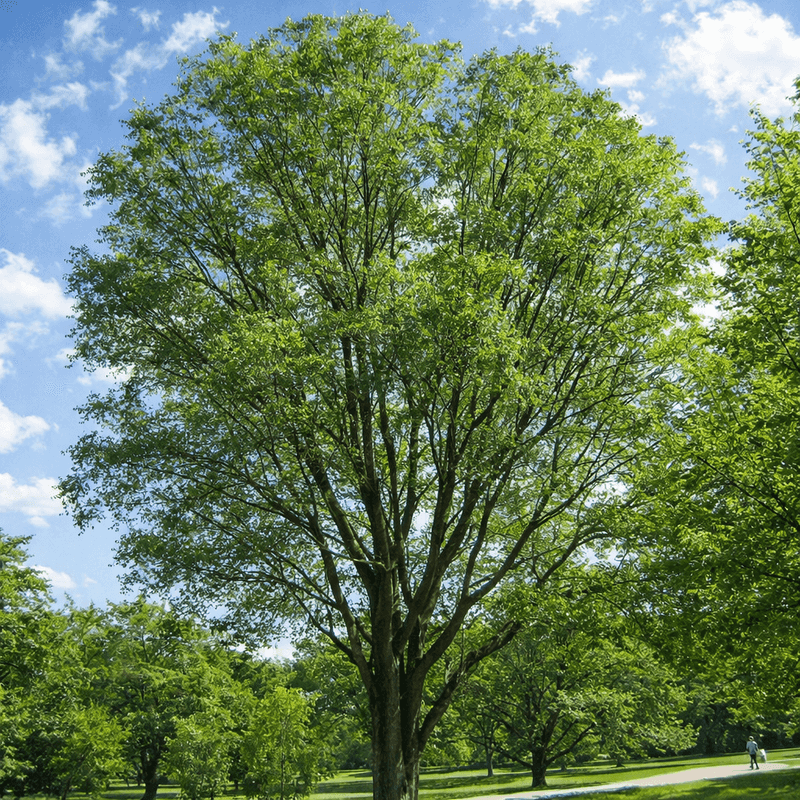
Back in the Dust Bowl era, Siberian elm got planted across the Plains because it grew fast almost anywhere. That toughness earned it fans, but its brittle limbs have been annoying homeowners across the country ever since.
Ulmus pumila produces weak wood with narrow crotches, and ice tends to snap its slender branches with little warning. Even moderate wind can bring down twigs, so a heavy glaze often leaves the ground looking like a brush pile.
People often confuse it with Chinese elm, but the Siberian type has rough, furrowed bark and blooms in spring. Its leaves are small and toothed, usually less than three inches long, with a fairly even base.
I have to admit the seeds drive me a little crazy every spring when they drift into gutters. Papery seeds sprout in sidewalk cracks and garden beds, and young seedlings quickly spread into open fields.
Many natural area managers consider it an aggressive invader, so planting new ones is a poor choice. Pull seedlings while they are tiny, because older saplings grow deep roots that resist your best tugging.
For a large tree already near your home, an arborist can remove weak limbs before winter weather arrives. Removing the whole tree is often the safer long-term plan if it hangs over a roof or driveway.
Native bur oak handles tough urban soil well, and Kentucky coffeetree makes a bold replacement for open lawns. Both grow strong branch structures that shrug off glaze far better than this rangy import from Asia.
4. Boxelder
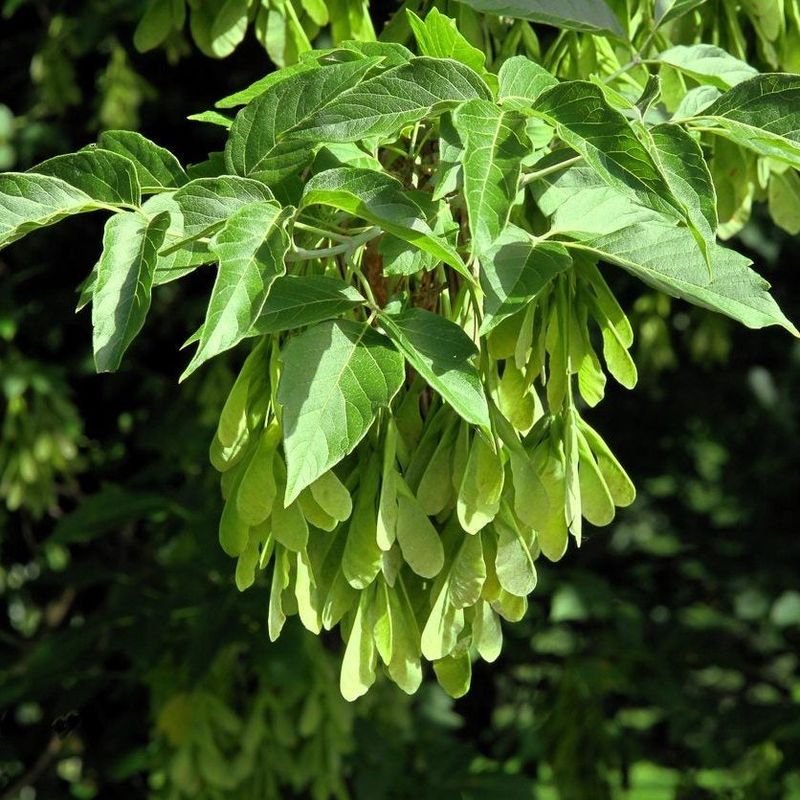
Kids love the helicopter seeds, and boxelder bugs love the female trees, sometimes swarming sunny walls by the hundreds. Few people realize this scrappy native is actually a maple, despite leaves that look more like poison ivy.
Acer negundo grows quickly and often leans or splits into several trunks, which creates weak points for ice. Its wood is light and soft, so heavy glaze can peel whole sections away from the main stem.
Personally, I spot boxelders along fencerows and creek banks far more often than in planned landscapes. Birds and wind scatter the seeds, so volunteers show up near sheds and garages without an invitation.
Those surprise trees grow so fast that a small sapling can reach rooftop height within fifteen years or so. Because they rarely get pruned early, their branches tangle together and form the tight forks that fail first.
Wildlife does get some value here, since squirrels and birds eat the seeds through late fall and winter. So a boxelder at the back edge of a property, far from buildings, can stay without much worry.
Trouble starts when one grows beside a driveway or leans over a play area where falling limbs matter. You need to check for cracks where trunks meet, especially after a windy fall, before ice season arrives.
Tiny volunteers slip out easily when the soil is moist, so pull them early before roots dig in. For a reliable native shade tree with tougher wood, consider planting a young black gum instead.
5. Eastern Cottonwood
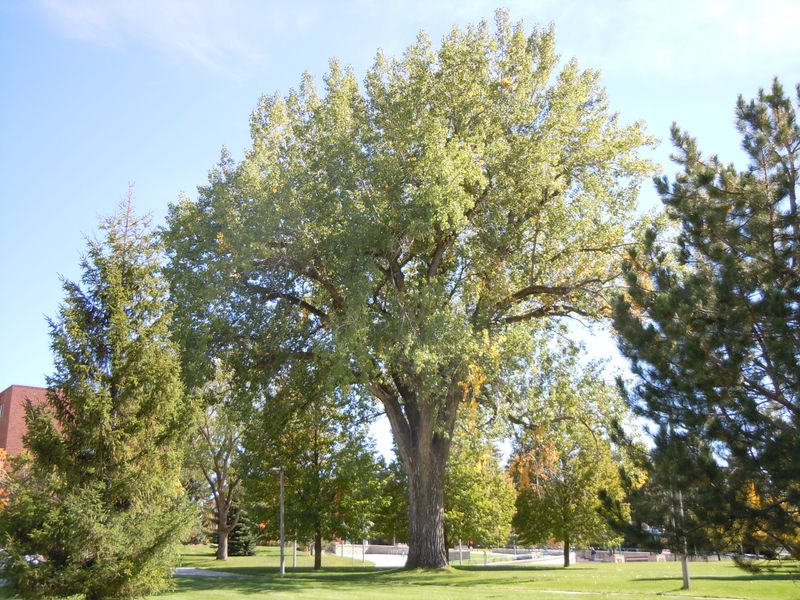
On a warm June day, cottonwood fluff drifts through the air like a summer snowstorm and piles along curbs. I find it charming, yet that same giant becomes a serious worry when winter brings freezing rain.
Eastern cottonwood, Populus deltoides, ranks among the fastest-growing native trees and can top 100 feet tall. All that height comes from soft, lightweight wood that snaps more easily than slower hardwoods like oak or hickory.
Big limbs often break high in the crown, and their sheer size means they can crush cars or fences below. Older trees also develop internal decay that hides behind healthy-looking bark until a storm exposes it.
You will spot cottonwoods along rivers and old farm ponds where their roots soak up plenty of water. Those thirsty roots spread far, so planting one near sewer lines or foundations invites expensive problems later.
Wildlife adores these trees, and bald eagles in Ohio often build their massive nests in tall cottonwoods. That makes a streamside cottonwood far from your house worth keeping, even if it drops a branch now and then.
Near homes, though, a mature tree deserves a professional inspection every few years to catch hidden weaknesses. Cabling and careful crown reduction can lower the risk, but they work best before trouble starts.
If you love that riverside look, consider planting sycamore, which shares the habitat but holds up better in ice. Its patchy white bark glows against gray winter skies, giving you beauty without quite as much nervous watching.
6. Black Willow
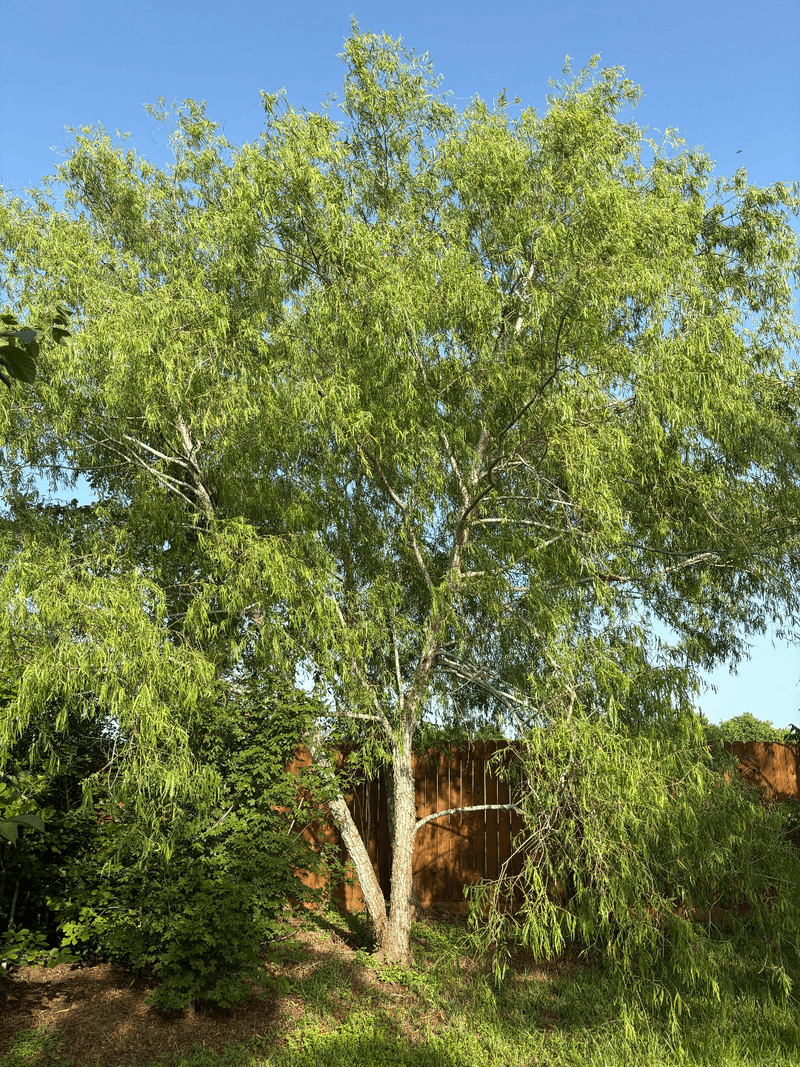
Long before aspirin came in bottles, people chewed willow bark for pain relief because it contains salicin. That clever bark covers some of the weakest wood you will find on any native tree near water.
Black willow, or Salix nigra, is the largest native willow in North America and loves soggy ground. It often grows with several leaning trunks, and those trunks frequently crack apart under heavy ice loads.
Twigs snap off at the base with just a little pressure, which actually helps the tree spread naturally. Broken pieces float downstream and often take root in muddy banks to start brand new willows.
I think that trick is pretty clever, but it means ice storms leave piles of twigs under every willow. Larger limbs follow when the glaze gets thick, especially on older trees with soft spots or hollow centers.
Weeping willows draw the same complaints, and their long, drooping branches catch ice like strands of beads. Their roots also chase water into drain tiles and septic systems, so placement matters a great deal.
Keep any willow at least fifty feet from buildings and underground pipes if you want to plant one. Along a pond or wet ditch, black willow helps hold soil and gives early pollinators valuable spring catkins.
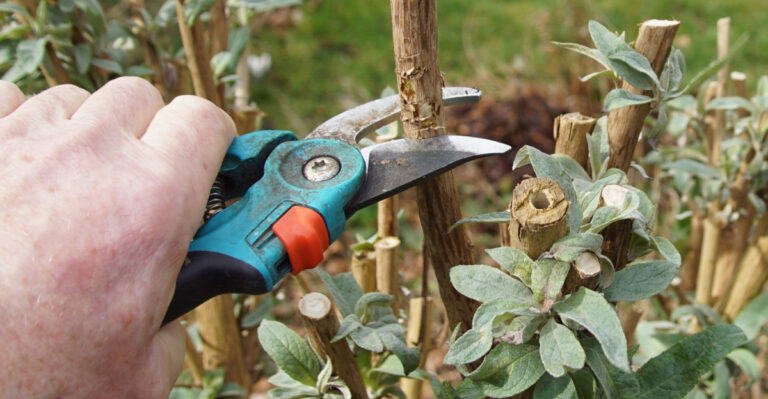
After a storm, trim broken stubs back to a healthy branch collar so the wounds can close over properly. Leave big cuts high in the crown to professionals, since willow limbs can shift unpredictably once they crack.
7. Green Ash
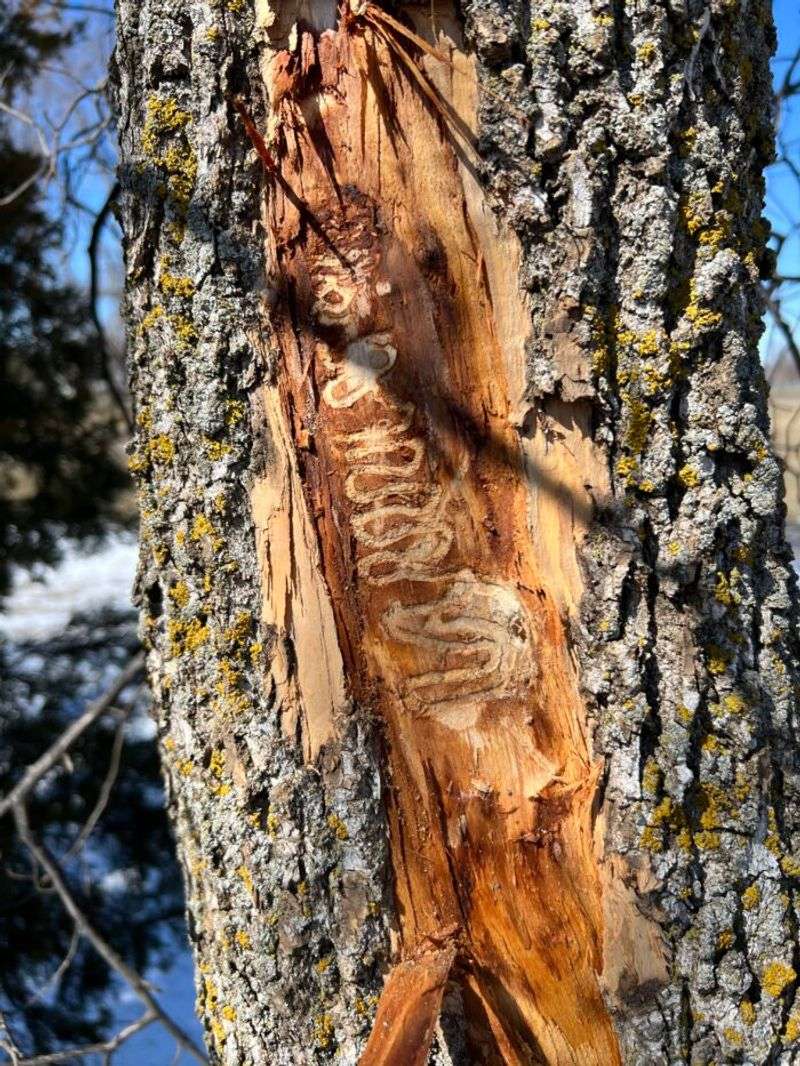
A tiny metallic green beetle, smaller than a penny, has changed the way we look at ash trees forever. Emerald ash borer was first found in Ohio in 2003, and it has since spread throughout the state.
Green ash, Fraxinus pennsylvanica, was once a favorite street tree because it tolerated rough city conditions so well. Even healthy specimens tend to form tight branch forks, and ice storm studies list them as moderately prone to breakage.
Once borers tunnel under the bark, the tree loses its water supply and the wood dries out quickly. Arborists warn that infested ash becomes brittle fast, making climbing and removal riskier with each passing year.
Ice on that brittle wood is a bad combination, since large limbs can snap without bending first. I can’t imagine leaving a declining ash standing over a bedroom or a child’s swing set this winter.
Look for a thinning canopy and tiny D-shaped exit holes in the bark, both classic signs of trouble. Woodpeckers flaking off bark to reach the larvae, a habit called blonding, often give the problem away too.
Valuable ash trees in good shape can still be protected with trunk injections applied by a trained professional. Treatment works best when less than about a third of the canopy has thinned, so act early.
Badly infested trees are usually safer to remove before winter weather, ideally by a crew with proper equipment. Replant with a mix of species so one pest can’t strip away your whole shade canopy again.
8. River Birch
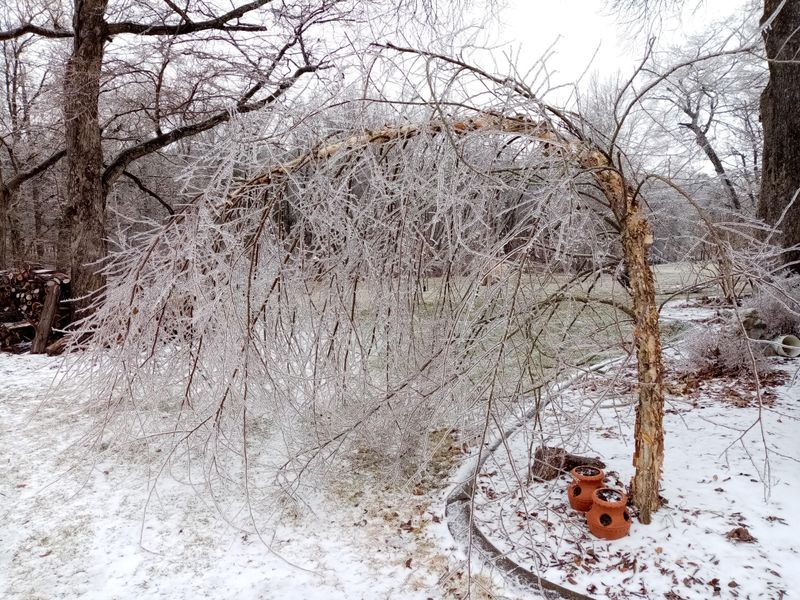
Peeling bark in shades of cinnamon and cream makes river birch one of the prettiest native trees in winter. I love running my fingers over those papery curls, though I watch this tree nervously when ice arrives.
Betula nigra usually grows as a clump with several slim trunks, and those trunks bend low under glaze. Sometimes they spring back after the thaw, but heavy loads can split trunks apart right where they join.
Surveys after major ice storms have placed birches among the trees most likely to bend or break. Their fine, twiggy crowns collect a surprising amount of ice, and the thin trunks have little extra strength.
On the bright side, river birch resists bronze birch borer far better than white birches do in Ohio. It also handles heat and wet clay, which explains why so many landscapers plant it near downspouts.
You need to choose clumps with wide angles between trunks, since tight V shapes trap bark and weaken joints. Three to five well-spaced stems usually hold up better than a crowded bundle of skinny ones.
When ice coats a bent birch, resist the urge to whack the branches with a broom or shovel. Frozen wood is brittle, and knocking off ice often causes more breakage than the storm itself.
Let the glaze melt on its own, then check for cracks once temperatures climb above freezing. Pruning birches works best in summer or fall, since late winter cuts tend to bleed sap heavily.