The Old Belief Behind Hanging Dried Herbs Over An Ohio Doorway
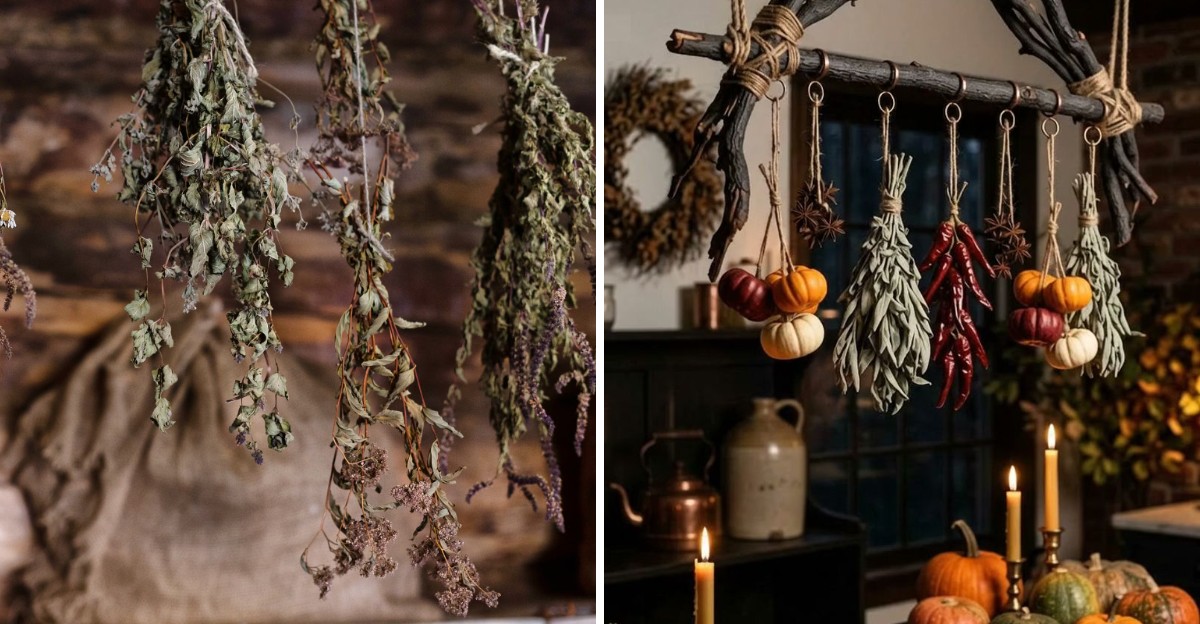
Grandma never explained it, and you never thought to ask. A bundle of dried herbs dangled over the door, and everyone just walked underneath.
Ohio families carried that habit across generations, passed along from kitchens in the old country and the hills nearby. Some tied the bunch with a particular string.
Others picked one herb over all the rest, and the choice was never random.
The practice sounds like a quaint decoration until you hear the reasoning behind it. Folks took it seriously once, and a few still do.
Hang the wrong plant in the wrong spot, and the old-timers would have raised an eyebrow.
The belief survives mostly in stories, tucked away in family memory and fading a little each year.
Ask the oldest person you know what they remember. One short story might change how you see that doorway.
1. Doorway Herbs Were Meant To Guard The Home
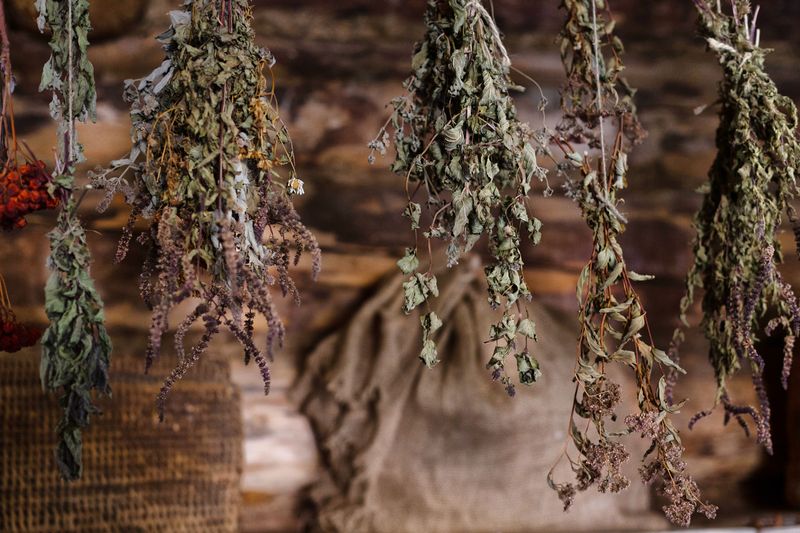
Long before alarm systems and porch cameras, families had a simpler security plan. They hung a bunch of dried herbs right above the front door.
The doorway mattered a lot in old beliefs. It was the line between the safe, warm home and the wild, unknown world outside.
People felt that anything harmful had to pass through that spot to get in. So guarding the door meant guarding everyone inside.
What exactly were they worried about? The list was long and a little spooky.
Folks hoped the herbs would keep away harmful spirits, bad luck, witches, and even sickness. A strong-smelling bundle seemed like a sensible shield against all of it.
The best part was the price, which was close to nothing. Many herbs grew right in the garden or along the road.
When a bundle got old and crumbly, a family could simply swap in a fresh one. That made it a protection plan almost any household could afford.
In rural Ohio, plenty of homes kept this habit going for generations. Some people believed in it deeply, while others just liked keeping a family custom alive.
Either way, that little bundle told visitors something about the people inside.
If you spot one on an old door today, take a closer look. You might be seeing a tiny piece of history still hanging on.
2. The Custom Traces Back To Old European Folklore
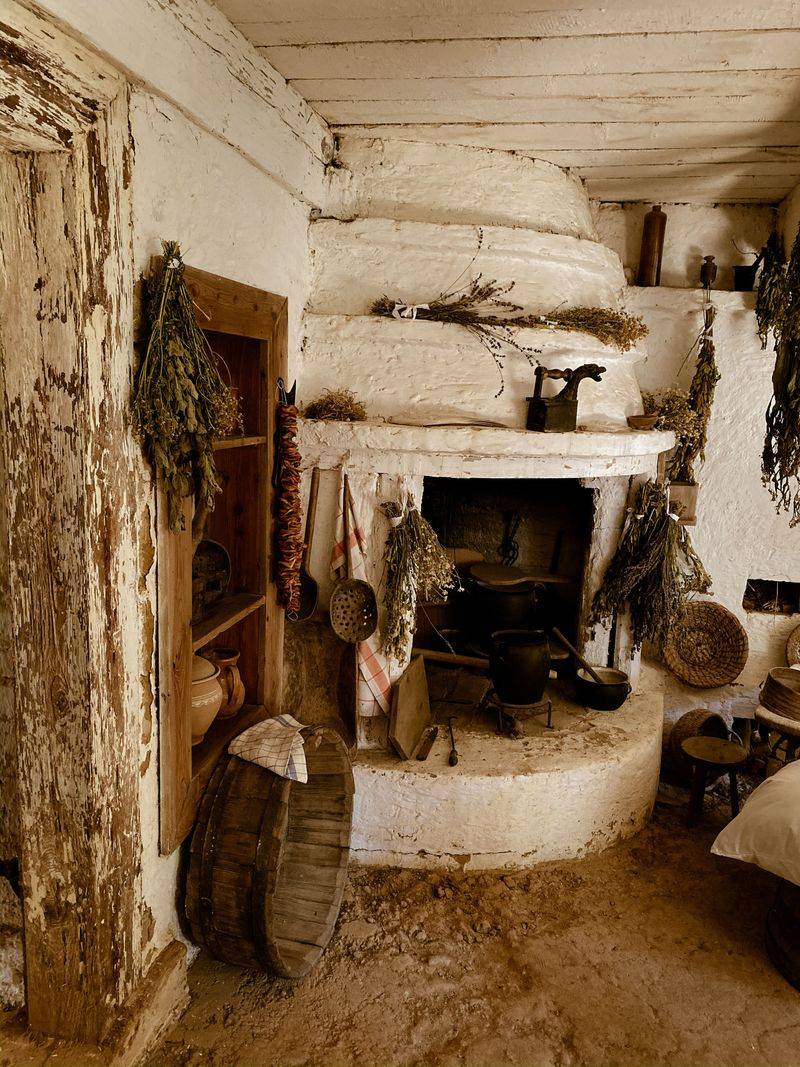
Here is a fun fact to share at dinner. The habit of hanging protective plants is more than 2,000 years old.
Much of it links back to Samhain, a Celtic festival held at the end of harvest season. People in the British Isles believed spirits wandered more freely at that time.
Herbs at the door were one way to feel a bit safer during those dark autumn nights.
Later, as Christianity spread, Samhain blended into All Hallows Eve. Many of the old customs stuck around, just with new names.
Herb bundles were one of the habits that quietly survived the change.
Europe was full of variations on the idea. Scottish, Welsh, English, and German families each had favorite plants they trusted for protection.
Your Ohio Garden Changes Every Week. Your Plan Should Too.
Gardening in Ohio changes quickly throughout the season. Every Friday you’ll receive a simple weekly plan showing exactly what to plant, prune, fertilize, harvest, and protect so you never miss the right timing.
Some herbs were tucked in windows, while others went over beds or hearths.
The roots go even deeper than the Celts, too. Ancient Egyptians, Greeks, and Romans also linked certain plants with safety and good fortune.
People everywhere seemed to agree that nature held some kind of power.
In these stories, the doorway was a magical edge. On one side was the untamed outdoors, and on the other was the cozy shelter of home.
Hanging herbs there was like drawing a line in the sand that said, you stop here.
3. Immigrants Carried It To North America In The 1800s
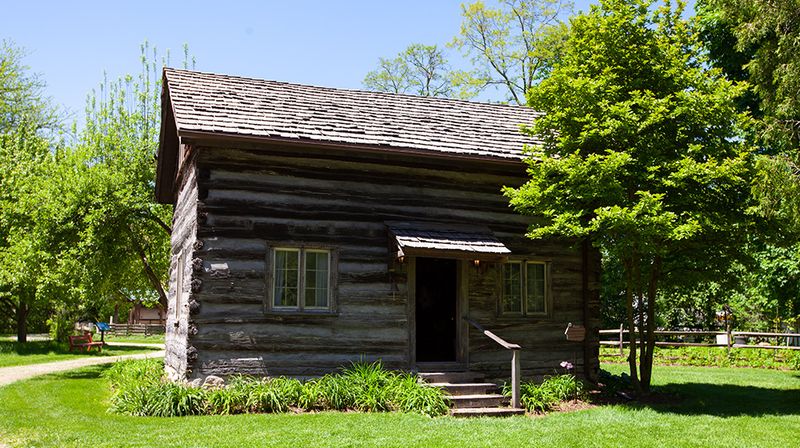
Imagine packing for a long sea voyage with only one trunk. You would bring clothes, tools, and maybe a family Bible, but you would also bring your beliefs.
That is exactly what happened when waves of European immigrants crossed the Atlantic. They did not leave their old customs behind at the dock.
Instead, they carried those habits into brand new homes across North America.
Herb bundles over the door were one of those treasured traditions. Families settled in New England, Appalachia, and the growing Midwest, including Ohio.
German, Irish, Scottish, and English settlers all had their own versions of the practice.
Out on the frontier, life felt uncertain and sometimes scary. Illness, bad weather, and failed crops were real worries.
A familiar bundle above the door offered comfort when so much else was new.
Over time, these customs mixed together in small towns and farm communities. A neighbor might borrow an idea from the family down the road.
The tradition spread south and west, showing up in rural towns far from where it started.
Ohio, with its many German and Scots-Irish settlers, became a natural home for the habit. If your family has deep Ohio roots, an ancestor may have hung herbs this very way.
Asking older relatives about it could uncover a great story.
4. Mugwort Was Hung In Doorways And Rafters
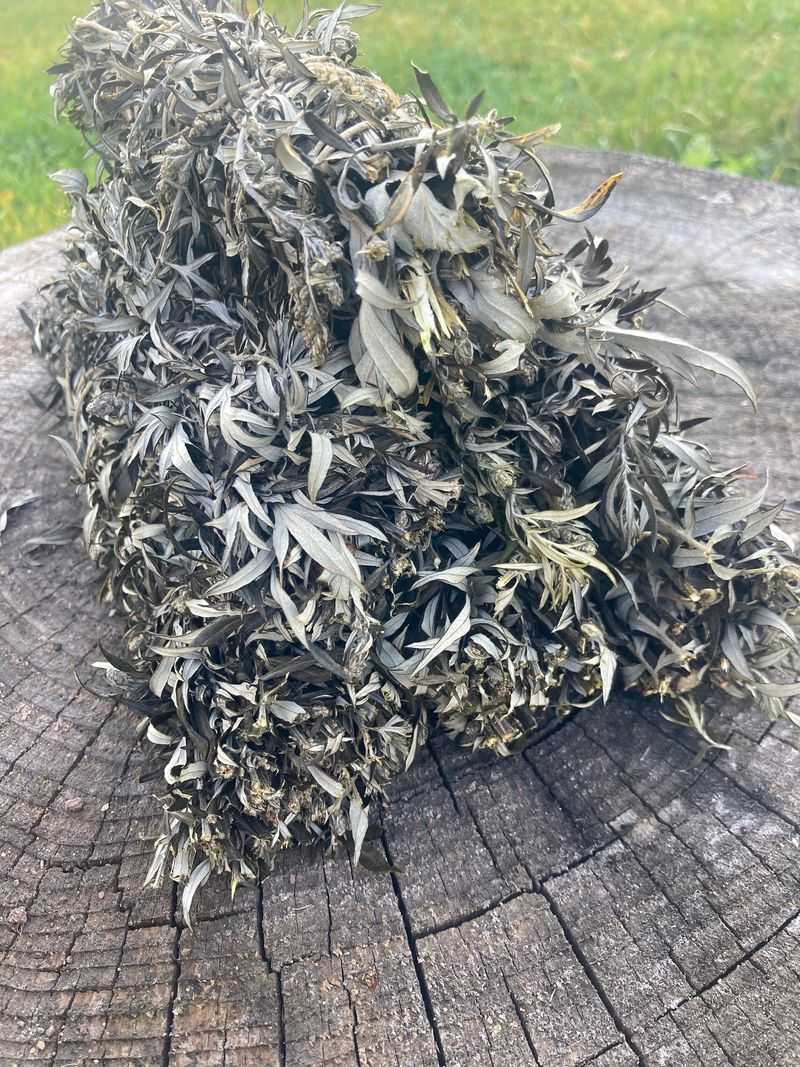
Meet mugwort, the tough guy of the herb world. Its silvery leaves and bitter smell made it a top pick for guarding homes.
Known to scientists as Artemisia vulgaris, mugwort was hung in doorways and windows across Europe. Some people even carried a sprig in their pocket as a charm.
The goal was to keep away harmful spirits, witches, and plain old bad luck.
That strong scent was a big part of its reputation. People figured if the smell was sharp to them, it must be extra unpleasant for unwanted visitors.
Mugwort was also used to cleanse and freshen a room.
Here is a surprising detail. Some families tied mugwort up near the roof ridge or in the rafters.
They hoped it would protect the house from lightning strikes and other disasters.
Mugwort is not just a European favorite, either. In China, people hang its leaves on doors during the Dragon Boat Festival.
They believe it helps keep away insects and harmful influences.
If you want to spot mugwort in Ohio, look along roadsides and field edges. It grows easily, sometimes too easily, so many gardeners keep it in check.
A little bundle dries nicely, but wear gloves since some people get skin irritation from handling it.
5. Bundles Of Sage And Thyme Joined The Tradition
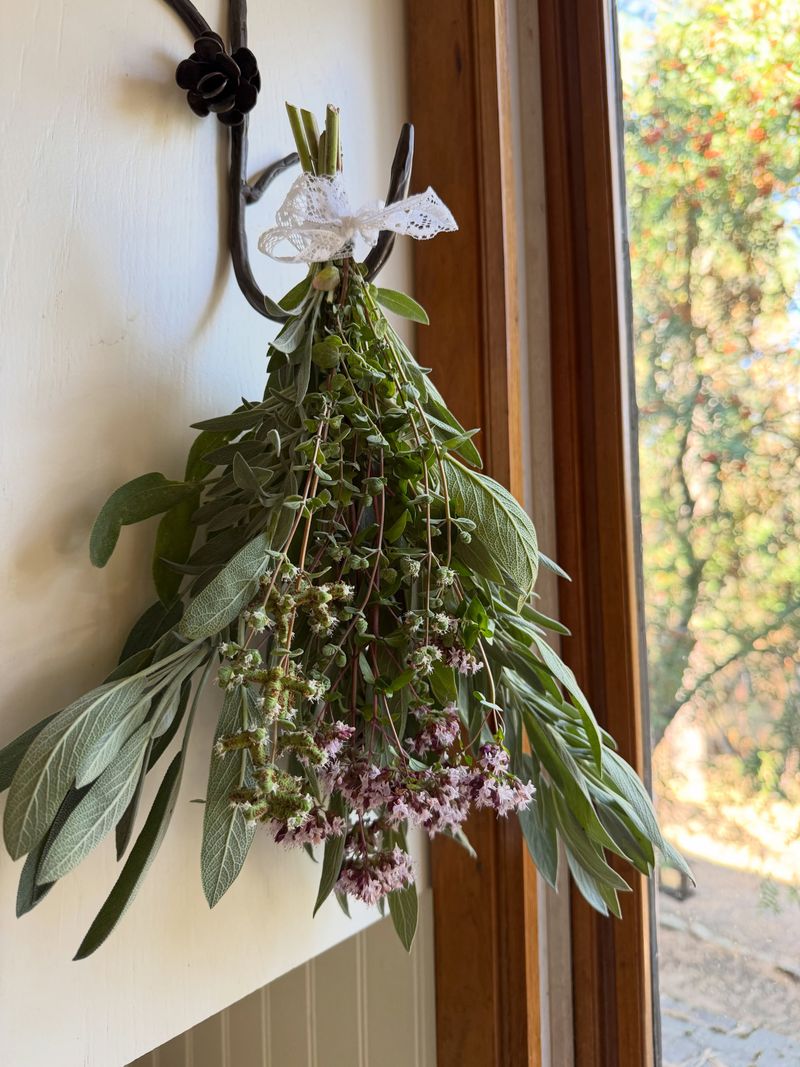
Sage and thyme are kitchen buddies, and they made a great team at the front door too. Each one brought its own special meaning to the tradition.
Sage shows up in many cultures as a symbol of wisdom and protection. In old English folk practice, people planted it near the front gate to guard the house.
They also hung it indoors, hoping to invite good health and push out negative vibes.
Sage was burned, too, to create cleansing smoke. In many Indigenous North American traditions, white sage holds deep spiritual meaning.
It is used in sacred ceremonies, so it deserves real respect rather than casual use.
Thyme had its own fan club. Folks hung it over doors to keep out restless spirits, witches, and even mischievous fairy folk.
It was linked to courage and strength, which seems fitting for a door guard.
People tucked thyme around windows and doors as well. Some burned small bundles to clear out stale air and bring a happy mood into the home.
It was a little like spring cleaning for the spirit.
Want to try it yourself? Both herbs grow well in Ohio gardens and dry beautifully.
Garden sage and common thyme are easy choices, and they smell lovely hanging in a sunny kitchen or entryway.
6. Some Tied Three Herbs Together With Red Thread
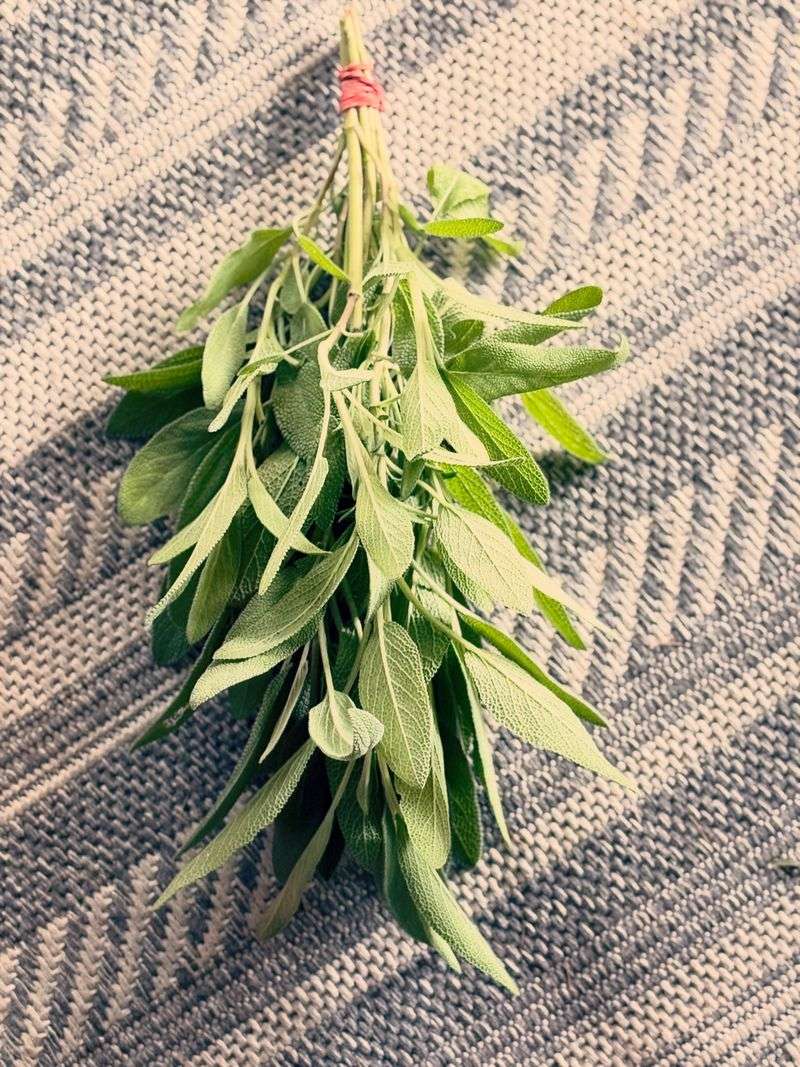
Why three herbs, and why red thread? Old folk customs loved numbers and colors with meaning, and this bundle had both.
Many families tied together three different dried herbs. Then they wrapped the stems with red thread and hung the bundle above the front door or the fireplace.
The number three often stood for balance and luck in old stories.
Red thread was a big deal in Scottish folklore. People believed it worked well against fairies, who were seen as tricky rather than cute.
Some even used red thread to tie two rowan twigs into a small cross for extra protection.
The color itself carried weight. Red reminded people of blood and the strength of life.
It seemed like a bold, powerful color to place at the edge of the home.
You can make a modern version in just a few minutes. Gather three to five stems each of dried sage, thyme, and lavender.
Wrap the base tightly with red thread or twine, and leave a loop for hanging.
A bundle like this makes a sweet gift for a friend or neighbor. Add a small handwritten tag explaining the old custom.
It turns a simple craft into a little history lesson they can hang on their own door.
7. The Custom Still Turns Up Around Halloween
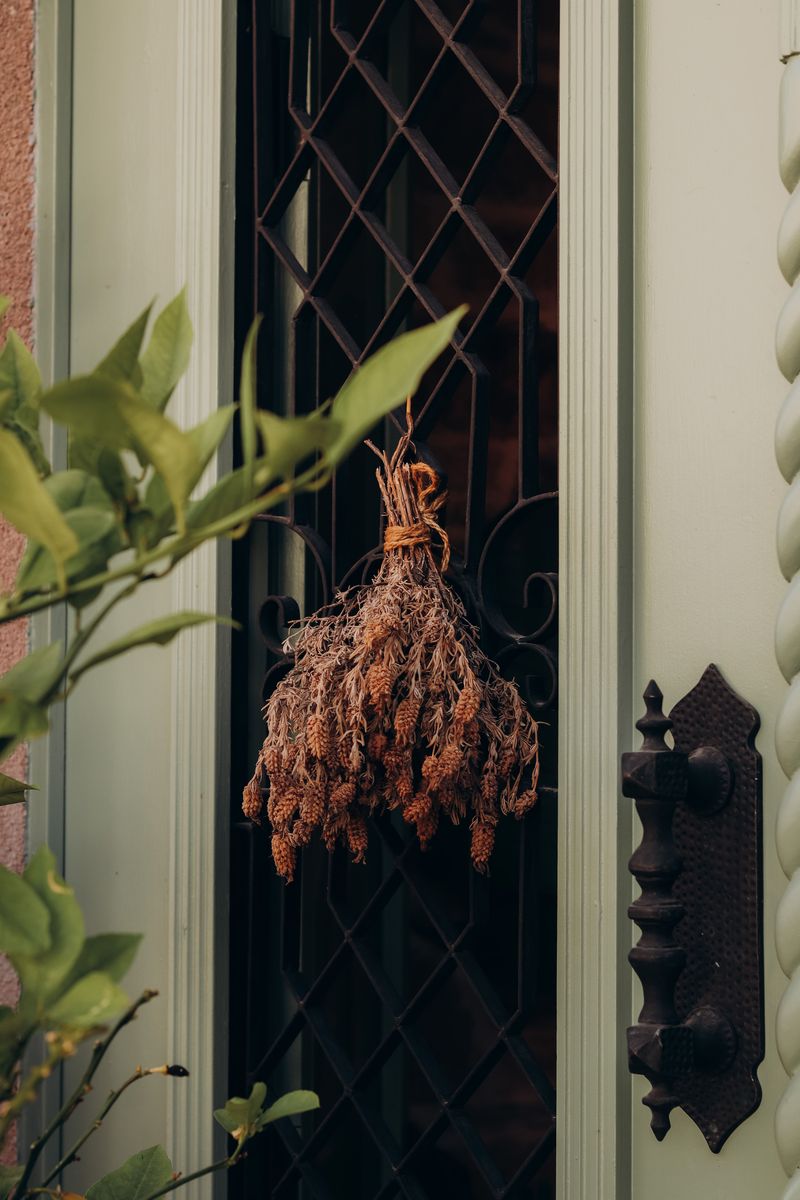
Jack-o-lanterns get all the attention, but herb bundles have been part of Halloween for far longer. The holiday grew out of Samhain, celebrated from October 31 to November 1.
During Samhain, people believed the wall between our world and the spirit world got very thin. That made it a nervous time for many households.
Herbs went up at doorways, hearths, and even beside beds as an extra layer of protection.
Timing mattered in the old days. Families often prepared fresh bundles during the last week of October.
Everything had to be in place before dark on the 31st.
Many homes refreshed their doorway herbs every year at this season. Out went last year’s crumbly bundle, and in came a fragrant new one.
It became a cozy yearly ritual, a bit like putting up a holiday wreath.
Today, some people hang Halloween doorway bundles from about October 25 through November 2. Sage, thyme, and lavender are popular picks.
They look charming next to pumpkins and smell much better than plastic decorations.
If you live in Ohio, late October is a perfect time to try this. Gardens are winding down, so you can harvest the last herbs.
Hang your bundle, light the porch lantern, and enjoy a tradition centuries in the making.
8. Today It’s Mostly About Fragrance And Fall Decor
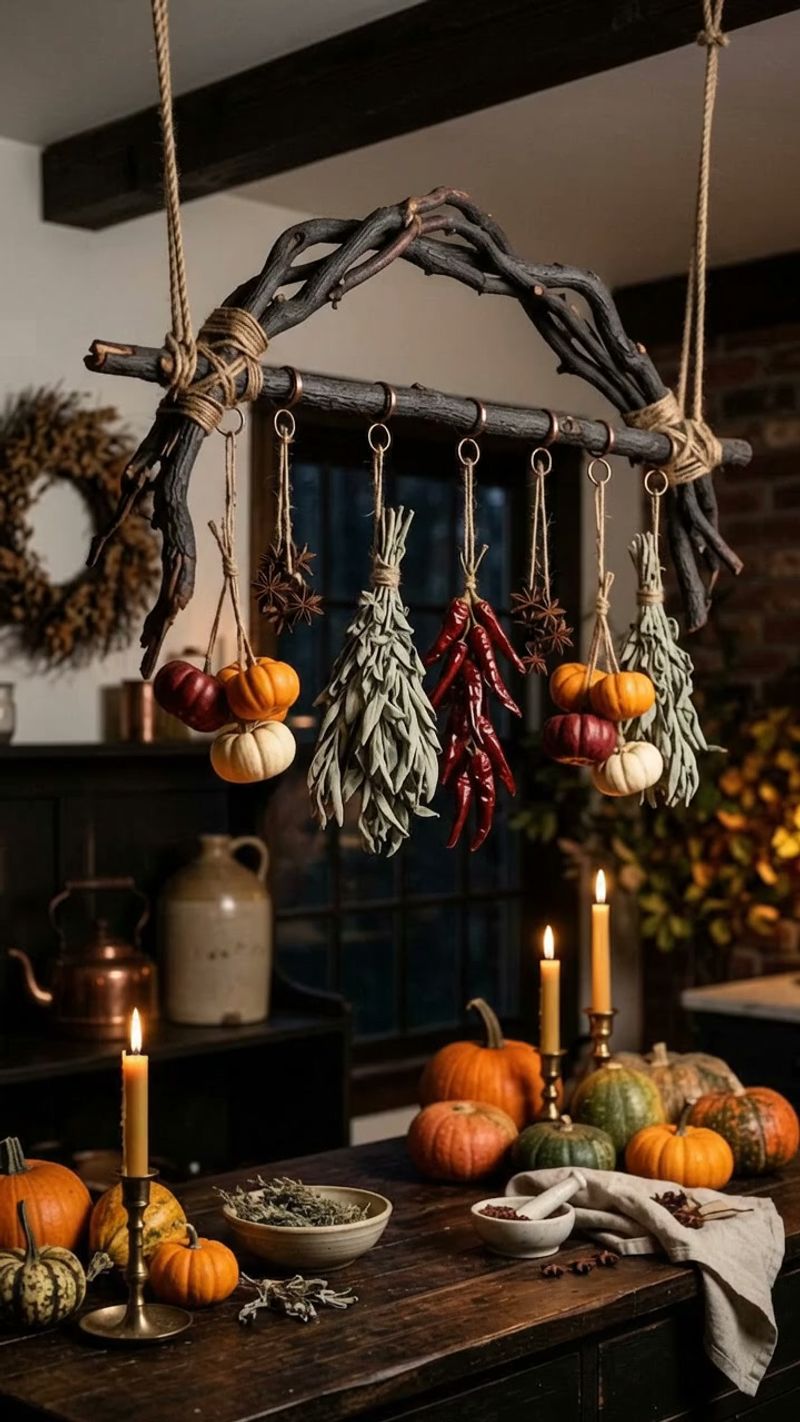
Ask a neighbor why they have herbs hanging by the door, and you will probably hear something like, it just smells nice. Times have changed, and that is perfectly fine.
These days, most people hang dried herbs for decoration and relaxation. Few expect them to chase off spirits.
Instead, they enjoy the soft colors and calming scents that make a house feel homey.
Dried herbs fit fall decor beautifully. Their muted greens, grays, and purples pair well with pumpkins, gourds, and plaid blankets.
A single bundle can make an entryway feel warm and welcoming.
Lots of herbs keep their color and smell after drying. Lavender, rosemary, sage, thyme, oregano, and parsley are all good options.
You can mix them in wreaths, bouquets, table centerpieces, or wall hangings.
Try hanging small bunches from a curtain rod or a ceiling hook. A row of herbs along a kitchen beam looks straight out of a farmhouse magazine.
Some people also say certain dried herbs help discourage spiders, ants, and moths.
So the old belief has softened into a new kind of charm. You get the beauty and the scent, plus a link to the past.
That feels like a pretty good deal for a few stems and a bit of string.
9. Hang Bundles Where They Can Dry Well
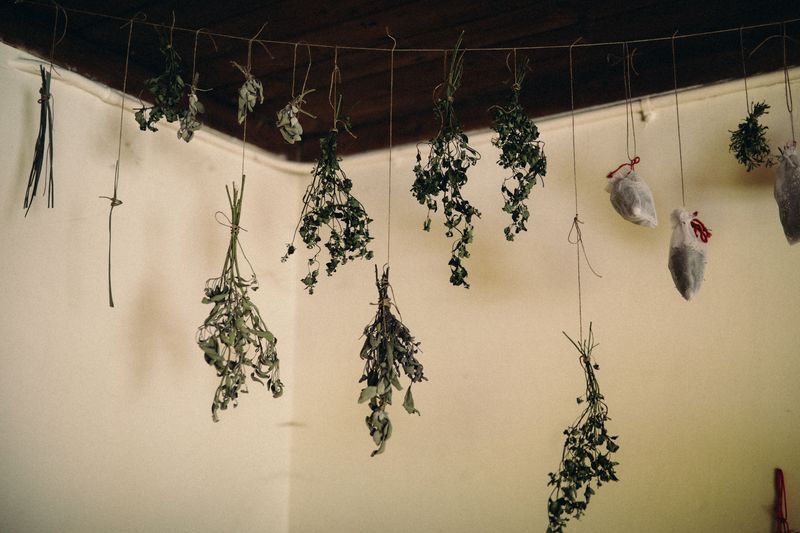
Nobody wants a moldy herb bundle greeting their guests. Luckily, drying herbs the right way is easy once you know a few tricks.
Start with the right plants. Herbs with low moisture dry best, such as rosemary, sage, thyme, oregano, marjoram, dill, bay, parsley, and lavender.
Harvest on a dry morning using clean, sharp scissors.
Be kind to your plants while you snip. Try not to take more than one-third of a plant at once, so it can keep growing.
If you rinse the herbs, let them dry fully before bundling.
Next, make small bundles of about five to ten stems. Tie them tightly at the bottom, where there are no leaves.
Small bunches let air move through and help stop mold from forming.
Hang your bundles upside down in a cool, dry, and shaded spot. Good airflow matters most.
Exposed rafters, drying racks, and curtain rods all work well, and a breezy doorway can help too.
Ohio summers get humid, so watch your herbs closely. If a bundle feels damp after a week, move it somewhere drier.
Once the leaves crumble easily, you can combine small bunches into a bigger display for your door.