Figs Are Having a Moment: The Best Fig Varieties for Every Virginia Region
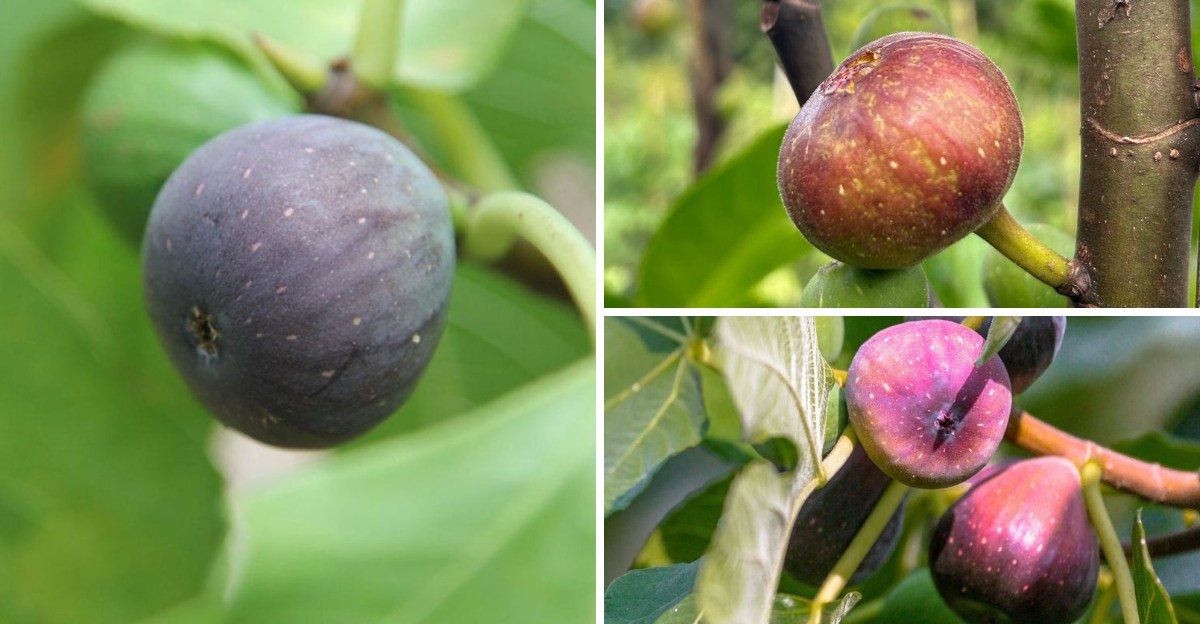
Thomas Jefferson grew a soft, honey-sweet Mediterranean fruit at Monticello and praised one type above the rest. Gardeners across Virginia are rediscovering that same fruit, and nurseries now sell dozens of hardy types each spring.
The plants are mostly self-pollinating, so one shrub can fill your summer bowls without any partner nearby. Many types even set two harvests, with a small early crop followed by a heavier one near fall.
I have to admit, the first warm one I picked straight from the branch spoiled store versions for me. You might notice the same thing once you taste a ripe one, still sticky and warm from afternoon sun.
Of course, a Virginia winter in the mountains feels very different from one near the sandy coast. So which variety belongs in your backyard, and which one could surprise you with fruit next August?
1. Brown Turkey
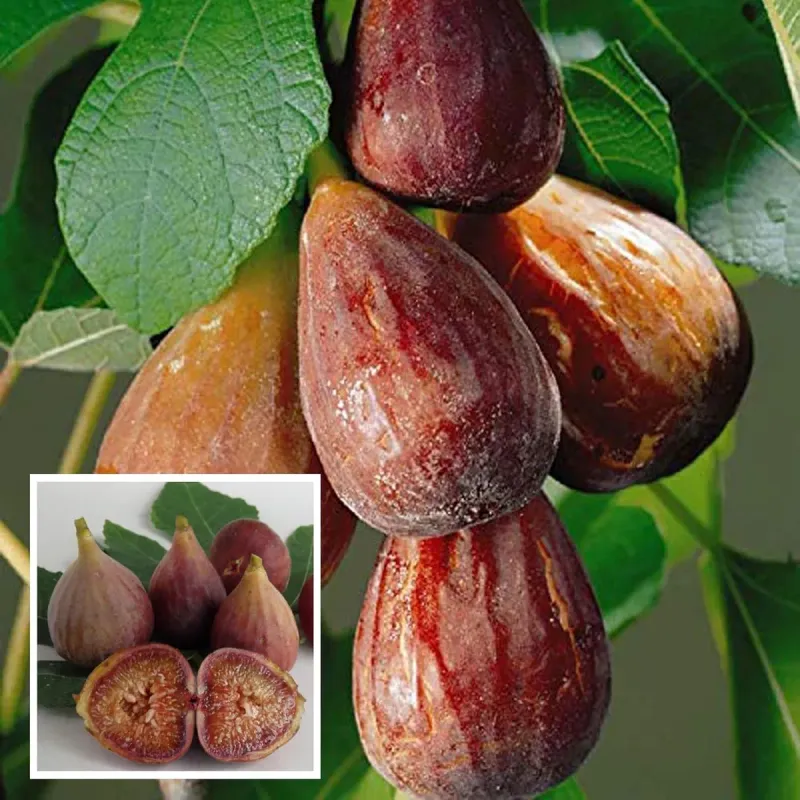
Walk through almost any older Southern neighborhood, and you will likely spot a sprawling Brown Turkey shading someone’s back fence. Its bronze skin hides amber to pink flesh with a mild sweetness that even picky kids tend to enjoy.
I love how forgiving this variety feels for beginners, since it shrugs off pruning mistakes and keeps growing. Most sources rate it for zones 6 through 9, which covers the Piedmont and much of the coast.
In colder valleys, established plants sometimes freeze back to the ground, then send up fresh shoots each spring. Pile six to twelve inches of shredded leaves or straw around the base after the first hard frost.
Trees can reach ten to twelve feet tall, but yearly pruning keeps them shrubby and easy to harvest. Personally, I prefer a bush shape with several stems because it recovers faster after a rough winter.
One weakness deserves your attention, because the medium-sized eye at the bottom of each fruit lets rain inside. During wet stretches in late summer, ripe fruit may split or turn sour before you can pick it.
Check your plant every day or two once the fruit softens and droops slightly on its short stem. Picking a little early, while the skin still feels firm, often beats losing the harvest to rainy weather.
Plant it in full sun with at least eight hours of light and soil that drains well after storms. Aim for slightly acidic ground, roughly pH 5.5 to 6.5, and your tree should reward you for years.
2. Chicago Hardy
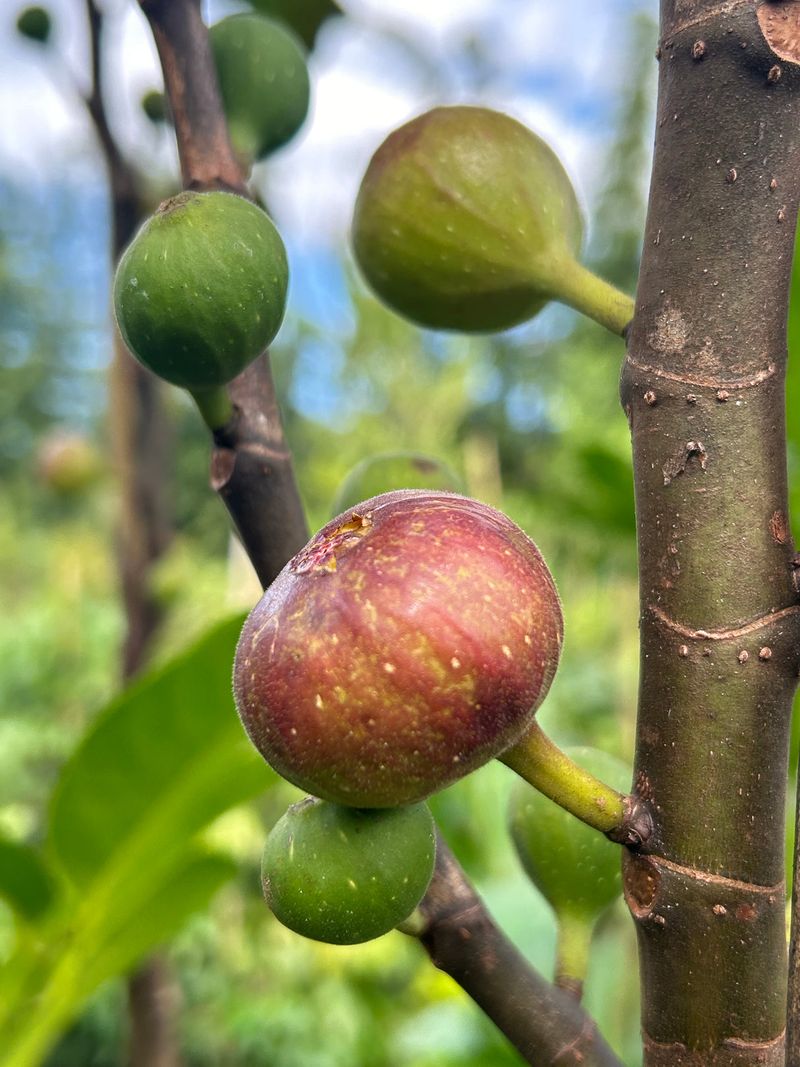
A tree named for surviving Chicago winters has every right to feel confident in the chilly Blue Ridge Mountains. Chicago Hardy, also sold as Bensonhurst Purple, reportedly bounces back after winter lows near minus ten degrees Fahrenheit.
That number refers to the roots surviving, though, because the top growth usually freezes well before that point. What surprises me most is how quickly fresh shoots appear from the ground once spring soil starts warming.
Even better, this variety fruits on new wood, so a plant that froze back can still produce figs. For gardeners in zone 6 areas like Highland County, that trait makes a huge difference by late summer.
The medium fruits wear purple to bronze skin and hide rich, jammy pink flesh that tastes like dessert. I can’t imagine a better snack after a long afternoon spent pulling weeds in the vegetable beds.
Container growing works beautifully here, letting you roll the pot into an unheated garage once leaves drop. Keep the soil barely moist through winter, since dormant plants need very little water during their rest.
Choose a pot of at least fifteen to twenty gallons for mature plants, and use a loose, well-draining mix. Wheel it back outside after your last frost date, which arrives in May for many mountain towns.
For in-ground trees, a south-facing wall adds stored warmth and shelters stems from the harshest winter winds. Add a thick mulch layer around the base, and your plant will have a strong head start next season.
3. Celeste
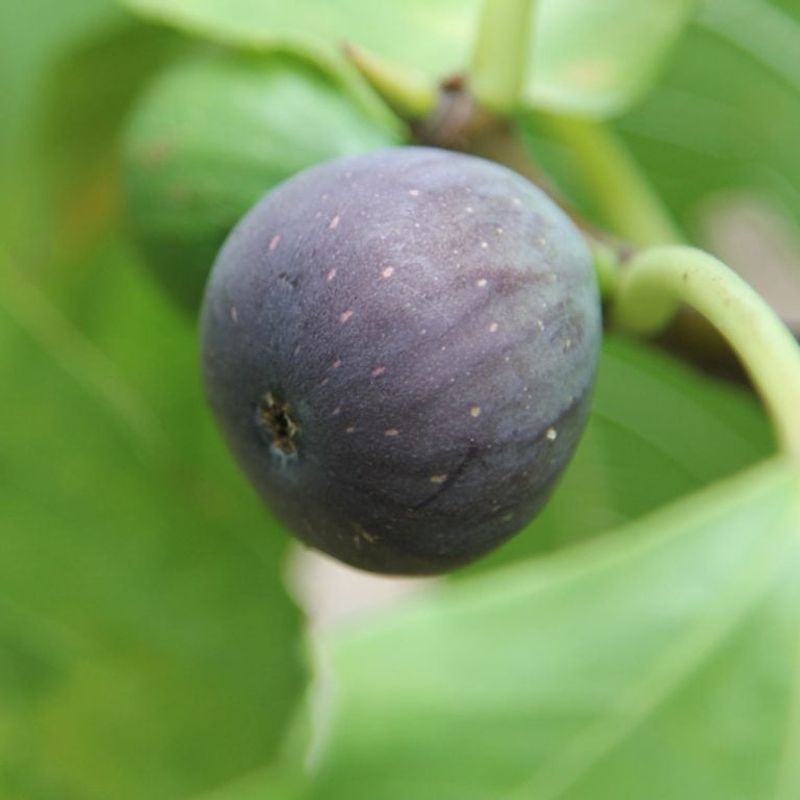
Southerners nicknamed Celeste the sugar fig, and one bite of its small, sweet fruit explains the name quickly. The pear-shaped figs have purple to bronze skin wrapped around soft pink pulp that tastes like honey.
My favorite feature might be the tightly closed eye, which keeps rainwater and pesky insects from getting inside. That small detail means fewer split or sour fruits when summer thunderstorms roll through Tidewater gardens.
Celeste ripens early, and coastal growers often start picking in late July or the first week of August. You’ll want a basket handy, because a mature bush can produce more fruit than one family can eat.
Dormant plants handle temperatures down to roughly ten to fifteen degrees, so it suits zones 7 and 8 best. Gardeners in zone 6 can still try it, but winter wrapping or container growing becomes much more important.
The plant forms a medium-sized bush or small tree, fitting nicely along a fence or sunny garden corner. Give it room to spread, and avoid crowding it beside taller trees that steal precious afternoon light.
Celeste rarely produces a strong breba crop, so most of the harvest comes on the current season’s growth. Light pruning in late winter is fine, but heavy cuts can reduce fruit for the coming summer.
Share extras quickly, since these delicate figs last only a few days after picking, even in the refrigerator. Neighbors who taste one fresh from your yard may start asking for cuttings before the season even ends.
4. Violette De Bordeaux
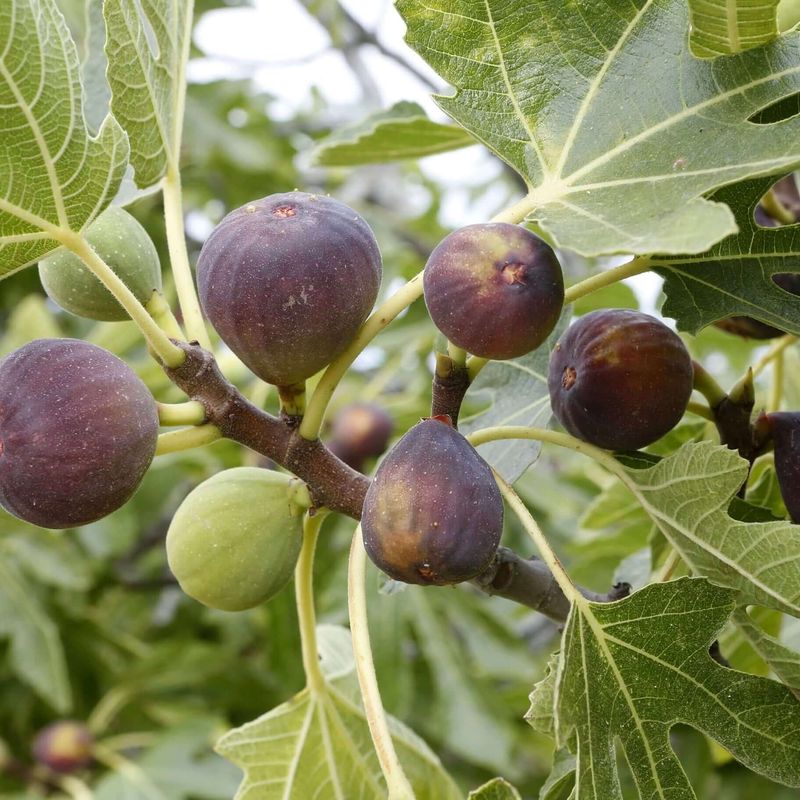
Chefs love Violette de Bordeaux for its nearly black skin and deep red flesh with berry flavors inside. Personally, I think it tastes like someone stirred honey into fresh blackberry jam and then chilled it slightly.
This French heirloom, also called Negronne, stays naturally compact, which makes it a smart pick for small yards. Townhouse gardeners in Arlington or Richmond can grow it happily in a large container on a sunny patio.
Most nurseries list it for zones 6 through 10, though the coldest areas call for extra winter protection. Wrapping the stems in burlap or moving the pot into a garage helps protect next year’s breba buds.
Those buds matter, because this variety often produces an early breba crop before the main harvest arrives. The second crop usually ripens from late summer into fall, giving you weeks of small, flavorful figs.
Fruit size stays small to medium, so do not expect giant figs that fill your entire palm. What it lacks in size, it makes up for with flavor concentrated into every single sticky bite.
Keep potted plants evenly watered during hot spells, because dry soil can cause fruit to drop early. A layer of mulch on top of the pot helps hold moisture through those humid July afternoons.
Feed lightly in spring with a balanced fertilizer, since too much nitrogen encourages leaves instead of fruit. You need patience during the first year or two, but steady harvests follow once the roots settle in.
5. Brunswick
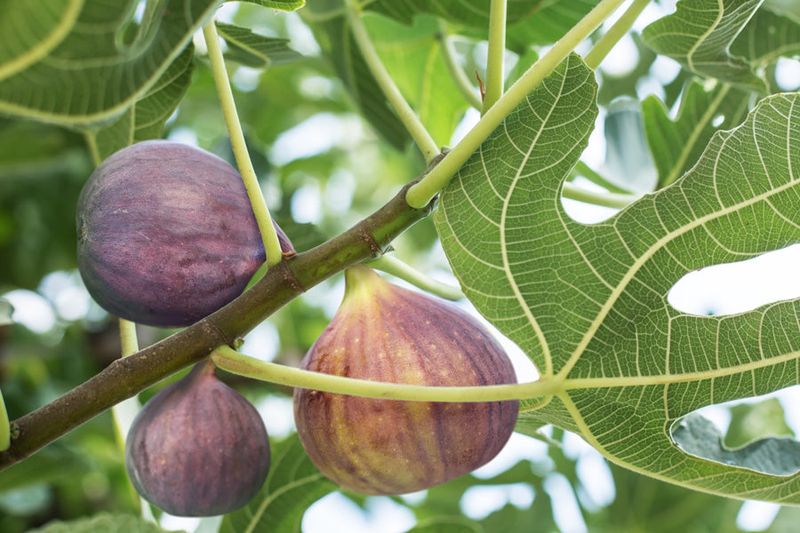
Big fruit lovers should pay attention, because Brunswick grows some of the largest figs in this entire lineup. Each pear-shaped fruit has bronze to light brown skin and sweet, strawberry-colored flesh that practically melts.
I love how versatile these figs are, since they work well fresh off the branch or slowly simmered into preserves. They also dry nicely, which helps when a heavy harvest arrives faster than your kitchen can keep up.
Brunswick is an older variety grown in Southern gardens for well over a century, and its toughness shows. It handles zones 6 through 9, though plants in cooler spots appreciate mulch and some wind protection.
Expect a reliable main crop in late summer, plus a possible early crop in warmer coastal neighborhoods. Gardeners near the Chesapeake Bay often see better breba harvests because mild winters protect the overwintering buds.
Space matters here, since a happy plant can reach about ten feet tall and twelve feet wide. Plant it where branches can spread freely, well away from narrow walkways and your neighbor’s property line.
Some growers report that heavy rain causes splitting, so watering consistently during dry spells can help even things out. Sudden soaking after drought makes fruit swell quickly, and the skin sometimes cracks under that pressure.
Container growing works too, especially if you prune firmly each winter to keep the plant manageable. A twenty-gallon pot gives roots enough room while still letting you shift it around with a hand truck.
6. LSU Purple
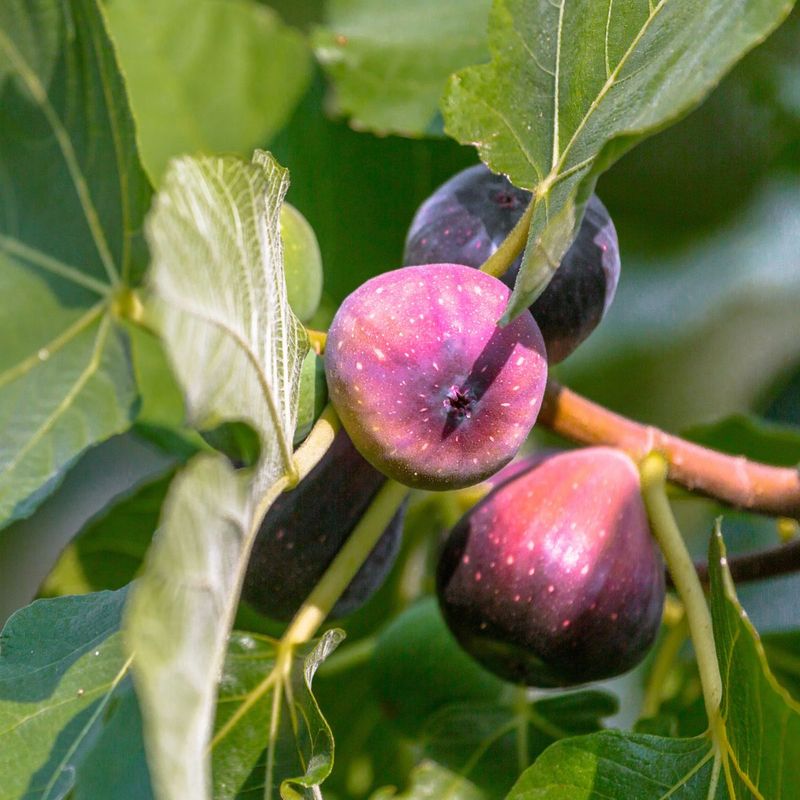
Scientists at Louisiana State University released LSU Purple, and it handles the South’s wild weather swings remarkably well. Glossy deep purple fruits reach about two and a half inches long with sweet, light strawberry flesh.
You’re in for a big surprise with this one, because young plants often start fruiting much sooner than expected. Many gardeners pick their first figs within a year or two of planting a healthy nursery tree.
In warm spots, it may produce several crops, with a heavy summer harvest followed by later fall fruit. Some growers along the coast report figs hanging on until frost, which can arrive in late November.
Virginia Beach and Norfolk gardeners in zones 8a and 7b will find this variety especially rewarding. The plant prefers zones 7 through 10, so colder mountain counties should stick with hardier choices instead.
Its manageable size makes container growing easy, even for gardeners with only a sunny balcony or deck. Choose a pot with large drainage holes, since soggy roots invite rot during rainy stretches of summer.
Birds notice ripe purple figs quickly, and I have lost more than a few to clever mockingbirds. Draping lightweight netting over the plant as fruit darkens keeps more of the harvest for your table.
Mulch generously in late fall, especially for young plants, since even hardy roots appreciate a warm blanket. By its third summer, a well-tended LSU Purple can supply enough figs for fresh snacks and baking projects.
7. White Marseilles
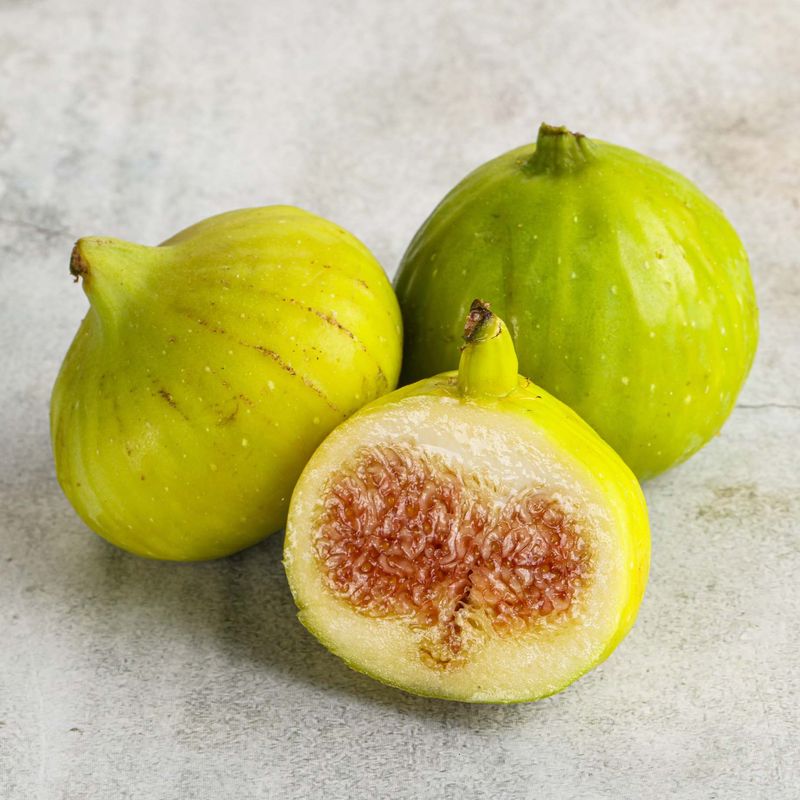
Thomas Jefferson praised the Marseilles fig above other kinds, and Monticello’s gardens still grow figs near Charlottesville. History lovers can now taste the same pale fruit that once delighted one of America’s most curious early gardeners.
White Marseilles produces small fruits with greenish-white to yellow skin and surprisingly sweet pale flesh inside. Pale skin also makes ripeness trickier to judge, so gently squeeze each fruit to check for a soft, yielding feel.
The first figs ripen fairly early in the season, and picking often continues for about six weeks into early fall. That stretched-out harvest feels like a gift, because you get small batches instead of one overwhelming pile.
This variety suits zones 7 through 9, which covers most of the Piedmont along with much of Tidewater. Gardeners in colder zone 6 areas can grow it in containers and shelter it through winter.
It grows quickly and adapts to many soil types, though full sun remains essential for sweet fruit. Shade leads to leggy branches and far fewer figs, so pick the brightest, warmest spot in your whole yard.
Planting in late fall or early spring, while the plant is dormant, gives roots time to establish. Water deeply once a week during the first summer, then reduce watering once the plant settles in.
Personally, I love growing a plant with such a strong local story tucked behind its broad leafy branches. Every time you pick one, you share a small garden tradition stretching back more than two centuries.
8. Olympian
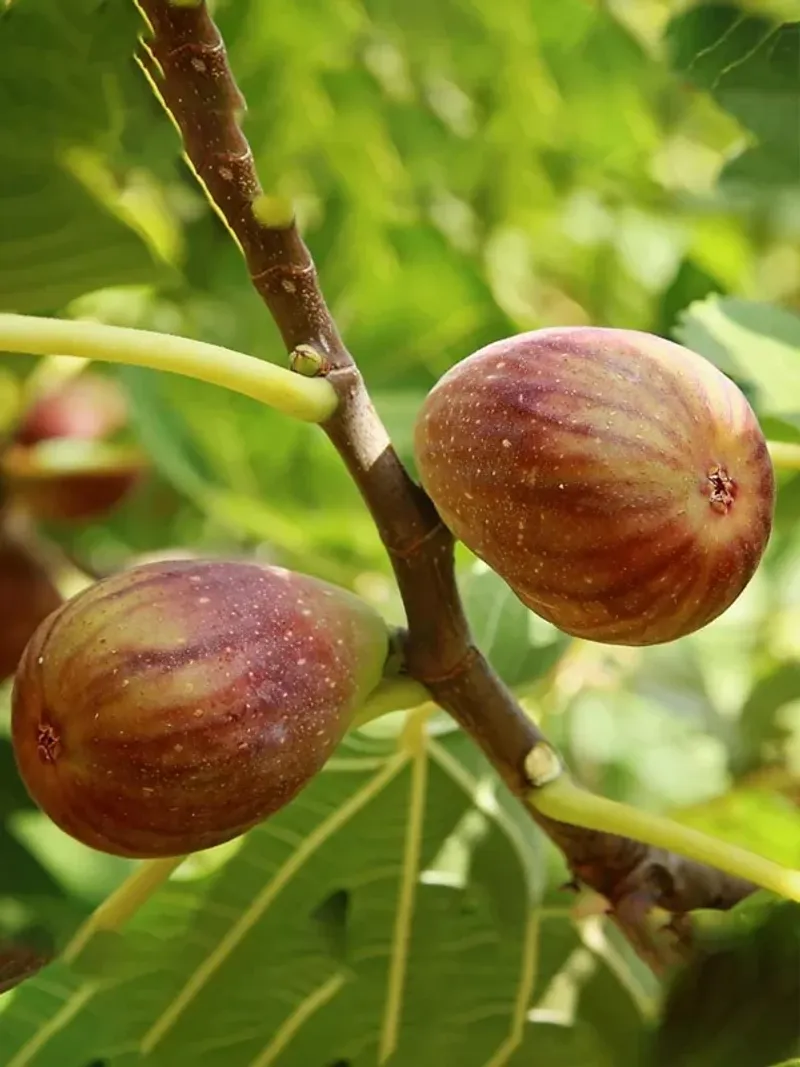
A fig rediscovered in Olympia, Washington, might seem like an odd fit, yet it shines in cool climates. Olympian earned its fame by producing large crops in a gray Pacific Northwest climate with short, mild summers.
The fruits are big, with green skin streaked in purple and sweet, rich violet flesh inside. I like how the striped skin looks almost painted, making each fig feel like a small treasure.
Sources report it tolerates temperatures near zero degrees Fahrenheit, placing it among the hardier figs available today. That toughness makes it worth trying in the Shenandoah Valley and other zone 6 spots with cold winters.
Olympian often sets two crops, with an early breba harvest followed by a larger main crop later. In colder areas, protecting the stems through winter improves your chances of enjoying that first summer batch.
Plant it in full sun and well-drained soil that ranges from slightly acidic to roughly neutral pH. A simple soil test from your local extension office can show whether your ground needs any adjustment.
Since cool summers suit it, Olympian may handle mountain gardens where heat-loving varieties struggle to ripen fruit. Still, give it the warmest microclimate you have, like a spot beside a sunny brick wall.
Fall is a fine time to plant dormant trees, as long as you mulch them heavily before hard freezes. Come next summer, you might find yourself handing striped figs to curious neighbors who had no idea they grew here.