The Blue Ridge First Frost Is Coming And Here’s What Mountain Homeowners Should Do Now
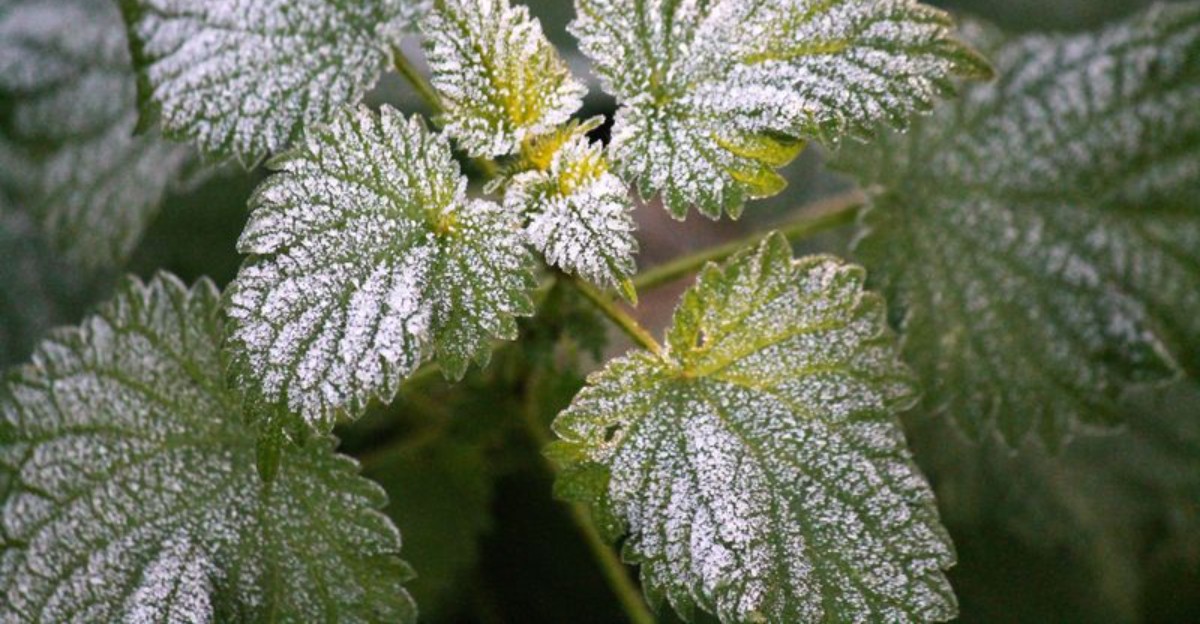
Step outside on an October morning, and the grass may crunch under your boots. That silvery frost looks pretty at sunrise, but your basil will not be impressed.
Around the Blue Ridge, the first fall frost can arrive from early to late October, depending on elevation and location. Higher elevations can feel it sooner, so a clear forecast deserves a closer look.
Frost can form even when the thermometer reads above freezing. Plant surfaces can cool faster than the surrounding air, putting tender leaves at risk.
A freeze brings greater trouble when temperatures fall below 32 degrees. A few smart moves before that first cold night can protect much of your garden.
Bring Tender Container Plants Under Cover
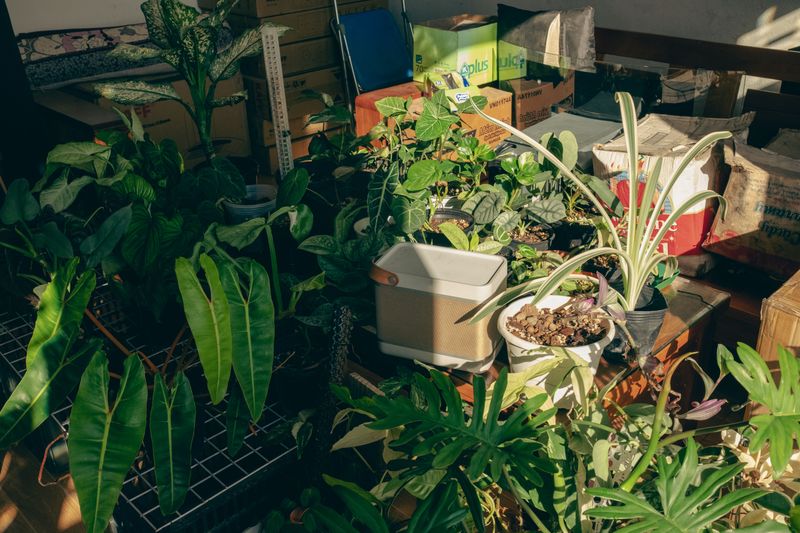
Potted ferns on a mountain porch feel cold long before garden beds do. Their roots sit above ground, with no buried warmth to lean on.
Containers lose heat quickly once the sun drops behind the ridgeline. That fast chill can bruise roots while the leaves still look fine.
Moving pots into a house, garage, or shed gives the simplest protection. Pick a sheltered spot that stays cool rather than toasty warm.
Sudden jumps from frosty air to a heated living room can shock tender growth. A steady, mild space helps plants settle without stress.
Hanging baskets deserve the same treatment, since wind strips heat from every side. Take them down in the afternoon while the air is still mild.
When indoor space runs short, cluster pots tightly against a house wall. Brick and siding soak up daytime sun and release it slowly at night.
Mulch tucked around and between the grouped pots adds another layer of insulation. Wrap the whole cluster with burlap or an old blanket for extra cover.
Around Blue Ridge, the median first frost lands near the middle of October. Watching the forecast a week ahead gives you time to shuffle pots calmly.
Check drainage holes too, because soggy soil chills harder than damp soil. A quick tilt of the pot lets extra water escape before nightfall.
Give leaves a fast rinse and check stems before anything comes indoors. Aphids and spider mites love warm rooms once winter settles in.
Harvest Frost-Sensitive Vegetables Before Nightfall
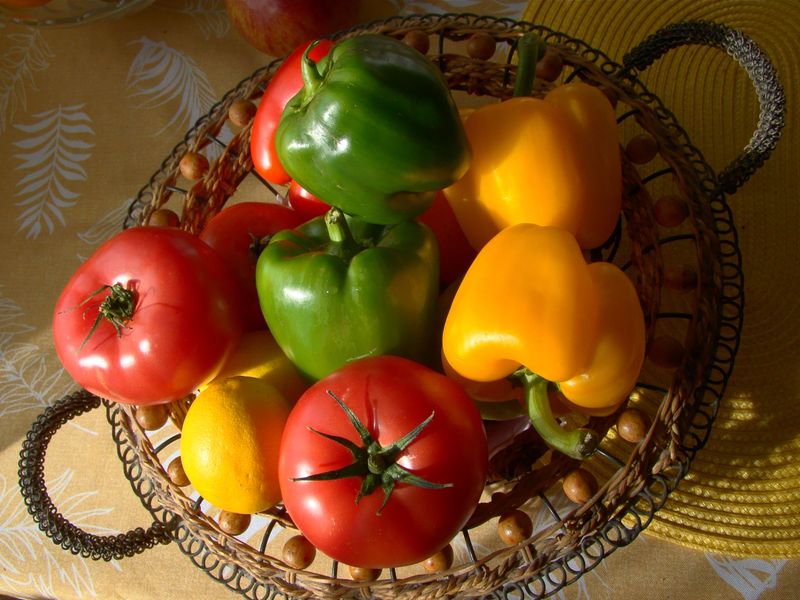
Tomato vines can look perfectly happy at supper and sad by sunrise. One light frost can be enough to finish their season.
Peppers, basil, cucumbers, beans, squash, okra, and eggplant share that tender streak. Gather them the afternoon before the first predicted frost arrives.
Green tomatoes still ripen indoors once they reach the mature green stage. Look for glossy skin and a pale, creamy blossom end.
Spread picked fruit in a single layer on newspaper in a cool room. Check every few days and pull out any soft ones.
Okra and beans keep producing right up to the chill, so strip the plants. Even small pods are worth grabbing at that point.
Basil darkens fast, so cut whole stems and make pesto that same evening. Freezing it in ice cube trays stretches summer flavor into January.
Your Virginia Garden Changes Every Week. Your Plan Should Too.
Gardening in Virginia changes quickly throughout the season. Every Friday you’ll receive a simple weekly plan showing exactly what to plant, prune, fertilize, harvest, and protect so you never miss the right timing.
Cool-season crops handle a nip better than most gardeners expect. Kale, spinach, beets, and carrots often taste sweeter after a frosty morning.
Sweet potatoes should be harvested before cold weather becomes a problem. The roots are sensitive to cold, so don’t count on the vines to protect them.
Mountain gardeners often harvest by headlamp when a surprise cold snap shows up. A little planning saves you that frantic scramble.
Keep a couple of empty laundry baskets by the back door in October. Hauling a big harvest gets easier when containers wait ready.
Wash produce after it comes inside rather than out in the cold. Wet skins pick up chill damage while you keep picking.
Cover Late Crops When Frost Is In The Forecast
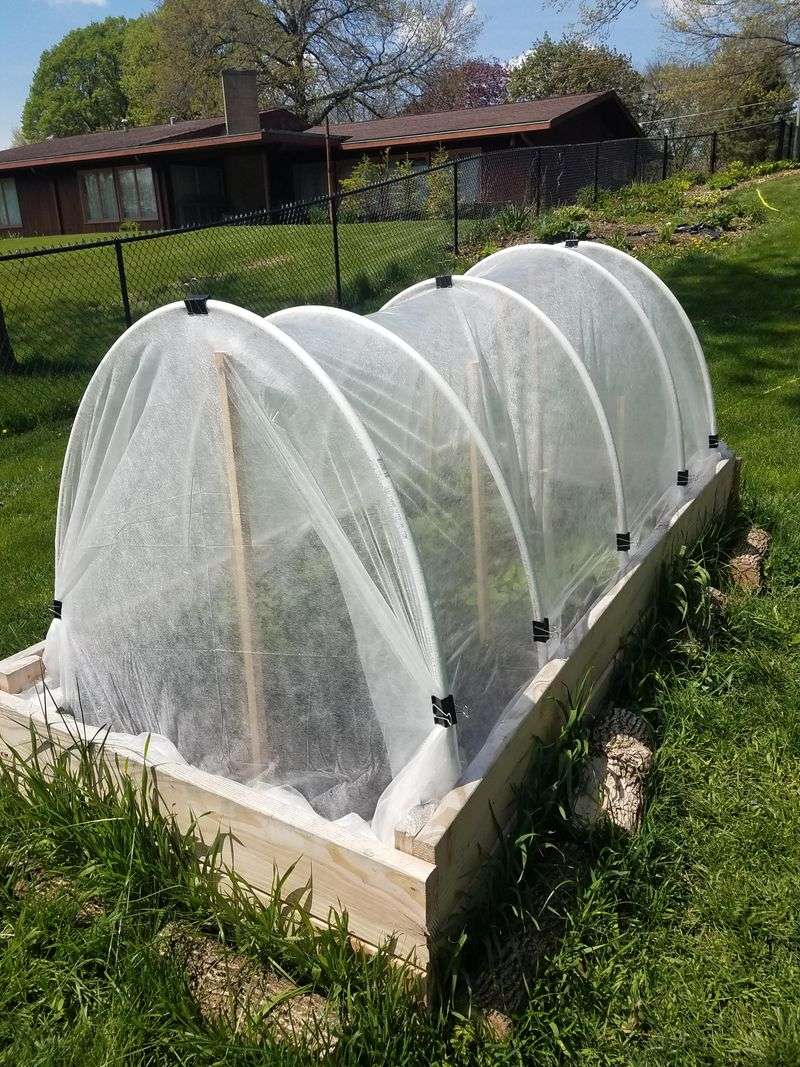
An old bedsheet has rescued more autumn gardens than any fancy gadget. Covers trap the soil’s stored heat and hold it around your plants.
That thin blanket of warmth can add roughly two to ten degrees of protection, depending on the cover and conditions. Those few degrees decide whether lettuce keeps growing or quits.
Sheets, towels, blankets, frost cloth, and burlap all work well. Choose something breathable rather than slick plastic sheeting.
Plastic pressed against leaves carries cold straight into the tissue. Damage usually shows up as dark, mushy patches right where it touched.
Drape covers before sunset while the ground still holds afternoon warmth. Waiting until bedtime lets that heat escape into the night sky.
Keep fabric loose and tent it over hoops, stakes, or tomato cages. Anchor the edges with rocks, bricks, or soil so cold air stays out.
Pull the covers off or open them when the morning warms up. Trapped heat can stress tender greens inside a closed tent.
Blue Ridge weather can swing from a frosty dawn to a sixty-degree afternoon. Daily uncovering keeps plants comfortable through those wild shifts.
Watering the bed earlier in the day can help keep the soil adequately moist under your covers. Damp soil can provide some protection during a light frost.
Clothespins help hold fabric together over long rows on breezy nights. Wind has a talent for peeling back careless coverings.
Row cover fabric stored in a labeled bin lasts several seasons. Fold it dry so mildew stays out of your supplies.
Water Vulnerable Plants Before A Hard Freeze
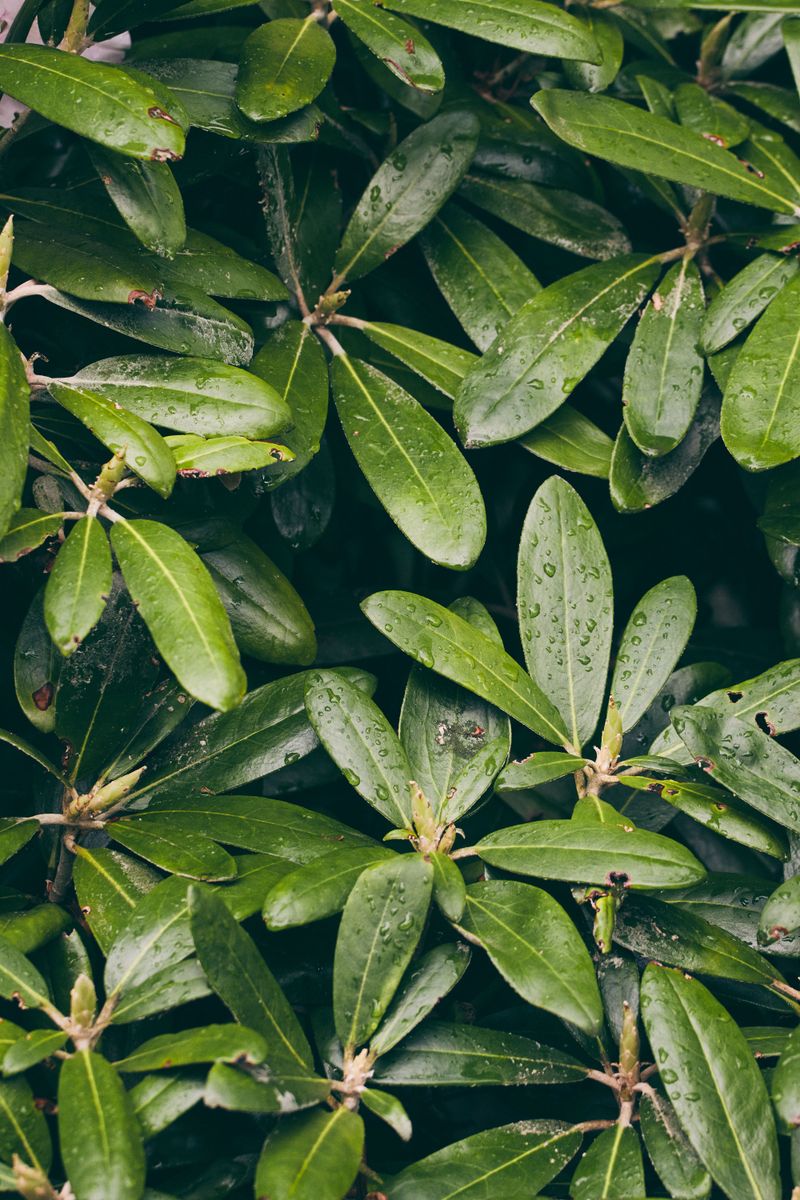
Watering before a freeze sounds backward, yet it works beautifully. Moist soil holds heat far better than dry, dusty ground.
Damp earth soaks up sunshine all day and releases warmth slowly overnight. Roots sitting in that gentle heat handle the chill better.
Hydrated plants also resist cold injury because their cells stay plump and healthy. Thirsty plants dry out fast when cold wind sweeps through.
Aim for a deep soak in the afternoon or early evening when the soil is not frozen. Keep vulnerable plants adequately watered before a hard freeze.
Deep means moisture reaching well into the root zone rather than just wetting the surface. A quick sprinkle only dampens the top crust.
Push a screwdriver into the bed to check how far the water traveled. Easy sliding means you soaked things properly.
New trees, shrubs, and perennials need steady drinks since their roots are young. Keep watering until the ground finally freezes for the season.
Evergreens lose moisture through their leaves during cold, dry mountain winds. Rhododendron leaves curling tight is your signal to grab the hose.
Many mountain properties rely on wells, so drain hoses after each watering. Frozen spigots create headaches nobody wants in November.
Mulch laid over damp soil locks that moisture in place. Two or three inches does the job without smothering roots.
Skip watering frozen ground, since water simply runs off the surface. Wait for a mild afternoon thaw instead.
Check Low Spots That Catch Cold Air
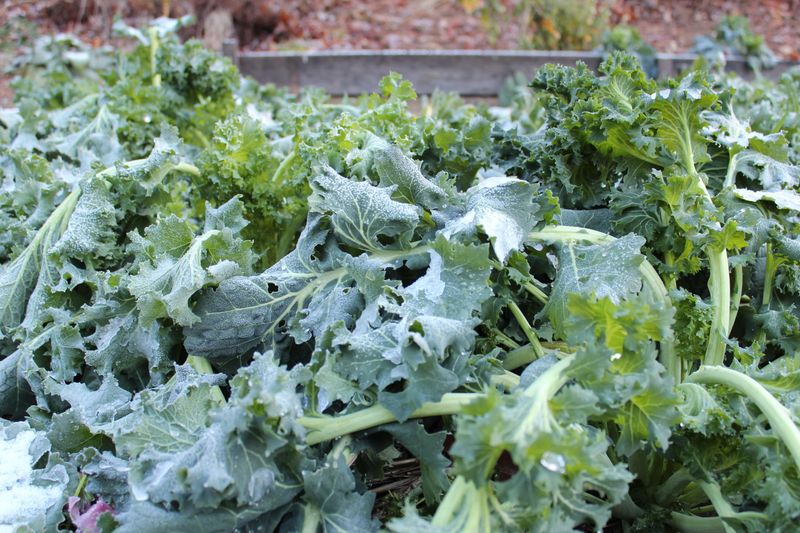
Cold air tends to flow downhill like water. Dips, hollows, and valley bottoms can collect colder air overnight.
Gardeners call those chilly puddles frost pockets. Temperatures there can run several degrees below the rest of your yard.
Hedges, fences, and stone walls across a slope act like dams. Cold air piles up behind them instead of draining away.
Walk your property on a frosty morning with coffee in hand. White patches lingering in shade reveal the coolest ground.
Snow that hangs around long after everything else melts tells the same story. Morning mist gathering low is another helpful clue.
Plants in those zones face frost earlier and for longer stretches. Tender herbs and late tomatoes struggle there first.
Opening a gap in a hedge or swapping solid fencing for slats helps. Cold air needs somewhere to keep flowing.
Raised beds can improve drainage and may offer a slightly different microclimate than low ground. Site and air drainage matter more when avoiding frost pockets.
Blue Ridge terrain is full of coves and hollows that trap chilly air. Higher benches on the same lot often stay noticeably warmer.
Hang an inexpensive thermometer in the low spot for a week. Comparing readings with your porch gives real numbers to work with.
Save those cool areas for hardy greens and spring bulbs. Both shrug off cold that would flatten basil.
Slope, shade, and wind all shape how quickly frost settles. Learning your yard’s quirks pays off each autumn.
Protect Newly Planted Trees And Shrubs
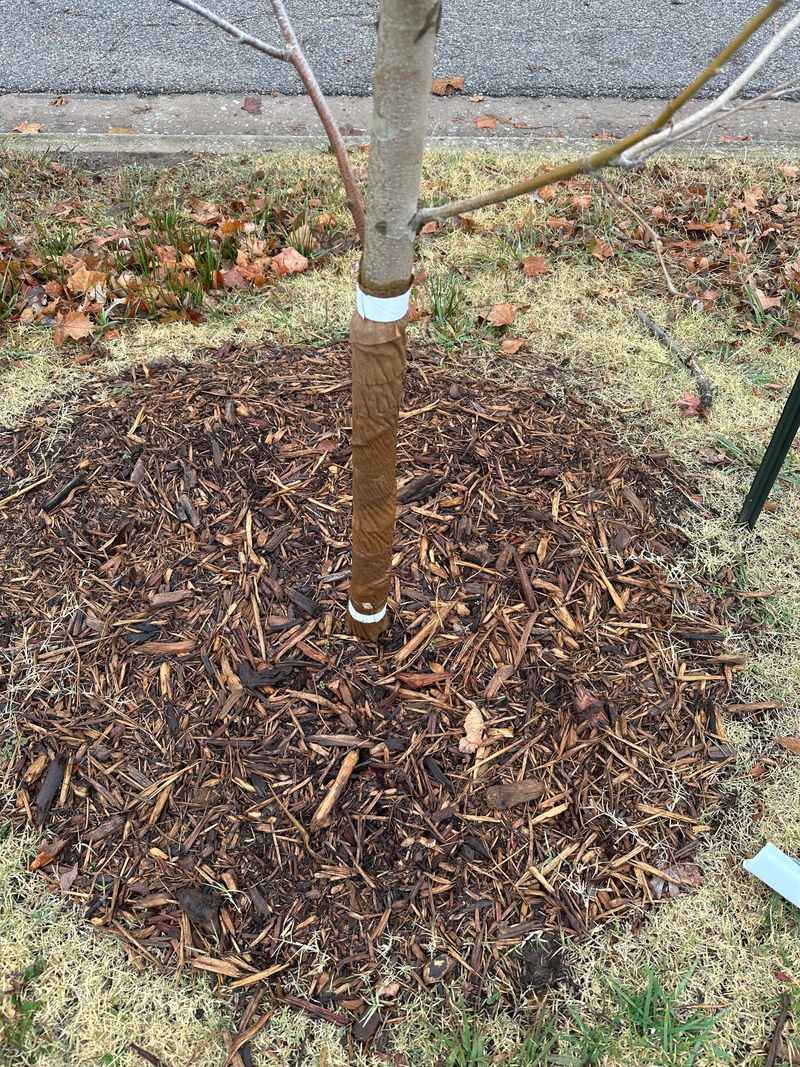
A young maple planted last spring has roots barely wider than its pot. That shallow system feels winter far more than an old shade tree.
Repeated freezing and thawing can lift those shallow roots out of the soil. Gardeners call the problem frost heaving.
Spread two to four inches of shredded wood mulch or pine straw around the base. Keep the layer a few inches back from the trunk.
Mulch steadies soil temperature, holds moisture, and softens those freeze-thaw swings. Piling it against bark invites rot and rodents instead.
Thin-barked trees such as maples, cherries, and young fruit trees face sunscald. Winter sun warms the bark, then a fast freeze splits it.
White commercial tree wrap or suitable tree guards can help protect young trunks from winter injury. Follow the product directions and remove the protection when it is no longer needed.
Water new plantings deeply as needed until the ground begins to freeze. Roots can keep growing underground after the leaves have dropped, as long as soil conditions remain suitable.
Staking helps only if a sapling truly rocks in the wind. Loose ties and a one-season limit prevent trunk damage.
Mountain winds funnel through gaps and pick up speed after leaf drop. Burlap screens on the windward side shelter tender evergreens.
Rabbits and voles chew bark when other food runs short. A wire mesh cylinder around the trunk keeps hungry visitors out.
Skip heavy pruning right now, since fresh cuts push tender growth. Save shaping work for late winter instead.
Move Potted Plants Away From Exposed Ridges
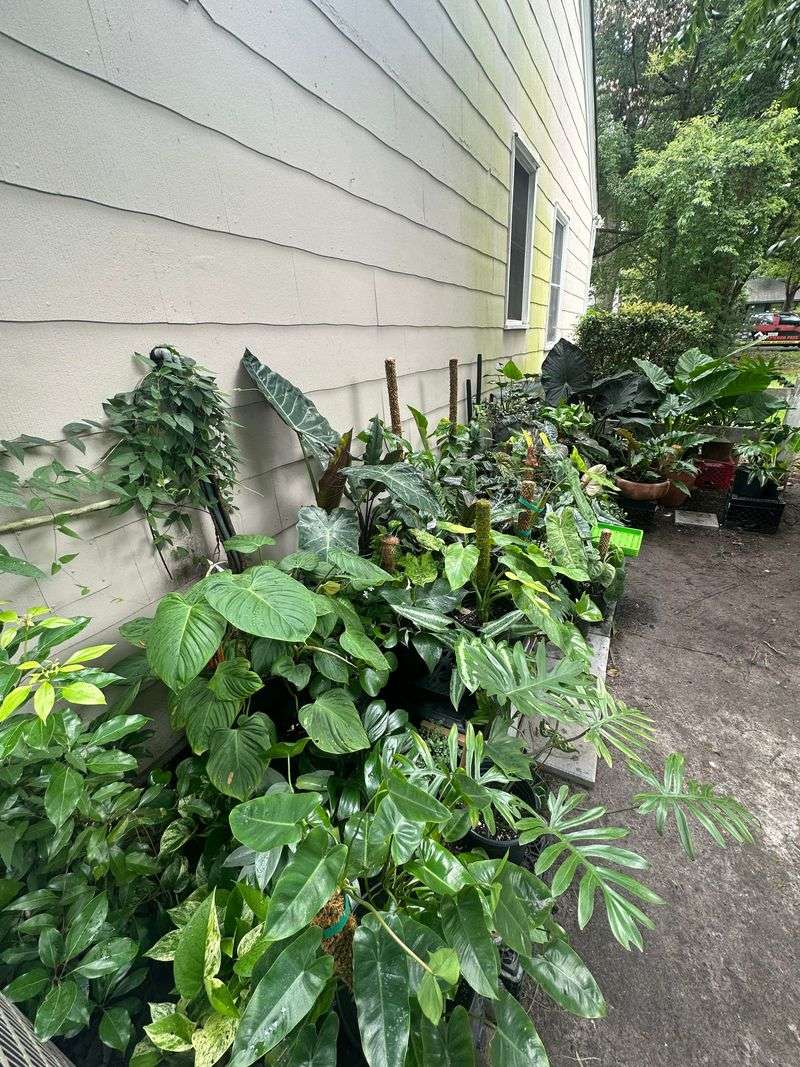
Ridge-top patios offer incredible views and can face strong wind. Containers parked there can dry out and chill faster than those in sheltered spots.
Wind pulls moisture from both soil and leaves on cold, clear nights. Plants end up thirsty even when the pot feels damp.
Shift those containers toward a sheltered corner before the first frost window. A spot tucked behind the house blocks the worst gusts.
South-facing walls can create a warmer microclimate because they receive more sun. That stored warmth can help moderate temperatures after dark.
Grouping pots together raises humidity around the foliage. Plants in the middle of the cluster get the coziest treatment.
Put your toughest plants on the outside of the group as a windbreak. Rosemary and boxwood make dependable bodyguards.
Raise pots slightly on bricks or pot feet so drainage stays free. Containers sitting in frozen puddles run into root trouble.
Heavy ceramic pots can crack and shatter when exposed to freezing conditions. Move them into a shed or other protected space for winter.
Homes perched on Blue Ridge ridgelines often see frost earlier than valley neighbors. Elevation adds a real bite to autumn nights.
A wheeled plant caddy saves your back during the seasonal shuffle. Rolling a big fig tree beats dragging it across stone.
Group by watering needs while you rearrange everything. Thirsty ferns and drought-loving succulents rarely share a schedule happily.
Take photos of your favorite arrangement before moving pots. Rebuilding the look next spring becomes much simpler.
Finish Fall Planting Before The Ground Cools
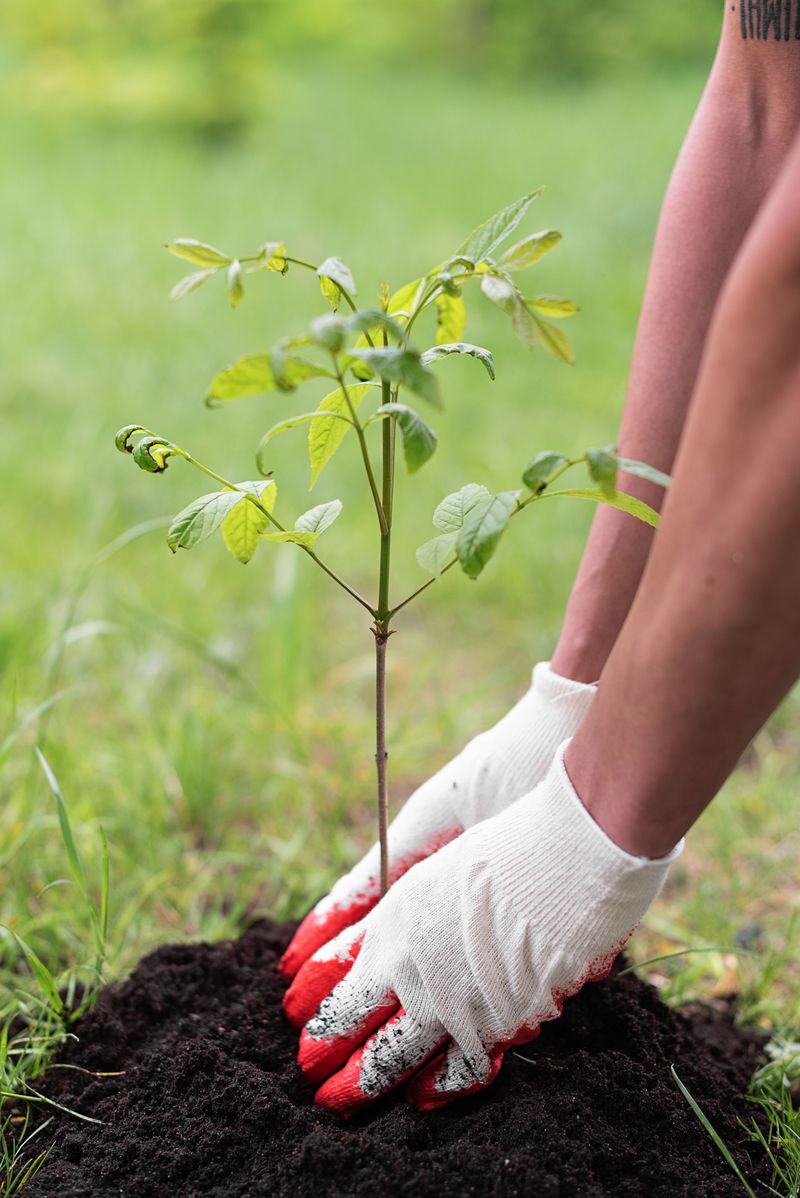
Roots keep working underground even after the last leaf falls. Giving them a head start before frost pays off next summer.
Plan to finish fall planting while the soil is still workable and before the ground freezes. That gives roots time to establish before winter.
Container-grown trees can often be planted in fall while the soil remains workable. Higher elevations may need to finish earlier because winter arrives sooner.
Workable soil is the real deadline, not a date on the calendar. If a shovel slides in easily, planting is still fair game.
Perennials can do well when planted in fall while the soil remains workable. Late plantings may have less time to establish before winter.
Broadleaf evergreens like mountain laurel can be planted in fall while the soil remains workable. Give their fine roots time to establish before winter.
Water every new addition consistently while the soil remains workable and plants need moisture. Deep watering is generally better than frequent light sprinkles.
Finish with two or three inches of mulch, held back from the trunk. The doughnut shape usually wins over the volcano.
Loosen circling roots before the plant goes into the hole. Tangled roots keep spiraling and slow growth for years.
Dig the hole twice as wide as the root ball and no deeper. The flare where trunk meets roots should sit at soil level.
Skip unnecessary fertilizer at planting time this late in the season. Extra nutrients can encourage growth that is less prepared for winter.
Garden centers often mark plants down in October. Bargains plus cool soil make autumn a smart planting season.
Mark Frost Pockets For Future Garden Planning
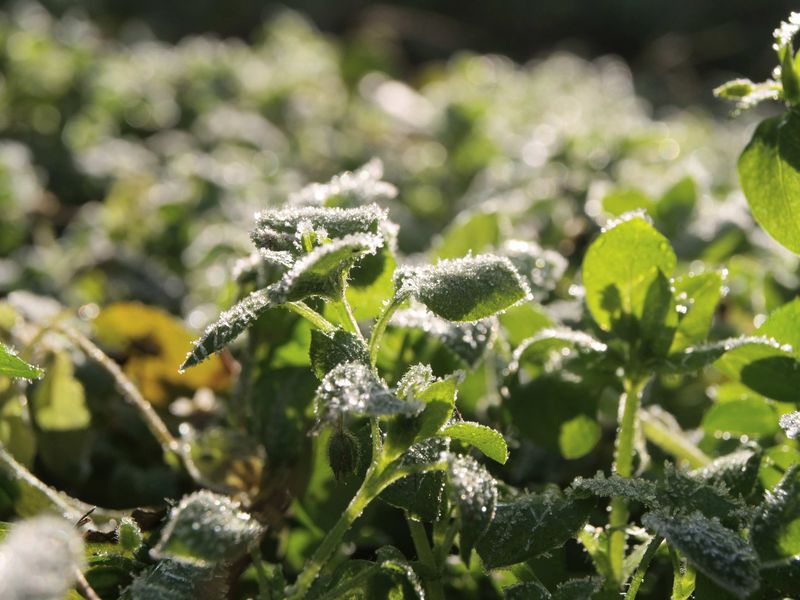
Every yard hides its own tiny weather map. Learning yours turns guesswork into confident planting decisions.
Frost pockets, warm walls, windy corners, and shady strips each behave differently. Knowing them keeps tender plants out of risky spots.
Grab a notebook or your phone on the first frosty morning. Photos with timestamps capture exactly where white patches sit.
Sketch a rough map of the yard and shade in the cold zones. Add arrows showing where chilly air seems to drain.
Track the same spots across several mornings and several seasons. Patterns show up quickly once you record them.
Note where frost forms earliest and where it hangs on longest. Those two clues outline your coldest ground.
Watch for morning mist gathering at ground level in certain corners. Fog settling low usually marks a cool hollow.
Plant hardy perennials, shrubs, and spring bulbs in those chilly zones. Save tomatoes and basil for warmer, better-drained areas.
Blue Ridge gardeners who map microclimates can make better planting decisions. A warm south wall may give tender plants a little extra protection from cold.
Cheap wireless thermometers let you compare three yard spots at once. Real data beats a hunch after a long season.
Write down your frost date each year in the same notebook. Over time you build a personal record worth trusting.
Share notes with neighbors who garden nearby. Their observations fill gaps in your own backyard map.
Next October, that scribbled map becomes your best planting tool. Curiosity now saves plants later.