The Pennsylvania Native Vine That Does More For Your Yard Than Any Other
A single vine in your yard can feed dozens of bird species and raise giant moths at the same time. It does all that without asking for fertilizer, fussing, or much water.
I remember noticing it climbing an old fence in Pennsylvania one October. The leaves had turned a deep wine red, and a flock of robins was stripping the dark berries like it was a buffet. I stood there longer than I care to admit.
You may have walked past this plant a hundred times. Plenty of people pull it out because they mistake it for something nastier. Personally, I think that is one of the biggest missed chances in backyard gardening.
It climbs, it covers ground, it blazes in fall, and it feeds wildlife in the hungry months. So why do so few gardeners plant it on purpose?
That Five-Leaf Climber On Your Fence Is Quietly Feeding The Neighborhood
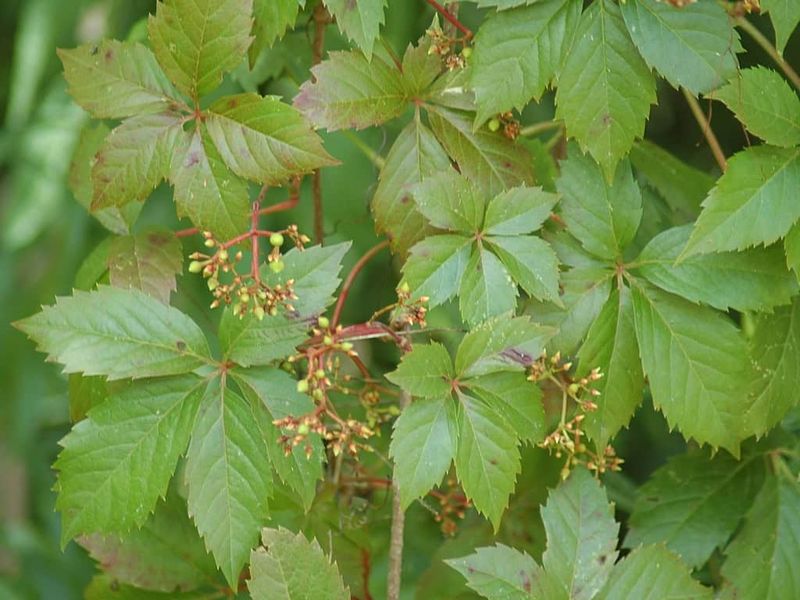
Chances are good you already know this vine by sight. Virginia creeper, or Parthenocissus quinquefolia, grows wild in nearly every county across the state, from city alleys to forest edges.
Its leaves are the easy giveaway. Each one has five leaflets spreading out like fingers on an open hand, with toothed edges and a glossy green surface in summer.
What makes it special is how many jobs it handles at once. It feeds birds, hosts caterpillars, shelters small critters, covers bare ground, and puts on a fall color show that rivals the best maples.
Most garden plants are good at one or two of those things. A showy shrub might bloom nicely but offer little to wildlife, while a lawn offers almost nothing at all.
I like to think of this vine as the hardest-working employee in the yard. It shows up in sun or shade, handles poor soil, and keeps going through heat and dry spells.
Native plant groups and university extension programs regularly recommend it for wildlife-friendly yards.
Once you start looking, you will spot it everywhere, and you may start wondering why you ever treated it like a weed.
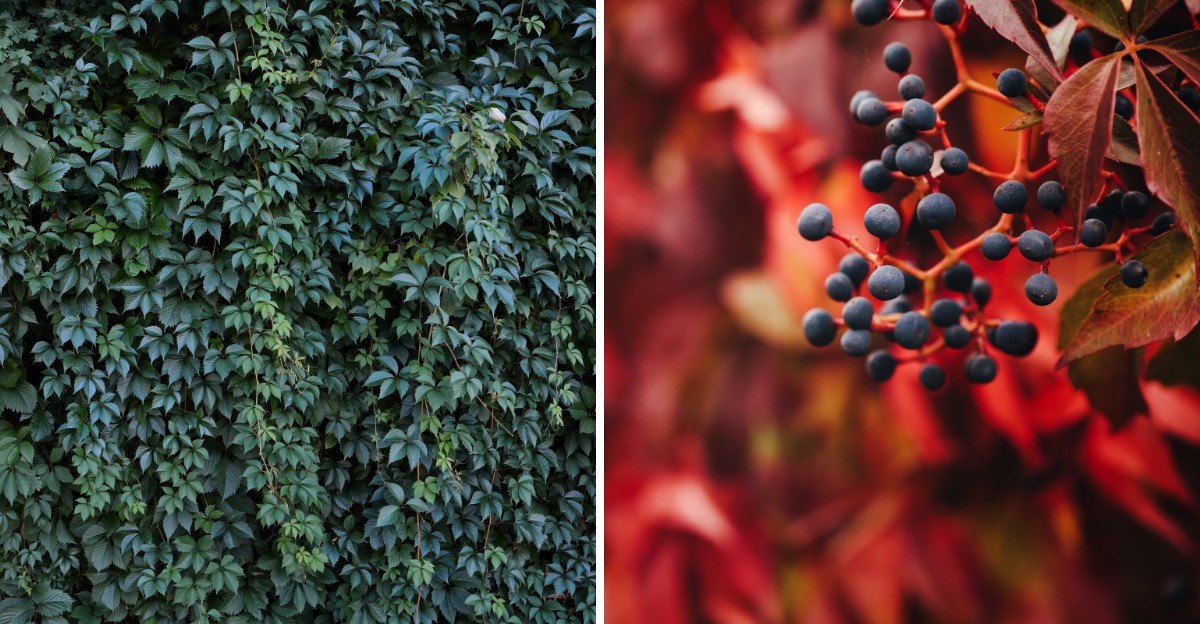
Dark Blue Virginia Creeper Berries Are A Lifeline For Hungry Birds
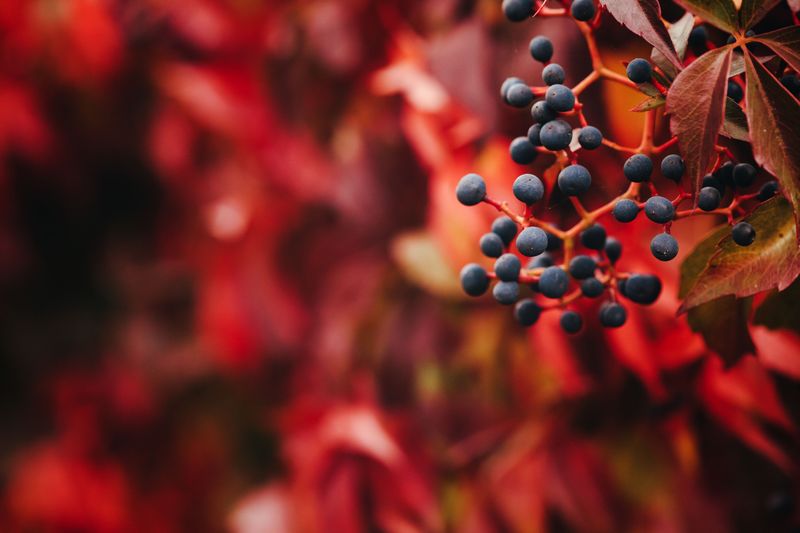
Watch a fruiting vine for ten minutes in fall and you will see the action. Robins, thrushes, woodpeckers, mockingbirds, and many others swoop in for the small blue-black berries.
Wildlife sources report more than 35 bird species eating this fruit. The berries ripen from late summer into fall, right when migrating songbirds need fuel for long flights south.
Here is a neat detail. The berry stems turn bright red when the fruit is ripe, which acts like a flashing sign telling passing birds that dinner is served.
The fruit is also rich in fat compared with many other berries. That extra energy matters a lot for small birds burning calories fast in cold weather.
Some berries hang on after the leaves drop, giving resident birds a snack in early winter. Leave the vines standing through the season instead of tidying them up in fall.
One caution matters for families. The berries contain oxalic acid crystals and can irritate or upset people, especially kids, so teach little ones to look but not taste.
For birds, though, this Pennsylvania vine is one of the best natural feeders you could ask for.
Giant Sphinx Moth Caterpillars Grow Up On These Leaves
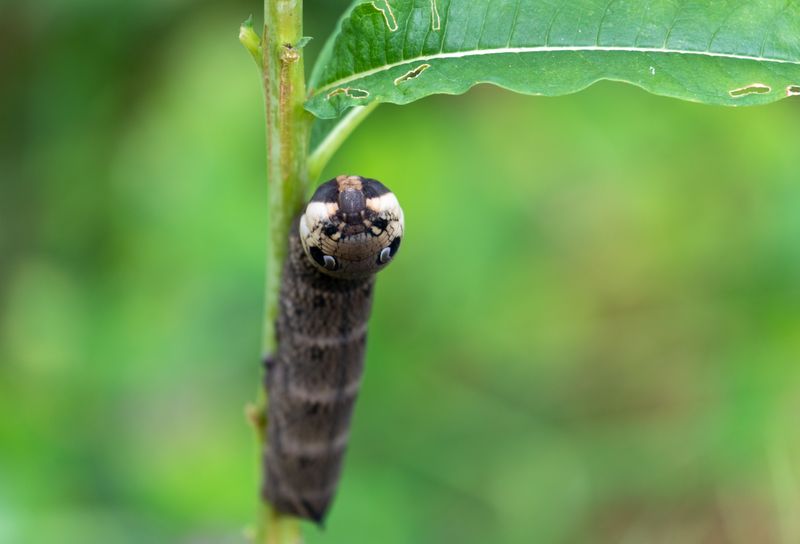
Some of the most impressive caterpillars in North America chew on Virginia creeper. The Pandora sphinx, Abbott’s sphinx, and Virginia creeper sphinx all use it as a host plant.
Host plants are where moths and butterflies lay their eggs. The young caterpillars can only eat certain leaves, so without the right plant, those insects simply cannot raise a family.
Sphinx caterpillars can grow as long as your finger. The Pandora sphinx caterpillar often has a green or tan body with pale spots, and spotting one feels like finding hidden treasure.
The adult moths are fast, strong fliers that sip nectar at dusk. Some visit flowers like a tiny hummingbird, hovering in midair.
Do not worry about the leaf damage. A healthy vine has so many leaves that a few hungry caterpillars barely make a dent.
Those caterpillars also matter for birds. Entomologist Doug Tallamy has shown that songbird parents rely heavily on caterpillars to feed their chicks, and native host plants make that possible.
So every chewed leaf is really a sign your yard is working. Grab a flashlight on a summer evening and check the vines for surprise guests.
Scarlet Virginia Creeper Leaves Light Up Early Fall
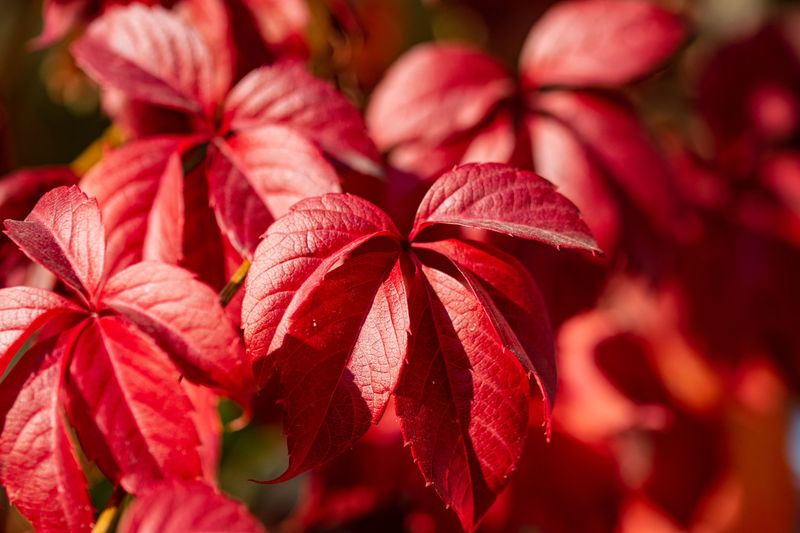
Long before the oaks change, this vine starts glowing. It is often one of the first plants to turn in late summer and early fall.
The colors run from bright scarlet to deep burgundy and purple. On a stone wall or old tree trunk, the effect looks like someone painted a stripe of fire through the woods.
Scientists think this early color may help birds find the fruit. Researchers call it foliar fruit flagging, and the bright leaves seem to guide migrating birds toward a meal.
Sun brings out the strongest reds. Vines in heavy shade still turn, though the color may be softer and more mixed with yellow or orange.
For the best show, plant it where you will see it every day. A fence along the driveway, a trellis by the patio, or a dull garage wall all make great canvases.
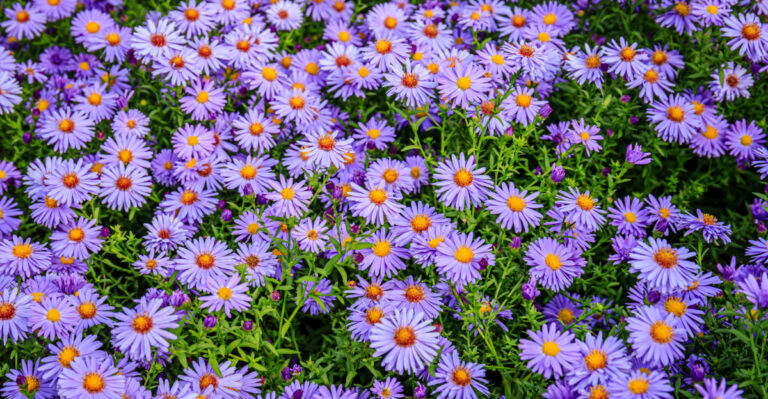
I love pairing it with evergreens, since the red pops against dark green needles. Native asters and goldenrod nearby add purple and gold for a full autumn palette.
Once the leaves fall, the bare stems and dangling berries keep things interesting into winter.
Sun Or Deep Shade, This Climber Handles Tough Spots With Ease
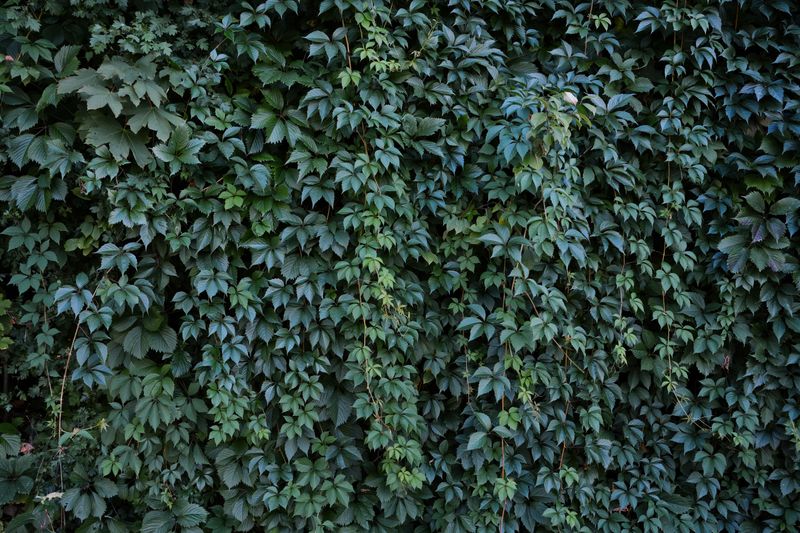
Got a problem spot where nothing grows? This vine might be your answer. Virginia creeper thrives in full sun, part shade, and even heavy shade.
It accepts clay, sand, loam, and rocky soil, and it handles the cold winters of USDA zones 5 through 7 found across the state with no trouble.
Once roots settle in, it rarely needs extra water. Drought and summer heat slow it down a bit, but it bounces back fast.
It also works two ways. Give it a wall or fence and it climbs, sometimes 30 to 50 feet, using little adhesive disks on its tendrils that grip like suction cups.
Leave it on the ground and it becomes a leafy carpet. That makes it handy on shady slopes where grass struggles and soil washes away after storms.
Fall and early spring are great planting times. Water new plants weekly during the first growing season, then let them take over.
Skip the fertilizer. Rich soil mostly makes the vine grow wilder, while lean soil keeps it compact and still full of berries and color.
Five Leaflets Mean Virginia Creeper, Three Mean Poison Ivy
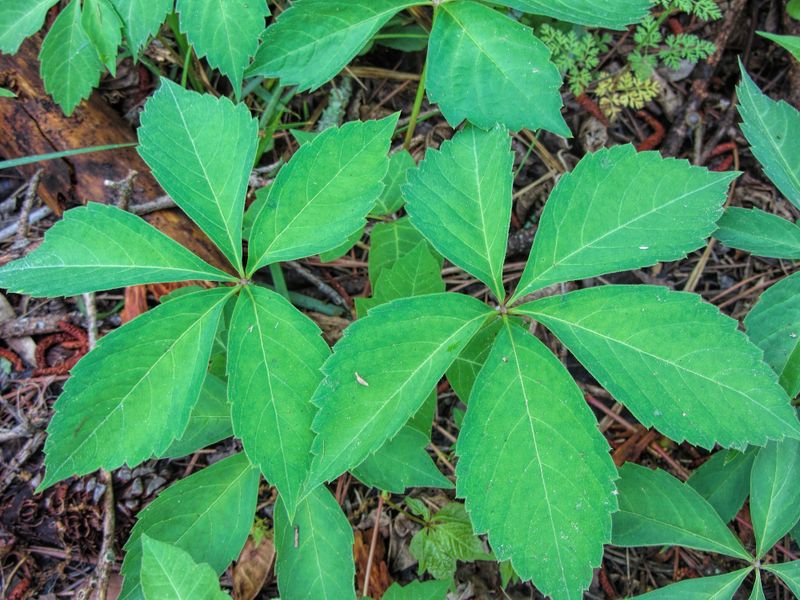
Plenty of people rip this vine out in a panic. They see a climbing plant with reddish leaves and assume the worst.
Poison ivy and Virginia creeper do often grow side by side, and both turn red in fall. Telling them apart takes just a few seconds once you know what to count.
Remember the rhyme: leaves of three, let it be, leaves of five, let it thrive. Virginia creeper has five leaflets per leaf, though young leaves sometimes show three, so check several leaves.
Poison ivy has three leaflets, and the middle one sits on a longer stalk. Its berries are whitish or cream, while Virginia creeper berries are dark blue.
Look at the stems too. Old poison ivy vines look hairy and fuzzy, while Virginia creeper stems are smoother with those small sticky pads.
One fair warning applies here. Virginia creeper sap can cause a mild rash on some sensitive people, so wear gloves when pruning heavily.
Teaching your family this quick check pays off on every hike and yard cleanup. It also saves a great wildlife plant from the trash pile.
Keep Those Eager Vine Tendrils Off Your Gutters And Siding
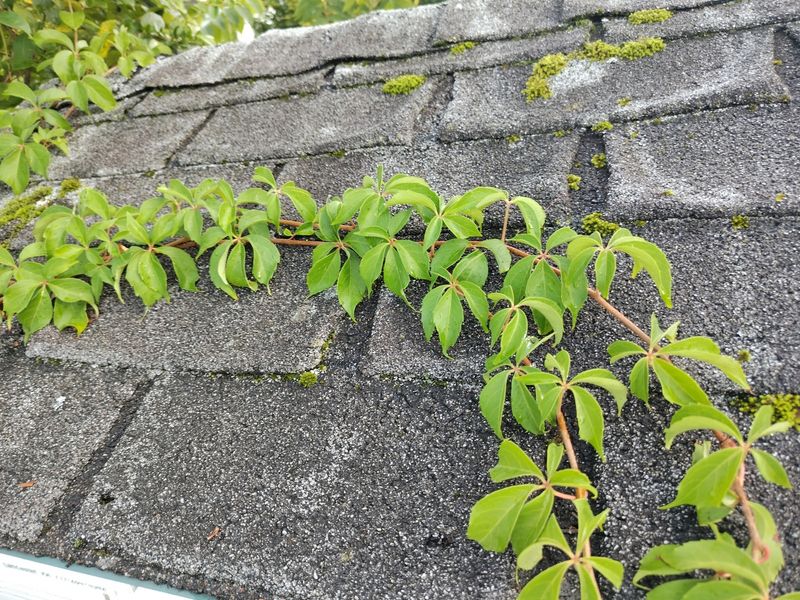
Let me be honest with you. This vine is enthusiastic, and it will happily climb anything you let it touch.
The adhesive pads hold tight to brick and stone. Pulling them off can leave little marks, and vines creeping under siding, shingles, or gutters can cause real headaches.
A sturdy trellis, arbor, fence, or freestanding wall makes a better home. Keep stems at least a couple of feet away from windows, roofs, and wooden siding.
Prune in late winter or very early spring, before new growth starts. Cut stems back to where you want them and pull runners that stray into flower beds.
Late winter timing also helps wildlife. Birds have finished most of the berries, and you avoid disturbing nests or caterpillars during summer.
Watch nearby shrubs and small trees as well. A vine can cover them heavily and shade them out, so trim back any stems that start smothering plants you care about.
With a quick yearly trim, it stays a friendly helper. I treat pruning day as a good excuse to get outside on a mild February afternoon and plan the garden ahead.
Swap Out English Ivy For This Native Wall Climber
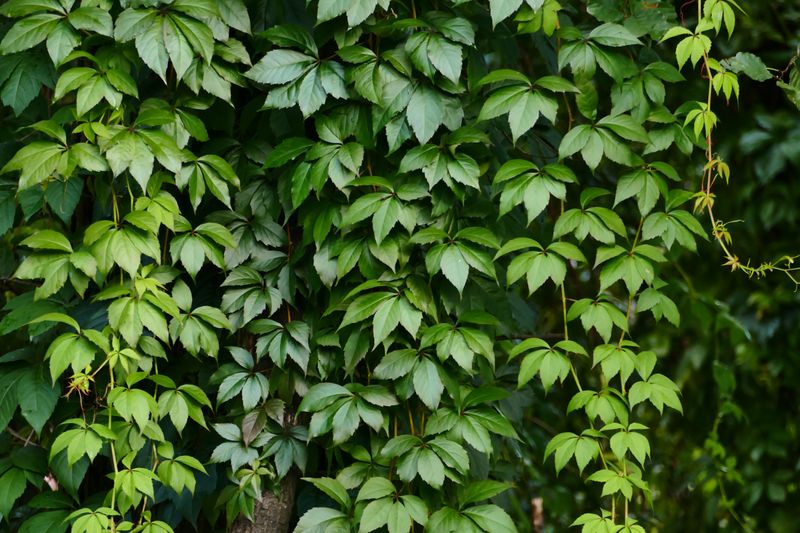
Walk through older neighborhoods and you will see walls smothered in English ivy. It looks classic, but it causes trouble in Pennsylvania woods.
English ivy is considered invasive by state agencies and native plant groups. It spreads into forests, climbs trees, and crowds out wildflowers, while offering local insects very little.
Virginia creeper fills the same role with far more benefits. It covers walls and ground, yet it supports native caterpillars and feeds dozens of birds.
The one difference is winter. English ivy stays green, while Virginia creeper drops its leaves, so you trade year-round green for fall fireworks and berries.
Starting is simple. Look for nursery-grown plants at native plant sales, local garden centers, or conservation district events each spring and fall.
You can also check your own property first. Many yards already have a wild vine on a back fence, and moving or encouraging it costs nothing.
Plant a few near a bird feeder or window so you can enjoy the visitors. Within a season or two, you will see why so many naturalists consider this humble climber a backyard all-star worth every inch of fence space.