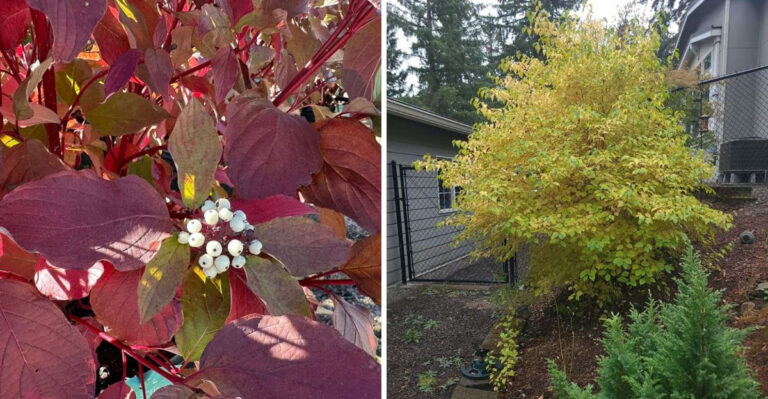
Creeping Charlie Keeps Coming Back in Ohio Lawns Because Pulling Leaves the Roots Behind. Here’s How to Clear It Before Winter
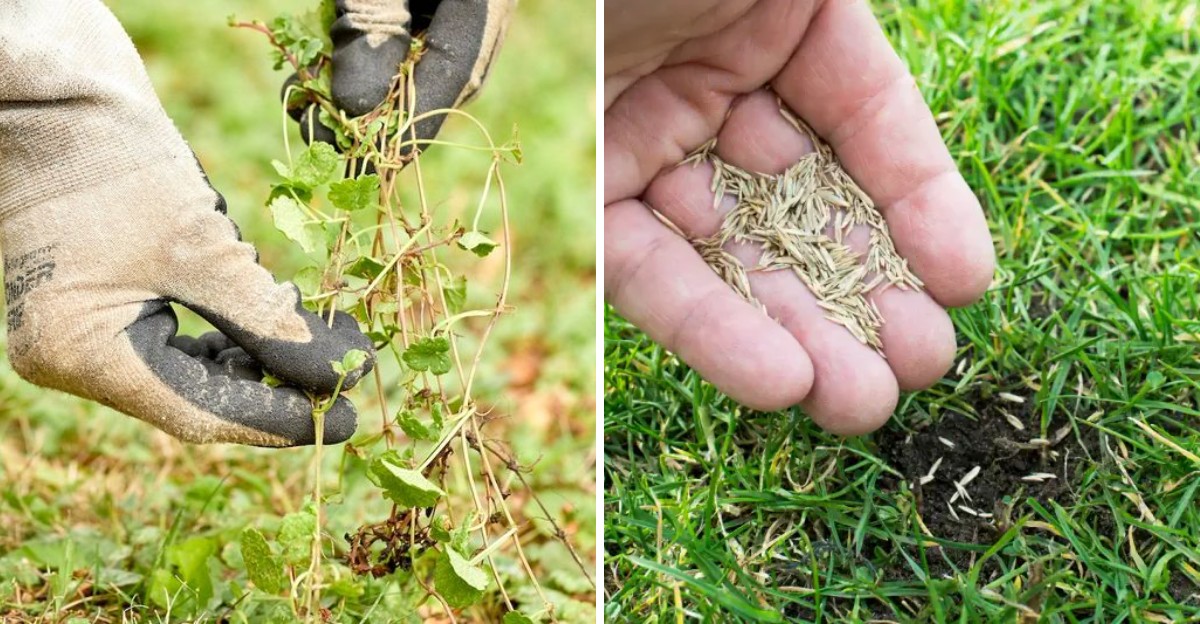
A single stem of this lawn weed can put down roots at every leaf joint it touches. Snap it in half, and you may have just made two plants instead of one.
I learned that the hard way after a whole Saturday on my knees. My bucket was full and my back was sore, and the patch looked thicker by mid-summer.
You need to know this plant was once brought over from Europe on purpose, used for brewing and folk remedies.
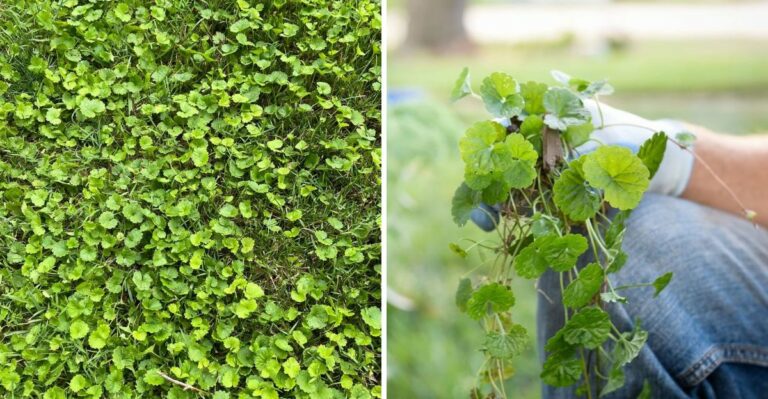
Now it creeps through shady yards all over Ohio. It smells minty when you mow it, and it blooms with tiny purple flowers in spring. Those details sound charming until it swallows the grass under your maple tree.
Here comes the twist that changed my approach. Fall is when this weed is easiest to beat, because it starts pulling energy down toward its roots for winter.
A little effort this month can mean far less of it creeping back under your maple come spring.
Those Snapped Creeping Charlie Runners Are Quietly Rooting Again
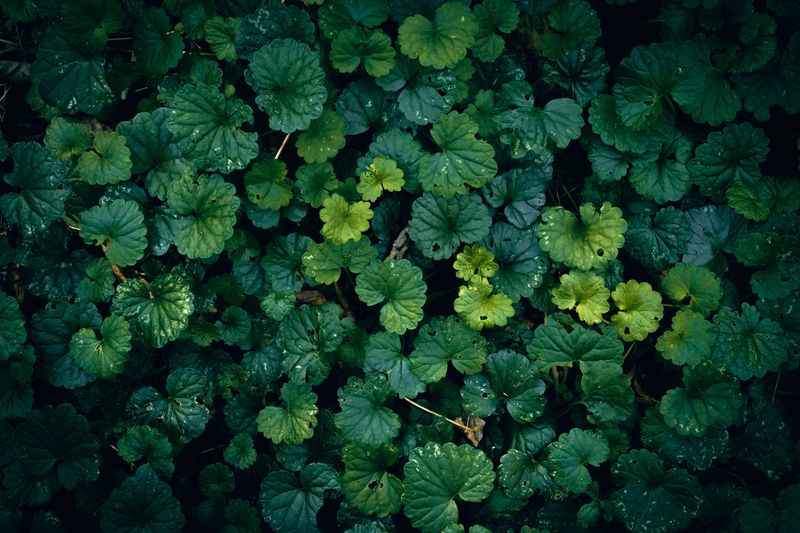
Grab a strand of this weed and tug, and you can feel it break somewhere under the grass. That small snap explains most of the frustration Ohio homeowners feel each year.
Creeping Charlie, also called ground ivy or Glechoma hederacea, spreads mainly by stolons. These are square, vine-like stems that crawl along the soil surface.
Each node, the little joint where leaves attach, can grow its own roots.
So one plant is really a long chain of rooted pieces linked together. When you pull, the stem usually tears at a weak point.
The pieces still anchored in the soil stay behind and keep growing.
Iowa State and Michigan State extension specialists both describe this weed as hard to control for that exact reason. A few leftover nodes can rebuild a patch within weeks, especially in moist shade.
Seeds play a smaller role, though the plant does produce them after its spring bloom. Most of the return comes from fragments you never saw.
Once you understand this, the yearly comeback stops feeling like bad luck. It is simply how the plant is built.
Better results start with working with its biology instead of against it.
Fall Is When Ground Ivy Sends Herbicide Straight to Its Roots
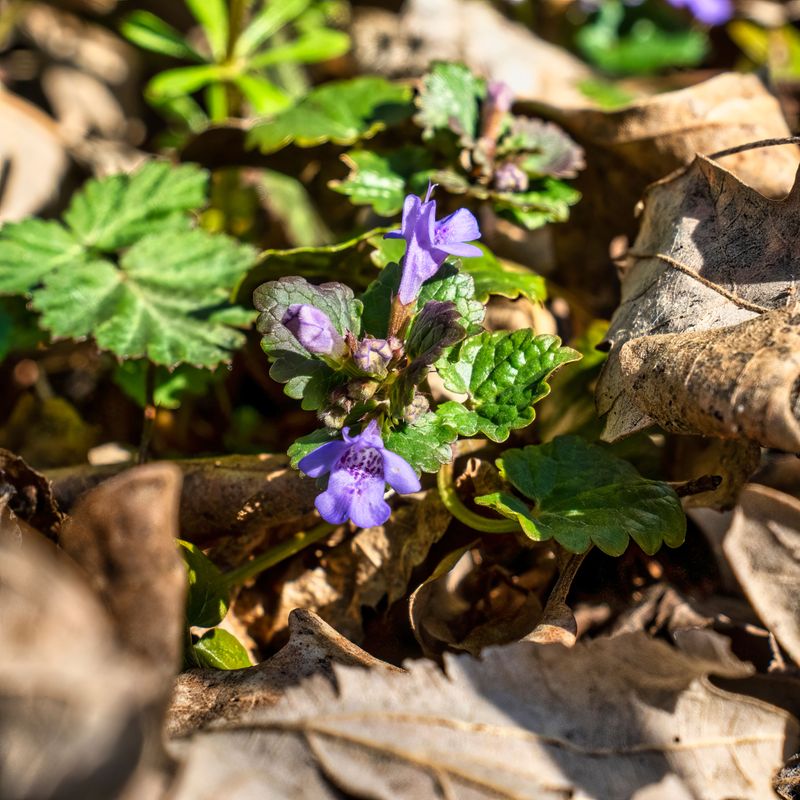
Autumn is the season extension experts point to again and again for this weed. As days cool, the plant starts moving sugars from its leaves down into its stems and roots for winter storage.
Systemic herbicides ride along with that flow. When you spray in fall, the product travels deeper into the runners and root system instead of just burning the leaves on top.
Purdue and Michigan State research suggests the best window is from mid-September through October. Many specialists also recommend a follow-up treatment in spring, around bloom time, for stubborn patches.
In Ohio, that fall window shifts a little by region. Northern counties near Lake Erie often cool off earlier than southern areas near the Ohio River.
Watch your local weather rather than a calendar date.
The plant should still be green and actively growing when you treat it. Once hard freezes turn the leaves leathery or purple, absorption slows way down.
Personally, I mark early October as my go-to week. The grass is still growing, the weed is still green, and the rush of summer chores is finally over.
That timing gives you the biggest payoff for the least effort.
Triclopyr Is the Ingredient Worth Hunting For on the Label
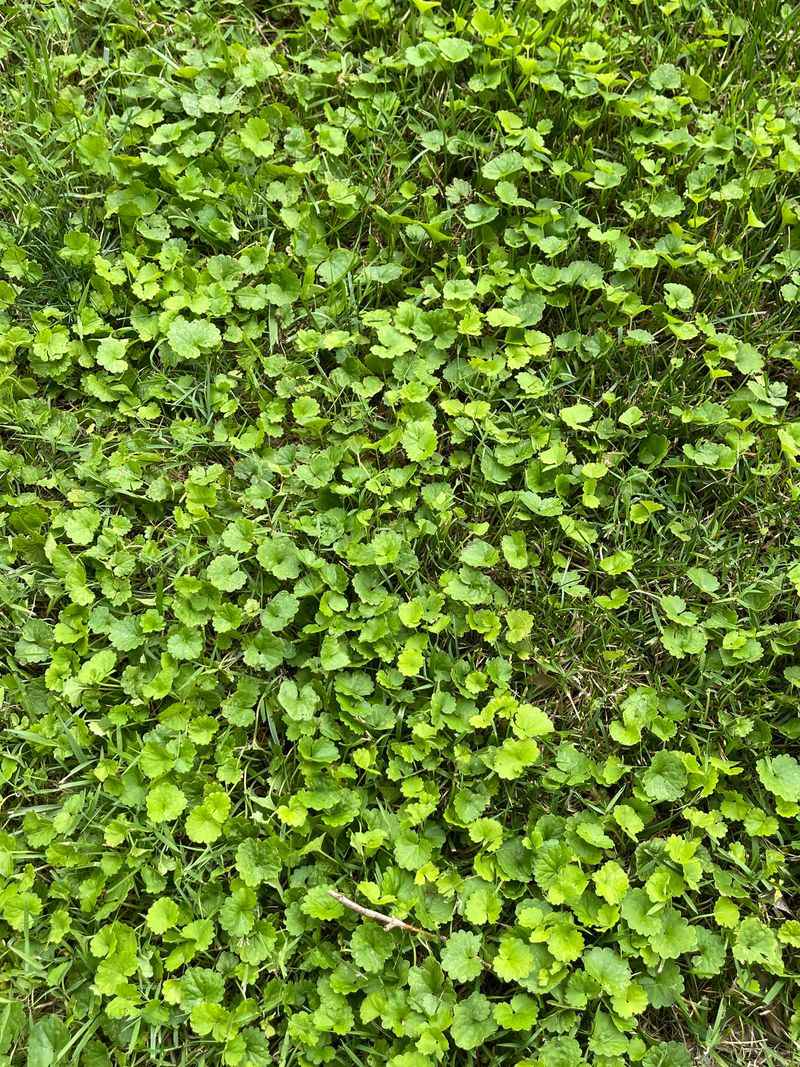
Standing in the garden center aisle can feel overwhelming. Dozens of bottles promise weed control, but only a few handle this tough creeper well.
Look for triclopyr on the active ingredient list. University extension trials, including work from Iowa State and Purdue, have found it among the most consistent options for ground ivy in lawns.
Many lawn products combine triclopyr with 2,4-D, dicamba, or MCPP. These three-way and four-way mixes cover a wider range of broadleaf weeds, so they work nicely when dandelions and clover share the space.
Dicamba needs extra respect. It can move through soil and affect tree roots, shrubs, flowers, and vegetables nearby.
Skip dicamba products near garden beds or over the root zones of trees.
These broadleaf herbicides are selective. They target weeds like Creeping Charlie while leaving most cool-season lawn grasses, like Kentucky bluegrass and tall fescue, unharmed.
Always read and follow the label, since it is the legal guide for use. It lists rates, safe grasses, reentry times for kids and pets, and any restrictions on newly seeded lawns.
A minute of reading saves a lot of regret later.
Spray Ground Ivy Leaves on a Calm, Dry Afternoon
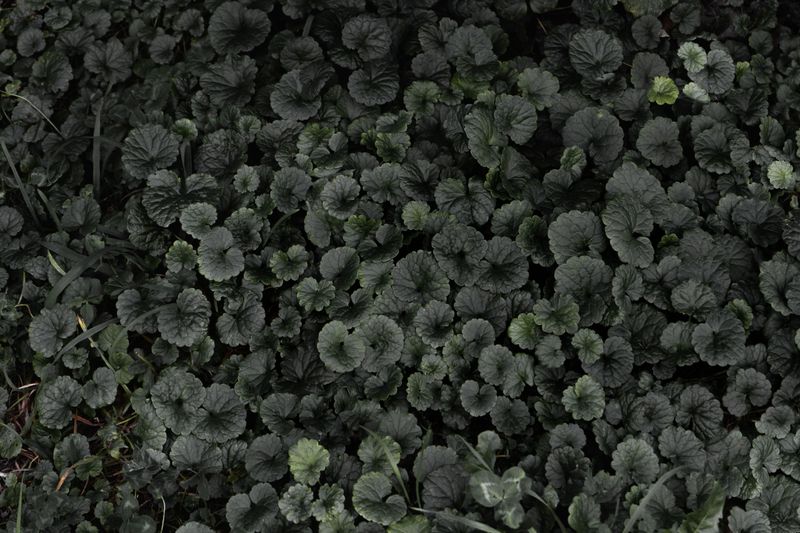
Great products can still flop if the weather works against you. A little planning around the forecast makes a real difference with this weed.
Aim for mild days when temperatures sit roughly between 60 and 85 degrees. The plant absorbs herbicide best when it is actively growing, not stressed by heat or cold.
Choose a calm day so spray stays on target. Even a light breeze can carry droplets onto flower beds, shrubs, or your neighbor’s tomatoes.
Dry leaves matter too. Wait until morning dew burns off, and check that no rain is expected for at least 24 hours after you spray.
Mowing timing is a sneaky detail many people miss. Skip mowing for two or three days before treatment so there is plenty of leaf surface to soak up the product.
Then wait another two or three days afterward so it can travel down into the runners.
Spot spraying works well for scattered patches and uses less product. Expect results slowly, often over one to three weeks.
Heavy infestations usually need a second round a few weeks later, so plan for it rather than feeling discouraged.
Hand-Pulling Creeping Charlie Works If You Trace Every Runner
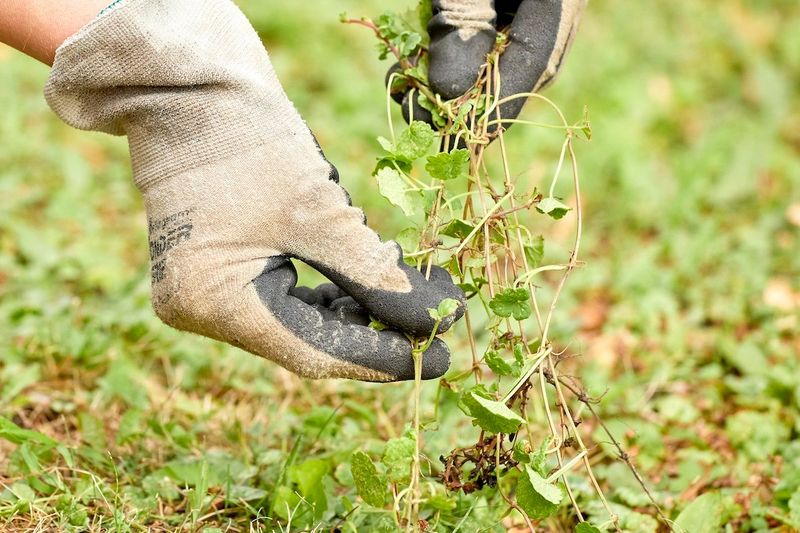
Not everyone wants to spray, and that is completely fair. Pulling by hand can succeed, but only with patience and a detective mindset.
Wait for a soaking rain or water the area first. Soft, moist soil lets the runners slide out instead of snapping at every node.
Start at one end of a stem and follow it slowly. Lift gently as you go, loosening the soil with a hand fork or weeding tool when roots grip tight.
Bag the pieces and toss them in the trash. Rooted fragments can grow again in a compost pile that does not heat up well.
Honestly, this method shines for small patches, about the size of a dinner plate, or inside garden beds where you can see the soil clearly. Once the weed has woven through a whole lawn, pulling turns into an endless chore.
Check back every week or two for new leaves. Every sprout you catch early is one less runner spreading next spring.
I find pulling oddly relaxing in cool fall weather. A podcast, a kneeling pad, and a bucket make the job feel far less like a punishment.
Thick Turfgrass Leaves Little Room for Ground Ivy to Crawl
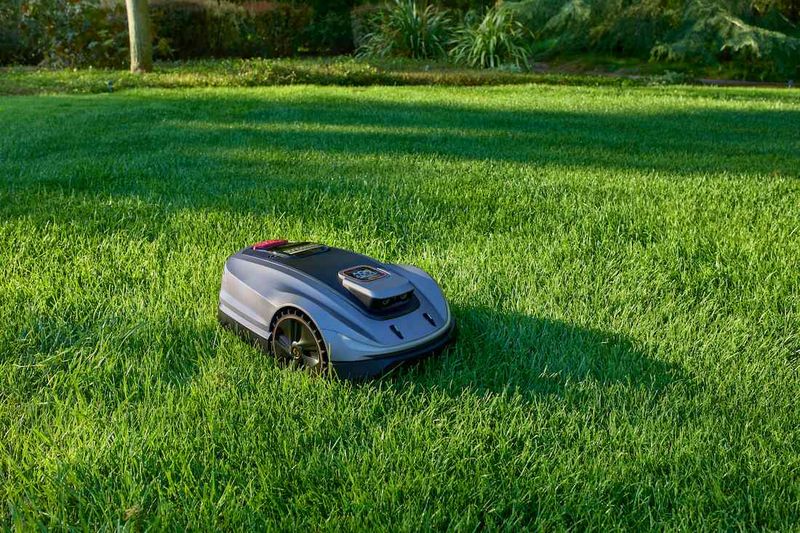
A crowded lawn is a weed’s worst nightmare. Creeping Charlie loves thin, patchy turf where it can stretch out without competition.
Fall is also the top season to feed cool-season grasses in Ohio. Ohio State turf specialists suggest that a fall nitrogen application, typically around September, helps grass build strong roots and thicken up before winter.
Healthy grass spreads sideways and shades the soil. That shade makes it harder for weed seeds to sprout and for runners to find open ground.
Raise your mower to about three to four inches. Taller blades mean deeper roots and more cover, and the lawn handles summer stress better too.
Leave grass clippings on the lawn after mowing. They break down quickly and return nutrients to the soil for free.
Herbicides clear the weed today, but a dense lawn keeps it from moving back in. Think of spraying as the eviction notice and thick grass as the new tenant.
Without that tenant, the gaps open right back up for the next invader. Combining both approaches gives you the longest-lasting win.
Shady, Soggy Spots Under Trees Are Where Creeping Charlie Thrives
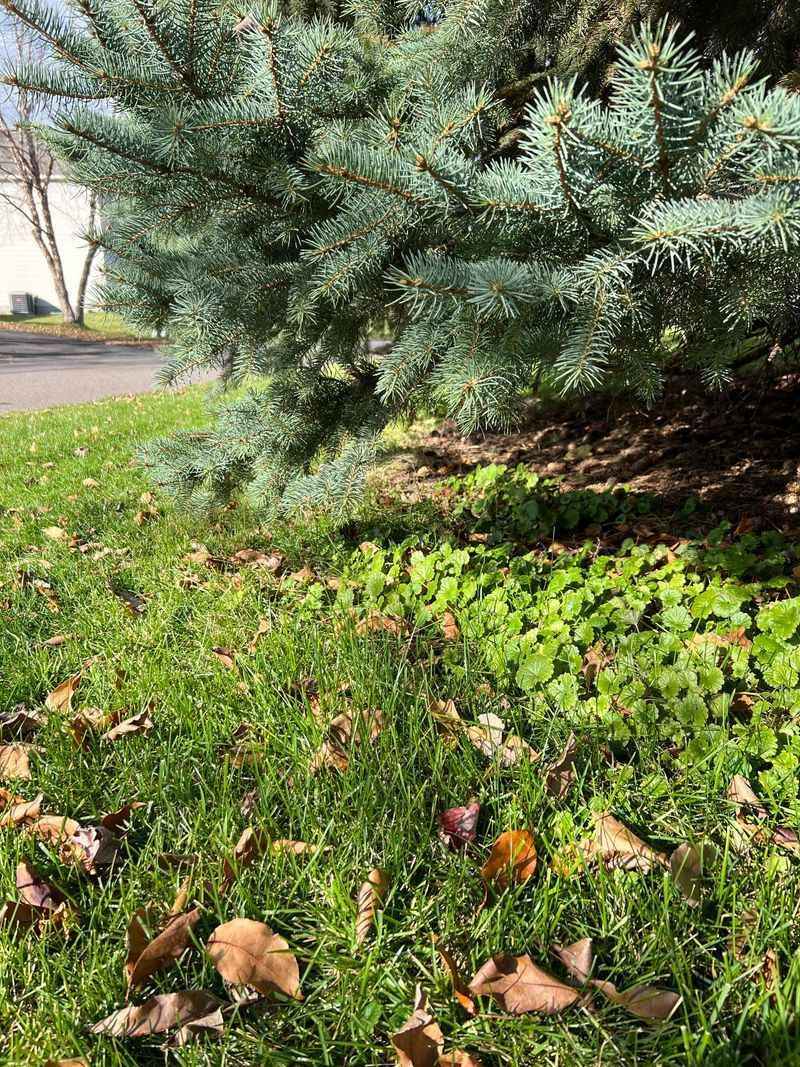
Take a walk around your yard and notice where this weed grows thickest. Chances are it is under trees, along the north side of the house, or in a damp low spot.
Creeping Charlie handles shade and moist soil far better than most lawn grasses. Its presence often points to conditions that keep turf weak.
Pruning low tree branches lets more sunlight reach the ground. Even a few extra hours of light can help grass compete again.
Compacted soil is another common culprit, especially with Ohio’s heavy clay. Core aeration in early fall pulls out small plugs of soil so air and water can move more freely.
Fix drainage problems where water sits after storms. Regrading a low area or redirecting a downspout can dry things out enough to tip the balance.
Some deep-shade spots will struggle with grass no matter what you do. In those places, a mulched bed or native shade groundcover, like wild ginger or woodland sedge, may be a smarter choice.
Working with the site often beats fighting it, and your weekends will thank you.
Overseed Those Bare Ground Ivy Patches Before Winter Sets In
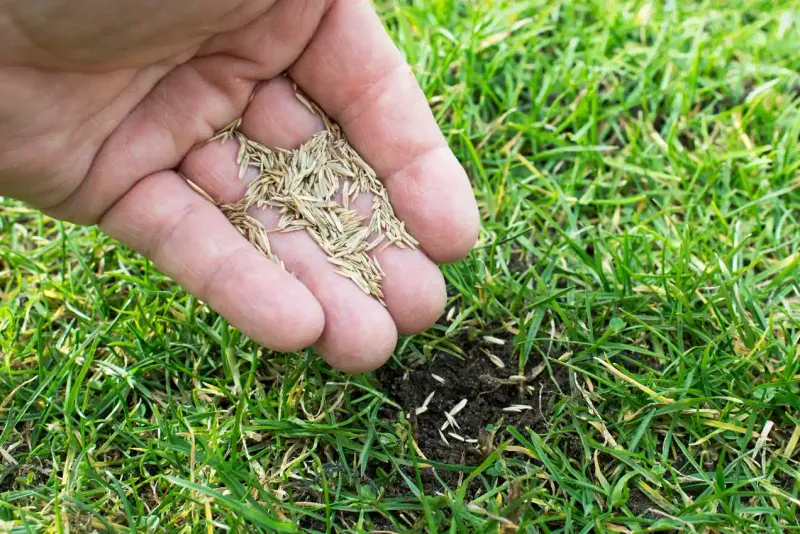
Once the weed fades, you are left with bare soil. Leave it empty, and something will claim it by spring, maybe even the same creeper.
Early fall is prime seeding time across Ohio, generally from mid-August through about mid-September. Cool nights and warm soil help new grass root quickly.
Timing with herbicides matters here. Many products require waiting several weeks before seeding, so check the label first.
One easy plan is to treat in early fall and seed in spring, or seed first and treat later once the new grass has been mowed a few times.
Pick seed that matches your site. Fine fescues handle shade well, while tall fescue and Kentucky bluegrass suit sunnier areas.
Rake the soil lightly, spread seed, and keep it moist until it sprouts. A thin layer of straw or compost helps hold moisture.
Here is my favorite takeaway from years of battling this weed. Removal clears the problem, but filling the space keeps it gone.
Make a simple checklist with fall treatment, overseeding, and better mowing, and next spring’s lawn may surprise you in the best way.