How Georgia Gardeners Keep Mums Coming Back After The Flowers Fade

Those fat, flower-packed pots stacked by the grocery store door can outlive your pumpkins by years. Many of them come from a plant family grown in China for well over a thousand years.
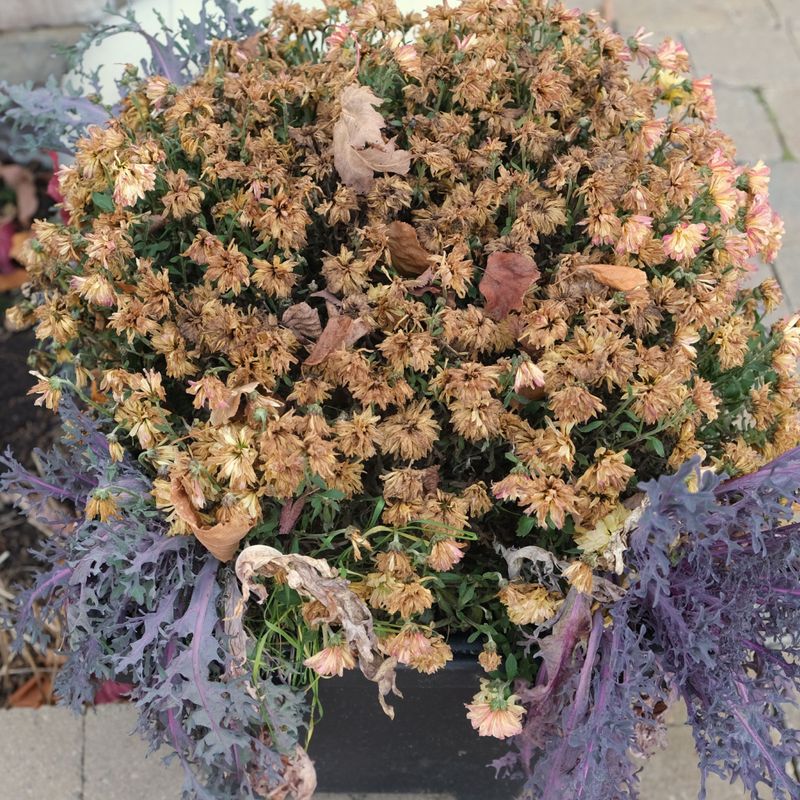
Most people toss them in the trash by Thanksgiving. I used to do the same thing, and I cringe a little thinking about it now.
Georgia has a sneaky advantage here. Our winters are mild enough that the right plant, tucked into the right spot, often wakes up in spring ready for another round.
You’re in for a pleasant surprise once you see how little work it takes.
I love getting free flowers from a plant everyone else wrote off. Is there any reason to buy brand-new color every autumn when last year’s display might still be waiting underground?
1. That Pot Of Fall Mums Might Have A Second Life Waiting
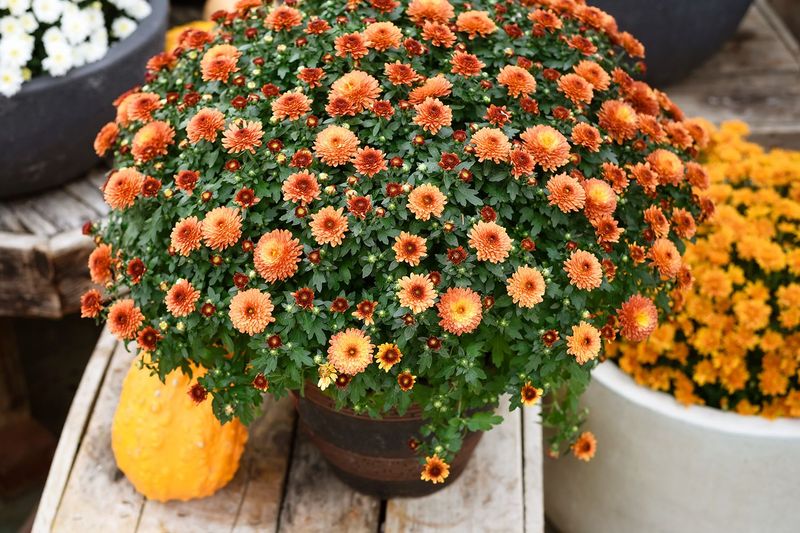
Not every mum on the store shelf is built for a comeback. Two main types get sold each fall, and they look almost the same in bloom.
Garden mums, often called hardy mums, are bred to handle cold weather. They send out underground runners called stolons, which help them settle in and return next year.
Florist mums are different. They are grown for one big show indoors and usually lack that tough root system.
So how do you tell them apart? Check the tag first.
Look for words like hardy, garden mum, or perennial. Florist types often come in shiny foil wrap with a bow, and they tend to have larger, fancier blooms.
Here in Georgia, even florist mums sometimes surprise people. Walter Reeves, known as The Georgia Gardener, has suggested planting them in a sunny bed after they finish blooming and seeing what happens.
Results vary, so treat it like a fun experiment.
Your best odds, though, come from buying true garden mums. I like to shop in early fall, when selection is strong and the plants still have time to grow roots.
A little label reading at the store can save you from buying new plants every single year.
2. Get Those Mums Into The Ground Early Instead Of Leaving Them In Pots

Roots need time, and that is the biggest secret of all. A mum sitting in a small plastic pot all fall has a cramped, shallow root ball that struggles through winter.
Plant your hardy mums in the garden as soon as you can, ideally by early or mid fall. That gives roots several weeks to spread before the cold arrives.
In north Georgia, where frost comes sooner, earlier is better. Down in the southern part of the state, you have a bit more breathing room.
Pick a spot with at least six hours of direct sun. Mums grown in shade get floppy and bloom poorly.
Loosen the soil well, because packed red clay holds water and squeezes roots.
Mix in compost or finely shredded pine bark to improve drainage. Mums like a slightly acidic soil around pH 6.5, which many Georgia yards already have.
A soil test from your county UGA Extension office can confirm it for just a few dollars.
Water deeply after planting and keep the soil lightly moist while the plant settles. Once it is in the ground, you have done the hardest part.
Everything else is just helping it along.
3. A Cozy Layer Of Pine Straw Helps Mum Roots Ride Out Winter

Pine straw is practically Georgia’s official mulch, and your mums will thank you for it. After a light frost browns the foliage, it is time to tuck them in.
You have two choices for the old stems. Some gardeners cut them back to a few inches above the soil.
Others leave them standing until spring, because the old growth can trap leaves and offer a bit of extra protection. Many extension experts lean toward leaving stems in colder areas.
Either way, spread two to four inches of pine straw or shredded leaves around the base. That layer evens out soil temperatures.
It also helps prevent frost heaving, when freezing and thawing push shallow roots right out of the ground.
Keep the mulch light and fluffy rather than packed. A thick, soggy mat right against the crown can invite rot.
I like to pull it back just slightly from the center of the plant.
Mild winters in Atlanta or Macon rarely stress hardy mums much. Mountain gardens in places like Blue Ridge see harder freezes, so a deeper mulch layer makes more sense there.
Match your blanket to your neighborhood’s weather.
4. Soggy Clay Soil Is The Real Threat To Sleeping Mums

Cold weather gets blamed a lot, but wet feet cause more mum losses in the South. Georgia winters bring plenty of rain, and dormant plants cannot use much water.
When roots sit in waterlogged clay for weeks, they struggle to breathe. Rot sets in quietly underground, and you only notice in spring when nothing sprouts.
It feels like a mystery, yet drainage is usually the answer.
Try this quick test before planting. Dig a hole about a foot deep, fill it with water, and see how fast it drains.
If water still sits there after several hours, that spot needs help.
Raised beds work wonders in heavy clay. So does planting mums on a slight mound, a few inches above the surrounding soil.
Adding compost improves structure over time, though it will not fix a low, soggy corner by itself.
Avoid planting near downspouts or at the bottom of slopes where runoff collects. Also skip winter watering unless you hit an unusually dry stretch.
Honestly, a mum that gets ignored in a well drained spot usually does better than one fussed over in a puddle.
5. Potted Mums Can Snooze In The Garage Until Spring
No room in the garden? Containers can still make it through, with a little planning.
Plants in pots face more cold than plants in the ground. Soil in a container freezes faster because air surrounds it on every side.
That is why a mum on an open porch often struggles through a cold snap.
After the first frost, trim the stems back to a few inches. Move the pot into a cool, unheated space like a garage, shed, or crawl space.
Temperatures should stay above freezing but under about 50 degrees, which keeps the plant resting instead of pushing weak growth.
Check the soil every few weeks. Give it a small drink when it feels dry an inch down, but do not keep it wet.
Light is not needed much while the plant sleeps.
Some Georgia gardeners in warmer coastal areas simply group pots against a south-facing wall and cover them on frosty nights. That can work fine in places like Savannah.
In late winter, bring pots back outside gradually, then plant them in the ground or repot into fresh soil for a strong start.
6. Fresh Spring Mum Shoots Are Your Cue To Divide The Clump

Green sprouts poking up around last year’s stems feel like a little reward. Once frost danger passes in spring, it is time to clean up and refresh.
Cut away any old stems you left standing over winter. Pull back the mulch a bit so the sun can warm the soil.
You will likely notice new shoots popping up in a ring around the original crown.
That ring tells you something useful. Mums spread outward, and the older center often grows woody and weak.
Dividing every one to two years keeps plants vigorous and full of flowers.
Dig up the whole clump with a spade or garden fork. Pull apart the healthy outer sections, each with a few shoots and a good chunk of roots.
Toss the tired middle piece onto the compost pile.
Replant the divisions about 18 to 24 inches apart so air can move between them. Good airflow helps reduce leaf diseases during humid Georgia summers.
Water them well, and watch how quickly they bounce back.
Extra divisions make wonderful gifts. I love handing them off to friends, since one plant can turn into a whole row in just a couple of seasons.
7. Pinching Mum Stems Until Early July Pays Off In Fall
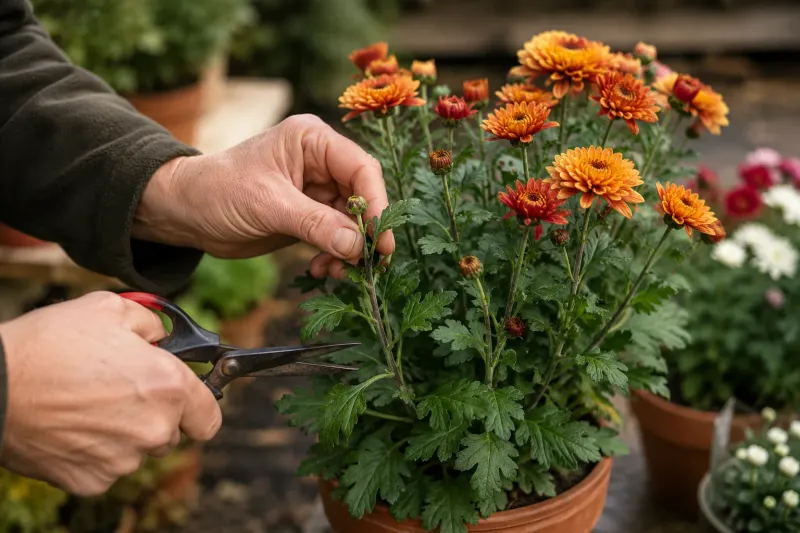
A tall, floppy mum with a handful of blooms on top is a sad sight in October. Pinching is the simple trick that prevents it.
Start once new growth reaches about four to six inches tall in late spring. Use your fingers to snap off the top inch of each stem.
Every pinch encourages the plant to branch, so one stem becomes two or three.
Repeat every few weeks as the plant grows. Pretty soon, you will have a round, bushy mound instead of a lanky mess.
More branches mean more spots for flower buds.
Timing matters here. Most guides recommend stopping pinching around early to mid July.
Mums set flower buds as nights get longer, and pinching too late removes the buds you want.
In hotter parts of Georgia, some gardeners stop a little earlier for safety. Mark the date on a calendar so you remember.
I keep a sticky note on my garden shed door.
Fun fact, mums are short-day plants. They bloom in fall because they sense the lengthening nights, which explains why they shine when most summer flowers fade.
8. Steady Feeding And Watering Keep Your Mums Blooming Year After Year

Mums are hungry plants during their growing season. A steady diet in spring and summer builds the strength they need for a big fall finish.
Begin feeding when new growth appears in spring. A balanced slow-release fertilizer works well, or you can use a liquid feed about once a month.
Follow label rates, since too much nitrogen creates leafy plants with fewer flowers.
Stop fertilizing by late July or early August. Feeding late can push soft growth instead of buds.
It may also leave the plant less prepared for cooler weather.
Summer heat brings another job. Water deeply about once or twice a week during dry spells, aiming at the soil rather than the leaves.
Wet foliage in humid weather can invite powdery mildew and other leaf troubles.
Keep an eye out for aphids and spider mites, especially in hot, dry stretches. A strong spray of water often knocks them back.
After the fall show, the cycle simply starts again with mulch and rest. That rhythm is what turns a seasonal decoration into a long-term garden friend.
Stick with it for a couple of years, and your mums will reward you every autumn.