Why Bermuda Grass Often Turns Brown in Arizona’s Low Desert in Late Fall and When to Check Further
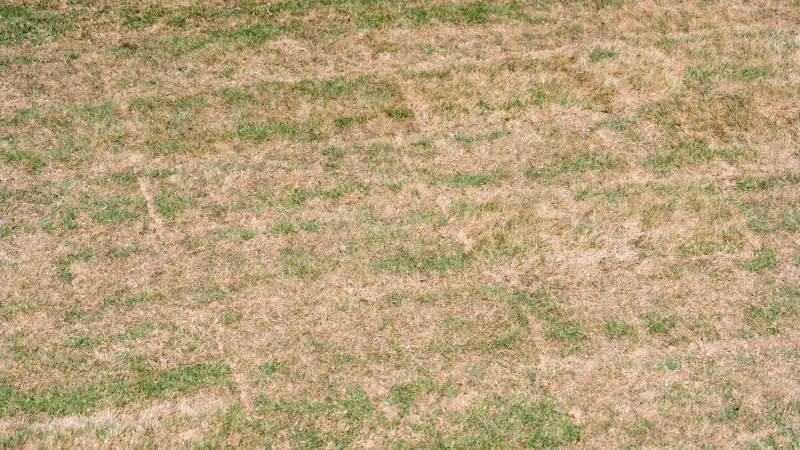
Your lawn can go from lush green to straw blonde in just a few cold weeks. I have stood on my back patio watching it happen and wondered if I did something wrong.
Usually the answer is no, because the grass is simply following the seasons. Still, not every brown patch is harmless, so a little detective work pays off.
Let’s sort out what is normal in Arizona’s low desert and what deserves a closer look, so you can save water and worry.
Why Late-Fall Browning Is Common in the Low Desert
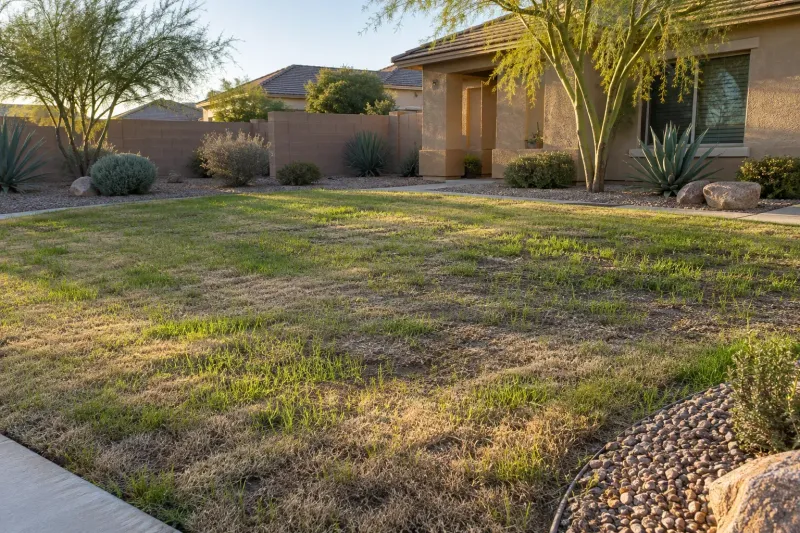
Walk through a Phoenix or Tucson neighborhood in late fall and you will spot plenty of straw-colored lawns. That is the low desert talking, and it is a common seasonal pattern for bermudagrass.
It is not a rule written in stone, though.
According to the University of Arizona turf guide, the average first frost in the Phoenix, Tucson, Casa Grande, and Yuma region lands around mid-November. That is an average across many years, so some winters bring frost earlier, some later, and some lawns sit in warmer pockets of a yard.
Keep the scope in mind, too. This guidance is for the low-elevation desert, so higher towns in Arizona follow their own calendars.
November is a handy ballpark for the low desert, but your lawn does not read the calendar. It responds to the weather your yard actually gets, which can differ from a neighbor’s block.
Cooling Conditions Lead Bermudagrass Toward Dormancy
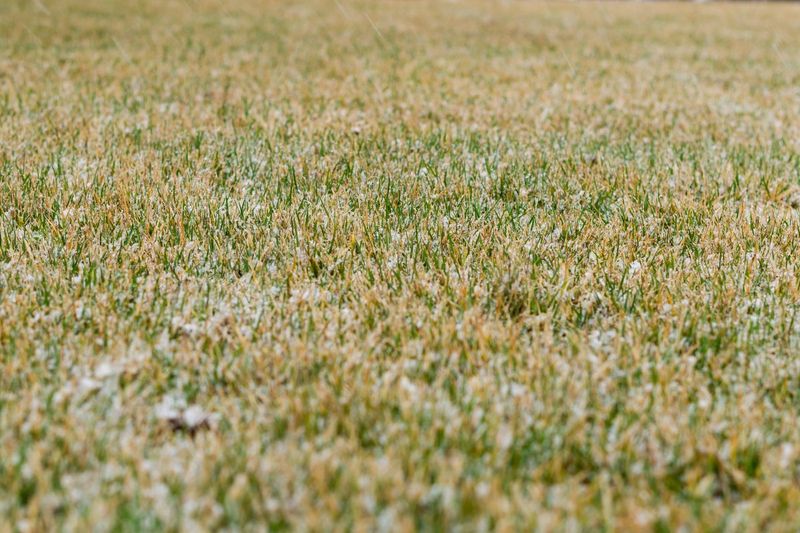
Bermudagrass is a warm-season grass, so it eases off as days shorten and nights cool. Growth slows first, and color follows.
Many lawns fade to blonde or brown after October.
The University of Arizona guide ties the color change to several consecutive nights of frost or very cold nights well below 32 degrees Fahrenheit. One chilly night is not the whole story.
The guidance also does not name a single temperature that flips the switch for every lawn.
Plan on the grass looking off-color for about three winter months. Some yards run shorter and some longer, depending on the weather and the spot.
Think of it as a seasonal nap rather than a problem to fix, and resist the urge to chase green with extra water or fertilizer.
Compare Broad Color Change With Localized Browning
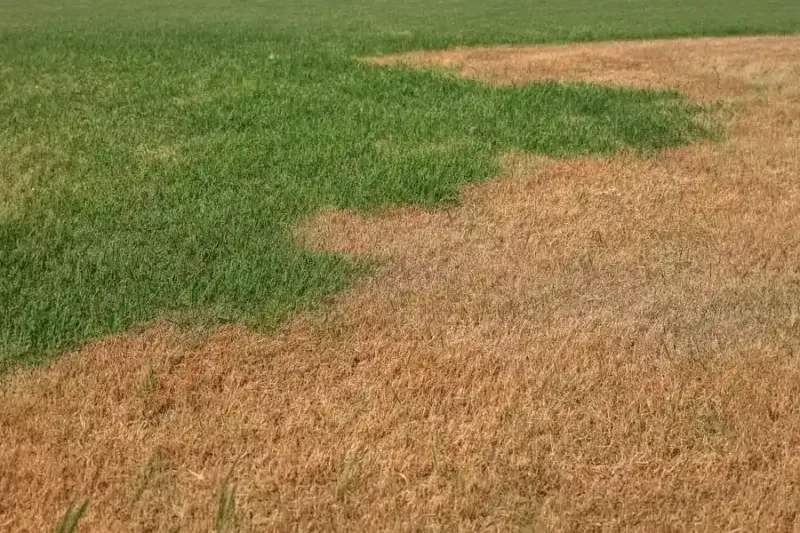
Stand at the edge of the yard and look at the whole picture. If the entire lawn faded evenly at about the same time, that often points to the season.
If one corner is brown while the rest stays different, something local may be going on.
Before turning up the water, check your sprinklers. AZMET lawn watering guidance recommends checking sprinkler distribution, and it notes that too much water can raise disease and root-rot risk.
A clogged or misaimed head is an easy thing to fix.
Color and patch shape alone cannot name the cause. Arizona’s pesticide training manual describes irregular brown disease patches, but it also points out that irrigation, drainage, and thatch can matter.
So skip the guessing and look at the site first.
Dormant Bermudagrass Usually Needs Little Winter Water
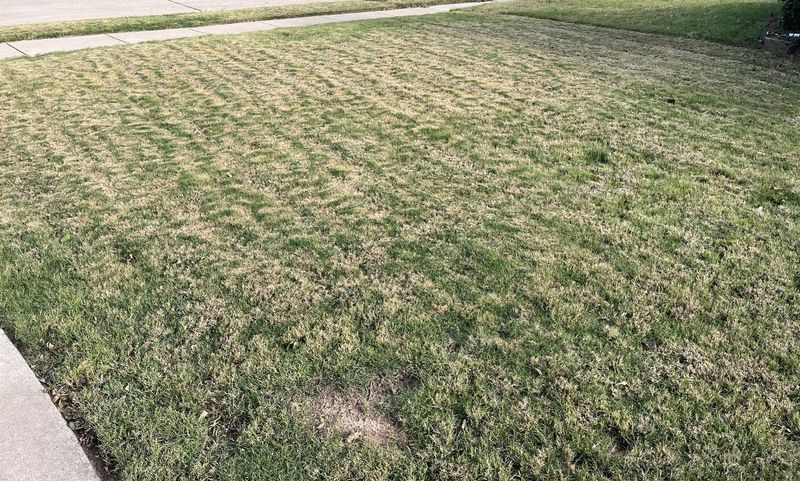
Here is the budget-friendly part. For an established, dormant lawn that was not overseeded, routine extra winter irrigation is generally unnecessary.
The grass is resting, so it is not asking for much.
The Phoenix watering guide from AZMET says dormant winter bermudagrass needs no supplemental watering. That means brown color alone is not a reason to water just to look greener.
There is one conditional option. The University of Arizona allows watering about once a month from December through February if winter rain is lacking, which may help keep roots moist.
Treat that as an option for dry winters, not a requirement every year.
Overseeded Ryegrass Needs Different Winter Watering Guidance
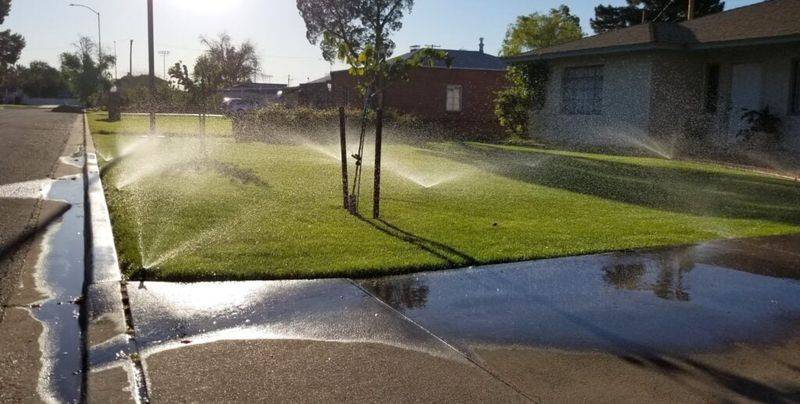
A green lawn in January does not mean the bermudagrass skipped dormancy. Many Arizona homeowners overseed with ryegrass in fall to get winter color.
The bermudagrass underneath is still resting.
That changes the water plan. Dormant bermudagrass advice does not apply to an overseeded lawn, because ryegrass is actively growing and has different needs.
The University of Arizona turf guide points readers to its weather-based watering guide, which accounts for soil, temperature, and rainfall. Use that kind of guidance and adjust through the season.
A rainy week may call for less, and a dry, warm spell may call for more.
Winter Injury Is Possible, but Color Cannot Confirm It
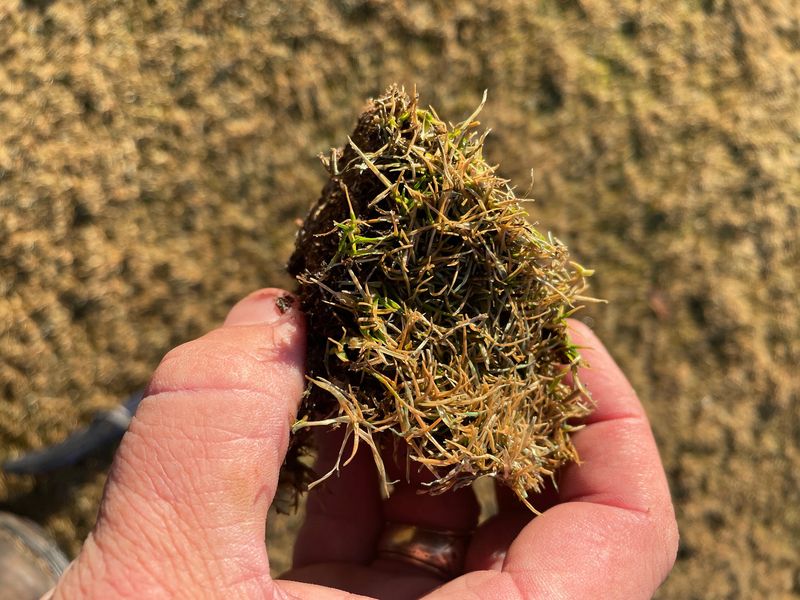
Brown grass can come from dormancy, but it can also come from winter injury. Color alone cannot tell you which one you have.
That is why a lawn deserves a closer look when something seems off.
Oklahoma State has a fact sheet on assessing winterkill on bermudagrass. It lists risk factors such as stressed or recently established turf, compaction, poor drainage, shade, disease, and heavy wear.
Those factors are worth thinking about in any yard.
It also explains that recovery varies by cultivar, site, and winter conditions. Its dates are for Oklahoma, so do not treat them as Arizona deadlines.
Use it as background, not as a diagnosis for your own lawn.
Choose a Water-Conscious Next Step
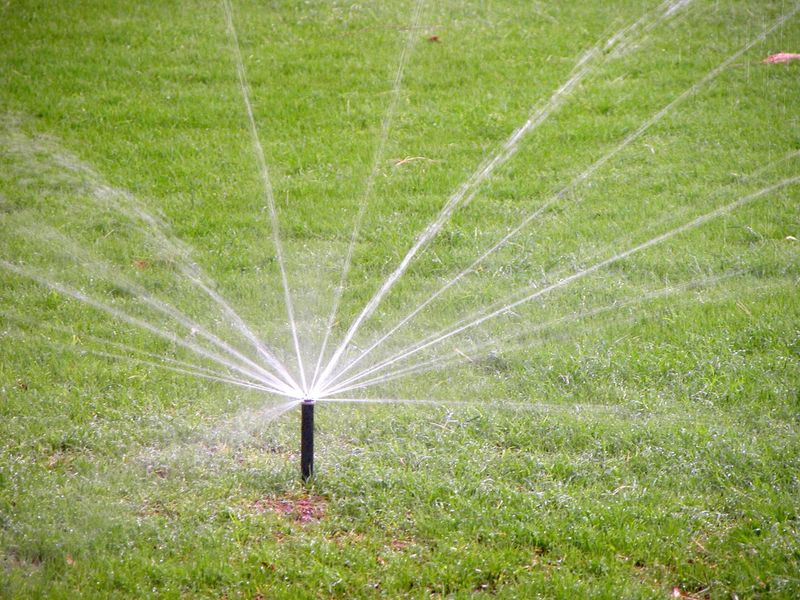
Start by looking at the whole lawn. Even, widespread fading in the low desert is often seasonal, while isolated patches call for a sprinkler distribution check.
Dormant bermudagrass does not need extra water just to look green, as the University of Arizona and AZMET guides explain.
A lawn that naps in winter is saving you water, and that is a nice trade.