Why Your Arizona Lantana Turns Purple and Brown in November and Why You Shouldn’t Cut It Yet
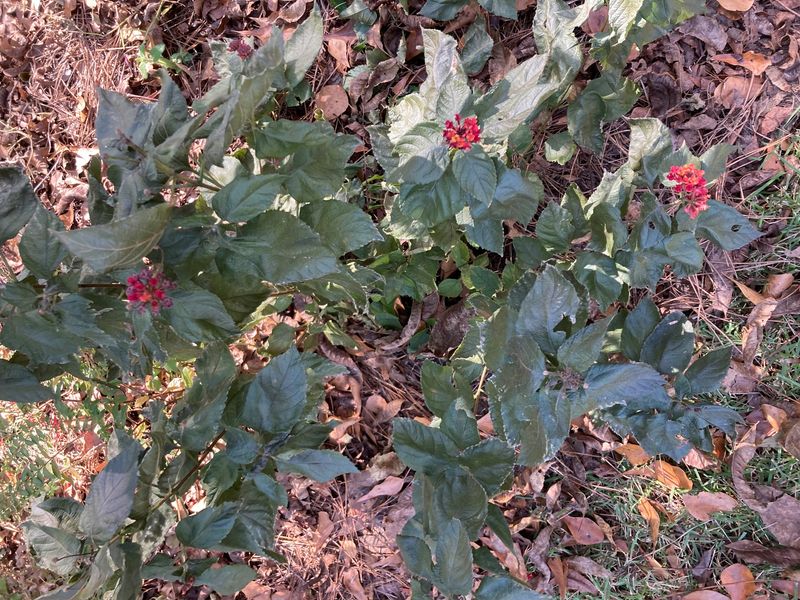
Lantana can look fine in October and rough by late November. Maybe you spotted purple or brown leaves and wondered what went wrong.
Color alone does not tell the full story. Here is how to read the clues and decide when to prune.
Purple Leaves Are Not a Verified November Signal
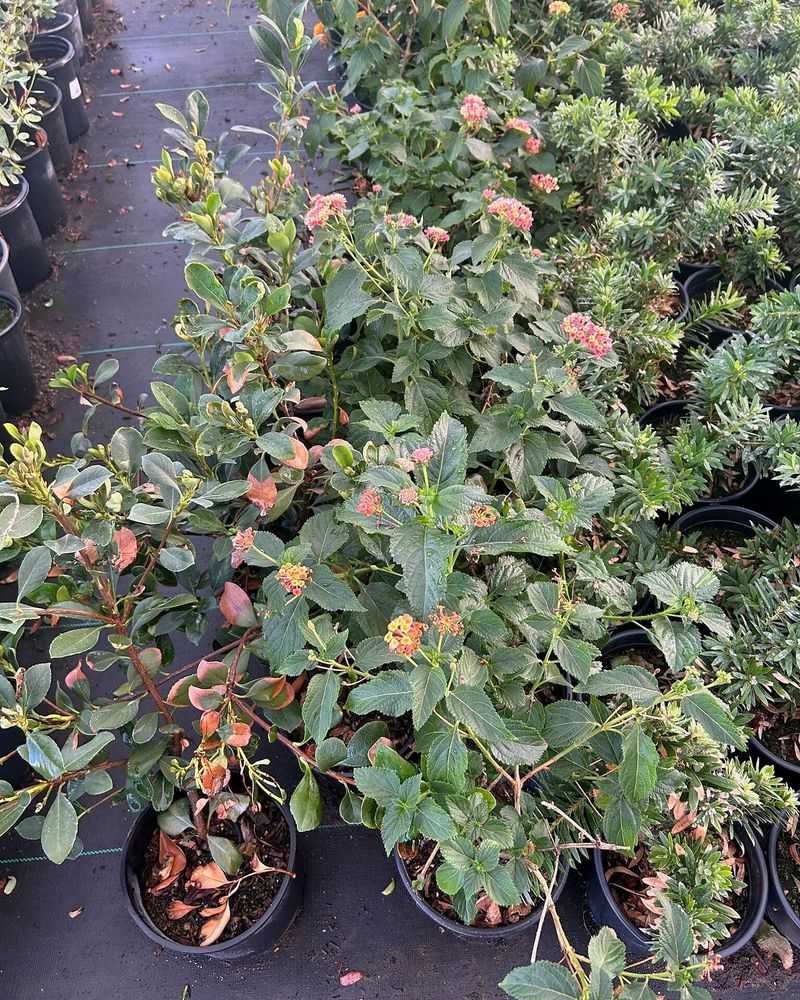
If your lantana has purple or brown leaves right now, you are describing something real. Still, the title’s claim that Arizona lantana turns purple and brown every November is a reader observation, not a proven seasonal rule.
The Arizona guidance we have looks at frost-damaged lantana. It does not name purple foliage as a normal or telling November change, so a purple leaf by itself does not confirm cold injury.
Think of color as a symptom, like a cough. It tells you something is up, but not the cause.
Cold is one possible explanation, and that is why timing matters for pruning.
According to University of Arizona pruning guidance, frost-damaged lantana should be left uncut until frost danger has passed. The same school’s frost protection advice also says to hold off on pruning frost-damaged woody growth until spring growth begins.
So the better question is what your purple or brown leaves may mean. Start by asking whether your plant actually felt cold.
Cold Is One Possible Cause of Browning
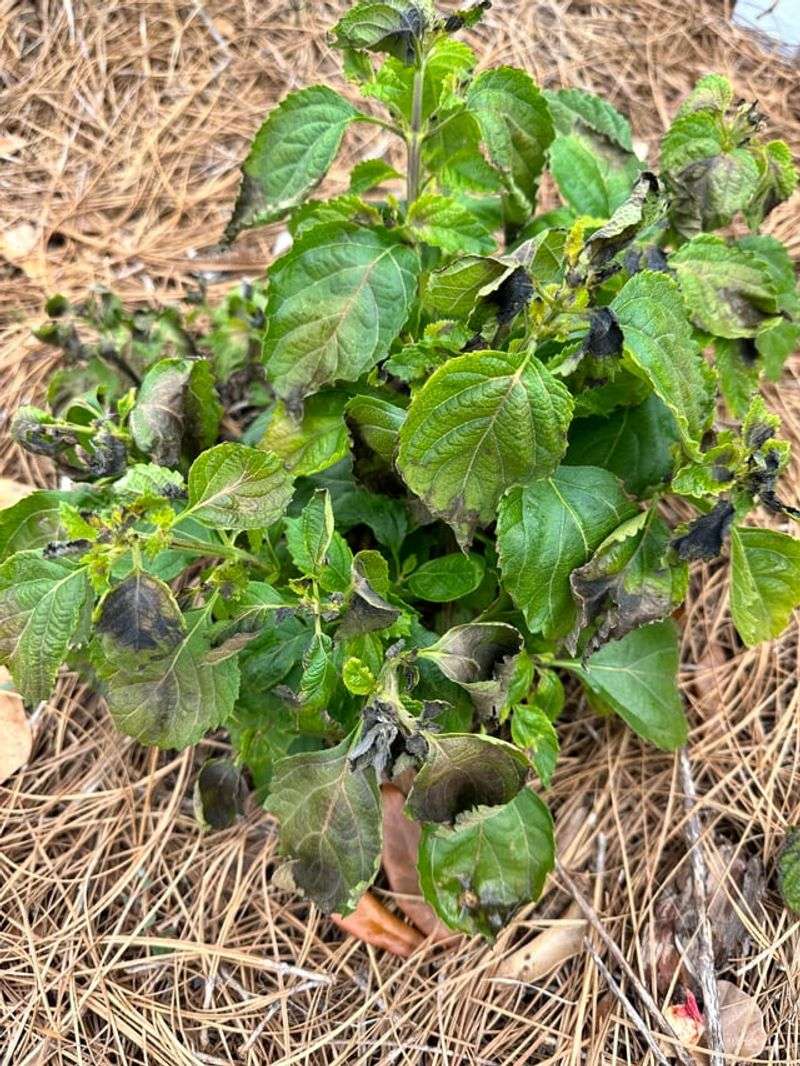
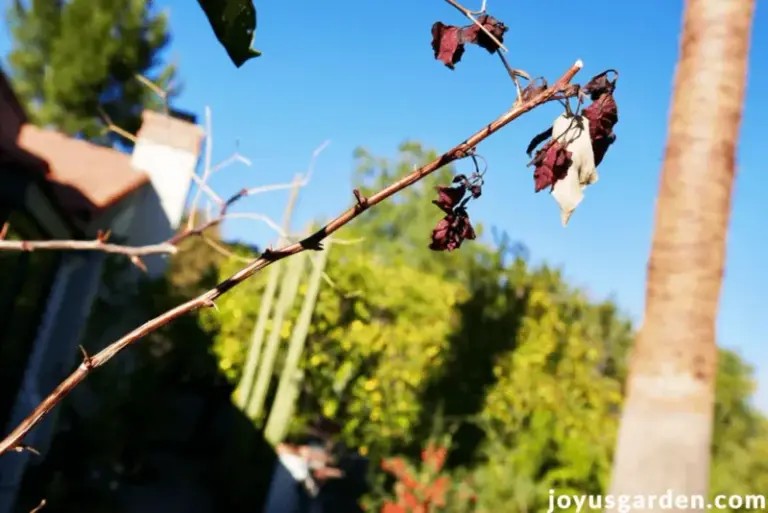
Cold can absolutely injure lantana leaves. Browning after a chilly stretch makes sense, and it is the first thing worth checking.
A University of Arkansas horticulturist reports that lantana leaves exposed to temperatures in the mid-30s can shift from green to gray-green and then black. That source also describes chilling injury at temperatures above freezing.
Keep that in perspective. It is an Arkansas observation, not an Arizona damage threshold or a forecast for your yard.
The practical move is to look at your own records. Did a cold night hit your yard, or did a weather app only suggest it?
Low spots, open areas and spots away from walls can run colder than the airport reading.
The University of Arizona notes that the full extent of frost damage may not show right away. A plant that looks fine today could show more browning in a few days.
If no cold exposure fits, treat cold as uncertain and keep looking for other clues.
Frost Timing Depends on the Yard
Arizona is big, and a single November date cannot fit every garden. Elevation, location and even the corner of your yard change how often frost arrives.
Even inside Maricopa County the timing shifts. The University of Arizona reports average first-frost dates from November 21 in Buckeye to December 12 in central Phoenix.
Those are averages for specific places, not guarantees and not statewide dates. A given year can come earlier or later.
The same guidance suggests watching temperatures where you actually garden instead of leaning only on airport reports. A cheap thermometer near the lantana tells you more than a station miles away.
Notice patterns too. Does frost settle in the low corner by the fence, while the plant against a warm wall stays safe?
Your own yard conditions, not a calendar square, should guide the pruning decision. That keeps you from cutting too early or waiting out a risk that never arrives.
Wait Before Hard-Pruning Frost Damage
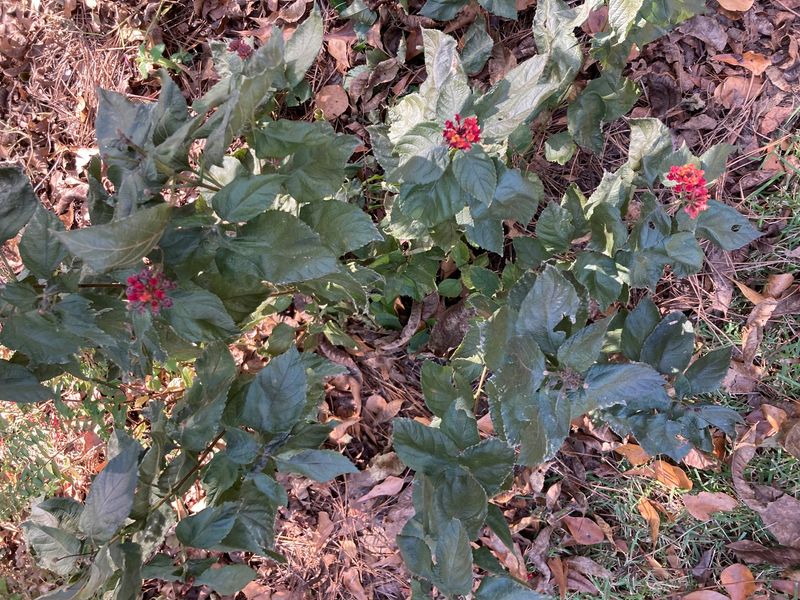
Brown, crispy growth is tempting to chop off. Resist for now, because damaged leaves and stems can help trap warm air inside the canopy.
The University of Arizona also says the full extent of damage may not be obvious right away. Cutting early can remove cover and leave you guessing about what was truly hurt.
The qualified advice is to delay hard cutback of frost-damaged lantana until frost danger has passed or spring growth begins. This applies to low- and mid-elevation desert landscapes.
Waiting does not ban every fall trim. Arizona guidance allows pruning lantana when needed to control growth, such as trimming a branch over a walkway.
The difference is purpose. Restorative cutback of cold-damaged growth can wait, while a light trim for shape or clearance is a separate job.
If you garden at higher elevation, grow lantana in containers, or have a different cultivar or species, check with your local Extension office. Nothing here promises that damaged growth will recover.
Check for Other Explanations When Cold Does Not Fit
Sometimes the weather story just does not match. If your plant has not seen cold, or the discoloring is patchy or getting worse, hold off on blaming frost.
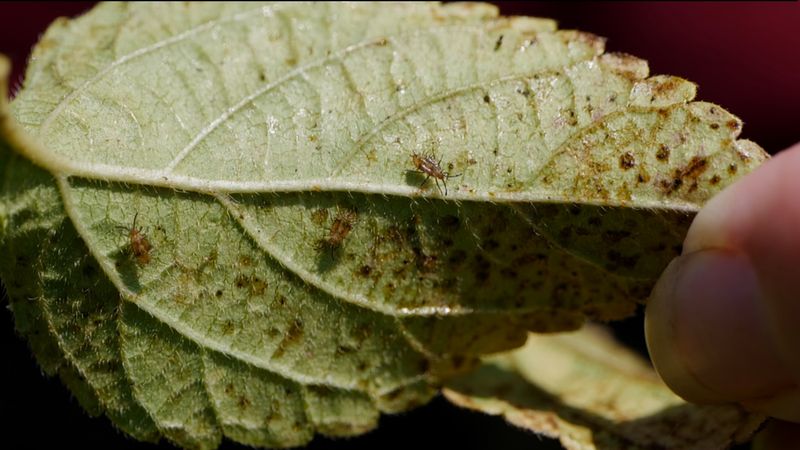
Lantana lace bugs are one possible alternative. University of Georgia Extension describes bleached foliage that wilts and browns, and it recommends checking leaf undersides for insects.
That is a Georgia source. It does not show that lace bugs are in any Arizona yard, only that this is one idea to rule in or out.
Turn a few leaves over in good light and see what you find. A clear look beats a guess based on color.
Please skip extra water, fertilizer or pesticide just because leaves look odd. Color alone cannot tell you which of those, if any, the plant needs.
If the problem keeps spreading or cold clearly does not fit, bring a sample or photos to your local Extension office for guidance.
Spring Cutback May Help, but Recovery Is Not Assured
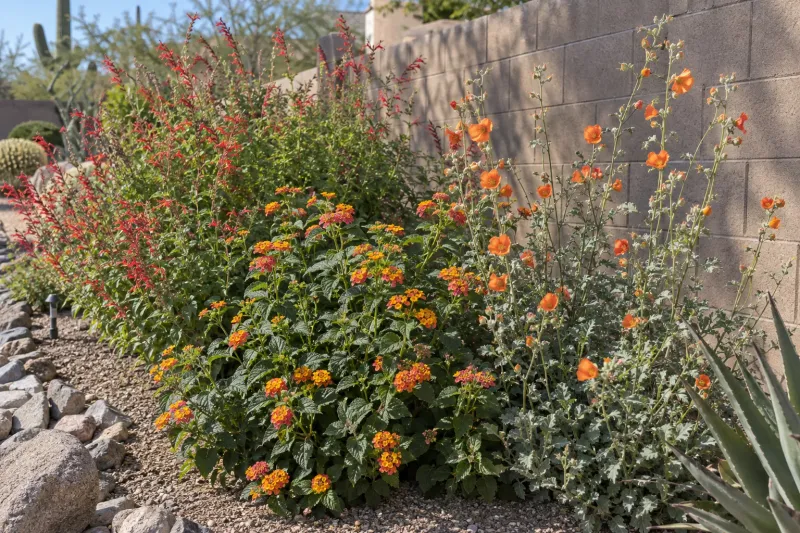
Once frost danger fades, cutback becomes useful. University of Arizona guidance says frost-damaged lantana can be cut close to the ground in spring to rejuvenate it, in low- and mid-elevation deserts.
Regrowth is possible, not assured. The University of Arizona Campus Arboretum says Lantana camara may regrow from its roots after sustained below-freezing temperatures, but that does not cover every plant, cultivar or location.
Handle clippings with care. Lantana leaves and berries are toxic to pets and livestock, so keep cuttings where animals cannot reach them.
Here is a simple decision rule. If your lantana felt real cold and you are in a low or mid-elevation desert, wait for frost danger to pass, then cut back.
If it did not, look for other causes first.
Patience is cheap, and a brown shrub in winter can still be doing quiet work.