10 Best Foods to Fill Your Bird Feeder as Michigan Temperatures Drop
A black-capped chickadee can drop its body temperature by roughly 18 degrees on a frigid winter night. That clever trick saves energy, but the tiny bird still burns through most of its fat before sunrise.
Researchers have found chickadees may pack on about ten percent of their body weight in fat each day. Every gram gets spent overnight, so the next morning starts with a hungry scramble for something rich to eat.
I love watching that frosty breakfast rush from my kitchen window here in Michigan with a warm mug. You may be surprised how quickly a well-stocked feeder becomes the busiest spot in your snowy yard.
Some popular feeder foods deliver far more winter fuel than others, and a few even keep squirrels away.
1. Black Oil Sunflower Seeds Win Over Nearly Every Bird
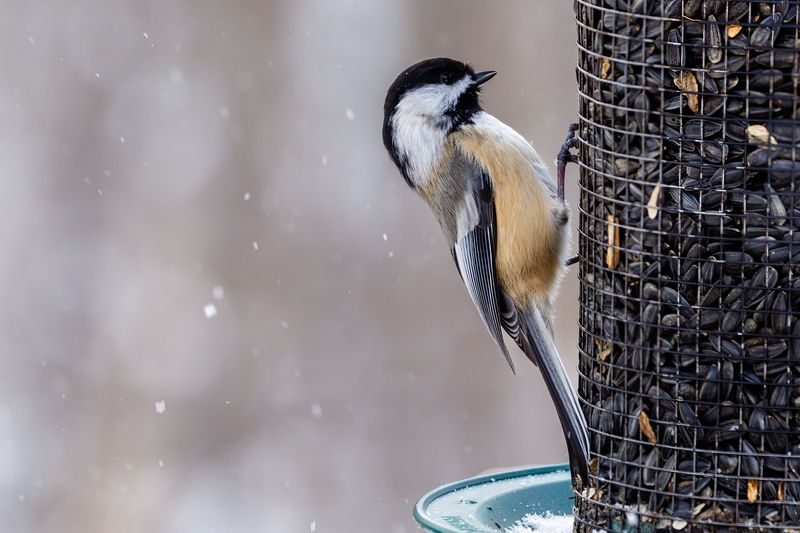
Ask any longtime bird feeder what single seed they would choose, and most will point to black oil sunflower. Those slim, dark seeds disappear so fast at my feeder that I sometimes refill it twice before lunch.
Their shells are thinner than striped sunflower shells, so small beaks can crack them open with very little effort. Chickadees grab one seed, fly to a branch, and hammer it open against the bark like tiny carpenters.
Inside each shell sits a kernel loaded with oil, which gives birds a dense source of calories in cold weather. More oil means more energy per bite, and that matters when daylight hours for feeding get shorter in winter.
Cardinals and nuthatches visit regularly, while goldfinches in their drab winter feathers often crowd tube feeders for these seeds. Even blue jays will stuff several into their throat pouch before flying off to hide them for later.
You can offer black oil sunflower in hopper feeders or on open platforms without buying any special equipment. Buy seed from a store with fast turnover, since fresh seed stays plumper and attracts more hungry visitors.
Shells will pile up under the feeder, so rake them away now and then to keep the ground tidy. Sunflower hulls contain compounds that can slow grass growth, which is why bare patches sometimes form below busy feeders.
If you only buy one bag of seed this winter, I would make it this one without any hesitation. It pleases the widest range of backyard birds, and it rarely sits uneaten long enough to spoil.
2. Suet Cakes Keep Woodpeckers Warm
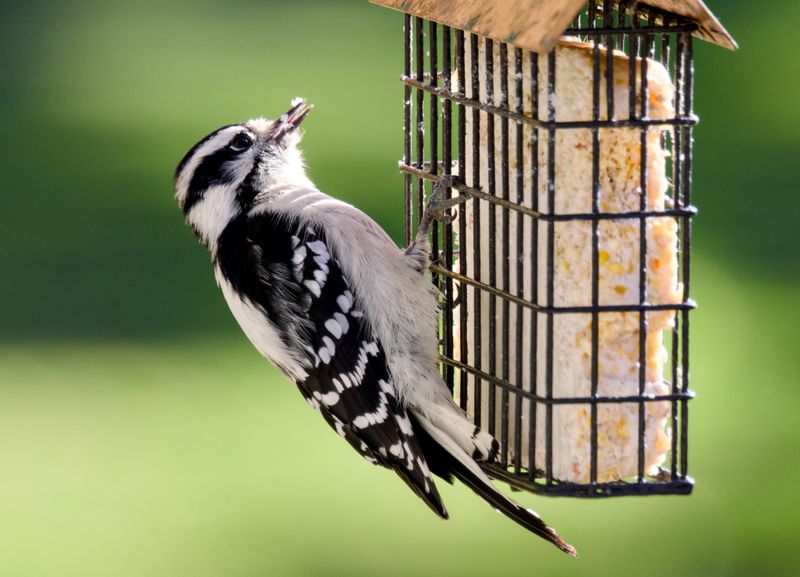
Nothing makes a downy woodpecker abandon its shy habits faster than a fresh block of suet on a frosty morning. I have watched one cling upside down for ten minutes, chipping away while snowflakes landed on its back.
True suet is the hard fat found around beef kidneys, and it packs more calories than nearly any seed. Birds that normally eat insects lean heavily on it once bugs hide away under bark and frozen soil.
Woodpeckers top the list of fans, but nuthatches and chickadees also take turns at the suet cage. In some yards, a Carolina wren or brown creeper may sneak in for a few quick bites as well.
Store-bought cakes fit standard wire cages, which hang easily from a tree branch or a sturdy feeder pole. A cage with a tail prop board helps larger woodpeckers balance, since they brace themselves with stiff tail feathers.
Raw suet from the butcher works too, but it can turn rancid quickly once temperatures climb above freezing. Rendered suet cakes hold up much better, and many brands are made for use in milder weather.
Look for cakes made mainly of rendered fat with nuts or seeds, rather than ones stuffed with cheap filler. Starlings love suet too, so an upside-down feeder can help, because woodpeckers handle that position more easily.
Hang your suet where you can see it from a window, because the visitors are honestly worth watching. Few winter sights beat a red-bellied woodpecker flashing its bold barred back against fresh white snow.
3. Peanuts Bring Blue Jays Racing In
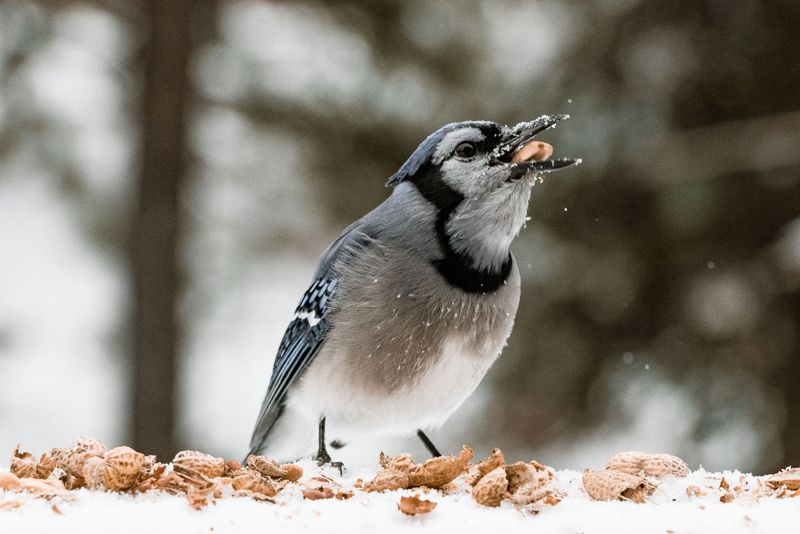
Blue jays seem to have a radar for peanuts, and they often show up within minutes of my refill. Their loud calls announce the feast to the whole neighborhood, which can be either charming or a little noisy.
Peanuts are rich in both fat and protein, giving birds long-lasting fuel during cold and windy winter days. Tufted titmice and white-breasted nuthatches gladly join the jays, carrying off pieces to eat or stash for later.
Choose plain peanuts that are raw or dry-roasted, with no salt, seasoning, or sugary coatings added at all. Salted snacks from your pantry are not a good match for small birds, so keep those for yourself.
Freshness matters a lot, because damp peanuts can grow a mold that produces aflatoxin, a harmful toxin for birds. Buy nuts from trusted bird food suppliers and toss any that look discolored or smell musty in the bag.
Shelled peanuts work best in mesh feeders, which make birds peck out small bits instead of swallowing large chunks. Whole peanuts in the shell are fun to offer on a platform, and jays love grabbing them.
Squirrels adore peanuts as much as the birds do, so a baffle on your pole is a smart addition. I place my peanut feeder away from fences and branches, since squirrels are impressive jumpers when food is involved.
Watching a jay test several peanuts for weight before choosing one is one of my favorite winter shows. Researchers have observed jays judging nuts this way, picking heavier ones that likely hold more food inside.
4. Nyjer Seed Brings Goldfinches To Tube Feeders
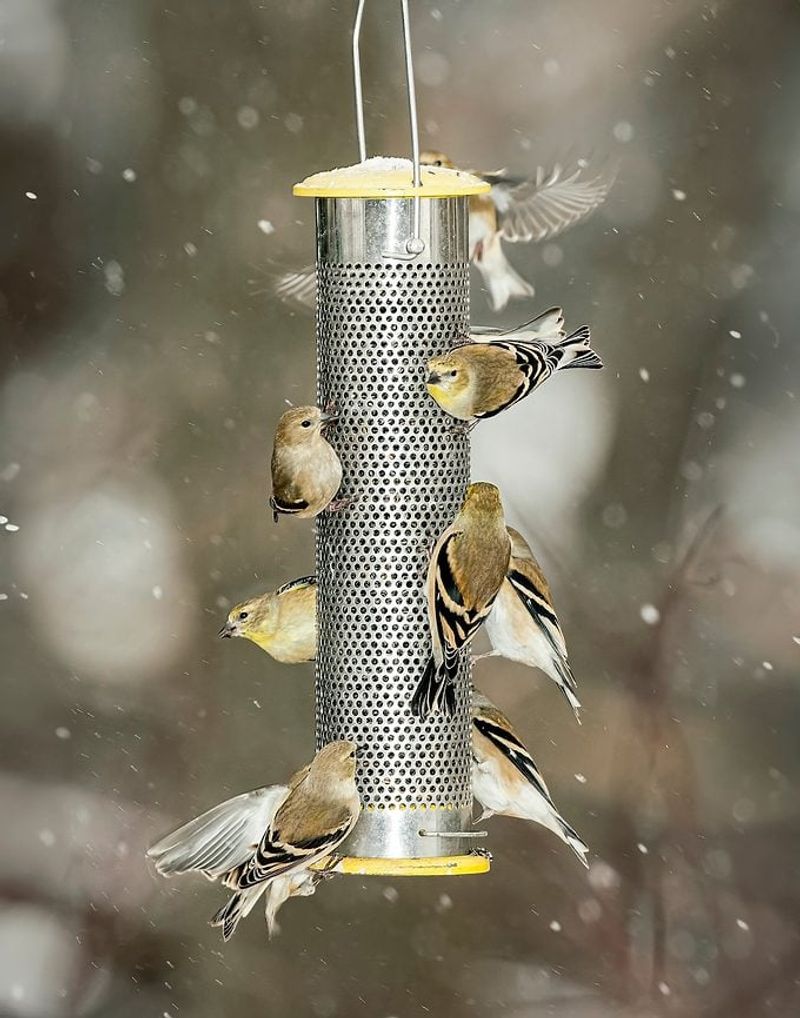
Despite the old nickname thistle seed, Nyjer has no relation to the prickly thistles growing in fields and ditches. It comes from a daisy-family plant called Guizotia abyssinica, grown mostly in Africa and parts of Asia.
Imported seed is heat-treated to prevent sprouting, so you do not need to worry about weeds below the feeder. That treatment also keeps unwanted plant seeds from hitchhiking into the country, which protects farms and native habitats.
American goldfinches are the classic Nyjer fans, and they stick around all winter across much of the state. Their feathers fade to a soft olive in cold months, but their cheerful chatter stays exactly the same.
In some winters, pine siskins and common redpolls drift south from Canada and crowd onto Nyjer feeders too. Those irruption years are hard to predict, so seeing a redpoll at your feeder feels like a real treat.
The seeds are tiny, so you need a special tube feeder with narrow slits or a fine mesh sock. Regular feeders spill Nyjer everywhere, and wasting it hurts because this seed costs more than most other options.
Nyjer dries out and goes stale faster than many people expect, and finches often ignore old seed. Buy smaller bags and store them in a sealed container, then shake the feeder to check for wet clumps.
I hang my Nyjer feeder near a shrub so the finches have a quick place to hide from hawks. Watching a dozen goldfinches lined up on one tube is a sunny sight on a gray afternoon.
5. Safflower Seeds Keep Squirrels Guessing
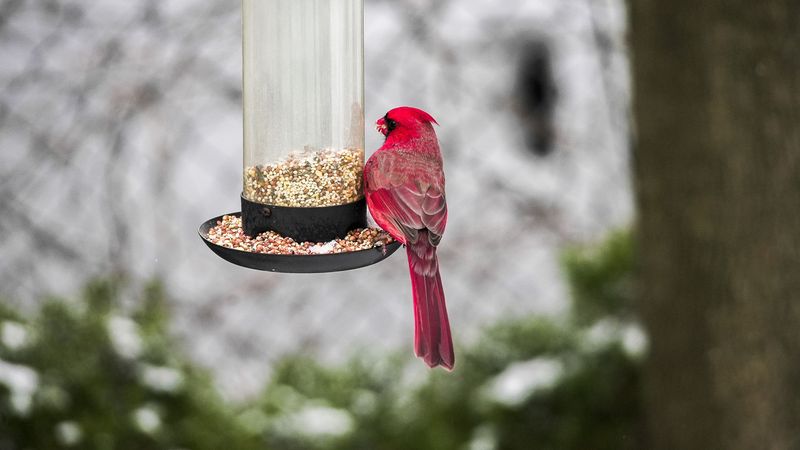
Cardinals crack safflower seeds with such ease that you can almost hear the satisfied crunch from your porch. Squirrels, on the other hand, often take one bite and wander off looking for something tastier nearby.
Safflower comes from Carthamus tinctorius, a thistle-like plant that farmers also grow for cooking oil around the world. The seeds have a bitter taste that many squirrels and some pesky birds simply do not enjoy eating.
European starlings and common grackles usually avoid safflower, which leaves more room for the birds you hope to see. House sparrows tend to skip it too, although every flock seems to have a few curious individuals.
Northern cardinals and house finches eat it readily, and mourning doves happily pick up any seeds dropped below. Chickadees and titmice will also grab safflower, especially once they get used to seeing it in the feeder.
Birds sometimes need a week or two to accept a new food, so be patient during the switch. I like to mix safflower with sunflower at first, then slowly increase the safflower until it takes over.
Hopper feeders handle safflower well, and platform trays work nicely if you clear out soggy seed after storms. Wet safflower can spoil, so a feeder with a roof helps keep the seed dry and appealing.
Safflower costs a bit more than sunflower, but less waste from squirrels often makes up the difference. Honestly, the peace of mind alone feels worth every penny when my cardinals finally get a calm meal.
6. Cracked Corn Draws Doves And Juncos To The Ground
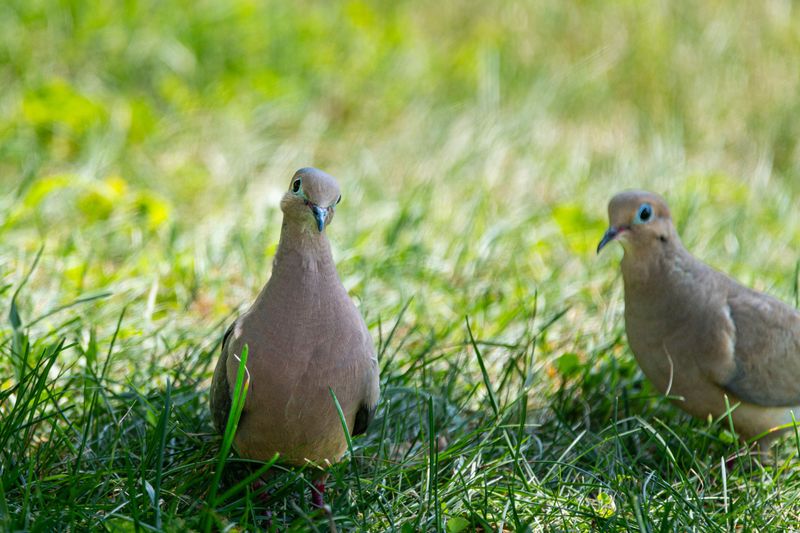
Mourning doves waddle across the snow like tiny shoppers when cracked corn hits the ground under my feeders. Their soft cooing and pinkish feathers make a sweet sight on a gray and chilly winter morning.
Cracked corn is simply dried corn broken into small pieces that birds can swallow without much trouble. It is mostly carbohydrates, so it offers quick energy but less fat than sunflower seeds or peanuts.
Dark-eyed juncos and American tree sparrows often join the doves, scratching through the snow for every last bit. Blue jays and wild turkeys may also show up if your yard sits near wooded areas or open farmland.
Scatter cracked corn on a low platform or a cleared patch of ground rather than in hanging feeders. Offer only what birds will finish in a day, since leftover corn soaks up moisture and grows mold quickly.
Wet corn can develop aflatoxin, so rake away clumps that look discolored or smell sour after a thaw. I keep my bag in a metal can with a tight lid to block both moisture and mice.
Squirrels and rabbits love cracked corn, and in some areas it can draw deer or raccoons at night. Check local rules too, because Michigan limits deer feeding in many areas, so keep corn amounts small.
I think of cracked corn as a budget side dish rather than the main course of my winter buffet. Paired with richer seeds, it keeps the ground crew happy while my hanging feeders serve the clingers.
7. White Proso Millet Pleases Juncos And Sparrows
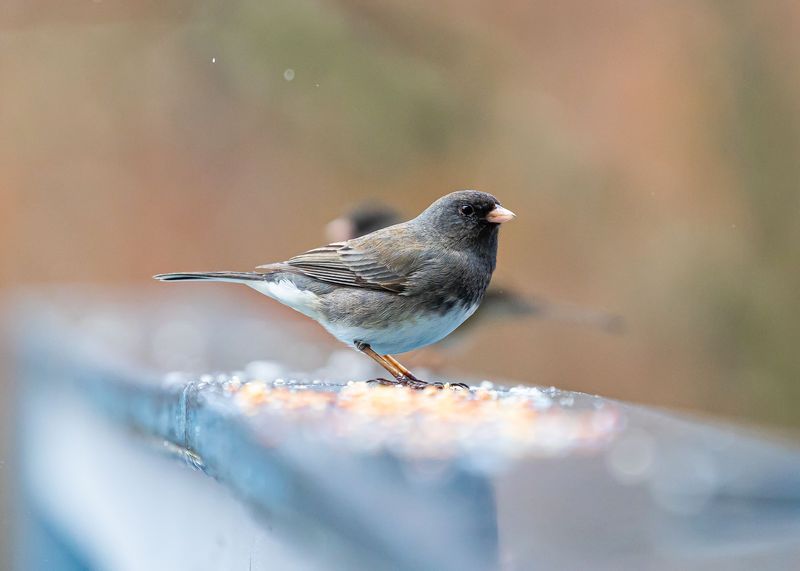
Dark-eyed juncos arrive in many backyards each fall, and their nickname snowbirds fits them perfectly here in winter. Those slate gray birds with white bellies hop around below feeders, and white proso millet is their favorite treat.
Millet seeds are small and pale, roughly the size of a pinhead, and easy for tiny beaks to handle. Studies of feeder preferences have shown many ground-feeding birds choose white proso millet over red millet and milo.
Song sparrows and white-throated sparrows enjoy millet, and mourning doves gobble it up by the mouthful too. Ground feeders like these prefer eating low, so hanging tube feeders rarely suit them as well as trays.
Look for birdseed blends that list millet near the top, and skip cheap mixes packed with red milo. Many birds toss milo aside, so it piles up under the feeder and attracts rodents instead of songbirds.
Scatter millet on a low tray or a swept spot of ground, ideally near shrubs where birds feel safe. A brush pile nearby gives juncos a quick place to hide when a hawk swoops through the yard.
House sparrows also love millet, so offer modest amounts if those birds start crowding out your native visitors. Sweep away soggy leftovers after a thaw, since wet seed can mold and spread illness among the flock.
I enjoy watching juncos kick at the snow like little dancers, searching for every seed I tossed out. Their tidy gray suits and quiet trills make winter mornings feel a lot less lonely in my garden.
8. Dried Fruit Tempts Robins And Waxwings In Winter
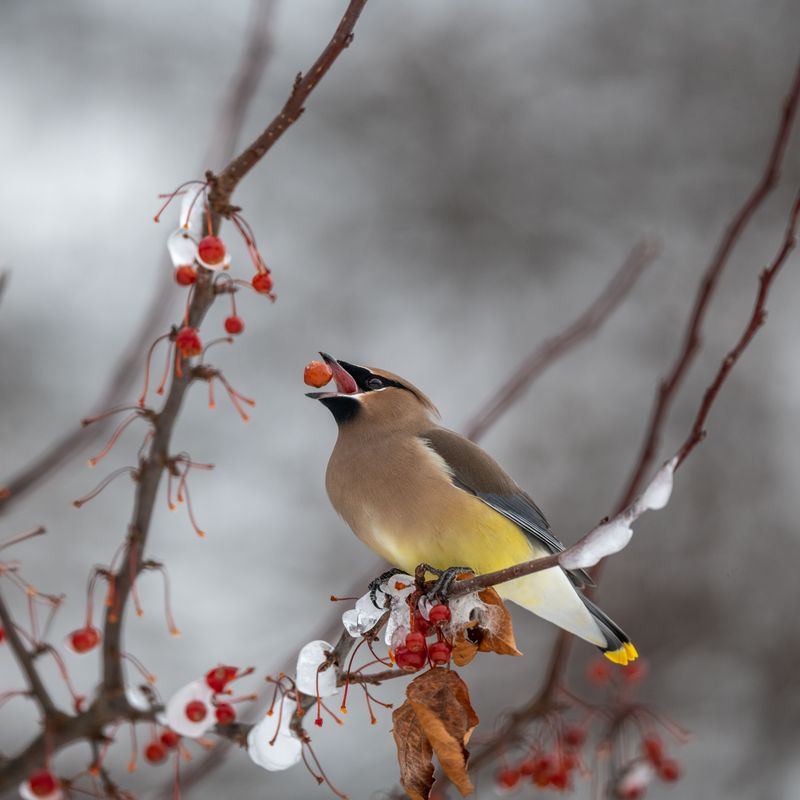
Many people are surprised to learn that some American robins stay in the state all winter instead of migrating. They switch from worms to fruit, roaming in flocks to find berries on crabapples and other winter shrubs.
Cedar waxwings and eastern bluebirds also eat fruit in cold months, so a fruity offering may catch their attention. Fruit-loving birds do not usually visit seed feeders, which makes them extra exciting when they finally stop by.
Try raisins or dried cranberries on a platform feeder, ideally placed near trees where fruit eaters feel comfortable. Soaking dried fruit in warm water for a while softens it and makes it easier for birds to swallow.
Fresh apple slices or halved oranges can work as well, though they freeze solid quickly on frigid days. I check mine each afternoon and remove soggy or moldy pieces before they cause problems for visitors.
Avoid fruit with added sugar or preservatives, and keep grapes and raisins away from pets, since they harm dogs. Plain unsweetened dried fruit from the grocery store works fine, and a small handful goes a long way.
Honestly, the best fruit feeder might be a native shrub, like winterberry holly or American cranberrybush viburnum. Winterberry holds bright red berries into winter, offering natural food without any refilling on your part at all.
Fruit offerings can be hit or miss, so do not feel discouraged if birds ignore them for weeks. When a flock of waxwings finally drops in, those sleek crested birds make every wasted raisin worth it.
9. Mealworms Bring Bluebirds Back To Your Yard
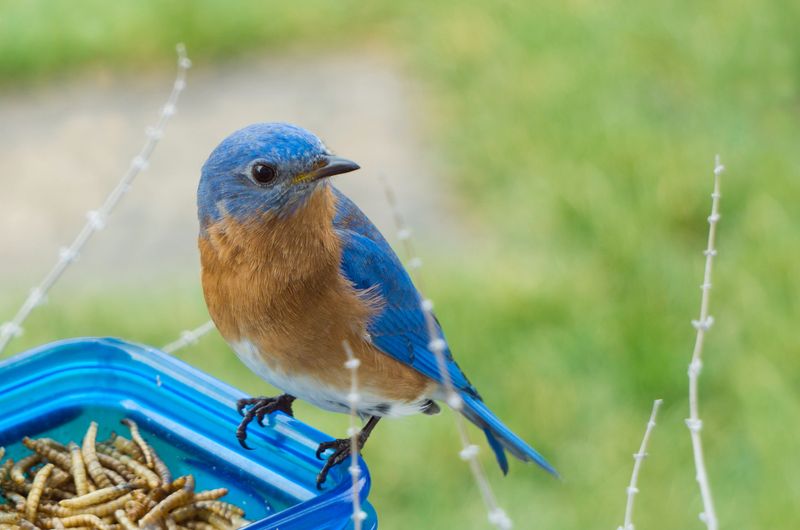
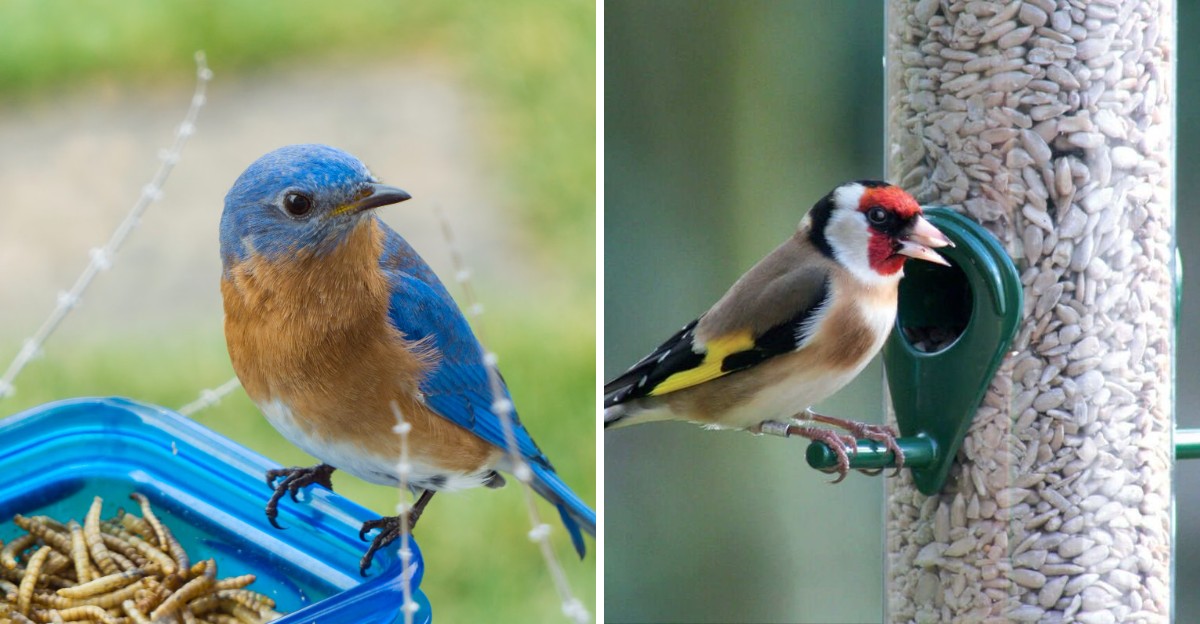
Eastern bluebirds sometimes stick around in winter, and a dish of mealworms can turn them into regular visitors. Seeing that brilliant blue against white snow honestly feels like spotting a little piece of summer sky.
Mealworms are not true worms at all, but the larvae of a darkling beetle called Tenebrio molitor. They are packed with protein and fat, which helps insect-eating birds when bugs are hard to find outside.
Chickadees and nuthatches grab mealworms eagerly, and Carolina wrens may visit if they live in your area. Woodpeckers sometimes join in too, poking at the dish with the same focus they give a tree trunk.
Dried mealworms are easy to store and work well in cold weather, since live ones slow down when chilled. Soaking dried mealworms in warm water for a few minutes can make them more appealing to some birds.
Serve them in a shallow dish with smooth sides, placed on a platform or attached to a feeder pole. A small roof over the dish keeps snow off, and the worms stay easier for birds to spot.
Treat mealworms as a supplement rather than the whole meal, because birds benefit from a varied winter diet. A small handful once or twice a day is plenty for most backyards, and it keeps costs reasonable too.
I like to offer mealworms at the same time each morning, because birds quickly learn the daily schedule. Within a week, my chickadees started waiting on a nearby branch, scolding me cheerfully until the dish was full.
10. Hulled Sunflower Hearts Keep Feeder Areas Tidy
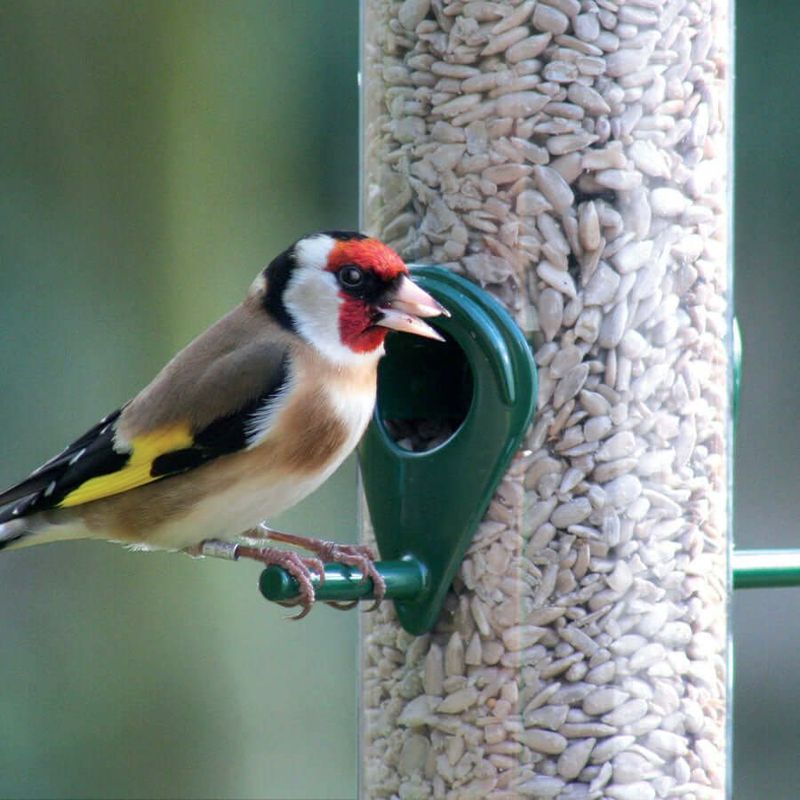
Shell piles under the feeder can look like a messy carpet by late winter, especially after a snowmelt. Hulled sunflower seeds, often sold as hearts or chips, solve that problem because the shells are already removed.
Birds get straight to the good part, so they spend less energy cracking and more time eating on frigid days. Small birds like chickadees and goldfinches seem especially grateful for the easy meal during short winter afternoons.
The kernels hold the same rich oil and protein found in black oil sunflower, just without the extra work. Pound for pound they cost more, but you pay for food instead of shells that land on the ground.
Without a protective shell, hearts absorb moisture fast and can spoil within a day or two in wet weather. Offer only what birds will finish quickly, and choose feeders with a roof or a weather dome overhead.
Fine mesh feeders and tube feeders with small ports work nicely, since they hold chips without spilling them everywhere. Some people mix hearts with Nyjer to draw goldfinches and pine siskins to the same feeder.
Hulled seeds are a smart choice near patios and decks, where shells would get tracked into the house. They also help protect lawns, since sunflower hulls can slow grass growth when they pile up underneath.
Store your hearts in a sealed metal container in a cool spot, and they stay fresh for weeks. In my yard, a feeder full of chips has become the tidiest and busiest spot all winter long.