Can You Grow Figs in New York? How City Gardeners Are Doing It
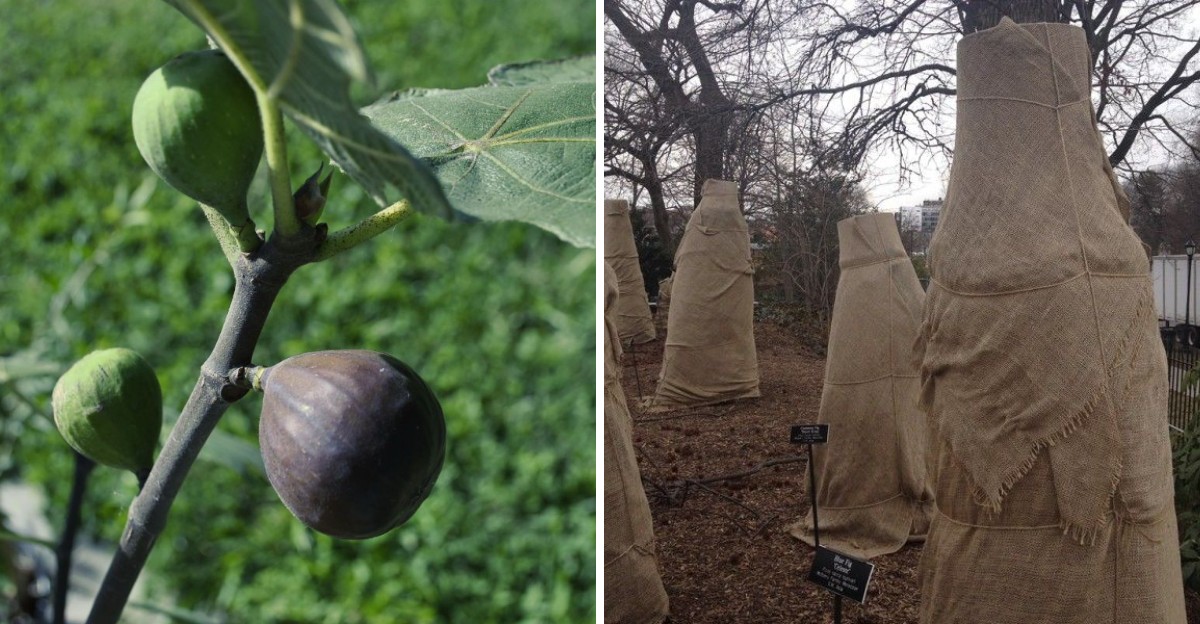
Some Brooklyn backyards hide trees that spend every winter dressed like giant burlap mummies. Neighbors walk past these odd bundles for months and rarely guess what is tucked inside.
Many of those trees arrived as cuttings carried from Italy, Greece, and Lebanon by immigrant families a century ago. Grandparents passed the wrapping ritual down like a family recipe. I love that a single backyard tree can hold that much history.
You might assume a Mediterranean fruit has no business in New York. Cold snaps, icy wind, and gray skies sound like a terrible match for something that craves sun. Yet city gardeners keep picking sweet, jammy fruit every late summer.
So how do they pull it off with tiny yards, rooftops, and a few pots on a fire escape? The tricks are simpler than you might expect, and a few of them surprised me.
Those Burlap-Wrapped Bundles in Brooklyn Yards Hide a Sweet Secret
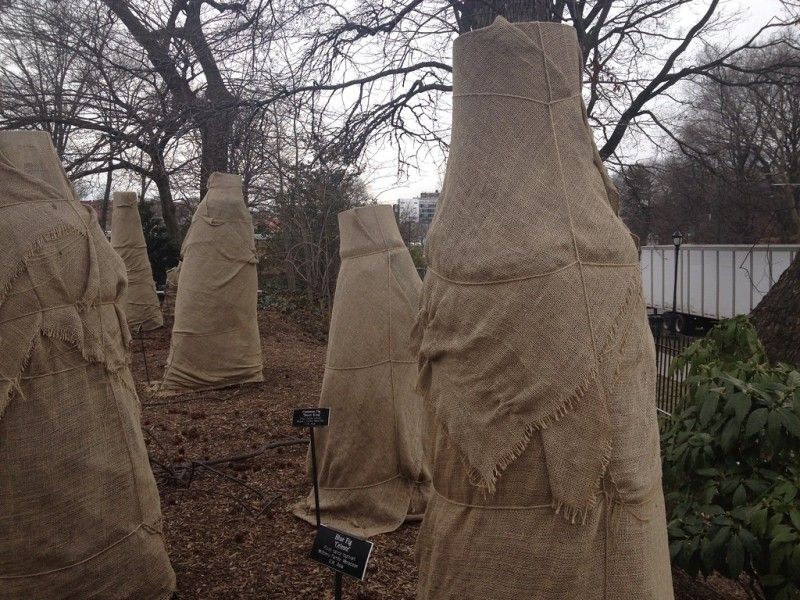
Yes, you can grow figs in New York, and plenty of people already do. The common fig, Ficus carica, is a Mediterranean tree, yet hardy varieties handle much of the state with some help.
Most of New York City sits in USDA zone 7b, where winter lows usually bottom out between 5 and 10 degrees F. Fig wood often takes damage somewhere around 10 to 20 degrees F, depending on the variety and how hardened the branches are.
That gap explains why so many city trees spend winter wrapped up.
Roots are tougher than branches. Even when cold knocks the top back, a well-mulched fig often sends up fresh shoots in spring.
Hardy types can still ripen a crop on that new growth by late summer.
Upstate is a different story. Places like Buffalo, Rochester, and the Adirondacks fall into zones 4 through 6, where in-ground figs struggle badly.
Gardeners there mostly grow figs in pots and move them indoors for winter.
The city also has a hidden advantage. Pavement, brick walls, and crowded buildings hold heat, creating an urban heat island that keeps nights a little warmer.
A sheltered courtyard in Queens can feel noticeably milder than an open field on Long Island.
So the real question is how, not whether. Location, variety, and winter protection do the heavy lifting.
A South-Facing Brick Wall Is a Fig Tree’s Best Friend
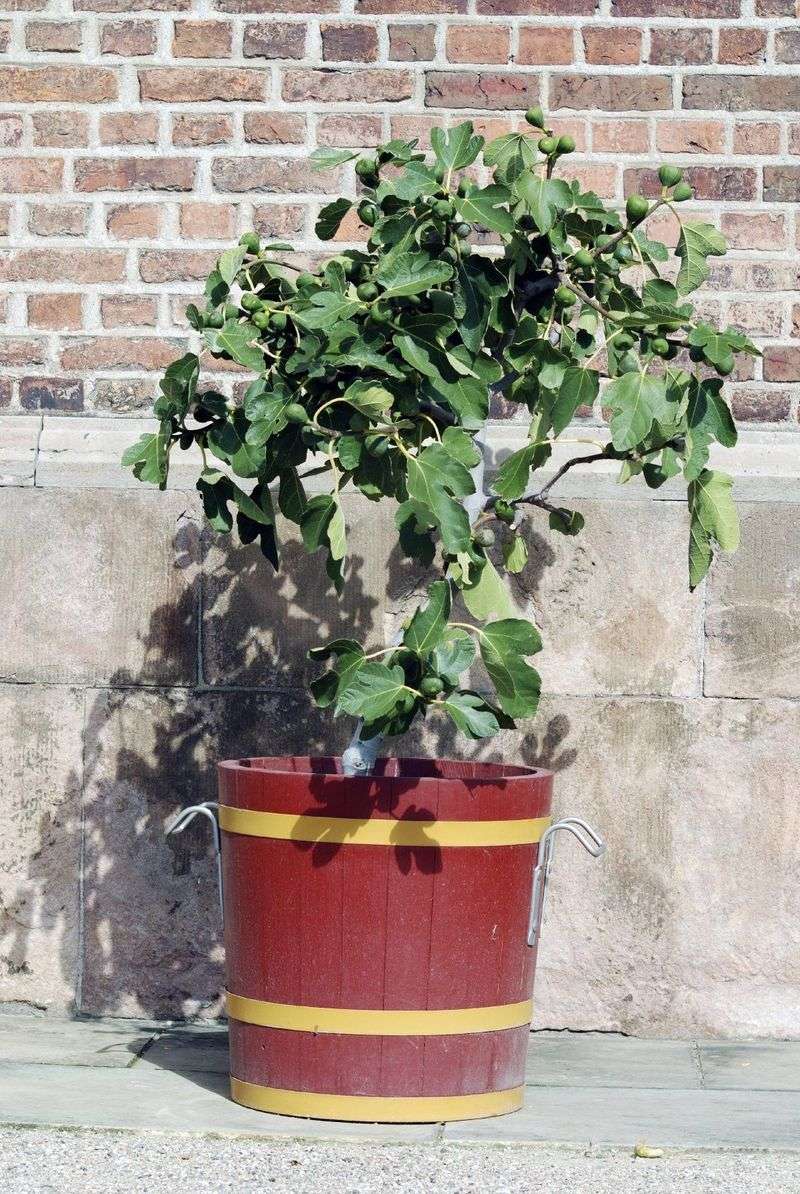
Walk through older neighborhoods in Brooklyn or the Bronx and you will spot a pattern. The happiest fig trees often hug a sunny wall.
That spot is no accident.
Figs want at least six to eight hours of direct sun each day. A south-facing wall soaks up heat all afternoon and releases it at night.
That stored warmth helps fruit ripen and gives branches a few extra degrees of protection in winter.
Wind matters just as much as sun. Cold winter gusts dry out fig branches fast, so a spot sheltered by a fence, garage, or building gives your tree a real edge.
Corners where two walls meet are especially cozy.
Soil should drain well, since soggy roots in winter cause trouble. Figs grow best in a pH range of about 6.0 to 7.5.
If your yard has heavy clay or old construction fill, mix in plenty of compost or consider a raised bed.
Personally, I would skip rich fertilizer. Too much nitrogen pushes soft leafy growth that ripens late and handles cold poorly.
A yearly layer of compost usually keeps a fig content.
Plant in spring after frost danger passes, typically late April or May in the city. That timing gives roots a full season to settle in before their first winter.
Chicago Hardy and Brown Turkey Figs Shrug Off Cold Better
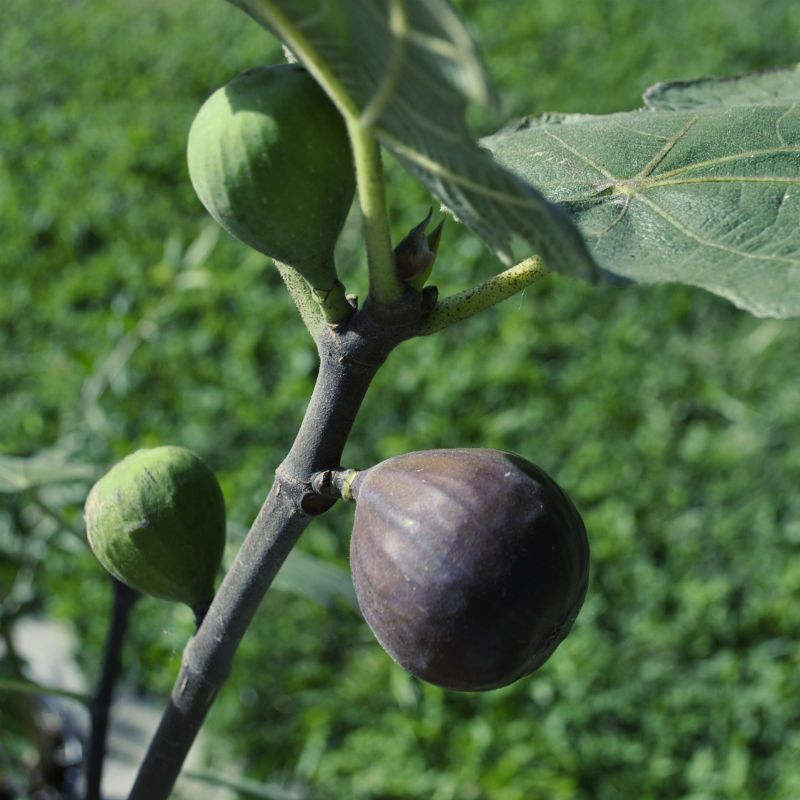
Picking the right fig variety is like choosing the right winter coat. Some are built for the cold, and others belong on a beach.
In New York, your choice can decide whether you taste fruit at all.
Chicago Hardy tops many lists for good reason. Its roots handle tough winters, and it bears fruit on new wood, so it can still produce after a harsh season knocks it back.
The dark purple figs taste rich and sweet.
Brown Turkey is another dependable pick. It is widely sold, forgiving, and ripens reliably in the Northeast.
Celeste, sometimes called the sugar fig, offers small, honey-sweet fruit and decent cold tolerance.
Other names worth hunting for include early ripeners like Ronde de Bordeaux, which ripens especially early, and Marseilles. Early ripening matters a lot here, because a short season can leave late figs hard and green when frost arrives.
Fun fact for your next garden chat. Many fig trees grown here came from cuttings brought over by immigrant families, and some local types carry nicknames tied to the neighborhoods where they thrived.
One extra perk is self-pollination. Common figs do not need a partner tree or a special wasp, so a single tree can fill your bowl.
That makes them perfect for tiny city yards.
Wrapping Your Fig Tree Like a Winter Burrito Takes One Afternoon
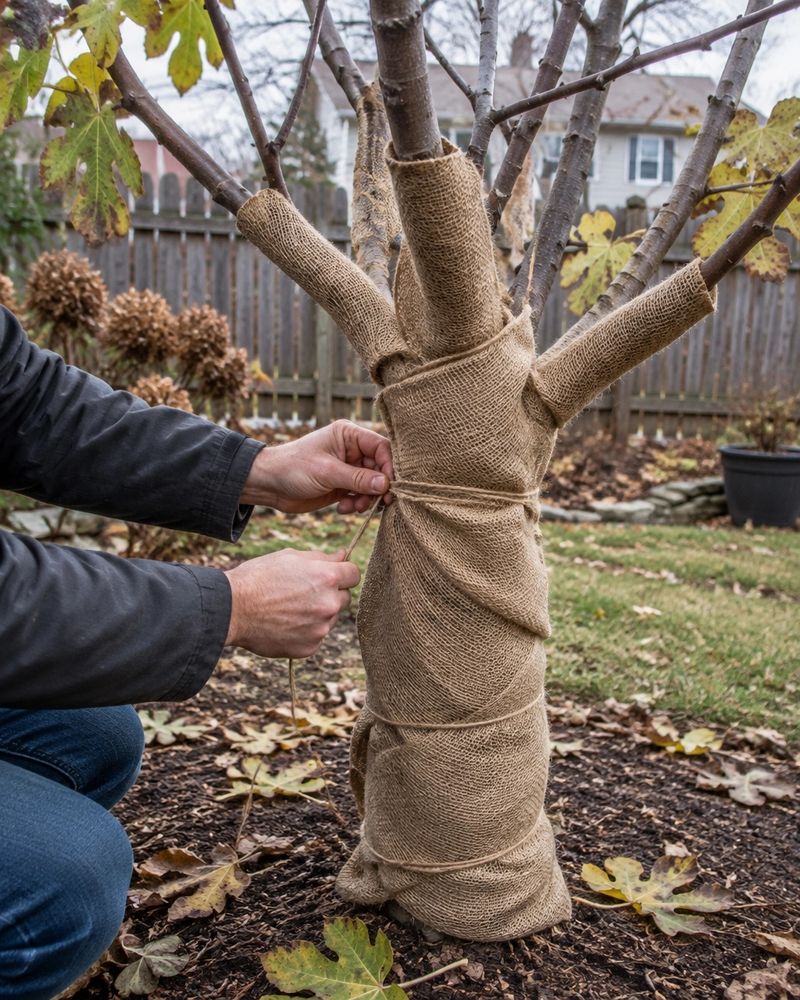
Old-school Brooklyn growers turned winter wrapping into an art form, and you can learn it in a single afternoon. The goal is simple.
Keep the branches dry, shielded from wind, and a few degrees warmer.
Wait until the tree drops its leaves and goes dormant, usually after a few hard frosts in November. Wrapping too early traps warmth and moisture, which can invite mold.
Start by trimming any long or crossing branches so the tree is easier to bundle. Gently pull the remaining branches together and tie them upright with soft twine.
Go slowly, since cold wood can snap.
Next, wrap the bundle in a few layers of burlap or old blankets. Many gardeners build a chicken wire cage around the tree and stuff the gap with dry leaves or straw.
That fluffy layer traps air and works like insulation.
Add a waterproof outer layer, such as tar paper or a breathable tarp, leaving the base a little open for airflow. Top it with an upside-down bucket to keep rain and snow out.
Finish with a thick layer of mulch around the base. Even if the top suffers, protected roots can regrow.
Avoid sealing everything in plain plastic, since it holds moisture and heats up on sunny days.
Potted Figs Can Spend Winter Snoozing in Your Garage
No yard? No problem.
Some of the most productive figs in New York live on balconies, rooftops, and stoops in big containers.
Choose a pot of at least 15 gallons for a young tree, moving up as it grows. Use a light potting mix with compost, and make sure the pot has drainage holes.
Containers dry out fast in July, so check soil often during heat waves.
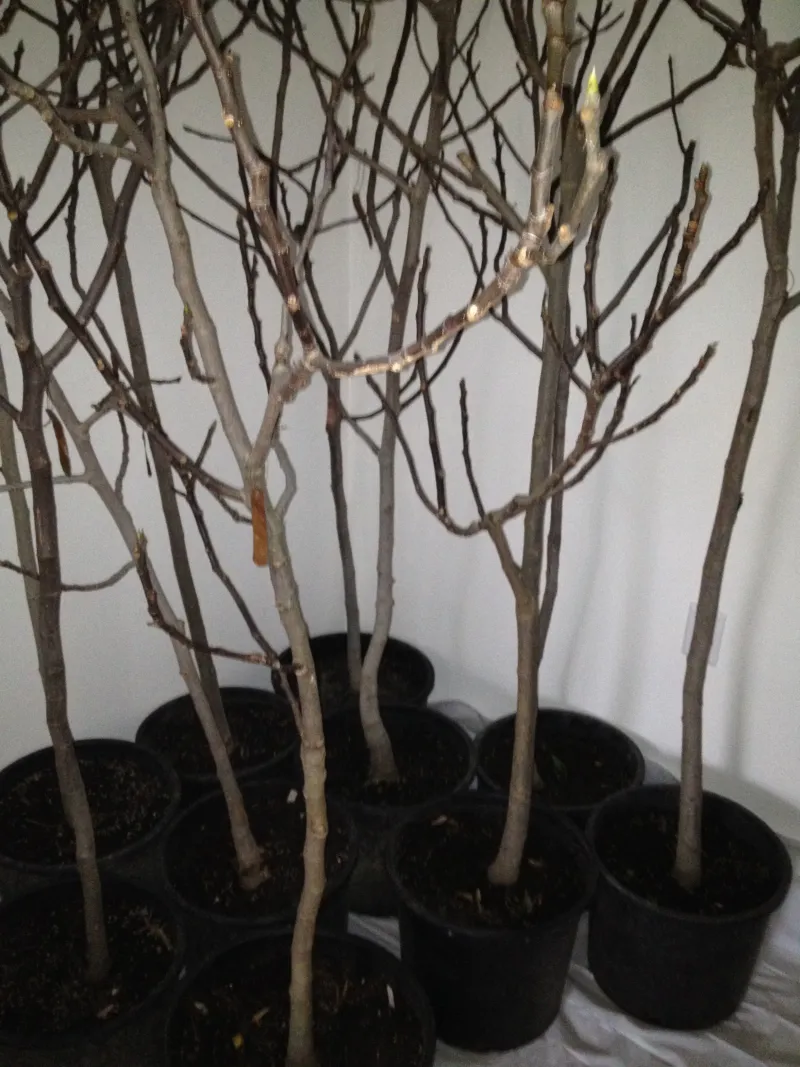
The magic comes in fall. Once leaves drop after a few frosts, roll the pot into an unheated garage, shed, or cool basement.
Ideal temperatures sit roughly between 25 and 45 degrees F, cold enough to keep the tree dormant without freezing the roots solid.
A dormant fig needs no light, which surprises many people. Just give it a small drink about once a month so the roots do not dry out.
Too much water can lead to rot.
Potted roots are more exposed than roots in the ground. That is why a bare pot left outside in January often fares worse than a wrapped in-ground tree.
Upstate growers lean on this method heavily. I like it because a plant dolly makes moving even a heavy pot pretty easy, and you skip the whole wrapping project.
Some Old-Timers Actually Bury Their Fig Trees in a Trench
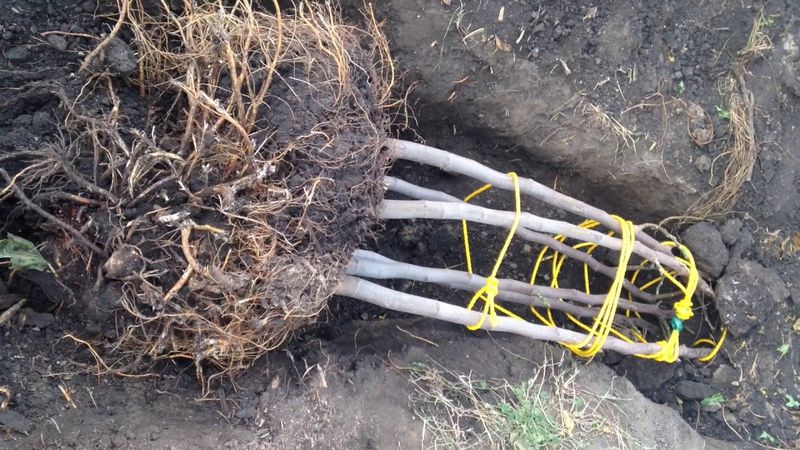
Sounds wild, right? Bending a whole tree over and covering it with dirt seems like a strange way to show love.
Yet this old method has helped figs make it through tough winters for generations.
It works best on younger, flexible trees. After leaf drop, gardeners dig a shallow trench beside the tree.
Then they loosen the roots on the opposite side so the trunk can tip over without snapping.
The tree gets pruned, bundled, and gently laid into the trench. Stakes hold it in place.
A layer of soil goes on top, followed by leaves or straw for extra insulation.
Soil temperatures stay far steadier than air temperatures. Buried branches avoid harsh wind and sudden swings, so they often come through winter in great shape.
There are downsides. Digging takes real effort, and mature trees grow too stiff to bend.
Some gardeners also wrap branches in a breathable layer first to reduce rot and keep curious critters away.
In spring, uncover the tree once hard freezes are over and stand it back up. Firm the soil around the roots and water well.
Honestly, watching a buried tree leaf out like nothing happened feels like a small backyard miracle.
Unwrap Fig Trees Too Early and Spring Frost Can Bite
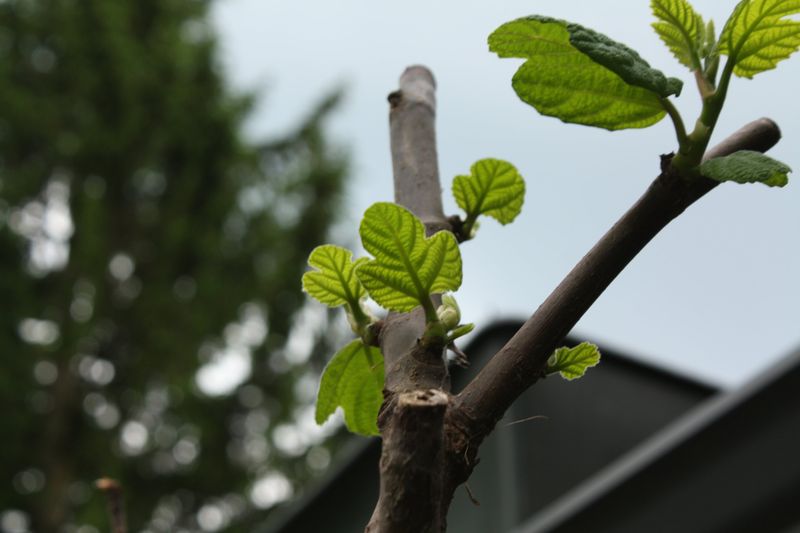
Patience pays off in spring, even when warm March days tempt you. Unwrap a fig too soon, and a surprise cold night can damage buds that just woke up.
In New York City, many gardeners remove wraps in stages from early to mid April. Take off the top cap and outer layer first.
Let the tree adjust for a week or so before removing the rest.
Watch the forecast closely. If a late frost threatens after unwrapping, toss a frost cloth or old sheet over the tree for the night.
Upstate, wait longer, often into May.
Now comes the inspection. Scratch a branch lightly with your fingernail.
Green tissue underneath means the wood is alive, while brown and brittle wood needs pruning.
Cut damaged branches back to healthy wood. Do not panic if some tips look rough.
Figs bounce back quickly, and Chicago Hardy in particular can fruit well on new spring shoots.
Leave fresh shoots at the base if the top took heavy damage. They can grow into a strong new frame.
Pull back thick mulch from the trunk too, so the soil warms and the tree gets moving.
Ripe Figs Droop and Soften When They Are Ready to Pick
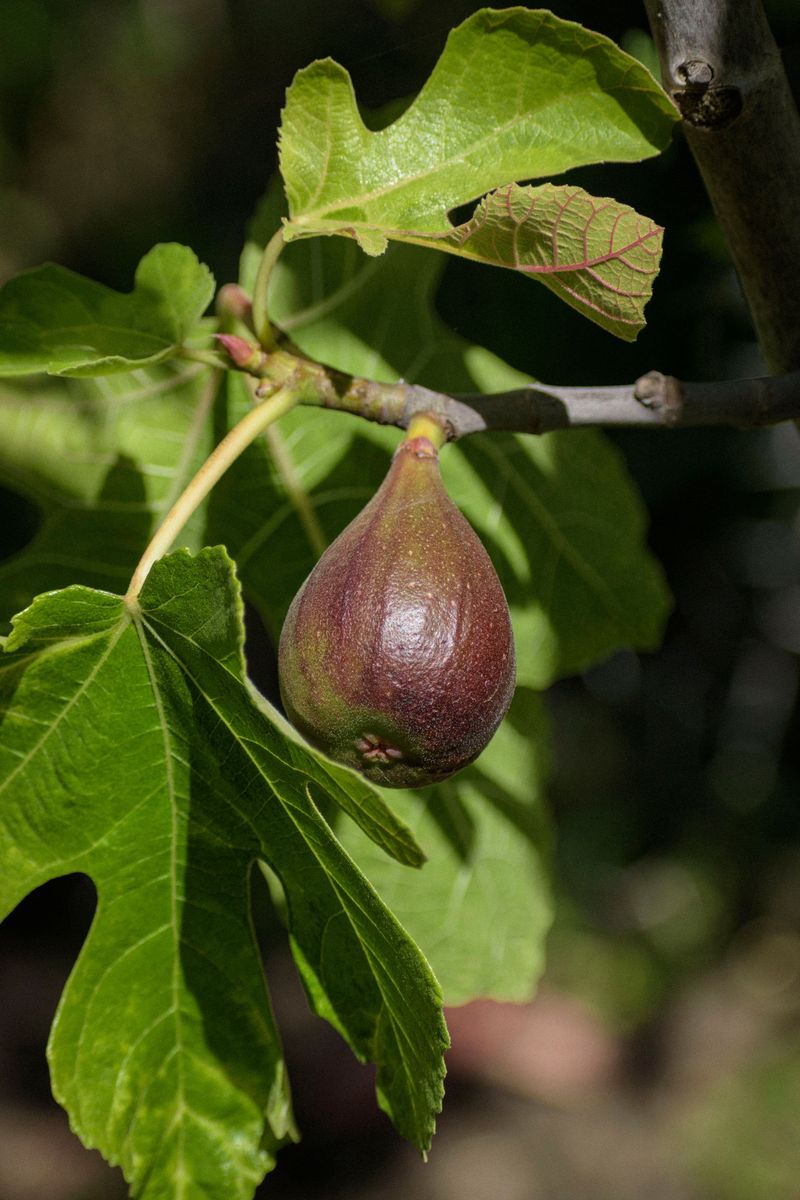
Here comes the payoff. In the city, the main fig harvest usually arrives from mid August through September, depending on variety and summer heat.
Figs do not ripen further once picked, so timing matters. A ripe fig turns soft, droops on its stem, and may show tiny cracks in the skin.
A sweet drop of nectar at the bottom eye is a great sign.
Birds and squirrels watch your tree too, and they rarely wait politely. Light netting or mesh bags tied over fruit clusters can help.
Pick daily during peak season to beat the crowd.
Some trees produce a small early crop called the breba crop on last year’s wood. In colder spots, winter damage often removes it, so most New York growers rely on the main crop.
If figs stay green and hard as October nears, the season simply ran short. Planting early varieties and choosing the sunniest spot helps next year.
My best advice? Start small with one hardy tree and a simple wrapping plan.
Ask neighbors with older figs for tips, or even a cutting. Few things beat eating a warm fig you nursed through winter.