The Bloodsucking Bug That Moves Into Southern Indiana Homes When Nights Turn Cold
Some bugs in the woods near your home earned their nickname by biting people on the face while they sleep. That sounds like a campfire story, but it comes straight from university entomologists.
I’ll admit it, I learned about this one by accident. I was stacking firewood one October evening and spotted a dark, flat insect with orange edges creeping along a log. It looked like a stink bug that had been to the gym.
Here’s what gets me. This critter is native to Southern Indiana, and it often hides in the same places gardeners love to leave alone, like brush piles, rock walls, and woodpiles. When the nights cool off, porch lights and warm cracks start looking pretty tempting to it.
So how worried should you be? The answer is calmer than the rumors, and the clues are easier to spot than you might expect.
That Orange-Striped Conenose Bug On Your Porch Has A Surprising Nickname
Folks call it the kissing bug, and the name sounds sweet until you learn why. The insect often bites near the mouth or eyes of sleeping people, since faces are usually the skin left uncovered.
In Indiana, the main species is the eastern bloodsucking conenose, Triatoma sanguisuga. Purdue entomologists list it as native, so it has lived in our woods and fields long before any of us built houses here.
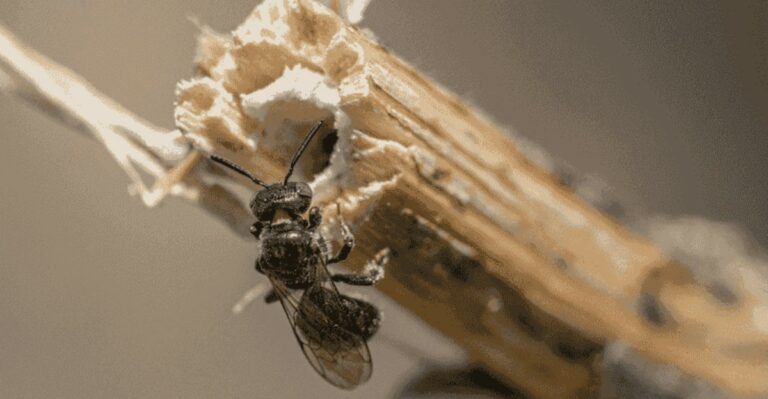
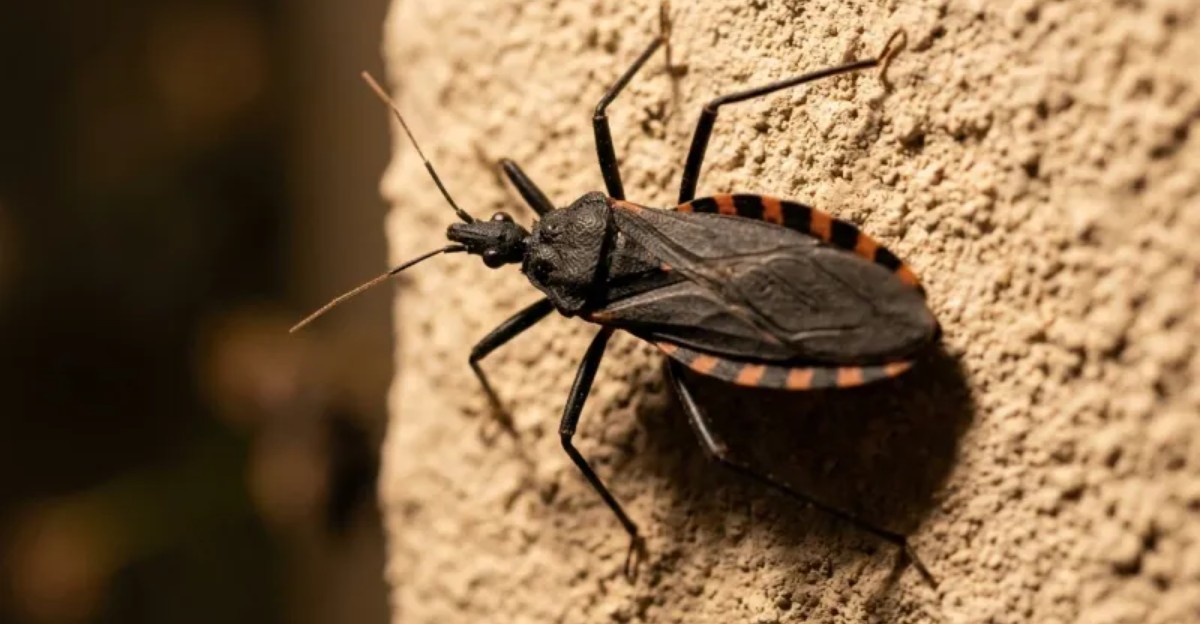
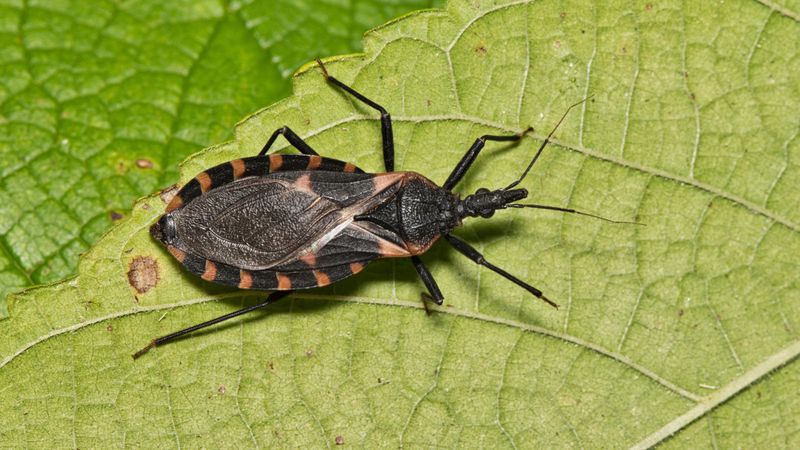
Spotting one takes a sharp eye. Adults are dark brown to black and can reach about one inch long, sometimes a bit more.
Look along the flat edges of the abdomen for a band of orange or reddish marks. The head is long and cone shaped, which explains the conenose name.
A thin, straight beak folds under the head when the bug is resting. That beak is the tool it uses to feed on blood from mammals.
I’ll say this much for the kissing bug. It is not aggressive, and it would much rather feed on raccoons, opossums, or woodrats in their dens than on you.
Still, knowing what one looks like helps you stay calm and act smart when one turns up near your door.
Chagas Risk From Kissing Bugs In Indiana Is Very Low
Let me cut straight to the scary part, because it deserves a clear answer. Kissing bugs can carry Trypanosoma cruzi, the parasite that causes Chagas disease.
The parasite does not spread through the bite itself. It travels in the bug’s droppings, which can get rubbed into the bite wound, eyes, or mouth after the bug feeds.
Here in Indiana, health officials describe the risk as extremely low. The state has no reported locally acquired human cases, according to state and local health reporting.
Most Chagas cases found in the United States involve people infected in parts of Mexico, Central America, or South America. Local spread inside the country is rare and mostly documented in southern states like Texas.
Our native bugs also tend to defecate later, after leaving their host, which lowers the chance of the parasite reaching a person.
None of this means you should pick one up with bare hands. It simply means a kissing bug sighting is a reason for care, not panic.
If you ever feel unwell after a suspected bite, especially with swelling near the eye, talk with your doctor. Mention the bug so they have the full picture.
Woodpiles And Brush Heaps Are Favorite Kissing Bug Hideouts

Gardeners, this one hits close to home. The same cozy spots we leave for wildlife are prime real estate for kissing bugs.
Outdoors, these insects live near their favorite blood hosts. Think raccoon dens, opossum hideouts, woodrat nests, hollow logs, and rock piles.
Firewood stacked against the house is a classic trouble spot. So are brush heaps, loose stone walls, and thick leaf piles pushed up against the foundation.
Southern Indiana has plenty of woods, bluffs, and rural edges, so homes near forest or farmland may see more of these bugs than city lots up north.
Not going to lie, I love a messy corner for pollinators and birds. You don’t have to give that up.
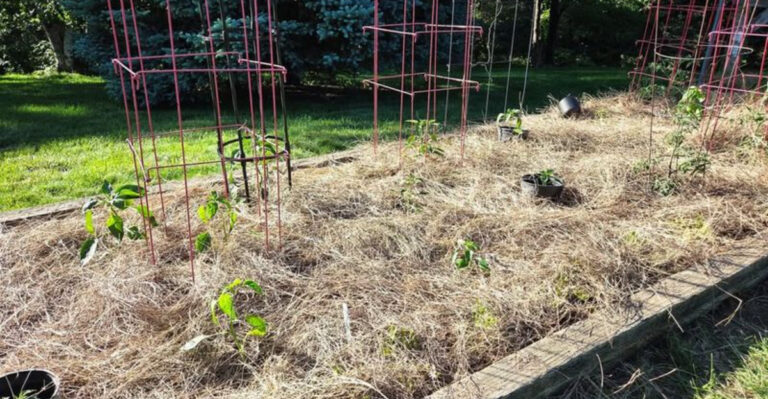
Simply move the messy habitat away from your walls. A good rule is to keep firewood at least 20 feet from the house and raised off the ground.
Clear brush and rock piles from right beside the foundation. Trim shrubs so air and light reach the base of the siding.
Also check for animals nesting in sheds, crawl spaces, or attics. Removing those nests takes away the meal ticket that keeps kissing bugs nearby.
Bright Porch Lights Pull Night-Flying Kissing Bugs Toward Your Door
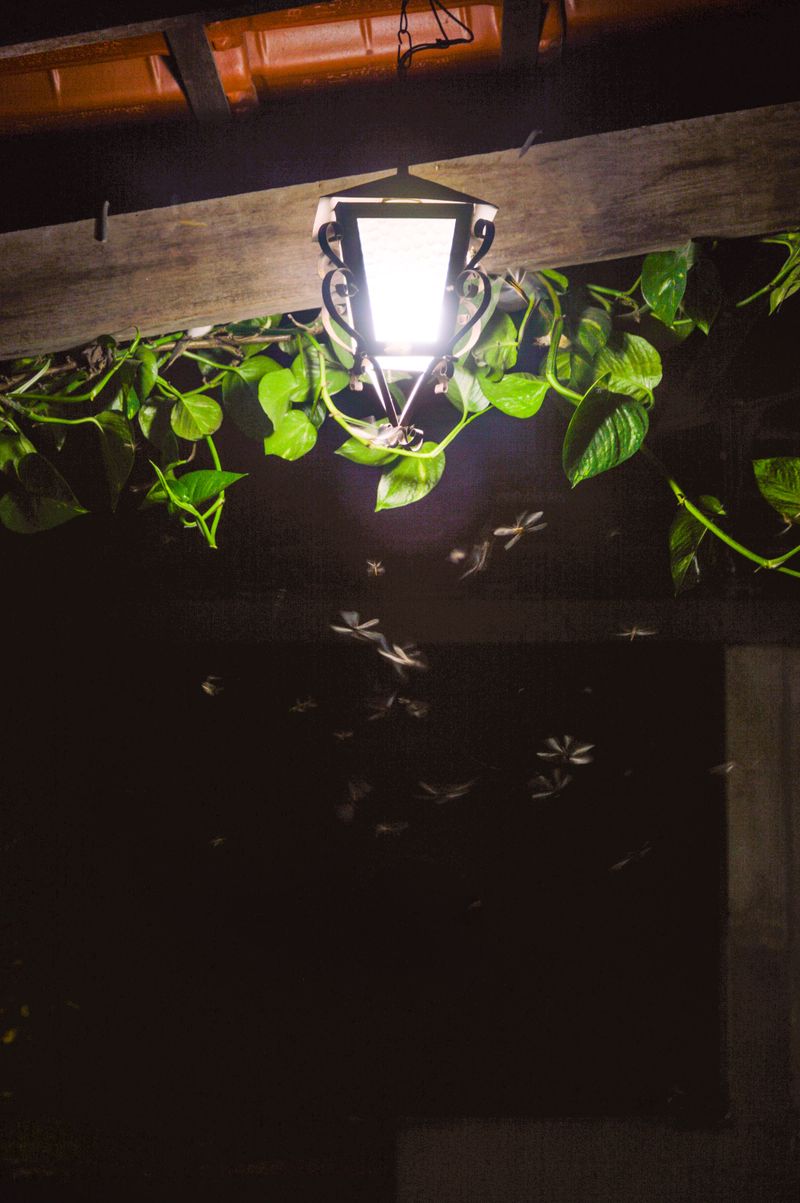
Ever notice the bug party around your porch bulb on a warm evening? Kissing bugs can join that crowd.
Adults fly at night, and they are drawn to lights. A bright fixture next to your door can steer them right up to the gaps around your entryway.
Purdue and University of Kentucky entomologists both point to outdoor lighting as a common reason these bugs end up indoors.
Fall adds another twist. As nights cool, many insects hunt for warm shelter, and a lit, heated house sends out a strong signal.
A few easy tweaks can help a lot. Switch porch fixtures to yellow bug lights or warm LED bulbs, which attract fewer insects than bright white ones.
Turn lights off when you don’t need them. Motion sensor fixtures are handy because they shine only when someone walks by.
If you can, mount lights away from the door and shine them toward it. That way bugs gather at the fixture, not at the threshold.
Close blinds at night too, so indoor lamps don’t glow out like a beacon. I’m a sucker for a cozy lit window, but bugs love it as much as I do.
Caulk And Tight Window Screens Keep Kissing Bugs Outside
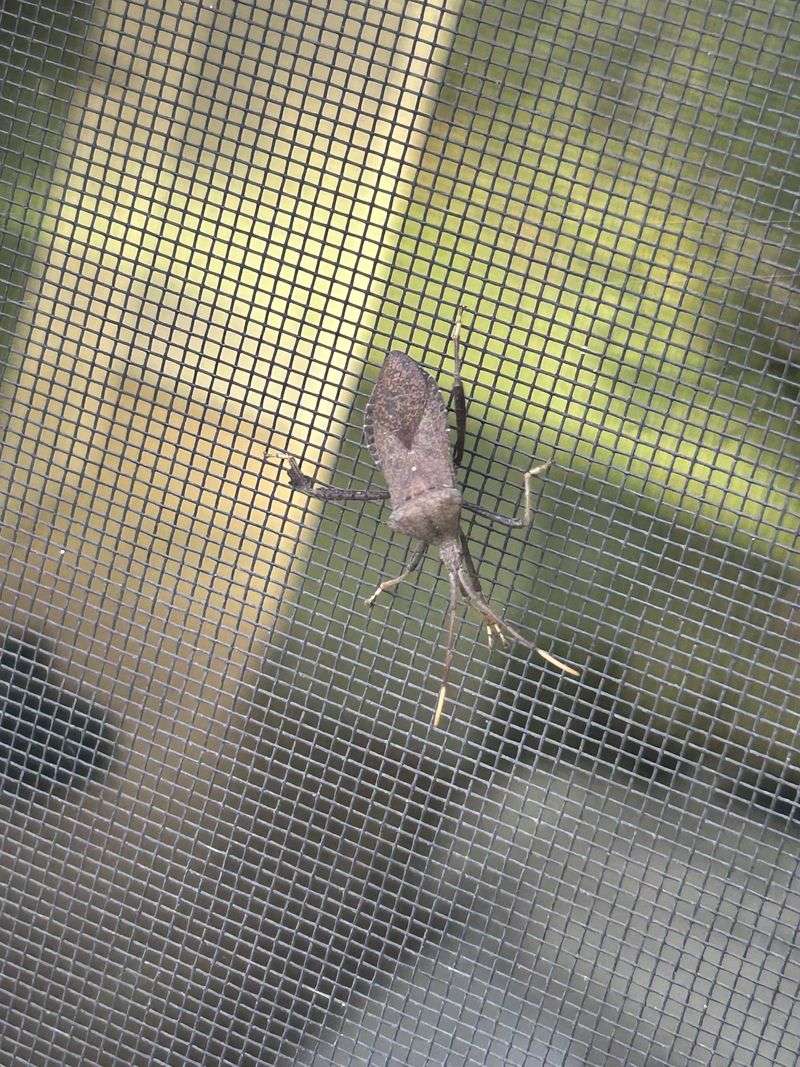
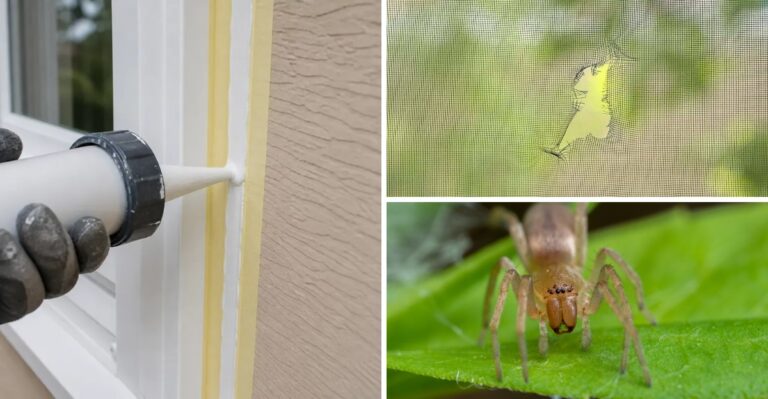
Trust me on this one, a tube of caulk is the best bug tool you can buy. Sealing gaps is the main prevention step recommended by the CDC and extension experts.
Walk around your house on a sunny afternoon. Look for cracks in the foundation, gaps around windows and doors, and spaces where pipes, wires, and vents enter.
Fill small cracks with silicone or acrylic caulk. Use expanding foam or copper mesh for larger holes around utility lines.
Check every window screen and door screen for tears. Replace or patch them, since a small rip is an open door for night fliers.
Add door sweeps to exterior doors so there is no gap at the bottom. Inspect weatherstripping and replace any that is cracked or flat.
Don’t forget the attic and roof edges. Cover vents with fine screening and seal gaps under siding and soffits.
Early fall is the ideal time to do this in Southern Indiana. Mild afternoons let caulk cure well before hard frost arrives.
Bonus perk, sealed gaps also keep out stink bugs, lady beetles, spiders, and mice. Your heating bill gets a break too.
Pet Beds And Dog Houses Deserve A Close Look For Bloodsuckers
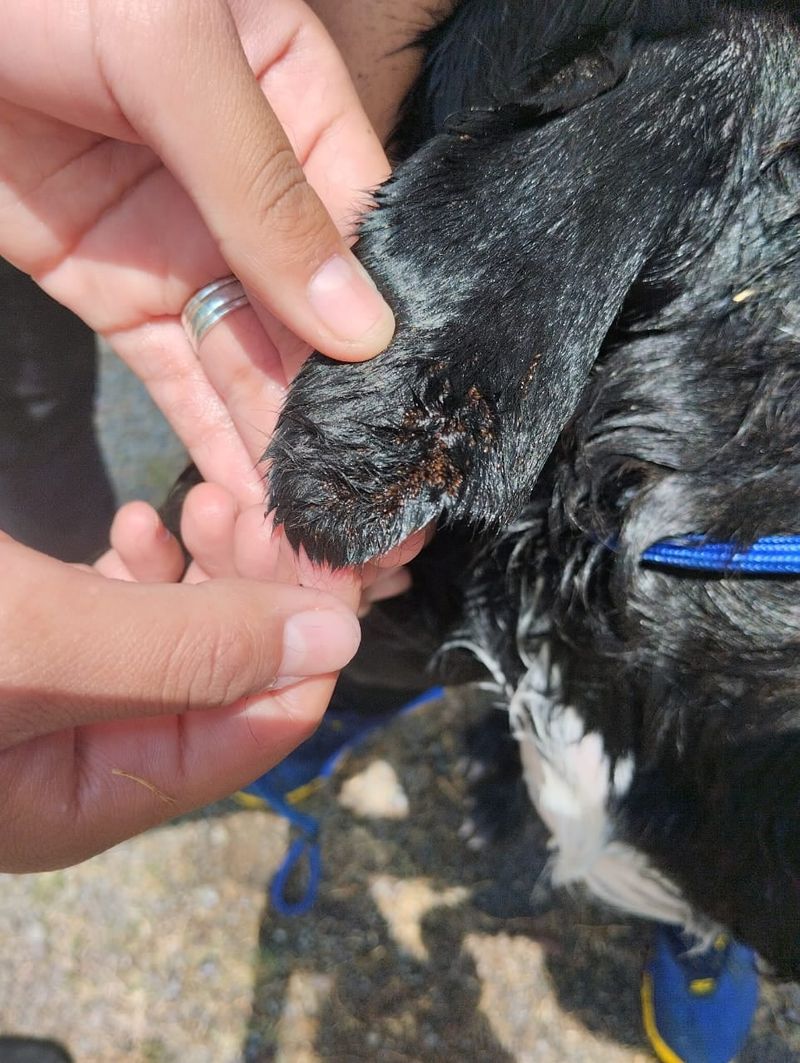
Your dog may be the household member kissing bugs find most appealing. Pets sleep low, often outside, and give off warmth these bugs can track.
Dogs can get Chagas disease, though cases in Indiana are rare. Dogs sometimes become infected by eating a bug, not just from bites.
Outdoor kennels and dog houses are worth checking in fall. Look inside corners, under bedding, and beneath the floor where bugs could hide during the day.
If possible, bring pets indoors at night, especially in wooded areas. A warm spot inside beats a drafty dog house anyway.
Wash pet bedding often in hot water. Shake out blankets outdoors and inspect cracks in crates.
Keep pet food indoors too. Spilled kibble draws raccoons and opossums, and those animals bring kissing bugs closer.
Watch your dog for odd signs like tiredness, swelling, or loss of appetite. Those can have many causes, so let your vet sort it out.
I’ll admit, I used to ignore the dog house until spring cleaning. Now it gets a quick peek every few weeks once leaves start falling.
Wheel Bugs And Squash Bugs Often Get Mistaken For Kissing Bugs
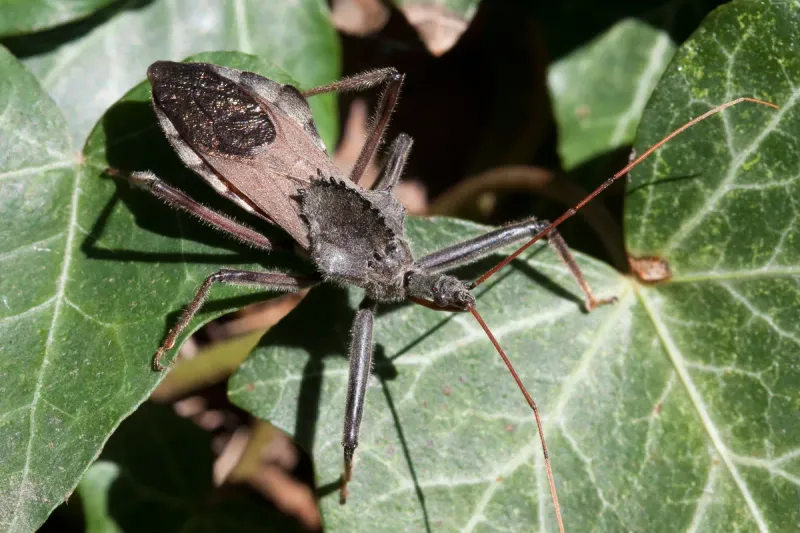
Here’s a confession. The first kissing bug I reported to a friend turned out to be a wheel bug.
Plenty of harmless or helpful insects look similar. Plenty of harmless or helpful insects get mistaken for kissing bugs.
Wheel bugs are gray and have a raised crest on the back shaped like half a gear. They eat garden pests, though they can give a painful bite if handled.
Squash bugs are brownish gray and flat, and they gather on pumpkins and squash. Brown marmorated stink bugs have a shield shape and white bands on their antennae.
Leaf-footed bugs have flattened, leafy flares on their back legs. Western conifer seed bugs also wander indoors in fall and have similar leaf-like legs.
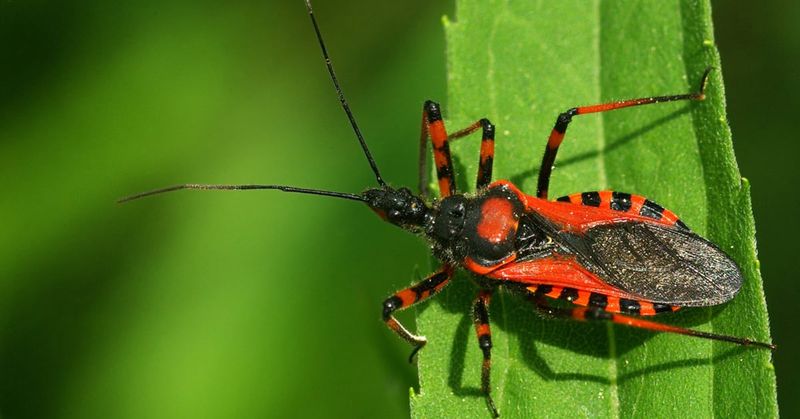
True kissing bugs show orange or red marks along the body edge and a narrow cone-shaped head. They do not have the wheel bug’s crest.
When in doubt, snap a clear photo with a coin or ruler for size. Send it to your local Purdue Extension office for identification.
That small step saves a lot of worry and helps scientists track where real kissing bugs show up.
Found A Kissing Bug Indoors? Grab A Jar Instead Of A Shoe
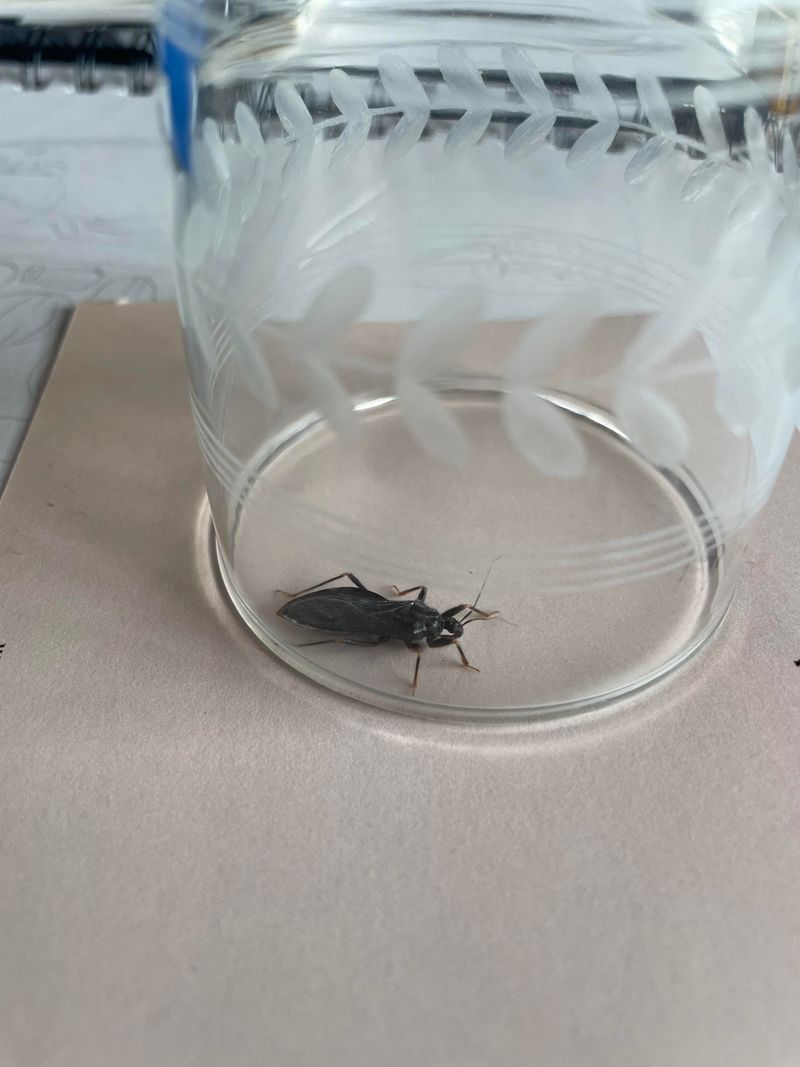
Squashing it feels natural, but please resist. Crushing a kissing bug can spread its droppings, which is how the parasite moves.
The CDC suggests a calm, simple approach. Place a container over the bug, slide a piece of paper underneath, and close the lid.
Wear gloves or use a plastic bag over your hand if you must touch anything. Then fill the container with rubbing alcohol or place it in the freezer.
Once preserved, take the bug to Purdue Extension or your county health department for identification. Some labs can test bugs for the parasite.
Clean any surface the bug touched with a mix of bleach and water. Wash your hands well afterward.
Check nearby spots for more bugs, like under beds, behind furniture, and in pet sleeping areas. One stray bug is common, but several may point to a nest nearby.
If many turn up, call a licensed pest professional to find the source. Sprays alone rarely fix the problem without sealing and habitat cleanup.
My takeaway after years of fall yard work is simple. Know the bug, seal the house, move the woodpile, and save the jar for the rare visitor.