Hollow Perennial Stems Left Standing In Indiana Gardens This Fall Shelter Native Bees Through Winter
October in Indiana smells like crunchy leaves, damp soil, and the faint sweetness of ripe apples. Gardeners feel a sudden itch to grab the shears and make every flower bed look neat again.
Before you snip, picture a tiny guest curled up inside something you were about to toss away. That guest did not pay rent, but it spent the warmer months pollinating flowers all around your yard.
Plenty of helpful creatures in Indiana spend the cold season tucked away in places we rarely notice. They need no heater, no blanket, and no fancy shelter from the hardware store down the road.
They mostly need us to slow down, sip some hot cocoa, and resist the urge to tidy everything. A little patience now can mean a louder, busier, buzzier garden when the snow finally melts away.
Spent Stems Become Snug Winter Bee Nurseries
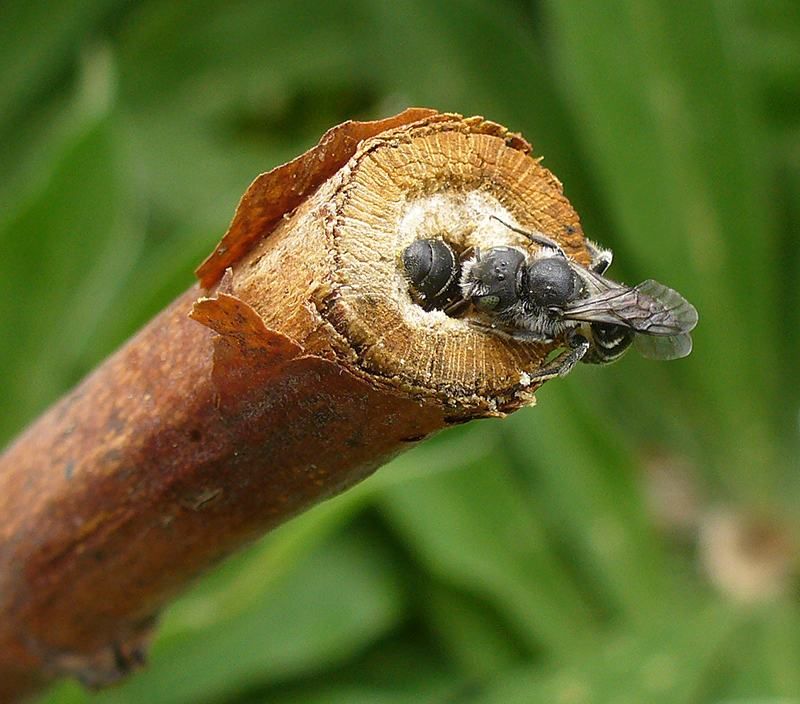
Picture a single bee egg resting inside a dry stem, sealed behind a tiny wall of mud or plant material. That is the quiet scene playing out in many Indiana gardens as the weather turns crisp.
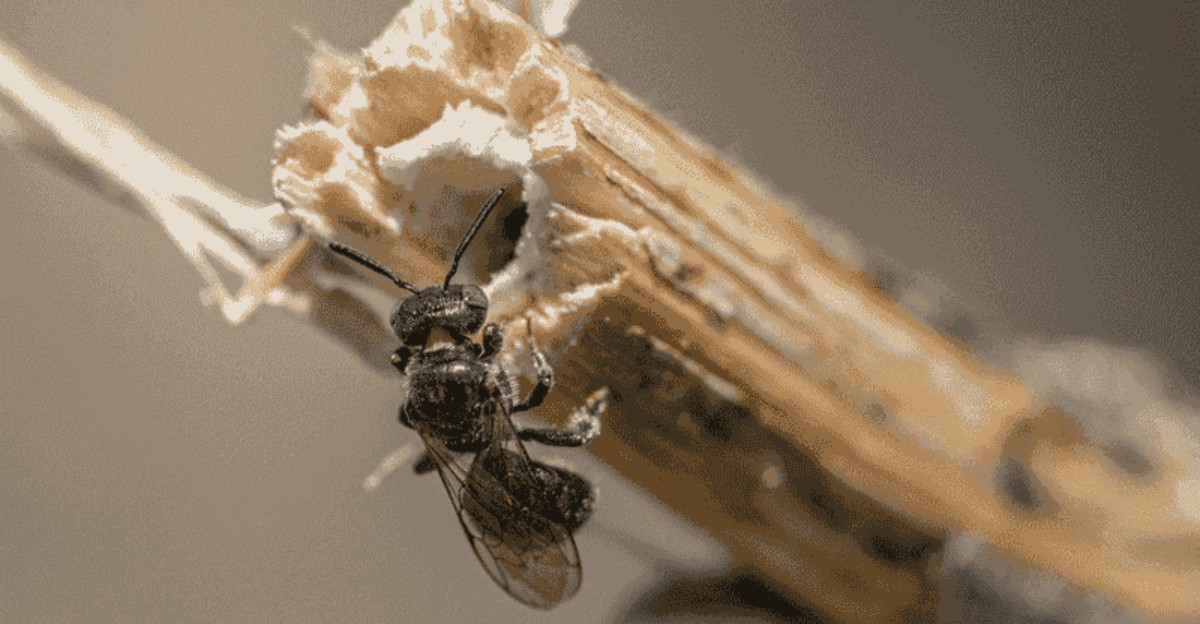
Many native bees, like small carpenter bees and some mason bees, raise their young inside hollow or pithy stems. Unlike honeybees, they do not live in big hives, so each mother builds her own private nursery.
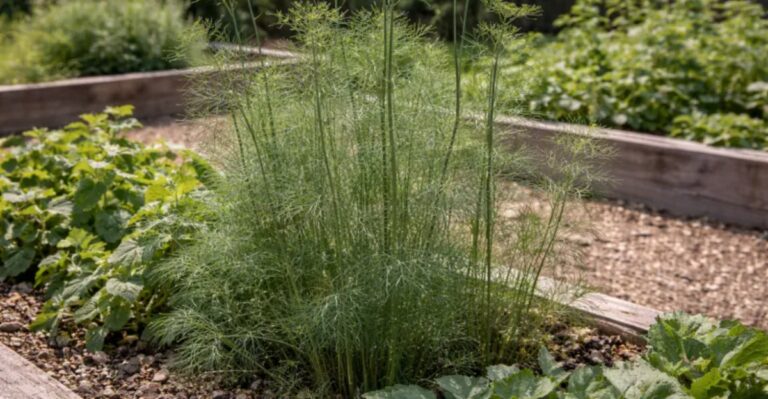
When you leave stalks standing through fall, you give these mothers ready-made homes with sturdy walls. Plants such as bee balm, joe-pye weed, coneflower, and cup plant have stems that suit many nesting bees.
Inside, the young bee spends winter as a resting larva or a nearly grown adult waiting for warmth. The stem blocks wind and gives the young bee a small, protected space through the cold months.
Some stems also shelter overwintering mothers, which tuck themselves inside to wait out the coldest weeks of January. Small carpenter bees are known for this habit, and adults often spend winter inside the stem where they grew up.
Fun fact for curious gardeners is that a single stem can hold several cells stacked like a tiny apartment building. Each cell gets its own pollen loaf, which feeds the growing baby until it finally chews its way out.
So that messy patch by the mailbox is doing serious work, even if it looks a bit scruffy. Leaving it alone this October is one of the easiest ways to help pollinators without spending a dime.
Stem Shapes Native Bees Prefer Most
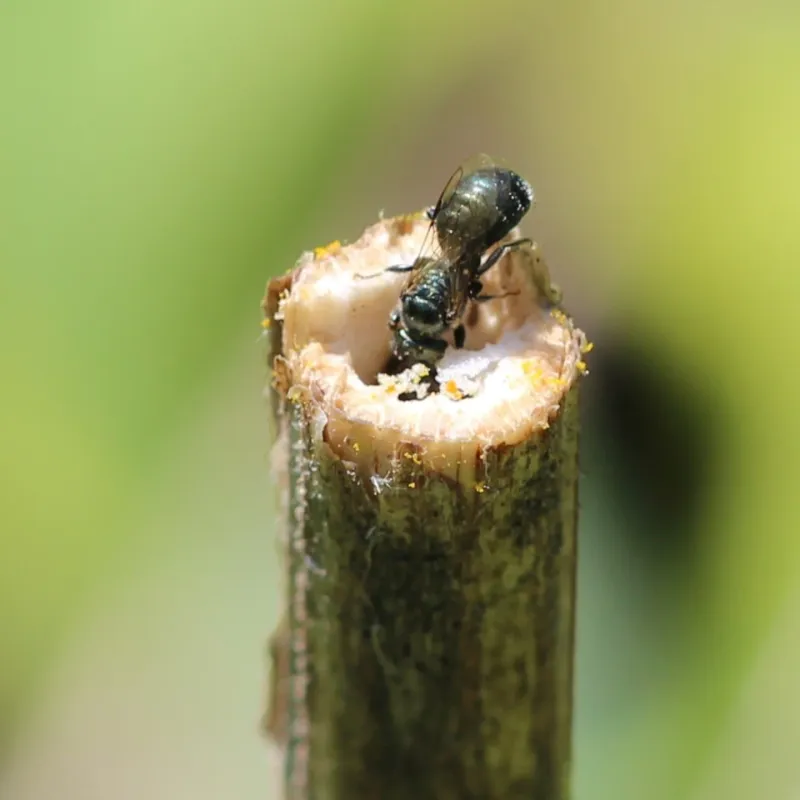
Pith is the soft, spongy center inside many stalks, and some bees dig their own tunnels through it. Other bees skip the digging and simply move into stems that are already hollow, like a renter choosing furnished apartments.
Both groups matter, so a mix of plant types gives your garden the widest welcome mat possible. Stems roughly the width of a pencil or a little thinner tend to attract the most interest.
Tiny bees choose narrow tubes, while larger bees such as mason bees look for slightly wider openings. In Indiana, solid choices include wild bergamot, cup plant, ironweed, blackberry canes, and native sunflowers along sunny edges.
Your Indiana Garden Changes Every Week. Your Plan Should Too.
Gardening in Indiana changes quickly throughout the season. Every Friday you’ll receive a simple weekly plan showing exactly what to plant, prune, fertilize, harvest, and protect so you never miss the right timing.
Elderberry and sumac also work well, since their soft centers are easy for small jaws to chew. Height matters too, because bees often prefer stems standing upright in sunny spots rather than flopping on soggy ground.
A stem lying in wet mud can grow mold, which spoils the pollen stored inside each little cell. Native grasses such as big bluestem are less reliable nesting sites, but a standing clump still adds texture to winter beds.
Think of your garden as a neighborhood with houses of many sizes, each waiting for the right family. The more variety you offer, the more kinds of native bees will likely move in next season.
Early October Timing For Indiana Gardeners
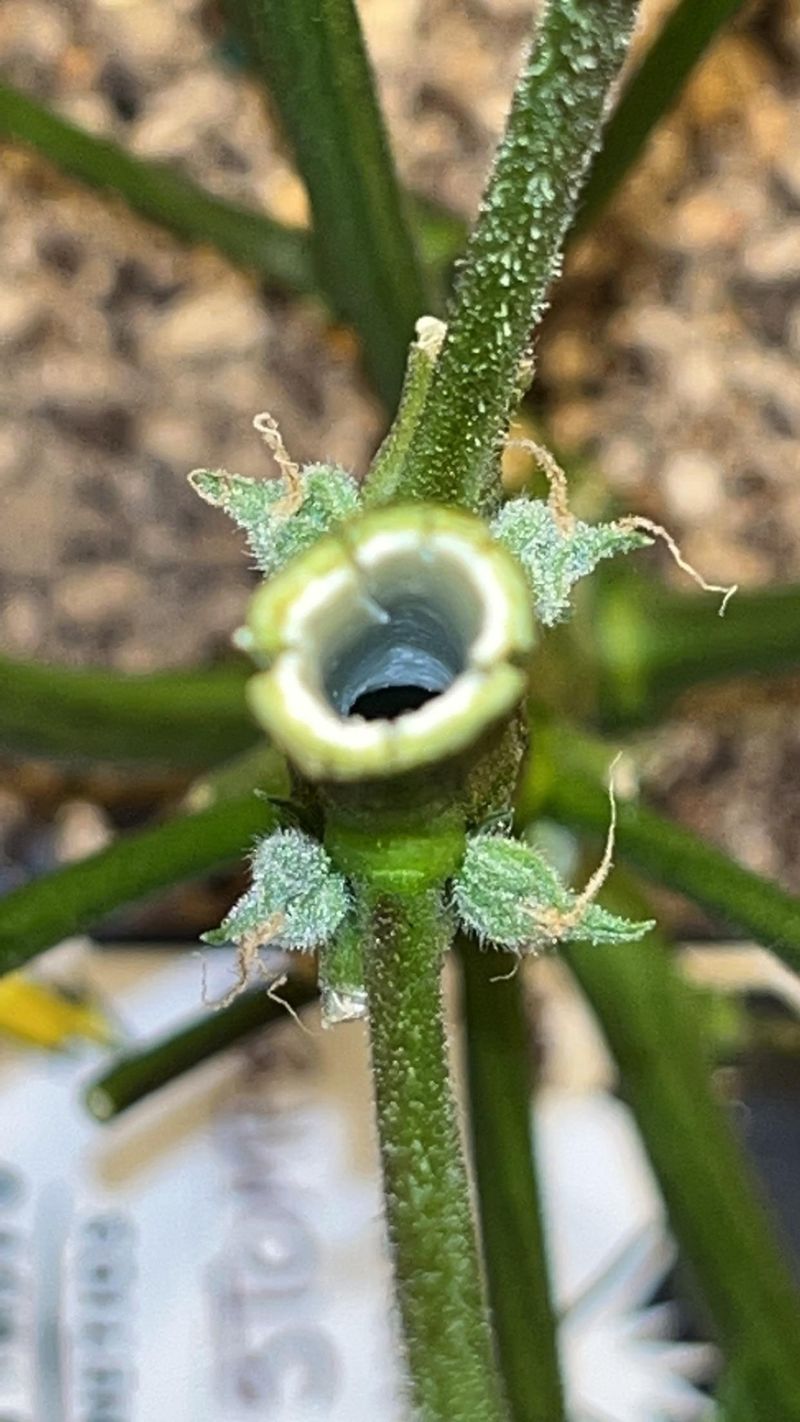
Early October feels like the perfect moment to tidy up, with cool mornings and soft golden light everywhere. Yet for native bees, this is the exact season when their stem homes matter most, so patience pays.
By now, most mother bees in Indiana have finished laying eggs and sealed their stem nurseries for winter. Cutting stems this month can toss those future pollinators onto the compost pile or into the trash bin.
A better plan is to let perennials stand tall through fall and the long, gray stretch of winter. The young bees inside will stay cozy and develop slowly while frost sparkles on the outside of their homes.
Experts often suggest waiting until daytime temperatures stay above fifty degrees for about a week next spring. In much of Indiana, that usually happens somewhere between mid-April and early May, depending on your area.
Even then, the bees sealed inside this fall may not emerge until late spring or early summer next year. That is why many gardeners leave old stems in place for a full year before removing them for good.
If some plants truly need attention this fall, focus on ones showing disease, such as mildewed phlox or spotted peonies. Removing those sick leaves helps reduce problems next year without disturbing the healthy hollow stalks bees prefer.
Mark your calendar now with a gentle reminder to check soil temperatures before grabbing the pruners next spring. A sticky note on the garage door works wonders when spring fever hits and the shears start calling.
The Costly Habit Of Ground-Level Fall Cutting
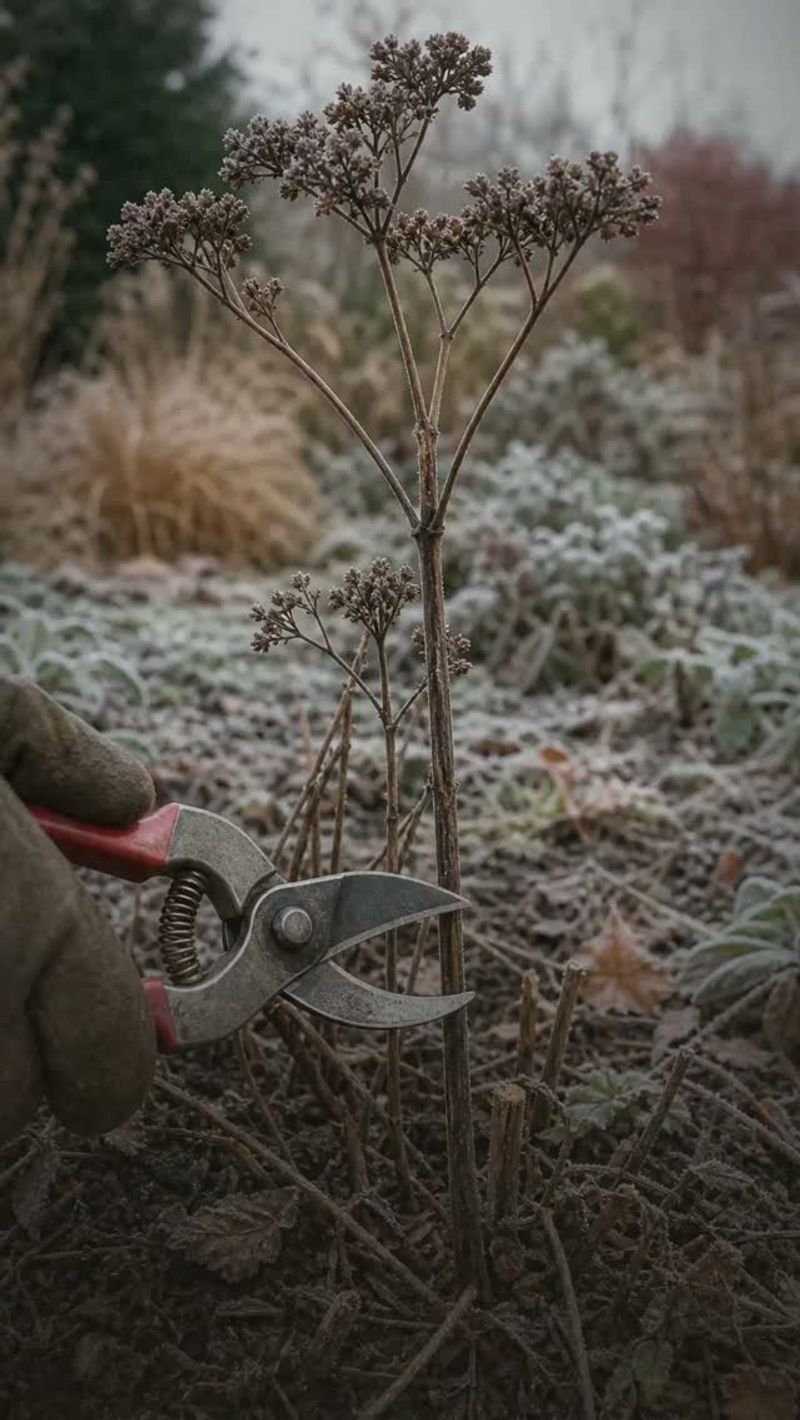
Grandma might have taught you that a proper garden gets buzzed down to the ground every single autumn. It was a well-meaning tradition, but it removes the stems that native bees rely on.
Cutting every stem flush with the soil takes away the very tubes bees picked out for their babies. Those stems often end up bagged at the curb, taking the bees inside along with them.
Another common slip is chopping stems up and tossing them into a hot compost pile right away. The heat and moisture inside a busy pile can spoil the larvae long before they reach adulthood.
Clearing brush piles in fall is common in rural Indiana, but it can disturb bees sleeping inside the stems. If you clear a messy bed, set those stalks aside in a quiet corner instead of hauling them away.
Leaf blowers and string trimmers can also shred stems that seem empty but hold hidden tenants inside. A quick tap on a stalk will not tell you who lives there, so caution is the safest choice.
Some folks also worry that standing stems will invite pests, but healthy stalks rarely cause trouble. They often attract helpful insects that eat garden pests come spring.
Breaking an old habit takes time, so start small by leaving just one bed untouched this October. Once you spot a sealed stem tip in spring, you may feel proud of that shaggy little patch.
A Smarter Fix With Staggered Stem Heights
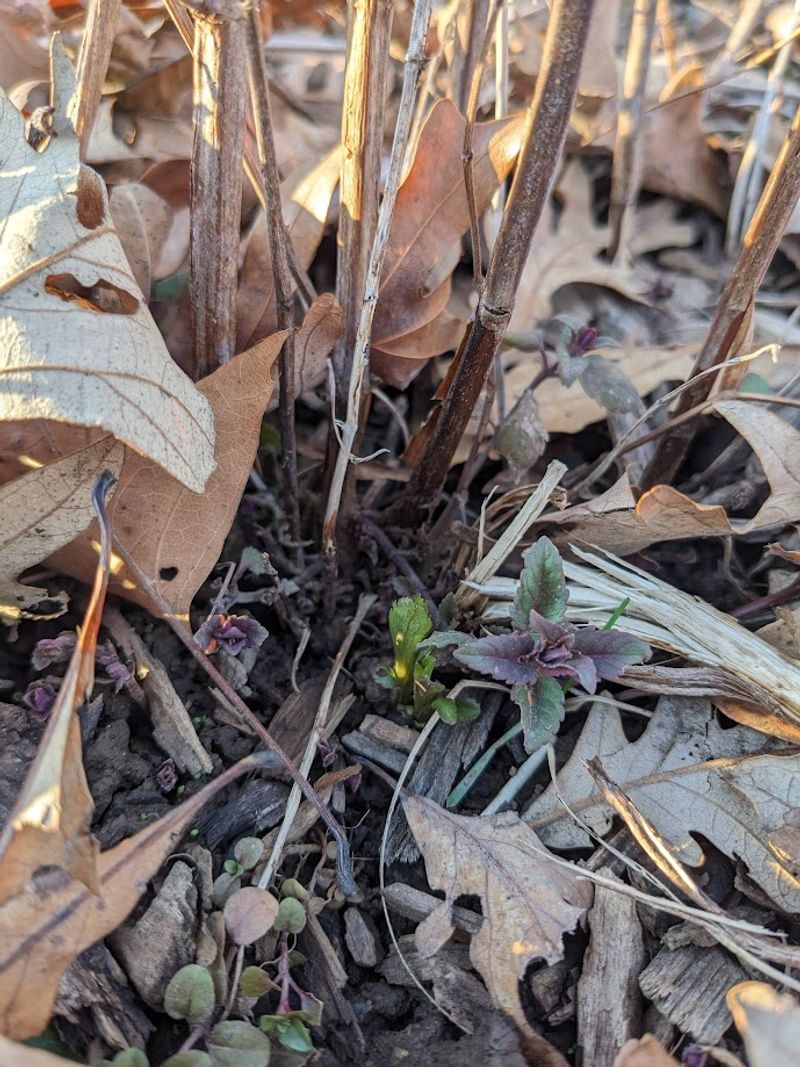
Grab your pruners, but hold the urge to go all the way down, because height is the secret here. Bee experts often recommend leaving stems standing between eight and twenty-four inches tall when you do cut them back.
This fall, you can keep the stalks whole, then make those cuts in spring once the weather warms up. Each clean cut opens fresh tubes that new mother bees can claim for next year’s nests.
Fresh growth will quickly rise around the stubs and hide them, so the bed still looks tidy by June. Most visitors will notice blooms and butterflies long before they spot the short brown stalks tucked below.
For gardeners who crave a cleaner look right now, a gentle trim to knee height can work nicely. Snip just above a leaf node and leave the remaining stem standing upright.
Any stalks you remove can be bundled with twine and tucked upright against a fence or shed. Those bundles act like a homemade bee hotel, and they look rather charming next to a pumpkin display.
Keep bundles off the wet ground, and place them where morning sun can warm them on chilly days. Leave them in place for at least a full year so late sleepers have time to wake up.
Little tweaks like these let you keep a neat yard while still giving pollinators a safe winter address. Your homeowners association may even ask where you found such tasteful, rustic garden decor this season.
Spring Rewards From A Patient Fall Garden
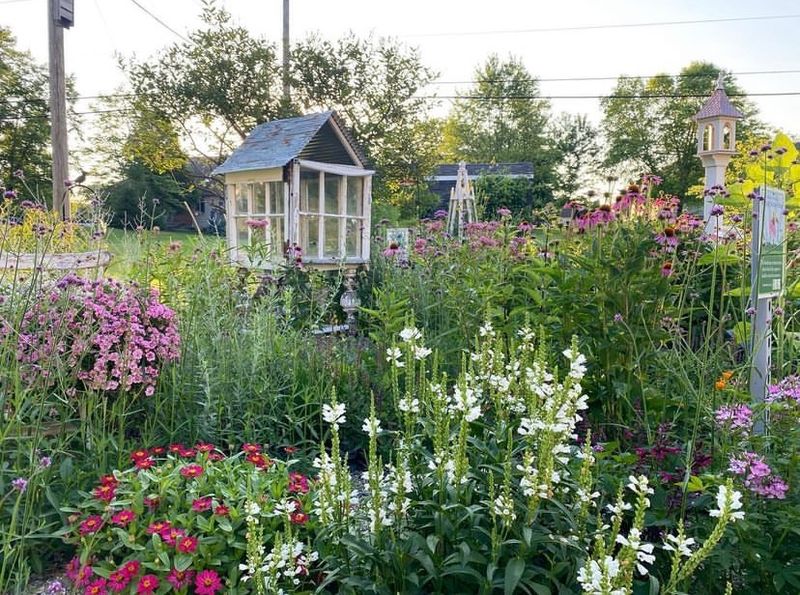
Few garden moments beat watching a tiny bee chew its way out of a stalk on a warm May morning. It feels a bit like opening a birthday present that you wrapped and forgot about last October.
Those emerging bees get right to work, visiting early blooms like wild geranium, redbud, and golden Alexanders. Native bees are often better pollinators than honeybees for crops like squash, blueberries, and early fruit trees.
Gardeners who leave stems standing year after year often notice more bees and more birds. Chickadees and juncos also enjoy picking seeds from coneflower heads during short gray Indiana winter afternoons.
To keep the cycle going, plan for a few new native perennials each fall while the soil stays warm. Early October planting gives roots several weeks to settle in before the ground freezes solid in December.
Skip pesticides around these beds, since even mild sprays can harm sleeping larvae and the adults that follow. A small sign reading pollinator habitat can also help neighbors understand why your yard looks a little wild.
Some local groups and extension offices across Indiana offer garden certifications for yards that support native wildlife. Earning one can turn your shaggy fall beds into a neighborhood talking point instead of a source of complaints.
Over time, your garden becomes a quiet bee nursery that runs on patience rather than hard work. Every stem you leave standing this fall is a small promise of buzzing blossoms when the cold finally fades.