9 Plants That Keep Critters Out Of Your Indiana Garden
You put in the work. Seeds, soil, water, patience.
Then one morning you step outside and your tomatoes look like something took a single dramatic bite out of each one and walked away satisfied. Classic Indiana wildlife.
Deer, rabbits, raccoons, moles, and voles have absolutely no respect for your effort, and they will be back tomorrow if you let them. The frustrating part is that most people reach for expensive solutions when the answer was already growing in a garden somewhere nearby.
Certain plants are strong enough to send these animals looking elsewhere for their next meal. It is not folklore.
It is just how their noses work, and honestly, it works against them beautifully. Here are nine plants that pull double duty in any Indiana garden, looking good while quietly keeping the critters out.
1. Allium
If you have ever cut an onion and immediately regretted it, you already understand why deer and voles want nothing to do with allium.
The sulfur compounds responsible for that sharp, eye-watering smell are present in every part of the plant, from bulb to bloom.
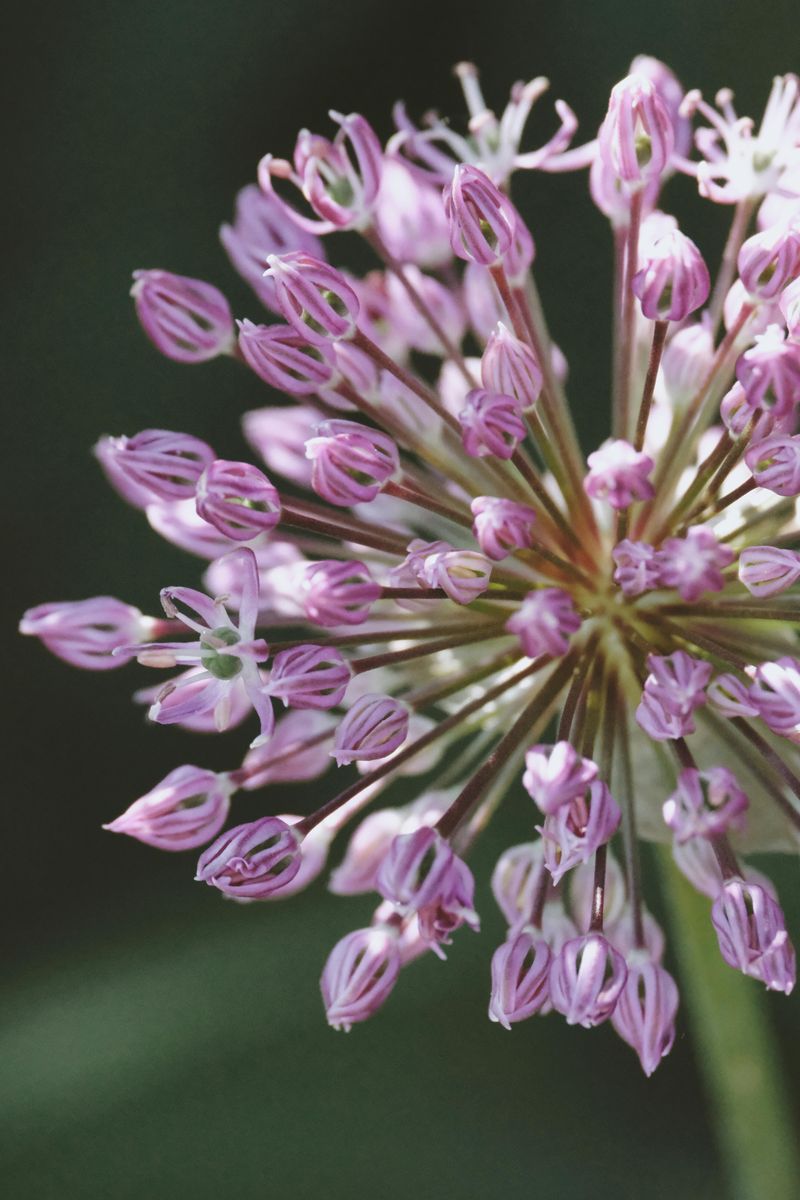
Allium is the ornamental cousin of onions, garlic, and chives.
It grows from bulbs and produces spectacular globe-shaped flowers in purple, white, or pink. The flowers sit tall on straight stems and look architectural in any garden bed.
They are also deeply offensive to most garden pests. Deer avoid allium consistently. The smell alone is enough to redirect them.
Voles and moles, which tunnel underground and damage root systems, tend to avoid areas where allium bulbs are planted.
The sulfur compounds leach into surrounding soil and create a zone those animals simply do not want to enter.
In Indiana, plant allium bulbs in fall for spring blooms.
They need well-drained soil and full to partial sun. Once established, they require almost no attention.
They naturalize over time, meaning the clumps get larger and more protective each year.
Interplanting allium throughout your beds is one of the smartest moves an Indiana gardener can make.
The protection is underground and above ground simultaneously. Few plants defend a garden on that many levels at once.
2. Marigold
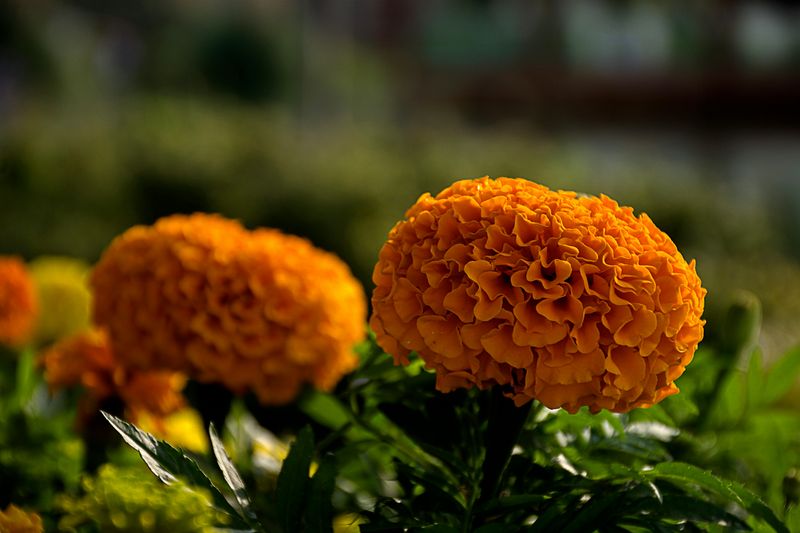
Marigolds are the most underestimated plant in any garden center.
They sit there in their plastic trays looking cheerful and ordinary, and most people walk right past them.
That is a mistake. The smell of marigolds is produced by thiophenes, sulfur-based compounds concentrated in the leaves and stems.
To humans, it is a slightly sharp, herby scent. Rabbits in particular find it worth avoiding, and deer tend to pass it by in favor of less aromatic options.
Their noses are sensitive enough to detect it from a distance, which means the protection starts before they even reach your plants.
Marigolds also deter nematodes in the soil, repel aphids, and attract beneficial insects that prey on common garden pests.
This makes them one of the most productive companion plants available to Indiana gardeners.
French marigolds, the smaller and more compact variety, tend to produce the strongest scent and work best as a repellent border.
Your Indiana Garden Changes Every Week. Your Plan Should Too.
Gardening in Indiana changes quickly throughout the season. Every Friday you’ll receive a simple weekly plan showing exactly what to plant, prune, fertilize, harvest, and protect so you never miss the right timing.
African marigolds grow taller and make a more dramatic visual statement while still providing solid deterrence.
In Indiana, marigolds thrive in full sun and are not particular about soil quality.
They bloom from late spring through first frost, giving you months of continuous protection.
Deadhead spent flowers regularly to encourage more blooms and keep the scent production strong.
Plant them as a border around vegetable beds, around the base of fruit trees, or anywhere rabbits and deer have caused problems before.
Cheerful, cheap, and genuinely effective. Marigolds deserve far more respect than they get.
3. Lavander
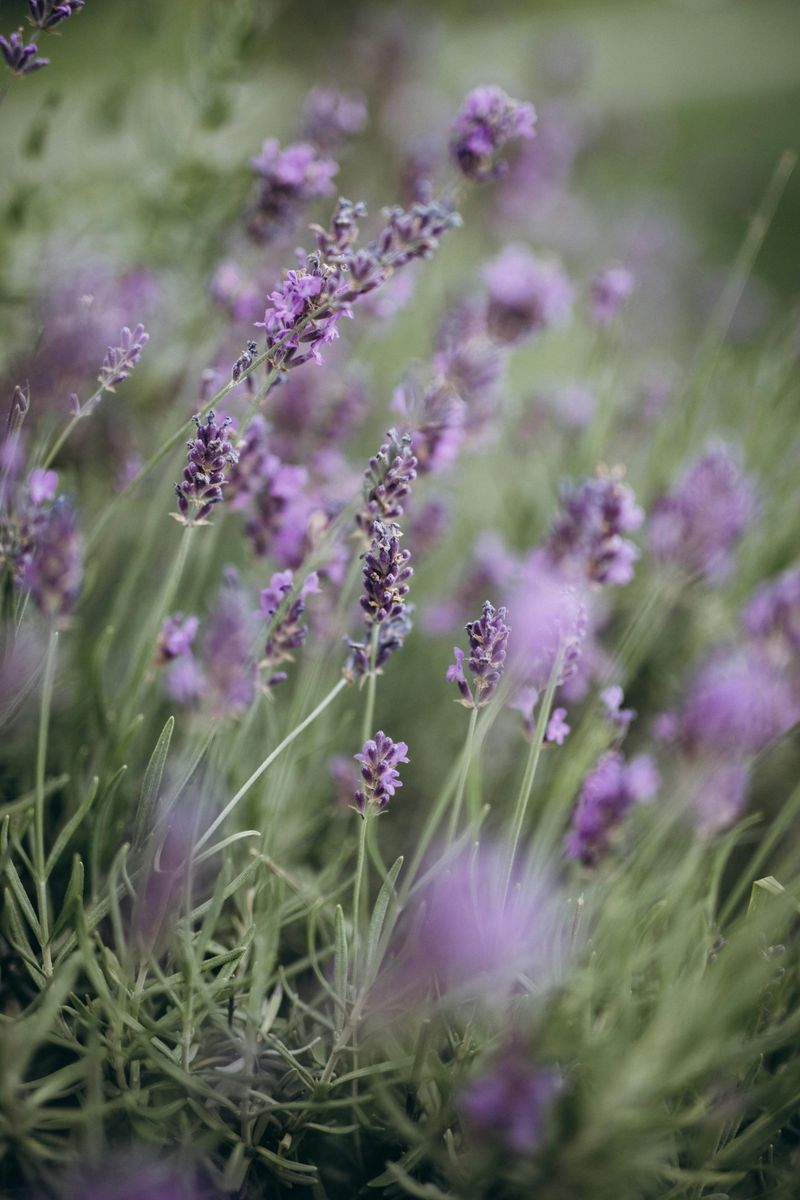
You probably already love lavender.
The soft purple blooms, the calming scent, the way it makes a garden look like something out of a Provence postcard.
Here is the part that makes it even better: deer and rabbits cannot stand it. Lavender belongs to the Lamiaceae family, the same botanical family as mint.
Its essential oils are intensely concentrated. The same compound that makes it smell wonderful to humans, linalool, is overwhelming to animals with sensitive noses.
Deer rely heavily on scent to assess safety before eating. When lavender is nearby, they get confused and uncomfortable. They move on.
Rabbits react similarly. Their noses work constantly, scanning for threats and food sources.
Lavender disrupts that process entirely. It does not smell like food, and it does not smell safe.
That combination is enough to send them elsewhere. In Indiana, lavender grows best in full sun and well-drained soil.
It is drought-tolerant once established, which makes it low-maintenance through hot Midwest summers.
Plant it along garden borders or near vegetable beds for maximum protection.
It also attracts pollinators, meaning you get pest deterrence and better yields at the same time.
Trim it back after blooming to keep it full and productive. Lavender does not just protect your garden.
It genuinely improves it in every direction you look.
4. Catmint
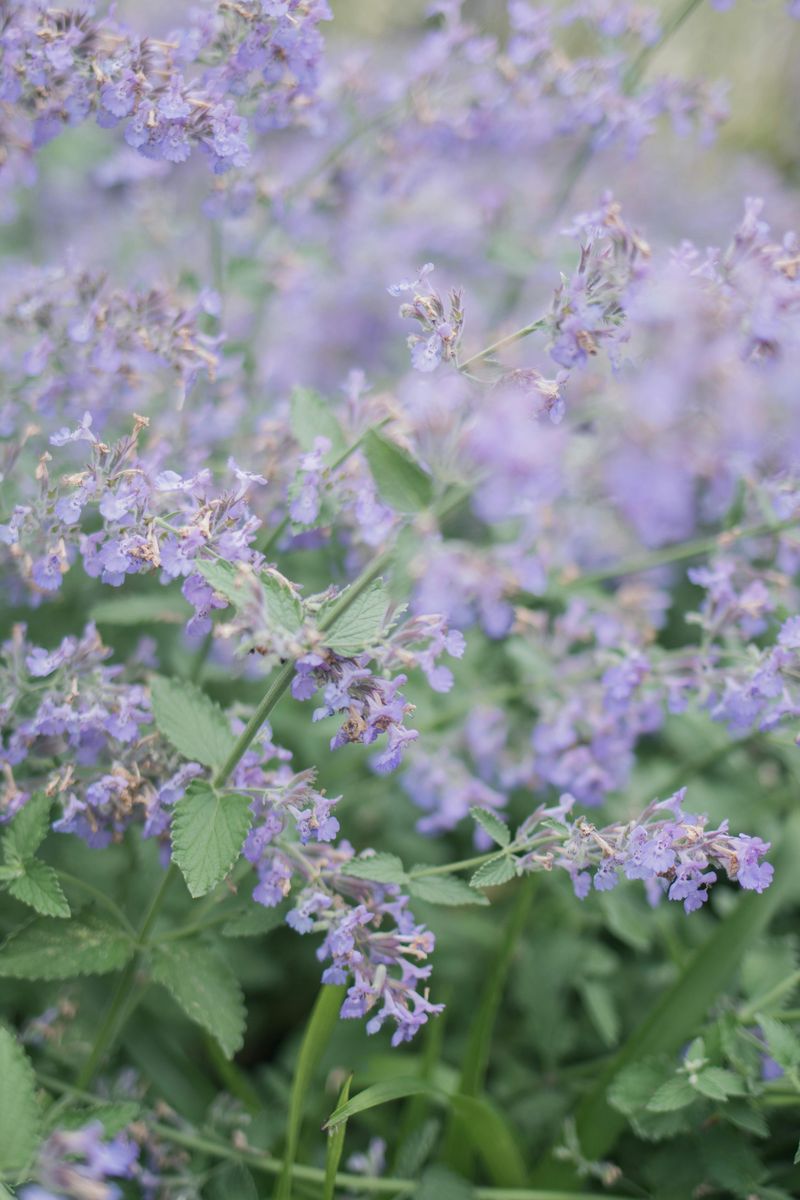
Catmint gets attention mostly because cats love it.
What gets less attention is the fact that deer and rabbits want absolutely nothing to do with it.
The plant produces nepetalactone, the same compound found in catnip. While this chemical is irresistible to cats, it has the opposite effect on deer and rabbits.
The smell is sharp, herby, and intense in a way that signals inedible to most browsing animals.
Deer in particular tend to skip right over it, even when surrounding plants are being eaten. Catmint is also one of the most visually rewarding plants you can grow in an Indiana garden.
It produces soft lavender-blue flower spikes from late spring through summer, and if you cut it back after the first flush of blooms, it will flower again in late summer.
The overall effect is a low, billowing mound of color that softens garden edges beautifully.
It grows in full sun to partial shade, tolerates dry conditions once established, and spreads gradually to fill space without becoming invasive.
In Indiana’s variable climate, that kind of resilience matters.
Use catmint as a border plant along beds you want to protect, or plant it in gaps between more vulnerable perennials.
It knits together quickly and creates a continuous scent barrier at ground level. Deer-resistant, drought-tolerant, and genuinely beautiful.
Catmint is the kind of plant that makes gardening feel a little easier.
5. Peppermint
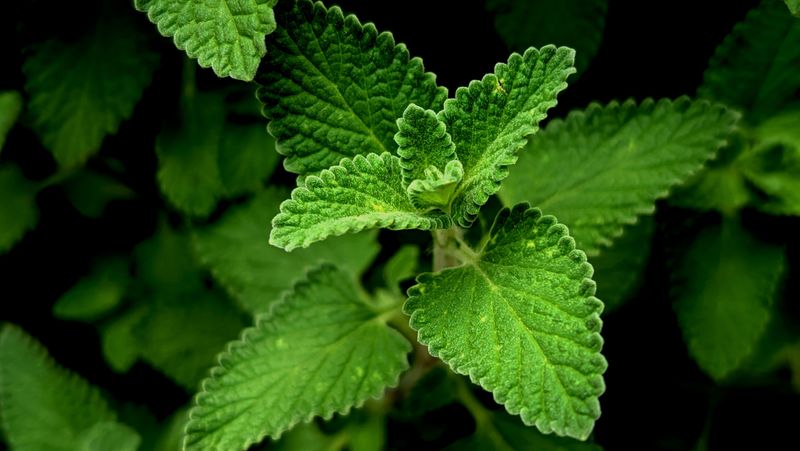
Peppermint is aggressive.
It spreads, it takes over, and it does not apologize for any of it. In most garden situations, that is a problem.
When you are trying to keep raccoons, voles, and other small rodents out of a specific area, that aggression becomes an asset. The active compound in peppermint is menthol.
The concentration in the plant is high enough that the smell is detectable up close, which is often enough to discourage animals from settling in.
For animals with highly sensitive noses, particularly raccoons and rodents, that intensity is genuinely unpleasant.
It interferes with their ability to smell food and assess their surroundings.
They avoid it. Raccoons are intelligent and curious, but they are also cautious.
Anything that overwhelms their senses gets a wide berth.
Planting peppermint around compost bins, raised beds, or areas where raccoons have been active creates a scent barrier they tend to respect.
In Indiana, peppermint grows vigorously in moist soil with partial to full sun. The most important rule is to contain it.
Plant it in pots sunk into the ground, or give it a designated bed with clear boundaries.
Left unchecked, it will crowd out everything nearby within a season or two. Crush the leaves occasionally to release fresh menthol and refresh the scent barrier.
The plant will produce new growth quickly. Peppermint is not a polite garden plant.
But sometimes impolite is exactly what the situation calls for.
6. Sage
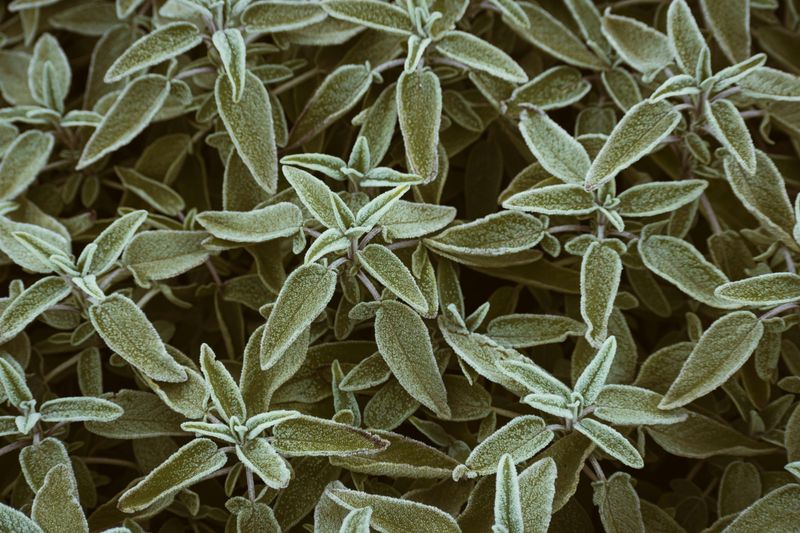
Sage is one of those plants that works harder than it gets credit for. Most people know it from Thanksgiving stuffing.
Indiana gardeners who know better use it as a frontline defense against deer, rabbits, and raccoons. The secret is in the leaves.
Sage produces strong aromatic compounds, primarily thujone and camphor, that are deeply unpleasant to wildlife.
These are the same compounds that give sage its sharp, distinctive smell when you rub a leaf between your fingers.
To a deer or rabbit, that intensity signals something inedible. They back off.
Raccoons are particularly sensitive to sage. They are smart animals and careful eaters.
Anything that smells medicinal or chemically sharp gets ignored. Sage qualifies on both counts.
In Indiana gardens, sage is remarkably easy to grow. It prefers full sun and soil that drains well.
It handles heat, handles some drought, and comes back reliably year after year as a perennial. Plant it near vegetables, especially in raised beds where raccoon damage tends to be worst.
Culinary sage and ornamental sage both work as repellents. Russian sage, while technically a different plant, has a similarly strong aromatic scent that some gardeners find helpful.
Its repellent properties are less documented than culinary sage, but it is still worth planting for the color alone.
One plant pulls triple duty here: it protects your garden, feeds your kitchen, and looks beautiful doing both. Sage earns its place every single season.
7. Rosemary
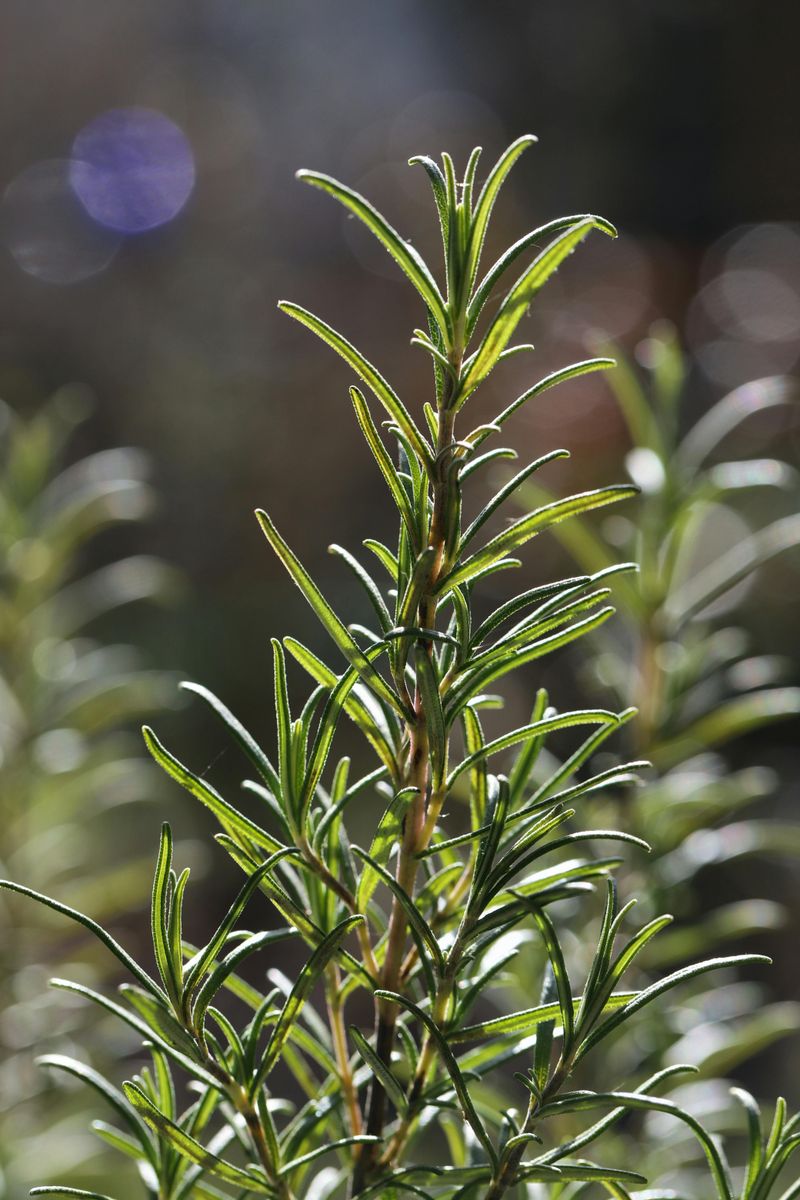
Rosemary smells like a Mediterranean kitchen and acts like a garden bodyguard. That combination is genuinely rare, and Indiana gardeners should be taking full advantage of it.
The plant produces a complex blend of aromatic compounds, primarily camphor, borneol, and 1,8-cineole. Together, these create a sharp, resinous scent that deer find deeply unappealing.
Deer are browsers that rely on smell to identify safe food sources. Rosemary does not smell like food to them.
It smells like a warning, and they treat it accordingly. Rabbits respond similarly. The intensity of the scent is enough to redirect them toward less aromatic options.
In a garden where rosemary is planted along borders or between vulnerable plants, rabbits tend to work around it rather than through it. In Indiana, rosemary is a semi-hardy perennial.
It survives mild winters but may need protection or replanting after particularly harsh ones.
Growing it in containers that can be moved indoors during the coldest months is a practical solution for Indiana gardeners who want to keep established plants year after year.
It needs full sun and excellent drainage. In heavy clay soil common to many Indiana yards, amending the bed or planting in raised beds will make a significant difference in how well it establishes.
Rosemary earns its space with almost no effort on your part. It protects, it produces, and it makes everything you cook taste better.
8. Daffodil
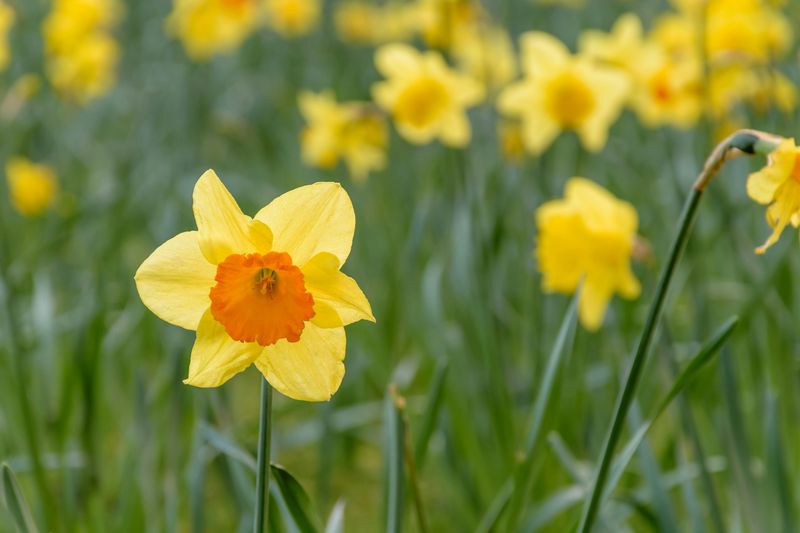
Daffodils are one of the few spring bulbs that deer and rodents consistently leave alone, and the reason is not behavioral. It is chemical.
Every part of the daffodil plant contains lycorine, a toxic alkaloid that causes nausea and irritation when ingested. Once a animal tries it, it does not try again.
Most never bother with a second bite. Moles and voles are particularly deterred by daffodil bulbs.
These animals tunnel through soil eating roots, bulbs, and anything else they find underground. Daffodil bulbs are one of the things they reliably avoid.
Planting them throughout a bed creates an underground barrier that tunneling rodents work around rather than through. Deer avoid the foliage for the same reason.
The bitter, toxic scent is detectable and memorable. Once a deer has encountered daffodils, it tends to avoid them in future seasons.
In Indiana, daffodils are planted in fall and bloom in early to mid spring, often when little else is flowering.
They are one of the most reliable early-season plants in the Midwest, returning and multiplying year after year with minimal care.
Plant them in clusters throughout beds that have had vole or mole problems, or use them as a border to create a protective perimeter around more vulnerable spring bulbs like tulips.
Beautiful in spring, protective all year underground. Daffodils work even when you cannot see them doing it.
9. Fritillaria Imperialis
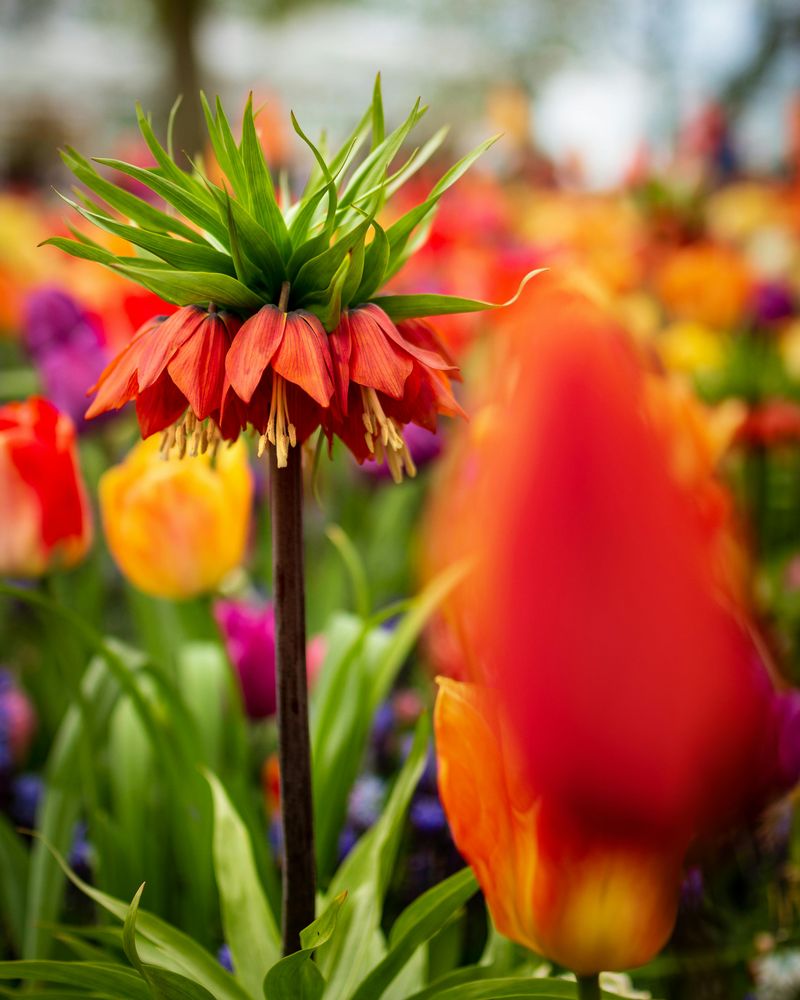
Most gardeners have never heard of fritillaria. That is genuinely their loss.
Crown Imperial grows from a bulb and sends up a tall, dramatic stem topped with a crown of drooping bell-shaped flowers in deep orange, red, or yellow. It looks like something that belongs in a botanical garden.
It also smells, to moles, voles, and deer, like a predator is nearby. The bulb and foliage produce a sharp, foxy odor that triggers alarm in small mammals.
It is not subtle. Rodents that tunnel underground tend to avoid areas where fritillaria bulbs are planted, likely detecting the unfamiliar compounds through the soil.
Deer encounter it at nose level and want nothing to do with whatever is producing that smell. In Indiana, plant the bulbs in fall for a dramatic spring display.
They need well-drained soil and a sunny to partly shaded spot. One important note: plant the bulbs on their side rather than upright, as they are prone to rotting if water collects in the hollow center.
They come back reliably each year and spread slowly over time. Fritillaria is the rare plant that stops people in their tracks and stops critters in theirs.