Leaving Old Pumpkins Out For Deer Could Get You In Trouble In Indiana
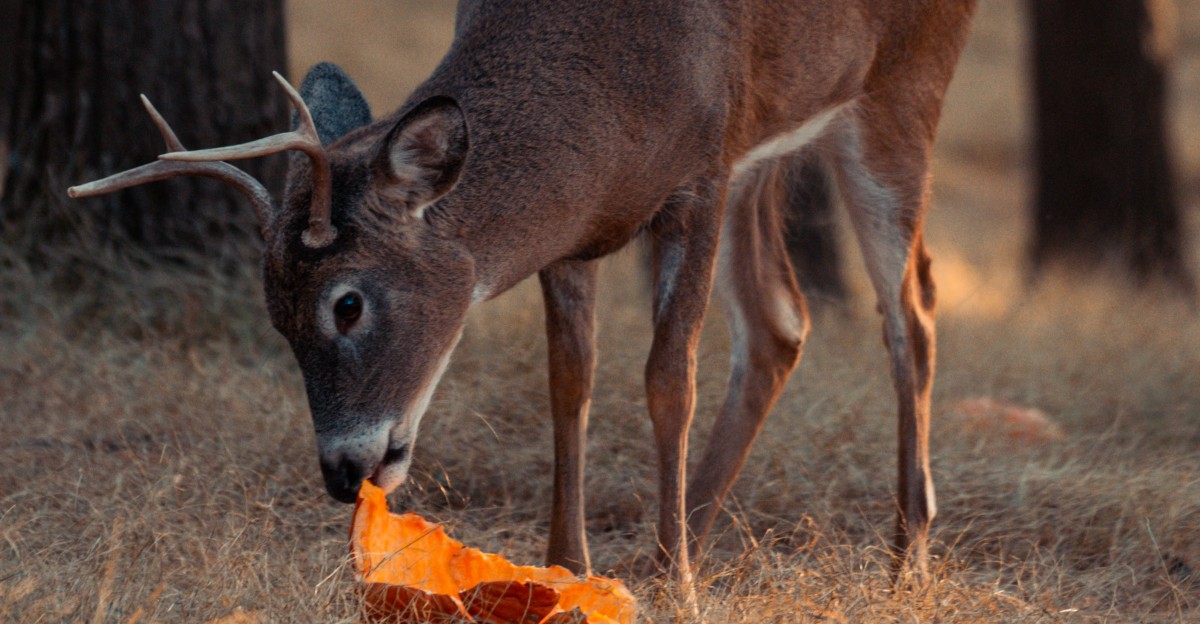
That leftover jack-o’-lantern tossed behind the shed can legally count as deer bait in Indiana. Even worse, the spot can stay off-limits for hunting days after the last orange scrap disappears.
I’ll admit it, I used to roll my porch decorations into the tree line every November. It felt generous, like a little thank-you to the deer that wander past my garden at dusk.
Then I started reading what wildlife biologists say about soft, sugary treats and crowded feeding spots. Their concerns go well beyond a few chewed hostas, and some of it surprised me.
So what happens when a kind gesture lands you on the wrong side of a conservation officer, or quietly harms the very animals you hoped to help? Honestly, the answer changed how I clean up my front porch after Halloween, and it might change yours too.
A Pumpkin Pile Near a Deer Stand Raises Red Flags
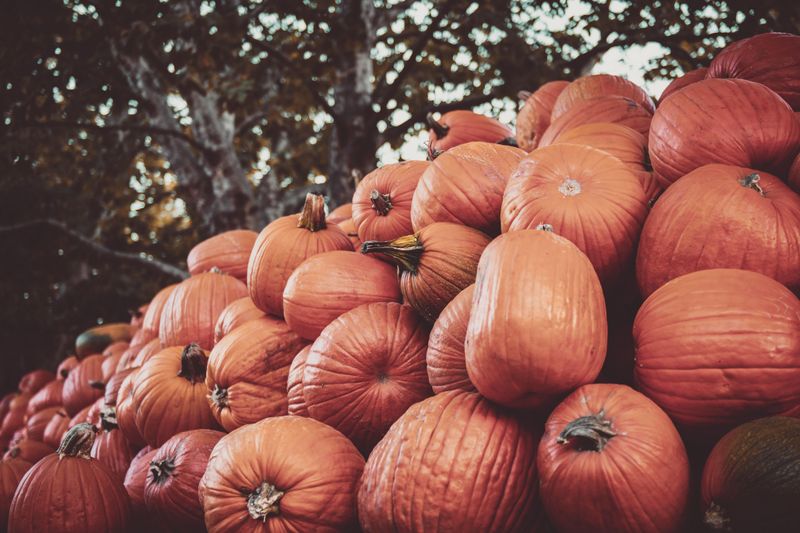
Hunters across the Midwest swap stories every November about finding orange chunks scattered near a tree stand. Sometimes a neighbor dumped porch decorations there with zero bad intent. Other times, somebody hoped those soft gourds would pull a big buck into range.
Wildlife officers usually can’t tell the difference at a glance, and to a deer there’s no difference at all. A pile of pumpkins sitting where people hunt looks exactly like bait, because it works exactly like bait. Deer have sharp noses, and a split-open squash gives off a sweet smell they notice from a long way off.
I find this part fascinating. A whitetail’s sense of smell is many times stronger than ours, so that rotting jack-o’-lantern becomes a neon sign in the November woods. Fall is also when deer are moving the most, thanks to the rut and the push to bulk up before winter.
That timing creates a tricky overlap. Halloween cleanup lands right as firearms season approaches, so plenty of well-meaning gardeners end up placing food in the exact spots hunters use. If you live near farmland or wooded lots, it pays to think twice before tossing anything edible over the fence.
Hunting Near Old Jack-O’-Lanterns Can Earn You a Baiting Citation
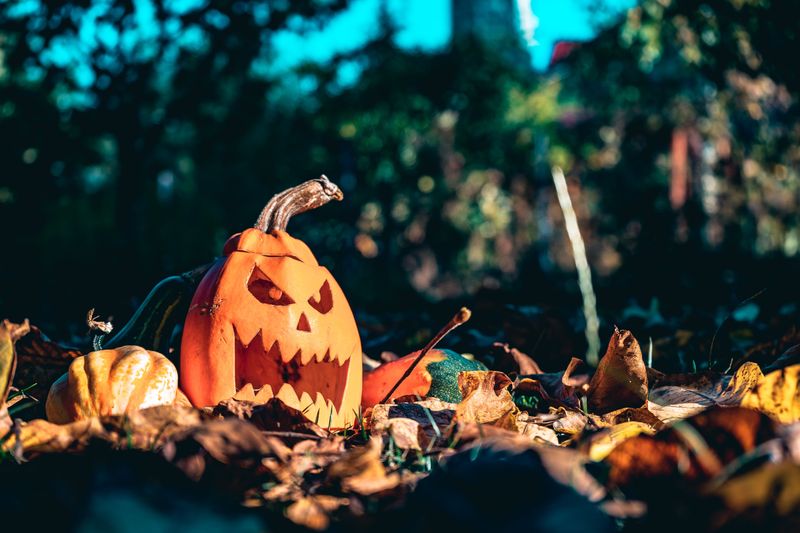
Indiana’s hunting regulations make it illegal to hunt deer with the aid of bait. Bait covers just about any food placed to attract deer, including corn, apples, salt, and yes, leftover pumpkins.
The detail that catches people off guard is the waiting period. A spot is considered baited for 10 days after every scrap of food has been removed, so cleaning up the morning of opening day won’t fix the problem. Hunting that ground before the 10 days pass can still lead to a violation.
Penalties can include fines, court costs, and possible misdemeanor charges. Conservation officers with the Department of Natural Resources do check for bait, especially during the busy firearms season in mid-November.
So what about a pumpkin you simply tossed in your backyard? Putting food out isn’t the crime by itself. The trouble starts when someone hunts within range of it, and that someone could be you, a relative, or a neighbor with permission to hunt your property.
My advice is simple. If anyone hunts your land, keep jack-o’-lanterns out of the woods from early fall onward, and check the current DNR hunting guide each year since rules can change.
Backyard Deer Feeding Might Clash With Your Town Rules
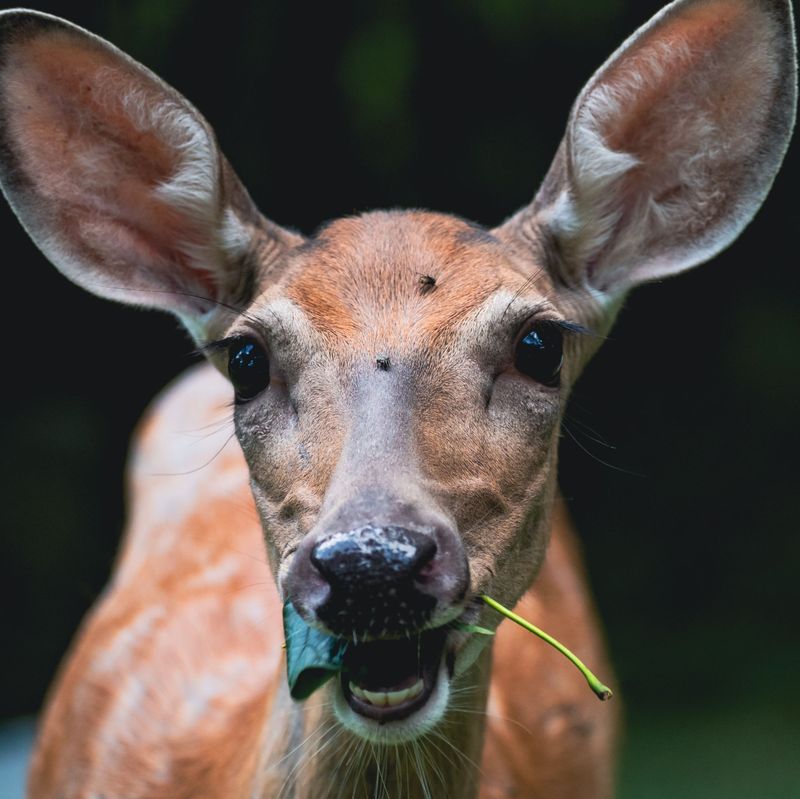
Plenty of folks are surprised to learn their city council might have opinions about squash. No statewide law bans feeding deer in a backyard, yet cities, towns, and homeowners associations can write their own rules.
Bloomington, for example, has wrestled with deer overpopulation for years and in 2023 banned deer feeding within city limits. Other communities have passed similar ordinances, and rules shift often, so the safest move is a quick call to your local government office.
Homeowners associations deserve a look too. Many HOA covenants restrict anything that attracts wildlife, partly because deer bring ticks, droppings, and chewed-up landscaping that neighbors share whether they like it or not.
I learned something useful while digging into this. Neighbors complaining about deer often trace the herd right back to one house with a pile of snacks out front. That can turn a sweet gesture into an awkward conversation over the fence.
Before you set a single gourd on the lawn, check three things. Look up your city or county code online, read your HOA rules, and ask whether nearby hunting happens.
Sugary Pumpkin Flesh Can Upset a Deer’s Stomach
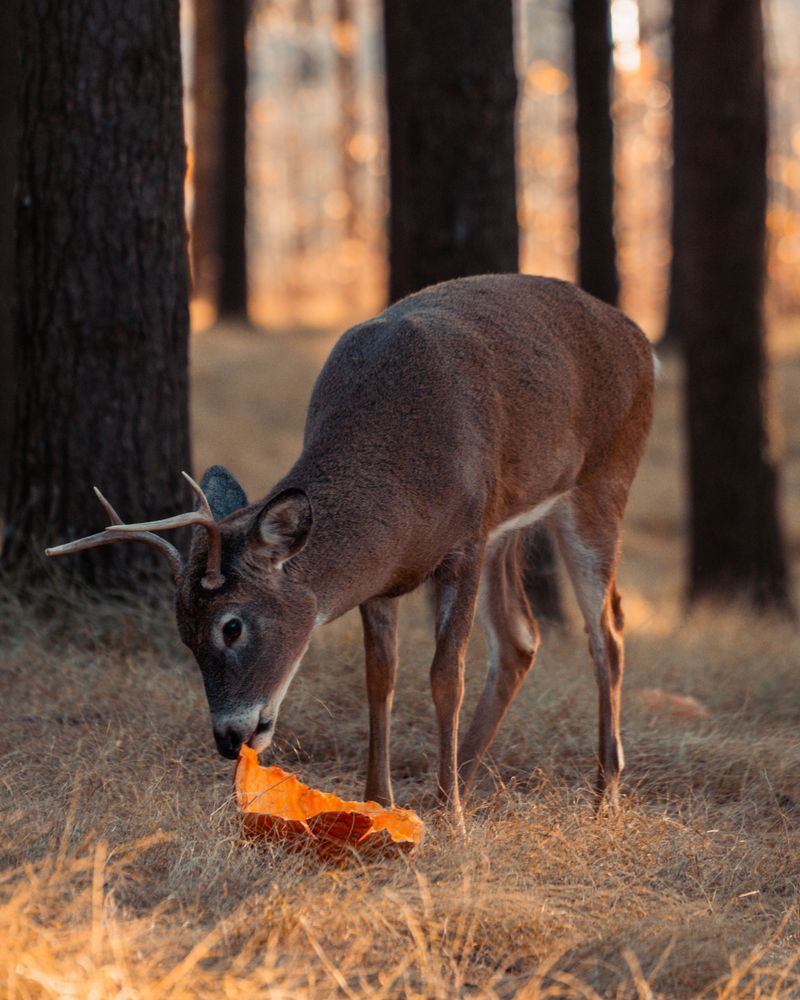
Deer stomachs run on a slow, steady system of microbes. A whitetail’s rumen holds bacteria that adjust to its diet over weeks, and in fall those microbes are tuned for acorns, woody twigs, and dried leaves.
Drop a pile of sugary pumpkin flesh into that routine, and the balance can tip fast. Biologists warn that a sudden load of easy carbohydrates can cause rumen acidosis, a condition where acid builds up in the stomach. Affected deer may suffer bloating, diarrhea, and dehydration, and severe cases can be life-threatening.
Not going to lie, this one changed my thinking the most. A single jack-o’-lantern probably won’t harm a healthy adult deer that nibbles a bit. The bigger risk comes from large piles, repeated feeding, or deer gorging on soft food when their bodies expect something rougher.
Pumpkins also offer surprisingly little of what deer need heading into winter. They’re mostly water, so a stuffed belly doesn’t translate into the fat reserves that carry deer through cold months.
The same caution applies to corn, bread, and apple piles. Wild deer handle their natural fall buffet just fine on their own, and native browse gives them the steady fiber their digestive tract was built for.
Crowded Pumpkin Feeding Spots Help Chronic Wasting Disease Spread
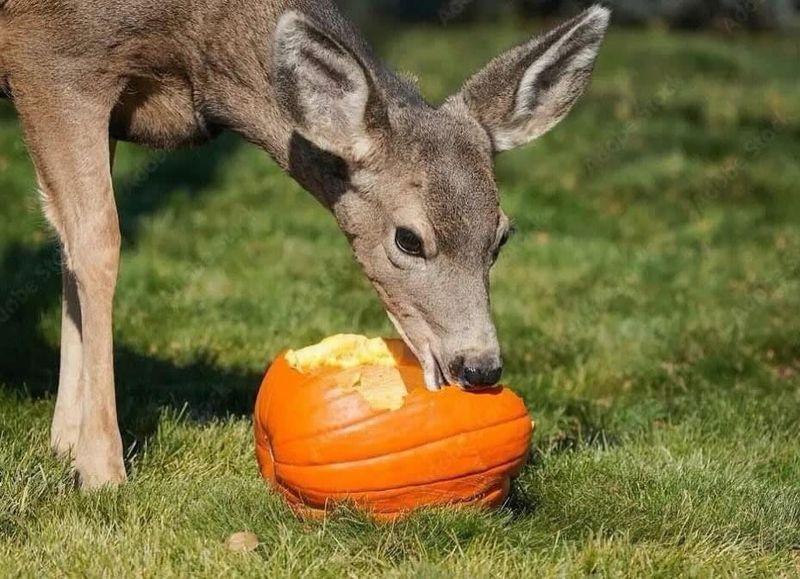
Chronic wasting disease sounds like something out of a science fiction movie. This illness is caused by misfolded proteins called prions, and it slowly damages the brain and nervous system of deer, elk, and moose. There’s no vaccine and no cure.
Indiana confirmed its first case in a wild deer in 2024 in LaGrange County, up in the northeast corner of the state. Since then, wildlife officials have stepped up testing and asked hunters and residents to help slow the spread.
Feeding sites play a big role in that worry. Prions pass through saliva, urine, and droppings, and they can linger in soil for years. When a pumpkin pile pulls deer nose to nose at the same spot, it creates the perfect place for an infection to move from one animal to the next.
That’s why many states with CWD have banned feeding and baiting outright in affected areas. Even where it’s legal, spreading food out on the ground concentrates animals in a way nature rarely does.
Bovine tuberculosis and other illnesses can spread the same way. Keeping deer spread out across the landscape is one of the simplest ways regular folks can protect a healthy herd.
Rotting Pumpkins Also Invite Raccoons, Skunks, and Coyotes
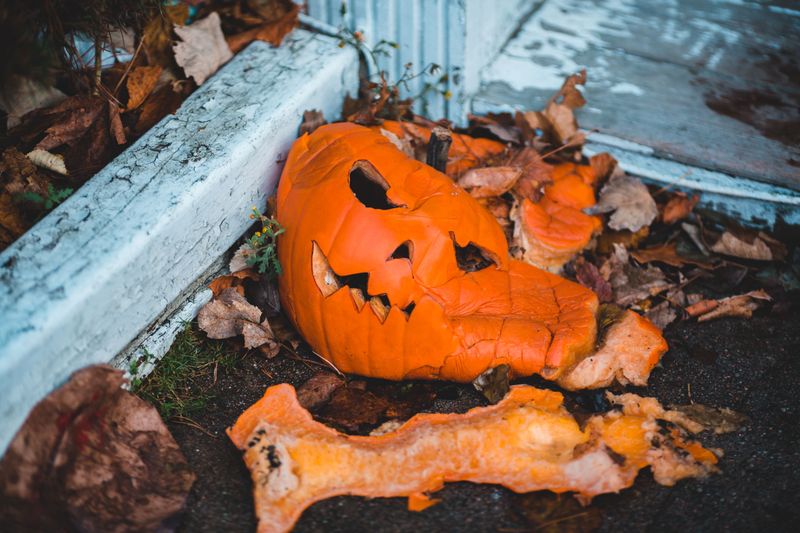
Guilty as charged, I once left a half-rotted pumpkin by my back steps and woke up to a raccoon sitting in it like a furry little king. Funny at first, less funny when it came back with friends.
Soft, decaying pumpkins attract far more than deer. Raccoons, opossums, skunks, rats, and even coyotes will happily visit an easy meal, and once they find food near your house, they tend to stick around. That can mean tipped trash cans, digging in flower beds, and pets meeting critters they shouldn’t.
Raccoons and skunks can carry rabies and roundworm, so drawing them closer to your porch isn’t a small thing. Moldy pumpkins can also grow fungi that upset the stomachs of animals that eat them.
Painted or decorated pumpkins add another layer of risk. Paint, glitter, glue, and wax from candles can harm wildlife that chew on them, so strip those extras off or throw decorated gourds in the trash.
Fair warning, a pumpkin pile on bare ground also invites fruit flies and other insects as it breaks down. If you want a tidy, critter-free yard this winter, the fastest fix is moving that squash to a closed compost bin or curbside collection.
Bold Deer Near Your Driveway Mean Chewed Shrubs and Road Risks
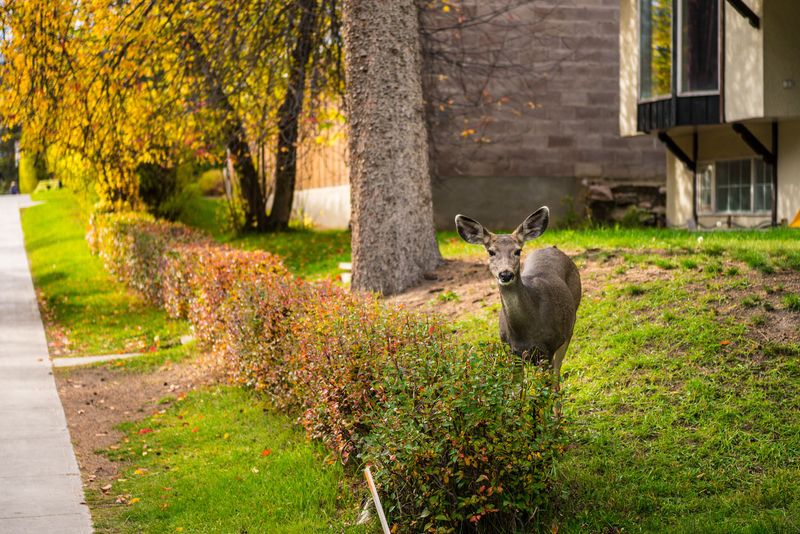
Deer that lose their fear of people rarely stay polite for long. Once a herd learns your yard means free food, they’ll start checking it daily, and they won’t stop at the pumpkin.
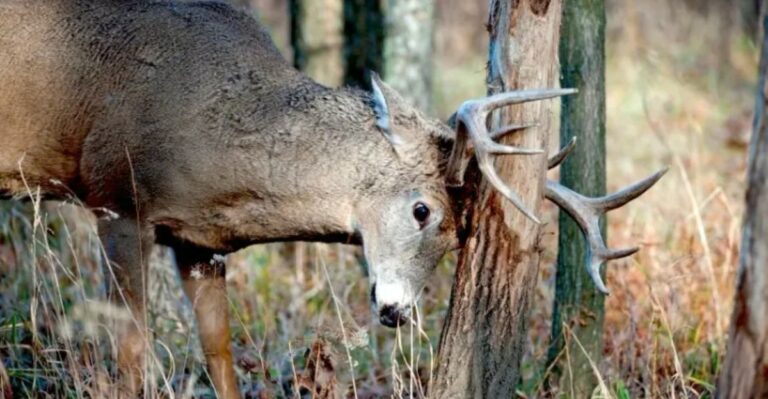
Your arborvitae, hostas, tulip bulbs, and young fruit trees suddenly sit right next to the buffet. I’ve watched hungry deer finish a snack pile and move straight to evergreen shrubs, stripping them bare by spring. Bucks may also rub their antlers on saplings, scraping off bark that young trees need.
Roads add a much more serious concern. Indiana sees thousands of deer-vehicle collisions each year, with crashes peaking in October and November during the rut. Feeding spots near driveways and busy streets draw deer across traffic more often, especially around dawn and dusk.
Ticks hitch rides too. More deer lingering in your yard can mean more blacklegged ticks, the species that spreads Lyme disease, in your grass and garden edges.
Honestly, the kindest thing for wild deer is staying a little wild. A healthy distance protects them from cars and protects your landscaping from becoming the neighborhood salad bar. Admire them from the window, snap a photo, and let them head back to the woods.
Toss That Jack-O’-Lantern Into the Compost Bin Instead
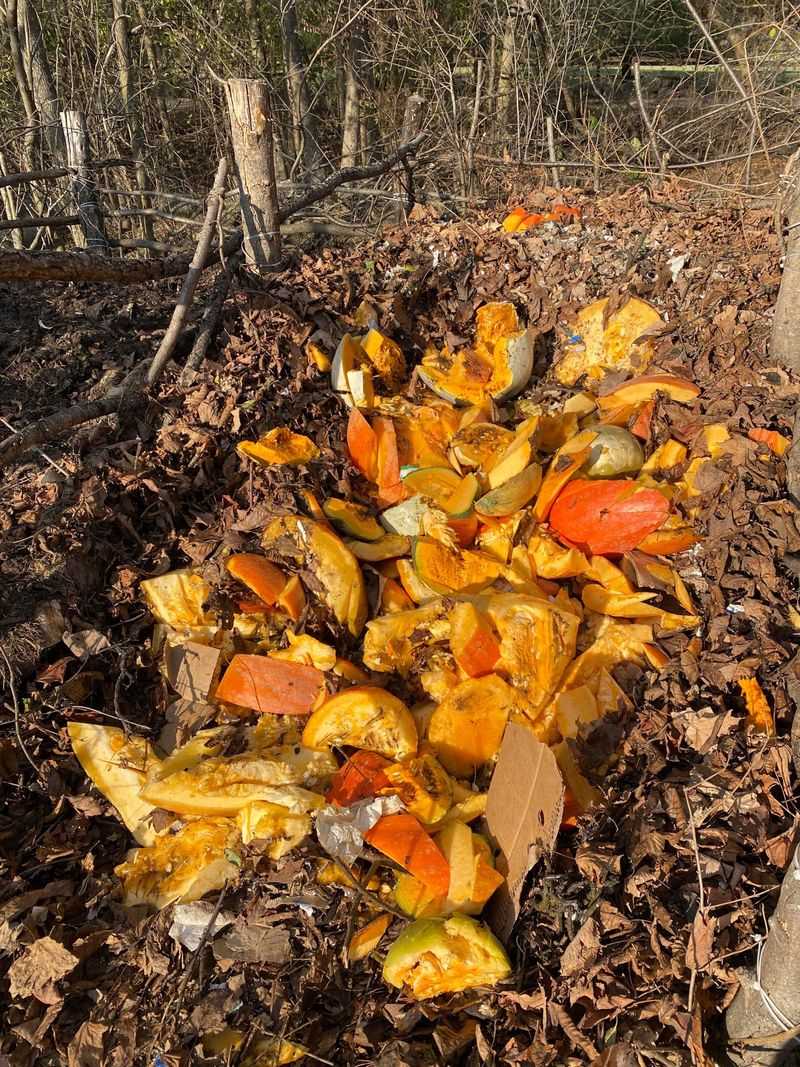
Every jack-o’-lantern can still do something useful after Halloween, and your garden will thank you for it. Pumpkins are mostly water and break down quickly, which makes them a fantastic addition to a compost pile.
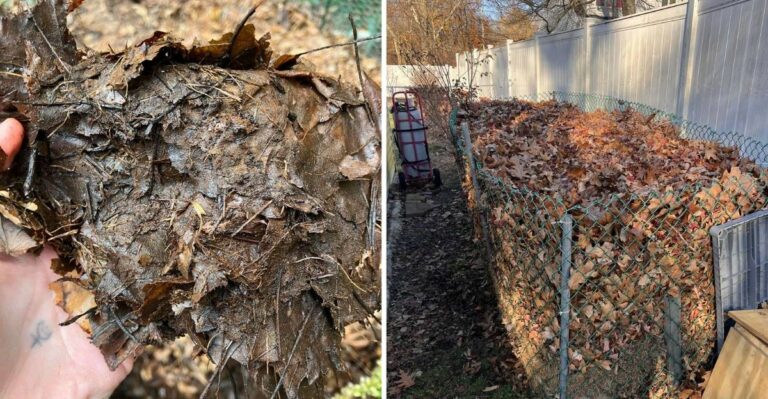
Start by pulling out candles, wax, stickers, and any paint or glitter. Then smash or chop the pumpkin into chunks so microbes can work faster, and mix it with dry leaves to balance all that moisture. Scoop the seeds out first if you don’t want surprise pumpkin vines popping up next summer.
No compost bin? Burying chunks directly in a garden bed works well too, since the pieces enrich the soil as they decay over winter. Many cities across the state also host fall pumpkin collection days or accept them with yard waste, so check your local solid waste district.
Seeds are worth saving for yourself as well. Roasted with a little salt, they make a tasty snack, and that’s a treat nobody needs to feel bad about.
If you still want to help deer, plant native oaks, serviceberry, and dogwoods that offer natural food and cover. Keep your gourds off the ground near hunting areas, check local rules, and let wildlife find its own fall feast.