Young Indiana Trees Are Showing Stripped Bark At Waist Height This Month
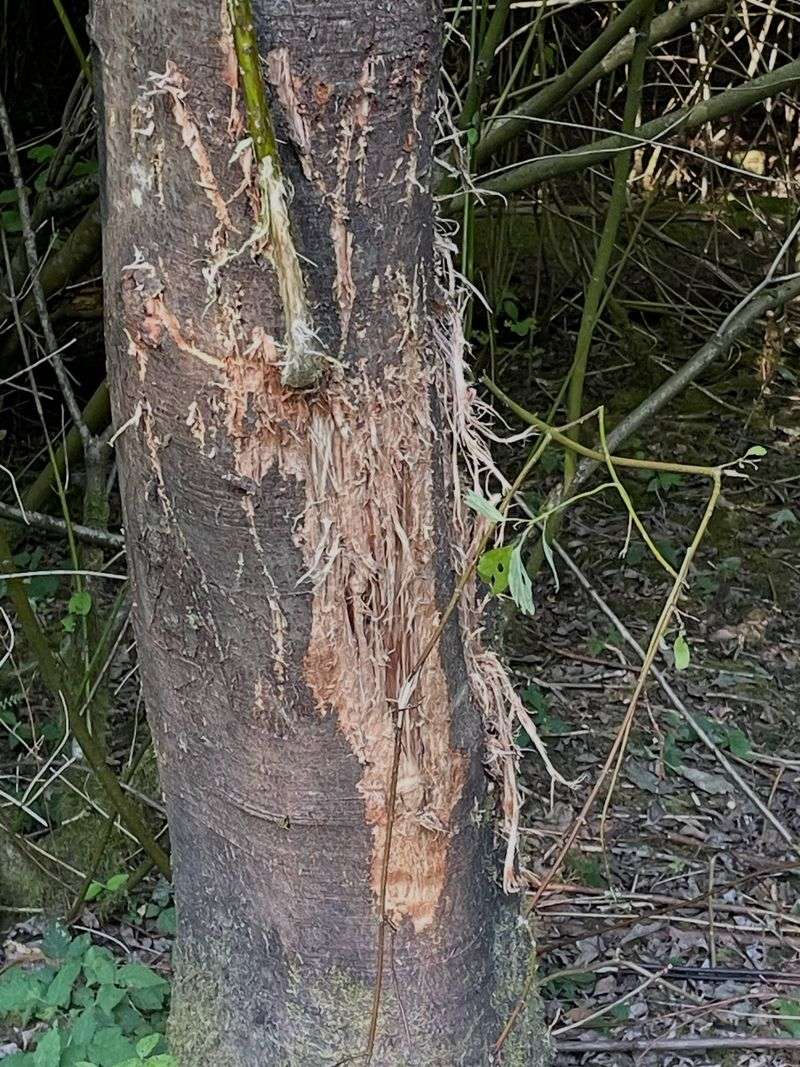
Something odd turned up in the yard this month, and the low morning light made it obvious. A young tree that looked perfectly fine in October now wears a pale scar near your belt.
The bark hangs in ragged ribbons, curled back like old wallpaper peeled by very bored hands. Underneath the wound, the trunk looks bruised and oddly polished, marked with thin scratches everywhere.
Neighbors across Indiana are trading photos, squinting at their maples and squinting even harder at their fences. Most of them blame a wild lawnmower or a storm, but the timing suggests something else.
Whatever showed up arrived after dark, worked fast, and left without offering a single word of apology. It did leave one muddy print behind, which our old beagle found personally insulting.
Antler Rubs Behind The Torn Trunks
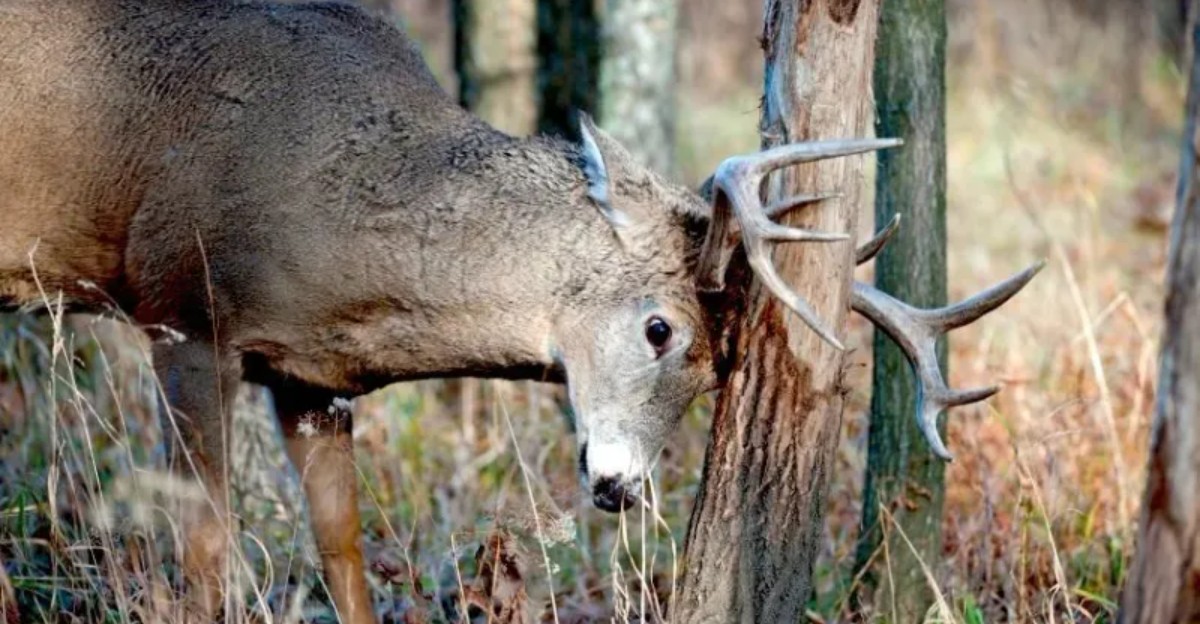
White-tailed bucks are the culprits here, and they work smooth young trunks with surprising focus. Their antlers scrape upward and downward, shredding bark loose in long strips that hang free.
The rubbing serves two purposes for a buck during autumn in Indiana woodlots and yards. He strips velvet from hardened antlers while smearing scent from glands near his eyes and forehead.
Saplings between one and four inches thick take the worst beating almost every single autumn. Smooth-barked species like maple, cherry, and young white pine seem to attract the most attention.
Height offers the clearest clue for anyone puzzling over the true source of this injury. Damage sits roughly two to three feet up, right about where your belt buckle rides.
Look closer and you may spot shredded fibers tangled at the ragged edges of the wound. Small snapped twigs nearby usually point toward a broad antler swinging through the low branches.
Ground clues help confirm the story once you crouch down beside the damaged young stem. Hoofprints, scuffed leaves, and pressed soil often ring the base of a favorite rub tree.
Bucks tend to reuse the same trunks season after season, sometimes for several years running. One landowner near Bloomington counted several fresh rubs along a single short fencerow this season.
Recognizing the pattern early gives your remaining young trees a much better chance of survival. Once you know the signature, you will start noticing it on every roadside drive home.
Peak Rub Season Across Indiana Counties
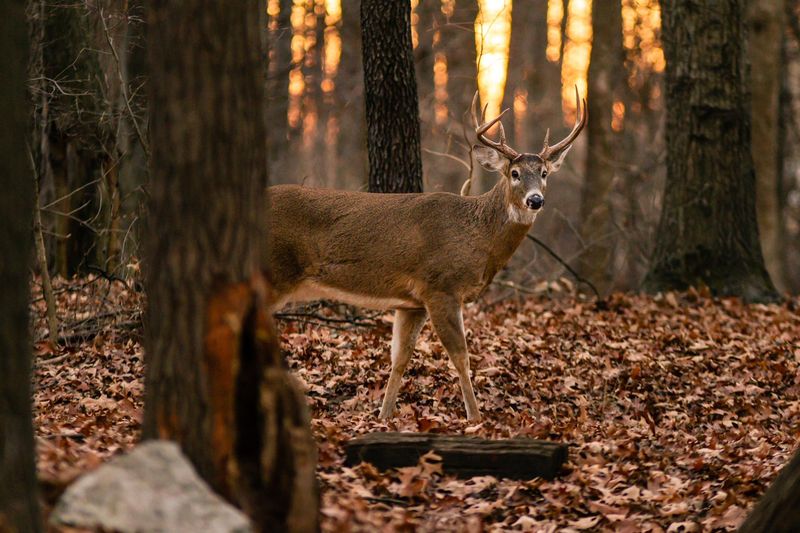
Timing explains why these wounds show up suddenly instead of slowly across a whole growing season. Indiana bucks start rubbing in early September and keep working hard right through late November.
Velvet shedding causes the earliest damage, usually during the first two or three weeks of September. Those early rubs look shaggy, with scraps of dried velvet still clinging to the shredded bark.
Activity climbs sharply through October as testosterone rises and bucks begin staking claims on territory. Rub lines show up along deer trails, field edges, and the sunny borders of quiet backyards.
The statewide rut peaks in early to mid November, and that is when homeowners finally notice. Leaves have dropped by then, so pale wounds stand out sharply against bare gray trunks.
Your Indiana Garden Changes Every Week. Your Plan Should Too.
Gardening in Indiana changes quickly throughout the season. Every Friday you’ll receive a simple weekly plan showing exactly what to plant, prune, fertilize, harvest, and protect so you never miss the right timing.
Cooler mornings also push deer to move around much more during daylight than in warm summer. More movement means more run-ins with ornamental plantings near driveways, patios, and mailbox flower beds.
Southern Indiana counties often see rubbing stretch a little later than the northern counties usually do. Weather swings shift the schedule slightly, yet the general calendar window stays fairly predictable each year.
Knowing the window matters, because protection installed in August prevents almost every one of these wounds. Guards added in December rarely help much, since most of the damage has already happened by then.
Mark your calendar for late August and treat that weekend as official tree armor day. Your future self will thank you while sipping cider instead of counting fresh scars outdoors.
Mistaken Culprits For Bark Stripped Saplings
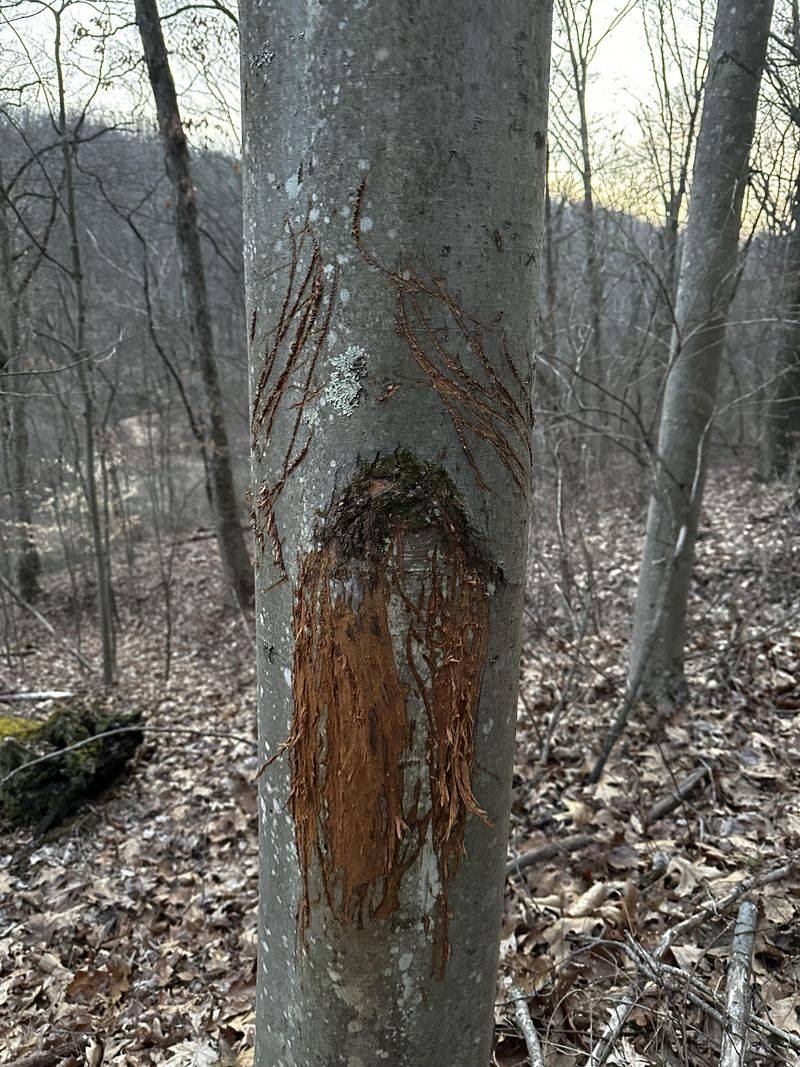
Plenty of Indiana homeowners blame the string trimmer first, and sometimes that honest guess is correct. Mower damage, though, sits lower on the trunk and shows smooth cuts rather than shreds.
Rabbits and voles chew bark too, leaving neat little tooth grooves right near the soil line. Their gnawing stays within a foot of the ground, well below any adult belt buckle.
Sunscald cracks open the southwest side of a thin trunk during cold, bright winter afternoons. That injury looks sunken and split, not peeled back into loose hanging ribbons of bark.
Squirrels sometimes strip long vertical patches, usually higher up on branches rather than the main stem. Their chewing often appears on silver maples in spring, when sweet sap is running strong.
Buck rubs carry a signature that separates them from all of those other suspects pretty easily. Torn fibers, waist-high placement, and a bruised inner surface together build a very convincing case.
Misdiagnosis costs real money, since the wrong fix leaves the actual visitor free to return. Wrapping a trunk against sunscald does little good if antlers come back next October instead.
Take a photo with your hand beside the wound for scale before you do anything else. Comparing that picture to next year’s damage helps you track whether the problem keeps repeating.
Your county extension office will happily identify the cause from one clear, well-lit phone snapshot. Ask early, because guessing wrong in October usually means guessing wrong again next November too.
Tree Health After A Girdled Trunk
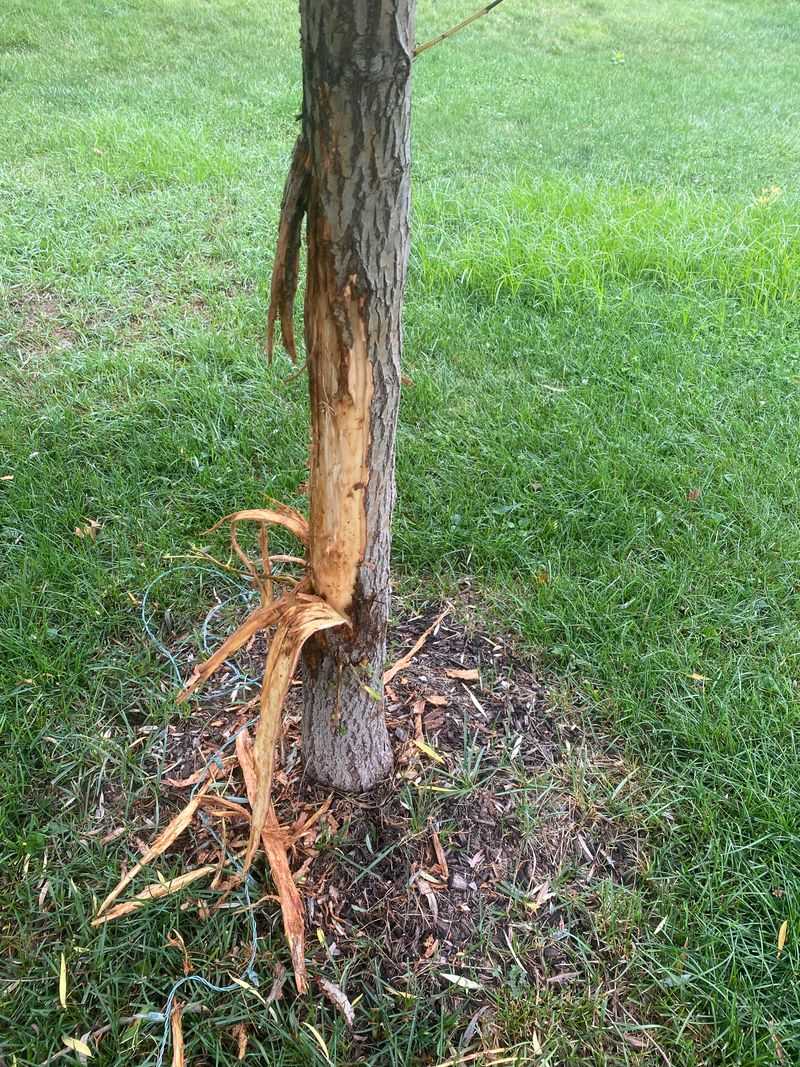
Bark is not merely a decorative wrapper, and that detail decides whether a sapling recovers. Just beneath it sits the cambium, a thin living layer that moves food and water around.
Damage on just one side of the trunk usually heals over within two or three seasons. The tree grows callus tissue along the wound edges, slowly closing that gap from the outside.
Trouble arrives when the stripping wraps the entire circumference of one skinny young stem. That full ring cuts the supply line, and the top of the tree slowly declines.
Measure how much healthy bark remains before you decide to replace anything in the yard. More than half intact means decent odds, especially on a vigorous three-year-old backyard planting.
Secondary problems often follow a fresh wound, since insects and fungi enter through open tissue. Borers especially favor stressed young trunks with exposed wood and loose flaps of dangling bark.
Watch the canopy next spring for small leaves, sparse growth, or unusually early autumn color. Those signals suggest the plumbing suffered more than the surface appearance first seemed to imply.
Recovery also depends on your care, so steady watering during dry Indiana summers really helps. A wide ring of mulch, kept off the trunk itself, reduces competition and stress.
Give a damaged sapling two full growing seasons before you make any final replacement decision. Trees are stubborn optimists, and many quietly outlast the gardener’s gloomy predictions about them.
Proper Care For Freshly Damaged Bark
The instinct to paint or seal a fresh wound feels helpful, yet it backfires badly. Tree paints trap moisture against exposed wood and slow the natural closing process way down.
Start instead by trimming only the loose, dangling strips that hang away from the trunk. Use clean, sharp pruners and leave any bark that still sits tight against the wood.
Avoid cutting into healthy tissue at the wound margin, because that edge does the real healing. Ragged flaps invite trouble, but over-trimming widens the injury and delays recovery even longer.
Skip the fertilizer for now, since a stressed sapling cannot use a nitrogen push well. Water deeply once a week during dry spells instead, soaking the soil around the roots.
Straighten any leaning stem gently, then check that old nursery stakes are not girdling it. Wire and plastic tags left on for years cause quiet damage nobody notices until later.
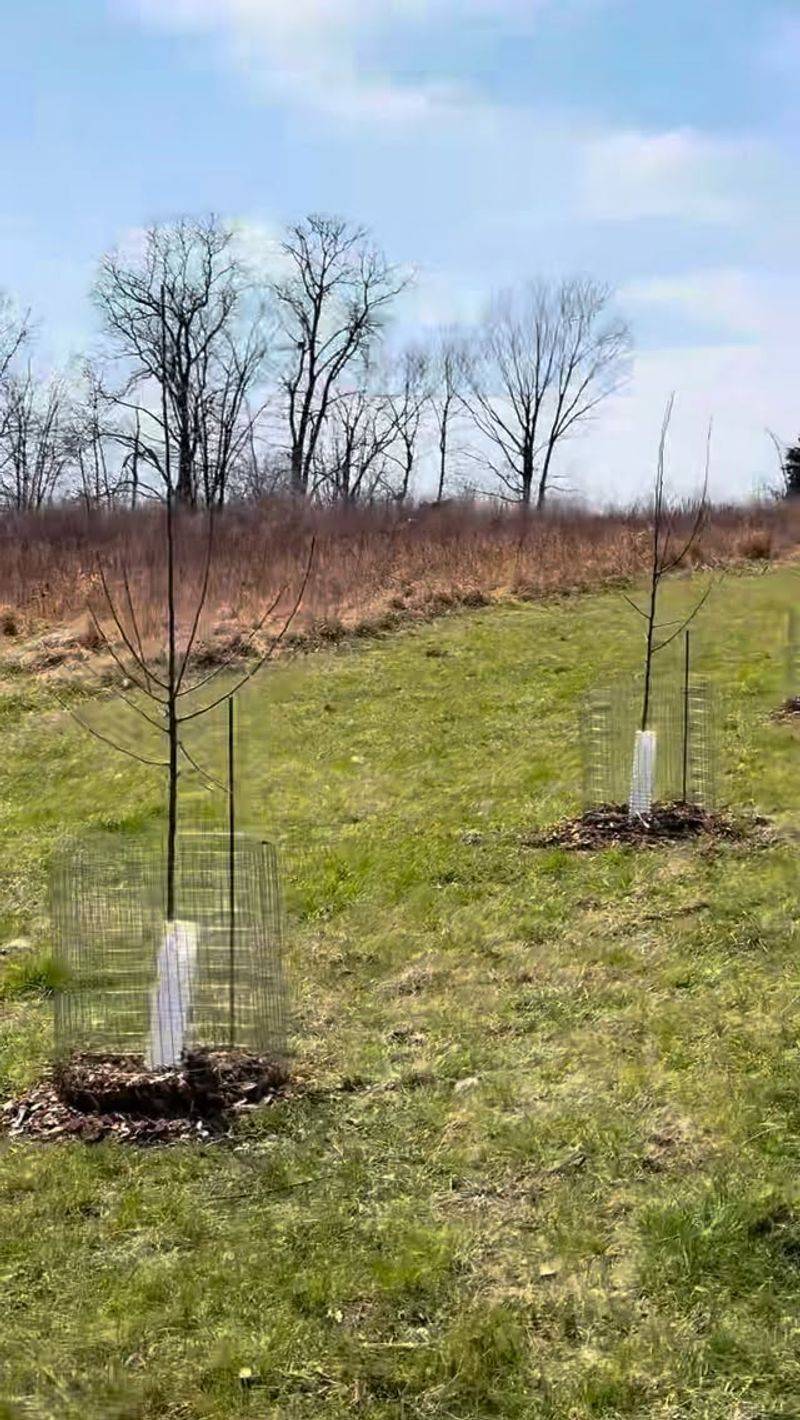
Protect the wounded trunk before winter, because a buck will return to the very same spot. A rigid guard or wire cage around the stem stops repeat visits fairly reliably.
Hold off on heavy pruning of the branches until the following summer at the earliest. Leaves feed recovery, so removing them now takes energy away from the healing wound tissue.
Patience does most of the work here, which is frustrating but genuinely effective garden advice. Your job stays simple, keep the tree watered and keep the antlers out of reach.
Trunk Guards For Next Season’s Saplings
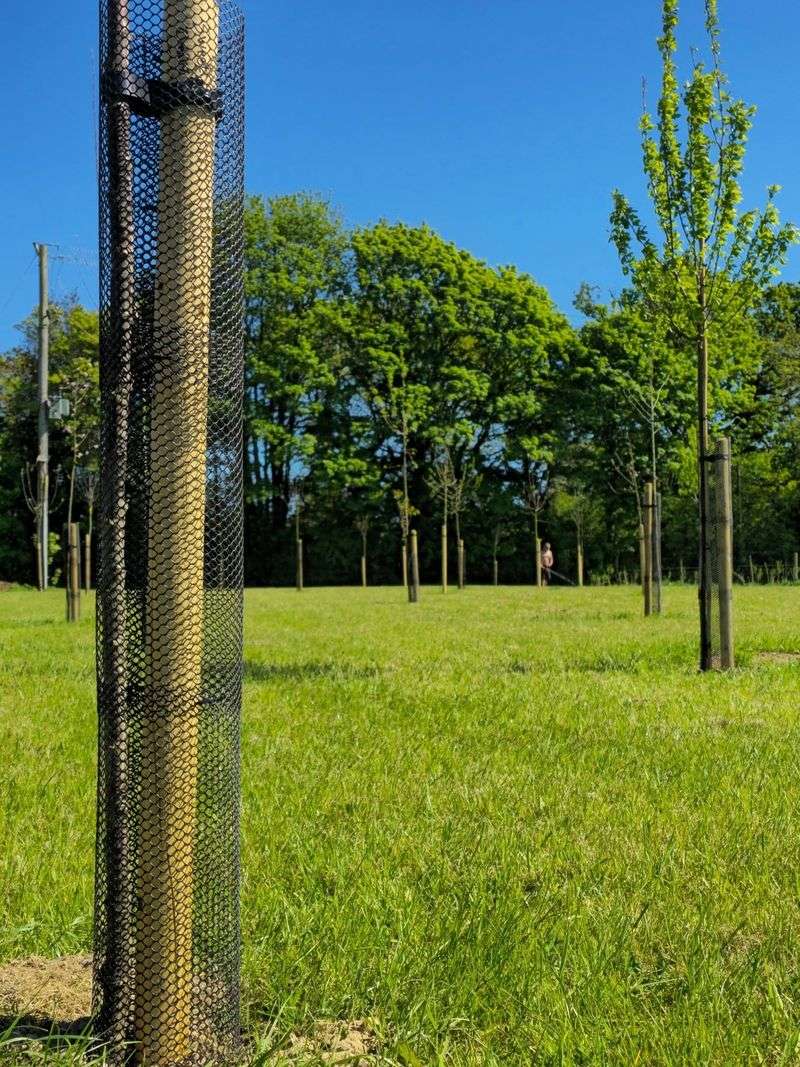
Prevention costs far less than replacement, and the whole project takes one afternoon in August. A few dollars of simple hardware saves a tree you waited five years to enjoy.
Corrugated plastic tubes slide over small trunks and stop antlers from reaching the tender bark. Split tubes work best, since you can open and remove them as the trunk widens.
Welded wire cages give stronger protection for trees planted along woods edges or old fencerows. Build a cylinder about eighteen inches wide, five feet tall, staked firmly into the soil.
Three sturdy stakes driven around a sapling also work, blocking the sideways swing of heavy antlers. Bucks want open room to rub, and awkward obstacles convince them to look elsewhere.
Check every guard each spring, because a tight wrap can girdle a trunk as it grows. Loosen or replace anything that has started pressing into the bark over the winter.
Repellent sprays help a little, though rain and Indiana humidity wash them away pretty quickly. Physical barriers consistently outperform scent products when antlers, not appetites, are causing the real problem.
Protect the most vulnerable trees first, meaning smooth trunks under about four inches across. Older trees with thick, rough, furrowed bark rarely attract the same aggressive autumn attention.
One gardener in Hamilton County caged her saplings and avoided losses the following autumn, while a neighbor who skipped that step ended up with a leaning flowering pear.