8 Yard Mistakes That Attract Snakes To Maryland Homes
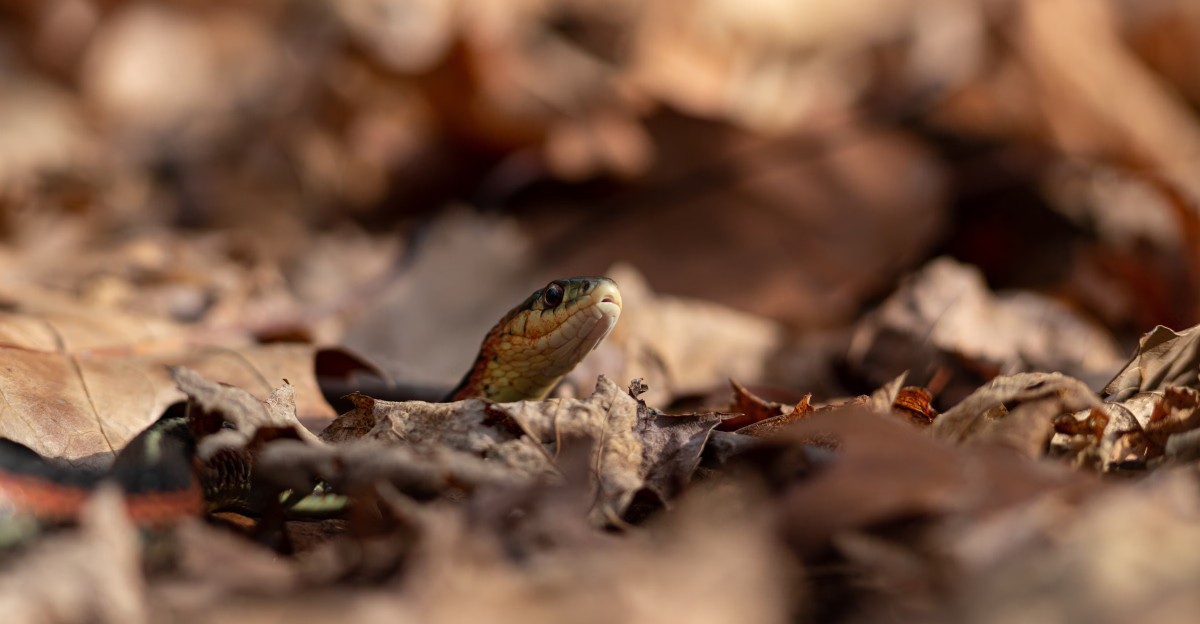
A legless reptile that can top five feet in length can climb a rough brick wall and slip right under your roofline. I didn’t expect that kind of climbing talent from a backyard visitor until I saw one on my shed.
Maryland has 27 kinds of these quiet neighbors, and only two carry venom worth worrying about. Every native one is protected by state law, so chasing them off with a shovel is not the answer.
I’ll admit it, my own yard used to roll out a welcome mat without me realizing it at all. A messy corner here and a soggy patch there added up to a cozy hotel for slithering guests.
They stay active across Maryland from roughly April through October, hunting for food and shelter the whole time. So which everyday habits are quietly sending out invitations from your own lawn and garden beds?
1. Tall Grass Gives Garter Snakes A Perfect Hiding Spot
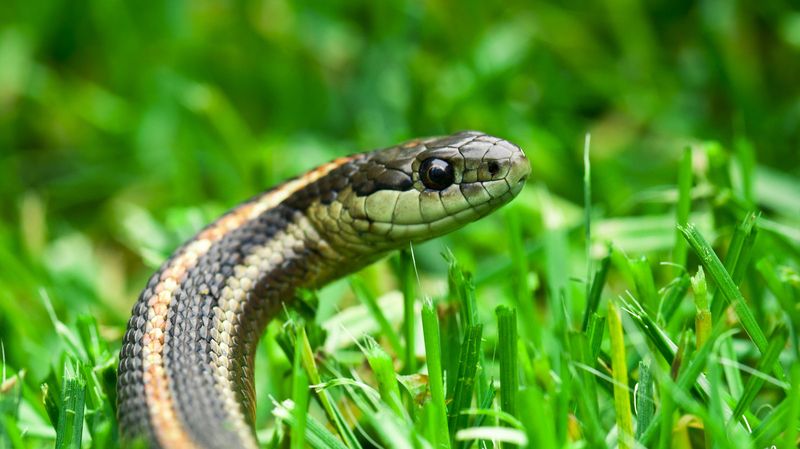
Garter snakes can slide through tall grass so smoothly that you might mow within inches and spot nothing. I learned that lesson last summer when a striped little visitor zipped past my sneaker near the fence.
Grass left shaggy for weeks acts like a private hallway, keeping these reptiles hidden from hawks and foxes. Dekay’s snakes, also called brown snakes, love that same cover because it holds slugs and earthworms close by.
Mowing on a regular schedule takes away the hallway and makes any passing snake much easier to notice. Most lawn experts suggest keeping cool-season grass around three inches tall, which still looks healthy and green.
Short grass also warms up and dries out faster, so it feels exposed and uncomfortable for a cautious reptile. Snakes prefer cover where they can rest without being seen, and a tidy lawn simply offers less of that.
Pay extra attention to strips along fences and sheds, where tall weeds tend to sneak upward without much notice. A string trimmer handles those spots quickly, and I like doing a lap right after I finish mowing.
Fair warning, a few gardeners leave meadow patches for pollinators, which is a lovely idea in the right place. Just keep those wild areas well away from your patio and doors, so wildlife and people share space comfortably.
Garter snakes are harmless to people and eat plenty of slugs, so a sighting is rarely cause for panic. Still, a trimmed lawn near the house helps everyone keep a respectful distance during the busy warm months.
2. Woodpiles Stacked On The Ground Shelter Snakes And Mice
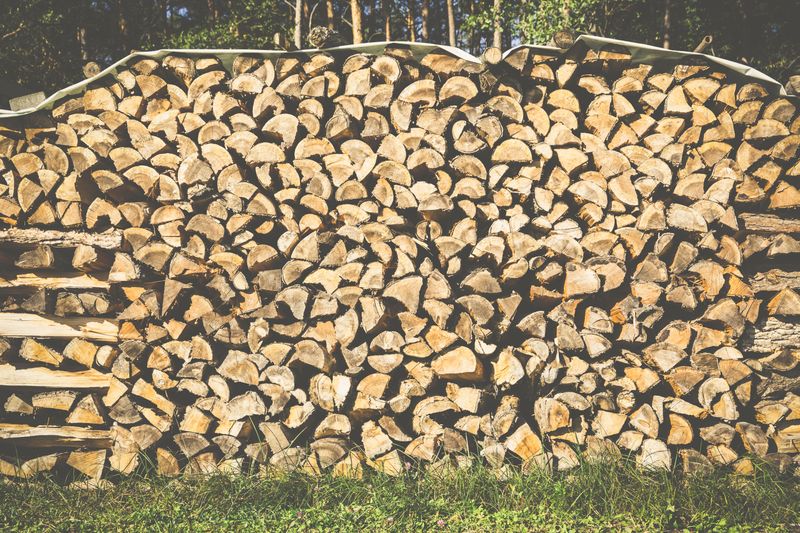
Firewood stacked right on the dirt is basically a five-star apartment building for reptiles, complete with room service. Beetles and mice move in first, and then the snakes follow that menu straight toward your back steps.
Rock piles and brush heaps work the same way, giving snakes shade on hot days and warmth on cool ones. Biologists call this thermoregulation, which simply means the animal moves around to keep its body at a comfortable temperature.
I’m guilty of letting a pile of pruned branches sit behind the shed for a whole season once. When I finally hauled it away, a startled rat snake slid out and gave me quite the morning jolt.
Store firewood and lumber on a sturdy rack that lifts everything at least a foot off the ground. Keep that rack well away from your foundation, since stacks against the siding invite pests right up to the walls.
Northern brown snakes often tuck themselves under flat rocks, so stray stones in the yard deserve a second look. Gather loose rocks into a tidy border or use them in a garden wall that sits away from the house.
Some snakes even pick rotting wood as a winter hideout once the cooler weather of early fall arrives. Clearing old stumps and soggy logs near living spaces removes those cozy hibernation spots before the season changes.
Brush piles can still help wildlife in a far corner of a large property, so placement matters a lot. Keep them distant from doors and play areas, and you can enjoy both a tidy yard and healthy habitat.
3. Leaky Faucets And Garden Ponds Draw Water Snakes
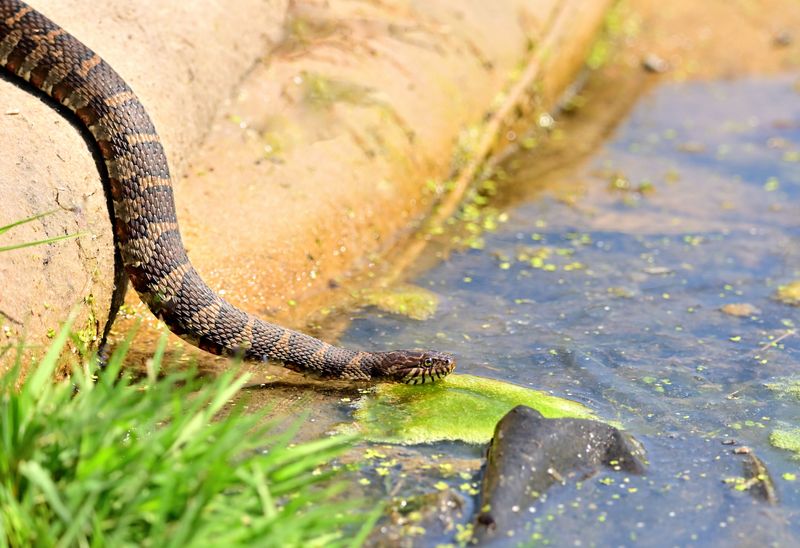
Snakes get thirsty too, and a dripping spigot on a hot July afternoon can look like an oasis to them. Not going to lie, I ignored my leaky outdoor faucet for months before realizing what it was attracting.
Water gardens and backyard ponds bring in frogs and toads, which rank high on the menu for many species. Common garter snakes and northern water snakes both hunt amphibians, so a busy pond can become their favorite diner.
Northern water snakes are nonvenomous, though people often confuse them with cottonmouths, which do not live in Maryland. Knowing that difference helps you stay calm and leave the animal alone instead of trying to handle it.
Overwatering the lawn creates another problem, because soggy turf pulls in earthworms and slugs from all around the neighborhood. Those soft-bodied critters feed smaller snakes, and frogs that chase the same bugs end up feeding larger ones.
Water deeply but less often, aiming for about an inch per week including rain, which grass roots handle nicely. Early morning watering lets the surface dry by evening, so the yard feels less like a swampy buffet.
If you love your pond, trim back the thick plants hugging its edges so snakes have fewer places to lurk. Open banks with a few rocks for frogs still look charming while giving hunting snakes less hidden cover.
Fix leaky hoses and faucets as soon as you notice them, since steady drips create damp spots against foundations. A quick washer replacement costs very little and keeps both your water bill and your wildlife visitors under control.
4. Spilled Birdseed Brings Rodents And Hungry Rat Snakes
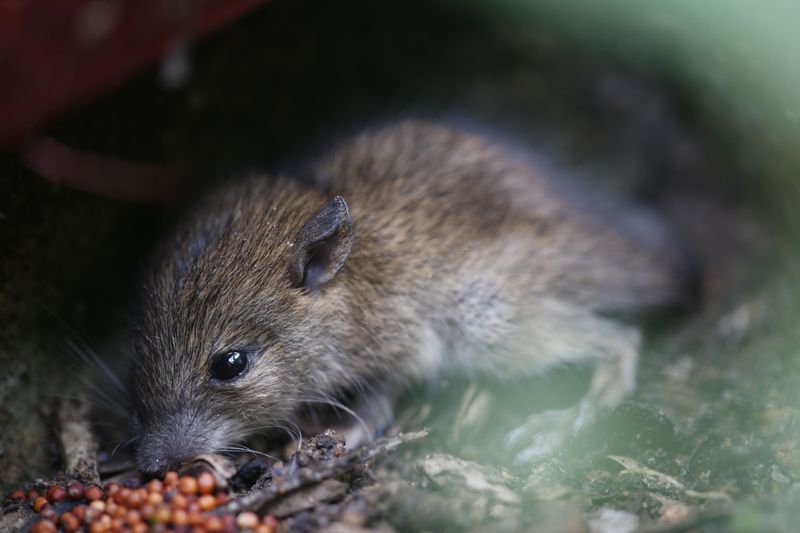
Every scattered sunflower seed under a bird feeder is a tiny dinner bell for mice, and snakes hear it loudly. I’m a sucker for watching cardinals, but I had to rethink my feeder setup after spotting chipmunk tunnels everywhere.
Snakes visit yards mostly for food and shelter, and a steady supply of rodents checks the food box immediately. Eastern rat snakes, among the largest snakes in the state, feast heavily on mice and rats.
Finding one inside your garage or basement often hints that a rodent problem is already hiding in the walls. In that sense, the snake is a messenger, and the real fix starts with the mice it is chasing.
Use seed catchers or trays under feeders, and sweep up spilled seed every few days during busy feeding seasons. Hulled seed mixes leave fewer shells and less waste on the ground, which helps cut down on midnight rodent snacking.
Trash cans need tight lids, and pet food bowls should come inside before dark instead of sitting on the porch. Compost bins work best when enclosed, and leaving meat or dairy out of them keeps hungry scavengers less interested.
Trust me on this one, a single forgotten bag of grass seed in the shed can feed a mouse family. Store seed and pet food in metal or thick plastic containers with snug lids that tiny teeth cannot chew through.
Rat snakes actually help control rodents, so seeing one now and then is not a reason for alarm. Reducing the rodent buffet simply encourages them to do their hunting somewhere farther from your doors and windows.
5. Foundation Cracks Let Snakes Slip Into Basements
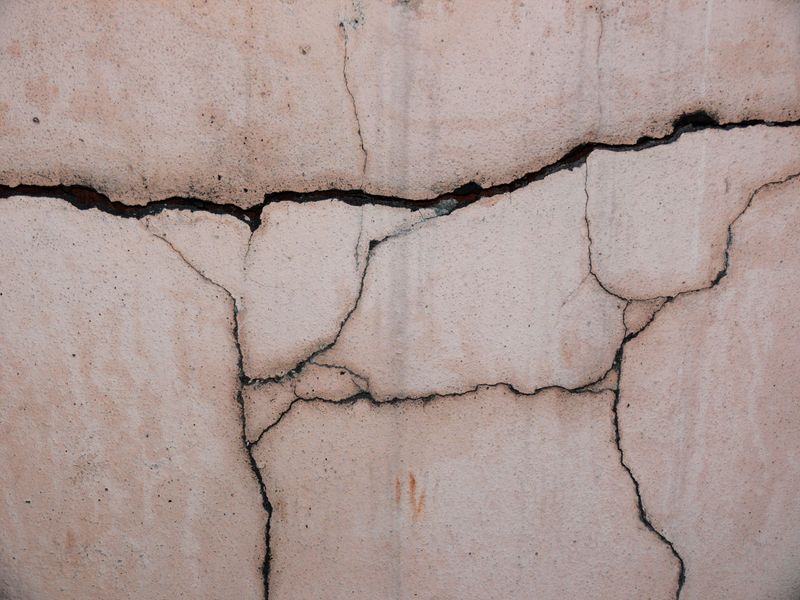
A gap barely a quarter inch wide is enough for a young snake to squeeze through, which still amazes me. That is roughly the width of a pencil, and plenty of older homes have openings far bigger than that.
Snakes searching for warm winter shelter in early fall often follow cool foundation walls looking for any crack. Basements and crawl spaces feel like perfect caves, offering stable temperatures and a good chance of finding mice too.
Walk around your house slowly with a flashlight and check every spot where pipes and wires pass through walls. Those utility openings are sneaky entry points because builders often leave small gaps that widen as the years pass.
Seal cracks with caulk or expanding foam, and use concrete patch for larger holes in the foundation itself. Hardware cloth with a quarter inch mesh works well over vents, since it lets air flow while blocking critters.
Doors deserve attention too, and a simple door sweep closes the gap underneath that many garages leave wide open. I didn’t think my garage door mattered until I found a shed snakeskin tucked beside the recycling bin.
Eastern rat snakes are skilled climbers, so check the roofline and attic vents near any overhanging tree branches. Trimming limbs back from the house removes the easy ladder these athletic reptiles sometimes use to reach upper openings.
Late summer is a smart time to finish sealing, before the fall rush for winter hideouts gets underway. A few tubes of caulk and an afternoon of work can save you a surprising encounter in the basement.
6. Dense Shrubs Hugging The House Hide Snakes

Boxwoods and junipers packed tightly against the siding look neat from the street, but underneath they hide a lot. Low, dense branches create a shady tunnel where snakes rest unseen, sometimes just a step away from your front door.
Foundation plantings give snakes protection from predators and a place to bask or cool off as the day changes. Rodents enjoy the same cover, which means the shrub bed can supply both shelter and dinner in one spot.
Call me picky, but I now treat the space right next to my house as a no-hiding zone. Many experts suggest keeping about 24 to 36 inches of clear space between shrubs and the foundation wall.
Prune the lowest branches so you can see the soil beneath, which makes passing snakes feel exposed and nervous. Limbing up shrubs by several inches also improves airflow, and plants often stay healthier with fewer fungal problems.
Thick ground covers like English ivy are another trouble spot, and ivy is invasive in Maryland anyway. Swapping it for native plants with open bases, such as little bluestem grass, gives you visibility and better habitat.
Shrubs with upright stems near the ground, like many native viburnums, let you peek underneath without bending low. When you plant new ones, space them according to their mature size so they do not merge into a dense wall.
You do not have to rip out every shrub, since careful pruning and smarter spacing usually solve most issues. A bit of breathing room along the foundation keeps your landscape attractive while sending curious snakes elsewhere to rest.
7. Old Pots And Tarps Turn Into Snake Shelters
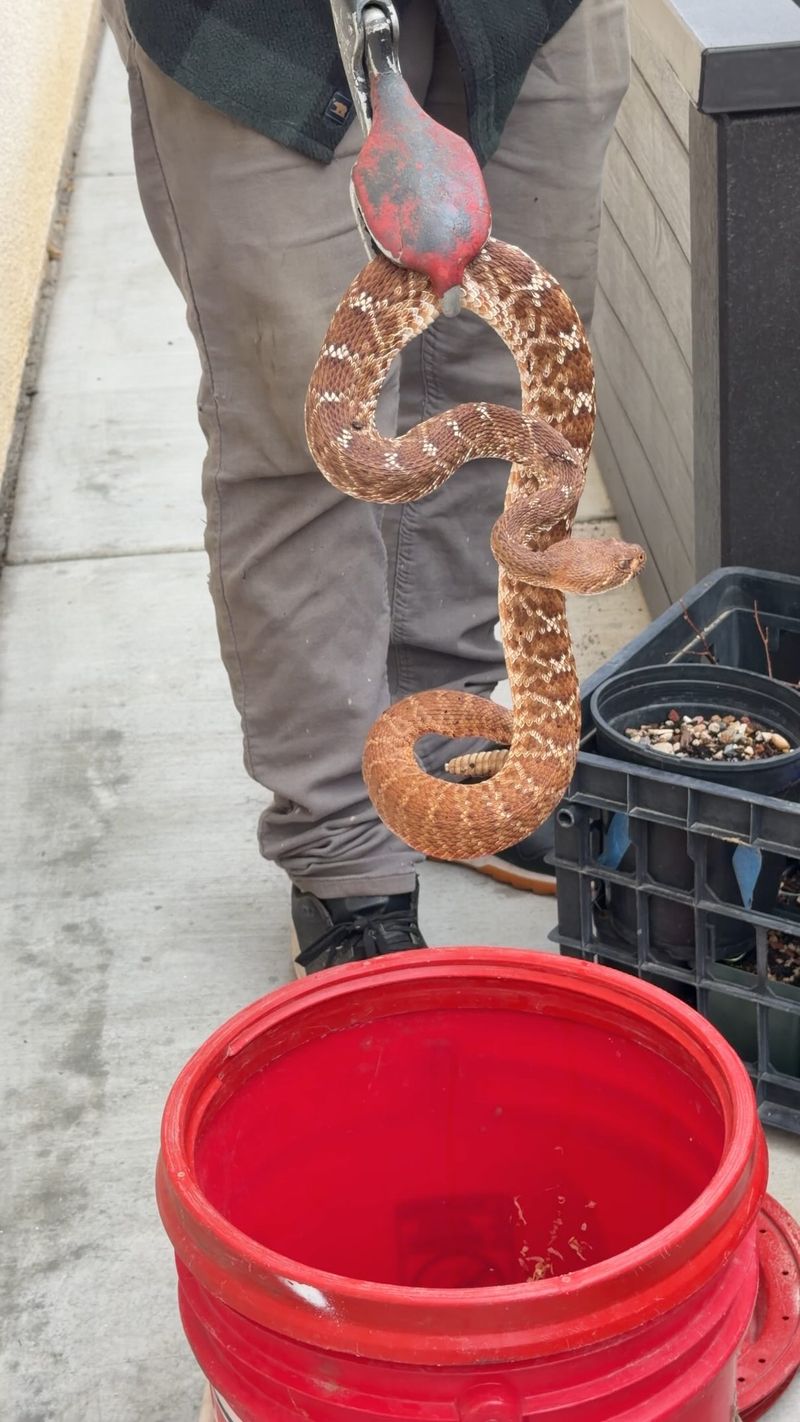
That stack of cracked flowerpots behind the garage might be the coziest snake shelter on your whole street. Don’t laugh, but I once found a garter snake curled inside an upside-down pot like it paid rent there.
Old tarps and leftover building materials create dark, quiet spaces where snakes can rest for days without being disturbed. Plywood sheets lying flat on the grass are especially popular, because they trap warmth while offering a safe roof.
Field researchers actually lay out boards and metal sheets on purpose to find snakes during wildlife surveys. If scientists use clutter to attract reptiles, it makes sense that a messy yard does the same job.
Garden beds can turn into hideouts too, especially when weeds grow thick between your tomato and pepper plants. Keeping vegetable rows weeded removes ground-level cover and makes harvesting a lot less startling for you.
Even last year’s holiday tree tossed in a corner can become a snake shelter once the needles drop. Chip it into mulch for paths or drop it off at a local yard waste collection program.
Set aside one weekend each season to sort clutter and move the keepers onto sturdy shelves in the shed. Wear thick gloves and lift items from the far side, so any hidden animal escapes away from you.
Copperheads are one of the two venomous species here, and they blend beautifully into leaf litter and debris. Clearing clutter lowers the chance of reaching blindly into a spot where one might be quietly resting.
8. Thick Mulch Beds Hide Northern Brown Snakes
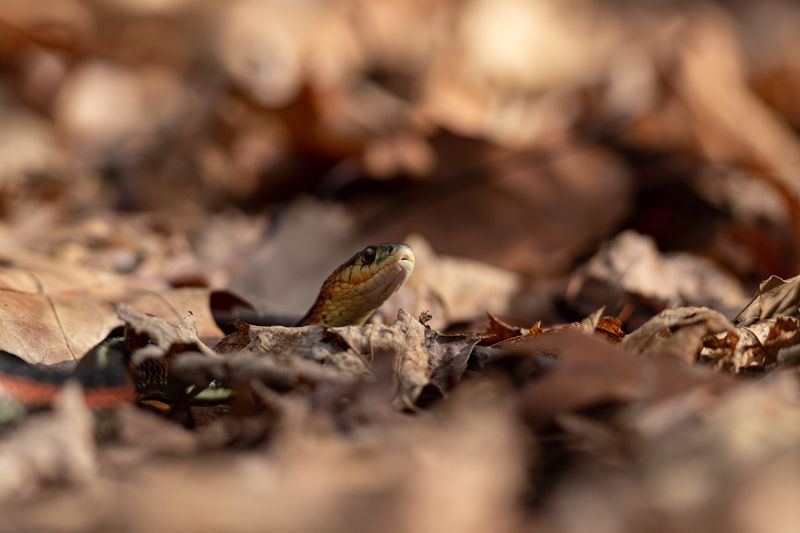
Mulch is a gardener’s best friend, but a six-inch layer piled against the house is also a snake’s favorite blanket. I’ll say this much, my old habit of heaping mulch around the foundation did my yard no favors.
Thick mulch holds moisture and stays insulated, giving small snakes loose material they can burrow through with ease. Northern brown snakes are famous for hiding under mulch, where they hunt slugs and earthworms in the damp layer.
Some egg-laying species may even use large mulch or compost piles as nesting sites, thanks to the steady warmth. Northern brown snakes give birth to live young, but rat snakes are known to lay eggs in decaying material.
Most extension services recommend keeping mulch about two to three inches deep, which protects plants without creating snake lodging. Pull mulch back several inches from your foundation and from tree trunks, since piled volcanoes cause rot anyway.
In spots right beside the house, consider gravel or river rock instead, because tight stones offer fewer hiding places. Rock strips also help with drainage and discourage termites, which makes them a handy choice along foundation walls.
Rake mulch beds lightly a few times each season to break up matted layers and check for unwanted guests. Bagged mulch should be stored off the ground or used quickly, since a forgotten pile becomes instant shelter.
You can still enjoy rich garden beds by keeping mulch thin near buildings and fuller farther out in the yard. That balance keeps your plants happy while gently nudging snakes toward a less convenient address down the block.