How To Stop Japanese Beetles From Overrunning Your Maryland Yard This Summer
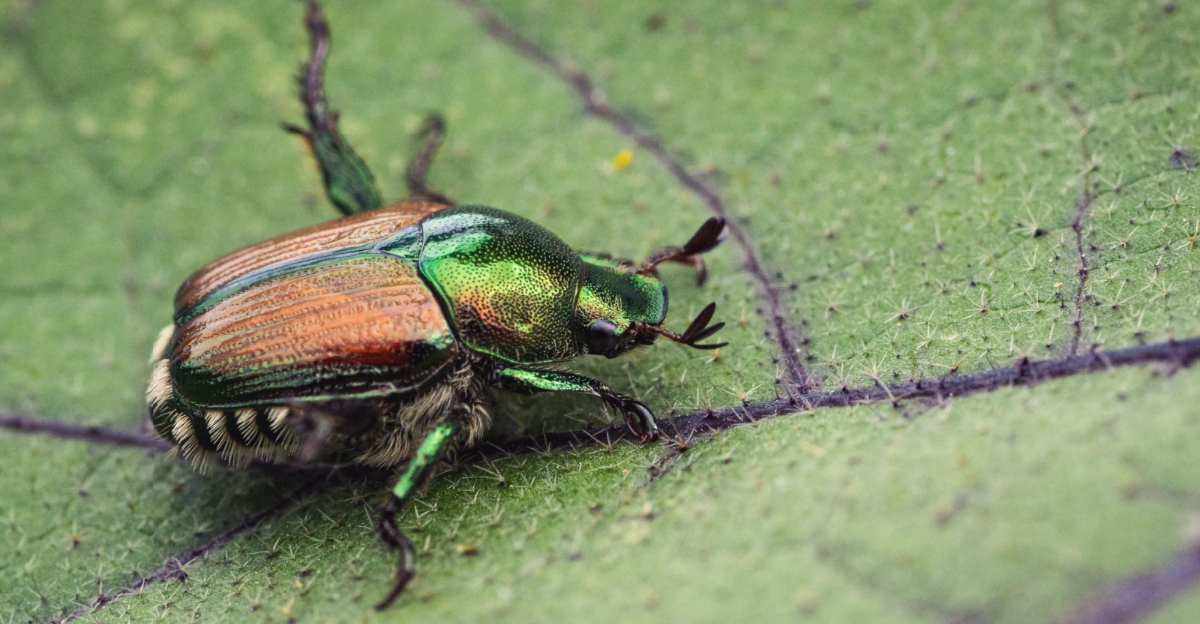
Copper wings catch the morning light, and your rose garden may never feel quite as carefree again. You notice them before you fully process what you are seeing.
Small, gleaming, and moving with quiet purpose through petals you spent months coaxing into bloom.
They work unhurriedly, leaf by leaf, bloom by bloom, completely unbothered by your presence. One feels accidental. A handful feels personal.
What draws them so reliably to carefully tended spaces, and more importantly, what actually stops them?
Gardeners across Maryland have been wrestling with that question for years. The answers, it turns out, are far more within reach than most expect.
No specialized knowledge required, no significant expense, and no reason to feel outmatched by something the size of a blueberry. You have more power here than you think.
Scout Your Yard Now Because Beetles Are Emerging
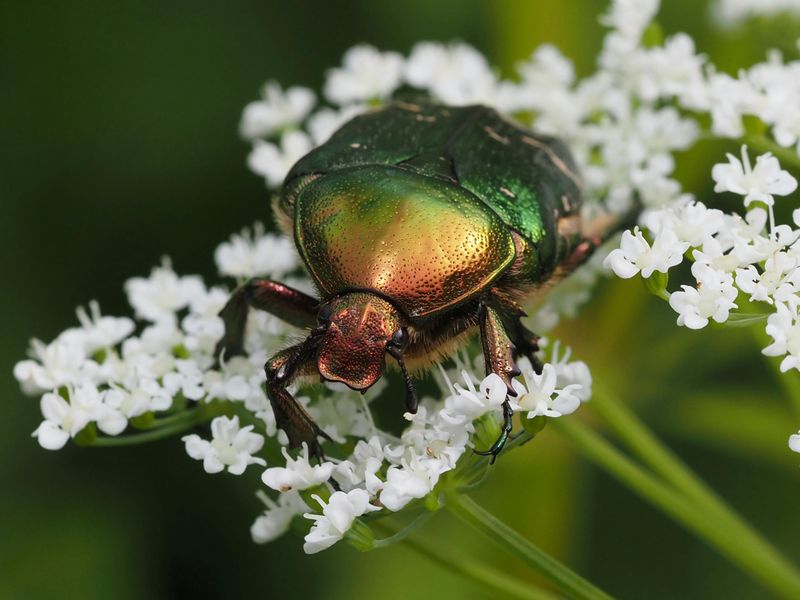
Your yard is basically a buffet right now. Japanese beetles begin emerging in Maryland as early as late June, and catching them early is your biggest advantage.
Walk your yard in the morning when beetles are sluggish and easier to spot. Check roses, grape vines, linden trees, and basil plants first since those are their favorite targets.
Look for clusters of beetles on the tops of leaves. They love to pile on top of each other, which makes them easier to find and remove all at once. Check your lawn edges too, especially near flower beds.
By early summer, last year’s grubs have likely already matured and are preparing to emerge as adults. Grab a notebook and mark which plants show the most damage.
Tracking hotspots helps you focus your efforts where beetles are already causing the most harm. Early scouting also tells you how bad the season will be.
A light early population means you have time to act before numbers surge into a full-blown Japanese beetle takeover. Do not wait for obvious leaf damage to start looking.
By the time your plants look like lace, the beetles have already been feeding for days, and their activity naturally draws more toward the same plants.
Handpick Beetles Into Soapy Water, Mornings Work Best
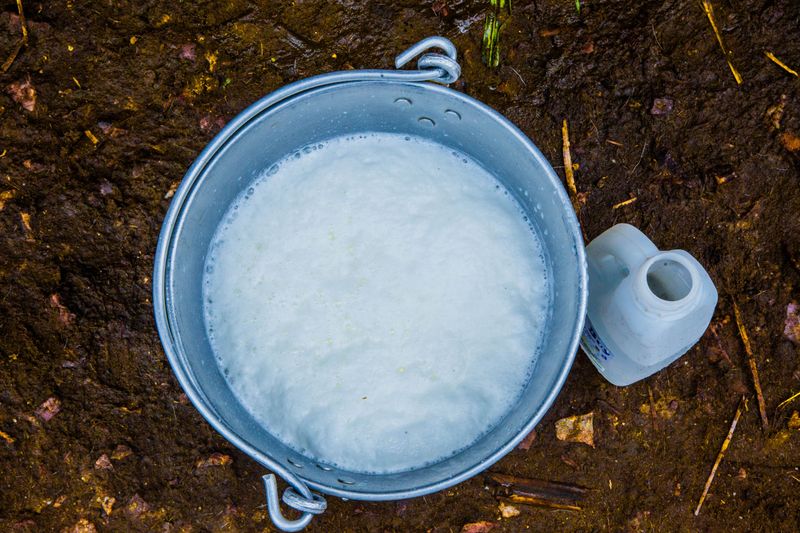
This method sounds old-fashioned, but it is shockingly effective. Handpicking is one of the safest and most satisfying ways to manage Japanese beetles without chemicals.
Grab a bucket of warm water mixed with a few drops of dish soap. The soap breaks the surface tension so beetles cannot float or escape once they fall in.
Head outside early, ideally between 6 and 9 in the morning. Beetles are cold and slow at that hour, making them much easier to knock off plants before they fly away.
Hold your bucket under each plant and gently shake the branch or stem. Beetles drop straight down when startled, landing right into your soapy trap below.
Do not squeeze or swat them on the plant. Some sources suggest that crushing beetles on the plant may release compounds that attract others, so dropping them into water is the safer approach.
Your Maryland Garden Changes Every Week. Your Plan Should Too.
Gardening in Maryland changes quickly throughout the season. Every Friday you’ll receive a simple weekly plan showing exactly what to plant, prune, fertilize, harvest, and protect so you never miss the right timing.
Check the same plants every single day during peak season. Consistency matters more than perfection when you are dealing with an ongoing wave of Japanese beetles.
Some gardeners do this in the evening too, especially on hot days when beetles return to feed before sunset.
Morning sessions tend to catch more beetles, but doubling up during a heavy infestation can make a real difference in protecting your most prized plants this season.
Spray Neem Oil Or Pyrethrin On Vulnerable Plants Each Evening
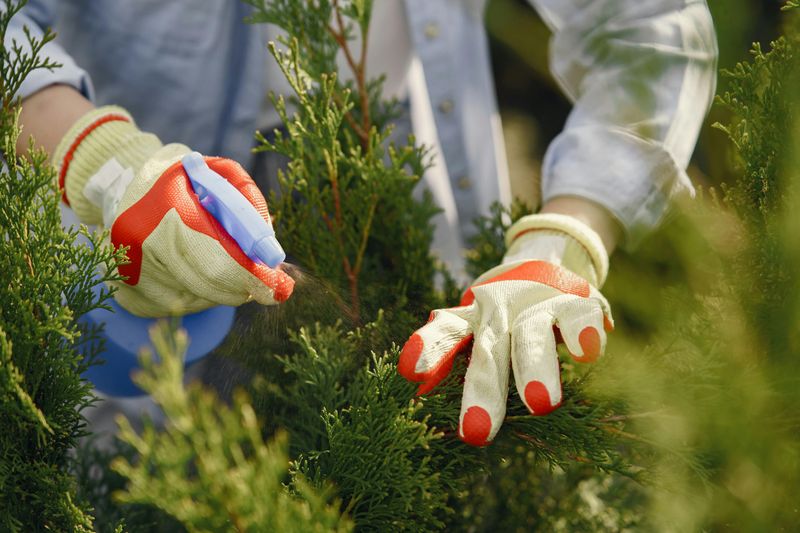
Not every battle can be won by hand. When beetle populations surge, a targeted spray can protect your most vulnerable plants without harming your whole yard.
Neem oil is a natural option pressed from the seeds of the neem tree. It can help disrupt the beetle’s feeding behavior and breaks down relatively cleanly compared to some conventional options.
Pyrethrin is another solid choice made from chrysanthemum flowers. It acts fast on contact and breaks down quickly, making it safer for pollinators when applied at dusk after bees head home.
Always spray in the evening, not the morning. Applying sprays during midday sun can burn leaves and also harms beneficial insects that are actively foraging during daylight hours.
Coat the tops and undersides of leaves thoroughly. Beetles tend to feed from the top but hide underneath, so missing the underside means leaving half the plant unprotected.
Reapply after rain since both neem oil and pyrethrin wash off easily. Check the forecast before spraying so you are not wasting product on a night before a big storm rolls through.
Rotate between neem oil and pyrethrin if possible. Alternating treatments is a reasonable precaution that prevents over-reliance on any single product throughout the season.
Treat Your Lawn With Preventive Grub Control Before Mid-July
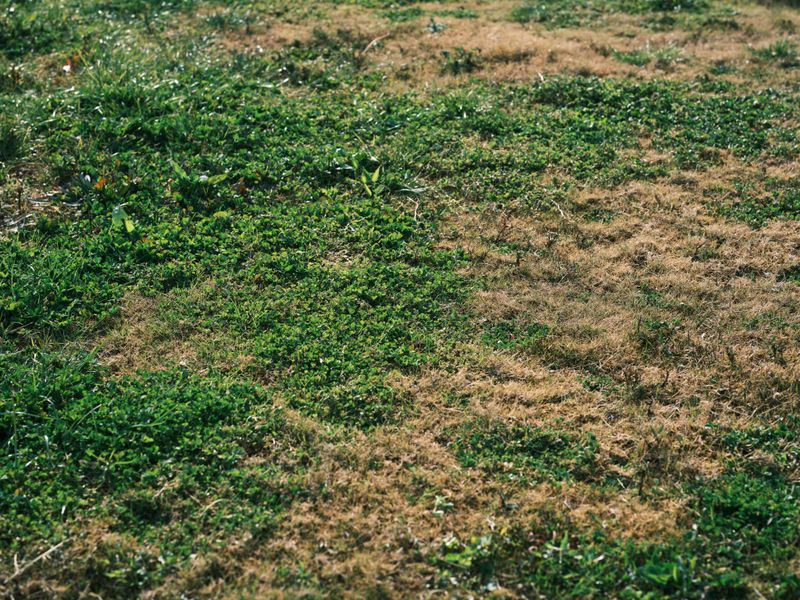
Japanese beetles do not just ruin your garden above ground. Their babies, called grubs, spend months chewing through your lawn roots just below the surface.
Grub control applied before mid-July targets newly hatched larvae while they are still tiny and close to the soil surface. Waiting too long means the grubs burrow deeper and become much harder to reach.
Look for products containing imidacloprid or chlorantraniliprole at your local garden center. These preventive treatments are most effective when watered into the soil right after application.
Read the label carefully before spreading anything. Timing and watering instructions vary by brand, and applying incorrectly can reduce how well the product actually works in your yard.
Apply to areas where you saw grub damage last fall or noticed brown patches in summer. Beetles tend to lay eggs in the same general areas year after year, especially in sunny, well-watered turf.
Healthy lawns recover faster from grub pressure, so overseeding thin spots this spring also helps. A thick, dense turf is harder for beetles to penetrate when they are searching for egg-laying sites in July.
Preventive grub control is one of the most important steps in stopping Japanese beetles long term. Fewer grubs in the ground this fall means fewer adult beetles emerging to damage your Maryland yard next summer.
Move Pheromone Traps Far Away From Plants You Want To Protect
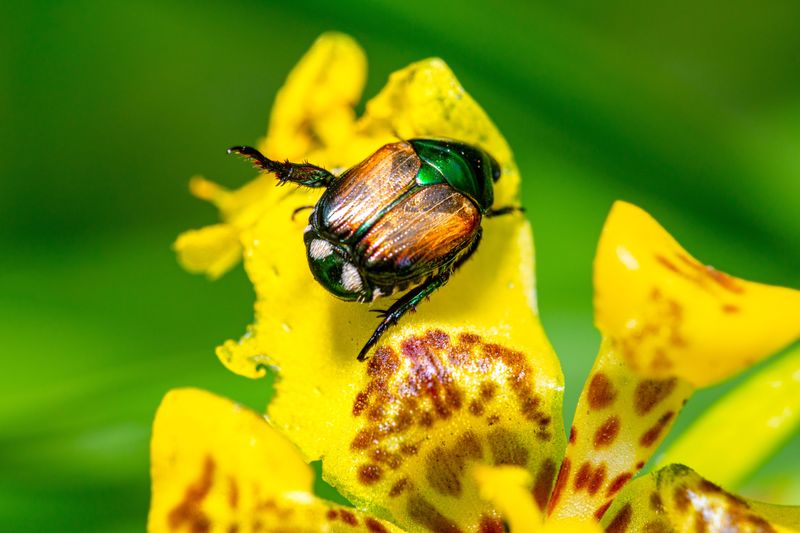
Pheromone traps are everywhere at hardware stores, and they are wildly popular for a reason. They attract and catch thousands of beetles, which feels like a huge win.
But here is the catch that most people miss. Studies show that these traps attract far more beetles than they actually capture, pulling in insects from neighboring yards and concentrating them near your garden.
If you place a trap next to your roses, you are essentially sending a party invitation to every beetle in the neighborhood.
The ones that miss the trap end up feasting on your plants instead. The fix is simple but requires some space.
Position traps at least 30 feet away from any plants you care about, ideally at the far edge of your property or beyond your fence line. Hang them in an open, sunny spot since beetles fly most actively in warm, direct sunlight.
A trap placed in shade catches far fewer beetles than one in full afternoon sun. Empty the collection bag every couple of days during peak season.
Overfull traps stop working well, a bag packed with beetles that have already been caught can actually repel new ones from entering. Used correctly, traps can help reduce local beetle pressure over time.
Just remember that placement is everything, and a misplaced trap can draw more beetles toward your plants rather than away from them, adding to your frustration instead of reducing it.
Cut Watering During Peak Egg-Laying In July
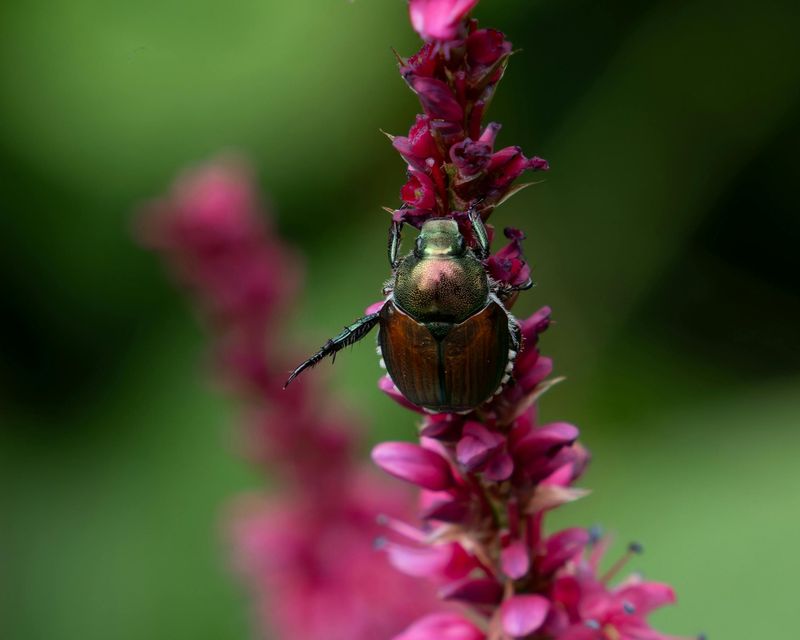
Water is life for your lawn, but it is also a welcome mat for Japanese beetles. Female beetles prefer moist, soft soil when choosing where to lay their eggs in July.
Cutting back irrigation during the egg-laying period makes your lawn less inviting. Drier, firmer soil is harder for females to penetrate, so they often move on to softer ground elsewhere.
This strategy works best in mid-July when egg-laying is at its peak in most Maryland areas.
Skipping a week or two of watering during this window may help discourage egg laying, contributing to a smaller grub population the following year.
Most established lawns can handle a short dry spell without permanent damage. Grass goes dormant and turns tan, but it bounces back quickly once regular watering resumes in late summer.
Young lawns or newly seeded areas are a different story. Do not stress new grass during establishment since the long-term damage may outweigh the beetle control benefit in those specific areas.
Combine the watering reduction with other strategies for the best results. Dry soil alone will not eliminate beetles, but it adds one more layer of pressure that makes your yard less attractive overall.
Think of it as making your lawn a less comfortable place to raise a family. Every small barrier you add stacks up to meaningful protection against Japanese beetles across the full season.
Follow Up With Curative Grub Insecticide From Late July Through Early August
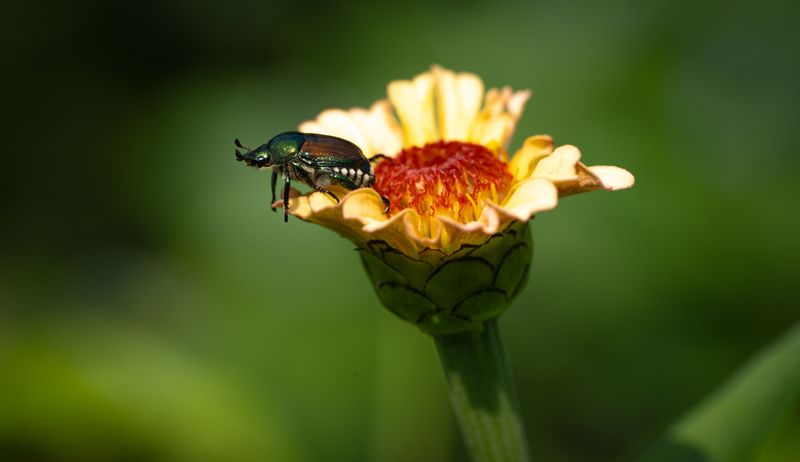
Preventive treatments work great when timed right, but sometimes grubs still show up despite your best early efforts. That is where curative products come in during late summer.
Curative insecticides containing trichlorfon or carbaryl target larger, more developed grubs that have already hatched and started feeding on your lawn roots. These products work fast but require precise timing.
Apply between late July and early September while grubs are still actively feeding near the soil surface and reachable by the product. Once they grow larger and burrow deeper in fall, curative treatments become much less effective.
Water your lawn deeply before applying a curative product. Moist soil helps the insecticide move down to where the grubs are actively feeding just below the root zone.
Apply another deep watering immediately after treatment as well. Getting the product down into the soil quickly is critical for it to reach grubs before they move out of the target zone.
Watch for signs of grub damage like spongy turf or patches of grass that peel back like a carpet. Those signs confirm active grub feeding and tell you exactly where to concentrate your curative application.
Curative grub control is your safety net when prevention alone was not enough. Acting during this window gives your lawn the best chance of a strong, healthy recovery.
Use Milky Spore Or Beneficial Nematodes For Long-Term Protection
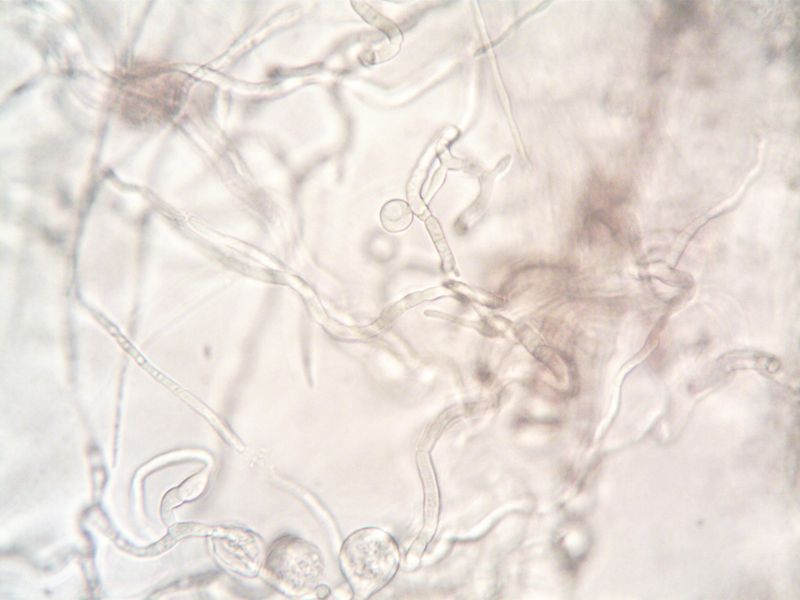
Chemicals work fast, but nature has its own long game. Milky spore and beneficial nematodes are biological tools that build lasting protection against Japanese beetle grubs over time.
Milky spore is a naturally occurring bacterium called Bacillus popilliae. When grubs eat it from the soil, it infects and eliminates them from the inside, then spreads through their remains to infect future generations.
In favorable soil conditions, milky spore can provide several years of residual protection, though results vary depending on regional climate and grub population levels.
It works best in warm soil with an established grub population to feed on and spread through. Beneficial nematodes are microscopic roundworms that hunt grubs in the soil.
They are completely harmless to people, pets, earthworms, and plants, making them one of the safest options available to home gardeners.
Apply nematodes in late summer or early fall when grubs are young and near the surface. Keep the soil moist before and after application since nematodes need moisture to move through the ground and find their targets.
Milky spore takes a season or two to build up significant population levels. Nematodes act faster but need annual reapplication since they do not establish permanent colonies in the soil the way milky spore does.
Using both together gives you speed and staying power. This combination approach is one of the smartest long-term investments you can make against Japanese beetles in your Maryland yard.
Relax Because Most Plants Bounce Back Once Beetle Season Ends
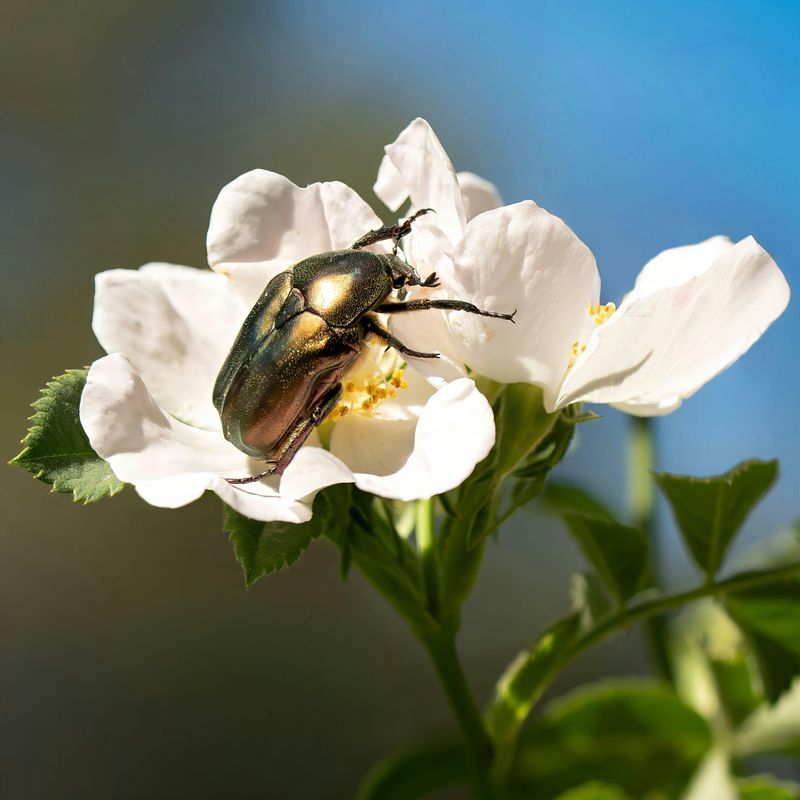
Beetle season feels brutal when it is happening. Watching your roses lose their leaves and blooms one by one is genuinely discouraging.
But here is the encouraging truth about Japanese beetles. Their adult feeding season typically lasts only 6 to 8 weeks, wrapping up in most Maryland areas by mid to late August.
Most healthy plants recover fully once the pressure is gone. New leaf growth emerges, roses rebloom, and shrubs that looked completely stripped often look surprisingly normal by September.
Focus your energy on keeping plants watered and fed during and after the beetle season. A stressed plant recovering from feeding damage needs good moisture and a light dose of fertilizer to bounce back quickly.
Avoid heavy pruning right after beetle damage since the plant needs every remaining leaf to photosynthesize and rebuild. Give it a few weeks of peace before you start trimming anything back.
Younger plants and newly transplanted shrubs may need a bit more support. Consider shading them temporarily or giving extra water if they look particularly exhausted after a rough beetle season.
The goal is not perfection, it is persistence. Every step you took this summer against Japanese beetles in your Maryland yard made next year a little easier, and your garden is tougher than it looks right now.