8 Venomous Animals in South Carolina You Should Know Before Your Next Outdoor Trip
Some baby snakes in the woods wiggle bright yellow tail tips like worms to lure curious frogs within reach. I learned that trick while weeding a shady bed, and my trowel has moved more slowly ever since.
South Carolina hosts roughly forty kinds of snakes, yet only six of them carry venom worth worrying about. A few small spiders tucked under porch rails and woodpiles round out the list of locals to respect.
I’ll admit it, I used to reach into mulch piles and firewood stacks without a second thought. Now I wear thick gloves and glance twice before my fingers disappear into anywhere dark and quiet.
Most of these creatures would rather hide than meet you, which honestly makes them easy to overlook. So how many of these quiet South Carolina neighbors could you spot on your next hike?
1. Cottonmouths Flash White Mouths Near Swamps And Streams
Few sights stop a paddler faster than a thick dark snake opening a mouth as white as cotton candy. I froze on a creek bank once, and that pale warning said everything it needed to say.
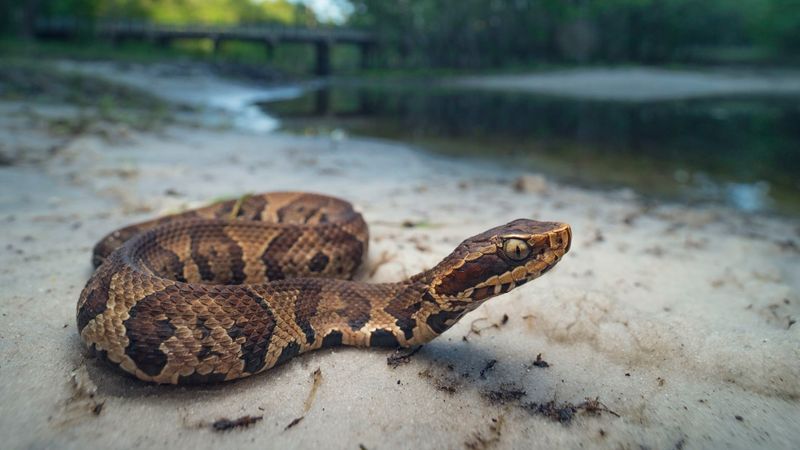
Also called water moccasins, cottonmouths usually grow two to four feet long with heavy olive or brown bodies. Older snakes often look almost plain black, while juveniles show bold bands and yellowish tail tips.
They favor swamps, marshes, ditches, and slow streams across the coastal plain and into the lower Piedmont. You will rarely meet one in the mountains, so upstate hikers mostly have other snakes to watch for.
Plenty of harmless water snakes get mistaken for cottonmouths, which leads to many innocent snakes being chased off. Cottonmouths swim with their whole bodies floating high, while most water snakes keep only their heads up.
Their reputation for chasing people is mostly a myth, according to wildlife biologists who have studied their behavior. When cornered, they coil up and gape wide, hoping the threat simply backs away and leaves them alone.
A bite causes serious pain and swelling, so medical care should come fast after any encounter that ends badly. Keep the bitten limb still and remove rings or watches before swelling has a chance to set in.
Near the water, watch where you sit and step, especially around logs and tangled roots along the shore. Fishing from open banks instead of brushy edges gives you a clearer view of who else is nearby.
2. Timber Rattlesnakes Rest Quietly Along Forest Logs
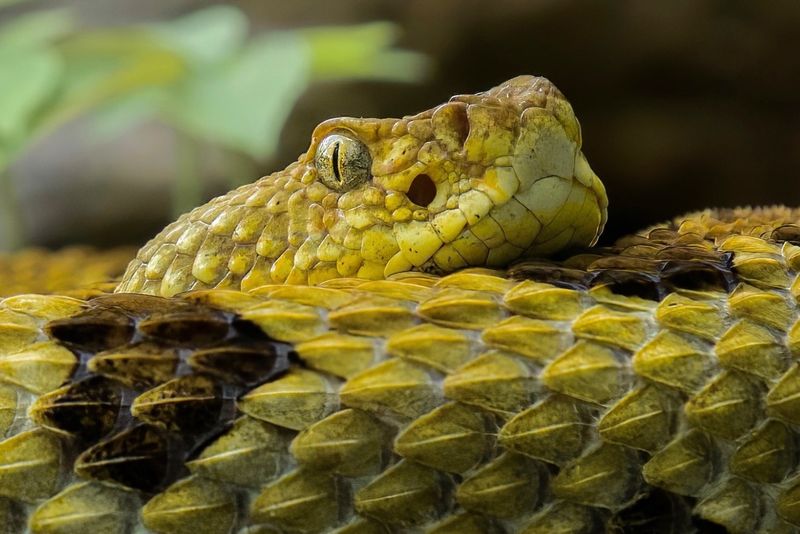
A timber rattlesnake can sit beside the same fallen log for days, waiting patiently for a mouse to wander past. I admire that kind of patience, though I prefer admiring it from a very comfortable distance.
These heavy snakes usually reach three to five feet, wearing grayish to yellowish tan bodies with dark chevron bands. Their tails end in solid black, and the rattle sits right at the tip like a built-in alarm.
In the coastal lowlands, many people call them canebrake rattlesnakes, and they often show a rusty stripe down the back. Same species, just a regional look, so do not let the nickname confuse you on a trail.
Timber rattlesnakes turn up statewide, from mountain ridges to river swamps and even farm edges near towns. In cooler areas, they gather in winter dens and return to the same spots year after year.
Their temperament is surprisingly calm, and many will lie still or rattle long before they consider striking. Even so, their venom is potent, and a bite counts as a true medical emergency every single time.
If you hear that dry buzzing sound, stop moving and find the snake with your eyes before stepping anywhere. Then back away slowly the way you came, giving it at least several feet of breathing room.
Hikers in the woods should stay on clear paths and step onto logs rather than straight over them. That small habit lets you see what is hiding on the far side before your boot lands there.
3. Southern Black Widows Hide Under Woodpiles And Sheds
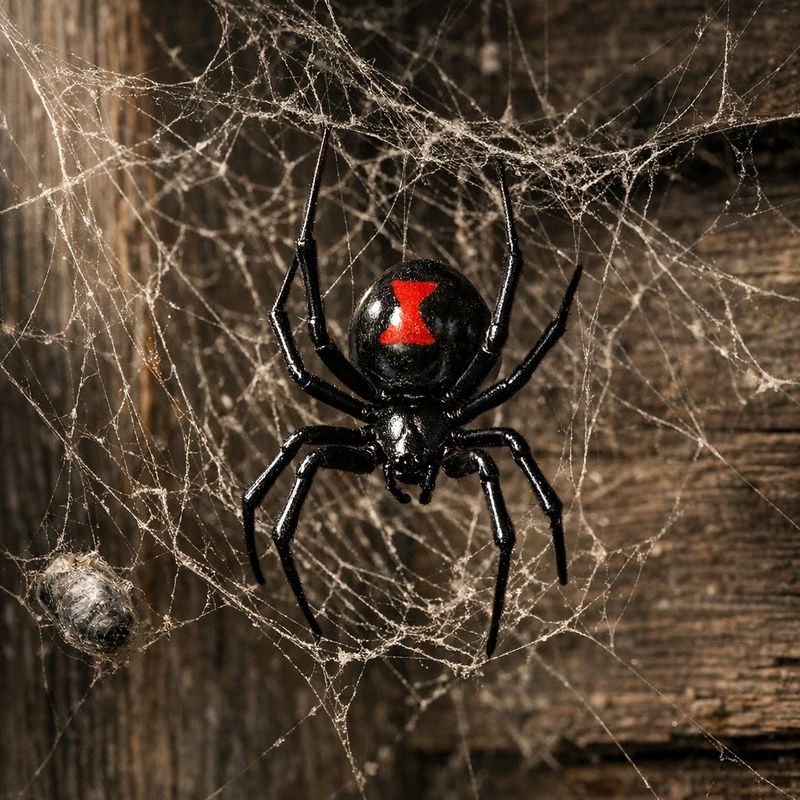
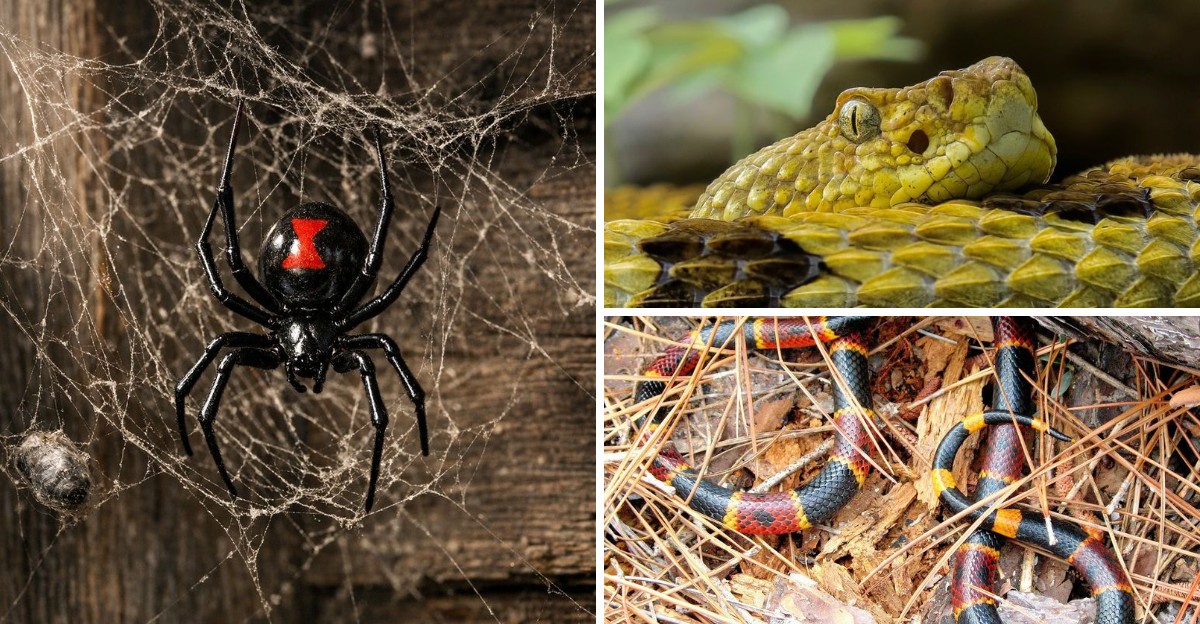
That shiny black spider with a red hourglass underneath has earned a reputation bigger than her actual body. Females measure about an inch and a half with legs spread, while the brownish males stay much smaller.
Southern black widows show a full red hourglass on the belly, and many also have a red spot on top. Turn over an old flowerpot in late summer, and you might find one hanging upside down in a tangled web.
These spiders are common statewide, choosing dark, sheltered spots close to the ground and away from foot traffic. Water meter boxes and stacked firewood rank high on their list of favorite hideaways around the yard.
Their webs look messy and tangled rather than neat, and the silk feels surprisingly tough when you brush it. I check my garden gloves and boots by shaking them out, a habit that takes only a second.
The venom acts on nerves and can cause strong muscle cramps and stomach pain within an hour or so. Serious outcomes are rare in healthy adults, but children and older folks should see a doctor quickly.
Black widows are shy and usually bite only when pressed against skin, like inside a glove or shoe. Most bites happen when someone reaches blindly into a dark corner, so a quick look first prevents trouble.
Clear clutter from sheds and garages, and keep firewood stacked away from your home’s walls and doors. A flashlight check before reaching under patio chairs feels silly at first, then it becomes second nature.
4. Eastern Diamondbacks Rule The Sandy Coastal Pinelands
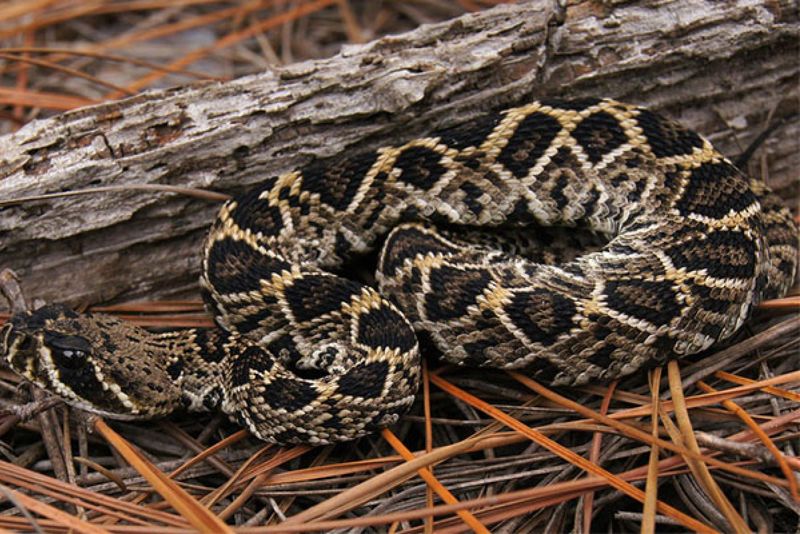
Bold diamonds outlined in cream make the eastern diamondback one of the most striking snakes in North America. It also ranks as the heaviest venomous snake on the continent, and old records stretch past seven feet.
Most adults measure three to six feet, with thick bodies and a dark stripe running through each eye. When that rattle starts buzzing, the sound is loud enough to make anyone stop mid-stride on a trail.
In this state, diamondbacks live mainly in the lower coastal plain, favoring longleaf pine flatwoods and barrier islands. They shelter in stump holes and animal burrows, slipping underground to escape both summer heat and winter chill.
Sadly, their numbers have declined as longleaf forests shrank and roads cut through their remaining habitat. Biologists across the Southeast consider them a species of concern, so seeing one in the wild feels almost special.
Rabbits and rats make up much of their menu, which helps keep rodent numbers in check around farms. A single snake may wait in ambush beside a trail for hours, trusting its camouflage to do the work.
Their venom is powerful, and a bite requires emergency treatment with antivenom at a hospital as soon as possible. Skip the old snakebite kits and suction tricks, since doctors say they do more harm than good.
On coastal trips, keep pets leashed and stick to boardwalks or open sandy paths where visibility stays clear. Honestly, a diamondback warning you with its rattle is a gift, so take the hint and walk away.
5. Brown Widow Spiders Leave Spiky Egg Sacs On Porches
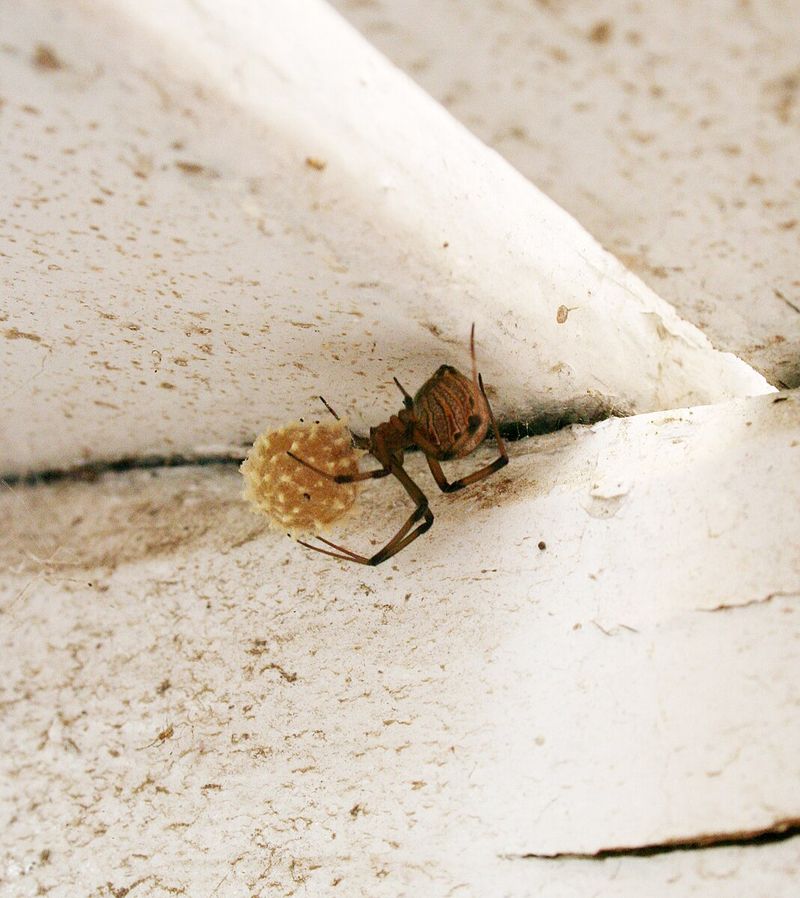
Spiky little egg sacs that look like tiny sea mines are the calling card of the brown widow spider. I found three under a porch railing once and thought they were odd seed pods until I looked closer.
Brown widows likely originated in Africa and have spread across the Southeast through shipping and trade in recent decades. Their bodies range from tan to dark brown, with an orange hourglass underneath and banded legs that look striped.
In South Carolina, they show up most often in coastal towns and suburbs, though they continue to spread inland. They prefer human structures, especially porch railings and the undersides of plastic patio furniture.
Drop for drop, their venom is reportedly more potent than a black widow’s, but they inject much less of it. Bites are uncommon and usually cause only local pain, so they are considered far less dangerous than darker cousins.
Some researchers have noticed brown widows becoming more common than southern black widows in certain urban neighborhoods. That swap might sound like an improvement, but it means more spiders living close to our doors and windows.
Scrape egg sacs into a sealed bag and toss them in the trash during your regular porch cleanup. Each sac can hold over a hundred eggs, so removing a few makes a noticeable difference by next season.
Before sitting on outdoor chairs, flip them or run a hand broom underneath to clear any webs. Kids love hiding under play sets, so a quick check there keeps summer afternoons fun and free of bites.
6. Pygmy Rattlesnakes Pack A Punch In A Tiny Body
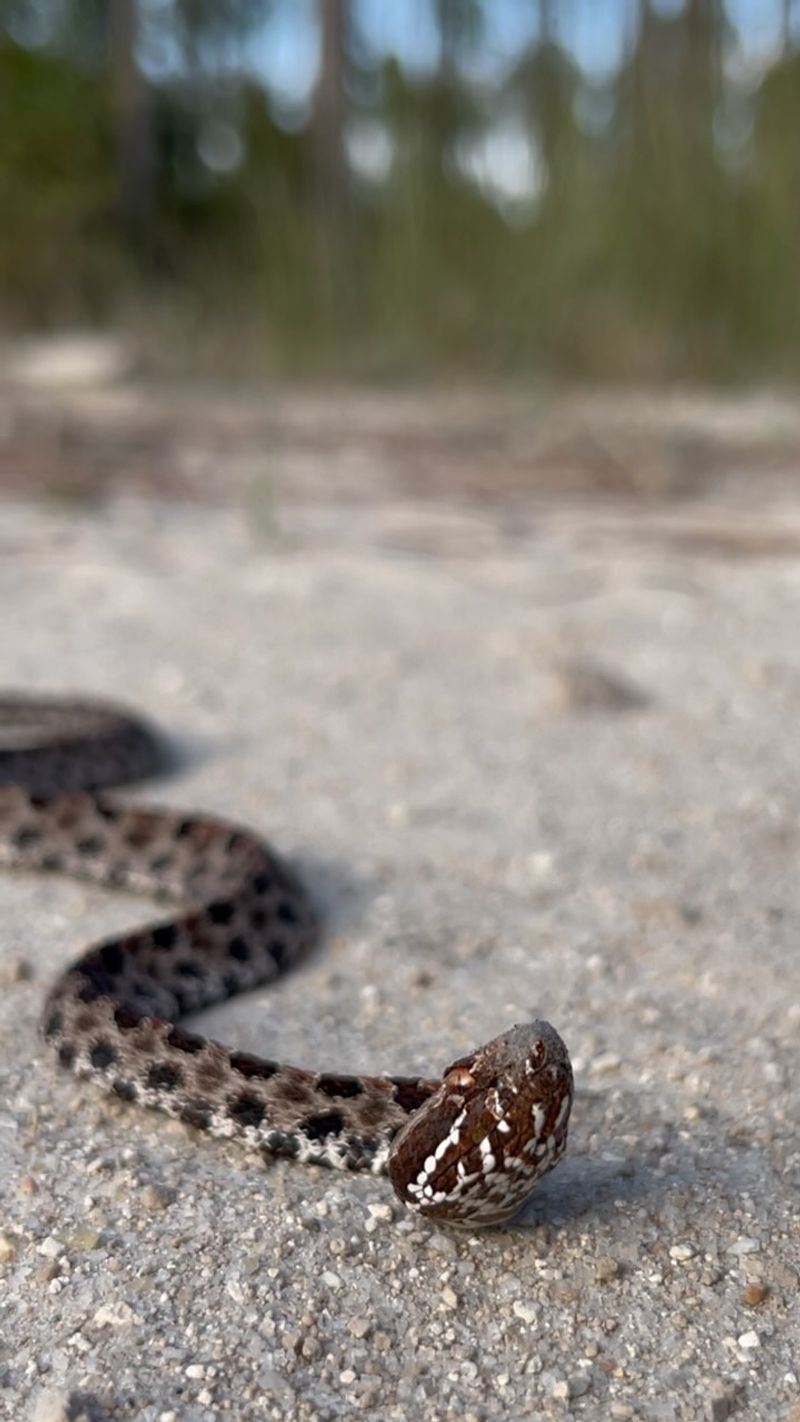
Most adult pygmy rattlesnakes are barely longer than a ruler and a half, yet they carry real venom. Their rattle is so small it sounds like a faint insect buzz, which you might easily miss outdoors.
Adults typically measure fourteen to twenty-two inches, with stout bodies and rows of dark blotches down the back. The Carolina form often shows a reddish or pinkish tint, sometimes with a rusty stripe along the spine.
In South Carolina, they mostly live in the coastal plain, especially in pine flatwoods, sandhills, and wetland edges. They love tucking into leaf litter and pine straw, which makes them easy to overlook while gardening.
These little ambush hunters eat frogs and lizards, and they will even tackle centipedes when the chance appears. Some youngsters twitch yellowish tail tips to lure prey closer, a trick they share with baby copperheads.
Bites are rarely life-threatening for healthy adults because the snake injects only a small dose of venom. Even so, a bite brings real pain and swelling, so treat it seriously and get checked by a doctor.
Pygmies can be feisty when pestered, striking quickly if poked or handled by curious hands. Teach kids to admire any snake with their eyes only, especially small ones that look harmless and cute.
Wear gloves when raking pine straw or moving mulch, since this snake loves those cozy hiding spots. A long-handled rake also gives you extra inches of space if something unexpectedly starts to wiggle.
7. Copperhead Snakes Blend Into Fallen Autumn Leaves
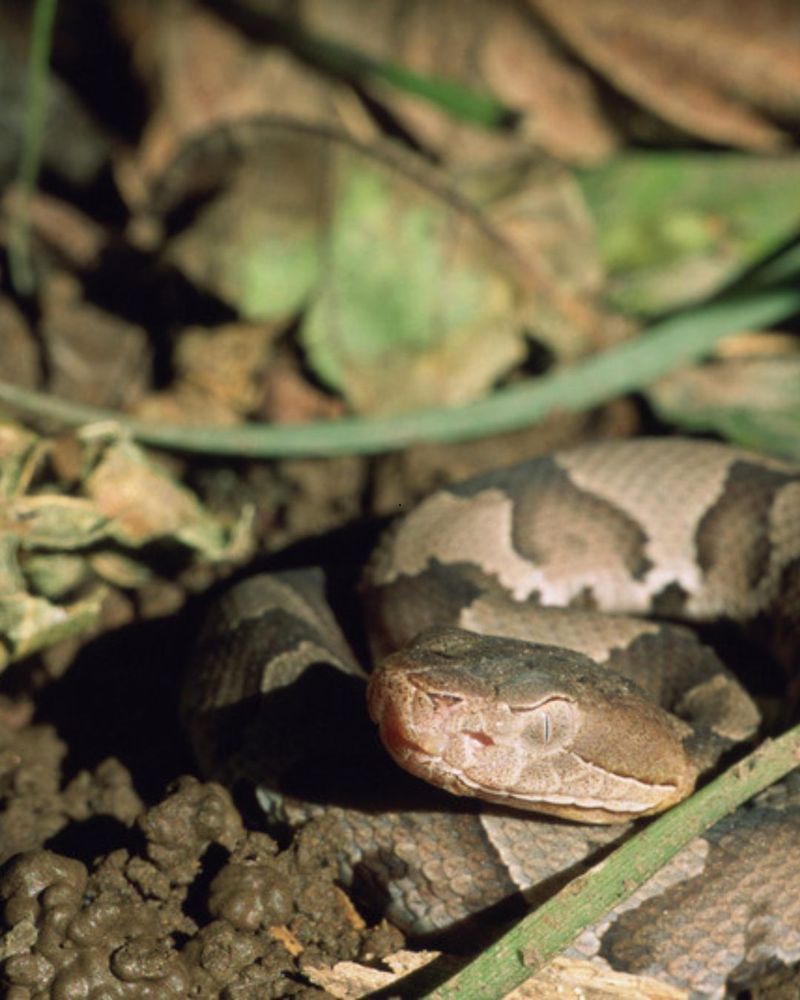
Copperheads wear a coat of coppery tan with dark hourglass bands that melt right into dry oak leaves. I nearly stepped on one beside my compost bin last summer, and my heart still remembers it.
Young copperheads carry bright yellow tail tips, which they wiggle like little worms to tempt frogs and lizards. That clever trick fades as they grow older, usually within their first few years of life.
Eastern copperheads live across the whole state, from mountain hollows down to coastal pine woods and suburban yards. Most venomous bites in this region come from them, mainly because people step or reach without looking.
Their venom causes painful swelling and bruising, though bites rarely threaten the life of a healthy adult. Still, anyone bitten should head to an emergency room quickly instead of trying home remedies or tourniquets.
Copperheads tend to freeze rather than flee, trusting their camouflage to keep them hidden from passing feet. On hot summer nights they often hunt after dark, so a flashlight on evening walks helps a lot.
Around the garden, keep firewood stacked off the ground and clear brush piles away from doorways and paths. Wearing closed shoes in leafy beds feels fussy, but your ankles will thank you later on.
Spotting one does not mean you need to panic or grab a shovel to chase it away. Give it a few steps of space, and it will usually slip off on its own quiet schedule.
8. Eastern Coral Snakes Wear Bright Red And Yellow Bands
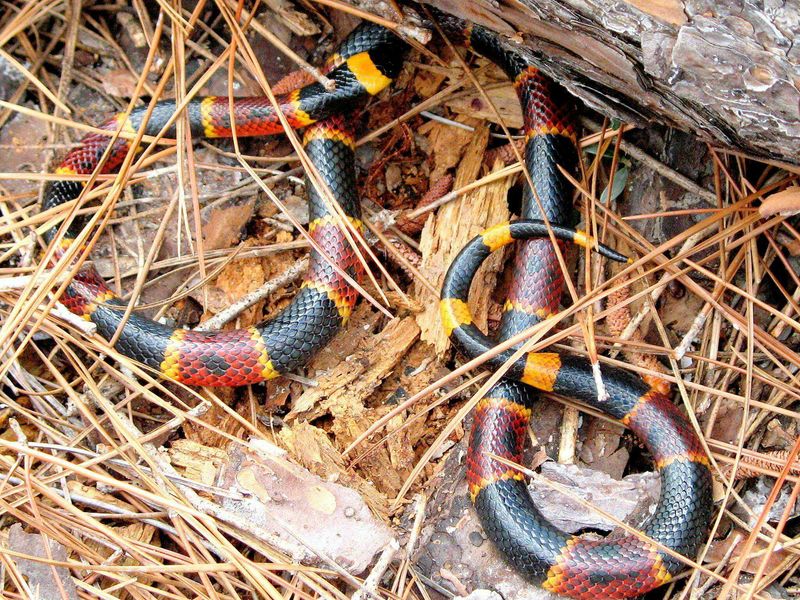
Glossy bands of red touching yellow make the eastern coral snake look almost like a strand of beads. I will confess it is one of the prettiest snakes around, which makes its secretive habits slightly unsettling.
Most adults reach about two to three feet long, with slender bodies and a blunt black snout. The red and yellow bands touch each other, while harmless look-alikes usually show red bands bordered by black.
That old rhyme about red touching yellow works here, but only for snakes found in the United States. Scarlet kingsnakes and scarlet snakes share the same woods, so careful looking beats memorizing any single rule.
In this region, coral snakes live mostly in the southern coastal plain, favoring sandy woods and pine flatwoods. They spend much of their lives underground or under leaf litter, so sightings stay pretty rare for people.
They belong to the same family as cobras, and their venom affects the nervous system rather than tissue. Symptoms can be delayed for hours, so anyone bitten needs hospital care right away, even if feeling fine.
Bites are quite rare, mostly happening when people pick these snakes up or handle them carelessly. Coral snakes have short fixed fangs, and they often hold on briefly rather than striking and letting go.
When digging in sandy soil or moving logs near coastal woods, wear sturdy gloves and use a tool first. Admire the colors if one wanders past, and let it continue its quiet business without any interference.