This Recycled Bottle Trick Keeps Herbs Growing In New York Apartments All Winter
A single cotton shoelace can lift water several inches uphill through soil, all on its own. Plant scientists call this pull capillary action, and it works while you sleep, commute, or forget about your plants for a week.
I learned this the hard way after my basil crisped up on a radiator-warmed sill last January. Steam heat in older New York buildings can drop indoor humidity into the 20 percent range, which is comparable to many deserts.
You probably have the fix sitting in your recycling bin right now. It costs next to nothing, takes about ten minutes, and turns a cramped New York windowsill into a steady supply of fresh leaves.
A little string, a used soda bottle, and the right herb gave me pesto in February. Could your kitchen window pull off the same small miracle this winter?
That Empty Soda Bottle Is Hiding A Tiny Watering System
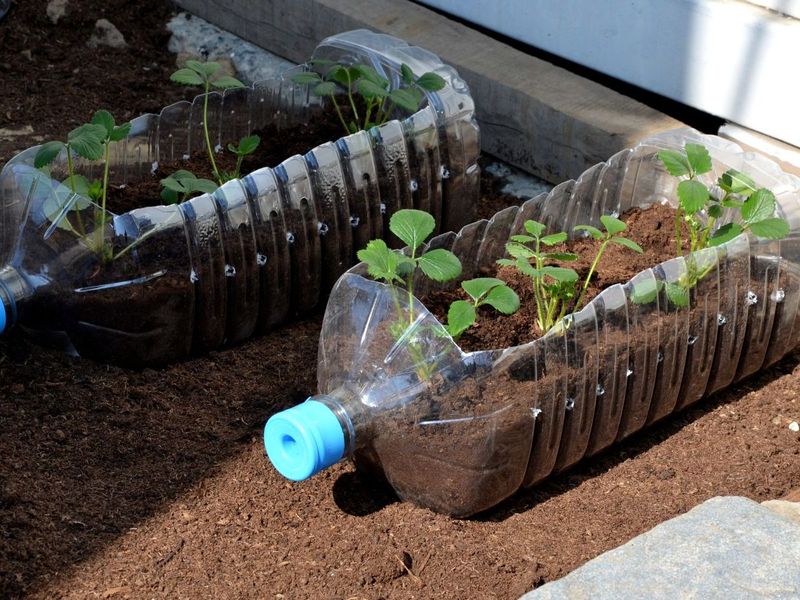
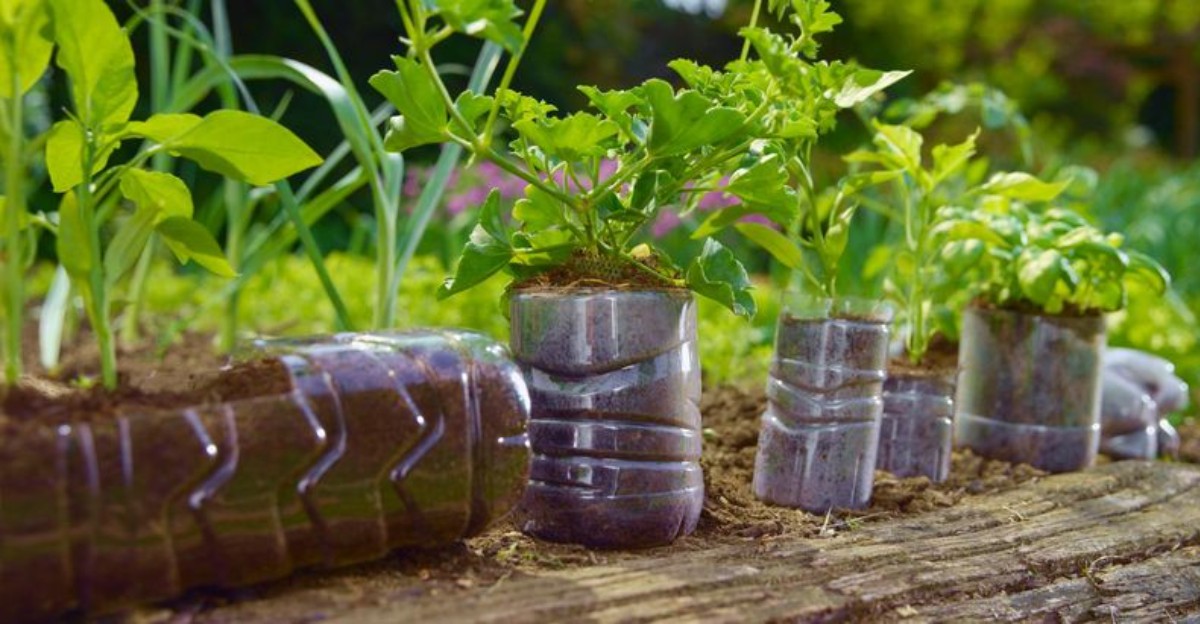
Plastic bottles were built to hold liquid, so it makes sense they are great at sharing it too. Once you cut one in half and flip the top upside down, you get two parts that work as a team.
The upper half holds potting mix and your herb. The lower half becomes a water reservoir. A strip of cotton string, yarn, or old T-shirt fabric runs through the cap and connects the two.
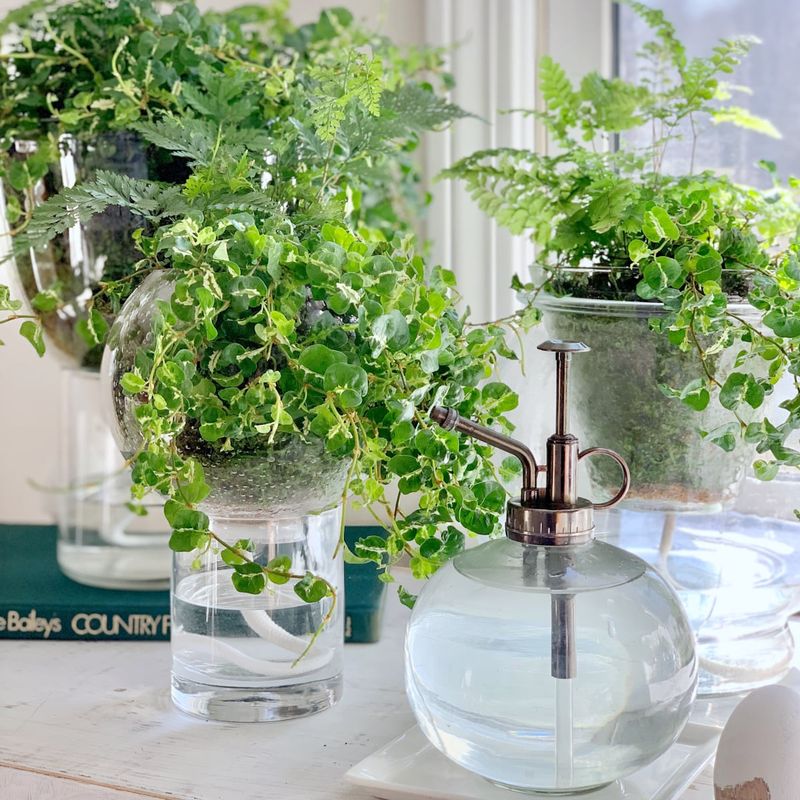
Water climbs that wick the same way a paper towel soaks up a spill. Scientists call it capillary action, and it moves moisture toward the drier soil above. Your plant sips only what the roots pull in, so soggy soil becomes much less likely.
Indoor herbs often struggle because watering swings between flood and drought. A wick evens out those swings.
Container herbs generally stay healthier with steady moisture and good drainage, and this setup delivers both.
I love that the clear plastic lets you see the water level at a glance. When the reservoir runs low, you simply top it off. That small check fits easily into a busy city routine, even during the darkest weeks of winter.
Cut, Flip, And Thread Your Bottle Planter In Ten Minutes
Grab a clean 1- or 2-liter bottle, a pair of sharp scissors, and about eight inches of cotton string. Peel off the label first, since it makes the cut easier to see and the water easier to check later.
Cut the bottle about halfway down. Ask an adult to poke a small hole in the cap with a nail or awl. Thread the wick through and tie a knot on the inside so it stays put.
Soak the wick in water before you plant. A dry wick can take a long time to start pulling moisture. Flip the top half into the base so the cap points down and the wick dangles into the reservoir.
Fill the top with a light, well-draining potting mix, not garden soil. Heavy soil packs down in containers and can smother roots. Tuck your seedling in, leaving about an inch of space below the rim.
Water from the top once to settle everything and connect the soil to the wick. Then fill the bottom about one-third full. After that first drink, the bottle mostly handles the rest for you.
Basil, Chives, And Mint Thrive Best In Bottle Planters
Some herbs act like they were born for bottle life. Leafy, soft-stemmed types that enjoy even moisture tend to love a wick system, even in a New York apartment where winter air runs dry.
Basil tops my list, as long as it stays warm and bright. It sulks below about 50 degrees, so keep it away from drafty glass at night, since old New York windows can leak cold air right onto the sill.
Mint is nearly unstoppable and actually behaves better in a container, where its wandering roots cannot take over.
Chives and parsley are easygoing winter partners. Both tolerate cooler rooms and keep sending up fresh growth after a snip. Parsley grows a long taproot, so give it a bigger bottle if you can.
Rosemary, thyme, and oregano are trickier here. These Mediterranean herbs like their soil to dry out between drinks, so constant wicking can leave their roots too wet. Grow them in regular pots with drainage holes instead.
Cilantro and dill can work, but they bolt quickly and do not last long indoors. I treat them as quick crops and sow a few seeds every few weeks.
That way something fresh is coming up while the older batch fades, which suits a small New York kitchen where space is tight and a rotating harvest makes the most of every inch.
A South-Facing Window Gives Your Herbs A Fighting Chance
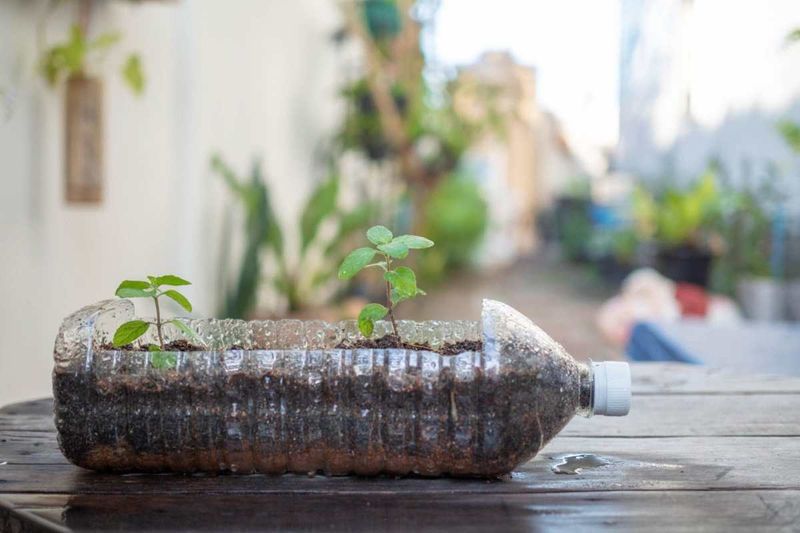
Water solves half the puzzle. Light handles the other half, and winter in New York is stingy with it. In December, daylight in New York City shrinks to roughly nine hours, and nearby buildings can block even more.
Most culinary herbs want at least six hours of direct sun. A south-facing window is your best bet, with west or southwest windows close behind. North windows rarely provide enough on their own.
Leggy, pale stems stretching toward the glass are a clear sign your plants need more. A small LED grow light can fill the gap without raising your electric bill much. Hang it about 6 to 12 inches above the leaves and run it 12 to 16 hours a day.
An inexpensive outlet timer makes this easy. I set mine to switch on before breakfast and off after dinner, so I do not have to think about it.
Give each bottle a quarter turn every few days. Herbs lean toward the light, and rotating keeps them growing straight and full. Wipe dust off your window too, since grimy glass blocks more sun than you might expect.
Radiator Heat Can Turn Herb Leaves Crispy Fast
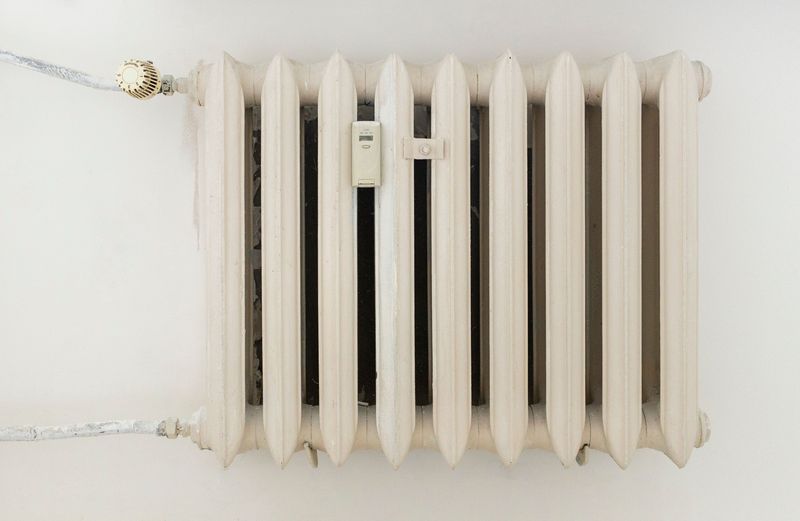
Old steam radiators clank, hiss, and pump out serious heat. That warmth feels cozy to us, but it dries indoor air quickly and can leave herb leaves brown at the edges.
Keep your bottles a few feet away from radiators and heating vents. Hot, dry air pulls moisture from leaves faster than roots can replace it, even with a wick working underneath.
Grouping plants together helps a lot. Each herb releases a bit of moisture, and a cluster creates a slightly more humid pocket.
Setting them on a tray of pebbles with water just below the top of the stones adds another boost.
Cold glass causes the opposite problem. On frigid nights, leaves touching a window can get chilled and damaged, especially basil.
Slide the bottles back a few inches after sunset, or tuck a piece of cardboard between plants and glass.
A cheap digital humidity meter showed me my apartment hovered around 25 percent in January. Herbs usually prefer closer to 40 percent or more.
Seeing that number made it easy to understand why my plants struggled before I changed things up.
Green Slime In The Reservoir Means Your Bottle Needs A Cover
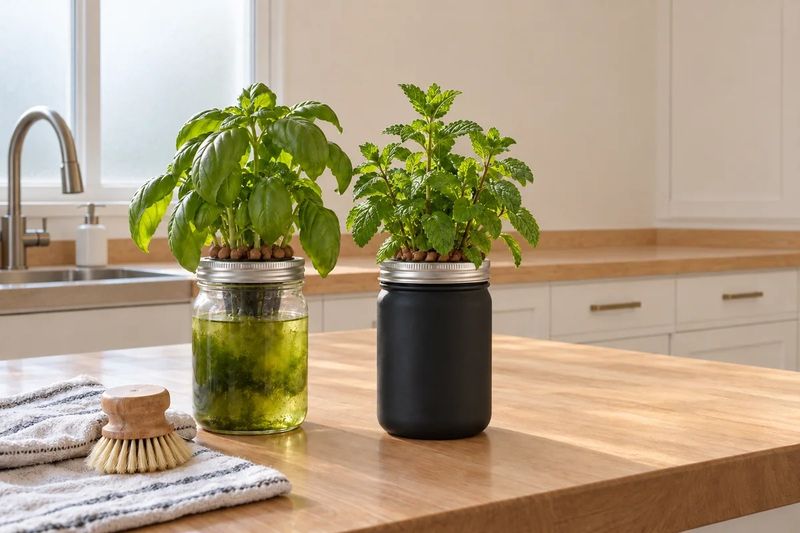
Clear plastic has one sneaky downside. Sunlight hitting standing water encourages algae, and before long the reservoir can turn a murky green.
Algae is mostly a cosmetic issue, but it can clog the wick and compete for nutrients. The fix is simple. Wrap the bottom half in aluminum foil, dark paper, or a sock to block the light.
I cut a slim window in my paper wrap so I can still peek at the water level. It looks a little quirky, but it works well.
Every two weeks or so, lift out the top section and rinse the reservoir. Fresh water keeps things from getting smelly. Check the wick too, since cotton can break down after a few months and need replacing.
Watch for fungus gnats, tiny black flies that hover around damp soil. University extension services suggest letting the top layer of soil dry slightly and using yellow sticky traps to reduce them.
Because the wick feeds from below, the soil surface often stays drier than in a regular pot, which helps keep these pests in check.
Snipping Fresh Basil Often Keeps The Harvest Coming Until Spring
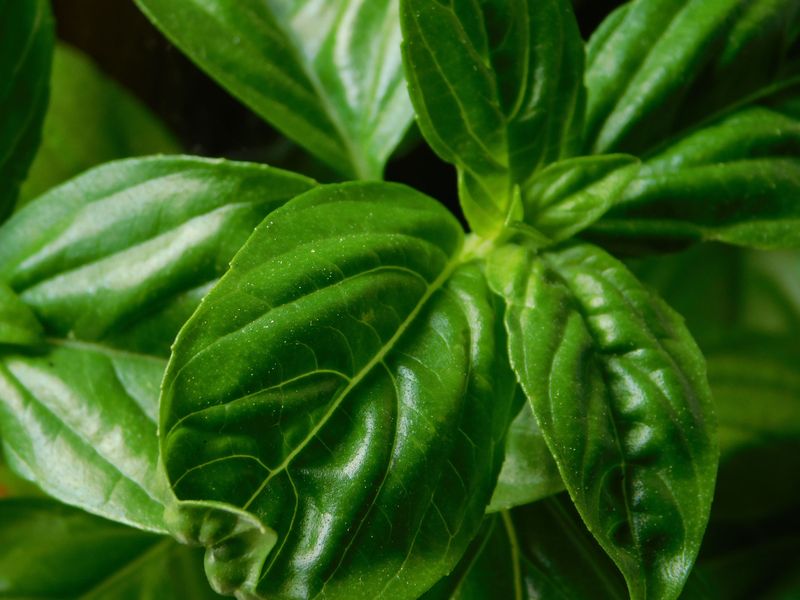
Picking your herbs is not just a reward. It is also one of the best things you can do for the plant.
Pinch or snip basil and mint just above a pair of leaves. Two new shoots usually sprout from that spot, so your plant grows bushier instead of tall and floppy. Try not to remove more than about one-third of the plant at once.
Chives and parsley like a different cut. Snip the outer stems near the base and let the inner ones keep growing. Pinch off any flower buds on basil right away, since flowering can turn the leaves bitter.
Feed lightly during winter. Growth slows with short days, so a diluted liquid fertilizer at half strength every three to four weeks is plenty. Pour it on the soil rather than into the reservoir to avoid encouraging algae.
Once spring arrives and nights stay above 50 degrees, you can move your bottles to a balcony if your building allows it. Until then, enjoy fresh chives on your eggs and basil on your pasta. Few things beat that bright flavor while snow piles up outside.