7 Things You Should Never Do To Your North Carolina Lawn In November
Bermudagrass can turn straw brown after the first frost, yet its roots and stolons are still very much alive below. That tan look is dormancy, and it fools plenty of North Carolina homeowners into the wrong chores every fall.
Cool-season fescue tells a different story, because it keeps growing through chilly weather and often looks its greenest now. Two lawns on the same street can need opposite care during the very same week of the year.
I’ll admit it, I used to think a sleepy lawn meant my yard work was finally finished for the year. Call me stubborn, but a few well-meaning chores I tried later caused patchy spots that lingered well into spring.
North Carolina State University’s turf experts have clear advice about what belongs on the November list and what does not. Some of the worst mistakes look helpful on the surface, so which ones are hiding in your fall routine?
1. Skip Nitrogen Fertilizer On Brown Bermuda And Zoysia Lawns
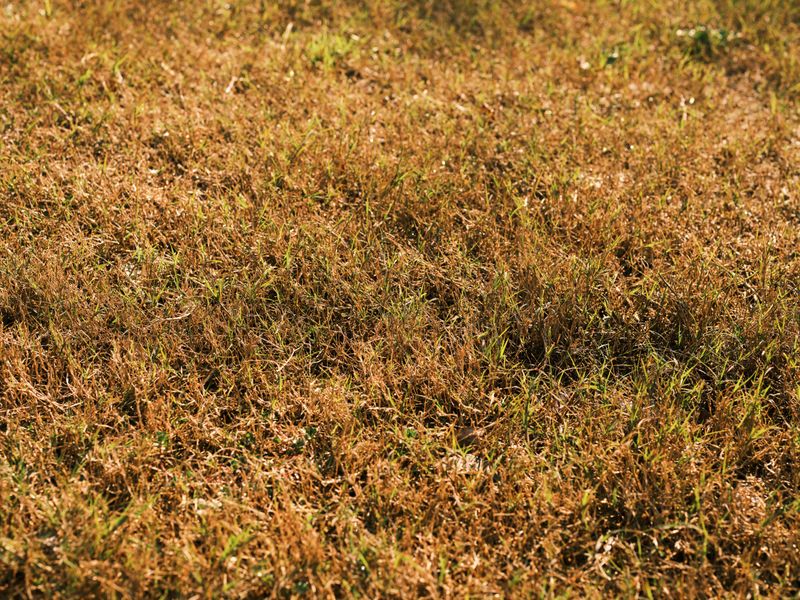
A brown Bermuda lawn practically begs for a scoop of fertilizer, and I fell for that silent plea myself. The grass is resting on purpose though, and feeding it now mostly helps the weeds sitting nearby.
Warm-season grasses like Bermuda, zoysia, centipede, and St. Augustine slow down as soil temperatures drop in autumn. Their final nitrogen feeding usually belongs in late summer, well before the cool nights of November arrive.
Late nitrogen can push soft new growth that frost easily injures before winter fully settles in. That tender tissue also tends to invite disease, and the turf may struggle more when spring green-up comes.
I learned to read the calendar rather than the color of my lawn when deciding about fertilizer. North Carolina State Extension lawn calendars place warm-season nitrogen in the growing months, not during the cold dormant stretch.
Cool-season fescue lawns follow different timing, and November is often a fine month for their feeding. Extension guides commonly suggest fescue fertilizer in September and again in November, so check your grass type first.
Not sure which grass you have growing out there in the yard this fall? Fescue stays green in cold weather, while Bermuda and zoysia fade tan after the first hard frost visits.
A soil test from the state Department of Agriculture is a smart move before any feeding plans. Results show what your lawn actually lacks, so you can save money and skip guessing every spring and fall.
Spreading fertilizer on dormant grass also risks runoff after heavy rain, which can carry nutrients into nearby storm drains. Holding off protects both your wallet and local waterways.
2. Set The Lawn Mower Blade Higher Before Scalping Fescue
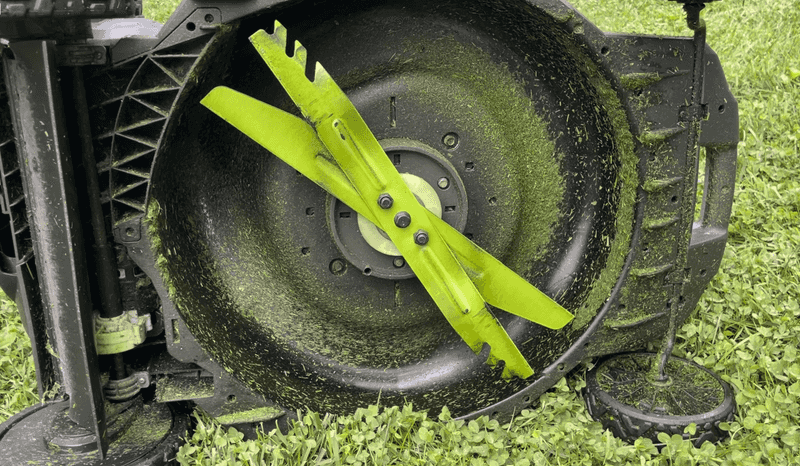
Scalping a lawn sounds dramatic, and honestly the bare patches it leaves behind look pretty dramatic too. One low pass with a mower can strip away the leaf tissue your grass needs this season.
Grass blades capture sunlight and make food, so cutting off too much leaves the plant short on energy. Fescue is still growing now, which means it needs plenty of green surface to build strong roots.
Extension guidance for tall fescue usually suggests a mowing height around three to four inches in most yards. I keep my mower near the higher end because taller blades shade the soil and crowd out winter weeds.
A simple guideline helps a lot here, and many lawn pros call it the one-third rule. Remove no more than a third of the blade height each time you mow, even during busy weeks.
Dormant warm-season lawns rarely need mowing in November because they have mostly stopped growing for the year. If you do mow them, keep the blade at its usual height and avoid shaving them down low.
Sharp blades matter more than many people realize, especially when the grass is trying to heal before cold weather. Dull blades tear leaf tips and leave ragged brown edges that can look tired for weeks afterward.
I sharpen my blade every fall, and the cleaner cut shows up right away across the whole lawn. Your grass will thank you later with thicker growth, fewer weeds, and better color once spring arrives again.
3. Put The Core Aerator Away For Dormant Warm-Season Grass
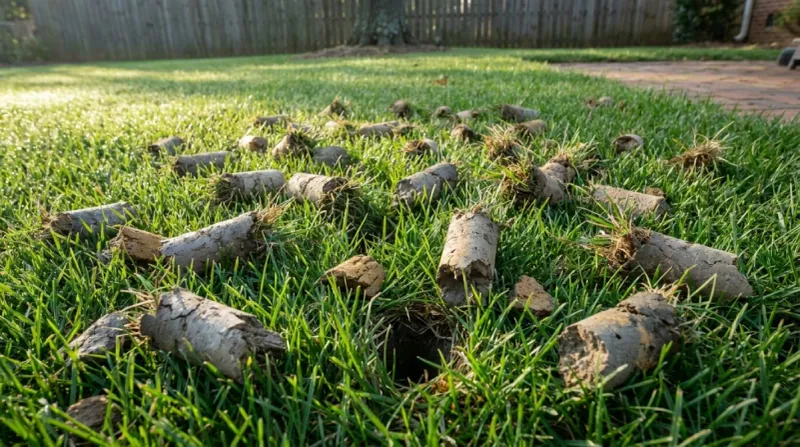
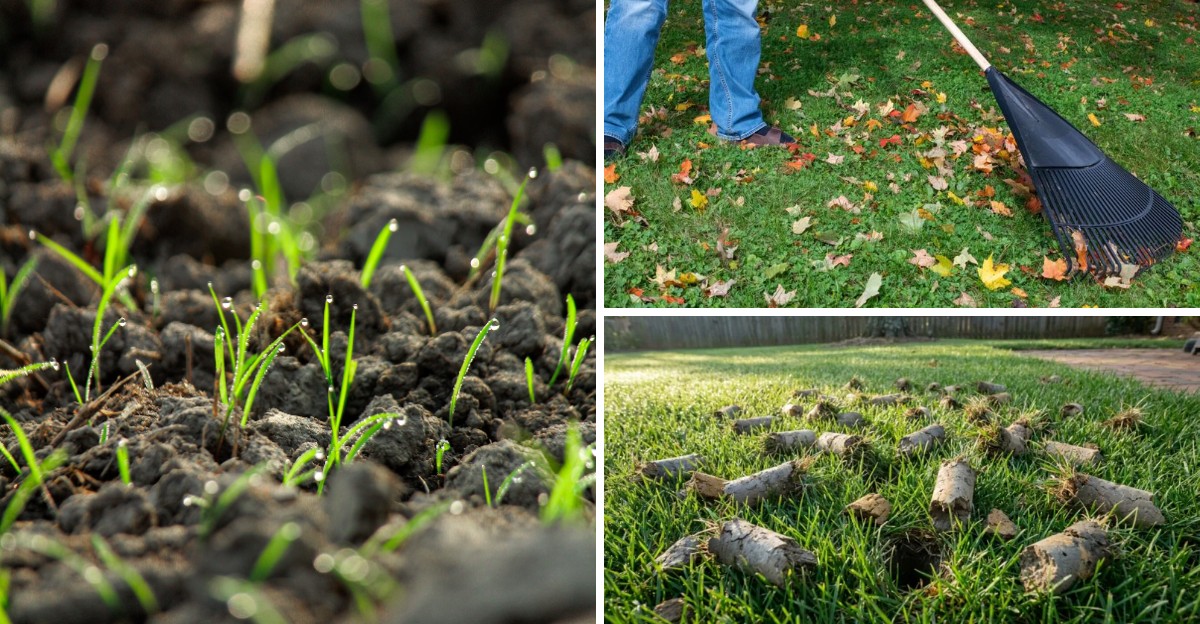
Those little soil plugs from a core aerator look so satisfying scattered across a lawn on a cool afternoon. Timing makes all the difference though, and November is a poor match for warm-season turf aeration.
Aeration pulls cores of soil to relieve compaction and help air, water, and nutrients reach the roots below. Grass needs to be actively growing afterward, because it fills in those holes with new roots and shoots.
Bermuda and zoysia grow strongest in late spring and summer, which is when extension experts recommend aerating them. Dormant warm-season grass cannot repair the openings, so weeds may move into the gaps over winter.
Dethatching follows the same logic, and I learned that lesson after raking up far more grass than thatch. Vertical mowing on sleeping turf can rip out stolons, leaving thin areas that recover slowly in spring.
Tall fescue lawns prefer aeration in early fall, usually alongside overseeding from late summer through mid-autumn. By November most of that window has closed, and the young grass benefits from less disruption at this point.
Not going to lie, I still feel the itch to do something useful on sunny November weekends. Instead, I mark compacted spots with small flags so I remember exactly where to aerate next season.
Walkways, play areas, and spots where cars park often need aeration most, so start there when the time comes. Planning ahead turns a restless fall afternoon into a much healthier lawn when the growing season returns.
4. Hold Off On Sowing New Grass Seed In Bare Patches
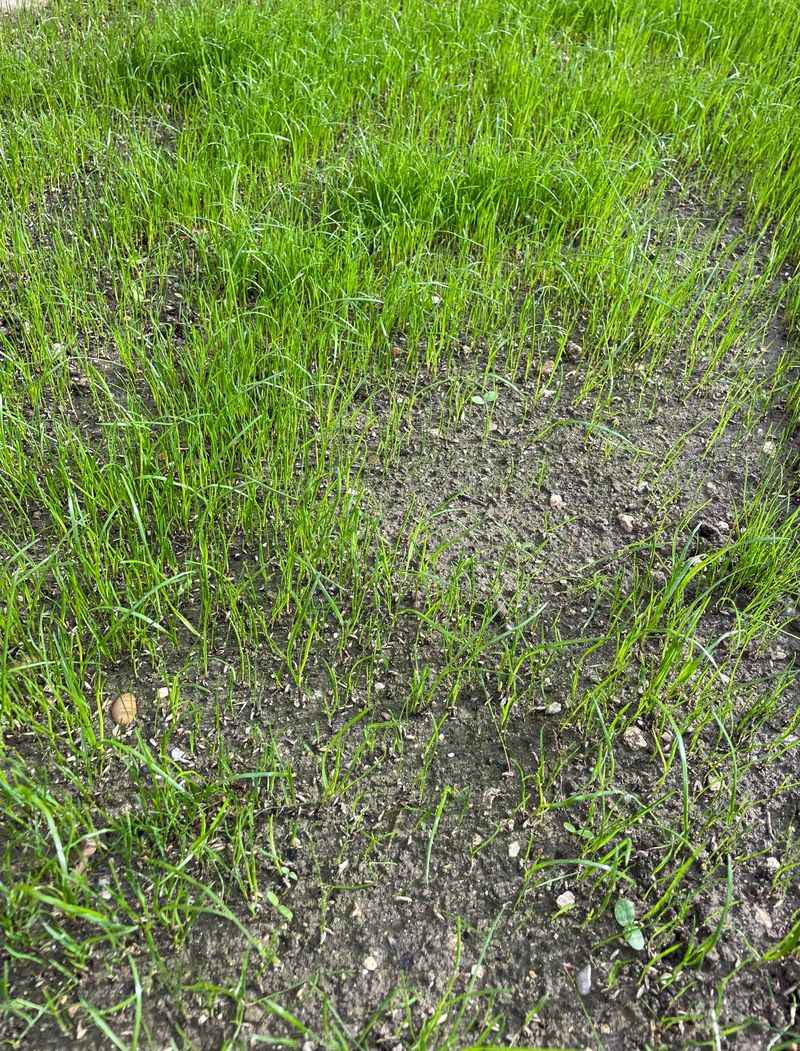
Bare patches in November feel like a personal insult, especially when the neighbor’s fescue looks lush and thick. Grabbing a bag of seed seems like a quick fix, but late seeding often leads to disappointment.
Fescue seedlings need several weeks of mild weather to develop roots before winter cold settles in for good. North Carolina State Extension suggests seeding tall fescue in September and October in most of the state.
Seed sown later may still sprout, but tiny seedlings can heave out of the soil during freeze and thaw cycles. They also face more stress next summer, when shallow roots struggle through the heat and dry stretches.
Warm-season grasses like Bermuda and centipede need warm soil to germinate, so seeding them now rarely works. Their best planting window falls in late spring and early summer, once soil temperatures climb well above sixty degrees.
Some homeowners overseed dormant Bermuda with annual ryegrass for winter color, and that is a different practice. Extension sources caution against putting ryegrass on centipede, though, because it can weaken that grass during spring transition.
I get it, waiting feels slow when bare soil is staring at you every time you step outside. A light layer of straw or leaf mulch can protect those spots from erosion until the proper window opens.
Use the winter months to test your soil and figure out why the grass thinned in the first place. Shade, compaction, and drainage problems often cause bare spots, and fixing them first gives new seed a stronger start.
5. Turn Off The Sprinkler System On Cold Damp Nights

Sprinklers hissing on a frosty November evening sound almost cozy, but your lawn probably does not enjoy them. Cool nights and soggy soil create perfect conditions for several lawn diseases to quietly gain ground.
Grass uses far less water in cool weather, because evaporation slows and growth drops off sharply. Many irrigation timers stay on their summer schedules, though, so lawns end up soaked far beyond what they need.
Extension turf specialists note that heavy watering of warm-season grass in fall may increase winter injury and disease. Dormant Bermuda and zoysia rarely need irrigation now, unless a long dry spell leaves the soil dusty.
Fescue still grows during autumn, so it may need a drink during dry weeks without rain. Water deeply but infrequently, and check how moist the soil is with a screwdriver before turning anything on.
Morning is the best time for any watering, since blades dry quickly as the day warms up. Evening watering leaves grass wet for hours overnight, which gives fungal problems like large patch an easy opening.
I’m the first to admit my old timer ran on autopilot until a soggy corner turned mushy and thin. Now I adjust the controller each fall and add a rain sensor that skips cycles after storms.
Draining outdoor hoses and protecting backflow devices before hard freezes saves headaches and repair bills later in winter. A few minutes of prep now keeps your watering system ready for spring without cracked pipes.
Checking the forecast before each watering helps too, since rain often covers what the lawn needs now. A quick look at the sky saves water and keeps the soil from turning soggy.
6. Keep Pre-Emergent Weed Control Away From Fresh Fescue Seedlings
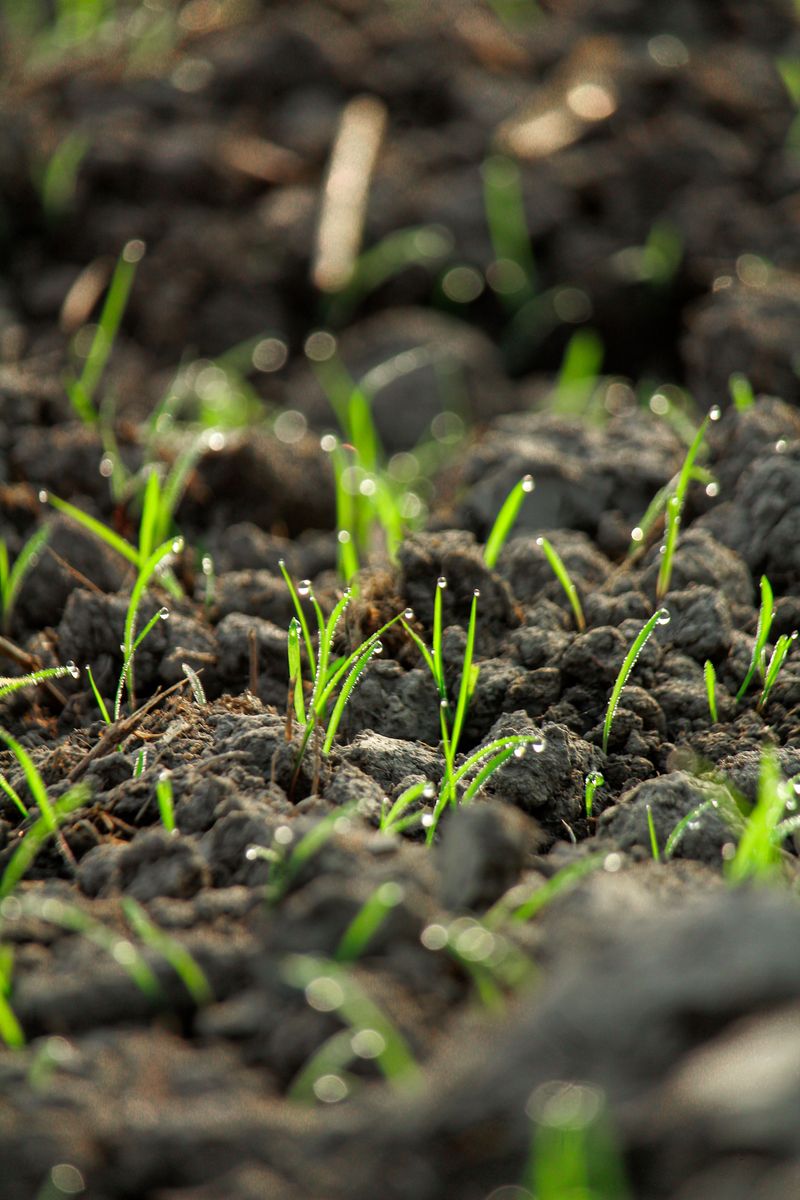
Weed control products promise a clean lawn, and the bag pictures make that promise look very tempting. Pre-emergent herbicides cannot tell a weed seed from your expensive grass seed, which surprised me early on.
These products form a barrier in the top layer of soil that stops many seeds from developing properly. Spread over a freshly seeded lawn, they can prevent new grass from establishing, leaving you with bare soil again.
Many fall pre-emergent products target winter weeds like annual bluegrass, henbit, and chickweed before they sprout. Timing them around fescue seeding takes planning, because label directions often require waiting weeks or months between steps.
Read the label closely, since each product lists which grasses it suits and how long seeding should wait. Some products are labeled for established warm-season turf only, and using them elsewhere may harm young grass.
Young seedlings also have tender roots and leaves that react poorly to many herbicides this early. Most labels advise waiting until new grass has been mowed a few times before applying weed control around it.
Trust me on this one, I once wasted a whole bag of seed by rushing the weed step. Now I keep a simple notebook listing product names, application dates, and seeding dates for each part of the yard.
Hand pulling a few winter weeds in tender areas works surprisingly well on mild afternoons. Thick, healthy grass is often the best weed barrier anyway, since it shades soil and crowds out unwanted seedlings.
7. Rake Up Thick Mats Of Oak And Maple Leaves
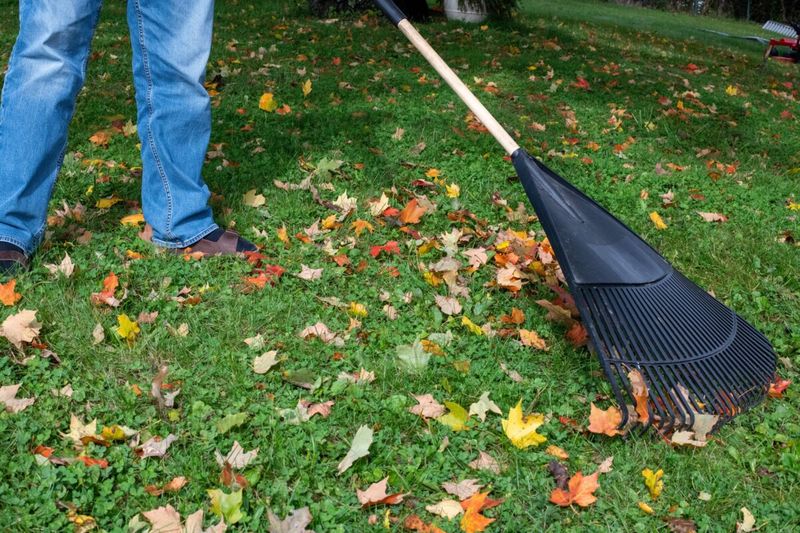
Crunchy oak and maple leaves make November walks feel wonderful, until a soggy layer settles over the lawn. Wet leaves pack down like a heavy blanket, and grass underneath quickly runs short on sunlight.
Fescue is busy storing energy for winter right now, so blocked light can thin it out fast. Matted leaves also hold moisture against the blades, which creates a cozy home for fungal diseases and mold.
A light scattering of leaves rarely causes trouble, and mowing them into tiny bits returns nutrients to soil. Many extension specialists encourage mulching leaves with a mower when the layer is thin enough to chop easily.
Heavy piles are a different story, especially under big oaks that drop leaves for weeks on end. I rake those spots every week or so, because one big cleanup at the end feels endless.
Collected leaves make terrific compost or garden mulch, so they do not need to leave your property at all. Shredded leaves break down faster and work nicely around shrubs, perennial beds, and vegetable gardens in spring.
I’ll say this much, my back appreciates smaller raking sessions far more than one giant weekend marathon. Using a tarp to drag leaves saves lots of bending, and kids often enjoy helping with that part.
Many towns across North Carolina offer curbside leaf collection during autumn months, so check your local schedule. Clearing storm drains near your yard also helps rainwater flow away, keeping low spots in the lawn from flooding.