The North Carolina Weed That Stings You But Is Surprisingly Useful
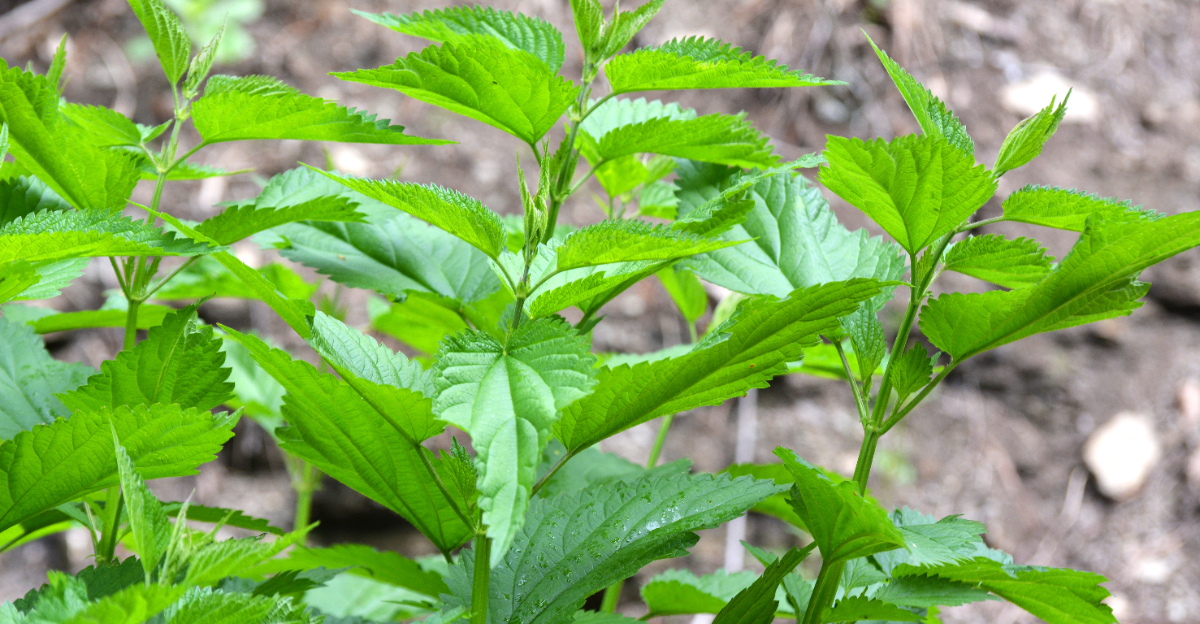
Few plants get avoided as quickly as the one that stings the moment your skin brushes against it while working in a North Carolina garden.
Most people yank it out immediately, frustrated and rubbing at the irritation left behind on their arms or hands.
But nettle carries a surprising reputation once you look past that painful first impression, one that completely changes how many gardeners view this so called nuisance plant.
Understanding what makes it worth a second look could shift your entire approach the next time you spot it growing nearby.
Some gardeners have even started intentionally leaving a patch alone once they learn what it actually offers. It turns out the plant everyone avoids might be doing more for your garden than half the things you’re actually trying to grow there.
Once you know its story, you may never look at nettle the same way again.
1. Tiny Hairs Cause The Sting
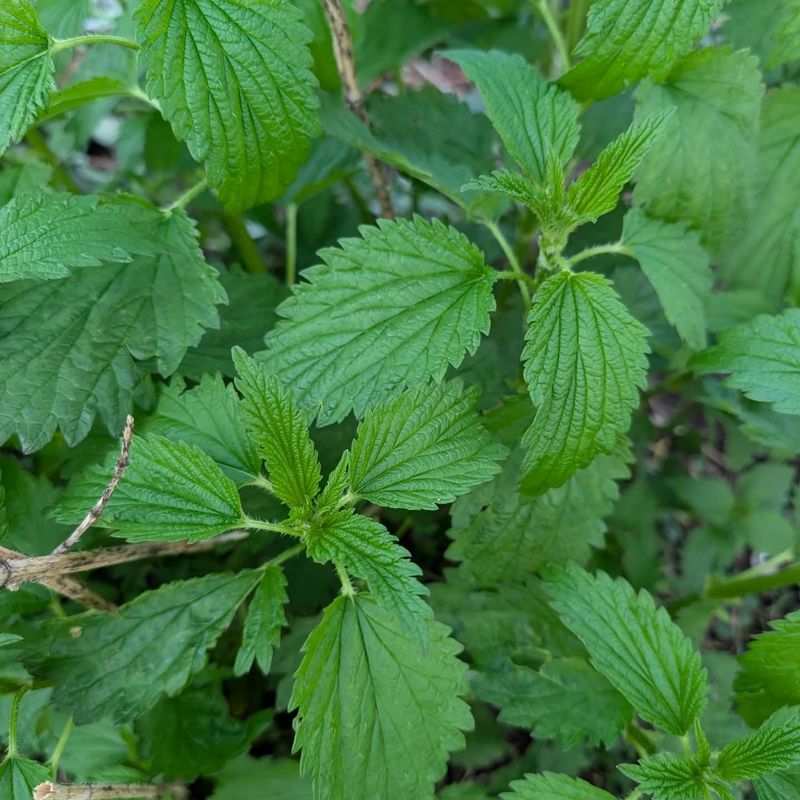
Run your hand across a nettle leaf and you will find out fast why people keep their distance. The sting comes from thousands of tiny hairs that cover the leaves and stems.
These hairs work almost like little glass needles. When your skin brushes against them, the tips break off and poke into you. At the same time, they release a mix of natural chemicals right under your skin.
That mix is what causes the burning and itching. It often includes things like formic acid, the same kind of sting found in some ant bites. Your body reacts quickly, and a red, bumpy rash can pop up within minutes.
The feeling is annoying, but for most people it fades on its own after a little while. Washing the area with cool water and soap can help. Try not to scratch, since rubbing can push more of the chemicals into your skin.
Here is something interesting about how those hairs work. They are hollow and stiff, built almost like a tiny syringe. The plant uses them as a defense so hungry animals think twice before taking a bite.
Knowing this makes it easy to handle nettle safely. Thick gloves and long sleeves block the hairs before they ever reach your skin. Gardeners who respect the plant rarely get stung at all.
So the sting is not random or mean. It is a clever survival trick, and once you understand it, nettle feels far less scary to be around.
2. It Loves Rich Moist Ground
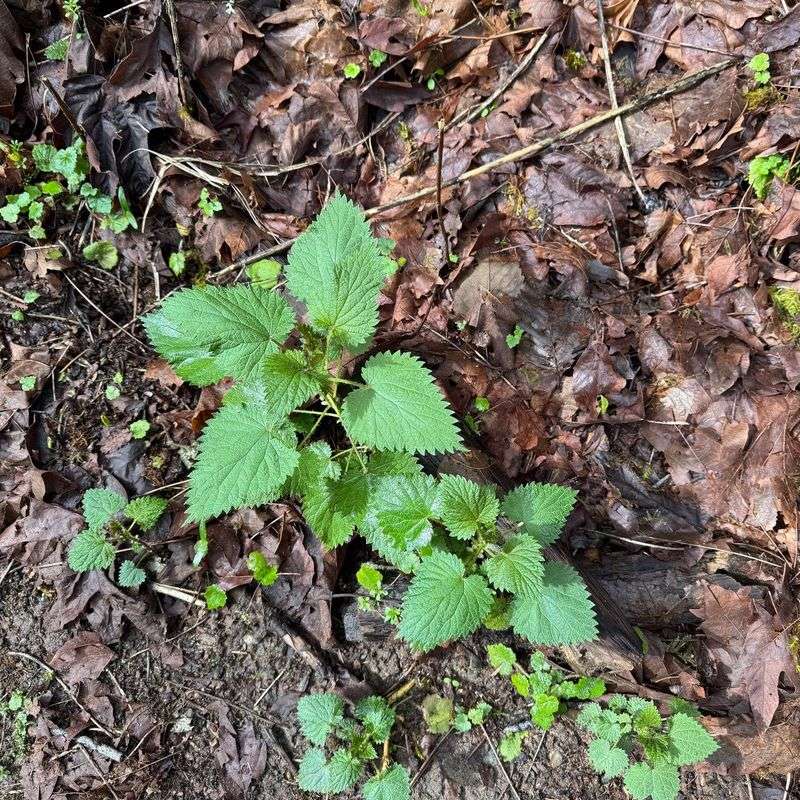
If you want to find nettle, follow the water. This plant loves damp, rich soil and often shows up near streams, ponds, and low spots where moisture collects.
Nettle is picky in a helpful way. It grows best where the ground holds lots of nutrients, especially nitrogen. That is why you often spot it near old barns, compost piles, and places where animals once grazed.
Meadows, woodland edges, and shady clearings are some of its favorite homes. It also pops up in disturbed ground, like the edges of trails or spots where the soil has been dug up.
Your North Carolina Garden Changes Every Week. Your Plan Should Too.
Gardening in North Carolina changes quickly throughout the season. Every Friday you’ll receive a simple weekly plan showing exactly what to plant, prune, fertilize, harvest, and protect so you never miss the right timing.
Because it likes fertile land, nettle can actually tell you something useful. A thick patch of it usually means the soil below is healthy and full of goodness. Some gardeners see it as a sign of good dirt.
In North Carolina, the mix of moist woodlands and stream banks gives nettle plenty of room to thrive. Spring rains keep the ground soft and wet, which is exactly what it wants.
You will rarely find nettle in dry, sandy, or baked soil. It simply cannot get enough water there to grow tall and strong.
Knowing where it likes to live helps in two ways. If you want to harvest it, you know where to look. And if you want to avoid it, you can watch your step near shady, wet areas.
Either way, understanding its favorite spots makes nettle a lot more predictable.
3. It Can Spread Fast
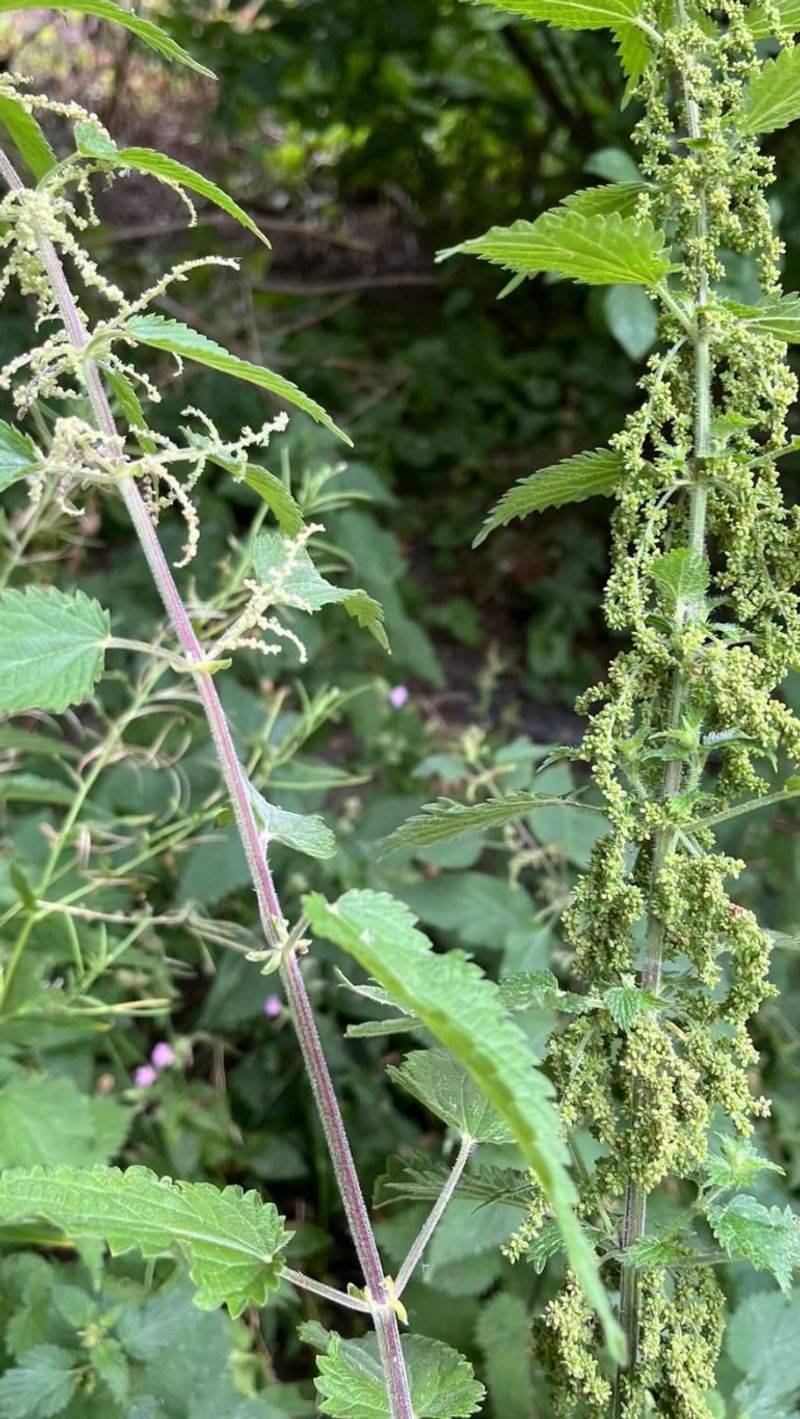
Give nettle a little room and it will happily take a lot. This plant is a fast spreader, and one small clump can turn into a huge patch in just a few seasons.
It has two main tricks for growing wide. The first is a network of underground stems called rhizomes. These creep sideways below the soil and send up brand new shoots as they go.
Every new shoot can become its own plant. Over time, those shoots connect into a thick colony that crowds out other plants nearby.
The second trick is seeds. A single nettle plant can make thousands of tiny seeds. Wind, water, and even shoes can carry them to fresh ground where they sprout.
That double power makes nettle very good at holding its territory. Once it settles in, it does not give up easily.
For gardeners, this can be both good and tricky. A steady patch means you always have plenty to harvest. But an unwanted patch can be a real chore to control.
Pulling nettle by hand often fails because bits of rhizome left behind grow right back. Digging out the roots fully works better, though it takes patience and gloves.
Mowing or cutting the plants before they make seeds helps slow the spread. Doing this a few times each season keeps the colony from getting out of hand.
The lesson is simple. Respect how quickly nettle grows, and plan its space before it plans its own.
4. Young Shoots Can Be Eaten
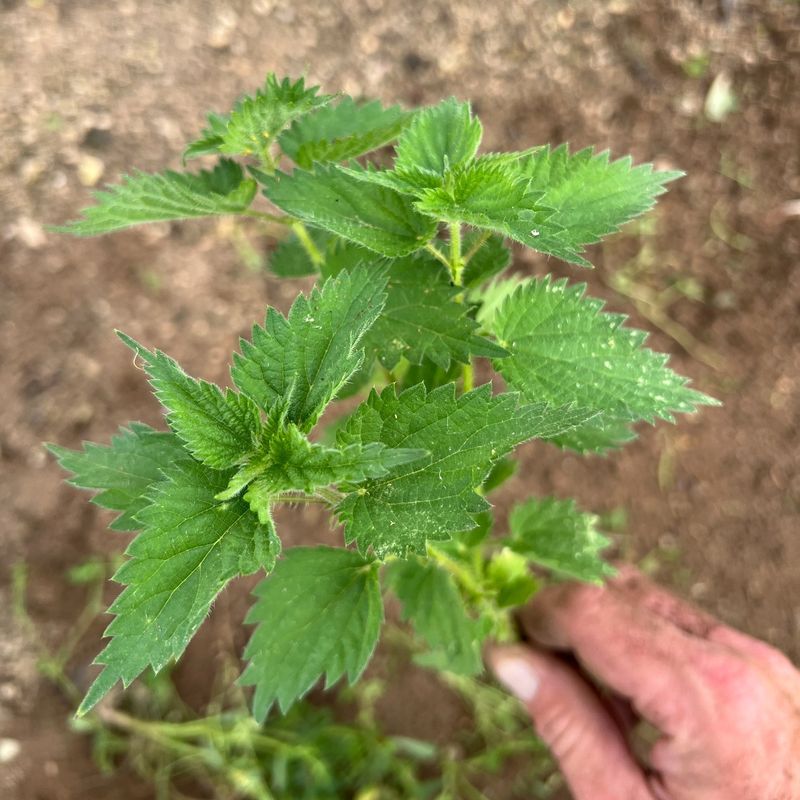
Here is a fact that surprises almost everyone. The same plant that stings your hand can also end up on your dinner plate as a tasty green.
Young nettle shoots have been food for people for a very long time. Picked early in spring, the tender tops are soft, mild, and full of good stuff.
Nettle is packed with vitamins and minerals. It offers iron, calcium, and vitamin C, along with plenty of protein for a leafy green.
People cook it in many ways. It works well in soups, stews, and teas, and it tastes a bit like spinach with an earthy twist.
The trick is picking the right leaves. Older plants get tough and gritty, so gatherers stick to the young tops, usually the first few inches of new growth.
Harvesting takes a bit of care. Wear thick gloves, snip the shoots with scissors, and drop them straight into a bag or basket.
Once the plant is cooked, the sting completely goes away, which makes it perfectly safe to eat. We will look at why that happens in the next fact.
Many people who forage say nettle is one of the best free foods in early spring. It shows up when few other fresh greens are ready.
Trying it can feel a little bold at first. But once you taste a warm bowl of nettle soup, you understand why this stinging weed has fed families for centuries.
5. Cooking Removes The Sting
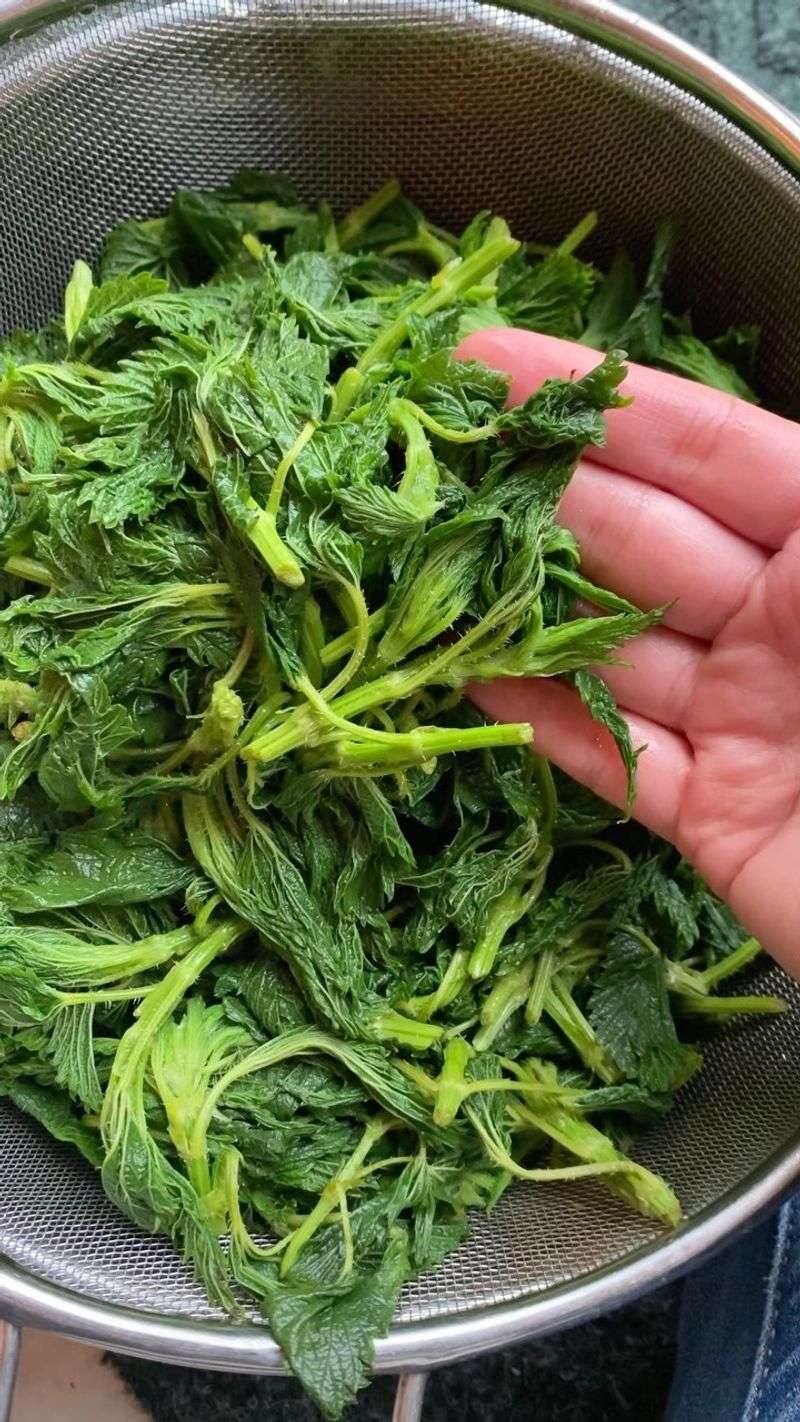
The idea of eating a stinging plant sounds a little wild until you learn one simple fact. Heat and water make the sting vanish completely.
Raw nettle needs careful handling because those tiny hairs are still active. Touch a fresh leaf and it will bite back every time.
But those hairs are surprisingly fragile once they meet hot water. Boiling nettle for just a couple of minutes breaks down the stinging structure entirely.
The heat also neutralizes the chemicals the hairs carry. After a short boil, you can handle and eat the leaves with no worry at all.
Some people also soak nettle or crush it firmly to weaken the sting. Even drying the leaves for tea takes away most of their bite.
Cooking is still the easiest and most reliable method. A quick blanch in boiling water is all it takes. When you prepare it, use tongs to lower the fresh leaves into the pot. Keep your gloves on until the leaves are fully cooked.
After boiling, you can drain the nettle and use it like any other cooked green. Some cooks save the water and drink it as a mild, earthy tea.
This is why so many traditional recipes call for nettle. Folks long ago figured out that fire and water tame the plant.
So the sting is only temporary. With a pot of hot water, this fierce little weed turns into a gentle, healthy meal you can enjoy without a single itch.
6. Butterflies Use The Leaves
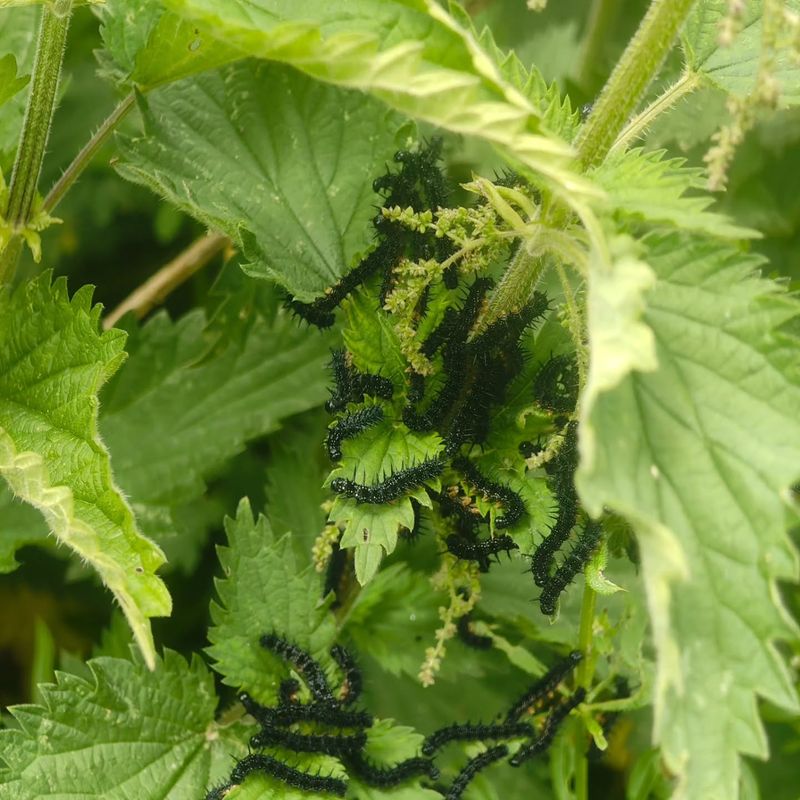
There is a beautiful reason to let a little nettle grow in a wild corner. Butterflies love it, and their caterpillars depend on it for food.
Several kinds of butterflies lay their eggs right on nettle leaves. The Eastern comma, the mourning cloak, and the question mark all use it this way.
When the eggs hatch, the tiny caterpillars have a fresh meal waiting. They munch on the leaves and grow strong before turning into butterflies.
This makes nettle a real hero for backyard wildlife. Without host plants like it, many butterfly species would struggle to survive.
The stinging hairs even help the caterpillars. Hungry birds and other animals often avoid the prickly plant, which keeps the young ones safer.
Some caterpillars fold nettle leaves over themselves for shelter. They spin a little silk and hide inside a leafy tent while they eat.
If you enjoy watching butterflies dance through your yard, a nettle patch can help bring them in. Tuck it into a spot where nobody walks.
Gardeners who want more pollinators often leave a small stand of nettle on purpose. It becomes a nursery for the next generation of butterflies.
Fun bit worth sharing: the question mark butterfly got its odd name from a tiny silver mark shaped like punctuation on its wing.
So before you clear every last nettle away, think about the winged visitors. That stinging weed might be the very reason your garden fills with fluttering color each summer.
7. The Plant Has A Fiber History
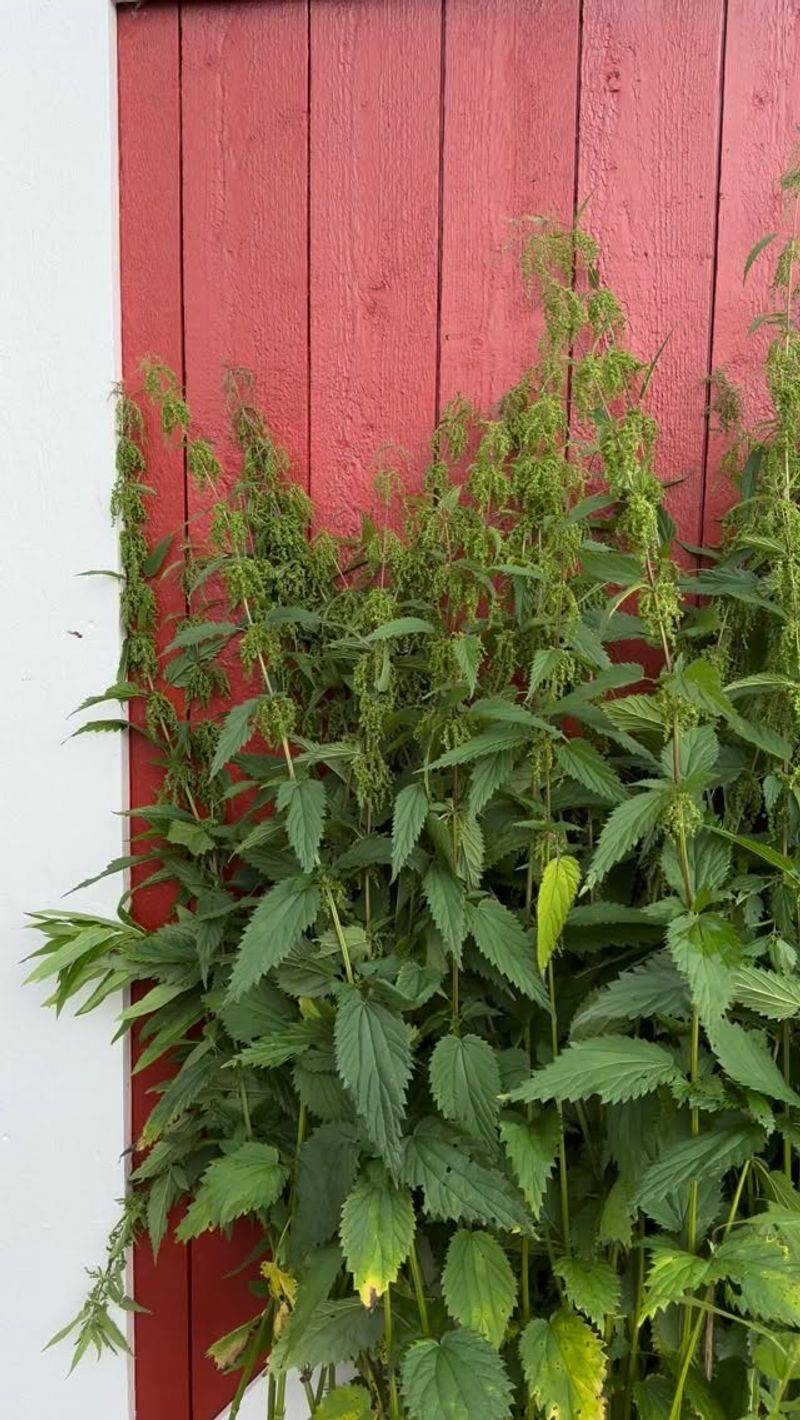
Long before cotton filled our closets, people turned to nettle for cloth. The tall stems hold strong fibers that can be spun into thread.
Those fibers run down the inside of the stalk. Once cleaned and softened, they twist together into cord, rope, and even soft fabric.
Ancient people across Europe and Asia used nettle this way. They made shirts, nets, and sacks from a plant most folks today just try to avoid.
Nettle cloth was known for being tough and long lasting. Some old fabrics made from it have survived for hundreds of years.
During times when cotton was hard to get, nettle became extra important. People turned to it whenever they needed reliable material.
The plant offers more than fiber, too. Its leaves and stems can be boiled to make a natural dye.
That dye usually gives soft green and yellow shades. Crafters still use it today to color yarn and cloth without factory chemicals.
Making fiber from nettle takes real skill and patience. The stalks must be soaked, dried, and beaten to free the useful strands.
Even so, the process shows how clever people were with the plants around them. Nothing went to waste, not even a stinging weed.
Today there is fresh interest in nettle fabric as a green, earth-friendly choice. Some designers are bringing it back for modern clothes.
Next time you spot a patch, remember it is more than a garden pest. It carries a long history woven right into human culture.
8. Useful Does Not Mean Harmless
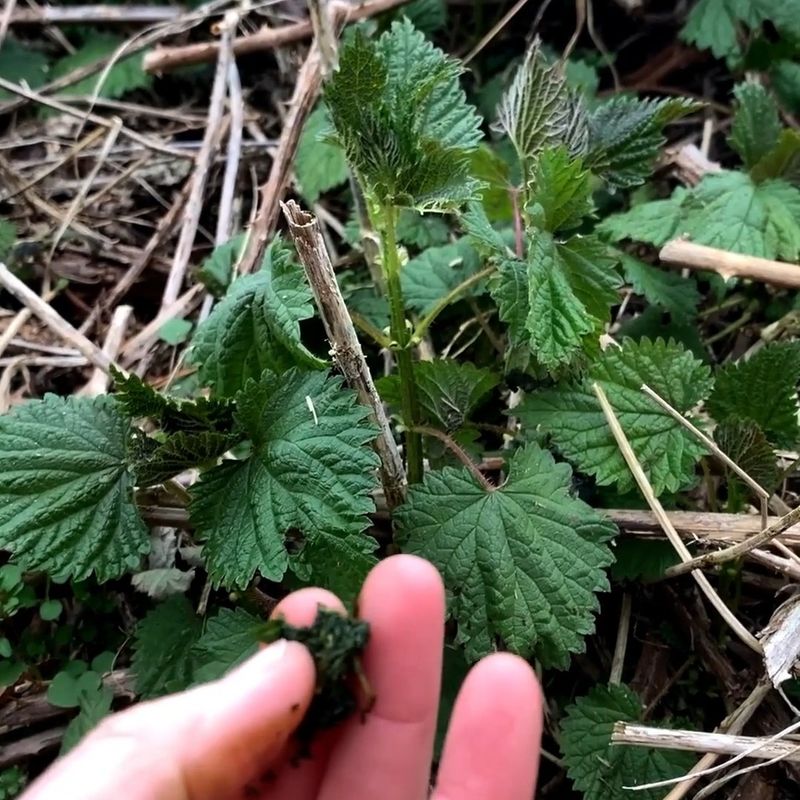
All the good things about nettle come with one honest reminder. Helpful as it is, this plant can still give a nasty sting if you get careless.
Smart gardeners always reach for protection first. Thick gloves and long sleeves keep those tiny hairs far from bare skin.
Placement matters just as much as clothing. Keep nettle away from paths, doorways, and spots where people or pets might brush past it.
Children play fast and rarely watch their step. A nettle patch near a play area is asking for tears and itchy arms.
Because the plant spreads so easily, keeping it in check is wise. Cut it back before it makes seeds and dig up stray roots.
Some gardeners build a border around their nettle. A raised bed or a buried edge can stop the roots from wandering too far.
If you do get stung, stay calm. Rinse the area with cool water, avoid scratching, and the burning usually fades before long.
Some people find relief by pressing a cool cloth on the spot. The reaction is uncomfortable but almost always harmless for most folks.
The real goal is balance. You can enjoy nettle for food, butterflies, and fiber while still respecting its prickly side.
Treat it like a useful tool rather than a friendly houseplant. Handle it with care, give it clear boundaries, and it rewards you well.
With a bit of planning and a good pair of gloves, this stinging weed becomes a helpful ally instead of a garden nuisance.